REVIEW · NEW ORLEANS
New Orleans: Garden District Guided Walking Tour
Book on GetYourGuide →Operated by Lucky Bean Tours · Bookable on GetYourGuide
Garden District streets feel like living theater. I love the way the guide turns leafy blocks into real stories with names, motivations, and plot twists, and I love the chance to see Lafayette Cemetery No. 1 up close through the gates. One catch: you’ll be walking on uneven sidewalks for about 2 hours, and the cemetery is currently closed to the public (so think gated peek, not full entry).
I also like how the tour pays attention to what you can see. You’ll get a clear explanation of where the Garden District’s distinctive antebellum-style architecture came from, then finish near Magazine Street where you can keep the day going with shopping and dining.
If you want a no-pressure stroll with a guide who jokes, answers questions, and points out details you’d miss alone, this is a strong pick. If you hate walking in uneven areas or you’re hoping for full cemetery access, plan accordingly.
In This Review
- Key highlights to look for
- New Orleans’ Garden District: Why it hits differently than the Quarter
- Your 2-hour walk: what the route is like, step by step
- Antebellum architecture on the move: what you’ll learn without a lecture
- Lafayette Cemetery No. 1: a gated look at above-ground burial culture
- The guide makes the difference: from James to Yvonne to Lesley
- Ending near Magazine Street: turning the tour into an afternoon
- Price and value: is $35 a fair deal for 2 hours?
- Who should book this Garden District tour (and who might not)
- Practical tips so your tour feels easy
- Should you book this Garden District guided walking tour?
- FAQ
- How long is the New Orleans Garden District guided walking tour?
- What does the tour cost?
- What’s included in the price?
- What language is the guide?
- Is the tour wheelchair accessible?
- Is Lafayette Cemetery No. 1 open during the tour?
- Where does the tour start and meet?
- Where does the tour end?
- Are pets allowed?
- Is smoking allowed during the tour?
Key highlights to look for

- Tree-lined streets plus real neighborhood stories that make the Garden District feel personal, not textbook-only
- A gated peek at Lafayette Cemetery No. 1 and a clear look at above-ground burial customs
- Antebellum architecture explained in plain language as you walk from stop to stop
- How the wealthy suburb took shape after the Louisiana Purchase, with risk-takers and speculators in the mix
- A natural landing spot near Magazine Street for food and browsing right after the tour
- Humor and question time from guides who’ve included James, Lesley, Renee, Yvonne, and others
New Orleans’ Garden District: Why it hits differently than the Quarter
New Orleans does “history” in a way most cities can’t match. The Garden District is part of that magic, because it doesn’t feel like an exhibit behind ropes. It feels like a place where the past still sits in front of you—on porches, in gates, along brick walls, and behind wrought iron.
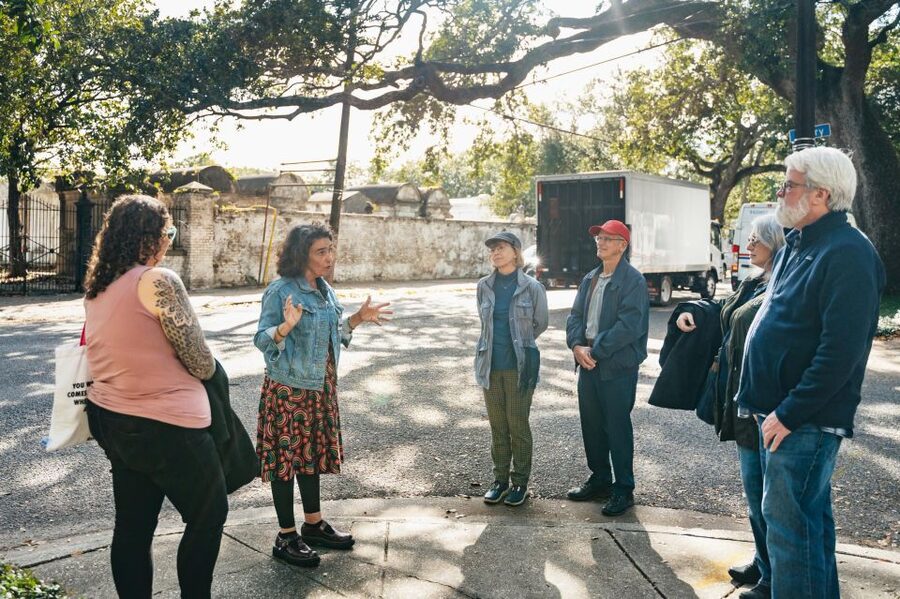
This tour works because it’s designed around walking. You start with a quick orientation to New Orleans and the neighborhood, then you move. As you go, the guide stitches together why the area looks the way it does and who had the power (and nerve) to build it that way. That story connection is one reason people keep praising guides like James for being funny and engaging, and for offering onward tips after the tour.
It’s also a good “contrast” activity. The Quarter is all about energy and spectacle; the Garden District is slower and greener, with architecture you can study at a human pace.
You can also read our reviews of more walking tours in New Orleans



Your 2-hour walk: what the route is like, step by step

The tour lasts 2 hours, and that timing matters. It’s long enough to see real variety—mansion exteriors, gates, street geometry, and garden detail—but short enough that you’re not fading before the best parts land.
Here’s how the experience typically unfolds:
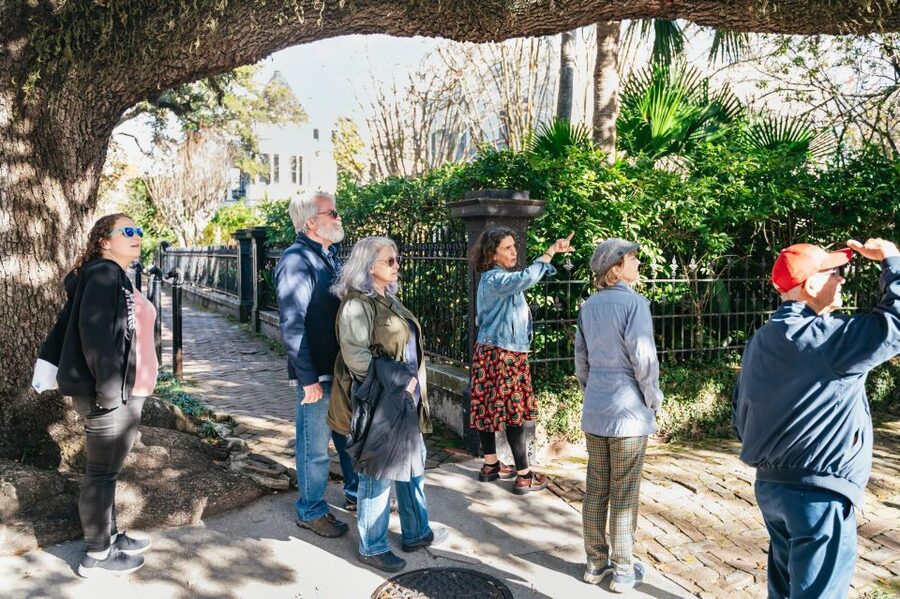
You begin with a brief introduction to New Orleans and the Garden District so you can place what you’re seeing. Then the group walks along elegant, tree-lined streets, where the guide points out the architectural cues that give the district its “antebellum” vibe.
As you move, expect stops that connect visual details to human decisions. It’s not just, Look at that house. It’s, Here’s why that style showed up here, and what it meant for the people who lived behind those walls.
One helpful detail: the tour wraps near Magazine Street. That’s practical. After two hours, your brain is warmed up with context, and you’re already positioned in one of the best places to keep exploring—on foot—without needing to think too hard about the next move.
Antebellum architecture on the move: what you’ll learn without a lecture

The Garden District is famous for its homes, but the value here is how the guide explains them. Instead of treating architecture like a checklist, you’ll learn what shaped it—especially the origins of the district’s antebellum-style look.
A key part of the story is the timing. The area grew as a wealthy suburb after the Louisiana Purchase, and the guide talks about the risk-takers, speculators, and dreamers who helped make it real. That trio matters because it explains the mix of ambition and gamble behind the neighborhood’s transformation.
You’ll also get a sense of how the district became a kind of stage for identity. The homes and gardens weren’t only about shelter. They were about status, stability, and the message people wanted to send—then and now.
And because you’re walking, you see patterns instead of isolated buildings. You notice how street layout, lot placement, and entrances work together. That makes the architecture stick in your mind, even if you’re not a design nerd.
Lafayette Cemetery No. 1: a gated look at above-ground burial culture
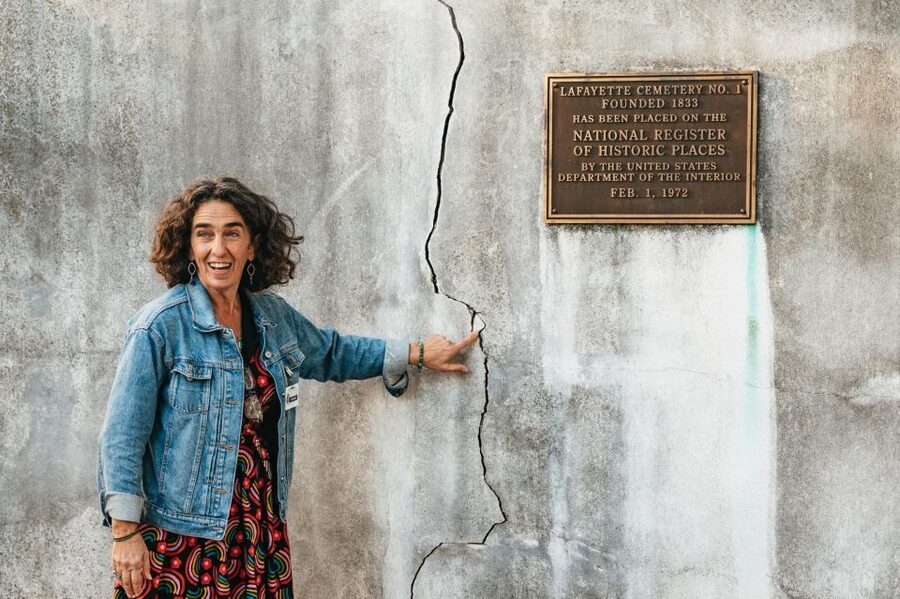
If one moment anchors the tour, it’s the Lafayette Cemetery No. 1 stop. You’ll peek through the gates and hear about New Orleans’ above-ground interment customs, which can feel surprising the first time you learn why it developed.
Important practical note: the cemetery is described as currently closed to the public. So don’t expect a full inside visit. What you can expect is a guided look through the gates plus storytelling that explains what you’re seeing and why.
Why this matters for your trip: New Orleans burial traditions are one of the clearest ways to understand how the city adapts to climate, space, and long-term memory. Even from outside, the guide helps you connect the physical design to the cultural logic.
The cemetery stop also tends to spark questions. In past tours, people have asked about how tombs are used, and that conversation energy is part of what makes this stop memorable. If you’re the type who likes learning the “why” behind the “what,” this part is usually a win.
The guide makes the difference: from James to Yvonne to Lesley

This is one of those tours where the guide’s personality affects everything. Many people highlight the same ingredients: a steady flow of facts, room for questions, and a relaxed pace that doesn’t feel rushed.
You’ll notice names popping up in the experiences led by guides such as James, Lesley, Renee, Yvonne, Jackie, Tim, Libby, and Betsy. Across those different guides, the pattern is clear: storytelling is the method, and humor is often part of the delivery.
James, in particular, comes up repeatedly for being funny and for sharing onward tips for food and places to visit after the walk. People also mention how guides can adapt—like fitting in more houses a group wanted to see, or adjusting grouping so it doesn’t feel crowded.
That adaptability is worth something. New Orleans weather can change fast, and walking tours need a little flexibility. If your group includes curious architecture hunters, people who ask lots of questions, or anyone who just wants to slow down and enjoy details, a guide who can respond makes the tour feel tailored rather than scripted.






Ending near Magazine Street: turning the tour into an afternoon

The tour finishes near Magazine Street, which is a smart design choice. It takes you from “learning mode” to “doing mode” without friction.
Magazine Street is ideal for two reasons:
- You can keep walking and explore at your own pace while the stories are still fresh.
- You can turn your afternoon into a meal plan based on what you’ve just learned and what you’re in the mood for—casual, sit-down, sweet, or savory.
If your goal is to get beyond the big-ticket sights and experience neighborhoods like a local, ending here helps you do that. It’s the kind of finish that naturally extends your trip instead of ending it abruptly.
Price and value: is $35 a fair deal for 2 hours?
At $35 per person for a 2-hour walking tour, you’re paying for more than someone walking beside you. You’re paying for interpretation—someone translating architecture, neighborhood origins, and cemetery customs into a story you can actually remember.
For New Orleans, that value makes sense because so much of what makes the city special is visible only if you know what to look for. The guide helps you spot the cues: where styles come from, what entrances and gates signal, how the cemetery tradition connects to the city’s reality.
The biggest value lever here is that the tour is built for attention. It’s not an all-day marathon, and it doesn’t pretend you can see everything. You get a focused slice: architecture origins, memorable mansion streets, and the Lafayette Cemetery No. 1 stop through the gates.
If you’re budget-conscious, this is still worth considering because it lands you near Magazine Street afterward—meaning your guided time pairs well with self-guided wandering and meals.
Who should book this Garden District tour (and who might not)
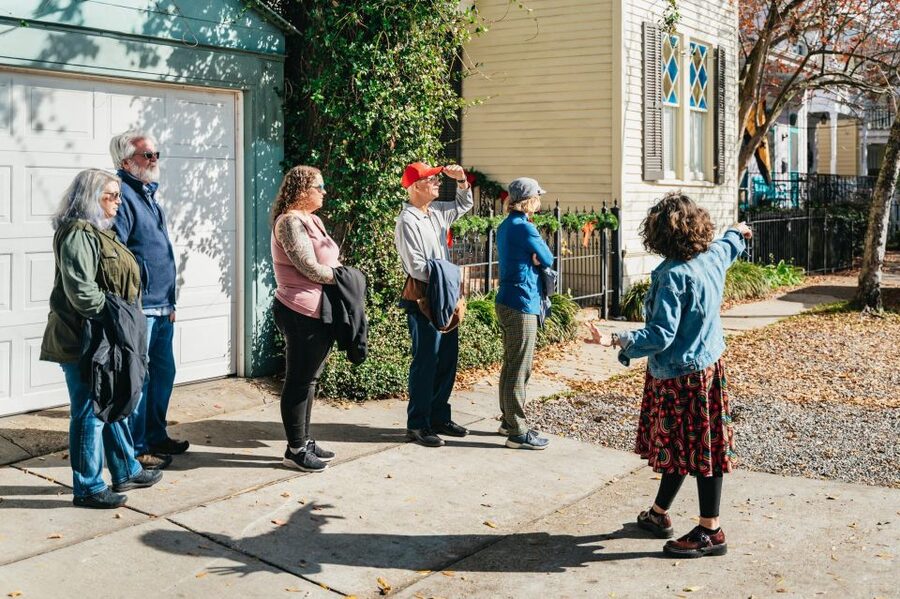
This tour is a great fit if you:
- Like architecture but don’t want to spend your day reading a guidebook in silence
- Want New Orleans history told through streets, homes, and city customs rather than a single indoor stop
- Prefer a manageable walking time with a guide who keeps the pace friendly
- Enjoy learning about cemetery traditions and why they look the way they do
It may be less ideal if you:
- Need smooth, even surfaces the whole time. The area has uneven walking surfaces, and sturdy walking shoes (and wheelchairs, if necessary) are strongly recommended.
- Are expecting the cemetery to function like a full museum visit. The tour specifically notes a gated peek while the cemetery is currently closed to the public.
Practical tips so your tour feels easy

A few prep moves can make the day smoother:
Wear shoes with grip. Uneven pavement is part of the deal here. Even if you’re in good shape, you’ll appreciate traction when the group pauses for stories.
Bring water and patience. Two hours is short, but New Orleans can be warm, and you’ll stop often to look, listen, and ask questions.
Plan to continue afterward. Since the tour ends near Magazine Street, think about lunch or snacks you can grab without a big detour.
If you care about details, ask questions. The tour format includes a guide who welcomes questions, and that tends to lead to the best extra bits—like clarifying tomb use in Lafayette Cemetery No. 1 or getting architectural context on particular facades you notice.
Should you book this Garden District guided walking tour?
I’d book it if you want a focused, story-driven walk through one of New Orleans’ most visually distinctive neighborhoods, with a cemetery moment that adds real cultural context. At $35 for 2 hours, the price feels reasonable when you factor in what you gain: clear explanations as you walk, a guided peek at Lafayette Cemetery No. 1, and an easy landing near Magazine Street afterward.
I’d hesitate if you’re hoping for full cemetery access or if uneven surfaces make walking hard for you. In that case, you can still enjoy the Garden District on your own—but you’d lose the structured storytelling that makes the neighborhood click.
FAQ
How long is the New Orleans Garden District guided walking tour?
The tour duration is 2 hours.
What does the tour cost?
The price is $35 per person.
What’s included in the price?
The tour includes a walking tour and a live guide.
What language is the guide?
The live tour guide speaks English.
Is the tour wheelchair accessible?
Yes, the tour is wheelchair accessible, but the area has uneven walking surfaces, so sturdy support is strongly recommended.
Is Lafayette Cemetery No. 1 open during the tour?
Lafayette Cemetery No. 1 is currently closed to the public, but the tour includes a peek inside the gates.
Where does the tour start and meet?
The meeting point may vary depending on the option booked.
Where does the tour end?
The tour ends near Magazine Street, a good area for shopping and dining.
Are pets allowed?
No, pets are not allowed.
Is smoking allowed during the tour?
No, smoking is not allowed.