REVIEW · BERLIN
East Berlin and the Wall: Walking Tour
Book on GetYourGuide →Operated by Vive Berlin e.G · Bookable on GetYourGuide
Berlin’s Wall reads like a thriller. This East Berlin walking tour turns major Cold War sites into an easy-to-follow story of separation, daily life in the GDR, and the events that led to the Wall’s fall. I especially like the way the route uses real locations (not just photos) and the fact that guides named in past tours—like Paul, Paolo, Elisa, Claudia, and Catherine—tend to explain it clearly and with energy. One possible drawback: you’ll spend part of the time on public transport, so you’ll need to plan for the AB day ticket and comfortable walking shoes.
The best part is the balance: you see the trauma at the Berlin Wall Memorial on Bernauer Strasse, then you move into broader city life at places like Alexanderplatz and end with the creativity of East Side Gallery murals. It’s also only 3 to 3.5 hours, so you get a lot of clarity without a full-day commitment. Just don’t expect a silent history lecture—this one is designed to feel like a guided walk through how people lived, feared, protested, and hoped.
In This Review
- Key things you’ll notice on this East Berlin Wall route
- Wall stories you can walk through on a 3–3.5 hour timeline
- Starting in Potsdamer Platz, then riding toward Nordbahnhof’s ghost-station past
- Bernauer Strasse: the Wall Memorial that explains separation up close
- Alexanderplatz and the socialist city—where protests changed the math
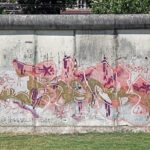
- East Side Gallery: the Wall turned into murals and a global symbol
- What you’ll learn about daily life in the GDR (and why it sticks)
- Small-group pace, guide languages, and what it feels like in practice
- Price and value: $351 per group up to 6
- Who this tour is best for
- Should you book East Berlin and the Wall: Walking Tour?
- FAQ
- How long is the East Berlin and the Wall walking tour?
- Where does the tour start?
- Do I need a public transportation ticket?
- Are pickup and drop-off available?
- What languages are the guides?
- What’s included in the price?
- Is there free cancellation?
Key things you’ll notice on this East Berlin Wall route
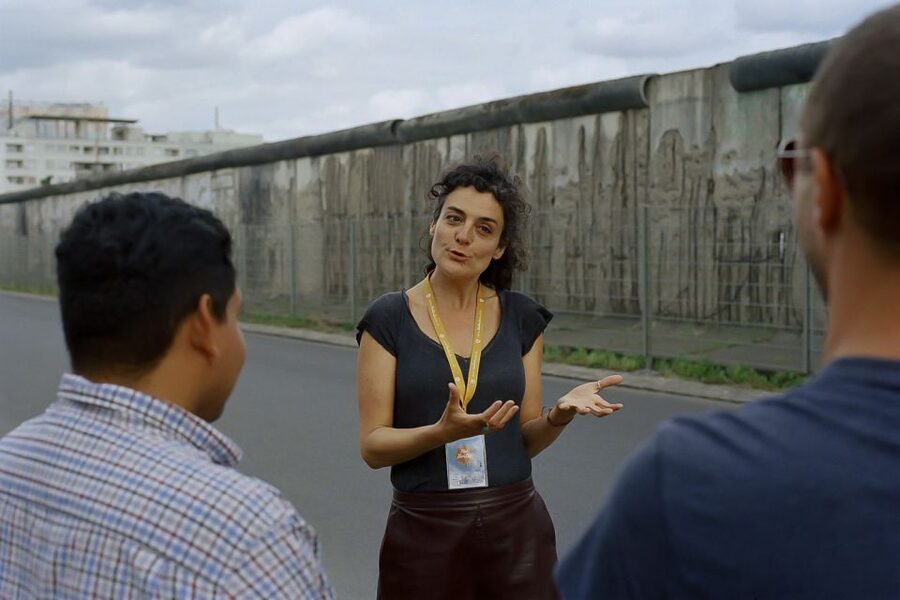
- Bernauer Strasse Memorial and the death-strip context, explained in a way you can actually picture
- Nordbahnhof ghost station area, reached by short transit links that match how the city works
- Alexanderplatz and the shift from oppression to demonstrations that helped crack the system
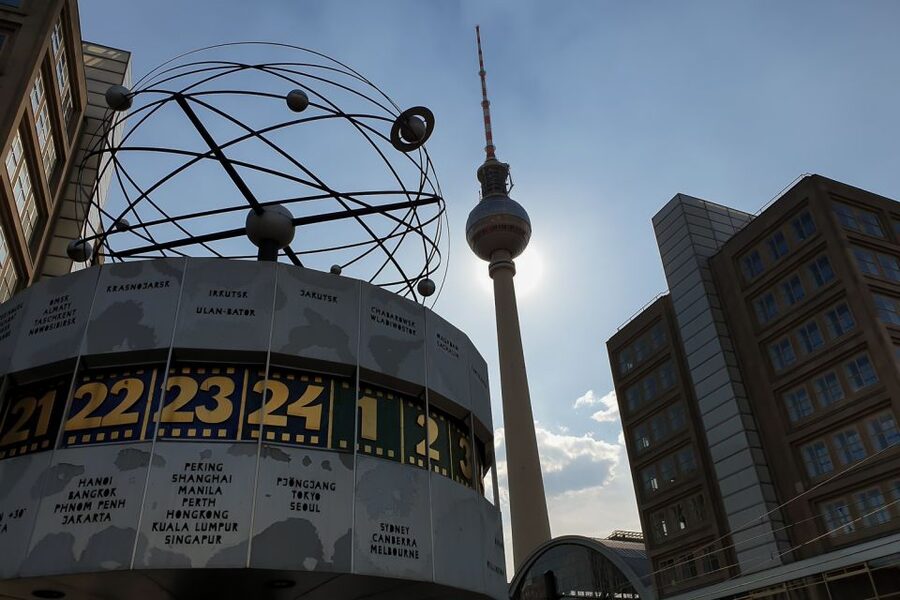
- Alexanderplatz to the TV Tower area, with quick orientation so the skyline makes sense
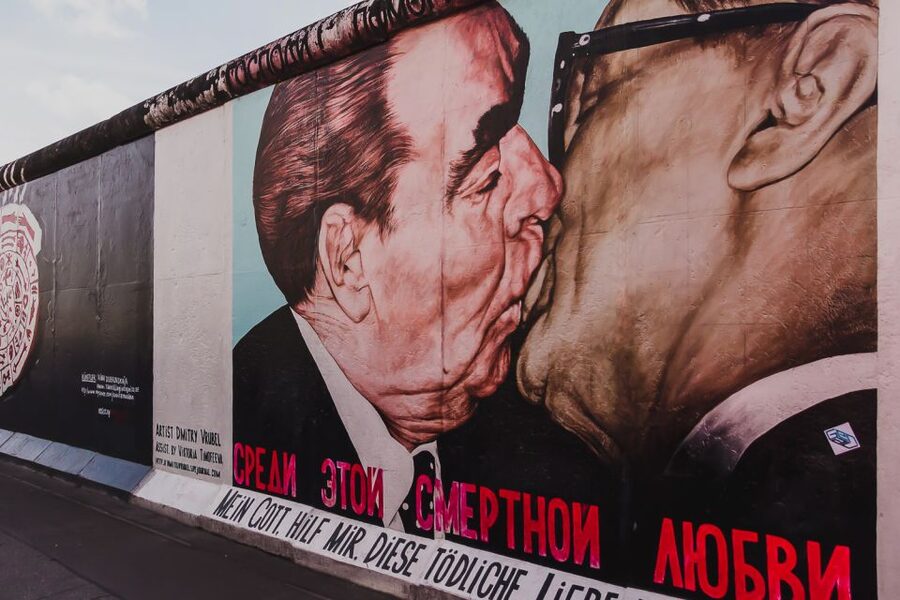
- East Side Gallery murals, including the well-known Brezhnev–Honecker kiss
Wall stories you can walk through on a 3–3.5 hour timeline
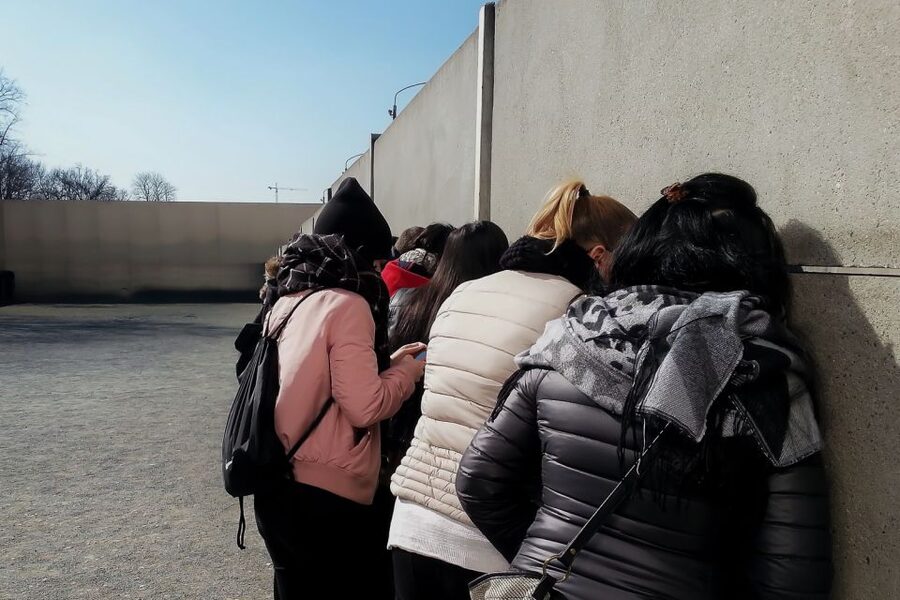
This tour works because it keeps you moving. You start in central West Berlin (at Potsdamer Platz) and then transfer by transit to the northern edge of East Berlin’s former border zone. In a short window, you go from the Wall as a physical barrier to the Wall as a political turning point, and finally to the Wall as public art.
You’ll get a lot of interpretation for the time. That’s partly because the pace is light enough for a real walk, and partly because you’re not stuck in one museum room. The route threads together memory and context: where the border was, how it shaped daily life, and why it fell when the pressure became too strong.
I also like that it’s set up as a small-group walking tour. With a group like that, questions land better, and you’re less likely to feel like a number in a crowd.
You can also read our reviews of more walking tours in Berlin



Starting in Potsdamer Platz, then riding toward Nordbahnhof’s ghost-station past
The experience begins at Potsdamer Platz, a useful starting point because it’s one of those Berlin hubs that already hints at division and reunification. From there, you take a short ride (about 8 minutes) by S-Bahn toward Nordbahnhof.
This is where the tour grabs your attention with a very specific kind of detail: Nordbahnhof was a former ghost station, closed for nearly three decades after the Wall was built. Even if you know Berlin has layers, a ghost station hits differently when you’re in the transit zone where it once affected movement.
Practical note: you’re not doing a long trek through neighborhoods without breaks. You’re doing transit hops that match how Berlin actually connects, so you finish with both story and orientation.
Bernauer Strasse: the Wall Memorial that explains separation up close
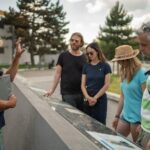
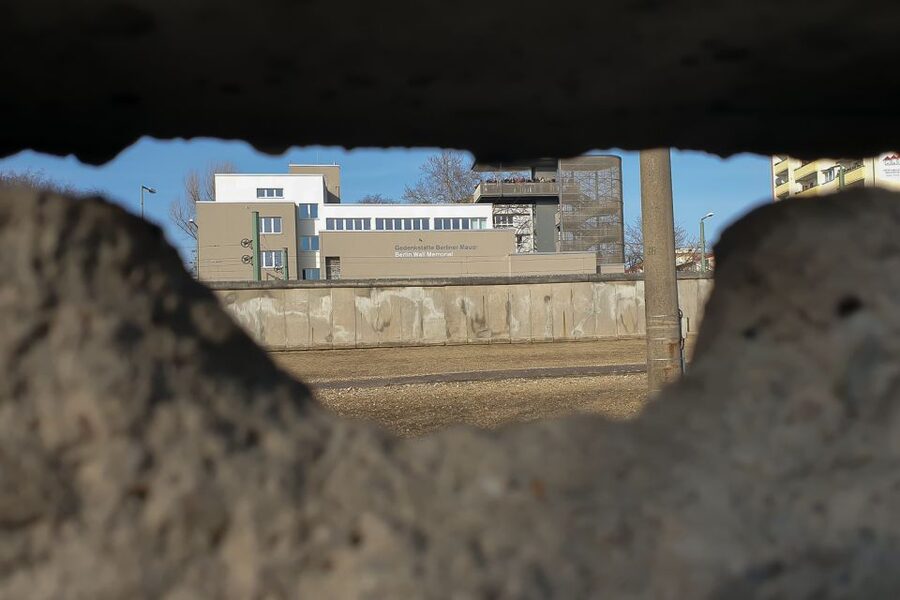
The emotional center is the Berlin Wall Memorial on Bernauer Strasse. You’ll spend about 50 minutes here with a guide, and this stop is designed to make the tragedy understandable without turning it into a spectacle.
You’ll see original portions of the Wall-related landscape—plus the context of the death strip—and your guide connects that geography to escape attempts and the consequences for those who tried. This is the part of Berlin that doesn’t let you skim. If you like history that feels grounded in real space (not just names and dates), this section is the heart of the tour.
It’s also where the guide’s approach matters most. In past tours, people specifically praised guides for explaining things in a clear, understandable way—including language that made the story easy to follow even when the topic is heavy. That clarity matters here, because the layout and terms can otherwise feel abstract.
If you’re the kind of person who gets impatient with long memorial pauses, plan to slow down anyway. This stop is where you learn what separation meant in everyday life—how fear was built into the city’s edges.
Alexanderplatz and the socialist city—where protests changed the math
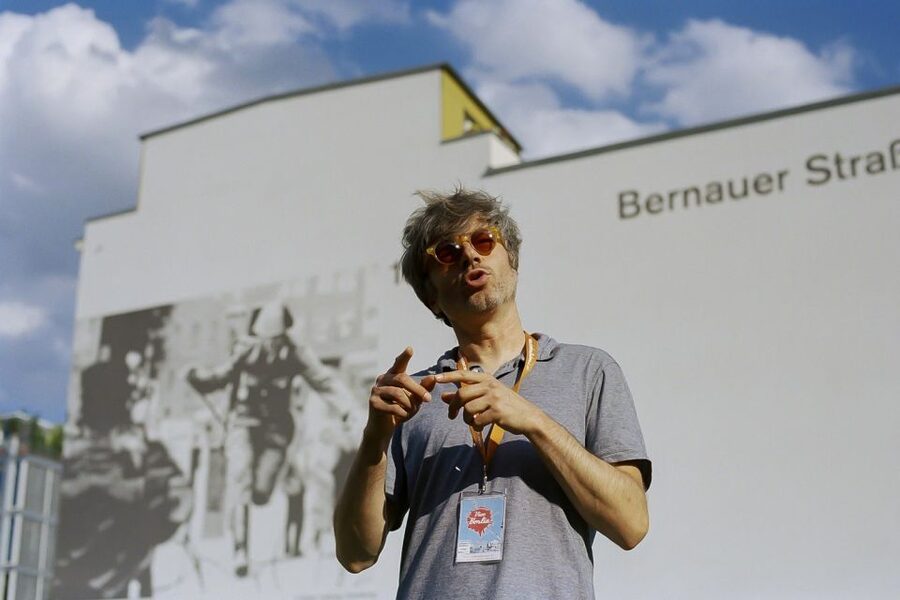
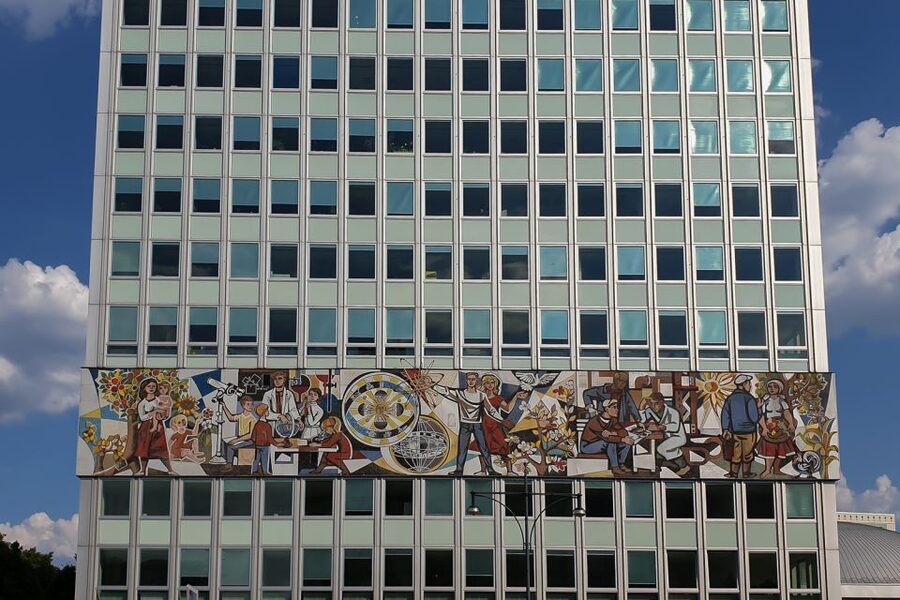
After the Memorial, the tour moves into the broad city picture at Alexanderplatz, including a focus on socialist architecture and what life looked like under the GDR system.
You’ll also hear how peaceful demonstrations gained momentum while Stasi repression shaped the atmosphere of daily existence. The route ties that pressure to the eventual collapse of the Wall and the wider political change that followed.
Why this matters: it’s easy to think of the Wall as just a border line. This part helps you see it as a full environment—shaped by institutions, public spaces, and the mood people carried with them as they moved through the city.
The tour also gives you a quick orientation through the area (including a short stop associated with the TV Tower area, about 10 minutes). It’s not a long stop, but it helps you place the skyline and understand why Berlin’s major squares look the way they do on each side of the old divide.
East Side Gallery: the Wall turned into murals and a global symbol
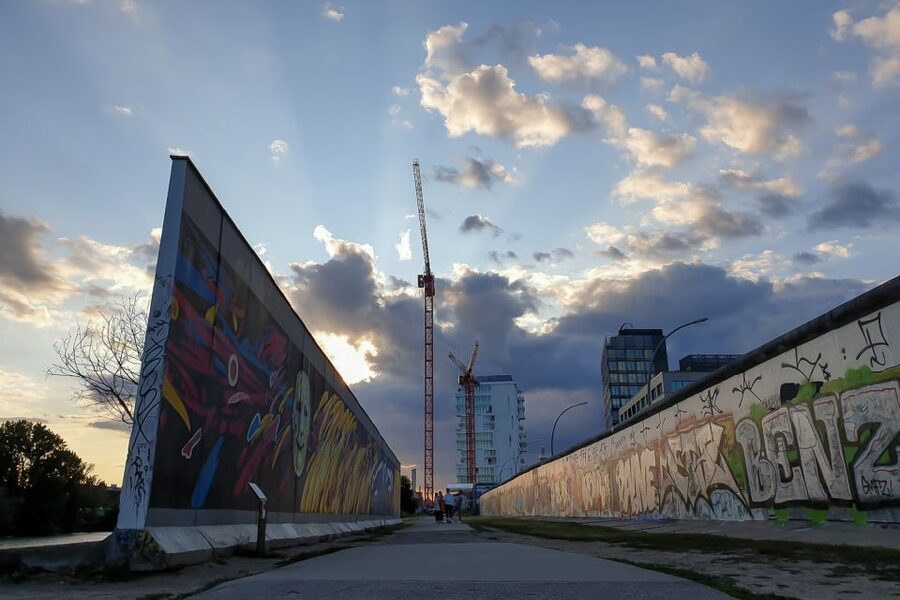
To close, you reach the East Side Gallery, where the story shifts from barriers to messages on public walls. You’ll spend about 15 minutes here, and it’s worth that time because you’re looking at 104 murals—not just one or two famous pieces.
The guide highlights the iconic Brezhnev–Honecker kiss, a mural that’s become shorthand for the late Cold War era. But the bigger point is how quickly the meaning of the Wall changed once it was no longer enforced as a hard boundary. In this final stretch, the Wall becomes a canvas: art, commentary, and public memory all stacked together.
If you’re worried the tour will feel too dark, this last stop is a good tonal reset. You don’t erase the pain, but you see what people did afterward—how they repurposed the physical structure into something communicable.





What you’ll learn about daily life in the GDR (and why it sticks)
The tour’s promise is not just “Wall facts.” It’s how the Wall shaped behavior, choices, and daily life. The guide connects the Cold War division to ordinary routines—movement through Berlin, what was watched, and what people risked when they tried to escape.
Past experiences also suggest a real strength in the human element. Catherine, for example, was specifically praised for adding her personal testimony on top of the guided walk. That kind of added perspective doesn’t turn the tour into a solo lecture—it just makes the story feel more specific and grounded.
And that’s the key: when guides can explain the big system plus the small moments, the history stays with you. You come away with a better sense of what separation did to both sides of the border, and how change didn’t happen overnight—it built, pressured, and then broke.
Small-group pace, guide languages, and what it feels like in practice
This is a small-group walking tour, and language support is a practical win. You can get a guide in French, Italian, English, Spanish, or German. That matters more than people think. Berlin can be confusing even when you have good guidebooks, and having the explanation in your working language speeds up understanding.
You’ll also appreciate that the tour uses a mix of walking and short transit segments. That’s smart for a 3 to 3.5 hour schedule. It keeps you from wearing out before the emotionally important stops.
Comfort tip: wear comfortable shoes. You’ll be on foot enough that you don’t want your day plan to depend on luck.
Price and value: $351 per group up to 6
The price is listed as $351 per group up to 6, which is how you should think about it: this is a group-based rate, not a per-person entry fee.
- If you’re traveling as two or three people, it can still feel pricey compared to big bus tours, but you’re paying for a guided walk designed for smaller pacing and better interaction.
- If you’re a small group of friends or a family unit up to 6, the math works out better fast, because you’re sharing one guide and one route among your group.
For value, the real question is whether you want interpretation at key sites. If your priority is quick “see the sights” sightseeing, you could do some of this on your own. But if you want the Wall story connected to daily life and political pressure—and delivered in an engaging way by guides like Paul, Paolo, Elisa, Claudia, or Catherine—it’s the kind of structure that can justify the cost.
Who this tour is best for
This tour is ideal if:
- You want the Wall story explained in a way you can picture while you’re standing in the places where it happened
- You prefer a walk + transit format over a long day indoors
- You’re traveling with people who would benefit from clear, human-guided context rather than just signage
It’s also a good fit for couples, small groups, and visitors who want to understand the “why” behind the city’s layout—especially if it’s your first time in Berlin and you want East Berlin context without getting lost.
Should you book East Berlin and the Wall: Walking Tour?
If you want your Berlin history to feel specific—geography, daily life, and political pressure tied together—this is an easy yes. The schedule is short enough to fit smoothly into a trip, and the route includes the most meaningful places for understanding how the Wall worked and why it fell.
I’d only hesitate if you hate walking and want a purely sit-down museum experience, or if you don’t want to handle a public transit ticket (because you’ll need the AB day ticket for the tour zones). Otherwise, it’s one of those tours where the structure helps you understand what you’re seeing, not just what you’re standing next to.
FAQ
How long is the East Berlin and the Wall walking tour?
The tour lasts about 3 to 3.5 hours.
Where does the tour start?
The starting location is listed as Potsdamer Platz for the walk, though the meeting point can vary depending on the option you book.
Do I need a public transportation ticket?
Yes. You need a valid ticket for public transportation for zones AB during the tour.
Are pickup and drop-off available?
Pickup can be optional. If you choose it, the guide collects you from your hotel, and you should wait in the lobby about 10 minutes before the scheduled pickup time.
What languages are the guides?
Guides are available in French, Italian, English, Spanish, and German.
What’s included in the price?
It includes the walking tour with a small group and a guide in one of the listed languages.
Is there free cancellation?
Yes. You can cancel up to 24 hours in advance for a full refund.