REVIEW · TOKYO
Tokyo Castle & Imperial PalaceーShogun Walking Tour
Book on Viator →Operated by Local Guide Stars · Bookable on Viator
Gates, samurai, and emperor-era power maps. This Tokyo walk turns the Imperial Palace grounds into a readable story of Edo Castle’s defenses and Japan’s 2,600-year imperial legacy. It’s one of those experiences where you stop seeing buildings and start seeing strategy.
I especially love the way the guide connects each spot to a job. I’ve heard guides like K and Keiko bring the whole system to life with clear explanations and lots of follow-up questions, not just a fast recitation.
One thing to consider: the tour is English only, and you’ll also be walking up steep slopes and stairs. If you need flexibility for heavy walking, plan accordingly.
In This Review
- Key highlights worth penciling in
- A Samurai-Style Map of the Imperial Palace Grounds
- Price and Time: Why This 2-Hour Walk Feels Like a Bargain
- Meeting Point at Kokyo Gaien and the Reality of Imperial Security
- Edo Castle’s Unbreached Defense: Sakurada Tatsumi Yagura to Otemon Gate
- Guardhouses 101: Constable, Hyakunin Bansho, and Obansho
- Constable Guardhouse (about 10 minutes)
- Hyakunin Bansho Guardhouse (about 10 minutes)
- Obansho Guardhouse (about 10 minutes)
- Watchtowers and Views: Fujimi-yagura’s Old Surveillance Role
- Kokyo Sannomaru Shozokan: Scale Model and a Quick Reset
- East Gardens Ruin Site and Ninomaru Garden’s Koi Peace
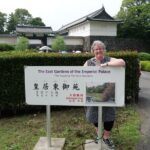
- East Gardens of the Imperial Palace – Edo Castle Ruin (about 15 minutes)
- Ninomaru Garden (about 15 minutes)
- Price, Logistics, and What to Bring on a Sunny Day
- Doing it on your own vs with a guide
- Who This Tour Fits Best (and Who Might Skip It)
- Should You Book This Tokyo Castle & Imperial Palace Tour?
- FAQ
- How long is the Tokyo Castle & Imperial Palace Shogun Walking Tour?
- What’s the meeting point for the tour?
- Is the tour available in languages other than English?
- How many people are in the group?
- Are there admission fees for the stops?
- Will I be able to see the Emperor or enter the residence?
- What should I know about security on the route?
- Can I cancel for a refund?
Key highlights worth penciling in
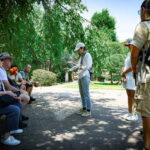
- Small group feel (up to 10 people) with lots of time for questions and photos
- Edo Castle security explained at the exact points you can still see (turrets, gates, and guardhouses)
- Multiple guardhouse stops that break down roles from lower-ranking samurai to higher duties
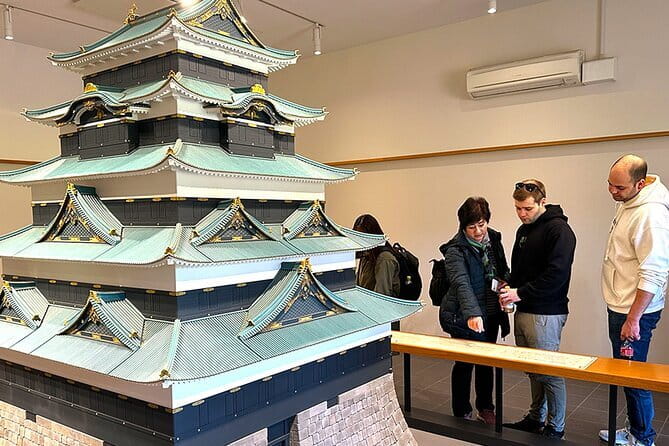
- Kokyo Sannomaru Shozokan for a scale model of Edo Castle plus a palace-themed souvenir stop
- Ninomaru Garden reset with seasonal plants and a koi pond moment of calm
- Smart finish near Tokyo Station along a ginkgo-lined avenue
A Samurai-Style Map of the Imperial Palace Grounds
This tour works because it treats the Imperial Palace area like a historical “map,” not a generic park stroll. You get guided interpretation of Edo Castle—described as Japan’s largest fortress—through the places that still show the old defensive mindset.
Instead of wandering and guessing, you’re told what each remnant meant. That includes why gates and walls mattered, how guard posts supported the system, and why certain towers were placed where they were. If your brain likes cause-and-effect, you’ll appreciate how the story builds from outer security to inner control.
You’ll also get perspective on the shogun era versus the emperor system. The tour frames Japan’s long imperial continuity as a backdrop to the period when shoguns held the day-to-day power, and samurai served a practical military structure.
You can also read our reviews of more walking tours in Tokyo



Price and Time: Why This 2-Hour Walk Feels Like a Bargain
At $23.88 per person for about 2 hours, you’re paying for expert direction at a low cost level. The big value here is that the stops are free—so you’re not paying entry fees on top of the guide.
That matters because the Imperial Palace grounds can feel “too open” if you’re doing it alone. You can visit the area and take photos, sure. But a guide helps you see what’s easy to miss: security roles, defensive geometry, and how the landscape supported surveillance and control.
If you’re on a first trip and want a guided orientation to Tokyo’s history without sinking a whole day, this fits well. One of the most consistent themes in the experience is that it’s the right length—long enough for real explanations, short enough that you don’t lose the plot.
Meeting Point at Kokyo Gaien and the Reality of Imperial Security
You start at Starbucks Coffee – Kokyo Gaien Wadakura Fountain Park (3-1 Kōkyogaien, Chiyoda City). It’s easy to anchor your day when the meeting point is straightforward and near public transport.
Before you begin, remember there is an Imperial Palace security check. Keep it simple: don’t bring knives or alcohol. You’ll also want to travel light so you can pass through without stress.
Language is also a factor. This is English only, and there’s no Japanese language support. That’s great if your English is comfortable. If you’re relying on a guide for detailed explanations, make sure you’re confident you can follow in English from the start.
Lastly, the tour doesn’t make bold promises about emperor-only access. The Emperor’s residence is not open to the public, so your experience focuses on the surrounding areas you can actually visit and interpret.
Edo Castle’s Unbreached Defense: Sakurada Tatsumi Yagura to Otemon Gate
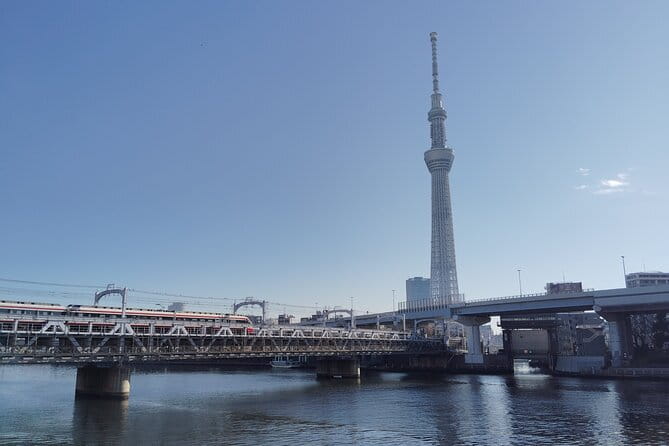
The opening stop sets the tone fast: Sakurada Tatsumi Yagura (about 20 minutes). Here, you see a surviving turret from the Edo period. The guide turns that structure into a lesson about security systems that still influence how the Imperial Palace area is protected today.
From there, you move to Kokyo Otemon Gate (about 10 minutes). This is where you get the drama of the original castle’s massive gates and stone walls. The explanations focus on design: how the setup helped protect the shogun and why gates weren’t just entrances—they were parts of a defense plan.
What makes these early stops work is that you’re not just looking at “old stuff.” You’re looking at infrastructure designed to control movement and slow an attacker down. If you’ve ever played strategy games, you’ll recognize the logic: chokepoints, lines of sight, and staged access.
Practical tip: early in the tour is a good time to stop worrying about what everything is called. After the first couple explanations, the whole system starts to click.
Guardhouses 101: Constable, Hyakunin Bansho, and Obansho

The next phase is where the tour becomes extra satisfying. Instead of treating samurai as one big blur, you get roles and staffing patterns—especially through guardhouses.



Constable Guardhouse (about 10 minutes)
This small guardhouse is linked to lower-ranking samurai. You learn who they were and why that particular location mattered. It’s a reminder that defense wasn’t just elite warriors; it was a workforce with duties, schedules, and layered responsibility.
Hyakunin Bansho Guardhouse (about 10 minutes)
Here the scale changes. This larger guardhouse is tied to many samurai stationed in one place. The guide explains the security role this type of posting supported—basically turning a “spot” into a function.
Obansho Guardhouse (about 10 minutes)
Near the inner gate, this central guardhouse is described with the higher-rank duties in mind. It’s the step in the story that helps you understand how the system escalated as you moved deeper into the fortress area.
This guardhouse sequence is one of the most praised parts of the experience because it gives you structure. You’re not just told history—you’re given a working model for how security was staffed and managed.
If you like history with details you can actually picture, this is the payoff.
Watchtowers and Views: Fujimi-yagura’s Old Surveillance Role
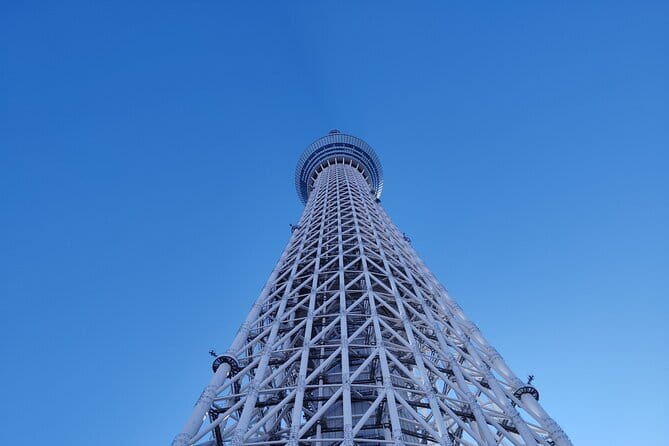
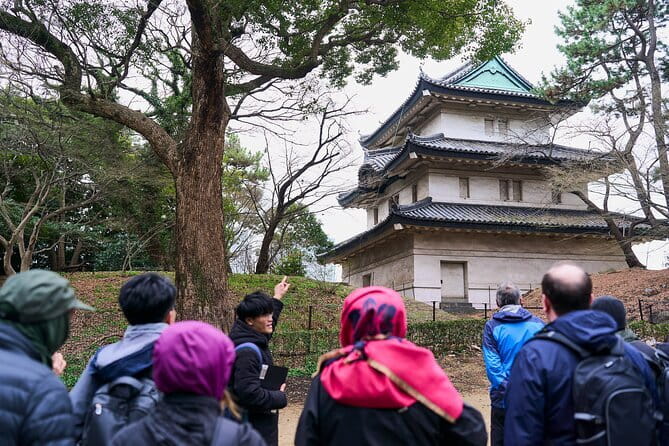
Next comes Fujimi-yagura (about 10 minutes), an old watchtower overlooking the area. The guide focuses on what made it special in the past—how being able to see mattered as much as having walls.
A watchtower stop can sound boring on paper. Here, it doesn’t, because the explanation ties sight lines and timing into the defense system. You start to notice how the places you’re standing are connected to what defenders needed to monitor.
Also, this is typically a great photo moment, especially if the light is clear. Just don’t block others while you shoot. Tokyo walks move fast.
Kokyo Sannomaru Shozokan: Scale Model and a Quick Reset
At Kokyo Sannomaru Shozokan, you get a more concrete break from the walking explanation. The highlight is a scale model of the former Edo Castle, which helps you put the scattered remnants into one mental picture.
You also have a chance to visit a souvenir shop with palace-related goods (your time here is listed as about 10 minutes). It’s not a full retail spree, but it can be a nice pause if you’re out in the sun.
This stop is valuable because models reduce confusion. When you’ve been walking from gate to guardhouse to turret, your brain can feel like it’s juggling locations. The model stop reorganizes everything.
If you’re the type who likes to understand the whole plan rather than memorize one point at a time, you’ll appreciate it.
East Gardens Ruin Site and Ninomaru Garden’s Koi Peace
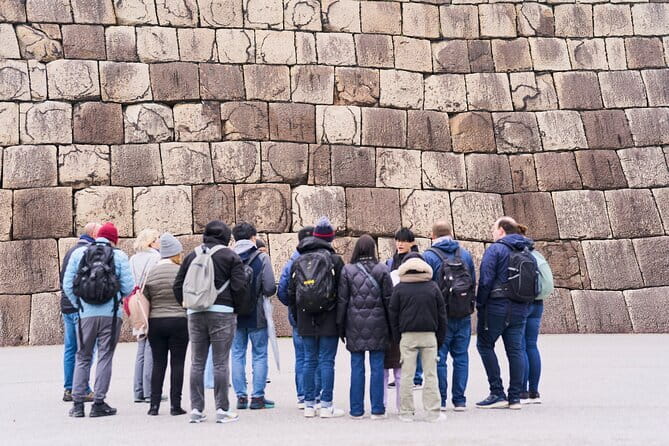
The tour shifts from “how it worked” to “what’s left,” and it’s a smart change of pace.
East Gardens of the Imperial Palace – Edo Castle Ruin (about 15 minutes)
This is the former site of Edo Castle’s main tower. You’ll hear why the tower is no longer standing and what remains today. It’s a reminder that history survives unevenly—sometimes you get the structure, sometimes you get the footprint and the lessons.
Even without the tower standing, the guide’s explanations help you understand why the main tower mattered as the center of the defensive worldview.
Ninomaru Garden (about 15 minutes)
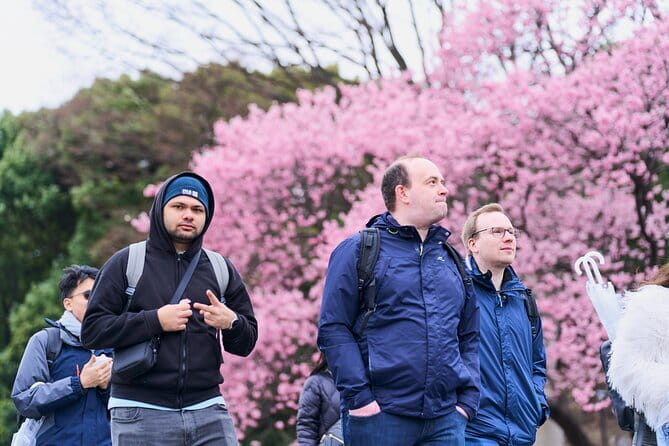
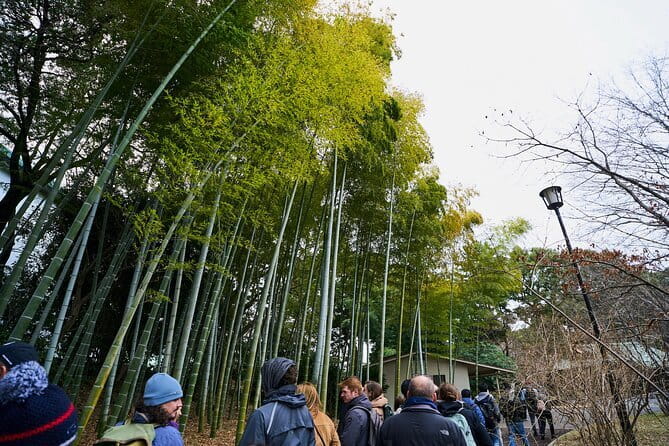
Then you get the calm break: Ninomaru Garden, a traditional Japanese garden with seasonal plants and a pond with koi. The experience is about enjoying the quieter side of the former castle grounds.
After a series of security lessons, this kind of garden stop feels like exhaling. It also makes a point: castles weren’t only hard power. There was space for beauty, routines, and a different rhythm of daily life—even when the fortress mentality dominated.
One more practical note: the garden stop is a good place to slow down your pace and steady your photos. If you’re sweating in Tokyo summer, it’s also a good time to catch your breath.
Price, Logistics, and What to Bring on a Sunny Day
Let’s talk practicalities so the experience stays fun, not stressful.
- Footwear matters. You’ll be walking with steep slopes and stairs. Wear shoes you’d trust for uneven pavement.
- Bring water. The tour is about 2 hours, and a lot of it is outdoors.
- Hat or umbrella helps. The area can expose you to sun depending on the day.
Some guides in the experience have been praised for helping people cope with hot weather—think small comfort items like sweets and menthol napkins. Still, don’t rely on that. Bring your own basics so you’re in control.
Also, keep in mind you’ll pass through security. Avoid carrying anything that could slow you down. It’s not the time for a complicated backpack situation.
Doing it on your own vs with a guide
If you want a quick scenic walk, you can do that yourself. But if you want the “why” behind the gates, turrets, and guardhouses, a guide turns a set of sights into a connected story.
For me, the best argument for this tour is simple: it’s structured. You don’t have to guess what you’re looking at, and you don’t have to spend extra time researching each stop mid-day.
Who This Tour Fits Best (and Who Might Skip It)
This is a strong fit if you:
- Want Edo Castle security history explained while you’re standing at the exact relevant places
- Like concise tours that still cover real depth in a short time
- Prefer a small-group pace (up to 10) rather than a huge crowd day
It might be less ideal if:
- You don’t handle English-only explanations well
- You struggle with steep slopes and stairs
- You want to spend most of your time just relaxing without guided context
One more thought: since the Emperor’s residence isn’t open to the public, treat this as an Imperial Palace perimeter experience with deep historical interpretation, not a royal inside-access tour.
Should You Book This Tokyo Castle & Imperial Palace Tour?
Yes, if your goal is to understand Tokyo’s power structure fast. This tour gives you an efficient, guided read of the Imperial Palace area through Edo Castle’s defenses—gates, guardhouses, watchtowers, and a model that ties it together.
Book it if you’d rather pay a small amount and come away with real mental clarity than wander and wonder. Skip it only if you’re sensitive to walking stairs/slope or you’re not comfortable with English-only guidance.
If you’re planning your first or second day in Tokyo, this is a great way to get your bearings on the city’s most iconic historical setting.
FAQ
How long is the Tokyo Castle & Imperial Palace Shogun Walking Tour?
It lasts about 2 hours.
What’s the meeting point for the tour?
The start point is Starbucks Coffee – Kokyo Gaien Wadakura Fountain Park at 3-1 Kōkyogaien, Chiyoda City, Tokyo 100-0002, Japan. The tour ends back at the meeting point.
Is the tour available in languages other than English?
No. The tour is conducted in English only, and Japanese language support is not available.
How many people are in the group?
The tour is described as a small group up to 10 people. The activity also lists a maximum of 60 travelers.
Are there admission fees for the stops?
The stops listed in the itinerary note Admission Ticket Free for each location.
Will I be able to see the Emperor or enter the residence?
No. The Emperor’s residence is not open to the public.
What should I know about security on the route?
There is a security check to enter the Imperial Palace area. Please do not bring knives or alcohol.
Can I cancel for a refund?
Yes. You can cancel for a full refund if you cancel at least 24 hours before the experience’s start time.