REVIEW · BRUGES
Bruges: Guided Walking Tour
Book on GetYourGuide →Operated by buendía · Bookable on GetYourGuide
Bruges has a way of grabbing you fast—one turn and you get the whole story. This guided walking tour strings together the city’s most memorable sights, from the UNESCO-protected historic center to the canals and Gothic squares, with a real-life human guide to make it all click. I especially like how the route moves at a sensible pace while still hitting big highlights, and I love that you get free time for lunch with practical suggestions for where to eat away from the busiest pockets. The main drawback: the walk isn’t set up for people with mobility impairments, and you’ll be on your feet the entire time.
For $25 for a 2-hour walk, you’re paying for more than photos. You’re buying context: why places matter, how Bruges became the Venice of the North, and what to do next (chocolate, lace, beer, and museums) once the tour ends.
In This Review
- Key things to know before you go
- Why a 2-hour Bruges walk gives you the best first impression
- Meeting points, timing, and the radio-with-headphones rule
- Lake of Love and Begijnhof in 15 minutes that feels like more
- Walplein Square, Stoofstraat, and the streets that carry Bruges energy
- Old St. John’s Hospital and the Church of Our Lady: places that anchor the center
- Gruuthuse Palace area and Rozenhoedkaai: from power to postcard
- Huidenvettersplein (Tanners Square) and the “working city” feel
- Burg Square and the Gothic Town Hall: the civic heartbeat
- Basilica of the Holy Blood and Grote Markt: the climax of the highlights
- Ending at Campanario de Brujas: finish strong, ask better questions
- Free time for lunch, plus chocolate and lace shopping strategy
- What might affect your experience: group size, walking demands, and weather
- Who should book this Bruges guided walking tour
- Should you book this Bruges guided walking tour?
- FAQ
- How long is the Bruges guided walking tour?
- How much does the tour cost?
- Where do I meet the guide?
- Is food included in the tour price?
- Which languages is the live guide available in?
- What’s included in the booking?
- What should I bring?
- What should I know about headphones and radios?
- Is the tour suitable for people with mobility impairments?
- Can I cancel, and can I reserve without paying right away?
Key things to know before you go
- A focused 2-hour route: You cover the historic core and major landmarks without turning the day into a marathon.
- UNESCO center on foot: Expect a guided pass through the sights that make Bruges famous to begin with.
- Lunch time that’s actually useful: Your guide won’t just drop you; they steer you toward better choices outside the most tour-saturated lanes.
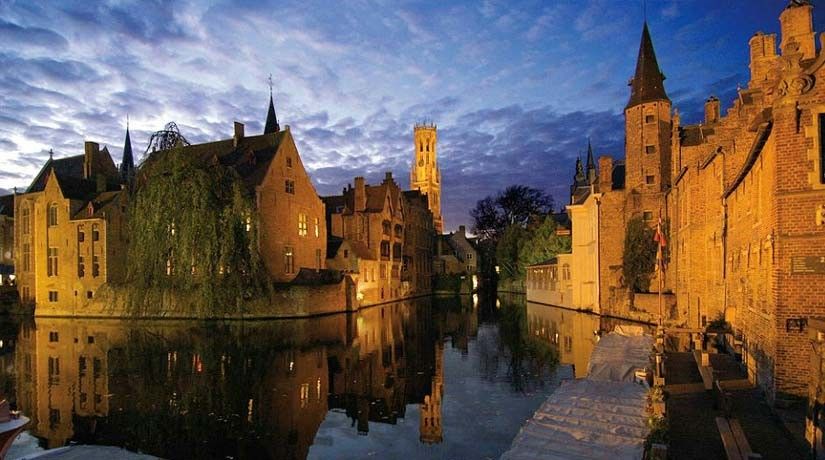
- Canal views with context: Rozenhoedkaai and the Dijver Canal stops come with a story, not just a viewpoint.
- Belgian beer and museum advice: You finish with ideas for what to do after you’ve seen the highlights.
- Headphones may be needed: On some dates you’ll use radios with headphones, so bringing your own is smart.
Why a 2-hour Bruges walk gives you the best first impression
If Bruges is your first stop in Belgium, you want two things quickly: direction and meaning. This tour delivers both. You’ll see the city’s classic highlights in a tight loop, then your guide finishes with recommendations so you can keep exploring with less guesswork.
The value for your money is in how the guide ties places together. It’s not just a list of stops. It’s why Bruges grew wealthy, why the architecture looks the way it does, and why certain squares and churches mattered to everyday life.
And yes, it’s the kind of route that works even when the weather turns gray. Several guides are praised for keeping the mood upbeat and the pacing steady, so you don’t end up feeling like you’re just trudging through rain.
You can also read our reviews of more walking tours in Bruges

Meeting points, timing, and the radio-with-headphones rule
You’ll meet your guide at a meeting point that can vary depending on the option you booked. Two listed starting spots are Bargeplein (Katelijnparking) and Zilt Immo, but double-check your exact pickup point after booking.
Bring comfortable shoes. Bruges streets are charming, but they don’t flatter sneakers. You’ll be walking the historic center with short guided segments (often 10 to 15 minutes each), so footwear matters.
One important local regulation: on certain occasions since January 1, 2018, the tour may require radios with headphones. If you don’t have your own, disposable headphones are provided for 1 EUR. If you want to avoid last-minute shopping or extra cost, bring a pair of headphones that fit comfortably.
Lake of Love and Begijnhof in 15 minutes that feels like more
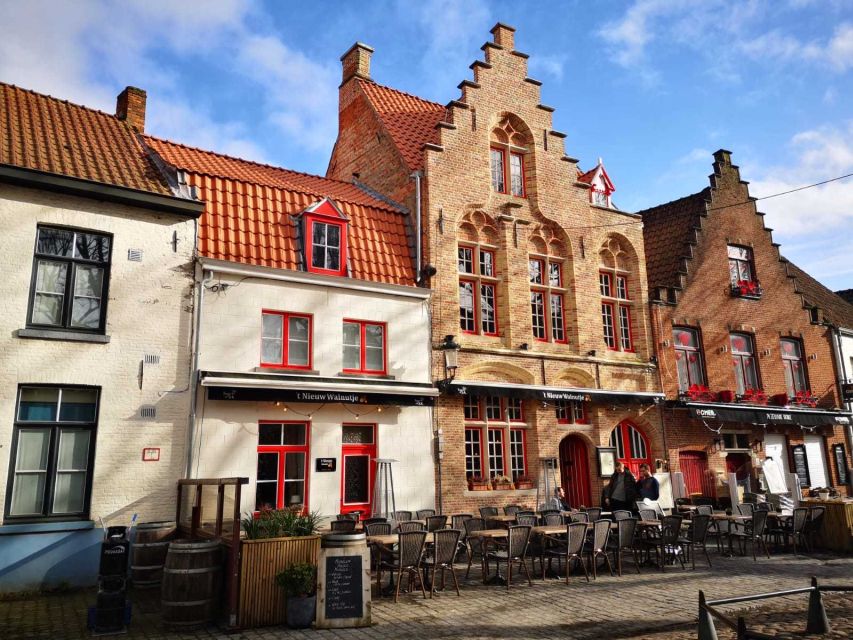
The tour starts with the Lake of Love, a quick guided introduction (about 10 minutes). This first stop sets the tone: Bruges isn’t only about big monuments. It’s also about the smaller, story-filled corners that make the city feel intimate.
Then you head to the Begijnhof, founded in 1245 (around 15 minutes). This isn’t a random old courtyard. It’s a reminder that Bruges held space for distinct ways of living long before modern neighborhoods existed. The guide’s job here is to show you what you’re looking at and why it mattered, so you can appreciate the quiet feel without needing a full guidebook.
The upside of starting here: you immediately learn how to “read” the city. After the Begijnhof, the rest of the route makes more sense because you’ve seen how history shows up in daily layout.
Walplein Square, Stoofstraat, and the streets that carry Bruges energy
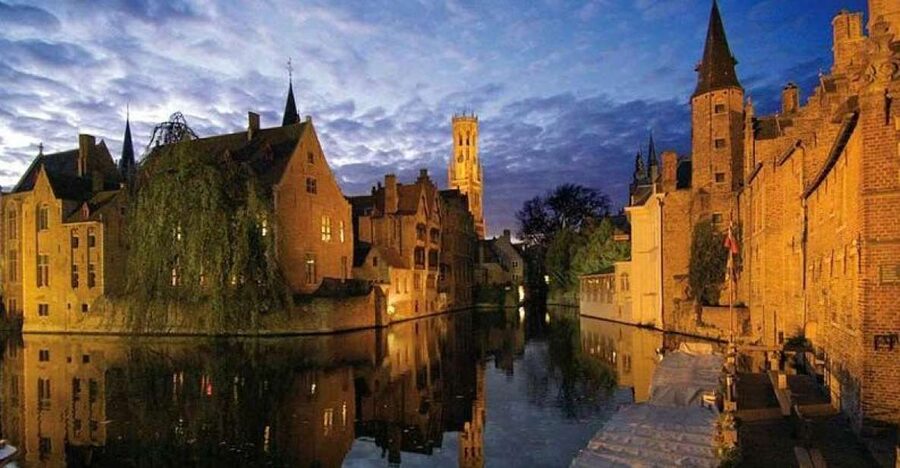
Next comes Walplein Square (about 10 minutes) and then Stoofstraat (also around 10 minutes). Streets like these are where Bruges becomes real. They show the rhythm of the city—how people moved, gathered, and built around trade and community.
This is also where a good guide earns their pay. When your guide connects architecture to real life, you start noticing details on your own. You’ll likely catch why certain street shapes and sightlines matter, and you’ll get a better sense of where to wander later during your lunch break.
If you’re the type who likes to keep moving and not stop every five minutes, this section usually hits a nice balance. You’re guided through key points without getting stuck in a single place too long.
Old St. John’s Hospital and the Church of Our Lady: places that anchor the center
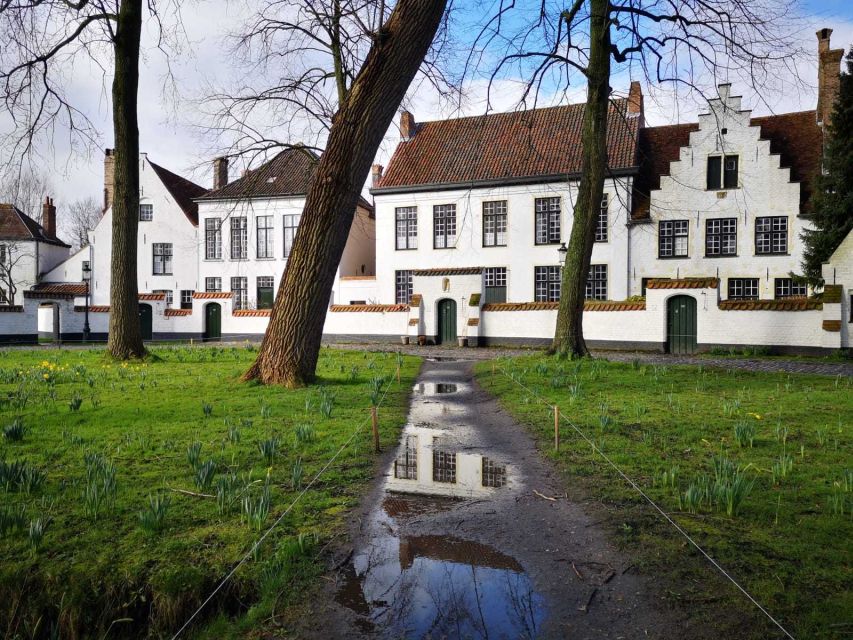
You’ll see Old St. John’s Hospital during the tour route. Even without a full standalone time block listed for it, it’s the kind of landmark that changes how you see the city. Hospitals, churches, and religious institutions shaped Bruges in practical ways, not only ceremonial ones.
After that, the tour includes a stop at the Church of Our Lady (about 10 minutes). This is one of the big names in town, and the guide helps you focus on what to look for so you’re not just standing in front of a building and hoping it clicks. You’ll get context that connects the church to Bruges’ identity as a wealthy and influential place.
One simple tip for this portion: pace your phone photos. The best part is listening while you look. If you stop every few seconds to frame shots, you’ll miss the moments when the guide explains what makes the place worth your time.

Gruuthuse Palace area and Rozenhoedkaai: from power to postcard
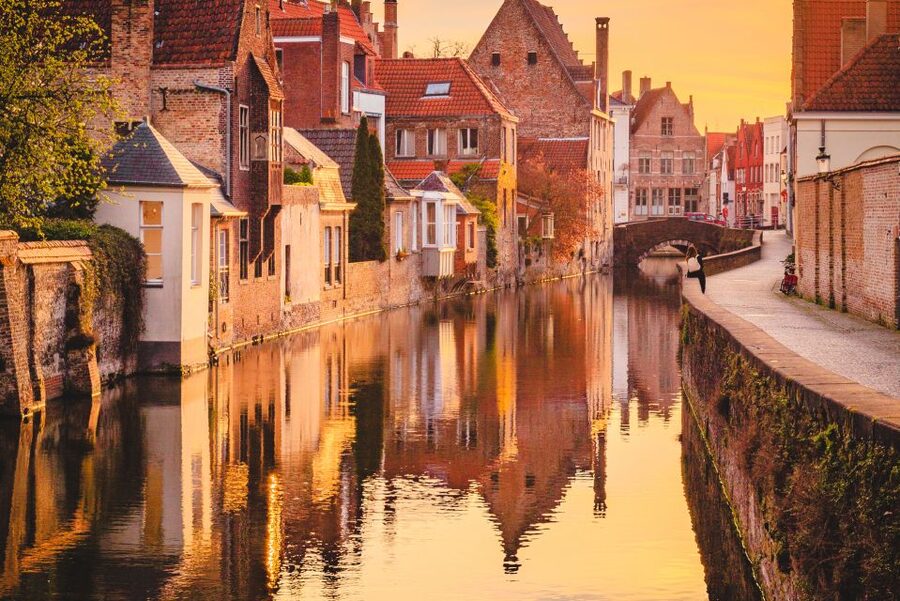
The route includes the Gruuthuse museum area (about 10 minutes). You’ll also hear about Gruuthuse Palace as part of the guided highlight list. In plain terms, this stop helps you understand wealth in Bruges: not only the fact that it existed, but how it showed up in buildings, collectors, and institutions.
Then the tour moves to Rozenhoedkaai (about 15 minutes). This is where canals take center stage. Rozenhoedkaai is famous for viewpoints, yes, but the guide makes it more than a photo stop by giving you the context of how the waterway shaped the city.
You’ll also see the Dijver Canal (mentioned as part of the tour highlights). If Bruges looks like it’s “built for photos,” this is why. The guide helps you locate the sightlines and understand why the canal area is such an important part of the historic center.
Huidenvettersplein (Tanners Square) and the “working city” feel
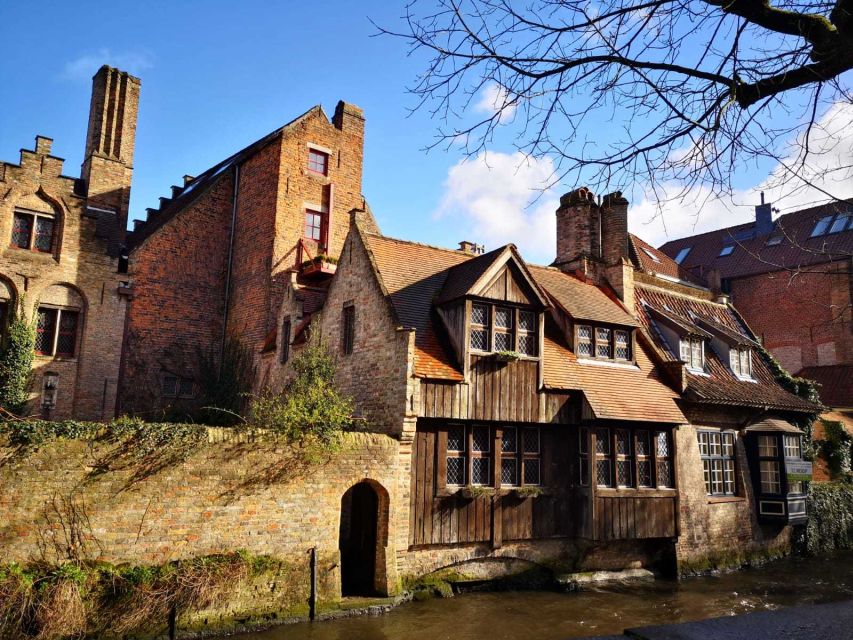
Next up is Tanners Square, officially listed as Huidenvettersplein (about 10 minutes). This is a quieter-feeling stop compared with some of the big squares. That contrast is useful. It reminds you Bruges wasn’t only art and churches; it was also industry and trade.
A solid guide will point out how the street textures and building edges reflect the trades that once drove the economy. Even if you’re not a history nerd, it helps you see the city with sharper eyes instead of treating it like a movie set.
This section is also a good moment to look around before the tour reaches the most monumental squares. You’ll start noticing how the route is staged, like moving from one chapter to the next.
Burg Square and the Gothic Town Hall: the civic heartbeat
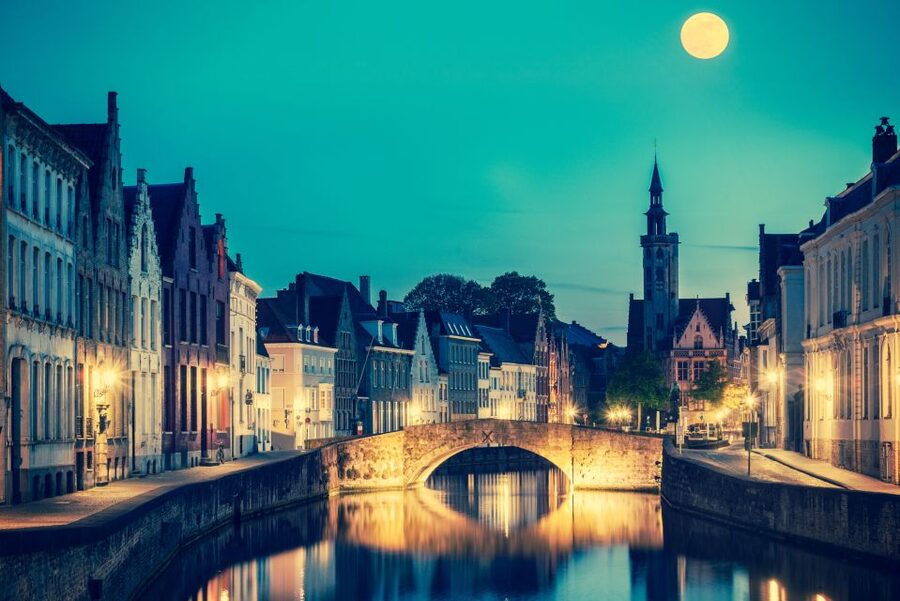
Burg Square is a standout on this walk (about 15 minutes). Here you’ll see the Gothic Town Hall and get a sense of Bruges as a political and civic center, not only a religious one.
What I like about stopping at Burg after the canal-and-streets part: it gives you balance. You go from everyday life zones to a place where decisions were made. The guide helps translate the big façade into something understandable.
If you want to get better at “reading” European towns, pay attention here. Civic squares are where you learn how power shows up in stone. And Bruges does it well.
Basilica of the Holy Blood and Grote Markt: the climax of the highlights
The tour includes the Basilica of the Holy Blood. This matters because it adds another layer to Bruges’ identity. It’s not just about the city’s wealthy past; it’s also about belief, tradition, and how those forces traveled through centuries.
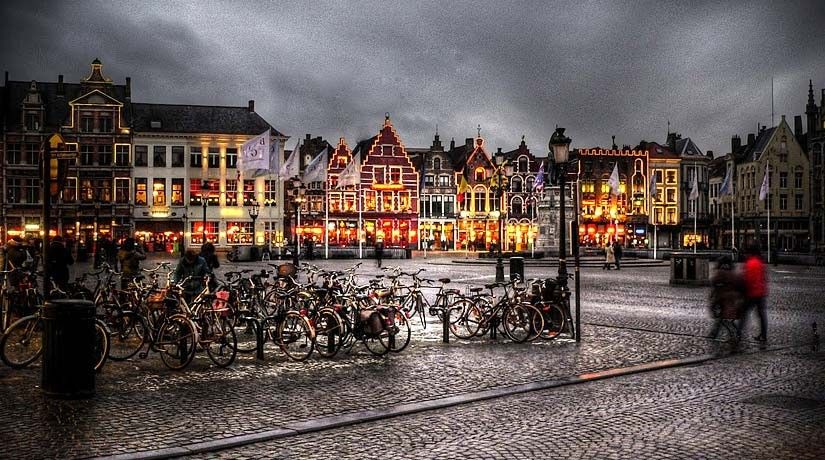
Then you reach the Market Square, Grote Markt (about 15 minutes). Grote Markt is the place where everything feels like it’s gathered in one spot: dramatic buildings, open space, and the kind of central geometry that makes you want to stand still for a minute and absorb it.
The Belfry of Bruges (often called Belfort/Campanario in Spanish lists) appears as part of the highlight set too. It’s not just an end point. It’s an instant marker of what you’ve done: you’ve reached the historic core.
Ending at Campanario de Brujas: finish strong, ask better questions
The tour finishes at Campanario de Brujas, which is the Belfry area. This makes sense. You end where the city’s main stories are easy to visualize, so you can ask questions with better clarity.
Your guide will answer questions at the end and recommend places for lunch outside the tourist area. That’s a big deal. Bruges has plenty of spots that look good but feel expensive or rushed. A local steer helps you choose based on how you want to spend your afternoon.
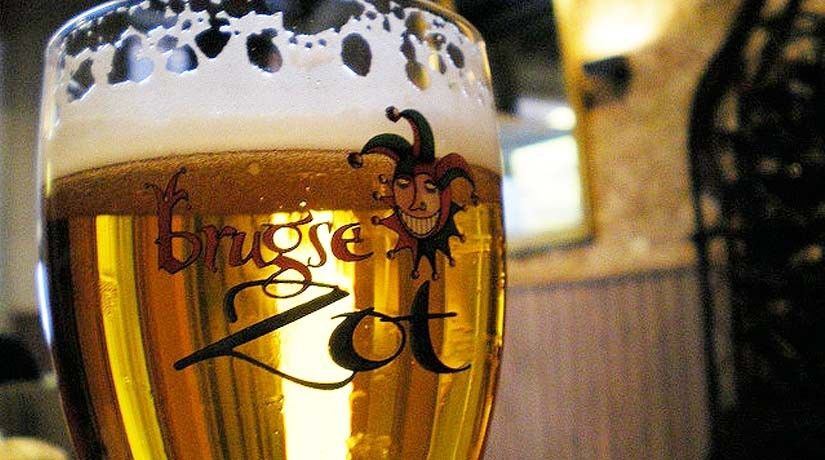
You’ll also get advice about Belgium’s famous beer and additional places to visit, including museums. If you’re staying more than a few hours, this kind of “what should I do next” guidance is often more valuable than the last photo you take.
Free time for lunch, plus chocolate and lace shopping strategy
One of the best parts is that you’re not locked into a rigid schedule. You get free time for lunch so you can explore more on your own and visit chocolate and lace shops.
Here’s how I’d use that hour or so. Don’t try to do everything. Pick one theme: pastries and chocolate, or lace and souvenirs. Then walk a few streets beyond the most obvious shop fronts so you’re not only seeing what’s optimized for tour groups.
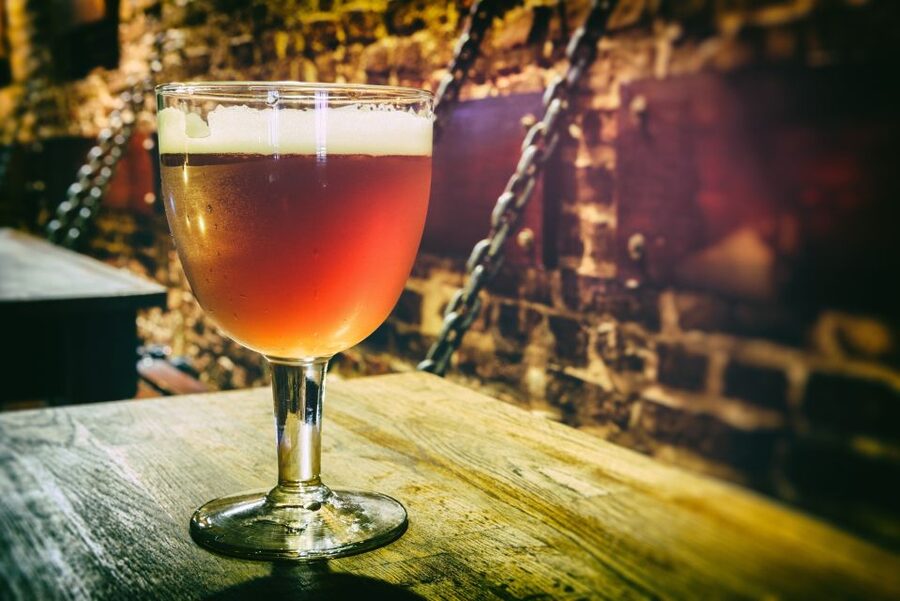
If you’re curious about beer, use your guide’s suggestions before you choose a random menu. Bruges is known for it, and the right recommendation can turn lunch into a real Belgian moment instead of just a meal.
And if you happen to travel in a group, this is also where your guide’s insights matter. You’ll have something to agree on, like what to look for in a museum or what kind of shop to seek out.
What might affect your experience: group size, walking demands, and weather
Most guides for this tour come across as warm and engaging, with humour and clear delivery. Several guides are specifically praised for keeping the pace steady, answering questions well, and tying legends or local stories back to what’s fact-based. That kind of guidance makes Bruges feel less like a checklist.
Still, group size can vary, and one common complaint is that larger groups can feel less ideal. If you’re picky about space or you want a more personal conversation, it may be worth looking for smaller group departures when available.
The tour also isn’t suitable for people with mobility impairments. Since it’s a walking tour through older streets, you should only book if you’re confident you can handle the full walk comfortably.
Finally, bring a rain layer if you’ll be there during shoulder seasons. The tour can run in rain, and guides can make it work, but you’ll enjoy it more if you’re not cold and soaked.
Who should book this Bruges guided walking tour
Book it if you want:
- a fast, guided orientation to Bruges’ UNESCO-protected historic center
- a route that hits the big landmarks plus quieter streets and squares
- solid lunch and beer suggestions that help you plan your next step
Consider skipping or swapping to something else if:
- you need mobility-friendly routing
- you’re allergic to walking tours and prefer “one attraction at a time”
- you want deep time inside museums rather than a highlight walk (this is about seeing and understanding, then moving on)
Should you book this Bruges guided walking tour?
Yes, if you have limited time and you want your first hours in Bruges to feel well guided. At $25 for 2 hours, you’re paying a fair price for a route that covers major stops and still leaves you with room to eat, shop, and explore afterward.
The biggest reason to book: the ending. You finish with practical recommendations for lunch outside the busiest lanes, plus beer and museum ideas. That turns the tour into a launchpad for the rest of your day, not just a standalone walk.
FAQ
How long is the Bruges guided walking tour?
It lasts 2 hours.
How much does the tour cost?
It costs $25 per person.
Where do I meet the guide?
The meeting point may vary depending on the option booked. Two listed starting locations are Bargeplein (Katelijnparking) and Zilt Immo.
Is food included in the tour price?
No. Food and drinks are not included. The tour includes free time for lunch.
Which languages is the live guide available in?
The tour is offered with a live guide in Spanish and English.
What’s included in the booking?
You get a tour guide.
What should I bring?
You should bring comfortable shoes.
What should I know about headphones and radios?
On certain occasions, the tour may use radios with headphones. You can bring your own. If you don’t have them, disposable headphones are available for 1 EUR.
Is the tour suitable for people with mobility impairments?
No, it is not suitable for people with mobility impairments.
Can I cancel, and can I reserve without paying right away?
You can cancel up to 24 hours in advance for a full refund. You can also reserve now and pay later.