REVIEW · LISBON
Lisbon: Alfama and São Jorge Castle Quarters Walking Tour
Book on GetYourGuide →Operated by LISBOA AUTÊNTICA LDA · Bookable on GetYourGuide
São Jorge and Alfama come at you fast.
This tour is a street-level history walk where you learn why Lisbon grew where it did, while you zigzag through Alfama’s lanes and see the big viewpoints without getting stuck on a bus. I especially love the way it starts at Casa dos Bicos (House of Spikes) and turns the neighborhood into a story you can follow step by step, plus the stop at Lisbon Cathedral with a real guided visit. One drawback to keep in mind: São Jorge Castle entrance isn’t included, so you’ll focus on the areas around the walls and viewpoints rather than touring inside the castle.
After 150 minutes, you’ll feel like you’ve been given a map made of people’s everyday routes: shortcuts, stairways, squares, and the kind of landmarks you’d miss if you were wandering alone. The guide also helps you orient for the rest of your trip, which is a big deal in a hilly place like Alfama.
In This Review
- Key takeaways
- Alfama on foot: meeting at Casa dos Bicos and getting your bearings
- House of Spikes: the 1755 survivor that anchors the whole story
- Roman Olisipo and Cetária: where the thermal waters matter
- São Jorge walls without the castle ticket: what you really see
- Hidden squares, stairways, and the Jewish Quarter’s footprint
- Fado roots at Largo do Chafariz de Dentro: music tied to daily life
- Lisbon Cathedral with a guided entrance: 12th-century foundations, mixed eras
- Portas do Sol: panoramic views you’ll remember after the walk
- What the guide does well: stories, flexibility, and practical advice
- The real-world logistics that affect your comfort
- Who should book this Alfama and São Jorge walking tour?
- Should you book this tour or not?
- FAQ
- How long is the Lisbon: Alfama and São Jorge Castle Quarters Walking Tour?
- Where do I meet the tour guide?
- Is entrance to São Jorge Castle included?
- Is Lisbon Cathedral entrance included?
- What’s included for health and safety?
- What languages are available for the live guide?
- Is this tour suitable for mobility impairments?
Key takeaways

- Casa dos Bicos (House of Spikes): an early-16th-century survivor tied to the 1755 earthquake story
- Roman Olisipo traces at Cetária: you’ll spot evidence of old salting tanks
- Moorish and city-wall route toward São Jorge: you walk the perimeter logic, not just the postcard spots
- Fado origins and local custom at Largo do Chafariz de Dentro: history explained where it happened
- Lisbon Cathedral visit included: a guided entrance stop with a mix of architectural eras
- Portas do Sol viewpoints: you get the skyline payoff on the way
Alfama on foot: meeting at Casa dos Bicos and getting your bearings

If Lisbon has a neighborhood that feels like it was built for wandering, it’s Alfama. The trick is knowing where to step first so the hills and stairs don’t turn into pure cardio with no payoff. This walk starts right in the middle of it, at Casa dos Bicos, also called the House of Spikes because of its distinctive facade.
You’ll meet at Campo das Cebolas, at Casa dos Bicos, and look for the guide holding a black bag with the Lisboa Autêntica logo. The nearest metro stop is Terreiro do Paço, so you can line up your day and arrive without stress. If you’ve never navigated Alfama before, that meeting choice matters. You start with a landmark that’s easy to spot, and then the guide leads you into the maze with purpose instead of guessing.
This tour is built for a half-day pace—about 150 minutes—so it’s a smart pick if you want history and viewpoints without losing most of your day. Price is $23 per person, and that’s where the value comes in: you’re not just walking streets. You get a live guide, included Lisbon Cathedral entrance, and the kind of context that turns a random corner into something meaningful.
You can also read our reviews of more walking tours in Lisbon



House of Spikes: the 1755 survivor that anchors the whole story
Casa dos Bicos is the kind of place you’d normally pass quickly—unless you’re looking for it. It’s built around 1523, and it’s described as a rare survivor of the 1755 Lisbon Earthquake. That survival detail isn’t just trivia. It sets the tone for the entire experience: Lisbon’s layers aren’t theories here; they’re visible in buildings and street patterns.
The walk begins here because Casa dos Bicos acts like a mental anchor. From the spikes facade, you move into Alfama’s older fabric and start learning how the area formed over time. I like that the tour doesn’t throw facts at you and hope they stick. It uses the neighborhood itself as the lesson plan: you see something, then you understand why it exists, then you move on to the next clue.
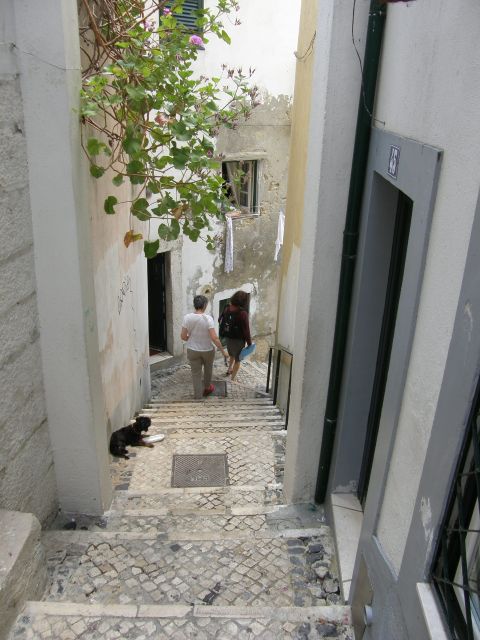
One practical note: because Alfama streets can be uneven and steep, comfortable shoes are not optional. Even with a guided route, you’ll be on cobbles and working around stairs and small alleyways.
Roman Olisipo and Cetária: where the thermal waters matter

One of the most interesting parts of this walk is how it connects Lisbon’s past to what’s still under your feet. You’ll see traces of Roman salting tanks at Cetária, which is a reminder that long before modern ports and seafood markets, Lisbon was already working with the sea in a big way.
Then you travel back to when Lisbon was known as Olisipo. The guide explains how Romans discovered the thermal waters of Alfama. Later, the Muslims gave those waters a new name—Al-Hamma—showing how the same geography got reinterpreted across cultures.
This matters because it changes how you think about Alfama. Instead of treating the neighborhood as a pretty maze, you start to see why people settled there: water, trade, and defensible terrain. You also get a better sense of why the street layout feels the way it does—built around older realities, not modern convenience.
São Jorge walls without the castle ticket: what you really see
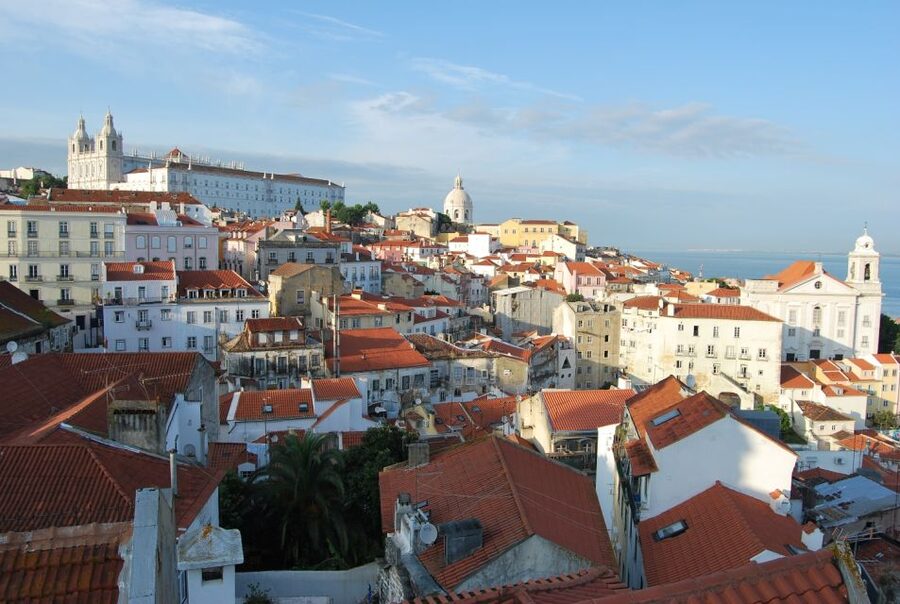
São Jorge Castle is the headline, but here’s the key reality: entrance to São Jorge Castle is not included. That means you should expect the tour to focus on the castle’s surroundings, including the route along the old city walls, plus the elevated viewpoints.
One of the small tensions with tours like this is that people arrive expecting a full inside visit. In this case, the castle itself is part of the story, but you’re not buying a castle ticket as part of the walk. So if you want galleries, courtyards, and museum-style time inside the fortress, you’ll need to plan that separately after the tour.
The upside is that you still get the important payoff: walking the defensive perimeter logic and getting the dramatic height advantage that Alfama is famous for. You’ll come away understanding why São Jorge matters, even if you don’t spend hours inside the ticketed site.
Hidden squares, stairways, and the Jewish Quarter’s footprint
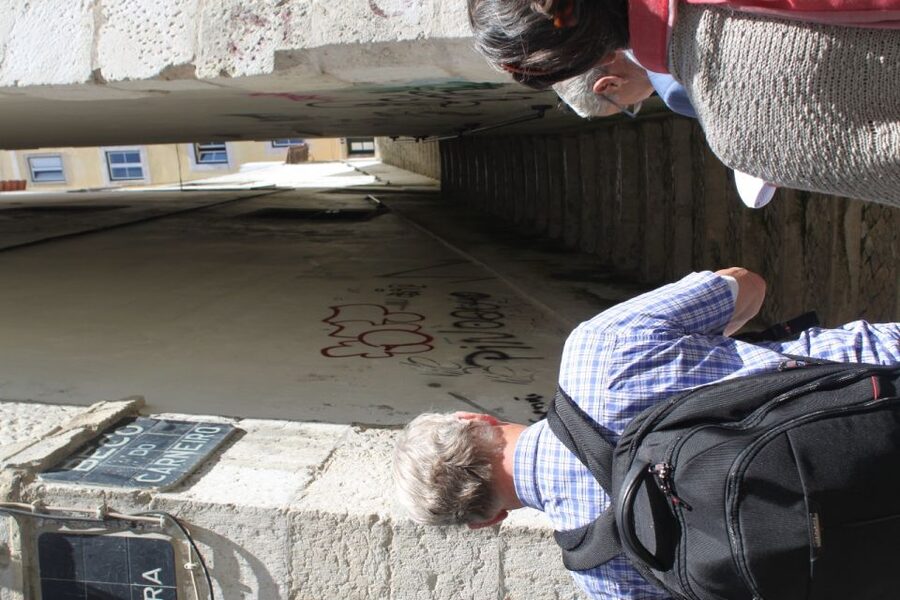
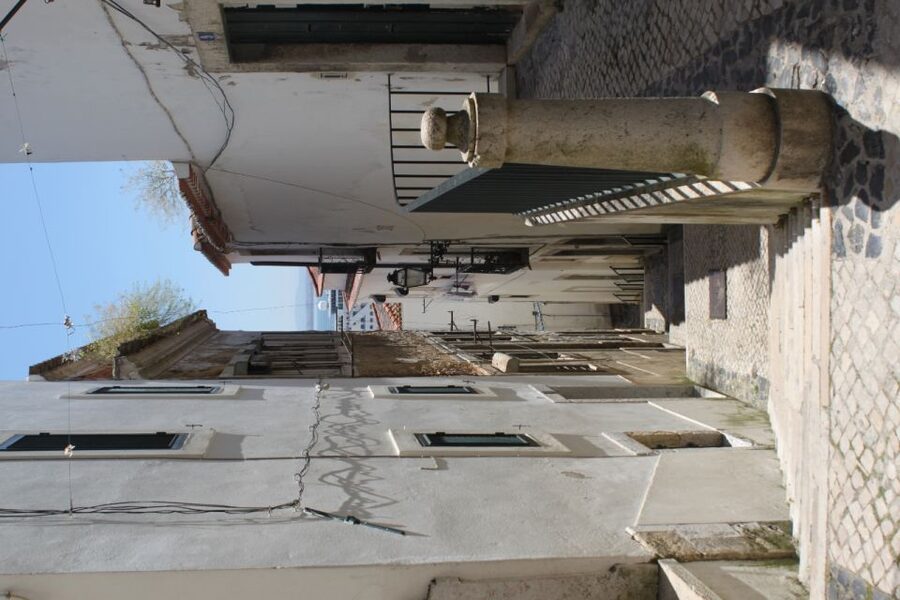
Alfama is famous for being a labyrinth, but a labyrinth with purpose. As you weave through alleyways and interior patios, the guide points out details that most people miss: secret stairways and hidden squares that connect to what used to be Lisbon’s Jewish Quarter.
This is the kind of segment where the guide’s ability matters. The route isn’t just scenic; it’s interpretive. You’re being shown how communities lived in a dense, vertical neighborhood—one where you don’t always see where you’re going until you’re already there.
I also appreciate that you’re taught to look at the neighborhood’s structure, not just its individual monuments. Alfama’s charm is physical. Patios, transitions, abrupt street turns—these are the “how” of the culture, not just the “what.”


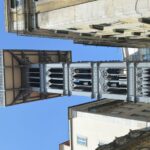


Fado roots at Largo do Chafariz de Dentro: music tied to daily life

If you only know fado as a style of music, this stop gives you a stronger sense of where it came from. The tour explains the birth and customs of fado, and it does it as you pass through Largo do Chafariz de Dentro.
This square isn’t random. The name itself points to a fountain connection, and the guide ties the location to long-standing local habits. It’s also one of those moments where Lisbon stops being a museum of buildings and turns into a living cultural map. You’re learning how music and identity grew from everyday rhythms—streets, gatherings, and the specific character of Alfama.
What I like about this approach is that you don’t end the tour feeling like fado is only for concert venues. You understand how it’s tied to place, and that makes later experiences—like hearing fado in a bar or walking at dusk—feel more grounded.
Lisbon Cathedral with a guided entrance: 12th-century foundations, mixed eras
The included indoor stop is Lisbon Cathedral, with both entrance and a guided tour. The cathedral dates to the 12th century, and it’s modified across a mix of architectural styles. That blend matters because it reflects how the city kept changing over time—building, rebuilding, adding new layers, and leaving older bones in place.
When you visit cathedral-style sites without context, they can blur together: stone, arches, and time. With a guide, you learn what changed, why it changed, and how to notice it. You also get a short break from the outside hills, which is useful in a 150-minute walk where you’re already on your feet.
This stop is one of the best parts of the tour for value. Many walking tours offer “look from outside.” Here, you get an actual guided interior moment included in the price.
Portas do Sol: panoramic views you’ll remember after the walk
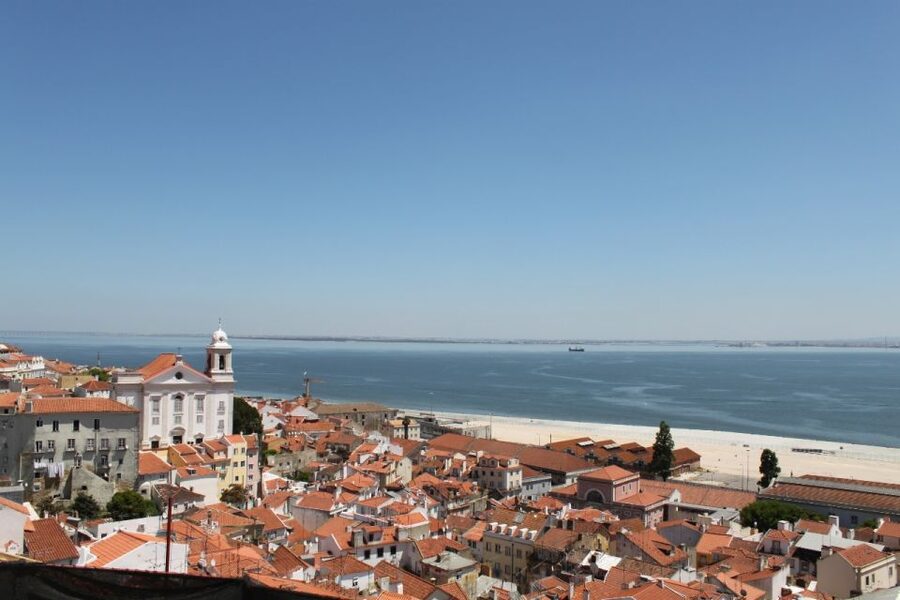
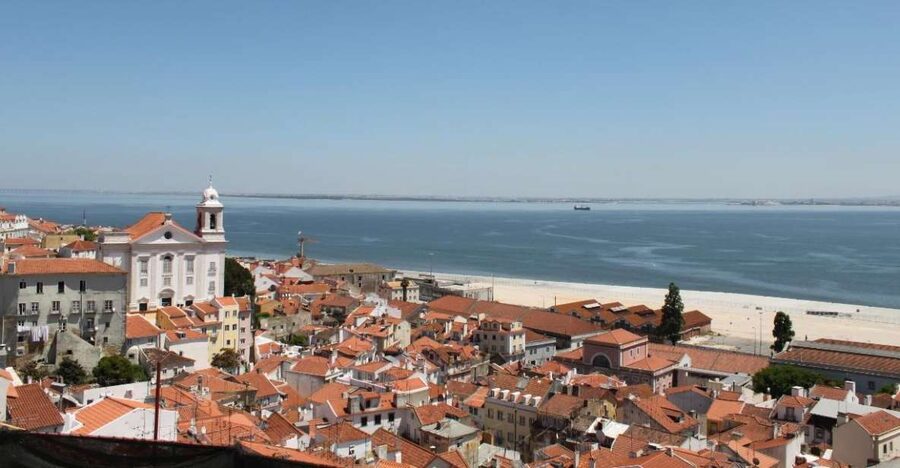
At Portas do Sol, you get the view payoff. This belvedere is famous for a reason, but the benefit of reaching it as part of a guided route is that the panorama isn’t just a photo spot. You see how Alfama’s structure leads the eye, and you understand where the city’s energy concentrates.
It’s also a good place to reset your brain. You’ve spent the morning (or morning-like part of the day) reading streets and stories. Then the city opens up and you can connect those clues to the bigger map of Lisbon.
If you’re the type who likes to take photos, go easy—don’t lock yourself into one angle for too long. The point of this tour is learning and orientation, not just collecting images.
What the guide does well: stories, flexibility, and practical advice
A tour like this lives or dies on the guide. The best versions of it have someone who can turn history into street-level explanation: why a name changed, why a structure survived, and how a neighborhood shaped daily life.
From the range of guides tied to this experience—names like Ricardo, Agatha, Elena, Lucy, Helena, Fatima, and Beatrice—the pattern that comes through is that the storytelling is engaging and people feel like they can ask questions. You might even get route tweaks if your group needs it, which helps if someone’s pace is slower or faster than expected.
Another practical win: the guide shares suggestions for what to visit next during your stay. Alfama is the kind of place where you can walk in circles if you don’t know where to go for your second pass. Getting those recommendations at the right time can save you time later.
The real-world logistics that affect your comfort
This walk is not suitable for people with mobility impairments, so be honest about stairs and uneven surfaces before you book. Even if you’re able to walk, you should assume you’ll cover steep sections and tight streets. Dress for comfort and bring layers if the weather changes quickly.
You’ll also have personal protection equipment included: a mask and disinfectant gel. That’s a small thing, but it’s nice when it’s handled for you. Transfers are not included, so you’ll manage getting to the meeting point on your own.
Price-wise, $23 sounds simple, but the real value is in what’s included. You’re paying for a live guide plus an actual guided Lisbon Cathedral entrance. If you were to recreate the experience on your own—finding a good route, interpreting Roman and Moorish traces, and knowing what to look for—you’d spend time and effort that this tour packages into 150 minutes.
Who should book this Alfama and São Jorge walking tour?
I think this is a great match if you want:
- A first-time Lisbon orientation focused on Alfama’s oldest feel
- A walk where the guide helps you understand Roman, Moorish, and later layers
- A manageable half-day plan with a clear endpoint and a viewpoint payoff
- An included cultural stop inside Lisbon Cathedral
You might skip it (or plan differently) if you primarily want a full São Jorge Castle interior visit, because the castle entrance isn’t included. In that case, you can still take this walk for the views and context, then book a separate castle visit when you’re ready for the ticketed experience.
Should you book this tour or not?
Yes, I’d book it if you want Alfama to make sense quickly. The combination of Casa dos Bicos, Roman traces at Cetária, cultural context around fado at Largo do Chafariz de Dentro, and the guided entrance at Lisbon Cathedral gives you more than a standard stroll. The price is also easy to justify for what you get in 150 minutes.
Just go in with the right expectation: you’ll learn São Jorge’s story and enjoy the walls and viewpoints, but you should not expect an included castle interior ticket. If that fits your goals, this is an excellent way to get your bearings in Lisbon’s most character-heavy neighborhood.
FAQ
How long is the Lisbon: Alfama and São Jorge Castle Quarters Walking Tour?
The tour lasts 150 minutes.
Where do I meet the tour guide?
Meet at Campo das Cebolas, Casa dos Bicos (the House of Spikes). The nearest metro is Terreiro do Paço. The guide will be holding a black bag with the Lisboa Autêntica logo.
Is entrance to São Jorge Castle included?
No. Entrance to São Jorge Castle is not included.
Is Lisbon Cathedral entrance included?
Yes. The tour includes entrance and a guided visit to Lisbon Cathedral.
What’s included for health and safety?
Personal Protection Equipment is included, including a mask and disinfectant gel.
What languages are available for the live guide?
The guide is available in Spanish, Portuguese, German, English, and French.
Is this tour suitable for mobility impairments?
No. It is not suitable for people with mobility impairments.