REVIEW · LISBON
Best of Lisbon Walking Tour: Rossio, Chiado & Alfama
Book on GetYourGuide →Operated by Inside Lisbon tours · Bookable on GetYourGuide
Lisbon shifts gear fast on this walk. You’ll connect Rossio Square’s street life to the city’s big moments through neo-Manueline details and photo-worthy stops.
Two things I like a lot: the way the guide explains the Portuguese past without turning it into a lecture, and the food-and-wine timing that keeps energy up while you’re walking. One possible drawback is that this is still a solid walking route, including steep, winding streets in Alfama, so comfortable shoes matter.
I also like that the guides get consistent praise for staying approachable and practical. Names that come up often in feedback include Filipa, Martin, Maria, Joana, and Carlos—people mention questions, pacing, and good local recommendations.
In This Review
- Key Things That Make This Tour Worth Your Time
- Starting at Rossio: Neo-Manueline Details and Street-Level Lisbon
- St. Dominic’s Square and the Rossio Railway Stops (Yes, It’s Worth Looking Up)
- Restauradores Square: The Independence Obelisk and Portugal’s Turning Points
- Largo do Carmo and the Carnation Revolution: 1974, Dictatorship, and Change
- Chiado: Cafés, Bookshops, and the Middle-Class Soul of Lisbon
- Baixa de Lisboa: Rebuilt After the 18th-Century Earthquake
- Food Tasting in Baixa: Pastel de Nata as Fuel, Not a Side Quest
- Viewpoints Between Baixa and Alfama: Train Your Eye for Lisbon’s Angles
- Alfama: Wine Tasting, Fado Up Close, and Tiled Facades
- Ending at Terreiro do Paço: A Big Finish That Helps You Continue
- Price and Value: Why $23 Can Actually Be Fair Here
- What to Expect on the Ground (Timing, Walking, and How to Prepare)
- Who This Tour Suits Best
- Should You Book This Best of Lisbon Walking Tour?
- FAQ
- How long is the tour?
- Where do I meet the guide?
- What’s the price?
- What’s included in the tour?
- Are entrance fees included?
- Is the tour offered in English?
- What should I bring?
- Can I bring pets?
- What’s the cancellation policy?
Key Things That Make This Tour Worth Your Time
- Rossio Square to Rossio Station: spot the neo-Manueline vibe right where Lisbon’s old and new overlap
- Independence and revolution stops: see the obelisk tied to Portugal’s independence restoration, then link it to the 1974 Carnation Revolution
- Chiado + Baixa on foot: walk areas rebuilt and redesigned after the 18th-century earthquake, and see the urban logic up close
- Pastel de nata at the right moment: one custard tart tasting helps you keep going instead of saving food for later
- Alfama with tastings and viewpoints: wine and snack tasting paired with the feel of fado culture in Lisbon’s oldest district
- Finish at Terreiro do Paço: end at a signature, easy-to-orient point for the rest of your day
Starting at Rossio: Neo-Manueline Details and Street-Level Lisbon
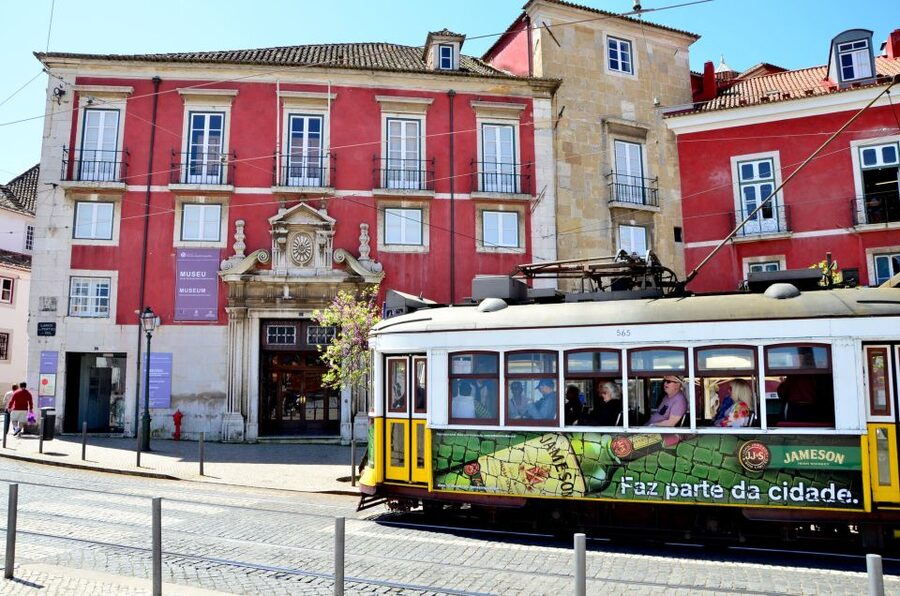
Your tour kicks off at the Estátua de D. Pedro IV area in Rossio Square. This is the kind of start that actually helps you later, because Rossio is one of those central hubs where locals pass through without making it a big performance.
One early highlight is the focus on Rossio Central Station. You’ll be looking for intricate neo-Manueline architecture—Lisbon’s way of showing off, but with Portugal’s own flavor. Even if you’re not the type who studies facades, it’s the sort of detail that makes the city feel specific instead of generic.
There’s also a nice rhythm built into the first stretch: a short guided walk, quick photo pauses, then moving again. That matters because Rossio is busy. If you’ve ever tried to explore a major square on day one while figuring out directions, you’ll understand why a structured start is so helpful.
You can also read our reviews of more walking tours in Lisbon



St. Dominic’s Square and the Rossio Railway Stops (Yes, It’s Worth Looking Up)
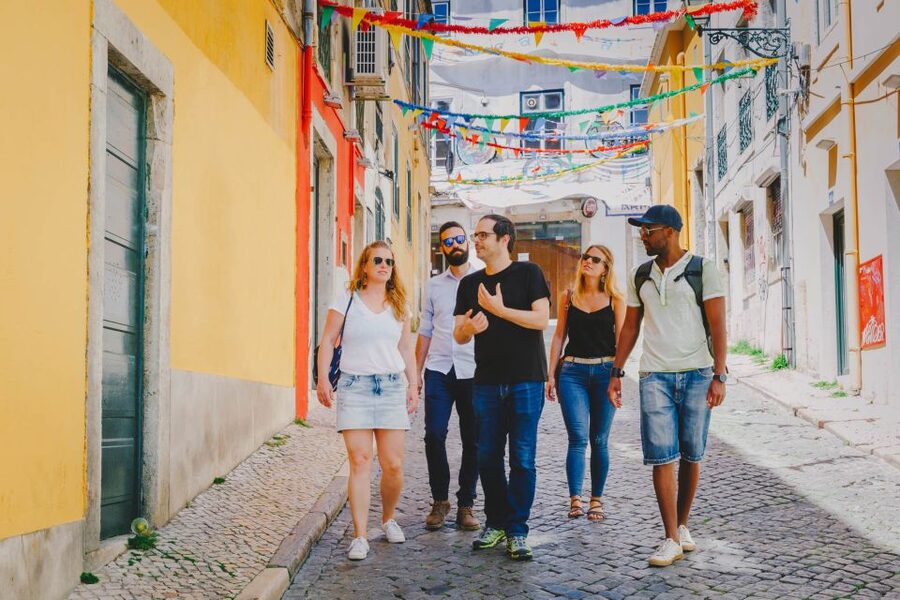
Next up is St. Dominic’s Square, then the Rossio Railway Station photo stop. These aren’t long detours; they’re quick moments where you practice seeing Lisbon like a local.
At this stage, I like that the guide encourages you to slow your eyes down. The goal isn’t to memorize dates. It’s to learn what to notice: architecture, street geometry, and how Lisbon arranges space around movement.
If you’re traveling with a mix of ages or energy levels, this part is a good fit because the stops aren’t heavy with walking. You get guided context, short pauses to snap pictures, and then back on the move.
Restauradores Square: The Independence Obelisk and Portugal’s Turning Points
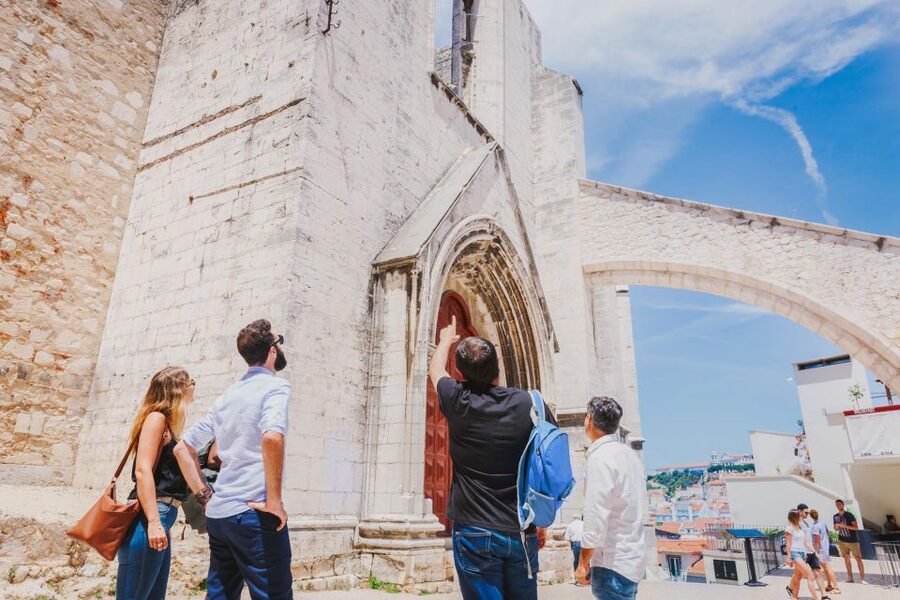
The tour then reaches Restauradores Square. In the middle of the square, you’ll see the obelisk connected to the restoration of Portugal’s independence from Spain. This is one of those spots where the meaning makes the monument feel less like a random object and more like a landmark that shaped identity.
What I appreciate here is that you don’t just get the headline. You’re given enough context to connect it to later events. It’s the kind of historical “thread” that turns Lisbon from a set of postcards into a place with a timeline.
If you like political history but hate dry narration, this stop is usually a good match. People repeatedly mention that guides keep things clear and don’t dump too much information at once. That pacing makes the learning stick.
Largo do Carmo and the Carnation Revolution: 1974, Dictatorship, and Change
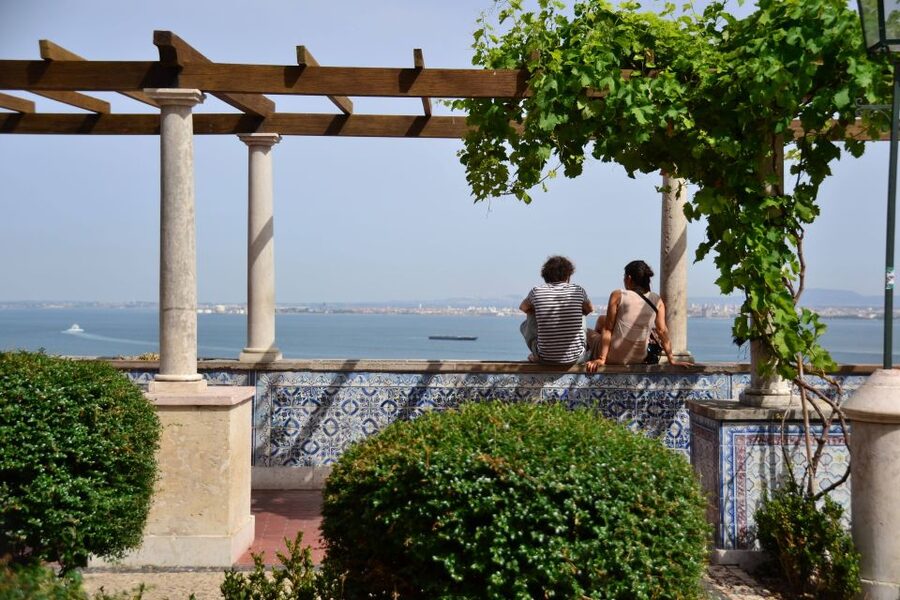
From there you move toward Largo do Carmo Square. There’s a photo stop and a viewpoint moment, but the real payoff is what the guide ties to this area: the Carnation Revolution of 1974, which ended 48 years of dictatorship.
This is one of those lessons that pays off later in Lisbon. Once you understand how power shifted in the 20th century, you start noticing the city’s tone—how people talk about freedom, modern identity, and what it means to move forward.
Also, viewpoint stops here matter. You’re not only hearing a story; you’re seeing the shape of the city while the story plays in your head. That’s where Lisbon’s geography becomes part of the lesson.
Chiado: Cafés, Bookshops, and the Middle-Class Soul of Lisbon
Next comes Chiado. This is where the walk starts feeling more like wandering with a smart friend than a checklist tour.
You’ll pass through streets linked to old cafés, boutiques, theatres, and quaint bookstores. It’s a neighborhood that feels refined without being stiff. You’ll likely notice how locals use these spaces day-to-day—stopping for coffee, browsing, and lingering.
One reason I like Chiado on this route is timing. You’ve already worked through heavy themes and major squares. Chiado offers a calmer reset before the city asks you to climb again.
If you want souvenirs, snacks, or just a break from intense sightseeing, Chiado is a great neighborhood to land in. Even if the tour doesn’t stop for shopping, the neighborhood itself gives you the sense of Lisbon’s culture beyond monuments.




Baixa de Lisboa: Rebuilt After the 18th-Century Earthquake
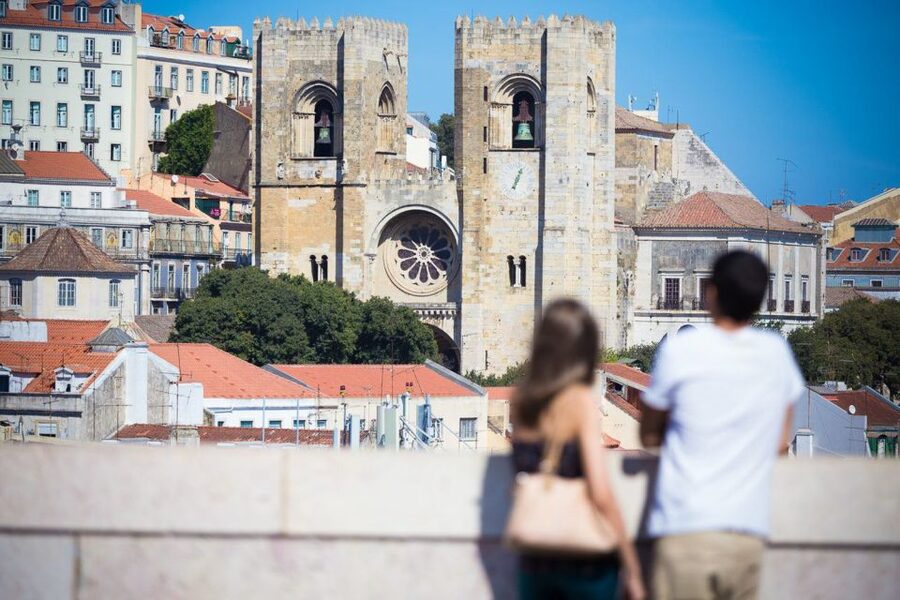
After Chiado, the tour heads into Baixa de Lisboa—the city’s heart. This part is valuable because you get a practical explanation for why Lisbon looks the way it does.
Baixa was completely rebuilt after the 18th-century earthquake. You’ll hear about new rules of urbanism and anti-systemic architecture—basically, a designed response to disaster. Standing in the streets, you can actually see the logic in the way blocks line up and how people can move through the center.
This isn’t just trivia. When you understand the rebuild, you stop thinking of Baixa as accidental. It becomes an intentional city plan that you can navigate. That helps you after the tour too.
Food Tasting in Baixa: Pastel de Nata as Fuel, Not a Side Quest
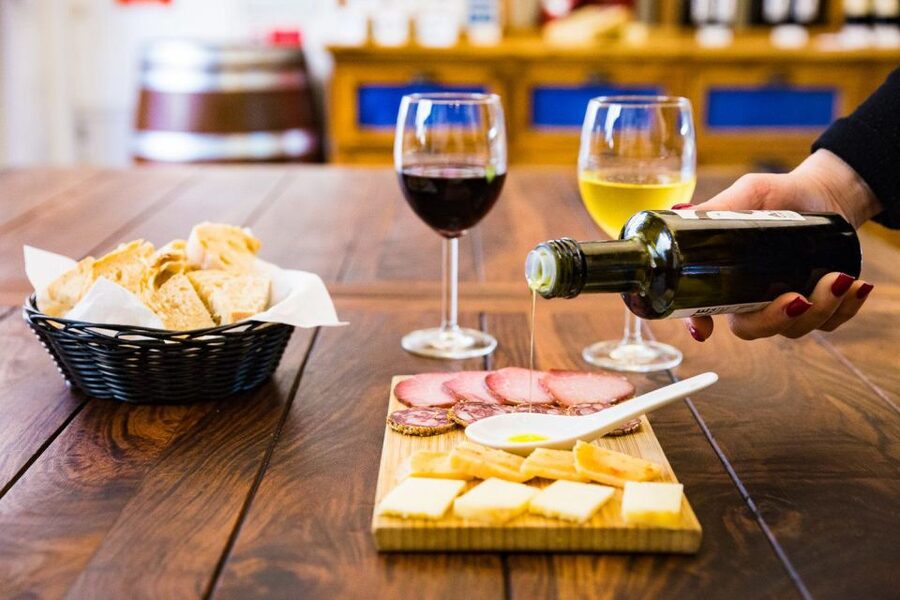
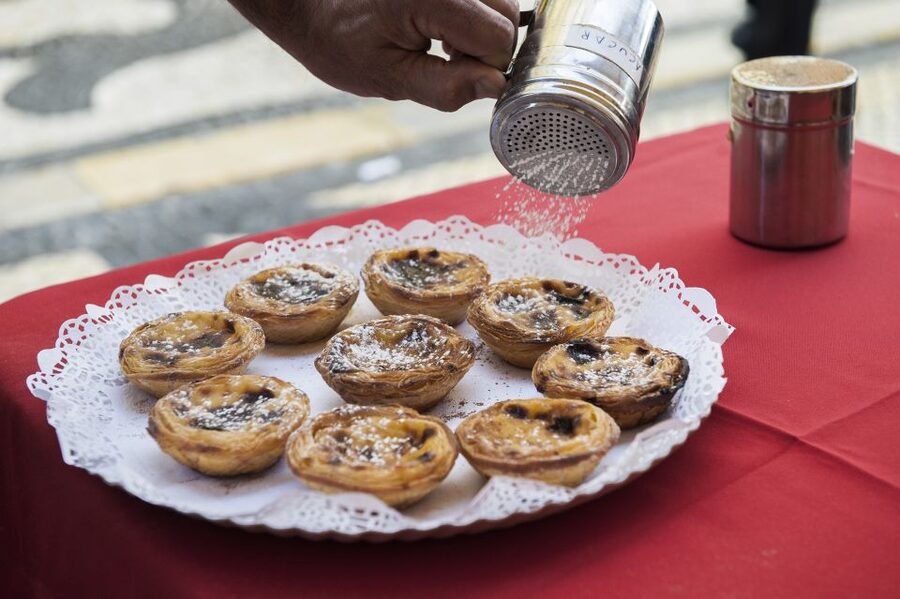
In Baixa, you’ll get a food tasting. The included sweet highlight is one pastel de nata, the famous Portuguese egg custard tart. This is a classic for a reason: it’s portable, warm, and perfect for a walking morning.
What makes the tasting meaningful on this tour is placement. You’re not eating randomly at some point. You’re tasting right when the walk is about to keep going, so you don’t feel like you need to hunt for food later.
In some guides’ routines, you may also encounter a savory snack element during the snack tasting phase. Some feedback mentions options like codfish cake alongside the wine, which fits Lisbon’s snack culture. Even if the exact bite varies, the idea stays the same: a small local flavor stop that keeps your energy up.
Viewpoints Between Baixa and Alfama: Train Your Eye for Lisbon’s Angles
You’ll have another viewpoint photo stop on the way. This matters more than you’d think, because Lisbon’s viewpoint culture can make or break your photos and your stress level.
Viewpoints help you orient yourself. From up high, the streets and districts make more sense. Then when you’re back on foot at street level, you feel like you know where you are—even if you’re still headed for narrow Alfama lanes.
If you’re the type who gets tired of looking at phones constantly, viewpoints are a good “reset.” You see the city, then you walk again with fewer mental blanks.
Alfama: Wine Tasting, Fado Up Close, and Tiled Facades
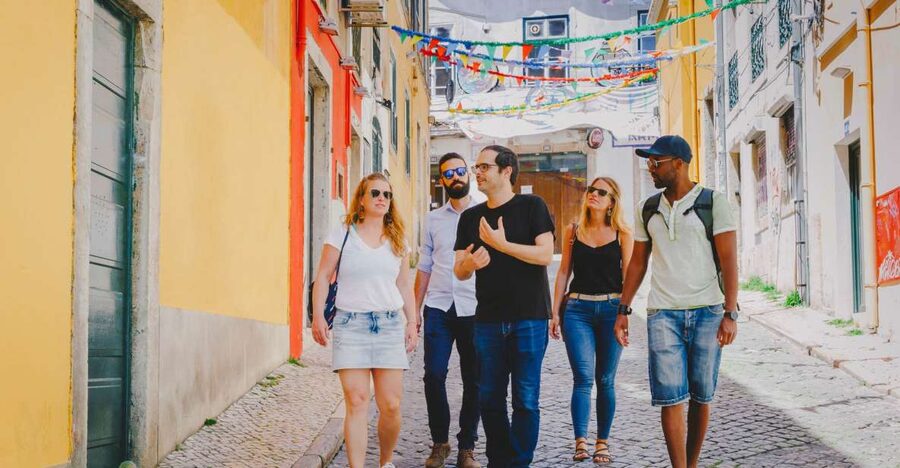
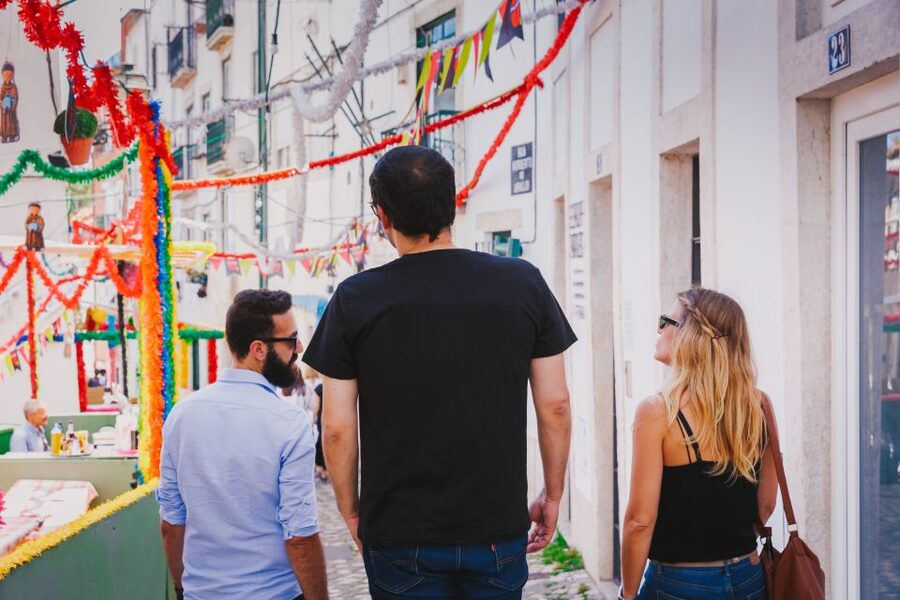
Then you hit Alfama, and this is where the walk gets more intimate. Alfama is Lisbon’s oldest neighborhood, and the streets start narrowing and bending into that classic maze feeling.
You’ll have wine tasting and food tasting here, plus time for photo stops. The tour also points you toward the art of fado, Lisbon’s signature musical genre. You won’t just be hearing about fado in theory—you’ll feel how it fits the area’s mood and street culture.
One detail I recommend you ask your guide about: why many of the buildings in Alfama are tiled on their facades. It’s the kind of question that turns a pretty wall into a story about tradition and identity.
And yes, expect the street texture. Alfama’s charm includes uneven ground and winding lanes. Some feedback mentions guides helping with shortcuts up the hills, which is exactly what you want when you’re trying to enjoy the neighborhood without turning it into a workout you didn’t plan for.
Ending at Terreiro do Paço: A Big Finish That Helps You Continue
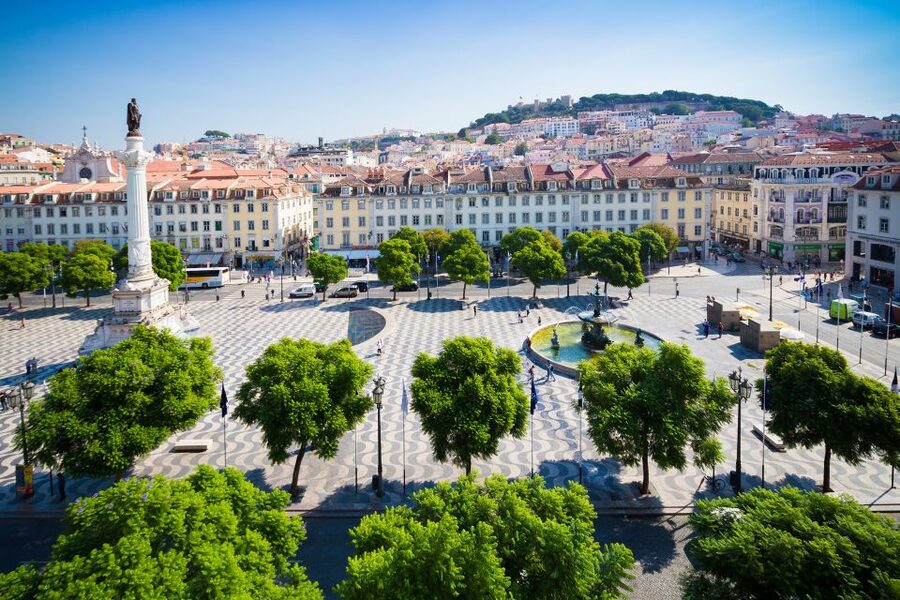
The tour ends at Terreiro do Paço, also known as Praça do Comércio. This is a strong finish because it’s one of Lisbon’s most recognizable open spaces and it helps you reset after the tight streets of Alfama.
You’ll see the former entrance hall of the city. That phrase sounds grand, and it is. But the practical value is even better: once you’re here, it’s easier to decide what to do next—walk, find food, or connect to whatever you have planned.
If you’re doing Lisbon over multiple days, I also like finishing at a place that’s easy to orient to. You don’t end your tour feeling lost; you end it feeling positioned.
Price and Value: Why $23 Can Actually Be Fair Here
At $23 per person for about 3 hours, this tour isn’t expensive, especially because it includes a local guide and three tastings: one pastel de nata, one snack tasting, and one wine tasting.
Here’s the value logic I see:
- You pay for a guide, not just a route. The history and neighborhood explanations are the reason this works as an intro.
- You get food and drink included at a time you’d otherwise have to stop and figure out.
- You cover multiple neighborhoods—Rossio, Chiado, Baixa, and Alfama—without needing to plan every connection yourself.
If you’re the kind of traveler who spends time bouncing between places with no context, this helps you get more meaning per hour. If you already know Lisbon’s timeline cold and you only want photos, you might feel less wowed. Most people, though, find that the guide’s pacing turns the time into something useful.
What to Expect on the Ground (Timing, Walking, and How to Prepare)
This is a 3-hour walking tour, with stops that include photo moments and short guided stretches. You’ll be moving most of the time, with viewpoint breaks and a few pauses for sightseeing.
Wear comfortable shoes. Lisbon’s hills and cobbles are part of the deal, and Alfama in particular can be a grind if you show up in the wrong footwear. Also bring comfortable clothes because weather can shift and you’ll be outside for the full route.
Group size isn’t listed here, but the general feedback pattern is that guides keep groups together and answer questions. That usually means the tour isn’t a rushed herding situation. It’s more like a guided walk where you can actually ask what you’re seeing.
Who This Tour Suits Best
I think this tour is a strong match if:
- you want an organized way to see central Lisbon fast
- you like history, but you want it tied to places you can stand in
- you want a morning (or early-day) start that gives you directions for the rest of your trip
- you enjoy food stops that feel local, not tourist-only
It’s also a good first tour on your trip. Many guides give practical advice during the walk, and the neighborhoods you cover are the ones you’ll likely revisit.
If you hate walking or you want a totally sit-down tour, you might prefer something else. But if you’re happy to roam on foot for a few hours, this hits a sweet spot.
Should You Book This Best of Lisbon Walking Tour?
Yes, if you want a smart intro to Lisbon that blends major sights with neighborhood feel, and you like learning while you walk. The included pastel de nata, snack tasting, and wine tasting make the price feel sensible, and the route is built to connect Lisbon’s squares and streets to Portugal’s modern story.
Book it especially if you’re early in your trip and want to get your bearings fast. You’ll end at Terreiro do Paço, with a clearer mental map—and a better sense of why Rossio, Chiado, Baixa, and Alfama feel different from each other.
If your legs are fragile or you already know you struggle with hills and winding streets, consider that before you commit. Otherwise, this is a very good use of 3 hours in Lisbon.
FAQ
How long is the tour?
The tour lasts about 3 hours.
Where do I meet the guide?
Meet at Rossio Square, close to the statue of D. Pedro IV.
What’s the price?
The price is listed as $23 per person.
What’s included in the tour?
Included are a local guide, the walking tour, 1 pastel de nata (custard tart), 1 snack tasting, and 1 wine tasting.
Are entrance fees included?
No. Entrance fees and guiding at attractions and sites are not included.
Is the tour offered in English?
Yes. The live tour guide provides the tour in English.
What should I bring?
Bring comfortable shoes and comfortable clothes.
Can I bring pets?
No, pets are not allowed.
What’s the cancellation policy?
There is free cancellation up to 24 hours in advance for a full refund.