REVIEW · LISBON
Lisbon Through the Eyes of a Local – Food and Walking Tour
Book on GetYourGuide →Operated by See the city through the eyes of a local · Bookable on GetYourGuide
Lisbon hits different when a local points. This 2-hour walk pairs major sights with real food breaks, from pastéis de nata to ginjinha in Alfama.
I especially like the way the route stitches together Baixa and Alfama without feeling like a checklist, and the guide’s stories (often with a funny edge) that make the city’s myths, legends, and history click.
The only catch: it’s still a walking tour. You’ll cover hills and cobblestones in older streets, so comfy shoes matter, and you may want to pace yourself during the Alfama section.
In This Review
- What Makes This Tour Feel Local in Lisbon
- Meeting Under the Column of Pedro IV: Getting Oriented Fast
- St. Dominic’s Square to Church of St. Dominic: The Baixa-Start Photo Trail
- Praça da Figueira and Rua Augusta: The Classic Center, Explained
- A Local Bakery Stop for Pastéis de Nata: Why This Tastes Better
- Rua Augusta Arch and Praça do Comércio: Lisbon at Atlantic Scale
- Elevador de Santa Justa: A Included Lisbon Shortcut to Perspective
- Alfama: Ginjinha, Wine, and the Streets You Don’t Find by Accident
- Lisbon Cathedral (Sé de Lisboa): The Final Anchor in Old Lisbon
- Food Tastings and What They Teach You to Order Later
- Your Guide: Humor, Real Talk, and Restaurant Recommendations That Save Time
- How to Fit This Into Your Lisbon Plan (Best Timing Tips)
- Price and Value: What $17 Buys You Here
- Should You Book This Lisbon Through the Eyes of a Local Tour?
- FAQ
- Where is the meeting point?
- How long is the tour?
- Is the tour guided in English?
- What neighborhoods does the walking tour cover?
- What food and drink tastings are included?
- Which major stops are included along the route?
- What’s the price?
- Is cancellation flexible?
What Makes This Tour Feel Local in Lisbon
- A guide who sets the tone: English live guiding, with humor and lots of Q&A.
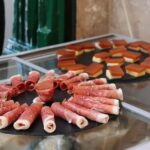
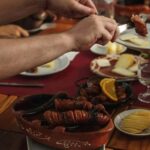
- You actually taste the city: pastéis de nata, ginjinha (cherry liqueur), chocolate tasting, plus wine tasting in Alfama.
- Two key neighborhoods, one smooth storyline: Baixa-Chiado for the classic center, then Alfama for the older maze.
- Photo stops paired with context: you stop often, but the stops come with explanations of what you’re looking at.
- You leave with a plan: a final list of good local places to eat and drink, plus ideas for what to do next.
Meeting Under the Column of Pedro IV: Getting Oriented Fast
You meet in Praça do Rossio under the Column of Pedro IV, right in the middle of the square. It’s a handy spot because Rossio is one of those “you’ll walk past this anyway” parts of Lisbon—great for orientation on day one.
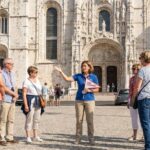
From here, the tour’s pace is built for learning while you move. Expect short stops, guided commentary, and scenic views along the route rather than a nonstop grind. If you like starting your trip with a clear sense of where everything is, this style helps you build a mental map quickly.
If you’re traveling solo or you hate being stuck in a large group, the vibe from recent visitors has been consistently personal—people note the guide feels engaged and easy to talk with.
You can also read our reviews of more walking tours in Lisbon



St. Dominic’s Square to Church of St. Dominic: The Baixa-Start Photo Trail
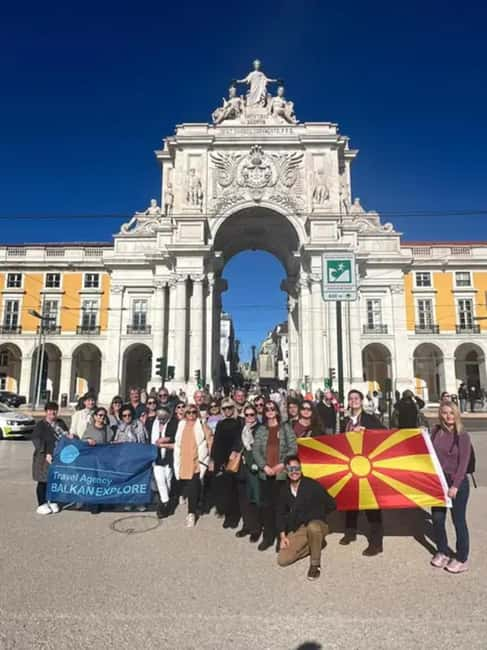
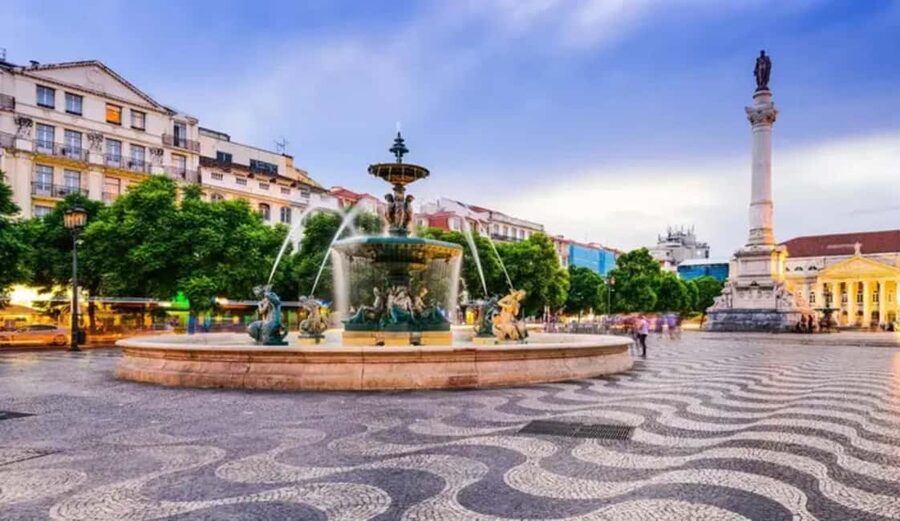
The tour kicks off with St. Dominic’s Square for a photo stop and quick guided sightseeing. This is one of those Lisbon moments where you can pause, look around, and let the city’s character sink in.
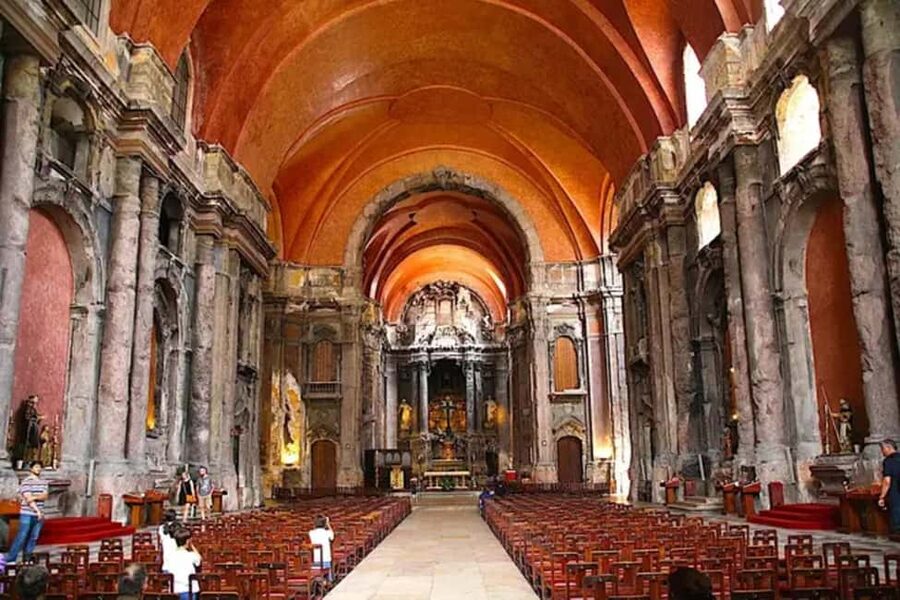
Next comes the Church of São Domingos (also referred to as St. Dominic’s Church). You’ll get another photo stop plus a guided visit. The practical value here is simple: you learn what to notice in churches and squares beyond the obvious façade—little details that make later self-guided wandering more rewarding.
One smart thing about this early stretch: it’s in a central area, so you’re not trying to understand Lisbon’s layout while also climbing your way through tougher streets.
Praça da Figueira and Rua Augusta: The Classic Center, Explained

After that, you head to Praça da Figueira, again with a photo stop and guided sightseeing. Then the route moves to Rua Augusta, one of Lisbon’s signature pedestrian corridors.
Rua Augusta tends to draw crowds on its own. What makes it worth doing with a guide is the story layer—how this part of town fits into Lisbon’s bigger picture, including myths and legends connected to the city’s landmarks. You’ll also get scenic viewpoints on the way, which keeps the walk from feeling purely urban and flat.
A small practical note: Rua Augusta is popular. If you’re sensitive to busy areas, you’ll still get the atmosphere, but you may want to keep your patience handy during peak times.
A Local Bakery Stop for Pastéis de Nata: Why This Tastes Better
Here’s the core food moment: a local bakery stop where you’ll taste pastéis de nata and get some free time. The tour builds this as a short break (about 15 minutes), so it’s not one of those long waits that turns a fun walk into a snack marathon.
What you’ll like is the timing. By the time you reach the bakery, you’ve already seen enough sights that your brain is ready to settle. And because pastéis de nata are so central to Lisbon’s food identity, having them at the right moment makes the city feel personal fast.
If you’ve only ever had pastéis de nata from a box, this is where you’ll feel the difference. The tour gives you the chance to taste them in the setting where Lisbon locals would grab a treat.
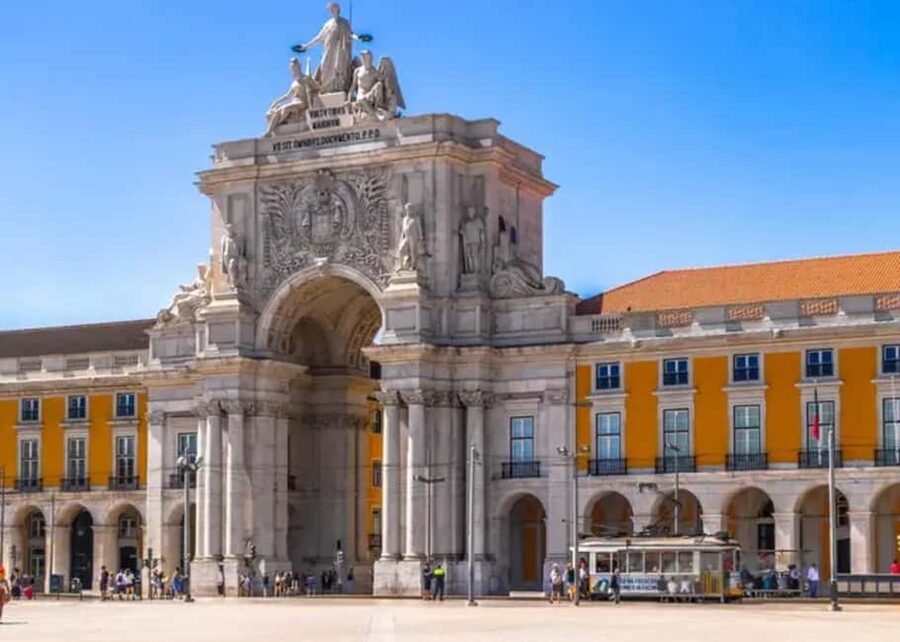
Rua Augusta Arch and Praça do Comércio: Lisbon at Atlantic Scale
Next up: the Rua Augusta Arch and then Praça do Comércio (also called Commerce Square). These stops are about scale. Lisbon opens up here—wide space, big views, and that sense of the city facing the river and, indirectly, the Atlantic.
The tour uses these moments for both sightseeing and guided explanation, which matters because big squares can feel blank if you don’t know what you’re looking at. With context, you start noticing why certain buildings and alignments are where they are and how the city’s shape supports its story.
Also, these areas are excellent for photos. But go beyond the photo. Let the space reset you. If you’ve been walking in narrower streets, these open stretches help you breathe before Alfama.
You can also read our reviews of more food & drink experiences in Lisbon


Elevador de Santa Justa: A Included Lisbon Shortcut to Perspective
This experience includes the Elevador de Santa Justa. Even if you don’t think of yourself as a “ticket attraction” person, it fits the tour well.
Why? Because Lisbon isn’t flat. A view from a lift or elevated spot changes how you understand the city. It helps you connect the dots between the center and the hillside neighborhoods, so the next part—Alfama—lands with more meaning.
You’ll feel the tour shifting from “walk and look” to “walk and understand.”
Alfama: Ginjinha, Wine, and the Streets You Don’t Find by Accident
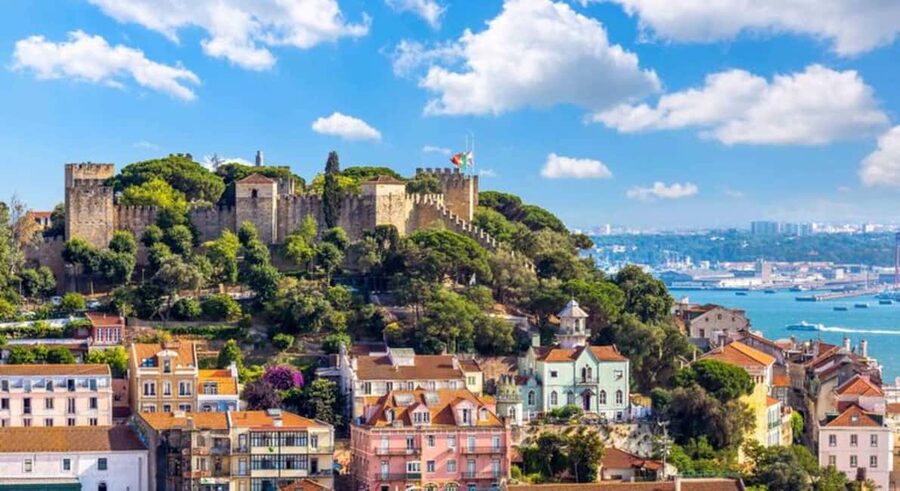
Then comes the main character neighborhood: Alfama. You’ll get a photo stop, a guided visit, and wine tasting, plus scenic views along the way.
Alfama is where Lisbon gets older in your hands. The streets feel tight, the corners feel surprising, and the view angles keep changing as you move. With a guide, you’re not just walking uphill—you’re learning why these lanes exist, what people historically did here, and how local legends fit into the look of the neighborhood.
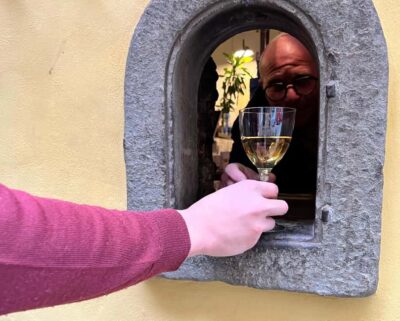
The food and drink here isn’t random. In Alfama, you’ll try ginjinha (cherry liqueur) and also a chocolate tasting. This is one of the most beloved parts of the experience because it combines flavor with place: sweet, dark, and Portuguese, served right where the neighborhood vibe makes sense.
If you’re trying to decide what kind of souvenir you want, this is a good reminder: sometimes the best keepsake is what you taste, not what you buy.
Lisbon Cathedral (Sé de Lisboa): The Final Anchor in Old Lisbon
The tour finishes with Lisbon Cathedral (Sé de Lisboa). You’ll have a photo stop and a guided tour through the area.
Cathedrals can feel like “one more stop” on some itineraries. Here, it works as an anchor: after Alfama’s maze-like streets, the cathedral gives you a fixed reference point. It’s easier to connect what you saw earlier—squares, arches, and street patterns—back to a single landmark with real staying power.
Also, Sé de Lisboa is one of those places where Lisbon’s layers show. If you like mixing big outdoor views with a more grounded stop, this ending does the job.
Food Tastings and What They Teach You to Order Later
This tour isn’t just about eating. It teaches Lisbon’s flavor rhythm.
You’ll taste:
- Pastéis de nata at a local bakery
- Ginjinha (cherry liqueur)
- Chocolate tasting
- Wine tasting in Alfama
After your tour, that matters because you’ll start recognizing Portuguese patterns:
- Sweet-and-sour flavors work together (ginjinha and chocolate are a clue)
- Pastry isn’t only for breakfast—it fits into strolling breaks
- Wine in Alfama feels like part of the neighborhood ritual, not a formal meal
And because the guide gives a final list of recommendations for places to eat and drink, you can use the tastings as your map. If you loved the balance you found in ginjinha, you’ll know what to hunt for when you’re choosing bars and taverns later.
Your Guide: Humor, Real Talk, and Restaurant Recommendations That Save Time
Many past visitors have singled out the guide’s personality as the best part of the experience—names that show up include Francisco, Chico, and JLO. The common thread: guides bring energy, answer questions, and share practical local tips that go beyond the walk itself.
That’s not fluff. In Lisbon, restaurant choices can get tricky fast. Tourist areas can be easy to overpay for, and schedules can be weird around holidays. A guide who shares honest suggestions helps you avoid wasting time hunting for the right place after you’re already tired from walking.
You’ll also get a long list of ideas after the tour. One day, you might want a quick bite near where you’re staying. Another day, you might want fado or a specific kind of bar. Having that curated list right away is the kind of value that doesn’t show up on a brochure.
How to Fit This Into Your Lisbon Plan (Best Timing Tips)
This is a great first or second-day activity because it gives you structure. You start in the center, hit the classic streets, then shift into Alfama. That makes it easier to explore on your own afterward without constantly checking where you are.
Two timing thoughts that help:
- If you want the sights without maximum crowd pressure, go earlier in the day when possible.
- If you’re visiting during a holiday or big travel season, go into the tour knowing not every restaurant will be open. The guide’s restaurant and bar suggestions can still help you find what’s actually running.
Since the tour lasts about 2 hours, you’ll still have enough energy to keep exploring after—especially if you treat the food stops as your break points.
Price and Value: What $17 Buys You Here
At around $17 per person for a 2-hour guided walking tour, the value comes from three places:
1) Guiding + storytelling across neighborhoods
You’re not just walking through Baixa and Alfama. You’re getting context that helps your later self-guided wandering make sense.
2) Multiple tastings, not just one bite
Pastéis de nata plus ginjinha, chocolate tasting, and wine tasting is a real food package for this price. That alone can make the cost feel fair, especially in a city where a pastry and a drink can quickly add up.
3) A built-in plan for after
The final list of local places to eat and drink is the invisible part of the value. It can save you from trial-and-error the rest of your trip.
Could you spend less by eating on your own and walking without a guide? Yes. But if you want speed, context, and a food-forward intro to Lisbon, this price feels well matched to what you get.
Should You Book This Lisbon Through the Eyes of a Local Tour?
Book it if:
- You want a quick, confident start to Lisbon with both sights and food.
- You care about neighborhoods—Baixa-Chiado plus Alfama—and not just landmark photos.
- You like tours where the guide talks, jokes, and helps you with what to do next.
Skip it (or choose another option) if:
- You prefer minimal walking or hate hills and older cobbled streets.
- You already know Lisbon well and only want major attractions with longer dwell times.
My take: this is the kind of tour that earns its keep by making your future meals better and your self-exploration easier. For most first-timers, it’s a smart, affordable way to feel like you’re traveling with someone who actually knows the city.
FAQ
Where is the meeting point?
You meet under the Column of Pedro IV in the middle of Praça do Rossio.
How long is the tour?
The tour duration is 2 hours.
Is the tour guided in English?
Yes, it’s a live guided tour in English.
What neighborhoods does the walking tour cover?
You’ll explore Baixa-Chiado and Alfama.
What food and drink tastings are included?
You’ll taste pastéis de nata, ginjinha (cherry liqueur), chocolate tasting, and there is also a wine tasting in Alfama.
Which major stops are included along the route?
Key stops include St. Dominic’s Square, Church of St. Dominic, Rua Augusta, Rua Augusta Arch, Praça do Comércio, Alfama, Lisbon Cathedral (Sé de Lisboa), plus the Elevador de Santa Justa.
What’s the price?
The price is listed as $17 per person.
Is cancellation flexible?
Yes, it offers free cancellation up to 24 hours in advance for a full refund.