REVIEW · BUDAPEST
Budapest: Castle District Walking Tour
Book on GetYourGuide →Operated by Triptobudapest.hu - Free Budapest Walking Tours · Bookable on GetYourGuide
Castle Hill feels like a living movie set. This guided walk keeps Buda Castle Hill moving at a good pace, so you spend less time guessing where to go next and more time enjoying the Danube panorama toward Pest. The route is built for seeing the main landmarks without getting tangled in the steep footpaths.
One heads-up before you lace up: this area is hilly, with a sustained uphill stretch and lots of steps. If you prefer flat walking, you’ll want to take the fitness note seriously, because the tour includes a 10-minute uphill walk and is not suited to wheelchairs.
In This Review
- Key highlights you’ll actually notice on the ground
- Where You Start: Batthyány tér, St. Anna Church, and the blue flag
- Why the 2-hour format works on Castle Hill
- Buda Castle and Matthias Church: start with the story behind the stones
- Fisherman’s Bastion views and the trivia your brain will keep
- Crosses, church towers, and mini monuments you might otherwise skip
- The underground Castle Hill: labyrinths and defense
- Jewish prayer house, baroque streets, and daily life between empires
- WWII destruction and the Nazi stronghold markers
- Huszár fighters, the mythical bird, and the statues that make you smile
- Practical tips: shoes, pacing, water, and question time
- Price and value: what $2.27 means for a guided Castle Hill loop
- Who should book this tour, and who should skip it
- Should you book the Budapest Castle District Walking Tour?
- FAQ
- How long is the Budapest Castle District walking tour?
- Where is the meeting point?
- What language is the tour offered in?
- What should I bring?
- Is the tour difficult to walk?
- Is it accessible for wheelchair users?
- What size is the group?
- What’s the cancellation policy?
Key highlights you’ll actually notice on the ground
- A set start that’s easy to find at the Batthyány tér metro exit with a royal blue flag near St. Anna Church
- Two hours that moves you through the core sights without rushing the stories
- Matthias Church and Fisherman’s Bastion explained in plain language, plus the trivia your brain will remember
- Pest-side views from terraces timed for when the viewpoints feel worth the climb
- Underground and history stops that connect wars, everyday life, and defense on Castle Hill
- Small-group feel (up to 30 people) with room for questions
Where You Start: Batthyány tér, St. Anna Church, and the blue flag
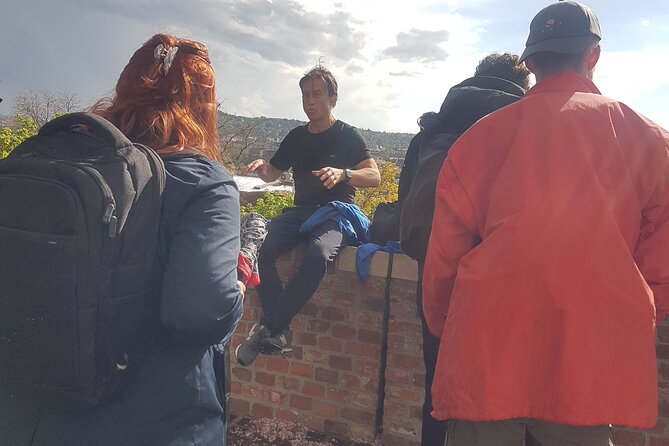
Your tour kicks off at the Batthyány tér metro exit, about 15 meters from St. Anna Church. The meeting spot is right where you can orient yourself fast: find the guide holding a royal blue flag, and you’re good. It’s also practical that you can grab snacks or use the nearby food market area before you begin.
I like meeting points like this for one reason: you don’t waste your first 30 minutes checking apps while your legs are already warming up. Castle Hill is steep enough without adding extra walking to your day.
The tour also ends back at the meeting point. That matters because you can plan your afternoon in a more predictable way. Want coffee after? You can head out from the metro area without wondering how you’ll get back down.
You can also read our reviews of more walking tours in Budapest



Why the 2-hour format works on Castle Hill
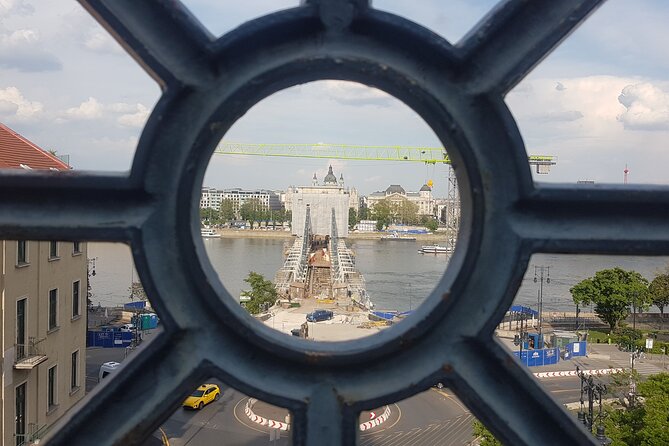
A Castle District walk can turn into a long day if you’re not careful. This one is set for about two hours, which means you get a focused loop through the highlights rather than wandering until you’re exhausted. You also get an itinerary structure that keeps you from missing the big stuff while chasing photos.
The biggest win is that you’re not navigating a maze of viewpoints on your own. The guide keeps pulling you toward the next landmark and explains what you’re seeing as you go. That makes the buildings and terraces feel connected instead of random.
You do need a moderate fitness level. Expect a 10-minute uphill walk, plus stairs throughout the route. The good news: the tour includes stopping points for commentary and photo moments, so you’re not just climbing in silence. Still, if your legs are easily tired or you hate stairs, this is where you should pause and rethink.
Buda Castle and Matthias Church: start with the story behind the stones

The tour centers on the Castle District’s biggest names, and it starts with the Royal Palace area and works through the core landmarks. Even if you’ve seen photos before, the guide’s job is to make the place make sense.
When you’re at Buda Castle, you’re standing in a space that has been rebuilt many times, often because of war damage. That repeated rebuilding is one of the themes your guide will tie together, so you start to notice how the complex is layered rather than uniform.
Then you move into Matthias Church, where the tour becomes more than sightseeing. The guide will explain details tied to Hungarian identity and the meaning behind the architecture you see up close. You’ll also get context for what you’re looking at today versus what the site has endured over centuries of conflict and occupation.
Fisherman’s Bastion views and the trivia your brain will keep
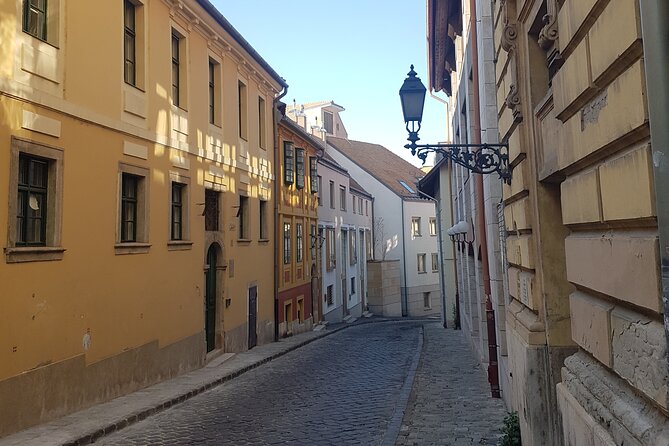
Fisherman’s Bastion is the moment many people come for. The twist here is that you don’t just look—you learn how to read it.
You’ll get to the terraces that give you a strong view across the Danube toward Pest. This is one of the easiest parts of the walk to enjoy, because the view rewards the climb quickly. If the light is right, you’ll understand why this spot stays busy.
The guide also includes the kind of details that make the photos feel more meaningful. You’ll hear an explanation about a connection between Walt Disney and Fisherman’s Bastion. That’s the sort of story that turns a postcard scene into something you’ll remember later, even after you leave.
And yes, expect more than one question from your guide’s side too. There’s even a playful element with tricky questions about major landmarks—small pressure, but it keeps people listening.
Crosses, church towers, and mini monuments you might otherwise skip
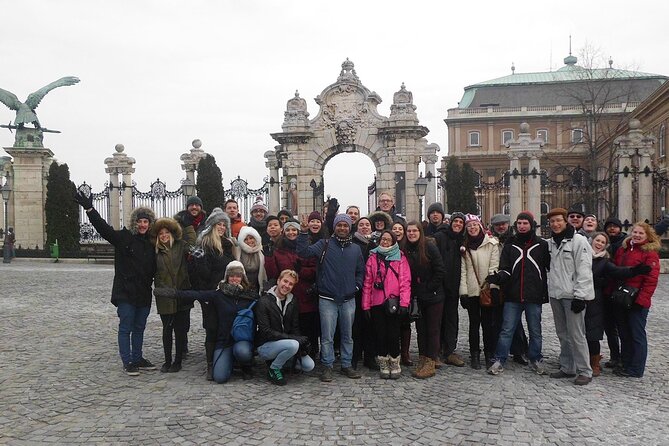
The route doesn’t stop at the obvious. It also includes additional buildings in the Castle District, like the Matthias Church area and the Maria Magdalena Church Tower. That helps you get a fuller sense of how this neighborhood works, not just the main stage.
You’ll also notice small public art elements—urban public art mini monuments along the way. These are easy to miss when you’re rushing between big sights, so it’s worth having someone point them out and explain what they represent.
A fun detail your guide will cover: the difference between a cross with one, two, or three strips. If you’ve ever stood in front of a church marking and wondered what it meant, this is where that question gets answered without you having to do your own research at the worst moment.






The underground Castle Hill: labyrinths and defense
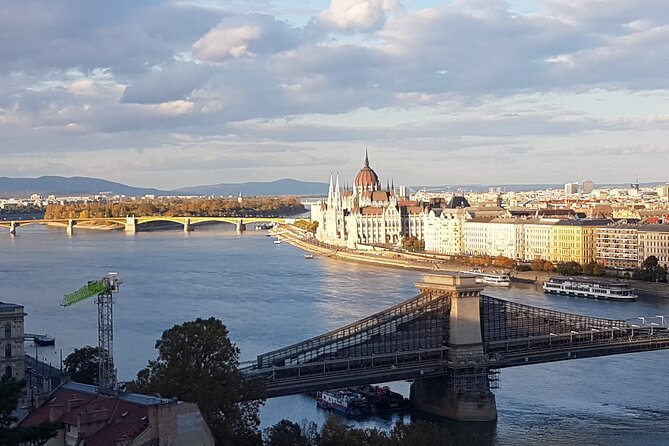
One of the most surprising parts of the tour is the mention of the underground side of Castle Hill. The area includes an underground cave system, with stories about labyrinths and how those spaces were used for defense over centuries.
Even if you don’t go underground yourself during this specific walk, the guide makes the subterranean layer feel real. You start thinking differently about the Hill—less like a scenic promenade and more like a fortress landscape that had to function under pressure.
This part also gives the tour emotional weight. When you pair the underground-defense angle with the WWII damage stories the guide shares later, Castle Hill becomes something more than a set of beautiful viewpoints.
Jewish prayer house, baroque streets, and daily life between empires
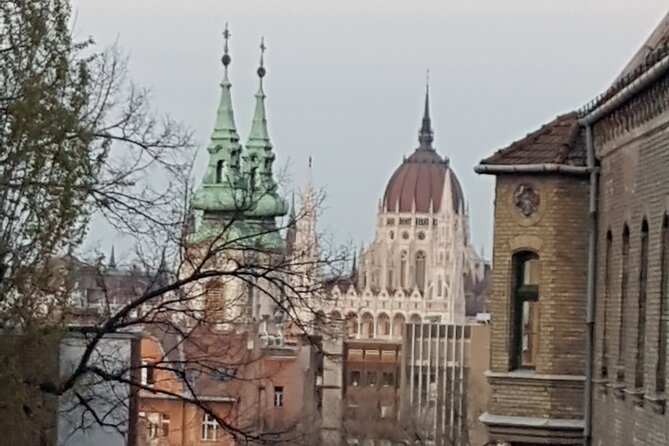
Another layer the guide brings in is everyday life in the district. The tour doesn’t treat history as only rulers and battles. You’ll learn about the German, Jewish, and Hungarian communities that shaped the Castle District, and how the area changed around them.
You’ll see references to the Medieval Jewish Prayer House, plus beautiful baroque residential buildings around it. Those streetscapes can feel quiet and intimate compared to the big-open terraces. That contrast is the point: the district wasn’t only for ceremonies and power—it also held real homes and routines.
One more name your guide will mention is Gül Baba, tied to the Ottoman Turkish monk and soldier. The guide will explain the Muslim site of pilgrimage connected to him, so the Ottoman chapter isn’t treated as a footnote.
WWII destruction and the Nazi stronghold markers
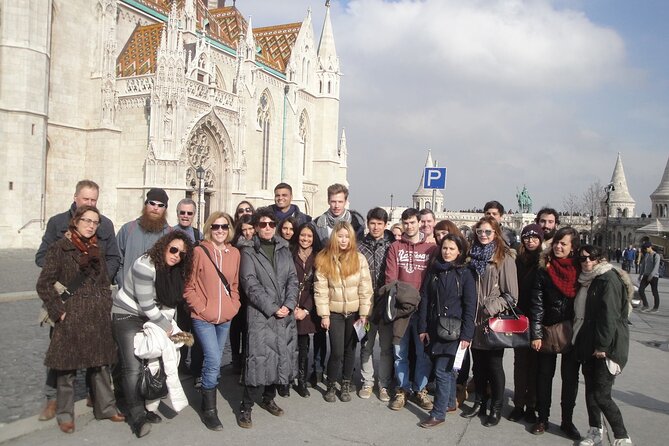
This tour does not shy away from the darker chapters. You’ll talk about massive destruction during WWII and where the Nazi stronghold was. Those stops can hit harder than you expect, especially while you’re surrounded by architecture that looks peaceful from a distance.
The guide helps you connect what happened to what you’re seeing now. Instead of leaving you with vague tragedy, you get a sense of location and context—so the history feels anchored rather than abstract.
For some people, this is the most important part of the walk because it keeps the Castle District honest. For others, it’s the part you’ll want to balance with a lighter stop after. Luckily, the route includes plenty of terrace time for a breather.
Huszár fighters, the mythical bird, and the statues that make you smile
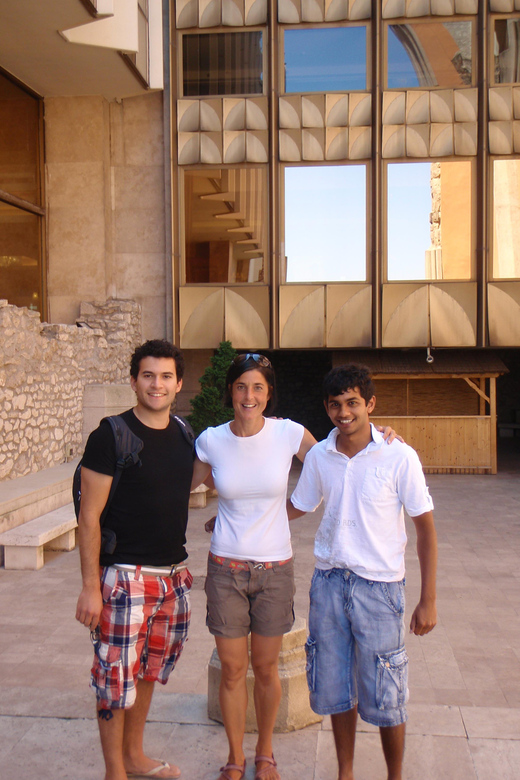
Then the tour shifts gears into lighter, memorable details—humor included. You’ll learn about the huszár: womanizer light cavalry fighters, a character type with a strong cultural reputation. It’s the kind of quirky information that makes the tour feel human instead of museum-still.
You’ll also hear about the mythical bird of the Hungarians. This is another example of how the guide ties symbols to identity, so you’re not just collecting names—you’re learning how Hungarians tell stories about themselves.
And yes, you’ll stop at some of the funniest public statues in Budapest. This is where the tour gets playful enough that people actually laugh out loud while pointing and comparing their impressions.
Practical tips: shoes, pacing, water, and question time
Bring comfortable shoes. Castle Hill punishes fashion choices. Since you’re climbing and navigating steps, your best strategy is traction and comfort over style.
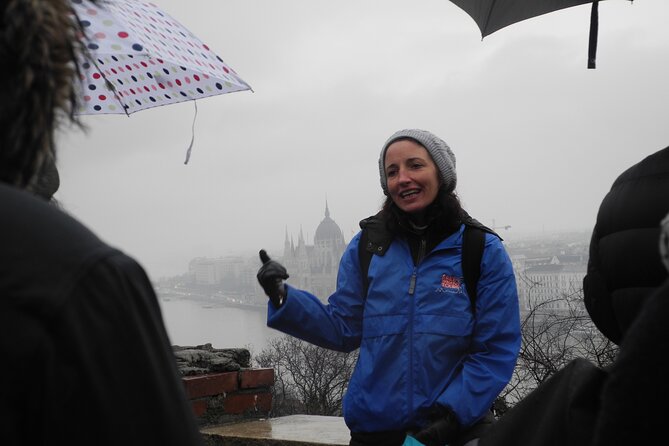
Also bring water and weather-appropriate clothing. Even if it’s not brutally hot, the climb adds effort fast. If rain shows up, you’ll still be outside—one guide approach you’ll hear about is staying upbeat even when the weather changes.
Plan your pacing. The guide should wait for people to catch up and doesn’t rush the climb, but you should still expect a slowdown built around your own stamina. A moderate fitness level is what the tour asks for, and that includes the 10-minute uphill walk.
Finally, leave space for questions. The format is built around commentary and Q&A, with time at the end to answer whatever you didn’t ask earlier. This is one of the biggest differences between a self-guided visit and a guided one: you get your specific curiosity answered on the spot.
Price and value: what $2.27 means for a guided Castle Hill loop
The listed price is extremely low at about $2.27 per person. The practical value isn’t that you’re paying pennies and getting everything for free. It’s that you’re buying time, context, and direction.
Here’s what that value looks like in real terms:
- You get a live English guide who explains major sites as you walk
- You don’t waste energy mapping the steep route
- You learn interpretive details like cross meanings and the Walt Disney connection
- You get a structured walk through big landmarks within about two hours
There’s also a booking fee included as part of how the spot is arranged through the booking platform. It’s an administration and marketing fee, not a tip for your guide. Tipping is encouraged at the end, with a common reference point around €10 per person, depending on how much you enjoyed the tour.
If you’re traveling on a tighter budget, this is one of the smarter ways to spend your money in Budapest. You’re paying less for the walking and more for the guidance that makes the walking pay off.
Who should book this tour, and who should skip it
This is a great fit if you want:
- A guided introduction to the Castle District’s major sights
- Clear explanations about what you’re seeing, including historical context
- Terraces and viewpoints without the stress of planning every turn
It’s also a strong pick if you enjoy humor and interactive moments. Many of the guides mentioned in connection with this tour mix facts with light storytelling, and the vibe tends to be friendly and engaging.
Skip it—or at least think twice—if:
- You need wheelchair access, since it’s not suitable for wheelchair users
- You’re over 95, since it’s not suitable for that age group
- You dislike stairs or you don’t feel steady on steep, uphill walking
And if you’re traveling with anyone who gets tired quickly, be honest about pacing. This isn’t a sit-down-only experience; it’s a climb-and-walk.
Should you book the Budapest Castle District Walking Tour?
If you’re short on time in Budapest, this tour is one of the easiest “yes” decisions you can make. You’ll hit the key sights—Buda Castle, Matthias Church, Fisherman’s Bastion, and nearby landmarks—while getting real explanations instead of guessing what you’re looking at. The Pest-side panorama moments give you payoff fast, which helps a lot when you’re on a schedule.
I’d book it especially if you want the Castle Hill experience to feel connected: underground defense, WWII destruction, community stories, and the little symbols (like cross details and the mythical bird) that turn a landmark tour into a memory.
If you dread steep walking, then don’t force it. Choose a calmer alternative or adjust your expectations. But for most people who can handle stairs and a 10-minute uphill push, this is a high-value way to understand Budapest’s most dramatic hill.
FAQ
How long is the Budapest Castle District walking tour?
The tour lasts about 2 hours.
Where is the meeting point?
You meet at the Batthyány tér metro exit, about 15 meters from St. Anna Church. Look for a tour guide holding a blue flag.
What language is the tour offered in?
The tour is guided in English by a live tour guide.
What should I bring?
Bring comfortable shoes, water, and weather-appropriate clothing.
Is the tour difficult to walk?
It’s designed for people with moderate physical fitness. The route includes a 10-minute uphill walk and involves stairs, so you should plan for some uphill effort.
Is it accessible for wheelchair users?
No. The tour is not suitable for wheelchair users.
What size is the group?
The tour has a maximum group size of 30 people.
What’s the cancellation policy?
You can cancel up to 24 hours in advance for a full refund.