REVIEW · BUDAPEST
Budapest: Walking Tour in German
Book on GetYourGuide →Operated by Tourist Angel · Bookable on GetYourGuide
A good first look at Budapest can be fast. This German-language walking tour strings together about 1,100 years of history with standout architecture and viewpoints. I especially like the focus on the oldest city parts and the way you’re led step-by-step to the big visual moments, like St. Stephen’s Basilica. The main catch: the guide is German, and shorts aren’t allowed, so plan your outfit and your language comfort.
You’ll mix serious sightseeing with a little local flow. You’ll walk a lot, then use public transport to cross the Danube from Pest to the Buda side, which keeps the route efficient. One practical consideration for value: public transport tickets aren’t included (4 tickets per person), so expect an extra cost on the day.
In This Review
- Key Things You’ll Enjoy Most
- Start at St. Stephen’s Basilica and Get Oriented Fast
- Pest Highlights: Leopoldstadt, the Chain Bridge, and Parliament Area Views
- Crossing the Danube by Public Transport: Efficient, Not Random
- Buda Castle and Royal Power Views: Fortified, Grand, and Strategic
- Matthias Church: Gothic Details That Actually Matter
- Fisherman’s Bastion Views: The Photo Spot, Done with Context
- Price and Time: $41 for 3 Hours That Covers Real Ground
- Language, Clothing, and Pacing: The Real Practical Stuff
- Who This Tour Fits Best
- Should You Book Budapest: Walking Tour in German?
- FAQ
- How long is the Budapest Walking Tour in German?
- What’s included in the price?
- Do I need to buy public transport tickets?
- Where do I meet the guide?
- What language is the tour guide?
- Is the tour mostly walking?
- Are there any clothing restrictions?
- Is there an option for a private or small group?
- What’s the cancellation policy?
Key Things You’ll Enjoy Most
- German-speaking guidance that helps you connect the buildings to the story of Hungary
- St. Stephen’s Basilica as an early anchor sight, with plenty of time to take it in
- A route through Leopoldstadt, the Chain Bridge, and the Castle Quarter for real variety in one run
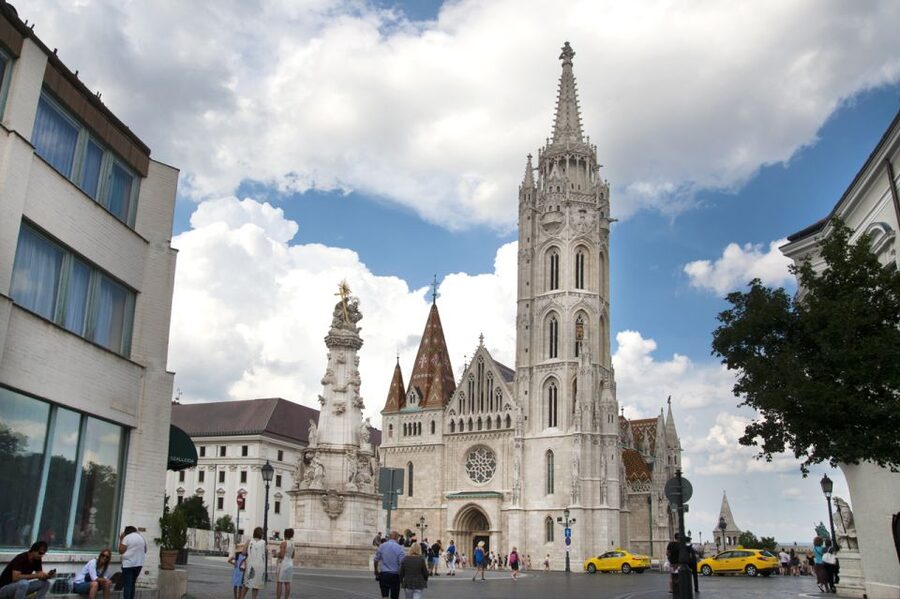
- Buda Castle + Matthias Church to see the Gothic side of the city up close
- City views that make stops like Fisherman’s Bastion feel worth the walk
- A tour that covers both the old kingdom and more recent political change, not just “pretty stones”
Start at St. Stephen’s Basilica and Get Oriented Fast
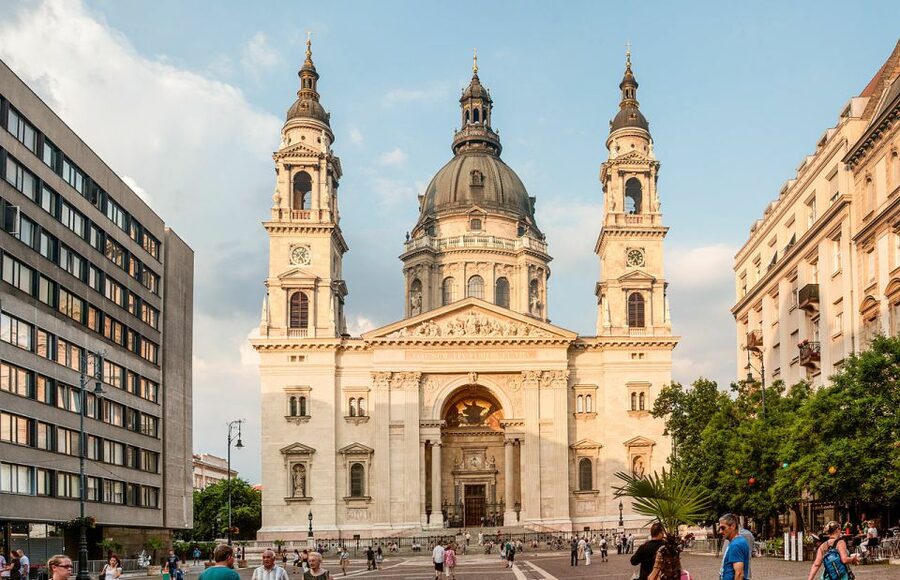
The tour’s meeting point is right by Saint Stephen’s Basilica, next to California Coffee Company. That’s a smart choice, because you start in a part of central Pest where you can quickly get your bearings—even if Budapest feels big and a bit intimidating at first.
From there, the walk is designed to build momentum. You’re not just hopping between landmarks. You’re moving through the older fabric of the city, while the guide links what you see to what happened in Hungary over the centuries. The big win here is context. When you understand why a neighborhood or monument matters, the photos get better and the city feels less like a checklist.
And yes, the Basilica is a highlight for a reason. It’s one of those sights where even if you’ve seen pictures, you still feel the scale when you’re standing there. I like that the tour puts it early, because it sets a high bar before you start climbing into the viewpoints.
You can also read our reviews of more walking tours in Budapest



Pest Highlights: Leopoldstadt, the Chain Bridge, and Parliament Area Views
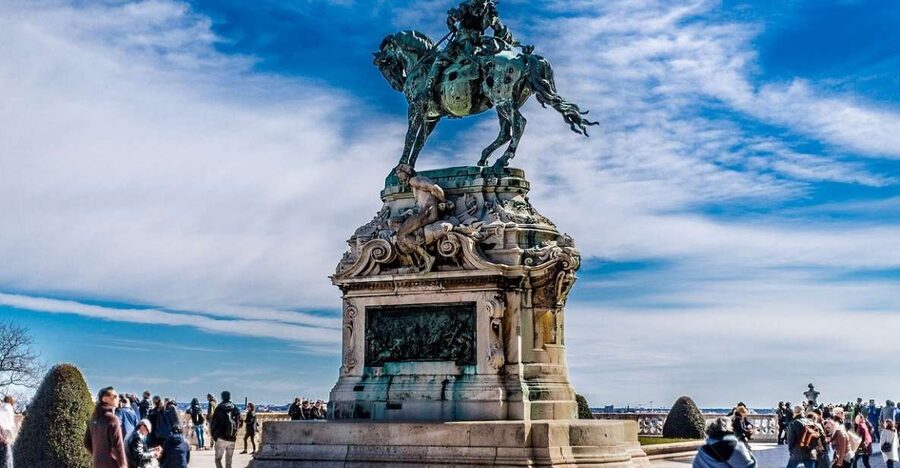
The route takes you through some of Budapest’s classic Pest storylines—especially Leopoldstadt (Leopold Town). This area matters because it’s tied to the city’s growth and identity beyond the river edge. You’ll get a sense of how Budapest expanded and how different parts of the city developed.
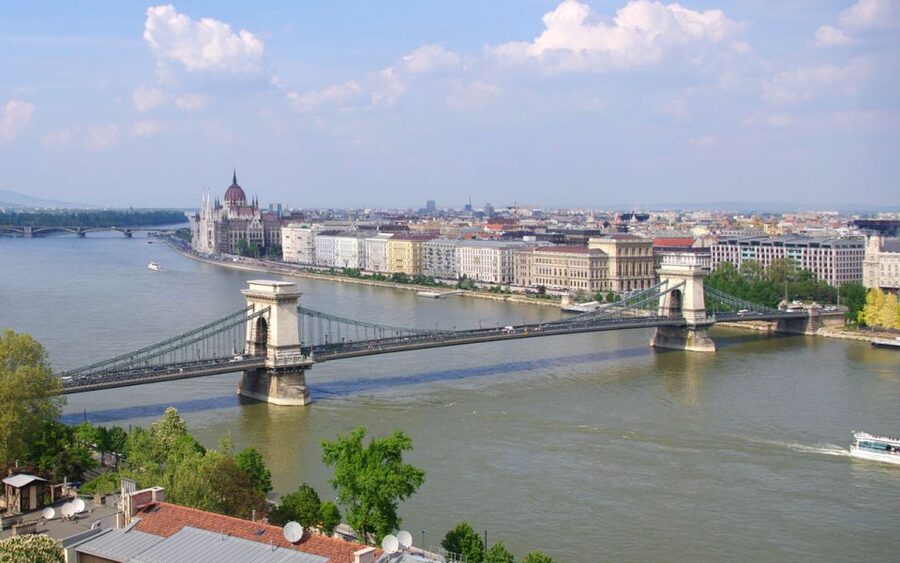
Then comes the Chain Bridge, one of the most recognizable crossings in the whole country. Even if you’ve seen it online, walking into the bridge perspective is different. You get that “this is the hinge of the city” feeling, because the river lines everything up: where you came from, where you’re going, and what the city wants you to notice.
The tour also includes key sights around the political center, including the Hungarian Parliament. You don’t need a lecture hall here. What you want is a sense of how power, national identity, and architecture show up in the same view. That’s what you get when a guide connects the buildings to Hungary’s history.
Crossing the Danube by Public Transport: Efficient, Not Random
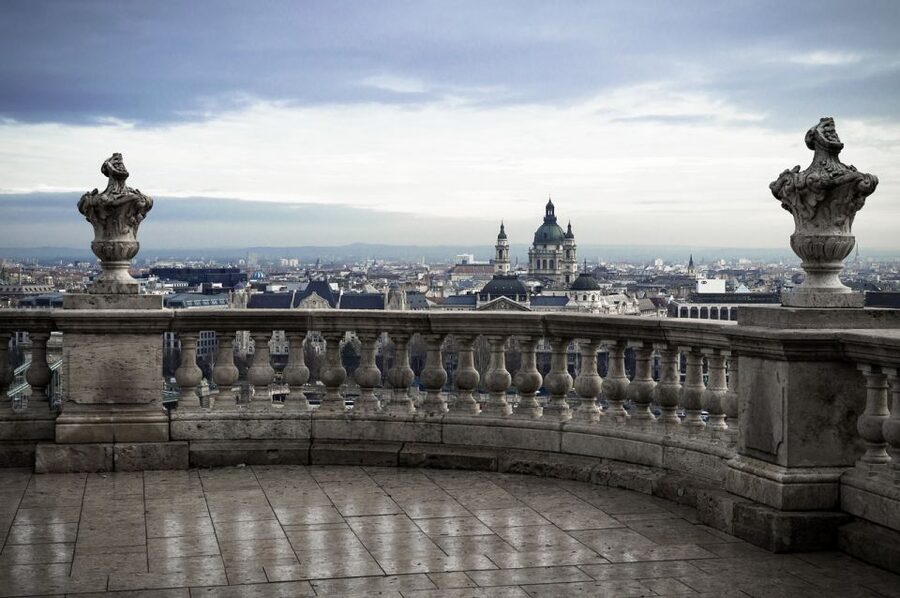
One of the details that makes this tour practical is the switch from walking to public transport. It’s mainly on foot, but you’ll use public transport to cross the Danube from Pest to the Buda side.
Why that’s good: it saves time and keeps you from burning all your energy before the Castle Quarter. You still experience the city on the move, but the crossing isn’t a stamina contest. You’ll also likely get a clearer sense of the river relationship—Pest as the starting world, Buda as the layered lookout.
The only thing to watch is cost. Public transport tickets are not included: it’s listed as 4 tickets per person (1400 HU). If you’re traveling with a tight budget, factor that in so the total isn’t a surprise on the day.
Buda Castle and Royal Power Views: Fortified, Grand, and Strategic
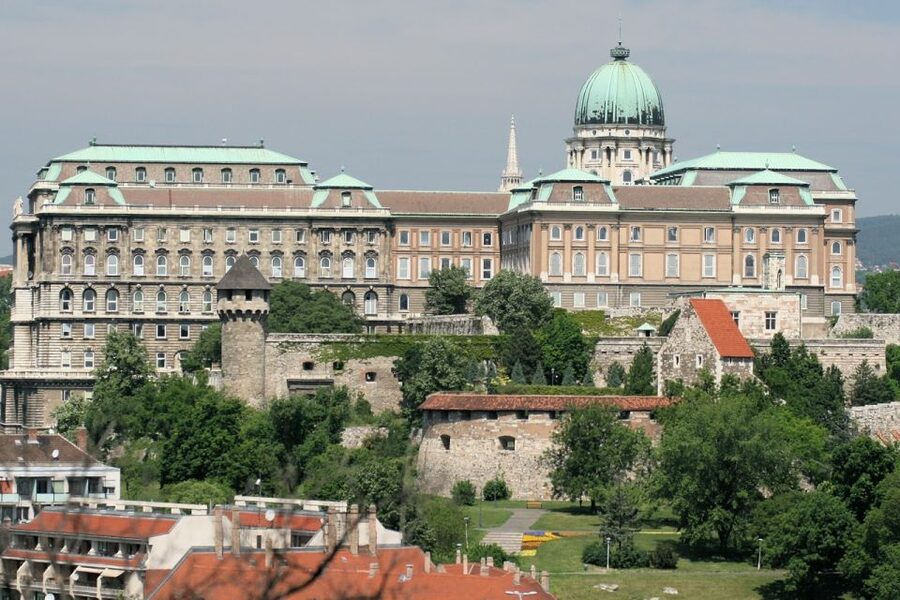
Once you’re on the Buda side, the tour shifts into its “big history on the hill” phase. You’ll head to the Buda Castle area, including the fortified castle zone and the Royal Palace. This is where Budapest feels like a place built for defense and status at the same time—walls, courtyards, and that elevated sense of control over the river.
The route also includes sights connected to modern governance, including the President’s Palace. It’s a nice contrast: centuries of monarchy and national identity, then the more recent democratic changes the guide brings up in the story.
This is also one of the best parts for photo planning. The Castle Quarter gives you different angles almost by default. You can look back toward Pest and feel how the city’s geography drives its look. I like that the tour doesn’t treat views like an afterthought. It builds them into the route so you’re not just dragging yourself uphill for the photo you could’ve taken elsewhere.
Matthias Church: Gothic Details That Actually Matter
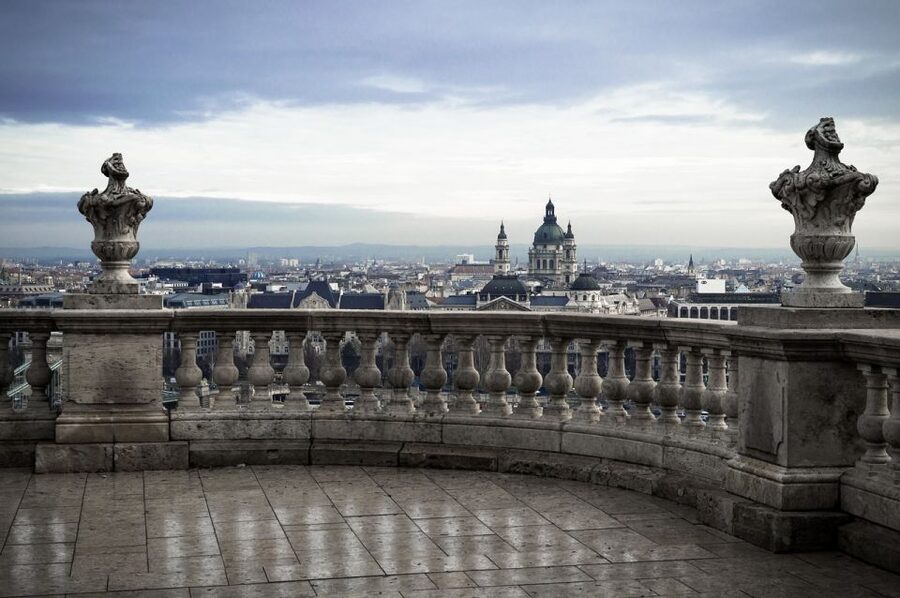
A standout stop is Matthias Church, highlighted as Gothic architecture. It’s not just a “nice church” stop. When you see it with a guide explaining why it’s significant, the building stops being decoration and starts becoming evidence of how cultures and styles influenced Hungary.
This is one of those places where your eye wants details: shape, materials, and the way the church fits the Castle Quarter’s overall architecture. If you’re the type who reads the facade and tries to understand what you’re looking at, this stop will click.
Even if you’re more of a “give me the overview” person, Matthias Church works because the scale and design are hard to ignore. The guide’s job is to help you connect it back to the broader story of the country’s 1,100 years of change.




Fisherman’s Bastion Views: The Photo Spot, Done with Context
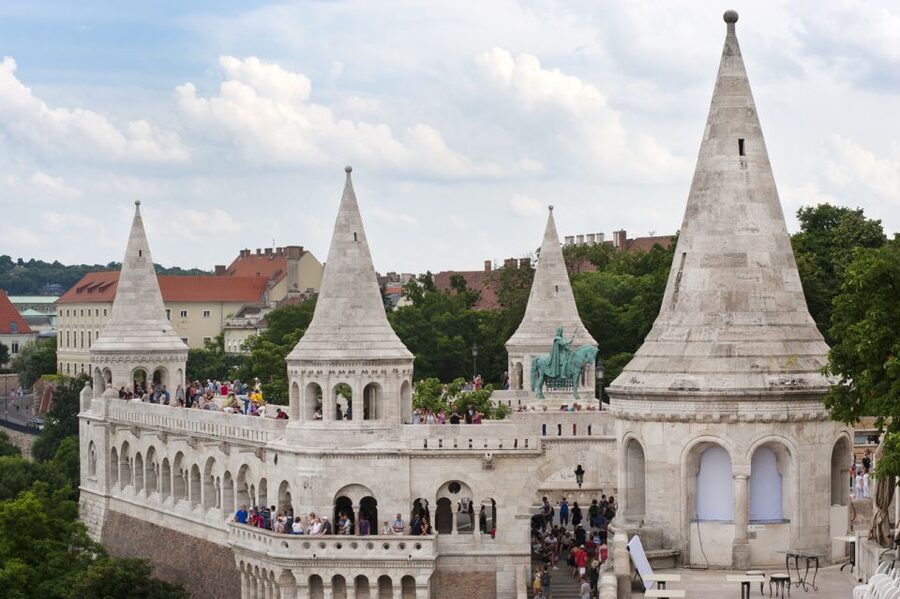
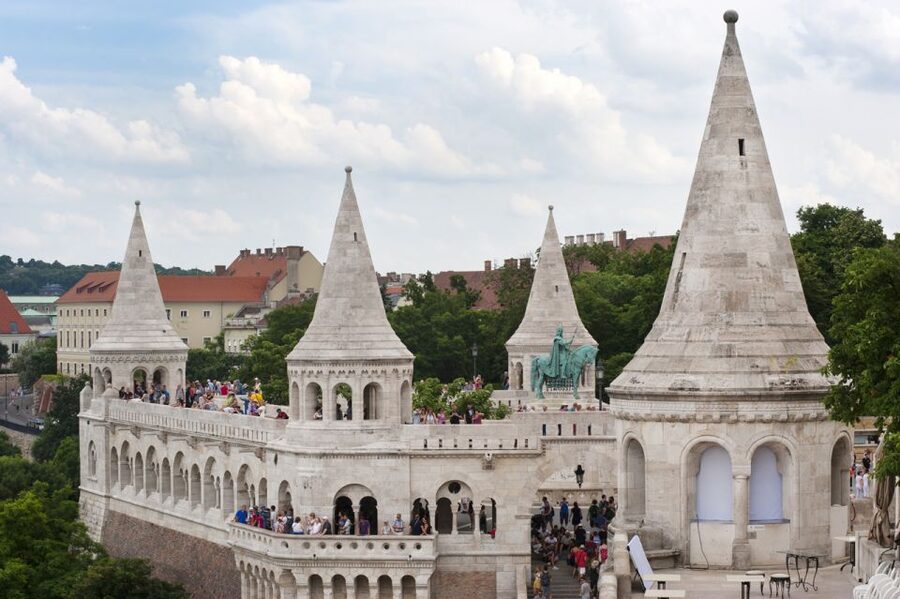
Then you reach Fisherman’s Bastion, another major view point. This is the kind of spot that can feel overly touristic in some cities, but in Budapest it’s still worth it because the city view is genuinely dramatic.
The tour’s value here is that you’re not only standing at a famous viewpoint. You’re also getting it framed by everything you just learned: how Buda’s elevation shaped power and identity, how the river connects the two halves, and how the architecture around you reflects different eras.
So yes, it’s a great place to take photos. But what you’ll likely remember more is how the view ties into the walk you just did. It’s less random sightseeing and more “this is why Budapest looks like Budapest.”
Price and Time: $41 for 3 Hours That Covers Real Ground
At $41 per person for a 3-hour walking tour, the value depends on what you want from Budapest. If you just want stand-alone landmarks, you could do it alone. But if you want a fast, coherent introduction—with a German-speaking guide connecting sites to national history—this price starts to make sense.
Two other points affect your true total:
- You’ll need public transport tickets for the Danube crossing portion (4 tickets per person, 1400 HU).
- You’ll want comfortable shoes because it’s mainly walking, then stairs and hill-side terrain around the Castle Quarter.
The route covers a lot of geography: Pest sights, the Chain Bridge, and the Buda hill zone. In a short trip, that’s not just convenient—it’s how you avoid spending your first day feeling lost.
Also, the tour offers private or small groups. If you like a more personal pace (or you’re traveling with people who ask lots of questions), that option can make the experience feel less rushed and more tailored.
Language, Clothing, and Pacing: The Real Practical Stuff
This is a German-language tour. If you’re comfortable with German, you’ll enjoy how smoothly the guide can answer questions. If you’re not, you’ll still see great sights, but you’ll lose some of the story structure.
There’s also a clear dress rule: shorts aren’t allowed. This is especially important if you plan to visit churches and religious architecture along the route. If you’re traveling in warmer weather, bring lightweight long pants or plan a quick clothing swap.
Pacing-wise, it’s a 3-hour format that’s fairly efficient. That means you should expect to move from stop to stop without long downtime. If you want a relaxed, slow-stroll “hang out in every courtyard” day, you might prefer a longer independent plan. But if your goal is a strong first orientation, this hits the mark.
Who This Tour Fits Best
This tour is ideal if you:
- want a German-speaking introduction to Budapest’s major sights
- like your sightseeing with history explained instead of just signage
- have limited time and want Pest + Buda covered in one coherent route
- enjoy big viewpoints and architecture, including Matthias Church and Fisherman’s Bastion
It’s also a solid choice if you want a guide who can handle questions in real time. The experience is set up as a live guided walk where you can ask along the way, which helps you personalize what you notice.
Should You Book Budapest: Walking Tour in German?
Yes, if you want a tight 3-hour route that connects Budapest’s landmarks to Hungary’s story and you’re okay doing it in German. The money feels fair for what’s included—especially the emphasis on major sites like St. Stephen’s Basilica, Buda Castle, Matthias Church, and the Fisherman’s Bastion views—plus the fact that you’re not just wandering. You’re following a guided line through the city’s most meaningful geography.
Skip it (or be cautious) if you need an English-first experience, you’re not able to wear long pants due to the shorts rule, or you’re hoping for a slow paced tour with lots of free time.
FAQ
How long is the Budapest Walking Tour in German?
It lasts 3 hours.
What’s included in the price?
The tour includes a German-speaking guide.
Do I need to buy public transport tickets?
Yes. Public transport tickets are not included, listed as 4 tickets per person (1400 HU).
Where do I meet the guide?
You meet next to Saint Stephen’s Basilica, in front of the California Coffee Company coffee shop.
What language is the tour guide?
The live tour guide language is German.
Is the tour mostly walking?
It’s mainly on foot, but you will also use public transport to cross the Danube from Pest to the Buda side.
Are there any clothing restrictions?
Yes. Shorts are not allowed.
Is there an option for a private or small group?
Yes, private or small groups are available.
What’s the cancellation policy?
It offers free cancellation up to 24 hours in advance for a full refund.