REVIEW · BUDAPEST
Budapest: Jewish History Guided Walking Tour with Historian
Book on GetYourGuide →Operated by Budapest Explorers · Bookable on GetYourGuide
Budapest tells its Jewish story on foot. This 2.5-hour walk through District VII is interesting because it mixes street-level architecture, wartime memorials, and a real food stop into one tight route. You’ll get context for how this neighborhood changed over time, not just a list of sights.
I like two things a lot. First, you get a close look at the Dohány Street Synagogue and the other two major synagogues (all from the outside), so you can focus on meaning without worrying about entry lines. Second, I like how the tour centers WWII rescue stories by bringing you to memorials tied to Raoul Wallenberg and Carl Lutz, alongside the day-to-day life clues still visible around you.
One consideration: the synagogue stops are exterior-only, and the schedule is packed. If you want lots of time inside for photos or reading, plan separate visits afterward.
In This Review
- Key highlights to look for on this tour
- District VII: where Budapest’s Jewish story still shows
- Start point at Kempinski Corvinus: easy to find, easy to settle in
- Synagogue exteriors you can read like architecture
- Kazinczy Street Orthodox Synagogue
- Rumbach Street Synagogue
- Dohány Street Synagogue
- The former ghetto streets: monuments, walls, and the timeline you can walk
- WWII winter 1944/45: Wallenberg and Carl Lutz at memorials
- Coffee and Flódni: the dessert stop that feels cultural, not random
- Street art, Gozsdu Passage, and Elizabeth Town secrets
- Price and value: $63 for a historian plus cake
- Who this tour fits best (and who might prefer something else)
- Should you book this Budapest Jewish History Guided Walking Tour?
- FAQ
- Are the synagogues visited inside or outside only?
- What food is included during the walk?
- How long is the tour, and how is it paced?
- What group size should I expect?
- What language is the guide?
- Where do I meet the guide?
Key highlights to look for on this tour
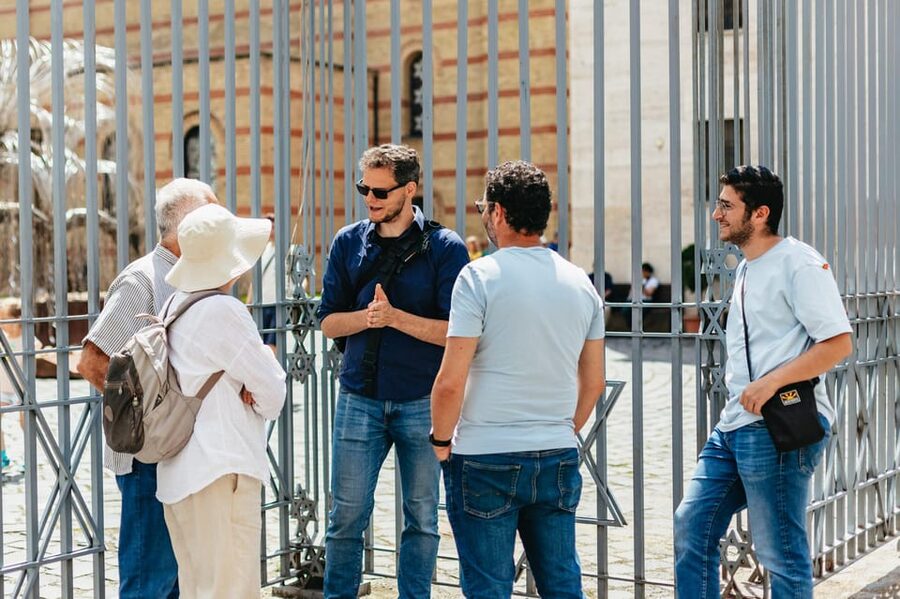
- Historian-led walking tour focused on the 7th District’s Jewish Quarter
- Synagogue exterior sights: Kazinczy, Rumbach, and Dohány Street
- WWII rescue memorials for Raoul Wallenberg and Carl Lutz
- Flódni cake with coffee or a soft drink
- Gozsdu Passage, ruin-pub and nightlife tips, plus street art
- Small group limited to 10, which helps questions and pacing
District VII: where Budapest’s Jewish story still shows
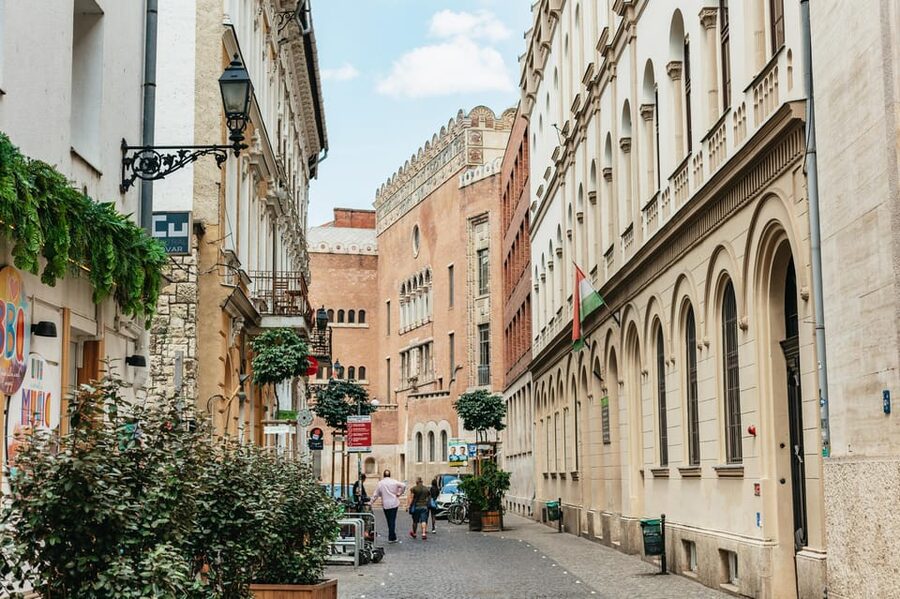
Budapest’s Jewish Quarter is not just a museum area. It’s a working neighborhood that still carries layers—community life, cultural tradition, and the brutal interruptions of the 20th century—right along the streets. Walking here with a historian guide helps you connect the dots between buildings, street names, and the kinds of choices people had to make.
The tour is built around the 7th district, where Jewish culture has been present for more than 200 years and where there’s still an active community today. That matters because it keeps the story from feeling stuck in the past. You’re not only looking back; you’re also seeing how the neighborhood functions now, including kosher restaurants and kosher shops along the way.
Another plus: the guide isn’t just pointing. The best historian-style approach on this route is the “why this place matters” method—linking old addresses and institutions to what happened later. From the outside of the synagogues to the memorial stops for Raoul Wallenberg and Carl Lutz, the tour keeps returning to the same theme: human decisions in extraordinary times.
You can also read our reviews of more walking tours in Budapest

Start point at Kempinski Corvinus: easy to find, easy to settle in
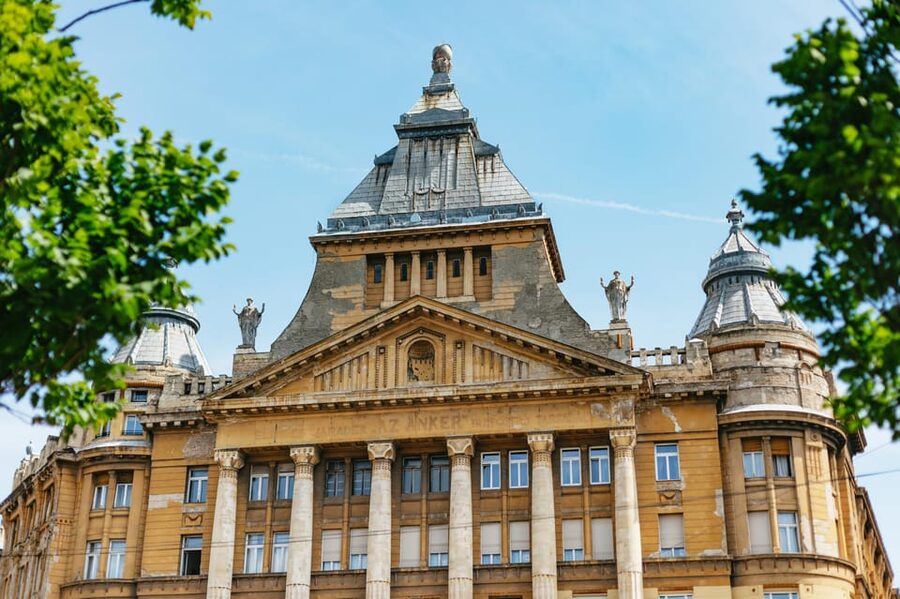
The tour meeting point is outside the Kempinski Hotel Corvinus Budapest, facing the Ferris wheel on Erzsébet Square. You’re also given clear transit help: use the M1, M2, or M3 subway lines, then get off at Deák Ferenc tér and walk to the hotel area.
Why I like this start: it’s a landmark you can actually see. Erzsébet Square and the Ferris wheel are hard to miss, even if you’re still getting your bearings. Show up a few minutes early so you can join the group without stress.
Once you start walking, you’ll keep moving through the Jewish Quarter’s main lanes and landmarks. This is not a “sit and listen” experience. It’s more like taking a guided route map in your head while you physically pass the sites, which is a smart match for a 2.5-hour time window.
Weather is also worth noting. The tour starts in all weather, so bring what you need for rain or cold. Budapest can be windy; a hat or a light layer helps you stay comfortable through the walking.
Synagogue exteriors you can read like architecture
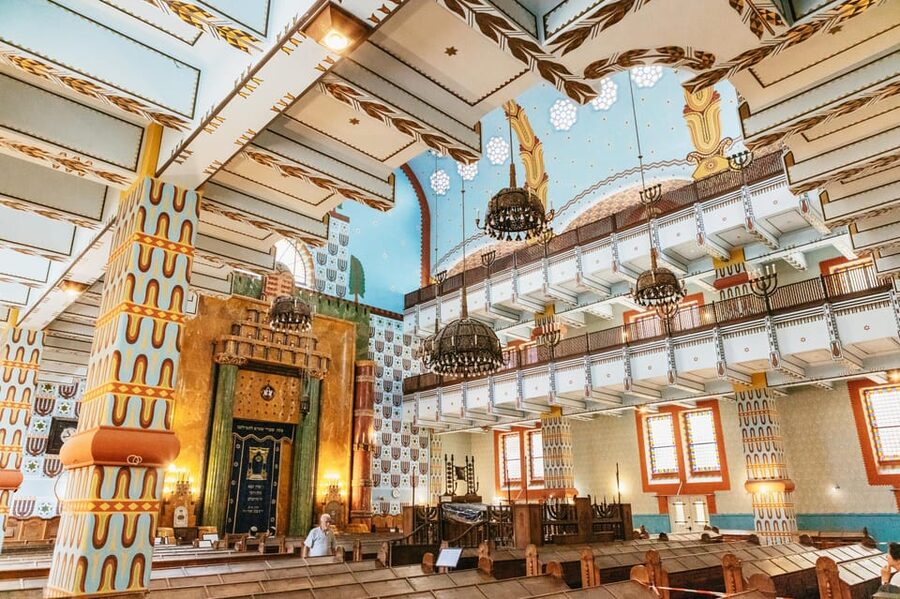
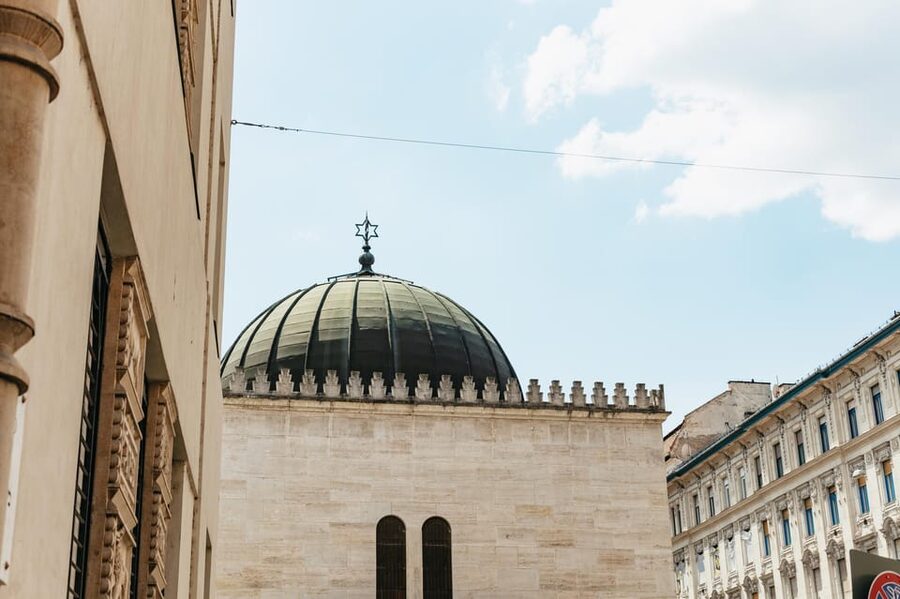
You’ll see three major synagogues from the outside: the Kazinczy Street Orthodox Synagogue, the Neolog Rumbach Street Synagogue, and the Dohány Street Synagogue. Entry isn’t included, so you won’t spend time queued up or navigating ticket rules during the tour. Instead, your time goes into what you can spot externally—style, scale, and placement in the neighborhood.
Let’s talk about each one and what to notice.
Kazinczy Street Orthodox Synagogue
This stop is one of the key “community identity” moments. Even from the sidewalk, Orthodox architecture and street presence tell you a lot about continuity and tradition. Your guide’s job here is to explain how different Jewish communities shaped the neighborhood and how those distinctions show up visually.
Rumbach Street Synagogue
Rumbach is especially good for architecture lovers. It was built in 1872 by Viennese architect Otto Wagner. That detail gives you a hook: this isn’t only local history; it’s also Central European connections and influences showing up in stone and design.
You can also read our reviews of more guided tours in Budapest


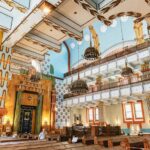
Dohány Street Synagogue
The Dohány Street Synagogue is the big exterior moment. It’s often described as one of the largest synagogues in Europe, and that scale changes how you feel the street around it. When a guide points out features like the building’s massing and its public-facing grandeur, the synagogue stops being just a pretty facade. It becomes a statement of what the community built and protected.
Even without entering, the exterior focus works well because you can stay in the flow of the Jewish Quarter streets. If you later want inside access, you can schedule a separate visit when you have more time.
The former ghetto streets: monuments, walls, and the timeline you can walk
After the synagogue stops, you move into the Jewish Quarter area connected to the former ghetto. This is where the tour shifts from architectural appreciation to “how history changed daily life.”
You’ll stroll along streets tied to the ghetto period and pass key points such as synagogues, monuments, and places tied to kosher life—restaurants and shops. That combination is practical: it shows how a neighborhood’s identity survives even after forced disruption.
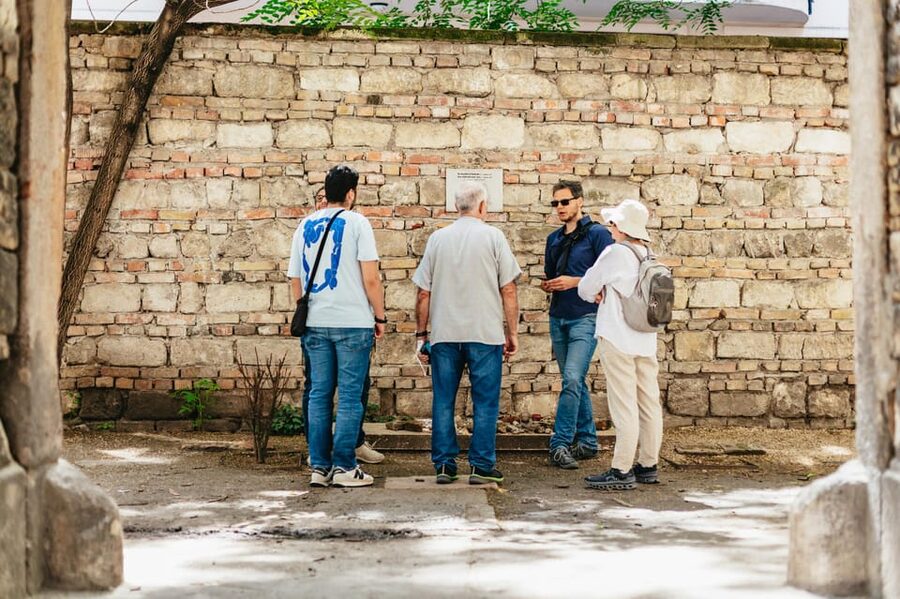
One specific detail that tends to land with people is the presence of a surviving section of the original ghetto wall area. The tour context includes the fact that the walled ghetto existed for less than two months. That short timeline makes the events feel even more urgent and terrifying, because it compresses what should have been ordinary neighborhood life into a brutal, short-lived enclosure.
This section is also where you’ll likely get more historical framing about Hungary and how policies affected Jewish communities over time. Several guides named in past tours (like Barbara, Andrea, and András) are praised for building that background so the walking route actually makes sense.
WWII winter 1944/45: Wallenberg and Carl Lutz at memorials
One of the most important parts of the tour is the wartime segment focused on winter 1944/45, when the work of rescue and protection became life-or-death. You’ll visit memorials connected to two of the most famous figures in that story: Raoul Wallenberg and Carl Lutz.
The tour frames them as local heroes who helped save tens of thousands of Jewish lives. It also notes their later recognition as Righteous Among the Nations. That’s a powerful pairing for your understanding: it connects street-level memory (memorials you can walk to) with a wider international acknowledgment of moral courage.
What makes this section valuable is that it’s not just names. A strong guide uses these memorial stops to explain the wider context—why people were trapped, what risks rescuers took, and how rescue efforts operated amid chaos. Guides such as Noémi and Gabor have been highlighted for being direct about tragedy while still keeping the story coherent and respectful.
If you’re sensitive to heavy topics, this is the moment to prepare yourself. The tour does not avoid the hard truth, but it also gives you a sense of human agency, not only victimhood.
Coffee and Flódni: the dessert stop that feels cultural, not random
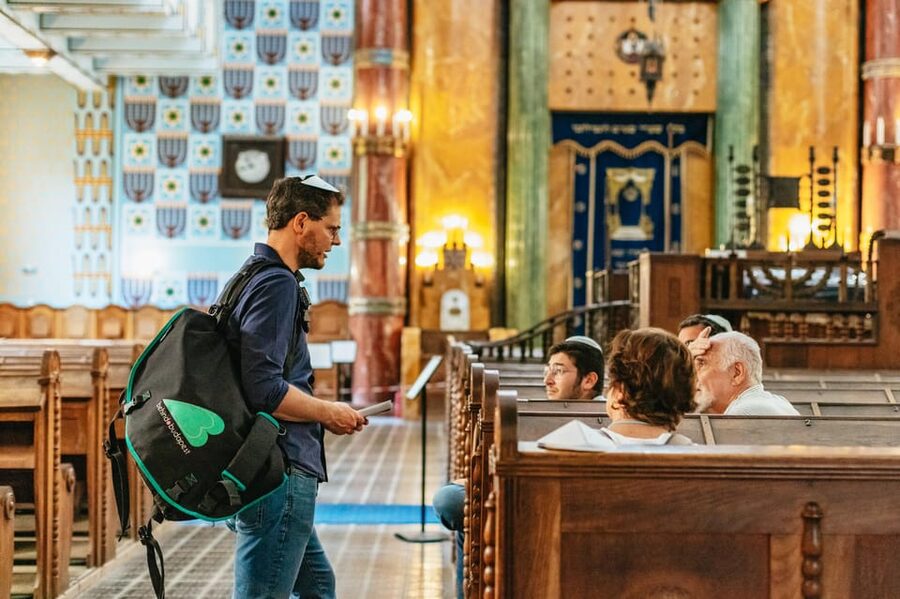
About a 15-minute break is built into the walk for coffee or a soft drink and Jewish cake called Flódni. This is one of those “small stop, big payoff” elements. In a short tour, you need one brief moment that breaks the intensity and gives your brain a reset.
I like that it’s not just a generic pastry. Flódni is a recognizable Jewish cake tied to the tradition of this region, and it helps you remember the neighborhood as a place of food culture, not only memorials.
Also, practical note: this pause is short by design. It’s meant to keep the group on schedule for the remaining sights. If you want a longer café break afterward, use the energy from the tour and continue on your own near the Jewish Quarter.
Street art, Gozsdu Passage, and Elizabeth Town secrets
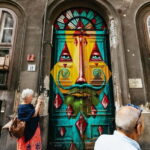
The tour isn’t only solemn. You’ll also pick up the neighborhood as it looks and feels today, including striking examples of street art and stops around Elizabeth Town. You’ll walk by the lively Gozsdu Passage area and get local tips that connect history with present-day scenes.
One recurring theme in how guides teach this route is that the Jewish Quarter has layers of nightlife culture, including ruin pubs. The tour includes tips about that famed ruin pub scene, which can help you plan a fun evening after the walk. It’s a smart way to balance the day: you learn the past, then you see how the neighborhood has reclaimed life and creativity.
If you’re the type who likes noticing details, street art is the kind of stop that rewards your attention. The guide can point out what you might otherwise miss, and the visuals help the neighborhood feel real, not staged.
Price and value: $63 for a historian plus cake
At $63 per person for about 2.5 hours, you’re paying for more than a generic sightseeing loop. The price covers a historian guide, the guided walking route, and the included Jewish cake and coffee stop.
The value equation is mostly about what you get for the time:
- A small group capped at 10 means you can ask questions without losing your spot.
- A historian guide changes the feel. You’re not just hearing facts; you’re getting interpretation and context.
- The Flódni and coffee stop turns the tour into an actual experience, not only a series of photo angles.
- Synagogues are exterior-only, which keeps the schedule efficient and reduces downtime.
Compared with doing the same landmarks on your own, the big advantage is context. You can stand in front of buildings and read plaques later, but a guide can connect the stories on the spot—especially for the WWII rescue segment and the former ghetto street timeline.
Who this tour fits best (and who might prefer something else)
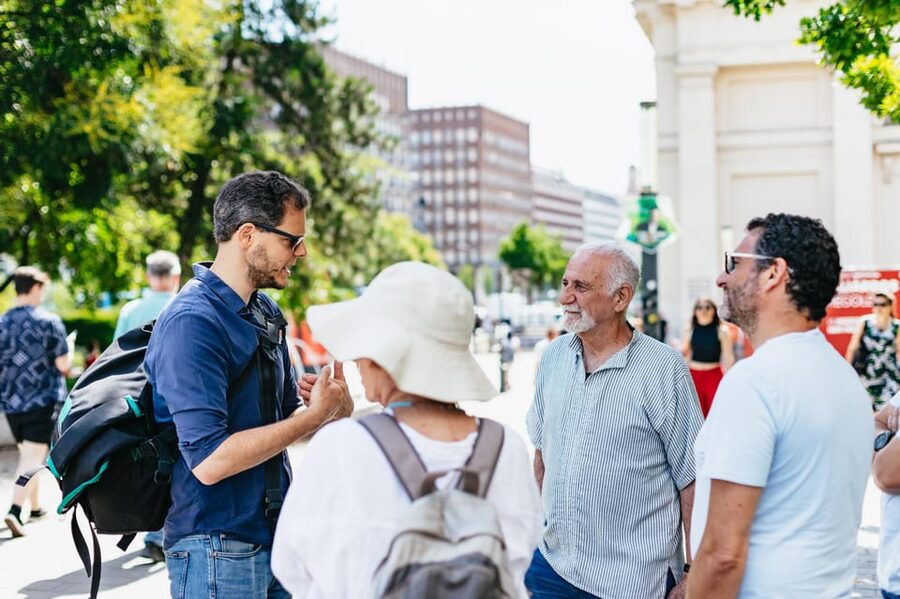
This guided walk is a great fit if you want:
- A focused overview of Jewish history in Budapest’s 7th district
- Clear explanations of how WWII events connect to specific places
- A respectful, story-driven approach that includes both tragedy and community life
- A quick cultural food stop with Flódni
It’s less ideal if:
- You specifically want to go inside the synagogues during the tour (entry is not included, and synagogue visits are exterior only)
- You’re hoping for a slow, long Q&A format. Some guides cover a lot of ground quickly, and the route is designed for a 2.5-hour completion.
If you’re visiting for the first time and want the neighborhood’s history to stick, this is one of the best ways to get your bearings fast—then you can wander on your own with better questions.
Should you book this Budapest Jewish History Guided Walking Tour?
Book it if you want a guided, historian-led walk that connects synagogue exteriors, former ghetto street context, and WWII rescue memorials in a single compact route—plus a real taste of local Jewish cake in the middle.
Skip or pair it with other plans if you’re expecting inside synagogue time. Because the tour is exterior-only, you’ll get the architecture and the street story, but you won’t get the full interior experience. In that case, add a separate synagogue visit on another day when you can take your time.
Overall, if you like walking tours that teach you how to read a city, and you’re ready for honest WWII history with a clear human thread, this one is a strong match.
FAQ
Are the synagogues visited inside or outside only?
The tour visits the three synagogues from the outside only. Entry to any synagogues is not included.
What food is included during the walk?
You’ll get a coffee/soft drink and a local Jewish cake called Flódni in a cafe.
How long is the tour, and how is it paced?
The total duration is about 2.5 hours. The sightseeing portion is listed at about 2.25 hours, with a short coffee/dessert stop of about 15 minutes.
What group size should I expect?
It’s a small group limited to 10 participants.
What language is the guide?
The tour is offered in English.
Where do I meet the guide?
Meet in front of Kempinski Hotel Corvinus Budapest, facing the Ferris wheel on Erzsébet Square. You can reach the area via the M1, M2, or M3 subway lines, getting off at Deák Ferenc tér.