REVIEW · BUDAPEST
Budapest City Landmarks Walking Tour in 2 Hours
Book on Viator →Operated by Triptobudapest.hu - Free Budapest Walking Tours · Bookable on Viator
Budapest hits fast when you walk. This 2-hour landmark route runs from Erzsébet Square by the Budapest Eye to the Hungarian Parliament Building, with short stops, big back-stories, and practical ideas for your day beyond the tour.
I like the value: the price is about $3.63 for a tight, well-paced tour that also comes with a mobile ticket. I also like the guide energy—people often name guides like Balázs, Sofia, and Esther, and the common thread is lively storytelling plus clear explanations (often even with a speaker so you don’t strain to hear).
One consideration: this is not a “go inside everything” plan. The tour keeps moving, doesn’t enter St. Stephen’s Basilica, and you’ll need separate time (and tickets) if you want longer museum-style visits.
In This Review
- Key things to know before you go
- 2 Hours From Budapest Eye to Parliament: Why This Route Works
- Meeting Point, Group Size, and the Walking Pace You Should Expect
- Stop-by-Stop: Erzsébet Square to St. Stephen’s Basilica (Pest Highlights)
- Cafés, Porcelain, and Vörösmarty Square: Hungarian Culture in Small Bites
- Danube Embankment Views, Chain Bridge Lore, and UNESCO-Listed Sights From Afar
- Vigadó Square to Gresham Palace: Coronation Banquets and Art Nouveau Detail
- Science, Nobel-Prize Trivia, and Hungarian Words You’ll Actually Use
- Shoes on the Danube Bank and Parliament’s Final Orientation
- Price and Value: What $3.63 Really Buys You (Plus Donations)
- Who This Tour Fits Best
- Should You Book This Budapest Landmarks Walking Tour?
- FAQ
- FAQ
- How long is the Budapest City Landmarks Walking Tour?
- Where do I meet the guide?
- Where does the tour end?
- Is the tour offered in English?
- Does the tour enter St. Stephen’s Basilica?
- Do I need admission tickets?
- How large are the groups?
- Is tipping required?
- What happens if weather is bad?
Key things to know before you go
- A short route that covers a lot: Budapest landmarks from Erzsébet tér to Parliament in about two hours
- City context you can use immediately: history, architecture, public art, and what to eat and skip
- Photo-friendly stops with Danube views of Castle Hill, Matthias Church, Fisherman’s Bastion, and Buda Castle
- Hands-on traditions: a secret wish at the Little Princess statue and local-language moments
- Real-world history on the Danube at Shoes on the Danube Bank, handled as a reflective stop
- Small groups with a maximum of 30 people, usually with a guide who can keep things clear
2 Hours From Budapest Eye to Parliament: Why This Route Works
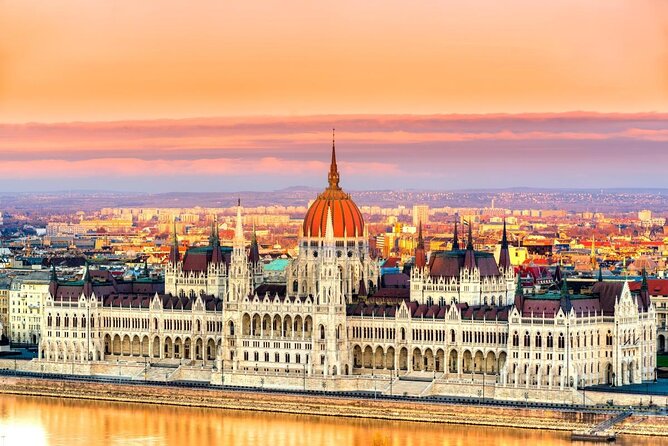
If you only have a couple hours on your first day, this walk is a smart way to get the lay of the land. You start at Erzsébet tér by the Budapest Eye, then work your way through Pest with a steady chain of landmarks—ending at the Hungarian Parliament Building. It’s the kind of itinerary that gives you names you can later connect to neighborhoods, meals, and museum choices.
The big win is balance. You get headline sights like St. Stephen’s Basilica and Parliament, but you also stop for street-level details: public art, cafés, ceramics, and the Danube’s memorial site. The tour is built so you finish with a mental map and a list of what’s worth your next ticket.
And because it runs at a walking-tour pace, you’re not stuck waiting in long lines or spending your whole day inside. Even better, many people treat it like the “starter course,” then build the rest of their Budapest schedule around what the guide recommends at the end.
You can also read our reviews of more walking tours in Budapest

Meeting Point, Group Size, and the Walking Pace You Should Expect
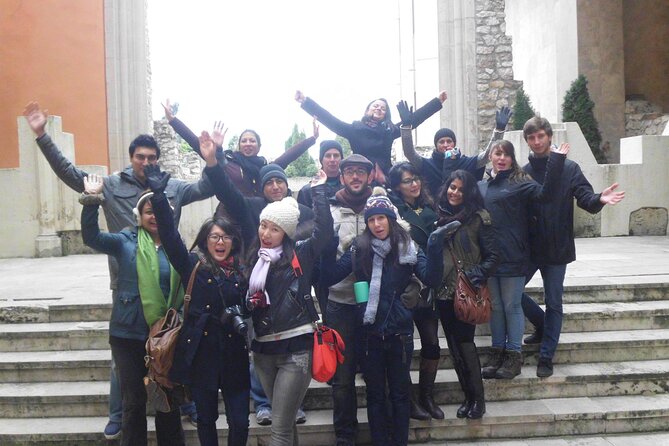
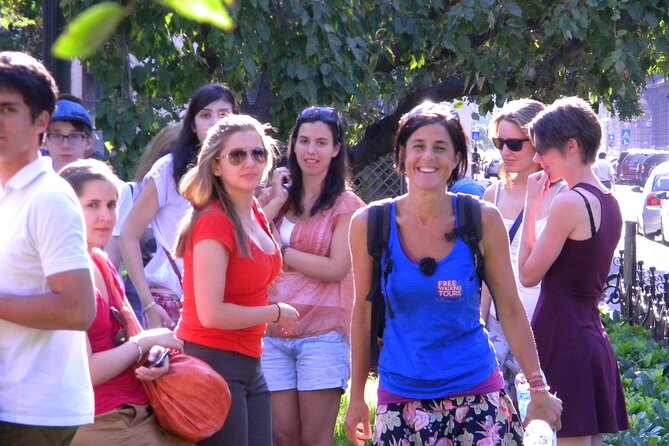
You’ll meet at Erzsébet tér, specifically near the Budapest Eye on Elisabeth Square—your guide holds a small blue flag and meets you about 20 meters from there. The end point is Kossuth Lajos tér 1–3, right at Parliament. The route is designed to be doable for most travelers, and the group size stays small enough to feel personal (maximum 30 travelers).
In the day-to-day feel, the best tours are the ones where you don’t have to guess what’s happening next. Here, each stop is short—think minutes, not hours—so you always know you’re moving toward the next landmark. Several people note that guides are easy to hear, and that matters on crowded sidewalks and near busy streets.
That said, it’s not “slow sightseeing.” If you want a relaxed walk with lots of wandering on your own, you’ll still have time after the tour. The plan is built so the rest of the day is yours.
Stop-by-Stop: Erzsébet Square to St. Stephen’s Basilica (Pest Highlights)
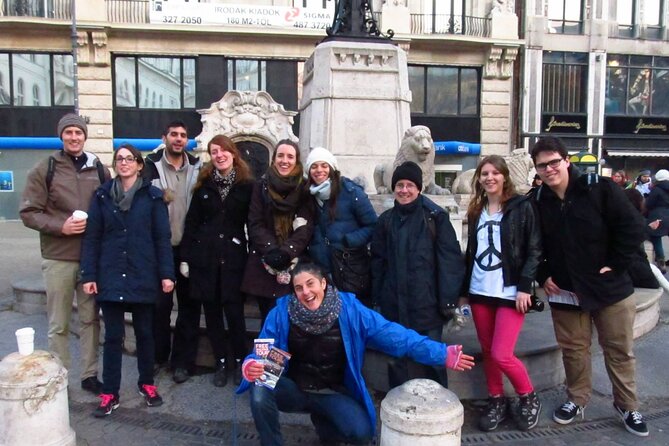
Stop 1: Erzsébet tér (Budapest Eye area)
This is your launchpad. Your licensed local guide introduces the city through history, architecture, public art, society, food, and even basic Hungarian. The guide also shows you the route on a map and points out both iconic sights and lesser-known backstreets that match what’s on the schedule.
I like this start because it sets expectations. Instead of tossing facts at you, the guide explains what to notice as you walk—so when you see a building, you’re not just seeing a building.
Stop 2: St. Stephen’s Basilica (outside only)
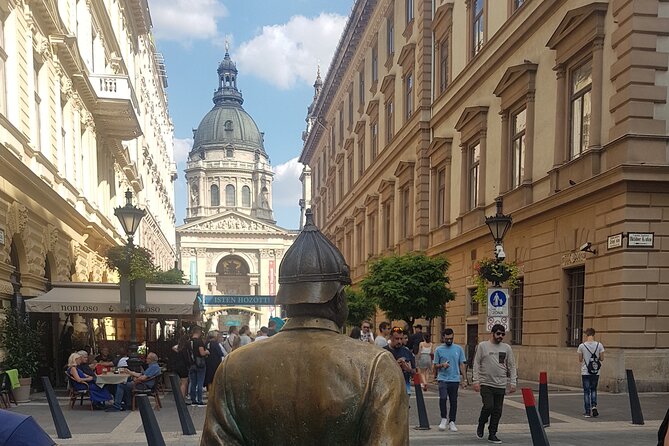
You’ll learn about St. Stephen’s Basilica as the largest church in Budapest, designed to seat around 8,500 people. You’ll also hear how the building’s architecture reflects different periods of splendor. One clear limitation: the tour does not enter the Basilica, so plan separate time if going inside is a must.
Even without entering, the stop works because the guide frames what the structure symbolizes and why it matters in the city’s story.
Stop 3: St. Stephen’s Square (public art and food lessons)
At St. Stephen’s Square, you’ll see public art connected to the well-known Fat Policemen theme (with shiny-belly details). Then the tour shifts gears into Hungarian culinary art: how food evolved, what to eat in Budapest, and how to avoid tourist traps.
This part is practical. If you’re walking through a city you don’t know yet, you need quick filters for where and what to order—and this guide-style approach gives you that fast.
Cafés, Porcelain, and Vörösmarty Square: Hungarian Culture in Small Bites
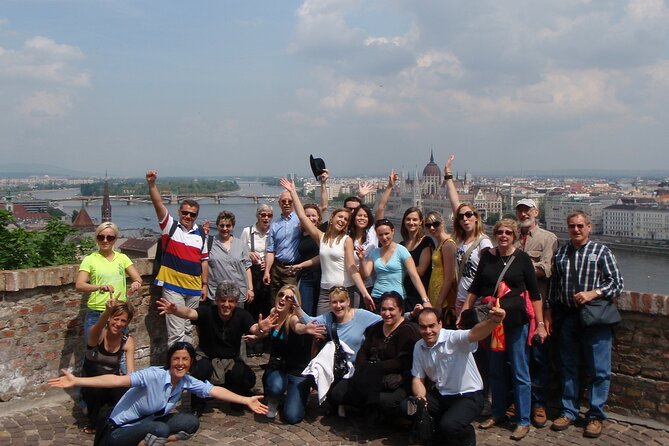
Stop 4: Jozsef Nador Ter (Habsburg ties + ceramics)
Here the focus turns to Hungarian Habsburg influence. You’ll also get a big visual-and-story moment around famous Hungarian decorative arts—hand-painted porcelains called Herendi and glazed ceramic masterpieces called Zsolnay. It’s a short stop, but it’s one of those “oh, that’s why Budapest looks like that” moments.
Stop 5: Vörösmarty Square (Vaci utca edge + holiday notes)
Vörösmarty tér is a great people-watching area at the end of Váci utca. The tour also connects you to a major “old Budapest” detail: this area is linked to one terminal of the second-oldest underground in the world. And you’ll hear about the famous posh Gerbaud café nearby and what it represents culturally.
If you’re visiting around the holidays, this stop adds context on Christmas markets and traditions. It’s the kind of info that helps you avoid arriving at a market without understanding what you’re actually seeing.
Danube Embankment Views, Chain Bridge Lore, and UNESCO-Listed Sights From Afar
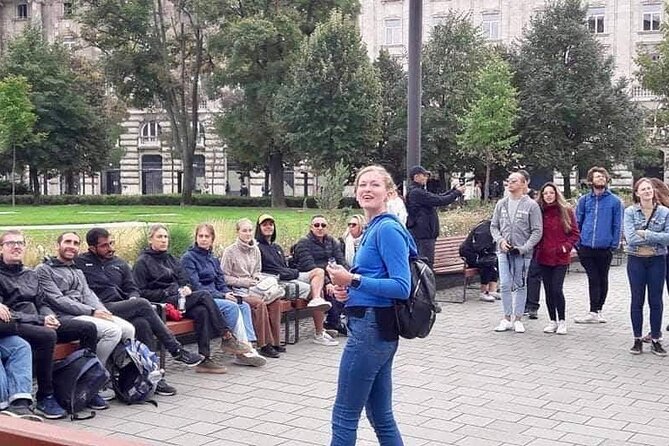
Stop 6: Korzo – Danube Embankment (Dunakorzo)
This is where the tour turns scenic. You’ll learn about the first non-Communist statue in Budapest and the “most panoramic” tram line in Central Europe. You’ll also get the Danube-wide view that pulls in a lot of what people come to see: Castle Hill, Matthias Church, Fisherman’s Bastion, Buda Castle, and Gellért Hill with the Citadel.
The tour notes that many of these are part of the UNESCO World Heritage story. You don’t need to be a history nerd to get why that matters—when you can see the whole chain of landmarks from one long riverside stretch, you understand how the city built its identity around the river.
Stop 7: Little Princess Statue (a quick ritual)
A very short stop—just long enough for the tradition. You’ll make a secret wish while touching the shiny knees of the Little Princess statue. It’s silly in the best way, and it gives you a reset before the tour leans back into bigger historical weight.
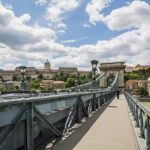
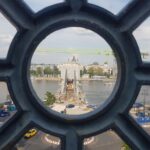
Stop 9: Széchenyi Lánchíd (Chain Bridge story)
This is a short stop focused on how the bridge ties Pest and Buda together. Chain Bridge is treated as a hinge point in the city’s development, and you’ll hear that history as a story rather than a date list.
If you’re the type who wants to “get” a place fast, bridges are perfect. They show you the city’s thinking—how people connected across the river, how travel changed, and how Budapest grew.



Vigadó Square to Gresham Palace: Coronation Banquets and Art Nouveau Detail
Stop 8: Vigadó Square (Franz Joseph and Sisi + famous music)
At Vigadó tér, you’ll learn about the coronation banquet scene involving Franz Joseph and Sissy (Empress Elisabeth) in the 19th century. The stop also brings in music history—names like Franz Liszt, Claude Debussy, and Johannes Brahms are tied to the place through performances.
Even if you don’t care about classical music, it’s useful because it explains how Budapest’s cultural life formed around these landmark squares.
Stop 10: Gresham Palace (Seccession/Art Nouveau style)
Gresham Palace is presented as a peak example of Budapest’s turn-of-the-century style. You’ll hear about its Art Nouveau/Seccession look and the major ornaments that define the façade. The guide’s job here is to help you see details you’d otherwise walk right past.
This is one of those stops where it helps to glance upward. Budapest rewards that habit.
Science, Nobel-Prize Trivia, and Hungarian Words You’ll Actually Use
Stop 11: Hungarian Academy of Sciences
This stop mixes practical fun with national pride. You’ll learn some Hungarian words and phrases meant to impress friends later. You’ll also hear why Hungary has the largest Nobel-Prize award count per capita, plus famous people of Hungarian origin and Hungarian inventions you might see in everyday life (even if you don’t know their origin).
I like this because it gives you small things to carry home. When your trip ends, you’ll remember a few phrases—and you’ll remember that there’s more to Budapest than postcard buildings.
Shoes on the Danube Bank and Parliament’s Final Orientation
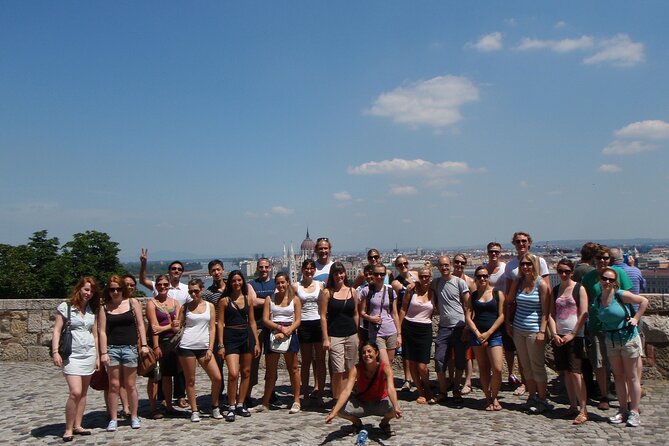
Stop 12: Shoes on the Danube Bank (memorial stop)
This is the emotional core of the walk. You’ll see the 60 pairs of shoes placed along the riverside to commemorate the 60th anniversary connected to the Holocaust. The guide discusses WWII history, deportations, and the more recent history of Hungarian Jewish people. Then you’re asked to close your eyes and imagine the individuals who died there, from synagogue goers to assimilated Jewish families, across different ages and roles.
This stop is not meant to be quick for the sake of speed. It’s a moment for reflection. If you’d prefer lighter sightseeing, take a breath here and decide how you want to hold the moment.
Stop 13: Hungarian Parliament Building (ending + what to do next)
The final stop brings you to neo-Gothic Parliament architecture and ties it to more recent history and elections. After the walk, the guide provides recommendations about restaurants, nightlife, and what to do on your next days—plus final orientation so you can navigate with confidence.
This “end with a plan” style is one reason I recommend the tour early in your trip. By the time you reach Parliament, you’re not just looking at a building—you’re leaving with next steps.
Price and Value: What $3.63 Really Buys You (Plus Donations)
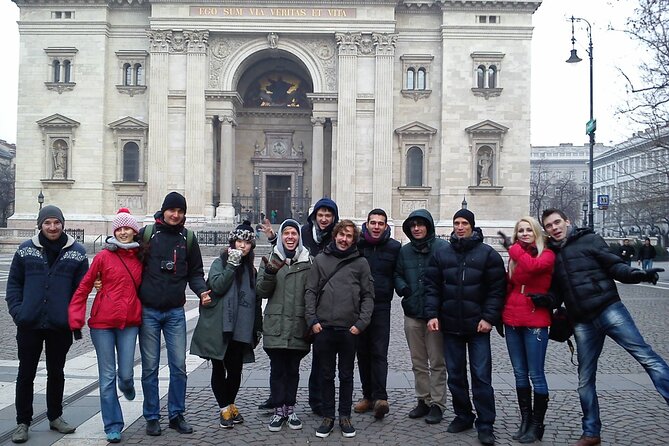
At about $3.63 per person, this tour is priced so low that it almost feels too good for what you cover. You’re buying a guided introduction that moves through major city landmarks, connects architecture to history, and hands you practical food and sightseeing guidance—within about 2 hours.
One important nuance: tips aren’t included. The tour uses donation-based guidance at the end, and you choose the amount. The price also includes a booking fee that goes toward administration rather than directly to the guide’s earnings.
In other words, the low ticket price doesn’t remove the need to be fair. If you appreciate the work—especially when guides are funny, clear, and genuinely helpful—plan to tip/donate in a way that matches your experience.
Who This Tour Fits Best
This walking tour is a great fit if:
- you want a first-day orientation and a route you can build from
- you like a mix of landmarks, stories, and practical food tips
- you want Danube views without committing to a longer day yet
- you’d rather walk and learn than read your way through history
It’s less ideal if:
- you need museum-level time at each stop
- you expect to go inside major buildings (the tour does not enter St. Stephen’s Basilica)
- you’re traveling with very limited walking stamina and need a slower, less stop-heavy plan
Should You Book This Budapest Landmarks Walking Tour?
Yes—if you’re doing Budapest for the first time or you want to stop guessing about where to go next, this walk is a strong way to start. The route is short, but it gives you a usable big-picture framework: landmarks, architecture, public art, food guidance, and a clear end-point at Parliament that naturally “anchors” the rest of your sightseeing.
Before you book, decide how you like tours: this one is structured with brief stops and a brisk pace, so you’ll get context fast and then do deeper visits later. If that style matches you, you’ll likely feel like you’ve tuned your eyes to Budapest by the time you reach the Danube and then Parliament.
FAQ
FAQ
How long is the Budapest City Landmarks Walking Tour?
The tour is listed as about 2 hours.
Where do I meet the guide?
You meet at the Ferris Wheel of Budapest area on Erzsébet tér, near Budapest Eye on Elisabeth Square (about 20 meters from there).
Where does the tour end?
The tour ends at the Hungarian Parliament Building on Kossuth Lajos tér 1–3.
Is the tour offered in English?
Yes, it is offered in English.
Does the tour enter St. Stephen’s Basilica?
No. The tour does not enter St. Stephen’s Basilica.
Do I need admission tickets?
The itinerary notes admission tickets are free for the listed stops.
How large are the groups?
The tour has a maximum of 30 travelers.
Is tipping required?
Tips are not included. The guides depend on donations at the end of the tour, and the amount is at your choice.
What happens if weather is bad?
The experience requires good weather. If it’s canceled due to poor weather, you’ll be offered a different date or a full refund.