REVIEW · BUDAPEST
3-Hour Orientation Walking Tour of Buda and Pest
Book on GetYourGuide →Operated by Tourist Angel · Bookable on GetYourGuide
Budapest splits into two sides, fast. This 3-hour Buda and Pest orientation tour uses a local guide to turn famous landmarks—like Matthias Church and Buda Castle—into a clear story you can follow. I especially liked the insider explanations that make the city feel less confusing, and the practical tips for getting around after you leave the tour; the only real drawback is that it’s still a walking tour, with some hills and winter-cold risk.
You start by Saint Stephen’s Basilica (right by California Coffee Company), then you’ll work your way through key sights on foot and use public transport to cross the Danube. With private or small-group options and guides such as Zoli, Verónika Lantos, and Alexandra, you get enough time to ask questions and shape the pace to your group.
In This Review
- Key things that make this tour worth your time
- Why an orientation tour matters in Buda and Pest
- St Stephen’s Basilica start: where your bearings get set
- From the Parliament area toward the Danube in Pest
- Crossing the Danube by metro and bus, not taxi
- Matthias Church: why this church matters beyond the photo
- Buda Castle and the Royal Palace grounds: where the city’s layers show
- How the guide can make or break the day
- Price check: is $41 worth it?
- Pace, weather, and what to wear
- Who this tour suits best
- Should you book this Buda and Pest orientation walking tour?
- FAQ
- How long is the walking tour of Buda and Pest?
- How much does the tour cost?
- Where do I meet the guide?
- What are the main sights you visit?
- Is the tour entirely walking?
- Do I need to buy public transport tickets?
- What languages are available?
- Can I cancel for a refund?
- Is pay later available?
Key things that make this tour worth your time
- Buda and Pest orientation in just 3 hours, so you’re not guessing your way through day one
- Major landmarks included, from Saint Stephen’s Basilica to the Hungarian Parliament and Matthias Church
- Public transport Danube crossing, with help figuring out the best-value ticket set
- Guides that actually talk like humans, often with humor and lots of patient Q&A
- Small group feel, with flexibility for what your group cares about most
- Strong focus on local context, including why Hungary’s modern story matters
Why an orientation tour matters in Buda and Pest
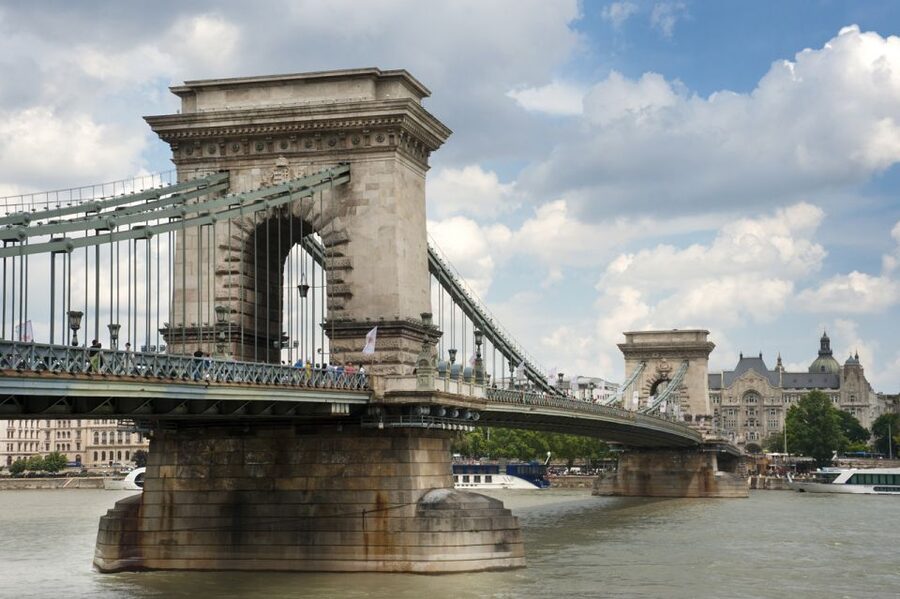
Budapest can feel like two cities stacked on a river. Pest sits lower and moves fast; Buda rises up with hills, views, and a different rhythm.
That’s exactly why a guided orientation works so well. In a short window, you’ll connect the dots between the major sights and the big historical shifts that shaped how the city looks today.
You can also read our reviews of more walking tours in Budapest

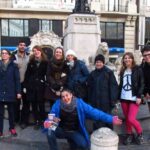
St Stephen’s Basilica start: where your bearings get set
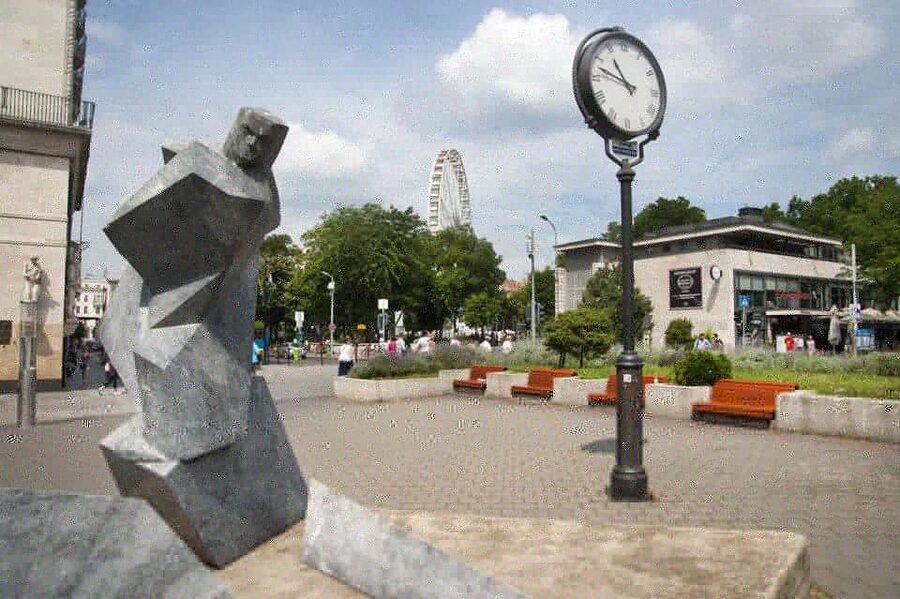
You meet next to Saint Stephen’s Basilica, in front of California Coffee Company. It’s a smart starting point because the Basilica is easy to find, and it frames the day with one of the city’s most recognizable interiors and exteriors.
During the opening stretch, expect your guide to set the ground rules: where the Danube fits into the story, why Buda and Pest developed differently, and what you should pay attention to as you walk. If you like asking questions, this is the moment to do it, because the guide usually answers in a way that helps you “see” the city instead of just hearing facts.
From the Parliament area toward the Danube in Pest
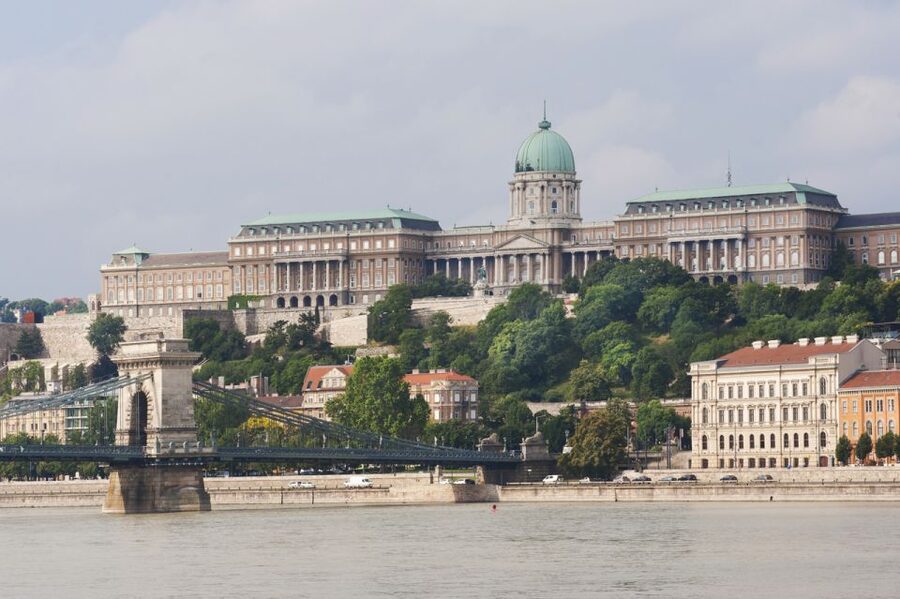
One of the core stops is the Hungarian Parliament building. Even from the outside, it gives you an instant sense of power and politics, and your guide can connect the building to the country’s complicated 20th-century path.
As you move through Pest, you’ll get more than postcard views. The best value here is how the explanations link the streets you’re standing on to everyday culture—how people live now, and why certain symbols show up in architecture, public space, and even local attitudes.
Crossing the Danube by metro and bus, not taxi
A big practical plus: the tour crosses the Danube using public transport. You’re not stuck staring at a map all afternoon; you get shown how transit fits into real routes between sides.
Public transport tickets are not included. The tour data lists 4 tickets/person for 1400 HUF, so factor that into your budget. This is one of those small costs that often saves time later, because you learn what to buy and how to handle the change from walking to transit smoothly.
Matthias Church: why this church matters beyond the photo
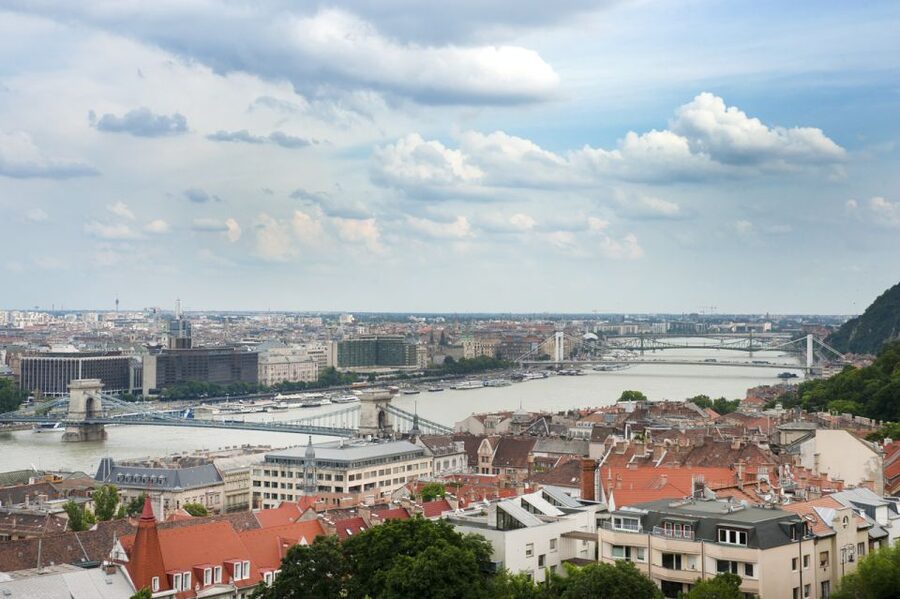
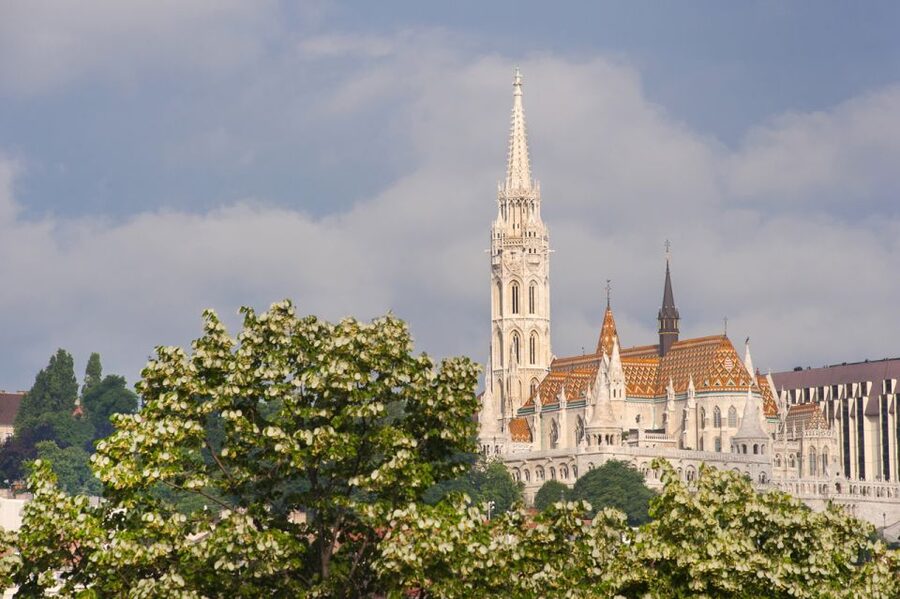
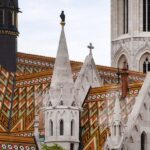
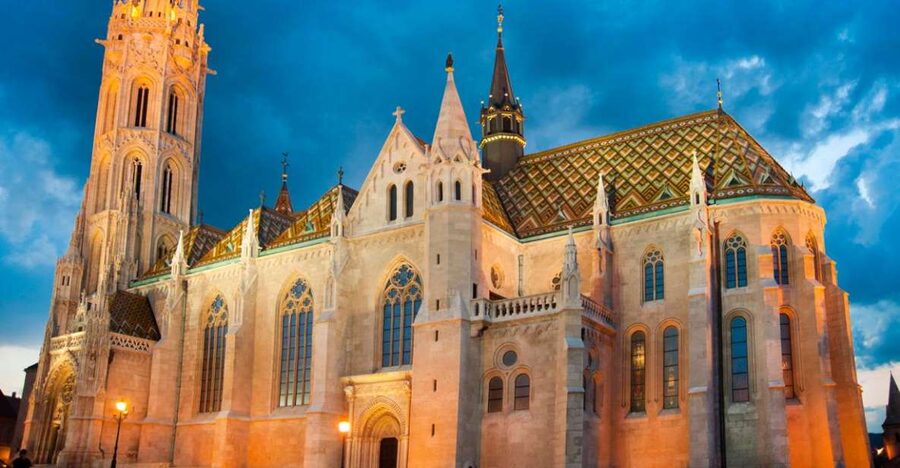
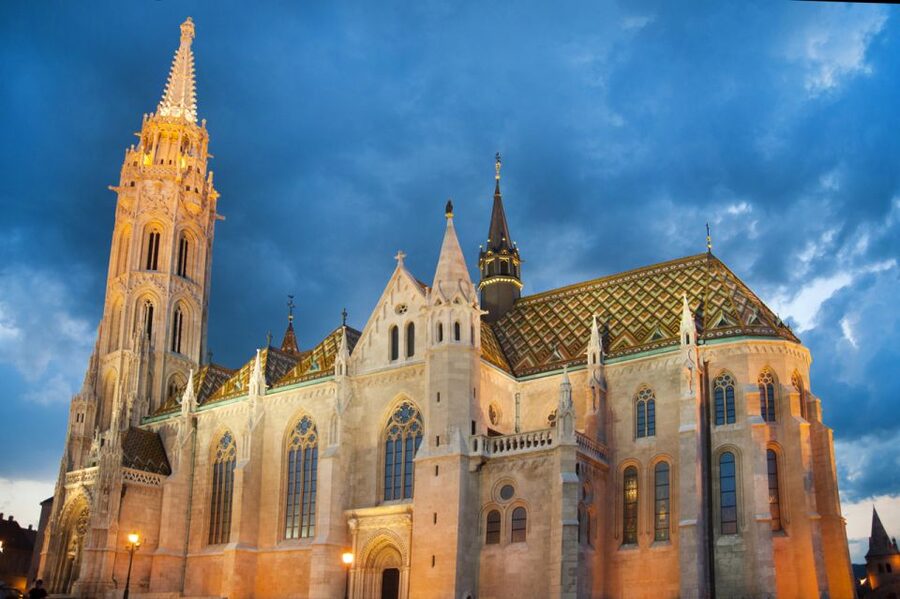
On the Buda side, you’ll visit Matthias Church. This stop is famous for a reason, but the win is what your guide can explain around it—style, history, and the way the area has functioned as a stage for Hungarian identity.
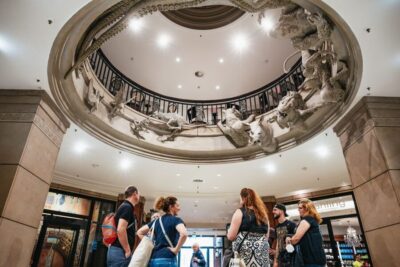
Guides like Zoli and Alexandra tend to tell the story like a narrative, not a textbook. You’ll spend less time thinking, What do I even look at? and more time noticing details you’d normally miss when you’re there on your own.
If your group includes the Basilica tower climb at Saint Stephen’s Basilica, you’ll likely get big views and a different angle on the city’s layout. Not every tour day is the same, but the fact that this shows up in at least some departures means it’s worth asking about if you want that extra vertical wow.




Buda Castle and the Royal Palace grounds: where the city’s layers show
Next comes Buda’s castle district area, including Buda Castle and the Royal Palace. This is where Budapest stops being “pretty buildings” and turns into physical history: layers of rebuilding, shifting power, and the long work of preserving what matters.
The guide’s job here is crucial. Without a guide, it’s easy to wander around and still feel like you missed the point. With the tour, you’ll get a quick framework for what you’re seeing and why it’s arranged the way it is—so your photos come with context in your head.
One reason people love this tour format is that you’re not doing a slow museum day. In three hours, you’re getting a survey of the most important spots with the right explanations to make them stick.
How the guide can make or break the day
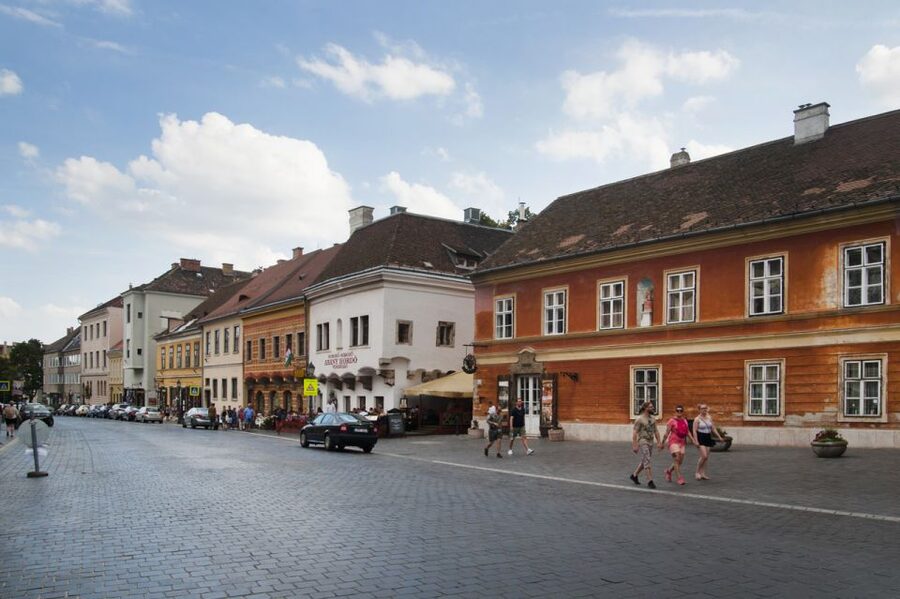
This tour gets consistently high marks because the guides do more than recite. They lead, they adapt, and they keep the day moving without feeling rushed.
Here are a few guide details from the feedback that show what you’re likely to experience:
- Zoli often gets called out for being friendly, funny, and instantly comfortable, plus handing out practical tips for what to eat after the tour.
- Verónika Lantos stood out for speaking Portuguese when she noticed the group’s language, which made the experience feel even more relaxed and connected.
- Alexandra and Luisa are repeatedly praised for adjusting to the group and patiently handling questions.
- Zsóka and Lora also show up in feedback for keeping energy high even in cold weather, and for making the city feel like a story you’re walking through, not a lecture.
So yes, you’re paying for access to sites. But you’re also paying for storytelling that helps you interpret the city quickly—especially helpful if it’s your first visit.
Price check: is $41 worth it?
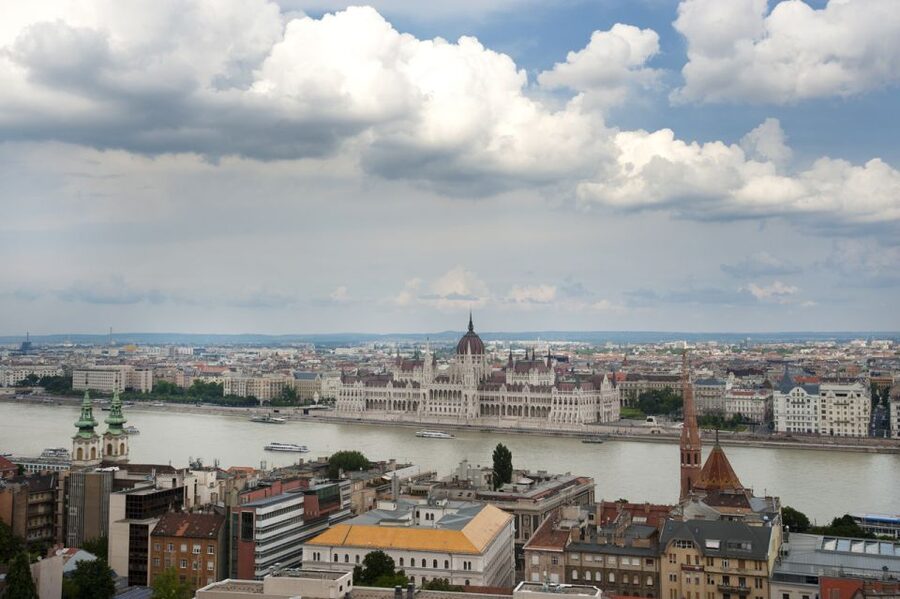
At $41 per person for a 3-hour tour, you’re paying for three things: a guide’s time, coordinated movement between major sights, and explanations that help you make sense of Budapest in a short visit.
Public transport tickets are extra: 1400 HUF for the listed ticket set. Even with that add-on, the math usually works out because the tour packs multiple top sights into one session. If you self-guide, you can absolutely do it—but you’ll lose the “how to connect the dots” part unless you spend time researching or hiring separate help for different areas.
The best part is that the tour often sets you up for the rest of your trip. If your guide gives you local food ideas and practical transit guidance (which many people report), you’re not just buying three hours of walking. You’re buying a shortcut to confidence.
Pace, weather, and what to wear
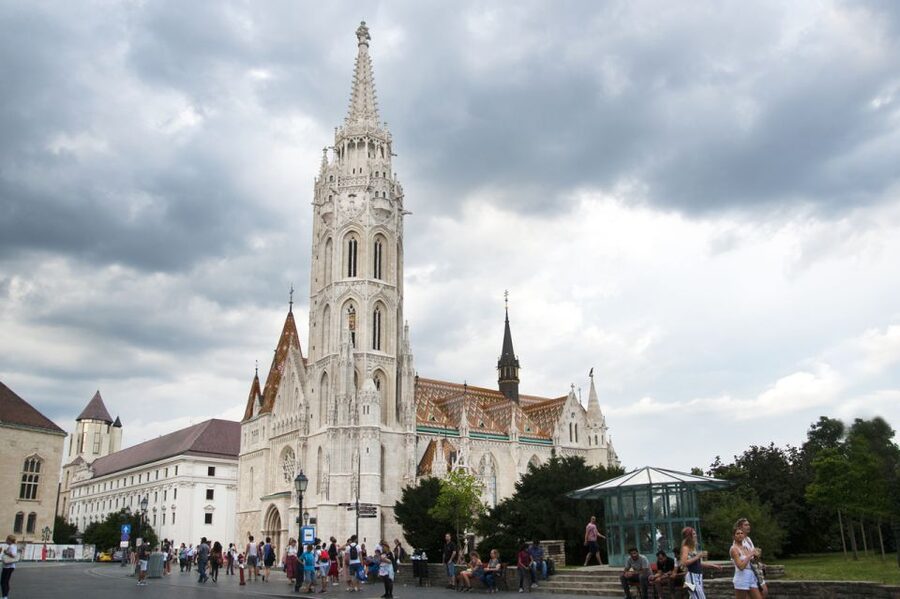
This is mainly on foot, with transit used to cross the Danube. That means your day will depend on your tolerance for walking and stairs—especially in Buda’s hillier parts.
In colder months, expect it to feel chilly. Several guides in the feedback kept the mood up despite winter weather, but your feet still need good shoes and your hands still need warmth. Bring layers you can add or peel off, since the walk-to-transit-to-walk rhythm can swing temperatures.
Who this tour suits best
I’d steer you toward this tour if:
- It’s your first day in Budapest and you want to get oriented fast
- You like architecture and want context, not just names
- You’re short on time but still want the big sights in one plan
- You want a guide who answers questions and adjusts to your interests
It may not be the best fit if:
- You prefer a slow, museum-heavy day with minimal walking
- You already know Budapest well and want deeper specialization in one neighborhood
Should you book this Buda and Pest orientation walking tour?
If you want a smart start to Budapest—without needing to build your own route from scratch—I think this tour is a strong choice. The mix of major landmarks, public transport support, and guide-led storytelling is exactly what turns a first visit into something you can navigate later.
Book it if you’re the kind of traveler who likes to ask questions, grab local recommendations, and come away with a map in your head. With guides such as Zoli, Verónika Lantos, and Alexandra frequently highlighted for friendly, engaging leadership, you’re very likely to get the kind of experience that makes Budapest click quickly.
FAQ
How long is the walking tour of Buda and Pest?
It lasts 3 hours.
How much does the tour cost?
The price is $41 per person.
Where do I meet the guide?
Meet next to Saint Stephen’s Basilica, in front of California Coffee Company.
What are the main sights you visit?
The tour covers major stops such as Saint Stephen’s Basilica, the Hungarian Parliament building, Matthias Church, Buda Castle, and the Royal Palace.
Is the tour entirely walking?
It is mainly on foot, and you’ll also use public transport to cross the Danube from Pest to the Buda side.
Do I need to buy public transport tickets?
Yes. Public transport tickets (metro and bus) are not included, and the tour data lists 4 tickets per person for 1400 HUF.
What languages are available?
English, French, German, Italian, Russian, and Spanish.
Can I cancel for a refund?
Yes. Free cancellation is available up to 24 hours in advance for a full refund.
Is pay later available?
Yes. You can reserve now and pay later.