REVIEW · TALLINN
Tallinn: Medieval Walking Tour
Book on GetYourGuide →Operated by Estonia4u · Bookable on GetYourGuide
Medieval Tallinn comes alive on cobblestones. This 2-hour walking tour turns the Old Town into a story you can walk through, from gothic lanes to the places that shaped power in Harju. I like how it mixes medieval legends and practical sight-walking, so you get both charm and context instead of random landmarks.
Two standouts for me are the Town Hall Pharmacy and marzipan connection plus the Kohtuotsa and Patkuli viewpoint stops that actually earn your camera time. The main consideration: it’s still a walking tour with uneven cobblestones, and it’s not suitable for wheelchair users or pregnant women, so wear shoes that can handle a lot of steps.
In This Review
- Key highlights you’ll feel while walking
- Starting at Raekoja 1: why the meeting spot matters
- Town Hall Square to the Town Hall Pharmacy: marzipan with a medieval backbone
- Lower Town streets: pepper-and-salt wealth in a maze of gothic lines
- Upper Town power: bishops, nobles, and the big church lineup
- Danish King’s Garden: a flag origin stop that’s easy to miss
- The viewpoints that make Tallinn feel like Tallinn
- Toompea Castle and St. Olaf’s Church: power looking outward
- Pacing, small-group feel, and how to keep warm
- Price and value: is $42 for a 2-hour walk worth it?
- Should you book Tallinn’s Medieval Walking Tour?
- FAQ
- How long is the Tallinn Medieval Walking Tour?
- Where do I meet the guide?
- What’s included in the price?
- What languages are available?
- What should I bring?
- Is the tour suitable for everyone?
Key highlights you’ll feel while walking
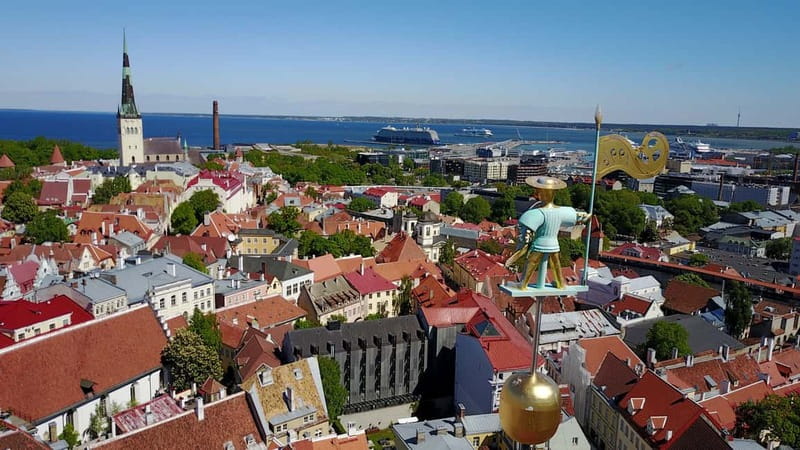
- Town Hall Square photo stop to lock in your bearings fast in the Old Town
- Town Hall Pharmacy + marzipan room tied directly to Tallinn’s trading-era identity
- Lower Town to Upper Town storyline, from merchants to nobles and bishops
- Big church contrasts: Holy Ghost Church plus St Mary’s Cathedral and Alexander Nevsky Cathedral
- Top viewpoints at Kohtuotsa and Patkuli Stairs for the most “this is Tallinn” photos
Starting at Raekoja 1: why the meeting spot matters
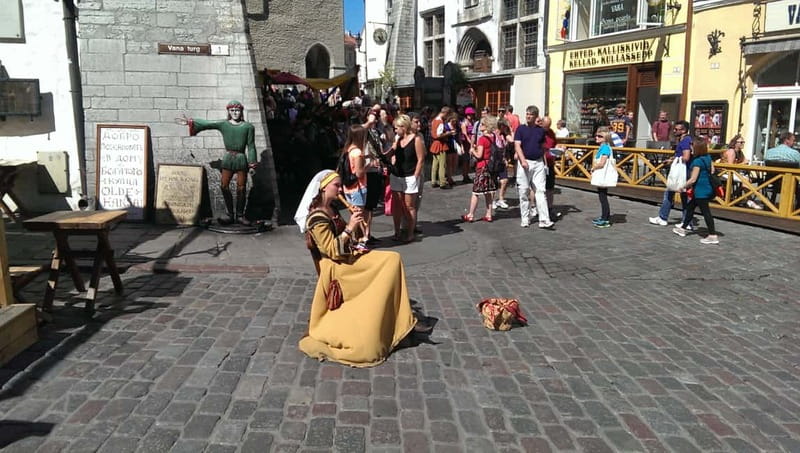
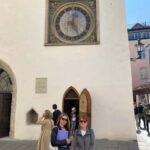
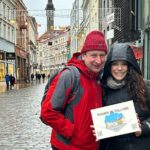
The tour begins at Raekoja 1, in Town Hall Square, with the guide meeting you by the Town Hall clock (they’re there about 5 minutes early, holding a sign with your name). This matters more than it sounds. Town Hall Square is the center of gravity in Tallinn’s Old Town, so once you start there, every next turn makes sense.
You’re also capped at a small group of up to 10, which keeps the walk from turning into a bottleneck. And you’re not stuck translating in your head—the tour runs in multiple languages (English plus German, Italian, Portuguese, Spanish, and Russian). If you’ve got even basic curiosity, this format is built for questions and quick clarifications.
Last practical note: this is 2 hours. That’s short enough to keep energy high, but long enough to actually connect the buildings to the bigger story of how Tallinn became wealthy through sea trade.
You can also read our reviews of more walking tours in Tallinn
Town Hall Square to the Town Hall Pharmacy: marzipan with a medieval backbone
Your first real stop is the Town Hall Square area for a photo pause. From there, you shift into one of Tallinn’s most fun historical links: the Town Hall Pharmacy, described as the oldest Town Hall and Pharmacy in Europe, and known locally as a home for marzipan. Then you move on to the Kalev Marzipan Museum Room for a guided visit.
Even if you’re not a sweets person, this stop works because it’s not just “here’s a shop.” It’s a clue to how Tallinn’s old economy ran. A trading city that had routes, goods, and status also developed food traditions that became part of local identity. The fact that the pharmacy is tied to this story gives you a reason to care, not just something to photograph.
One more thing to plan: entry to museums isn’t listed as included. Since this tour includes a visit to the marzipan room and pharmacy, you might be covered for the featured areas. Still, if you’re tempted to go beyond what’s on the route, assume you may need to pay for extra museum entry.
Lower Town streets: pepper-and-salt wealth in a maze of gothic lines
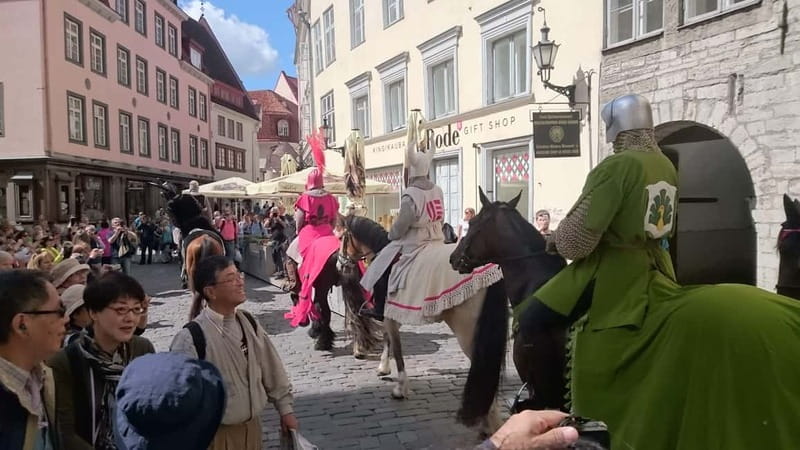
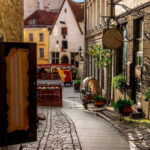
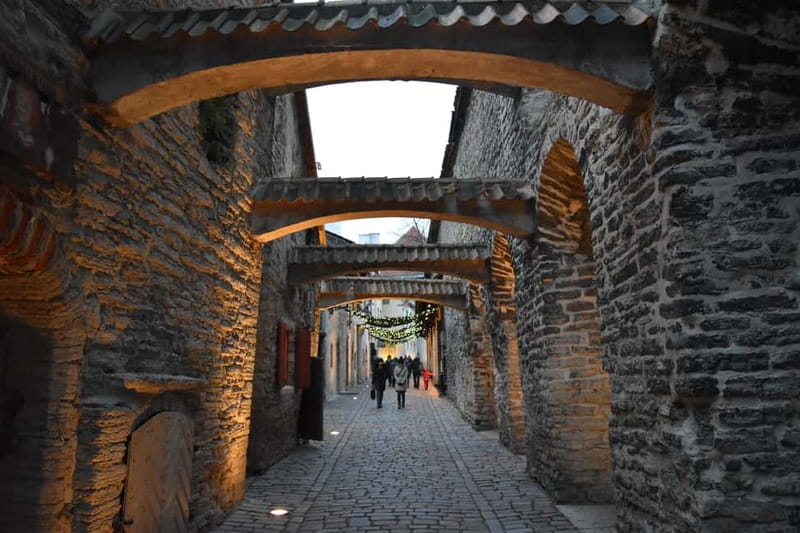
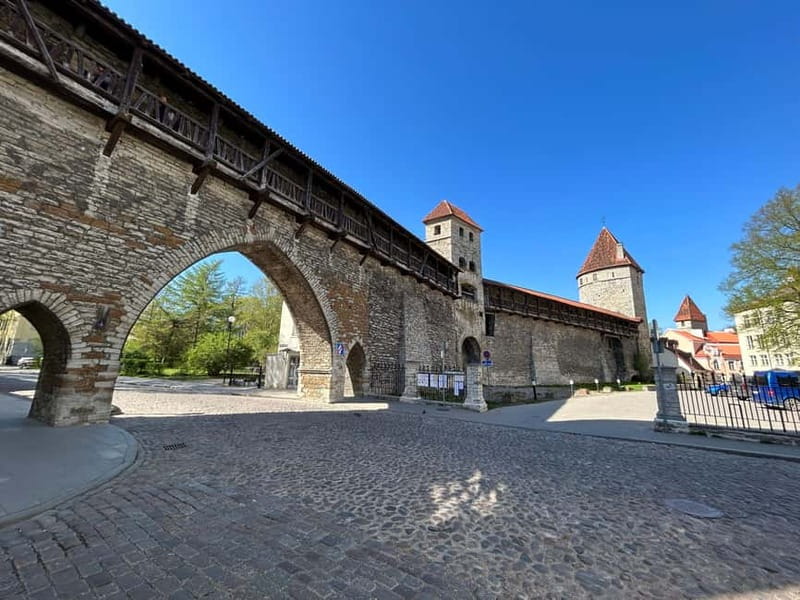
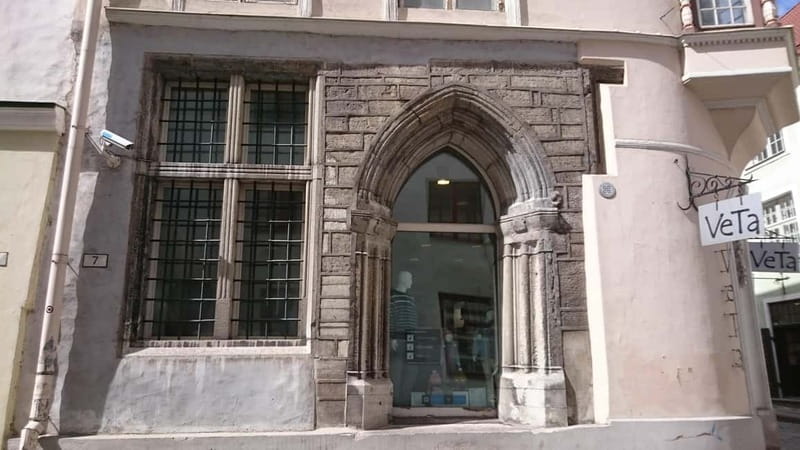
Once you move deeper into the Old Town, the tour focuses on the Lower Town, traditionally associated with artisans and merchants. This is where Tallinn’s money talk becomes physical. Narrow streets, gothic-style dwellings, and well-built fortress walls create a sense of “trade city on purpose,” not just a pretty photo set.
A key theme you’ll hear is why Tallinn was known as a town of pepper and salt—a nod to the way imports and preserved goods shaped wealth and daily life. You also get a multi-cultural communication angle: Estonians, local Germans, and Catholic monks using different languages to function in the same urban world.
You then hit a quick but telling photo stop at the Estonian History Museum in the Great Guild Hall. Even if you don’t go inside (and museum entry can be extra), the building exterior alone helps you “read” the street: guild power looked like architecture. Next is Holy Ghost Church for a guided visit. This church stop is where the tour shifts from commerce to community—how faith organized people’s lives in the medieval city.
There’s also a short guided segment connected to the Estonian Theatre for Young Audiences / Museum of Puppetry Arts. It’s brief, but it adds a modern cultural layer without breaking the medieval spell—puppetry is a reminder that storytelling in Tallinn hasn’t been stuck in the past.
Upper Town power: bishops, nobles, and the big church lineup
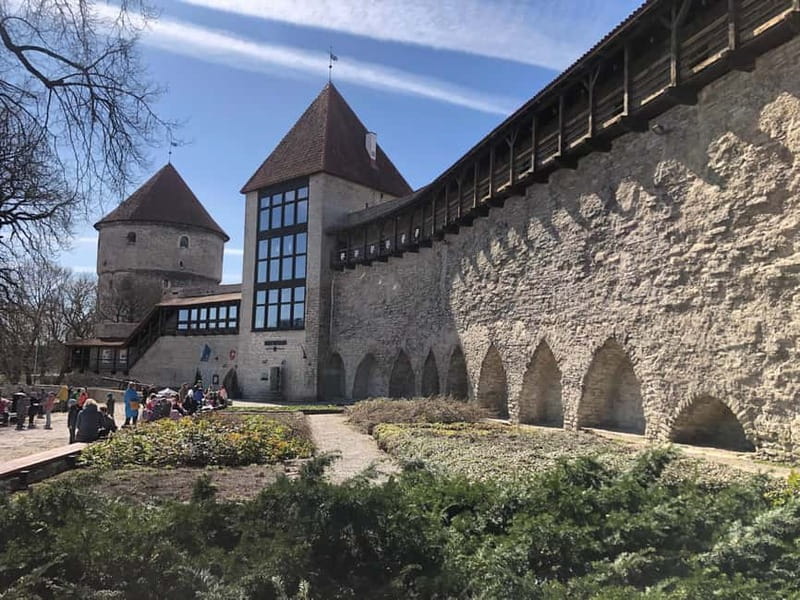
After the Lower Town, the route climbs into Upper Town, where the story changes from merchants to authority. This is where the tour places German crusaders (later noblemen), viceroys, and bishops. You feel the shift in how the streets “tilt” toward significance—bigger institutions, clearer status cues, and the sense that decisions were made here, not just bought here.
You’ll visit Alexander Nevsky Cathedral with a guided stop. It’s framed as the Orthodox church described as especially courageous in Estonia. It’s a different visual and spiritual world than the earlier church stop, and that contrast is part of the payoff.
Next comes St Mary’s Cathedral for a guided visit. The tour uses this stop to keep you oriented in the city’s religious layers, where different traditions occupied the same city at different times. If you like your travel with context, these church visits do more than check off “seen it.”
Then there’s a stop that’s less about inside-the-door details and more about marking the city in your mind: St. Olaf’s Church gets your attention through a photo stop, because it’s known as the former tallest church in the world. Even without climbing anything, it helps you understand the skyline ambition of medieval Tallinn.
Danish King’s Garden: a flag origin stop that’s easy to miss
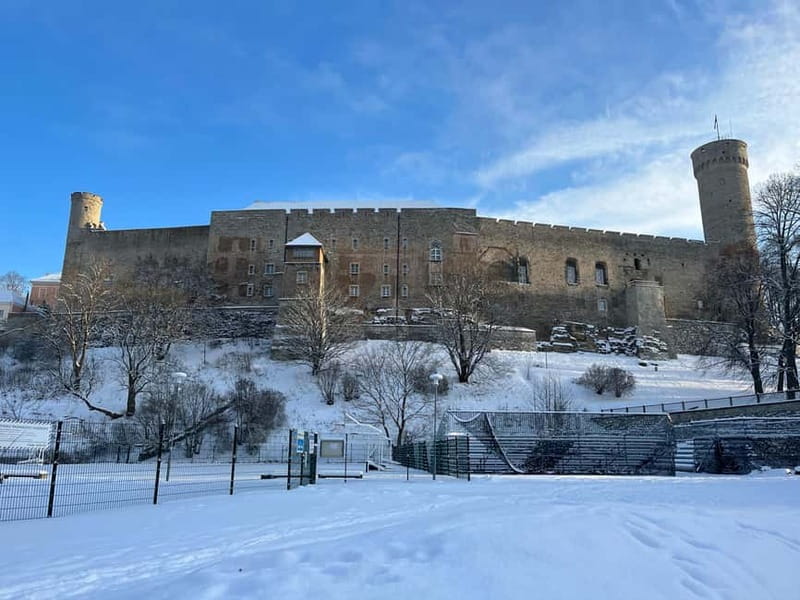
One of the most distinctive segments is the Danish King’s Garden, guided for about 20 minutes. The tour frames it as the place of birth of the Danish flag, described as the oldest in Europe. That’s a big claim, so don’t rush past it assuming it’s just a pretty park.
This is one of those moments where a specific story turns the location into a memory hook. You’re not just looking at greenspace; you’re connecting Scandinavian influence and medieval geopolitics to a physical stop that’s conveniently part of the walking route.
Also, it’s a good pocket in the schedule. A 20-minute garden break gives your legs a brief reset while keeping the narrative going.

The viewpoints that make Tallinn feel like Tallinn
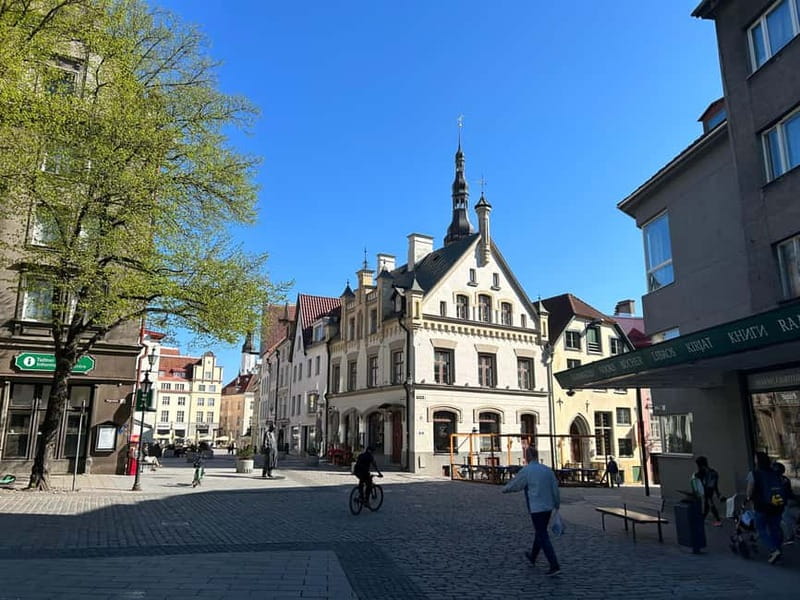
The tour’s climax is built around photo platforms, and you’ll feel that because the walk starts to “open up.” First you visit Kohtuotsa viewing platform for about 10 minutes. Then you tackle Patkuli Stairs for another short visit.
These are the moments where Tallinn stops being “buildings I saw” and becomes a city you can picture. From the viewpoints, you get a layered view of rooftops, towers, and the tight geometry of the Old Town. It’s also the best place to compare what you learned earlier—fortress walls, church markers, the Old Town split into lower and upper districts—to what you’re seeing now.
Practical tip: bring your camera out early. At viewpoints, you don’t want to be digging through pockets while the best light is passing. Also, sunglasses are specifically worth packing since street glare can be real on bright days.
Toompea Castle and St. Olaf’s Church: power looking outward
Near the end, you hit two heavyweight symbols: St. Olaf’s Church and Toompea Castle.
First, St. Olaf’s Church is a quick photo stop (about 5 minutes). Even though the stop is short, knowing it was once the former tallest church in the world changes how you look at it. You’re not just seeing a tower; you’re recognizing a period where height meant influence.
Finally, you end with Toompea Castle for a photo stop around 10 minutes. The tour notes it’s occupied by the Parliament. That’s an important detail for visitors: the city’s medieval power sites didn’t vanish. They got repurposed, but the location still carries authority.
If you want an easy “last image” that summarizes Tallinn, this is the place to get it.
Pacing, small-group feel, and how to keep warm
You cover a lot of ground in 2 hours, so pacing is everything. The small group size helps here. You’re not waiting behind dozens of people, and the guide can keep the narrative moving.
Hearing quality is another factor on old-stone streets. One highlight from past guests is that ear pieces may be provided, which is useful when wind and distance make it harder to catch every word. If you get them, great. If not, still plan to be close enough to hear without craning.
In cold weather, short breaks become more than comfort—they keep you from rushing through the story. Some departures include a pause for something warm, but since that’s not always guaranteed, treat it as a bonus, not a schedule promise.
What to bring is simple and practical:
- Comfortable shoes for cobblestones
- Camera for viewpoints and quick photo stops
- Sunglasses
- Cash (handy if you want snacks or small purchases on the way)
Price and value: is $42 for a 2-hour walk worth it?
At $42 per person for 2 hours, you’re paying for a trained guide plus a route that strings major Old Town highlights into one coherent experience. What you’re not paying for is extra indoor entry beyond what’s part of the stops. The tour explicitly lists entry to museums as not included, and coffee isn’t included either.
So here’s how I think about value for you:
- If it’s your first or second day in Tallinn, this tour can save you time by pointing out what matters and why.
- You’re getting a lot of “named places” packed into a short window: Town Hall area, marzipan-related stops, major churches, Danish King’s Garden, two viewpoint areas, St. Olaf’s Church, and Toompea Castle.
- You’re also getting planning help afterward. The tour says the guide shares recommendations for local food and drinks, plus shopping ideas and worthy museums and art galleries. That kind of guidance often pays off more than an extra ticket does.
Where the price may feel a stretch: if you’re already comfortable reading the city on your own and you only want to wander slowly. In that case, you might not need a guided route as much. But if you want the city to make sense quickly, $42 is a reasonable price for a focused intro.
Should you book Tallinn’s Medieval Walking Tour?
Book it if you want a high-signal orientation to Tallinn’s Old Town in just 2 hours, with marzipan-connected history, major church stops, and two viewpoints that deliver classic photos. It’s also a great pick if you like stories with specifics—pepper-and-salt trade, multilingual medieval life, and the Danish flag origin stop.
Skip it (or consider a different format) if you’re not up for cobblestones and a steady walking pace, or if accessibility matters for you, since it’s marked as not suitable for wheelchair users and not suitable for pregnant women.
If you’re the type who enjoys turning a first-day walk into an instant mental map, this is one of the easiest ways to do it in Tallinn.
FAQ
How long is the Tallinn Medieval Walking Tour?
The tour lasts 2 hours.
Where do I meet the guide?
Meet at Raekoja 1 in Town Hall Square, by the Town Hall clock. The guide picks you up there with a sign showing your name.
What’s included in the price?
The tour includes a live guide. Entry to museums and coffee are not included.
What languages are available?
The live guide can run in German, Italian, Portuguese, Spanish, Russian, and English.
What should I bring?
Bring comfortable shoes, sunglasses, a camera, and cash.
Is the tour suitable for everyone?
It’s not suitable for wheelchair users or pregnant women.