REVIEW · BUDAPEST
Big Bus Budapest Hop-On Hop-Off Bus and Walking Tour
Book on Viator →Operated by Big Bus - Hungary · Bookable on Viator
Danube views without the stress. This Budapest hop-on hop-off ticket lets you move at your pace, with double-decker panoramic rides and audio commentary in 16 languages as you pass the big-name landmarks. I like that you can board at 27 stops and actually use the bus as transport, not just as a slow loop.
The best part for me is the built-in wayfinding: a 1-hour guided walking tour helps you decide what to revisit while it’s still fresh. My one real caution is that the experience can be uneven on the day—some buses have had audio cut-outs, plus you may need to switch vehicles mid-route due to operations or crowds.
In This Review
- Key things to know before you ride
- Price and value: what $42.13 buys you in Budapest
- How the hop-on hop-off route really works (and why direction matters)
- The “stop highlights” route: what you’ll see as you roll through Budapest
- St. Stephen’s Basilica and the downtown core (Stops near the Basilica and around)
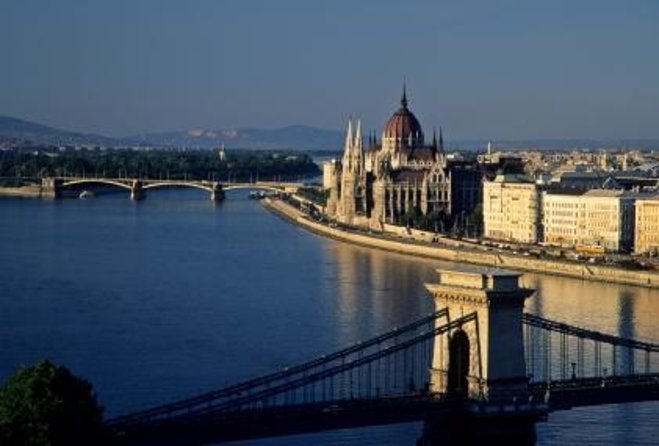
- Chain Bridge and the Danube crossing (Széchenyi Chain Bridge)
- Jewish Quarter and iconic “street history” (Dohány Street Synagogue)
- Andrássy Avenue and the Opera zone (Andrássy út + Hungarian State Opera)
- Heroes’ Square (Heroes’ Square)
- Rail hubs you might actually use (Keleti and Nyugati)
- Castle Hill access and the Funicular stop (Castle Garden + Castle Hill Funicular)
- River crossings beyond the center (Margaret Bridge)
- Parliament area (Hungarian Parliament Building)
- Váci Street and New York Café (Váci Street + New York Café)
- Comfort and audio: where the experience can go from smooth to frustrating
- Walking tour and Danube cruise discount: how to set expectations
- Tips to reduce hassle: finding stops, using the app, and avoiding wrong-bus confusion
- Where this works best for you (and where it won’t)
- Should you book Big Bus Budapest? My decision guide
- FAQ
- FAQ
- How long is the Big Bus Budapest hop-on hop-off and walking tour?
- How long is my ticket valid?
- What’s included besides the bus?
- Are the audio guides available in English?
- How many stops does the bus route include?
- Do I need hotel pickup or drop-off?
- Where can I board the bus?
Key things to know before you ride
- 27 boarding stops spread across central sights, riverfront areas, and key rail hubs
- Audio in 16 languages included on board, so you’re not stuck reading maps every time you stop
- Hop-on flexibility for 1, 2, or 3 consecutive days, which matters in a city with a lot of ground to cover
- A 1-hour walking tour is included, turning the bus day into a more useful plan
- Danube cruise is discounted (30%), so double-check what’s actually included in your specific river offering
Price and value: what $42.13 buys you in Budapest
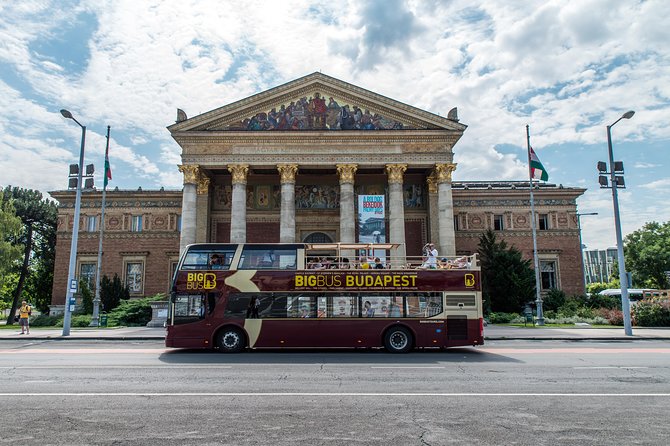
At about $42.13 per person, this ticket can feel pricey—until you price out the alternative: climbing around Budapest without a plan, then paying for separate entry tickets or expensive transport. The value here is that you’re buying time and logistics.
You get a hop-on hop-off bus pass for 1, 2, or 3 consecutive days (depending on what you choose). That’s the key. One day can work if you’re efficient, but you’ll usually get better value with two or three days because the route covers a lot of ground—Buda Hill, the Parliament area, major downtown streets, plus both big train stations.
This is also a “starter ticket” style of deal. You’re not paying just for a ride; you’re buying a fast mental map of where everything is, so you can spend your paid time on the sights that actually matter to you.
You can also read our reviews of more walking tours in Budapest



How the hop-on hop-off route really works (and why direction matters)
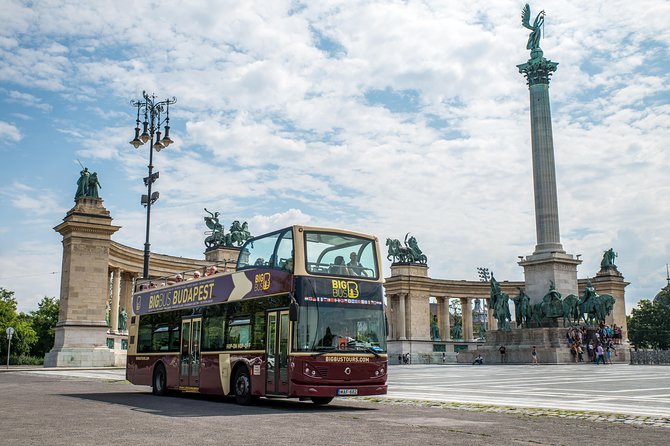
The bus route is designed for an easy rhythm: you board at any stop along the route, ride, listen, then hop off for a closer look. Then you wait for the next bus at your stop and repeat. That’s the simple story.
Here’s the practical catch: the buses tend to run in one chronological direction only. So if you try to use the first bus like a free taxi to reach a specific stop far along the line, you can lose the rest of your morning. One reviewer’s timing experience lined up with the idea that it can take a while to reach farther stops—plan for an about 2-hour round-trip feel if you’re traveling from one end and trying to do stops in the middle and then come back.
What you’ll like:
- You can stay on for views and get context from the audio
- Or you can get off where it clicks—Heroes’ Square, the Basilica area, the Chain Bridge, Castle Hill, and more
What to watch:
- Stops can be hard to spot, and service frequency can vary when weather and traffic stack up.
- In busy moments, you may end up switching buses. It’s not the end of the world, just annoying—especially if it’s cold or raining.
The “stop highlights” route: what you’ll see as you roll through Budapest
Your bus ride is timed to hit the big picture: river landmarks, grand architecture, and the Buda side. Below is how those stops usually play in real life—where they’re good, and where they can be a bit of a hassle.
St. Stephen’s Basilica and the downtown core (Stops near the Basilica and around)
You start in the area around St. Stephen’s Basilica. This is a smart early anchor because the basilica sits in the city’s main layer, and from here you can connect to walkable streets and other stops on the route.
It’s great for:
- first-time orientation
- grabbing photos and then deciding whether you want to go inside later
A practical note: buses can be crowded at central stops. If you’re aiming for the best views from upstairs, go early in the day or wait a few minutes for a less packed arrival.
Chain Bridge and the Danube crossing (Széchenyi Chain Bridge)
Crossing the Széchenyi Chain Bridge is one of those “Budapest has arrived” moments. From the top deck, you’ll get wide angles over the Danube and the riverfront energy.
This stop shines when:
- you plan a short hop-off-and-walk break
- you want a photo moment without committing to a longer guided tour
What can slow you down: if you hop off at the bridge and linger, you may not catch the next bus right away. It’s not always a quick turnaround.





Jewish Quarter and iconic “street history” (Dohány Street Synagogue)
The Dohány Street Synagogue stop is valuable because it’s not just sightseeing from a window—you can actually step into an area with a lot of meaning and street texture.
If you care about architecture and cultural landmarks, this is one of the better “hop-off” points. Just be prepared for crowds around major landmarks.
Andrássy Avenue and the Opera zone (Andrássy út + Hungarian State Opera)
One of the most elegant stretches is Andrássy Avenue, with the Hungarian State Opera on the route. This part of the city is a gift if you like grand façades and street-scale perspective—Budapest shows its stylish side here.
For you, this tends to be a:
- walkable, window-to-street moment
- great area to hop off, stretch your legs, then keep moving
Downside: because it’s central and photogenic, it can feel “busy” and stop-and-go. That’s where audio listening helps: it gives you context so the crowds don’t blur the experience.
Heroes’ Square (Heroes’ Square)
Heroes’ Square is the kind of landmark you don’t want to speed past. The stop works best if you hop off for a focused 20–30 minutes, then ride onward to the next highlight.
On a good day, the audio and the sight match well. On a rough day—think cut-outs or mismatched timing—you’ll still get the visual impact, but you’ll miss some of the story.
Rail hubs you might actually use (Keleti and Nyugati)
The route includes both major stations: Budapest-Keleti and Nyugati Railway Station. Even if you’re not taking trains, these stops are useful because they often connect you to other transit and nearby neighborhoods.
Why I like this for practical travel:
- you can reset your plan if you decide to go somewhere else
- it helps if you have a later train and want a low-stress way to get close
Castle Hill access and the Funicular stop (Castle Garden + Castle Hill Funicular)
Getting to Castle Hill is easier with the funicular included on the route. You won’t need to guess how to connect—you’ll be dropped into the area where Castle Hill access is right there.
This is the part where you’ll want time, not speed. If you’re only on your first day, don’t pack so much that you’re sprinting uphill between stops.
What can be annoying in winter or rain: open sides and wet conditions can show up. A couple of accounts mentioned cold buses and wet seats/roof issues. If weather is nasty, plan to swap sides upstairs/downstairs for comfort.
River crossings beyond the center (Margaret Bridge)
Margaret Bridge is another “bridge view” beat. It’s helpful when you’re trying to understand how the city layers along the Danube.
If you’re the type who likes to compare neighborhoods visually, this stop does real work.
Parliament area (Hungarian Parliament Building)
The Hungarian Parliament Building stop is a must for many first-timers. The bus ride gives you a solid look, but the real value often comes from hopping off briefly so you’re not judging it only from the roadside angle.
The audio in the Parliament section tends to be one of the main attractions—when it works smoothly. When it doesn’t, you’ll still see the building clearly, but you’ll be missing some of the narrative.
Váci Street and New York Café (Váci Street + New York Café)
Downtown shopping and classic café stopovers are woven into the route with Váci Street and New York Café. Even if you don’t plan to buy anything, this is where you feel the “everyday Budapest” layer next to the grand monuments.
This area is often best for:
- a meal break
- people-watching
- buying small gifts without hunting
Comfort and audio: where the experience can go from smooth to frustrating
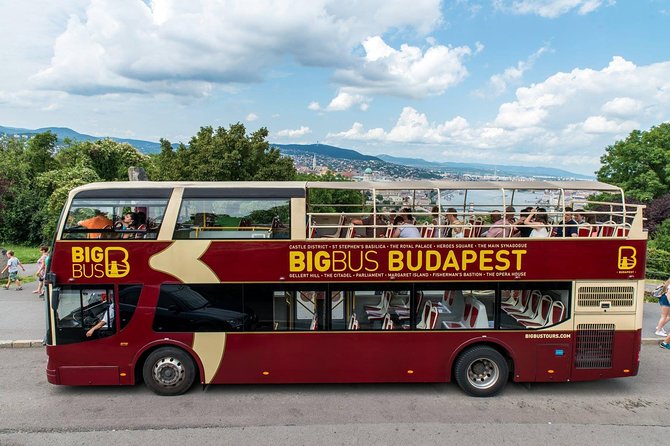
Most of the time, a hop-on hop-off bus is only as good as the audio and the seating. The good news: the commentary is included and offered in 16 languages. When the system is working right, it’s a big win for getting context while you watch the city slide by.
The recurring downside in accounts:
- audio cutting out mid-sentence
- audio starting after silence (feels like it’s catching up)
- occasional mismatch between what you’re hearing and what you’re seeing
- microphones/stopping announcements being hard to understand on some buses
Then there’s comfort. One practical note from recent feedback: buses can run cold, and weather can make things feel worse if roof issues show up or if seats get wet. Also, the top deck can feel cramped in a literal way—some riders reported the roof level is low enough that people bump heads.
My take for your planning:
- If you’re sensitive to cold, consider staying downstairs when the weather turns.
- If audio is vital to your experience, try your first ride at a time when buses aren’t maxed out, so you’re more likely to get a clean audio mix and fewer technical glitches.
Walking tour and Danube cruise discount: how to set expectations
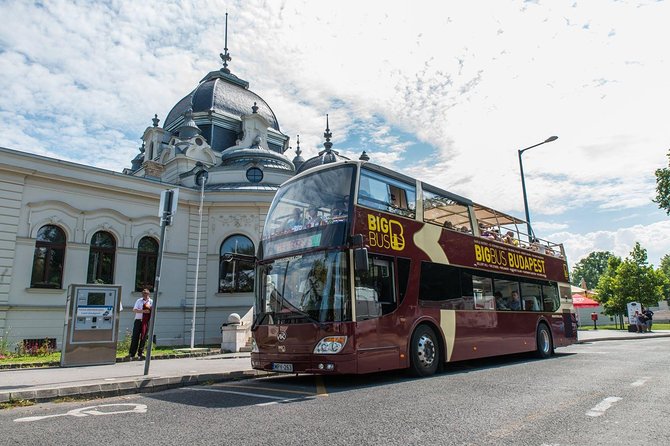
This bundle includes a 1-hour guided walking tour. That time is usually the secret sauce on these products because it helps you connect the dots. A bus gives you sightlines; a short walk helps you understand how the city feels at street level.
On top of that, you get a 30% off Danube River Cruise. That’s a real plus, but it’s not the same thing as a free cruise ride. Also, one account raised an issue about a river trip duration not matching what was expected due to a policy change after a certain date. So here’s the practical advice:
Before you treat the cruise as guaranteed, verify the exact cruise details you’re booking (length, whether audio is included, and whether it matches what your confirmation says).
Tips to reduce hassle: finding stops, using the app, and avoiding wrong-bus confusion
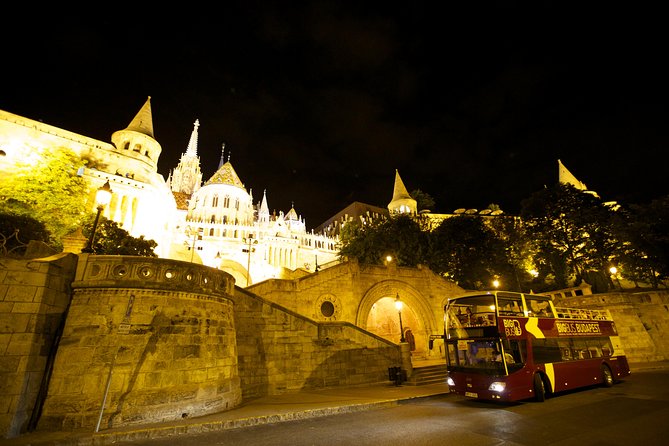
Budapest is walkable, but it’s also hilly and wide. A bus that’s easy to board makes a difference.
Here’s what helps:
- Use the app’s Live Tracking feature to plan your wait time better. If a bus is late, you don’t want to stand there guessing.
- Use the app’s Find a Stop feature if it’s available on your device. One account noted it includes photos, which helps you identify the right location.
- Expect that signage at stops might not be very obvious. This is especially true in busy areas or when the weather is bad.
Also, keep an eye out for the fact that multiple operators can run in similar zones. If you’re boarding with a voucher/ticket, make sure you’re matching the correct bus line for your pass and your entry rules.
Where this works best for you (and where it won’t)
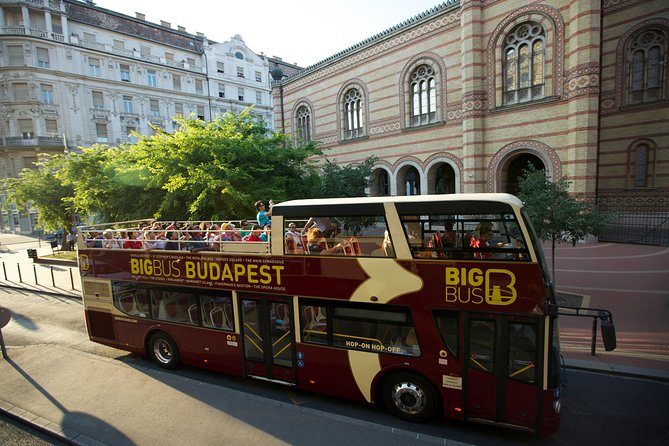
This tour bundle fits best when:
- you’re visiting for the first time
- you want to cover a lot of ground without navigating transit lines
- you prefer learning from audio commentary while you move
- you want a flexible schedule for hopping off at landmarks like Heroes’ Square, Castle Hill access points, and the Parliament area
It may not be the best match if:
- you’re extremely timing-sensitive and need to be at a specific location at a specific minute
- you hate waiting in cold weather for buses that may arrive less predictably
- you strongly depend on perfect audio synchronization the whole time
Should you book Big Bus Budapest? My decision guide
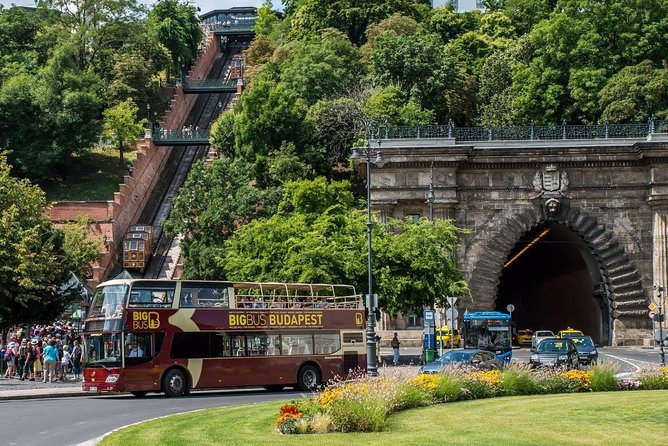
Book it if you want a practical, flexible first pass through Budapest and you’ll actually use the hop-on hop-off part for landmarks like the Basilica area, Chain Bridge, Andrássy Avenue/Opera zone, Heroes’ Square, and Parliament. The combination of bus sightseeing plus a 1-hour walking tour is a smart way to build a plan.
I’d be cautious if you’re expecting a flawless, studio-quality audio guide and a smooth operation with zero reroutes. Some issues show up—audio dropouts, occasional vehicle swaps, and stop-finding friction. If you’re the kind of traveler who can roll with that (and you’ll verify your cruise discount details), this can still be a good value.
FAQ
FAQ
How long is the Big Bus Budapest hop-on hop-off and walking tour?
It runs about 1 hour 40 minutes (approx.) for the main experience timing.
How long is my ticket valid?
You can choose a pass for 1, 2, or 3 consecutive days, with unlimited hop-on hop-off bus access during that time.
What’s included besides the bus?
You get a 1-hour guided walking tour and 30% off a Danube River Cruise, plus onboard audio commentary.
Are the audio guides available in English?
The tour is offered in English, and the audio commentary onboard is available in 16 languages.
How many stops does the bus route include?
The route includes 27 stops where you can board and hop off.
Do I need hotel pickup or drop-off?
No. Hotel pickup and drop-off are not included.
Where can I board the bus?
You can board at any of the 27 stops along the route, including major areas like St. Stephen’s Basilica, the Chain Bridge, Heroes’ Square, Keleti and Nyugati railway stations, and the Parliament area.