REVIEW · BUDAPEST
Budapest 3-Hour Walking Tour in Italian
Book on GetYourGuide →Operated by Tourist Angel · Bookable on GetYourGuide
Budapest can be a lot at first. This 3-hour, Italian-guided walk strings together the key neighborhoods so you understand how the city grew over centuries.
What I like most is how directly the guide connects major landmarks with the stories behind them. I’m also a fan of the mix of stops: from St. Stephen’s Basilica in Pest to the lookout-heavy Buda Castle area.
One thing to consider: you’ll be on your feet for the full 3 hours, and you’ll also need to handle public transport tickets separately (metro/bus) to cross the Danube.
In This Review
- Key highlights to know before you go
- St. Stephen’s Basilica start: easy to find, instantly historic
- Pest to the Danube: why the transport stop matters
- St. Stephen’s Basilica: the landmark that sets the tone
- The Buda Castle and Royal Palace zone: where power shows up in stone
- Matthias Church: Gothic style with real-city context
- Fishermen’s Bastion: views you’ll actually use
- What you learn: 1,100 years in a way that stays with you
- Price and value: $41 plus a small transit add-on
- Practical tips: what to wear and how to pace yourself
- Who this Budapest tour suits best
- Should you book this Italian-led walking tour of Buda and Pest?
Key highlights to know before you go
- Italian-speaking guide who answers questions as you walk
- St. Stephen’s Basilica as the starting landmark and big visual anchor
- Buda Castle and Castle Quarter for the feel of old power and court life
- Matthias Church in Gothic style, plus the story behind it
- Fishermen’s Bastion for classic Budapest views over the Danube
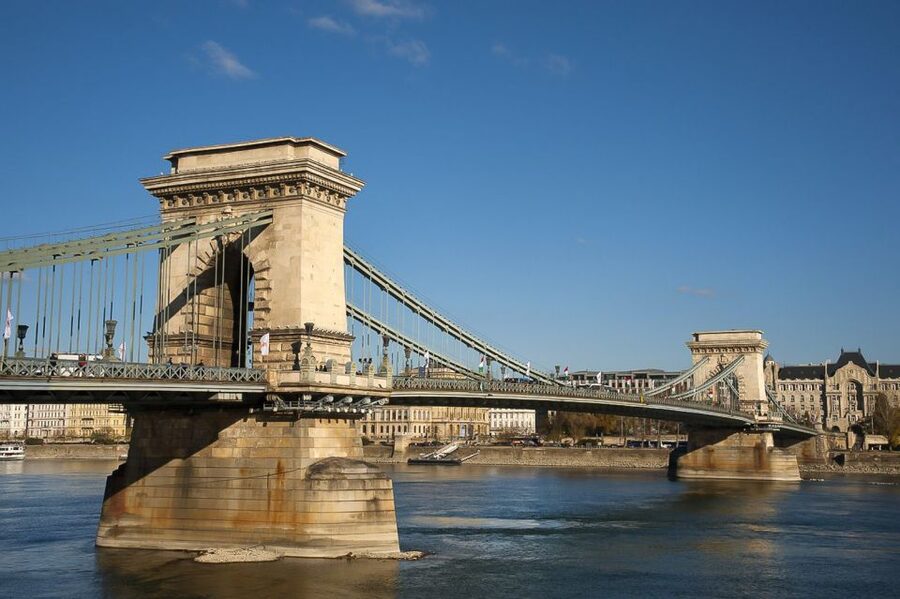
- A Pest-to-Buda Danube crossing using public transport, not just a long walk
St. Stephen’s Basilica start: easy to find, instantly historic
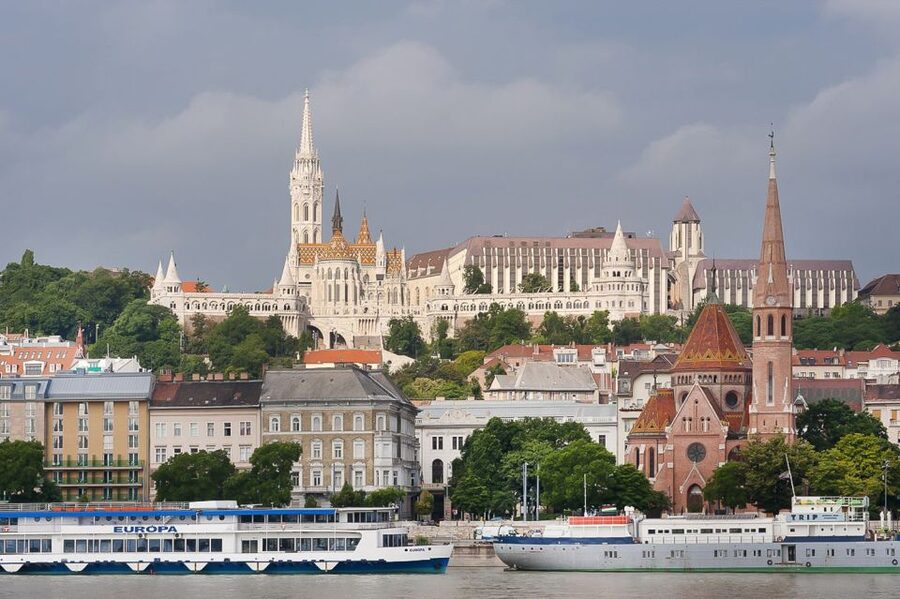
The tour kicks off next to Saint Stephen’s Basilica, in front of California Coffee Company. That’s a handy meeting point because it’s central and easy to recognize before you start walking.
From the beginning, the pace makes sense for a first-time visit. You start in Pest’s core and then move toward the older, higher-ground feel of Buda, so you get both sides of Budapest without spending days figuring it out.
If you’re traveling with a tight schedule, this structure is smart. Three hours is short enough to fit into almost any itinerary, but long enough to connect the dots between buildings you’d otherwise treat as random postcards.
You can also read our reviews of more walking tours in Budapest



Pest to the Danube: why the transport stop matters
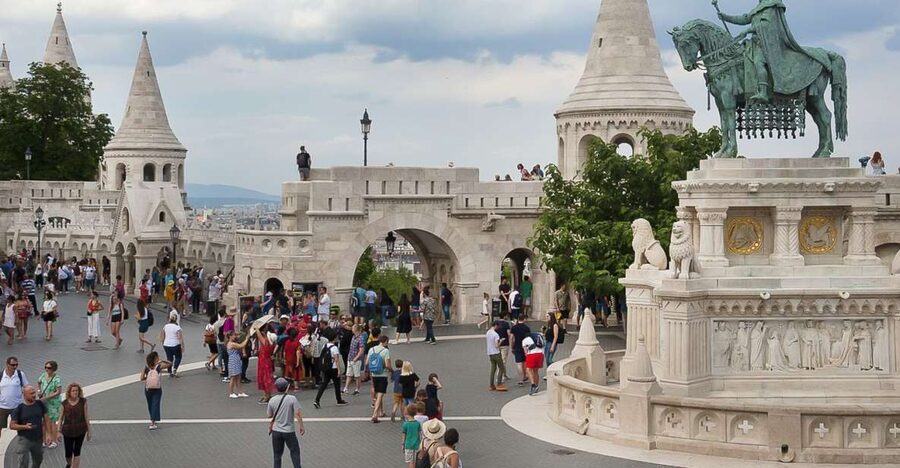
A key detail here is that the tour isn’t purely walking. You use public transport to cross the Danube from Pest to the Buda side, which helps you save energy and time while still seeing the river setting change as you move.
That Danube crossing is more than a shortcut. It’s a practical way to understand why Budapest feels like two cities stitched together. On foot, you’d either miss the bigger connection or spend too long getting there; the public transport segment keeps you moving while giving you the “right” perspective.
As you transition across, you’ll get an insider view from your guide. The value isn’t only that you see the river. It’s that you can ask questions on the way, so the history you’re hearing doesn’t float in the abstract.
St. Stephen’s Basilica: the landmark that sets the tone
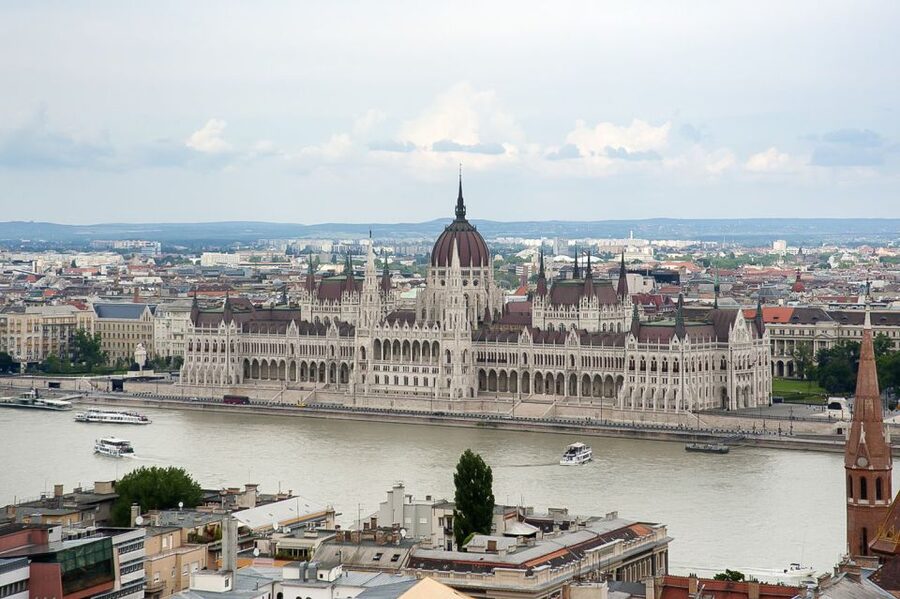
St. Stephen’s Basilica is one of the main stops, and it’s also where you begin. You get that classic wow-factor early, which helps because the tour then feeds you context for what you’re looking at.
I like starting with a monument that people already recognize. It means you don’t need to “study” Budapest first. You just look around, listen to the guide explain how the Hungarian kingdom shaped its capital, and the city starts to make more sense in real time.
Also, the tour is designed for all ages and types of travelers, so it’s not written like a marathon history lecture. The stops are arranged so you can enjoy the sights while still learning the story behind them.
The Buda Castle and Royal Palace zone: where power shows up in stone
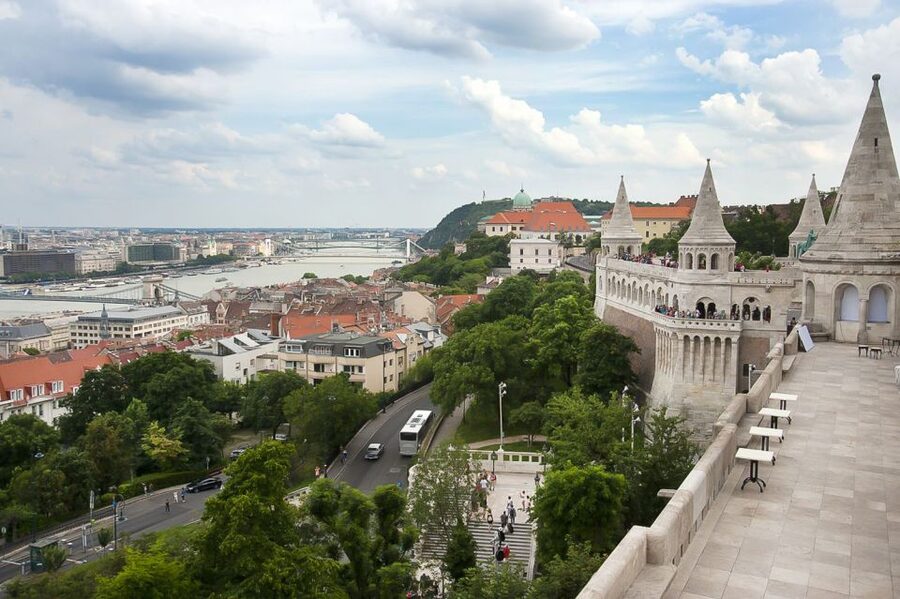
Once you’re in the Buda Castle area, the tone shifts. This is where the tour leans into the oldest parts of the city and the feeling of a fortified royal center.
You’ll visit the fortified Buda Castle, the Royal Palace, and the surrounding Castle Quarter. That’s where the “thousand years” concept stops being a marketing line and becomes something you can actually point to with your own eyes.
Here’s what I’d expect to matter for your visit: the guide doesn’t just name buildings. They connect them to Hungary’s ups and downs—from earlier conquest-era beginnings to later democratic changes. You walk past impressive walls, then you hear what those walls meant when the city was under different rulers and pressures.
You may also notice the tour includes a stop called the President’s Palace. Even if you’re not there for politics, it helps you see how the same hillside spaces can keep their importance while the country’s institutions change over time.
Matthias Church: Gothic style with real-city context
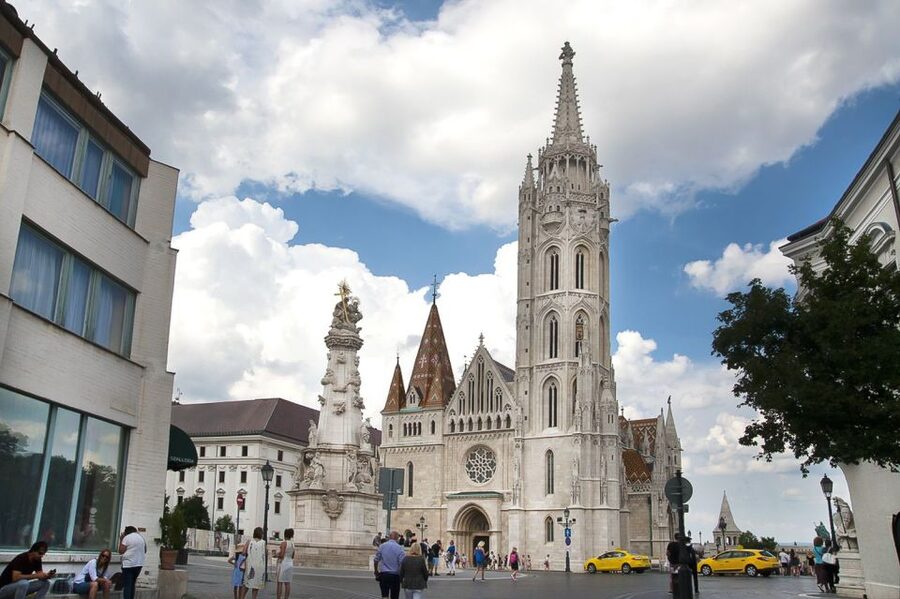
One stop you shouldn’t rush is Matthias Church, highlighted here specifically as Gothic. The church is a visual magnet, but the tour’s value is in how the guide explains why the architecture and the kingdom’s history fit together.
If you like your sightseeing with a little structure, this is a good moment to let the guide do the heavy lifting. Otherwise, churches can blend into each other on a short trip. With a guided story, you’re more likely to remember what made this one different.
And because you’re in the Castle area, Matthias Church sits inside the bigger picture of Buda’s built-up heritage. It’s not just a standalone photo spot; it’s part of a zone that feels like it was built for status and defense.
A few more Budapest tours and experiences worth a look

Fishermen’s Bastion: views you’ll actually use
Then you reach Fishermen’s Bastion, one of Budapest’s best-known viewpoints. On a clear day, you’ll see why it’s famous. You also get that “why the Danube matters” feeling in a way that’s hard to get from streets alone.
I like that the tour includes this viewpoint right after the more enclosed castle-side experience. It gives you a clean contrast: strong architecture close up, then open space where the city spreads out.
This is also a good stop if you’re the type who likes to take a few photos but doesn’t want to spend 45 minutes searching for the perfect angle. The tour gives you a focused window, and you can spend your time looking instead of planning.
What you learn: 1,100 years in a way that stays with you
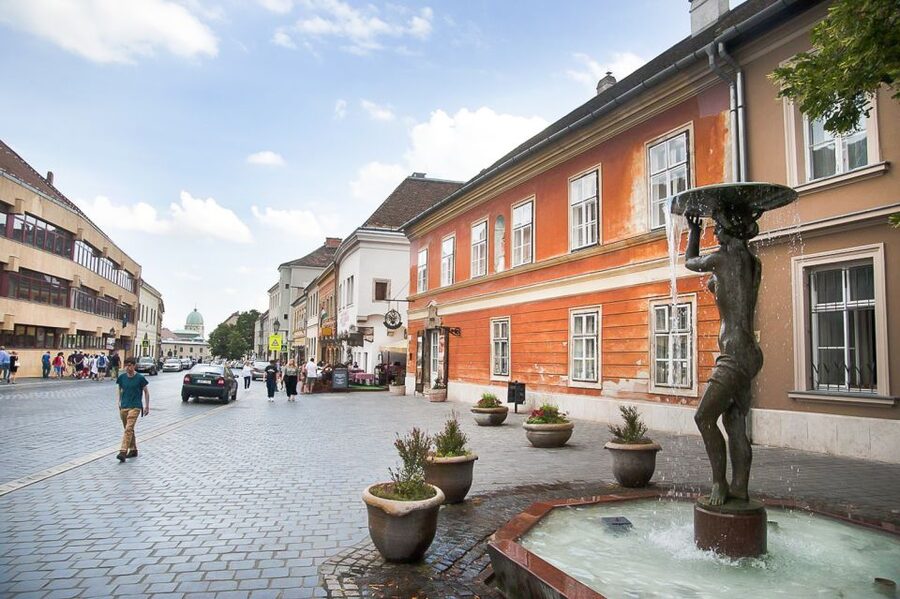
The learning goal is clear: understand roughly 1,100 years of Hungarian history, from conquest-era beginnings to the country’s most recent democratic changes. That’s a lot for three hours, so the tour’s method matters.
What helps is the way the guide ties the stories to specific places. Instead of memorizing dates, you connect ideas to what you’re standing next to: fortified power in the Castle area, major religious influence with St. Stephen’s Basilica, and later political presence with stops like the President’s Palace.
In the reviews, guides like Caterina, Katalin, and Elisabetta come up for being friendly, available, and able to explain key attractions in Italian with a lot of detail. I take that as a sign you’re not just walking past sights. You’re building a mental map of how Budapest got its look.
If you’re someone who gets lost in big-city history, this structure helps. You’ll likely leave with a set of anchors: basilica, church, castle walls, and those river views.
Price and value: $41 plus a small transit add-on
The price is listed at $41 per person for a 3-hour walking tour with an Italian-speaking guide. On paper, that’s reasonable because you’re paying for both guidance and time. Three hours in central Budapest is enough to cover a lot of ground, especially with the Danube crossing handled via public transport.
Do factor in the extra cost: public transport tickets are not included. You’ll use 4 tickets per person, listed at 1,400 HUF total. For many people, that’s a minor add-on, but it’s worth planning for so you don’t reach the gate or ticket machine surprised.
In terms of value, I think the best part is the way the guide turns sightseeing into understanding. If you only want photos, you can do this route on your own. If you want history that actually sticks, the guided format justifies the cost.
Practical tips: what to wear and how to pace yourself
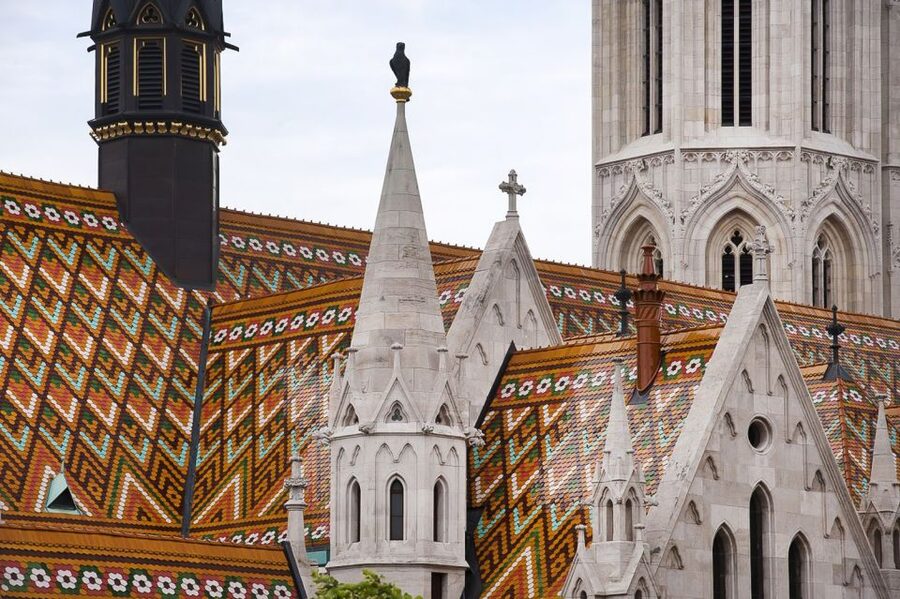
This tour is mainly on foot. That’s good news because you get street-level context, but it also means your legs are part of the itinerary.
Bring comfortable shoes. The dress note is also real: the tour says no shorts and no sleeveless shirts. Even if you’re mainly moving outside, you’ll be visiting religious and historic sites where this rule can matter.
If you’re traveling with someone who doesn’t like walking much, you still might be fine because public transport is used to cross the Danube. Just keep expectations realistic for a continuous 3-hour route through central areas.
Who this Budapest tour suits best
This is a strong choice if:
- You want a first introduction to Budapest without building a complicated plan.
- You prefer seeing both Pest and Buda in one hit.
- You like architecture and history tied to the actual places you’re standing in.
- You’re traveling with an age range that benefits from a smooth, guided pace.
It’s also a good fit for people who want to ask questions. The tour is set up so your guide can answer you along the way, and small-group or private options are available. A private or small-group format can be especially helpful if you want slower explanations or more time at key viewpoints.
If you only have one half-day in Budapest, this tour’s structure is built for that reality.
Should you book this Italian-led walking tour of Buda and Pest?
If you want an efficient, guided way to understand Budapest’s “two sides” and walk the core sights, I’d say yes. The combination of St. Stephen’s Basilica, the Castle area, Matthias Church, and Fishermen’s Bastion creates a complete sightseeing arc, and the Italian-speaking guide helps you connect the meaning behind each stop.
Book it if you can handle walking for three hours and you’re okay with handling the public transport tickets separately. Skip it if you’re looking for a purely self-guided, photo-only route, or if the idea of an Italian-led explanation won’t work for you.
If your goal is to get your bearings fast and leave with a story you remember, this is the kind of tour that earns its time.