REVIEW · BUDAPEST
Budapest All in One Small Group Walking Tour with Strudel Stop
Book on Viator →Operated by Absolute Tours · Bookable on Viator
Strudel, metro, and big sights in one smart morning. This small-group Budapest tour threads from the Hungarian State Opera House to Heroes’ Square and Buda Castle viewpoints, using public transport to keep the day moving without draining you. I love the strudel and coffee stop built right into the route.
One consideration: it’s a real walking and photo day, about 6 km total, and you won’t be going inside churches or bath buildings.
In This Review
- Key moments you’ll remember
- Why this Budapest highlights tour fits your first day
- Getting oriented at the Hungarian State Opera House and Andrassy Avenue
- Heroes’ Square and City Park: statues, symbolism, and the 1896 castle vibe
- Szechenyi spa culture: a quick peek at thermal-bath Budapest
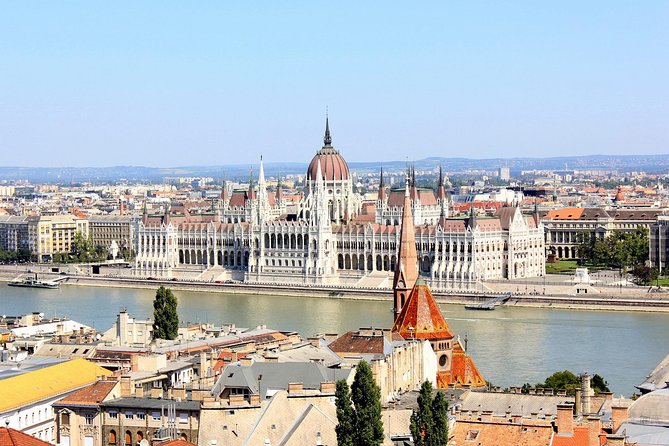
- The Danube stretch: Parliament, the Chain Bridge, and Gellért Hill views
- Szabadság tér and the communist-era story in brief
- Buda Castle District and Fisherman’s Bastion: the viewpoint payoff
- Strudel stop: why the food break is more than a snack
- Pacing, walking load, and transport rhythm
- Small group guides: what the best ones do with your time
- Price and value: where your $100.37 really goes
- Who should book this tour (and who should skip it)
- FAQ
- FAQ
- What time does the tour start, and how long is it?
- Where does the tour start and where does it end?
- How many people are in the group?
- Is the tour in English, and is there an audio system?
- What is included with the strudel stop?
- Do we go inside churches or buildings?
- Is free cancellation available?
Key moments you’ll remember
- Max 10 people means more questions and less waiting around at each corner.
- Metro rides included so you cover both Pest and Buda without turning the day into a marathon.
- Heroes’ Square + City Park gives you the statue-and-story Budapest wants you to see first.
- Szechenyi spa area stop adds local thermal-bath culture, with a quick peek rather than a long line.
- Danube Promenade photo time for Gellért Hill, Citadel views, and an easy Chain Bridge shot.
- Fisherman’s Bastion arcades are free for the best angles; the upper terrace costs extra.
Why this Budapest highlights tour fits your first day
Budapest is two cities that act like one. Pest sprawls on the Danube’s east bank, and Buda rises on the west side with castles, lookout points, and old streets that feel like a different planet. This tour is designed to stitch those halves together with an efficient mix of walking and metro.
At a price of about $100.37 per person, you’re paying for three things that matter: a private English-speaking guide, public transport during the tour, and a built-in local food break. For many first-time visitors, that combination is the value sweet spot—because it keeps you oriented fast, without needing to figure out routes and timing on your own.
The day is also structured for real sightseeing. You’re not just handed a list of landmarks. You’ll hear stories at key stops—Opera House, Heroes’ Square, the Soviet-era memorial area, the bridge, and the Buda Castle viewpoints—so you understand what you’re looking at while you’re looking at it.
You can also read our reviews of more walking tours in Budapest

Getting oriented at the Hungarian State Opera House and Andrassy Avenue
You start at Andrássy út 22, near the Hungarian State Opera House. The first stop is simple but important: you gather at the building and get the story behind it. That’s a helpful mental key early on, because it sets the tone for the grand, formal Budapest you’ll see in the next stretch.
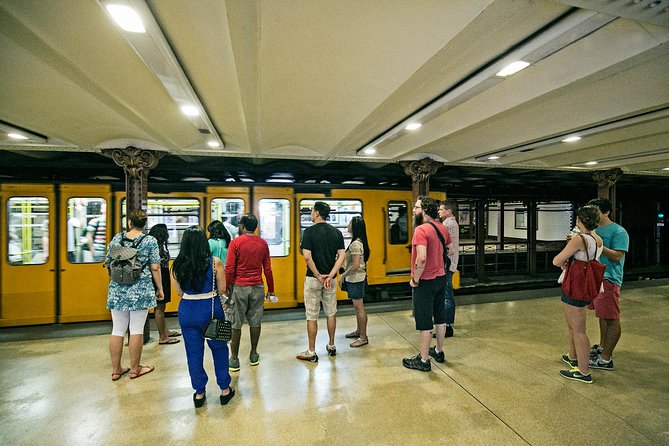
From there, you head down Andrassy Avenue and ride the underground under the avenue. This is a smart move. It’s one of the fastest ways to get from showpiece architecture to the next “big Budapest” square without spending your morning in transit lines.
Andrássy Avenue also helps you understand the city’s layers. You’re not only seeing pretty buildings—you’re tracing how Budapest ties ceremony and street life to movement and access.
Heroes’ Square and City Park: statues, symbolism, and the 1896 castle vibe
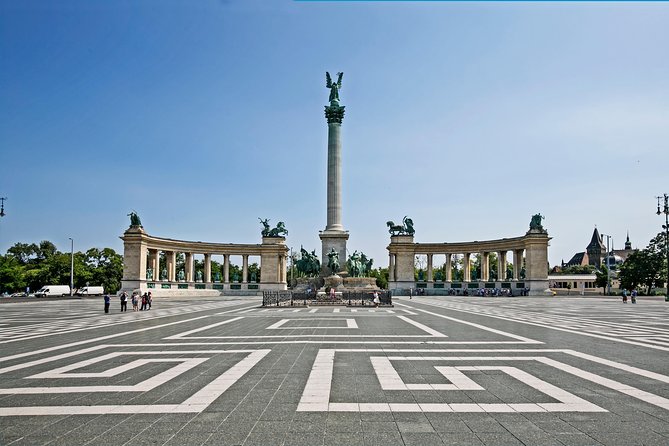
Heroes’ Square is the kind of place you can’t really appreciate until someone points out what you’re seeing. Here you’ll stand in the square and learn about the display of Hungary’s 1,000 years of history, including the statues of important national leaders and the monument setting around the colonnade.
Then you move into Varosliget, City Park. This is a good palate cleanser after a heavy-history monument stop. It gives you space to breathe, take photos, and connect the “grand city” feeling to something more like daily life.
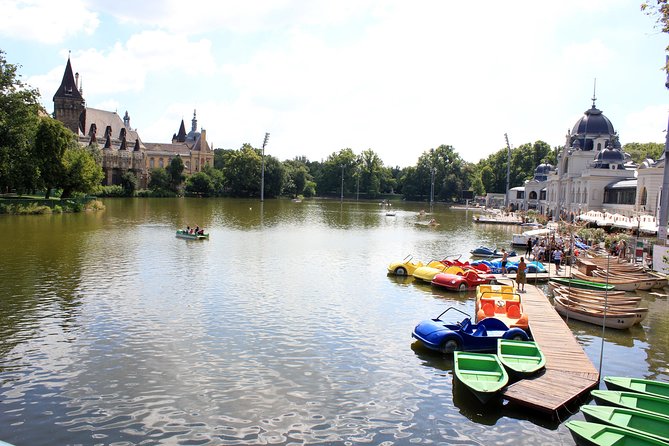
In the City Park area, the tour includes a yard stop connected to Vajdahunyad Castle, built in 1896 for the Millennial Exhibition celebrating 1,000 years since the Hungarian Conquest of the Carpathian Basin. You’ll get the architecture background from your guide, which makes the castle stop feel more intentional and less like a quick pass-by.
It’s the sort of stop that works even if you’re traveling with limited time. In a few minutes, you get the story, the meaning, and a photo location.
Szechenyi spa culture: a quick peek at thermal-bath Budapest
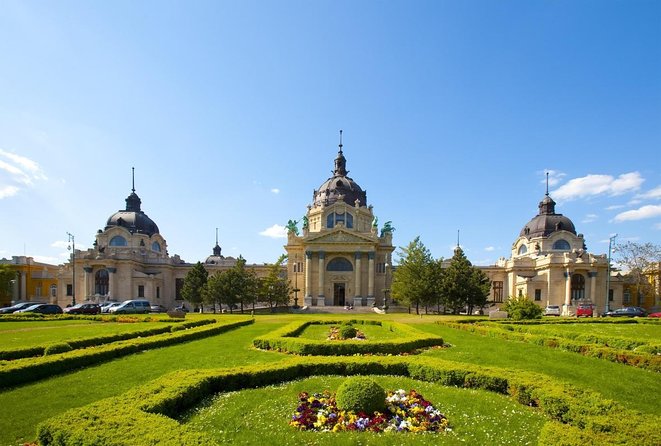
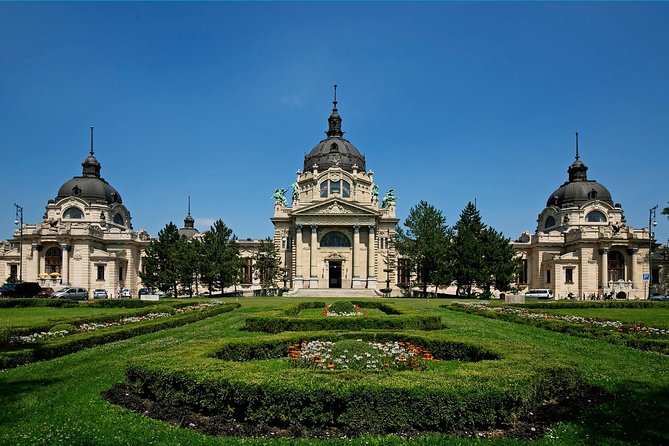
Next comes the Szechenyi area, Europe’s largest thermal bath. The format here is more about context than about an all-day spa visit. You’ll peek into the bath house and learn local spa culture, so you understand why Budapest’s thermal baths aren’t just tourist attractions—they’re part of how locals relax and socialize.
This is one of the tour choices I appreciate. You get the atmosphere and the “why,” without turning the afternoon into a ticket-and-wait schedule. If you plan to return for a longer bath session later, this stop helps you decide what kind of experience you actually want.
You’ll also encounter St. Stephen’s Basilica as part of the city-center stretch. The tour focuses on the building as a landmark—its neo-classical character and its place among Budapest’s tallest structures—rather than an interior visit.
The Danube stretch: Parliament, the Chain Bridge, and Gellért Hill views
After the thermal-bath area, the tour returns by metro to the city center, then you hit the Danube Promenade. This is where the city really opens up.
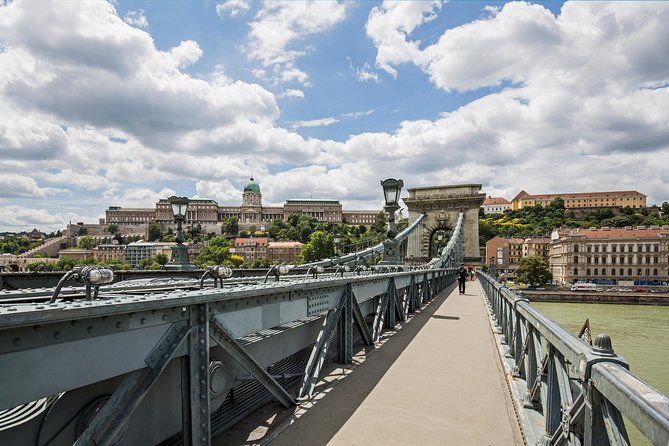
You’ll stop by viewpoints for the river walk, with guide talk that sets up what you’re seeing. You’ll take in the panorama toward Gellért Hill and the Citadel, and you’ll get a chance to grab a photo of the Chain Bridge.
One practical plus: the pacing is photo-friendly. You’re not sprinting between sights, and you get short, purposeful breaks that keep the day from feeling like a checklist race.
If you like learning while you look, this part pays off. You hear the history of the bridge from your guide, so the shot you take actually means something beyond postcards.



Szabadság tér and the communist-era story in brief
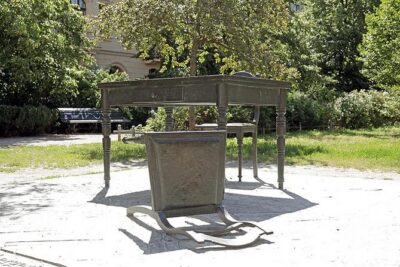
Between the thermal area and the Danube endgame, the route includes Szabadság tér, with a stop at the Soviet Memorial. You’ll hear the story of communist times in that area, plus short guide notes connected to Hungary’s past and present political context.
Budapest can feel timeless until you remember the last century was anything but. A stop like this gives you a grounded perspective. It also helps you interpret the city’s monuments and memorials the next time you spot something similar on your own.
Buda Castle District and Fisherman’s Bastion: the viewpoint payoff
On the Buda side, the tour wraps up with a walk through Buda Castle District, then finishes at Matthias Church and Fisherman’s Bastion.
At Matthias Church, the guide focuses on the church’s history—especially the coronations—and explains why the Ottomans converted it into the main mosque in Buda. It’s a short stop, but it’s packed with meaning. And again, it stays focused: you’re learning why the building matters more than chasing long interior lines.
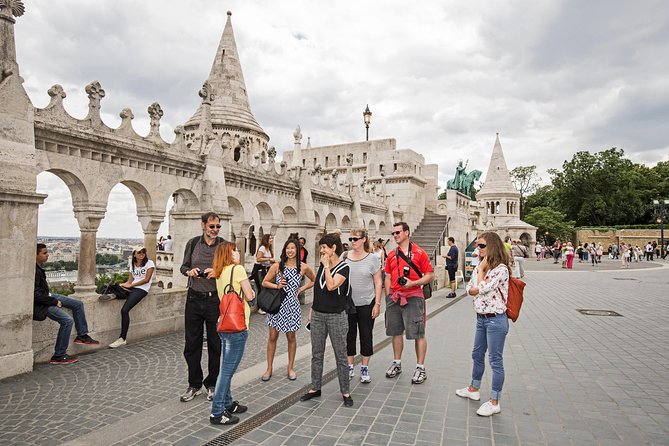
Then you reach Fisherman’s Bastion, one of Budapest’s most famous outlooks. The best news for your wallet: the viewing from the arcades is free. Admission is only required for the upper terrace. You still get the big-city panorama over the Danube.
This ending works well for photos because it’s a natural “slow down” moment after earlier city movement. Take your time on the arcades, then decide whether you want the upper terrace.
Strudel stop: why the food break is more than a snack
The included dessert stop is not an afterthought. You’ll have a short cafe break for strudel plus coffee or tea, and mineral water is an option mentioned as well.
This is also where the tour earns its reputation as a very “Budapest” experience. One guide-led format even includes the group settling into a back-room setup, and at least some stops let you watch the strudel being made. That’s the kind of detail that makes a touristy food stop feel local and human.
You also get to recharge. Even with manageable walking, you’ll have time to sit, warm up with something hot, and reset your brain for the Danube and Buda viewpoints.
If you’ve ever tried to eat during a busy day of sightseeing, you know the problem: food either becomes rushed or it becomes late. This stop prevents both.
Pacing, walking load, and transport rhythm
Plan for moderate walking with short stops throughout. The day is about 3 hours of walking, roughly 6 km (around 4 miles), plus transit time and viewpoints. You’ll also encounter streets with stairs and hills on the Buda side.
There’s no audio equipment or headphones. That matters. Your guide is speaking directly, so you’ll want to stay close enough to hear clearly at each stop. If you rely on hearing support, mention it early and stand where you can.
The tour also runs in all weather. Bring rain protection if the forecast looks iffy, and dress for cool mornings even in warmer months. Budapest mornings can feel sharp, and you’re outdoors for photos.
The no-interior-visit rule is another pacing factor. You won’t be stuck waiting to enter churches or bath rooms. You’ll see buildings and learn the story, then keep moving.
Small group guides: what the best ones do with your time
The tour’s small size—maximum 10 participants—is a major reason it gets such high marks. You’re not just hearing history; you’re getting answers. In past departures, guides have included people like Greg (Gergely), Ester, Petra, Anna, Louisa, Monika, and Andi, and many of them are praised for patient explanations and for adapting to the group.
That matters because Budapest isn’t simple. If you’re the type who asks why something looks the way it does, the guide tone makes the experience better. You can also ask what to do next after the tour—without it turning into a sales pitch.
If you’re the type who likes jokes with your history (and who doesn’t?), you’ll probably appreciate the lighter moments mentioned by multiple guide experiences. It keeps the day from feeling like a lecture hall on foot.
Price and value: where your $100.37 really goes
Let’s make the value practical.
You’re paying for:
- an English-speaking guide (small group),
- public transport tickets during the tour,
- a return single ticket for public transport downtown,
- and the included strudel and hot drink stop.
That’s not just “convenience.” It’s time saved and stress removed. Budapest’s transit is easy to use once you’re oriented, but the first morning can be a blur. This tour builds that orientation with the metro and bus system, so you’re not guessing.
Also, the route hits a lot of major highlights: Heroes’ Square, City Park/Vajdahunyad Castle area, the Szechenyi spa culture stop, Parliament-area views, Danube Promenade/Chain Bridge, and Buda Castle District/Fisherman’s Bastion.
If you want a first-day orientation tour and you enjoy a guide-led story, the price feels fair. If you hate walking and you want deep interior museum or church time, you may find you’d rather spend your money elsewhere.
Who should book this tour (and who should skip it)
Book it if:
- you want a first-time Budapest overview that covers Pest and Buda in one go,
- you like walking tours but want public transport help,
- you care about understanding the meaning behind landmarks, not just seeing them,
- and you’re happy with short stops instead of long interior visits.
Consider skipping (or pairing with something else) if:
- you want to go inside churches, monuments, or bath facilities for full experiences,
- you prefer a slower day with fewer stops,
- or you know you’ll struggle with hills and a steady walking pace of about 6 km.
FAQ
FAQ
What time does the tour start, and how long is it?
The tour starts at 9:00 am and runs about 3 hours 30 minutes to 4 hours.
Where does the tour start and where does it end?
It starts at Budapest, Andrássy út 22, 1061 Hungary. It ends on the Buda side at Fisherman’s Bastion, near Matthias Church (Budapest, 1014 Hungary).
How many people are in the group?
The tour is a small-group experience with a maximum of 10 participants.
Is the tour in English, and is there an audio system?
The tour is offered in English with an English-speaking guide. There is no audio equipment or headphones used.
What is included with the strudel stop?
The tour includes strudel and a hot drink such as coffee or tea (mineral water is also mentioned as an option).
Do we go inside churches or buildings?
No. The tour does not include interior visits to churches or buildings. You’ll learn the stories and viewpoints from outside.
Is free cancellation available?
Yes. You can cancel for a full refund if you cancel at least 24 hours before the experience start time. If you cancel less than 24 hours before, the amount paid is not refunded.
Should you book? If you want a smart first-day “see the big stuff + understand it” tour with a warm dessert break and efficient metro help, this is a strong pick. Just be honest about the walking and the fact that it’s mostly exterior storytelling, not interior entry time.