REVIEW · PARIS
Paris Covered Passages Walking Tour plus Seine Cruise Option
Book on Viator →Operated by ExperienceFirst · Bookable on Viator
Five Paris passages, one short walk. You get a focused small-group tour of Paris’ covered passageways, with local guide history that helps you read the architecture instead of just snapping photos. I especially like how the route goes from Galerie Vivienne through Passage Verdeau, and how the pacing gives time to look around each space. One possible drawback: it’s a tight 1.5 hours, so on a cold day you’ll spend less time lingering than you might want.
What makes this outing work well is the mix of “off-the-beaten-path” streets and real design details: glass-and-iron frames, long shopping arcades, and courtyards tucked behind ordinary Paris sidewalks. The optional Seine cruise also turns this from a quick walking detour into a full “Paris from the water” add-on without needing a separate ticket hunt.
In This Review
- Key highlights to know before you go
- Paris Covered Passages: Why This Style of Tour Works
- Stop-by-Stop: From Galerie Vivienne to Passage Verdeau
- Stop 1: Galerie Vivienne
- Stop 2: Passage Choiseul
- Stop 3: Passage des Panoramas
- Stop 4: Passage Jouffroy
- Stop 5: Passage Verdeau
- The 1.5-Hour Timing: Short, Focused, and Actually Manageable
- Your Optional Seine Cruise Add-On: Eiffel Tower to Notre-Dame by Water
- Price and Value: What $43.54 Really Buys
- Logistics That Matter on a Paris Passage Day
- Who This Tour Suits Best (and Who Might Prefer Something Else)
- Should You Book This Paris Covered Passages Tour?
- FAQ
- How long is the Paris covered passages walking tour?
- Where does the tour start and end?
- What passages are included?
- Is the tour only for the covered passages, or can I add the Seine cruise?
- What does the Seine cruise include, and where does it go?
- How flexible is the Seine cruise ticket?
- Is the tour in English?
- Is lunch included?
- What’s the group size limit?
Key highlights to know before you go
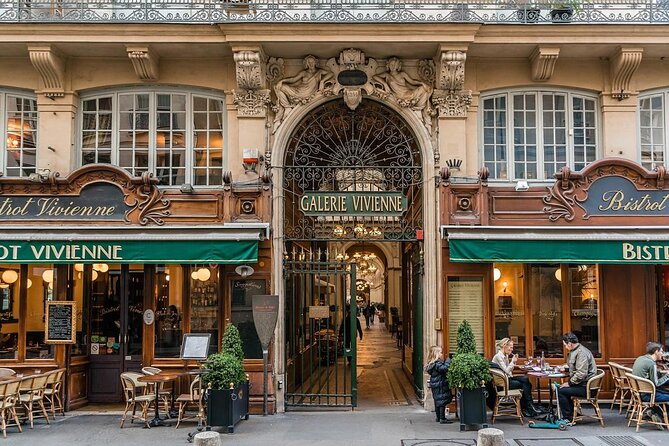
- Five covered passages, one connected route from Galerie Vivienne to Passage Verdeau
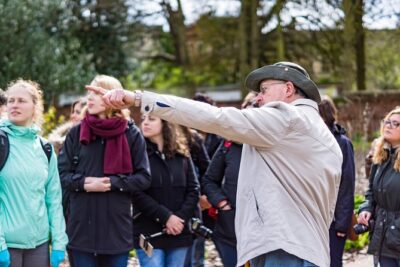
- Small group (max 15) means you get more back-and-forth with your guide
- Architecture + history storytelling that explains why these passages were built
- Photo-friendly stops, especially Passage Jouffroy’s glass and iron structure
- Optional 1-hour Seine cruise starting and ending at the Eiffel Tower
- Mobile ticket and English guide for an easier day in Paris
Paris Covered Passages: Why This Style of Tour Works
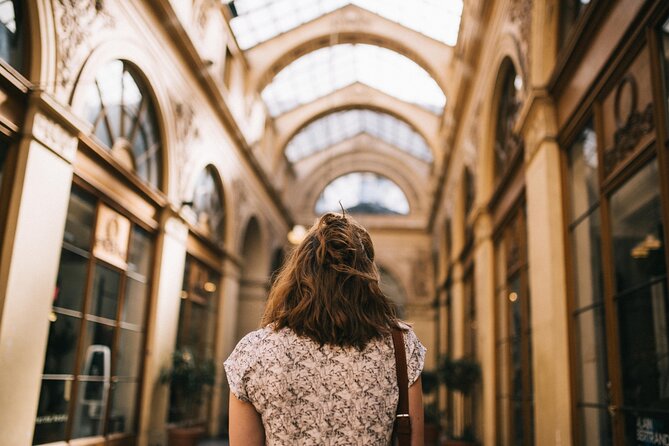
Paris isn’t only grand boulevards and museum lines. It also has these secret-feeling pedestrian corridors—covered shopping streets that connect neighborhoods while sheltering you from rain, wind, and snow. This tour is built around that idea. You walk from one famous arcade to the next, step inside, and learn how each passage’s design shaped daily life.
The value here is not just “seeing pretty interiors.” Your guide explains the why behind the look: how these places fit into Paris architecture, how they evolved, and how they became part of local culture. If you’ve ever wondered why a city with open streets would create long glass-roofed lanes for shoppers, this is exactly the kind of tour that gives you an answer you can actually use.
A practical plus: because the passages are covered, the day is more weather-tolerant than many walking tours. That said, you still move between entrances. In winter, that outside transit can feel sharp.
You can also read our reviews of more walking tours in Paris

Stop-by-Stop: From Galerie Vivienne to Passage Verdeau
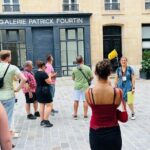
The route hits five passages in a logical flow, with about 18 minutes at each stop. That structure keeps the tour moving, but it also means you get quick “orientation” at each place rather than a long, slow wander.
Stop 1: Galerie Vivienne
You start at Galerie Vivienne, a neoclassical passage that’s been recognized as a national monument. What I like about starting here is that it sets the tone. This is the kind of space that feels formal and established, with a luxury-shopping vibe.
The guide angle is what makes it click: you’re not just looking at storefronts. You’re looking at how a neoclassical design language shows up inside a covered pedestrian passage.
Tip: Keep your eyes up. In these spaces, the ceiling and lighting do a lot of the work in how the whole place feels.
Stop 2: Passage Choiseul
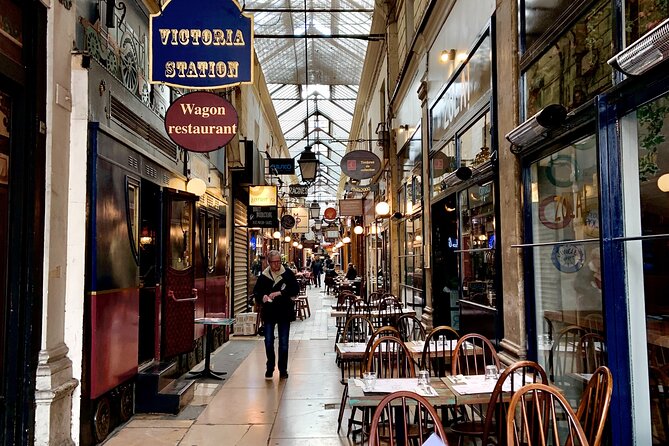
Next is Passage Choiseul, known for its long stretch of shops under a glass roof. The tour highlights just how extensive it is—over 600 feet—and that the shops are sunlit below the glass.
This is the stop where the passage starts to feel like a real “corridor of city life.” You’ll see how the architecture supports the shopping layout and creates that bright, enclosed feel without being dark like some older covered spaces.
Possible downside: If you’re hoping for lots of time to linger and browse, this is the kind of place where you’ll likely want more than the allotted stop length.
Stop 3: Passage des Panoramas
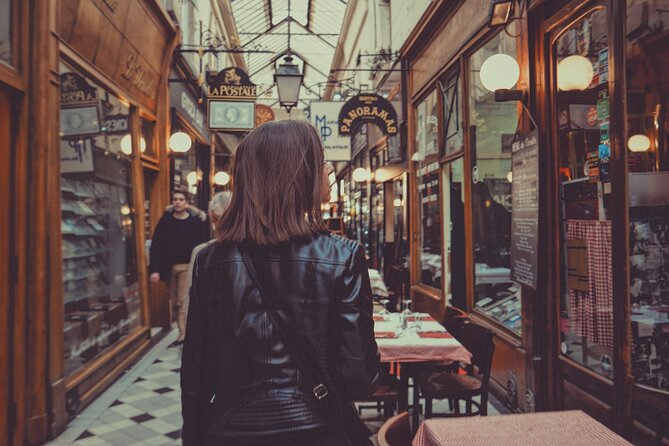
Then you step into Passage des Panoramas, dating back to 1799. The focus here is on elaborate architecture, plus the passage’s reputation for places to eat.
This stop helps you understand how covered passages weren’t only for shopping. They became social spaces too—places where people spent time, not just passed through. When the guide connects the age of the passage to the way it’s used today, it makes the whole arcade feel more grounded and less like a decorative detour.
Good to know: If you like architecture that feels a little more ornate, this is usually where you’ll clock the details.
You can also read our reviews of more boat tours in Paris

Stop 4: Passage Jouffroy
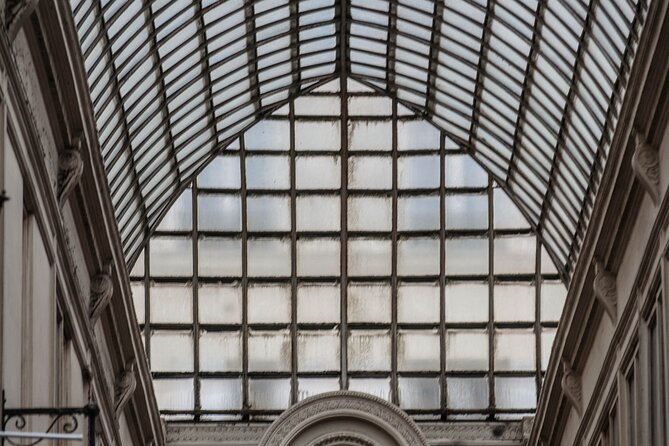
Passage Jouffroy is next, and it’s a favorite if you love photos. The design is simpler—mostly a glass and iron framework—but that’s the point. It gives you clean lines and a strong “structure view” for pictures.
One thing I appreciate about a stop like this is contrast. After the earlier passages with more decorative presence, Jouffroy lets you focus on engineering-like geometry. It’s the kind of scene that looks good even when you’re only using your phone camera.
Photo tip: Look for framing. Stand in a spot that shows the iron structure leading your eye along the passage.
Stop 5: Passage Verdeau
You finish in Grands Boulevard at the picturesque Passage Verdeau. Ending here matters because it gives you a natural wrap-up at a different kind of street energy than where you started.
After moving through four distinct designs, the final passage is your “last look” moment—your chance to absorb the overall theme of the day: how these passageways connect Paris while staying visually sheltered.
The 1.5-Hour Timing: Short, Focused, and Actually Manageable
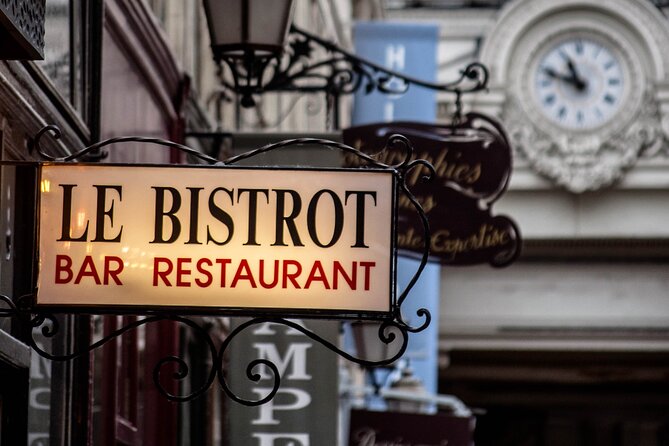
This tour clocks in at about 1 hour 30 minutes. That timing is part of its charm. You get five stops without turning it into a half-day project. The guide also keeps the story moving, so the passages feel connected rather than separate little rooms.
Still, the short duration is why you’ll want to plan your expectations. This is not a “browse-every-shop” tour. You’re there to learn the architecture and understand why each passage exists. If you fall in love with a specific stop (and you might), you’ll probably want to return later on your own with extra time.
Also, check what season you’re traveling in. One review described going on a freezing day, and that matches the reality: even with covered interiors, you’ll still step outside between entrances.
Your Optional Seine Cruise Add-On: Eiffel Tower to Notre-Dame by Water
If you add the upgrade, you’ll get a narrated 1-hour Seine river cruise that begins and ends at the Eiffel Tower. This is the easiest way to change perspective without building an entirely new outing.
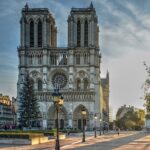
On the cruise, you pass major landmarks including Notre Dame, the Petit Palais, the Musée d’Orsay, and the Conciergerie, plus additional sites along the route. The big advantage is pacing: you can relax while the city flows by, and you often get a clearer visual sense of how these areas relate to each other.
One practical perk: your cruise ticket is valid for a one-hour cruise anytime within one year of your tour date. That flexibility helps if your walking tour day is booked at one time, but your best Seine-cruise time ends up being later.
Price and Value: What $43.54 Really Buys
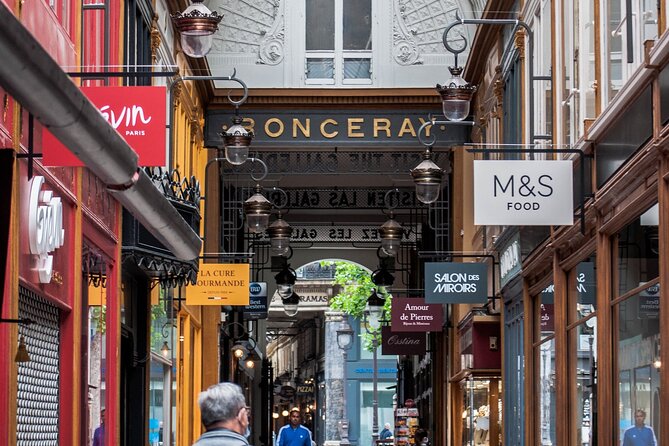
At about $43.54 per person, you’re paying for a local guide, a tight itinerary across five major passages, and a setup that keeps you moving efficiently. The stops also have free admission for the passage visits, so you’re not paying repeatedly for entry fees once you arrive.
The small-group size (maximum 15 travelers) is where a chunk of the value lives. A smaller group makes it easier to ask questions and get more personal pacing from the guide. If you’re someone who likes context—why the passages were designed, how they fit into Paris architecture—that kind of guided interpretation is often worth more than another quick “look-only” experience.
The other value lever is the optional Seine cruise. If you want both “covered passages on foot” and “Paris from the water,” this package structure can save you time and planning compared with booking everything separately.
Logistics That Matter on a Paris Passage Day
This tour uses a real starting point and a real finish point, and that helps reduce confusion. You begin at Place des Petits Pères (75002) and end at 6 Rue de la Grange-Batelière, 75009, at Passage Verdeau.
The tour includes a Paris shuttle for convenient transportation. That can help if your legs are already tired, or if you don’t want to piece together multiple subway hops on the spot.
You’ll also want to treat meeting time seriously. The tour depends on prompt starts because it runs a short loop through fixed stops. In one account, being late meant losing the chance to join, because there wasn’t a workable way to contact the guide once the tour began. So: arrive early enough that you’re not sprinting to catch the group.
Finally, the tour is in English, and confirmation comes at the time of booking. Service animals are allowed, and it’s described as suitable for most travelers.
Who This Tour Suits Best (and Who Might Prefer Something Else)
This is a strong pick if you:
- enjoy architecture details and want the story behind Paris design
- like smaller groups and a guide-led pace
- want something different from the usual Eiffel Tower and Louvre circuits
- travel in seasons when it’s annoying to do long, fully outdoors walking
It may not be the best fit if you:
- want a long, slow wander with lots of free time in each passage
- are easily bothered by cold weather and short outside transitions
- need lots of time to browse shops deeply at every stop
The cruise add-on is a great match if you’re aiming for a mixed day: walking for context, then sitting down while the city moves past you.
Should You Book This Paris Covered Passages Tour?
I think you should book it if your goal is to understand Paris beyond the big-ticket landmarks. Five covered passages in one connected route is a smart way to see a side of the city most people skip, and the guided explanation turns it from a “quick photo stop” into something that sticks.
Choose it confidently if you like structure: fixed stops, steady pacing, and a clear ending at Passage Verdeau. If you add the Seine cruise option, you’ll end up with two different ways to see Paris—one on foot, one from the water—without overplanning your schedule.
Just be honest with yourself about time. This isn’t an all-day browsing adventure. It’s a focused hit. If that’s what you want, it’s a very good deal for what you get.
FAQ
How long is the Paris covered passages walking tour?
It runs for about 1 hour 30 minutes.
Where does the tour start and end?
It starts at Place des Petits Pères (75002 Paris) and ends at 6 Rue de la Grange Batelière (Passage Verdeau), 75009 Paris.
What passages are included?
You visit five passages: Galerie Vivienne, Passage Choiseul, Passage des Panoramas, Passage Jouffroy, and Passage Verdeau.
Is the tour only for the covered passages, or can I add the Seine cruise?
You can add a narrated Seine river cruise as an optional upgrade.
What does the Seine cruise include, and where does it go?
The cruise is one hour, begins and ends at the Eiffel Tower, and passes landmarks including Notre Dame, the Petit Palais, the Musée d’Orsay, and the Conciergerie.
How flexible is the Seine cruise ticket?
Your cruise ticket is valid for a one-hour cruise anytime within one year of the tour date.
Is the tour in English?
Yes, the tour is offered in English.
Is lunch included?
No, lunch is not included.
What’s the group size limit?
The maximum group size is 15 travelers.