REVIEW · TOKYO
Yanaka District: Historical Walking Tour in Tokyo’s Old Town
Book on GetYourGuide →Operated by MagicalTrip · Bookable on GetYourGuide
Tokyo turns quiet in Yanaka. This small-group walk threads together Nezu Shrine, backstreet paths, and old-town shopping with time for snacks and a hands-on break.
I especially love the Nezu Shrine stop, with classic red torii gates and straightforward explanations of Shinto viewpoints. I also love the Maneki-neko moment—painting your own lucky cat in a cozy cafe before heading into Yanaka Ginza for food tastings.
One drawback to plan for: this is a walking tour that needs comfortable shoes, and it’s not suitable for mobility impairments. You’ll also want to bring cash, since many older shops don’t take cards.
In This Review
- Key highlights worth circling
- Why Yanaka feels like Tokyo from another decade
- Meeting at Nezu Station Exit 1 and how the tour flows
- Nezu Shrine: red torii gates and real Shinto context
- Hebimichi street lanes and the locals-only market vibe
- The cafe break where you paint your own lucky cat
- Yanaka Ginza: food tastings on an old shopping street
- Small-group tour style: why it feels personal without being pushy
- Price and value: what $79 buys you in a real afternoon
- What to bring (and what to skip)
- Who this tour suits best
- Should you book the Yanaka District walking tour?
- FAQ
- How long is the Yanaka District historical walking tour?
- Where do I meet the guide?
- Is the tour small group size?
- Is the guide available in English?
- What’s included in the price?
- Do I need cash for this tour?
- Can I cancel for a full refund?
- Is this tour suitable for wheelchair users or strollers?
- Are there any food or allergy limitations?
- What should I wear and bring?
Key highlights worth circling
- Nezu Shrine first: Start at Tokyo’s oldest shrine area and get the torii-gate photos early.
- Hebimichi and local market lanes: Walk through everyday streets and a locals-only market with roots going back to the 1940s.
- Lucky-cat painting break: A guided craft session that resets your energy mid-walk.
- Yanaka Ginza tastings: Old-school shopping street bites that are easy to treat like a strolling food tour.
- Small groups under 7: More questions, more photo help, and less waiting around.
- English-speaking guides: Multiple guides (Ramesh, Mark, Masae, Kenji, Hina, Yoko, and others) are praised for clear explanations and friendly pacing.
Why Yanaka feels like Tokyo from another decade
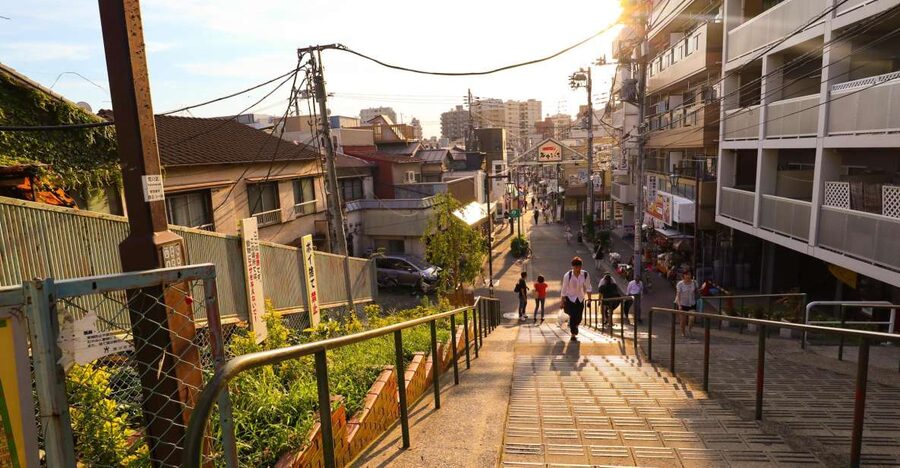
Yanaka is the kind of Tokyo that doesn’t rush. It’s compact, walkable, and stubbornly old-fashioned—so you can sense daily life without the pressure of catching the newest trend or chasing the biggest skyline.
What makes this tour work is the mix of places. You start at a major shrine, then move through residential lanes, then land in a traditional shopping-and-snack stretch. The lucky cat craft sits right in the middle, so your afternoon doesn’t become one long grind of walking.
This is a great choice when you want Tokyo that still looks like it survived time. It endured heavy history and repeated disasters, and that resilience shows in what you see on the ground: narrow streets, older shop fronts, and the feeling that locals still run the neighborhood.
You can also read our reviews of more walking tours in Tokyo



Meeting at Nezu Station Exit 1 and how the tour flows
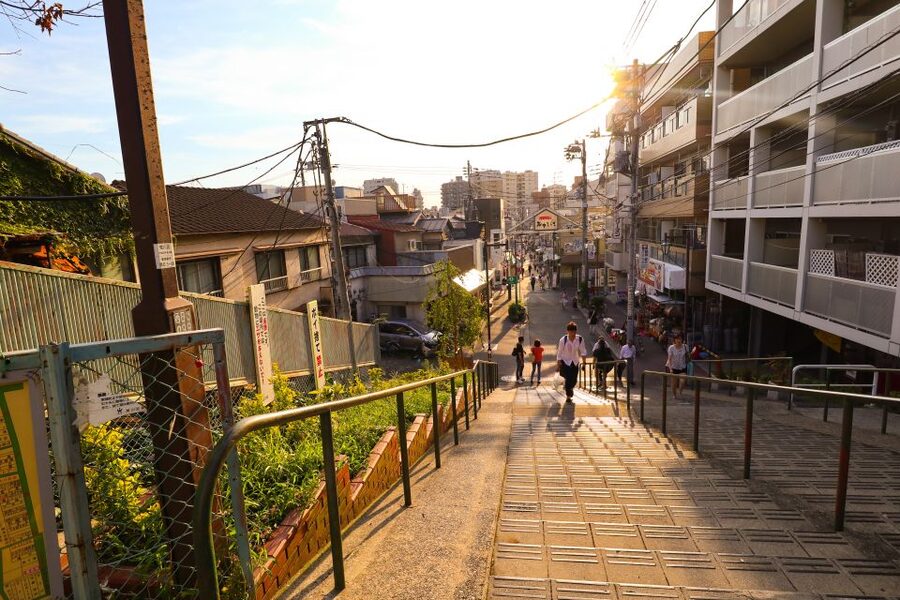
The meeting point is outside Tokyo Metro Nezu Station, Exit 1. Go up the stairs to street level, and look for your guide holding a red/orange sign that says MagicalTrip.
From there, you’re on foot for about 3.5 hours. The pacing is built around short visits and a longer wander, with breaks for a cafe drink/sweet and for food sampling later.
Because it’s a small group (limited to 7 participants), you’ll actually have time to ask questions. In guides like Ramesh and Mark’s footsteps—mentioned in guest feedback—this usually means you get more than dates and names. You get explanations tied to what you’re seeing right now.
Practical note: you should arrive on time. If you’re late, you won’t be able to join the group, get a refund, or reschedule.
Nezu Shrine: red torii gates and real Shinto context
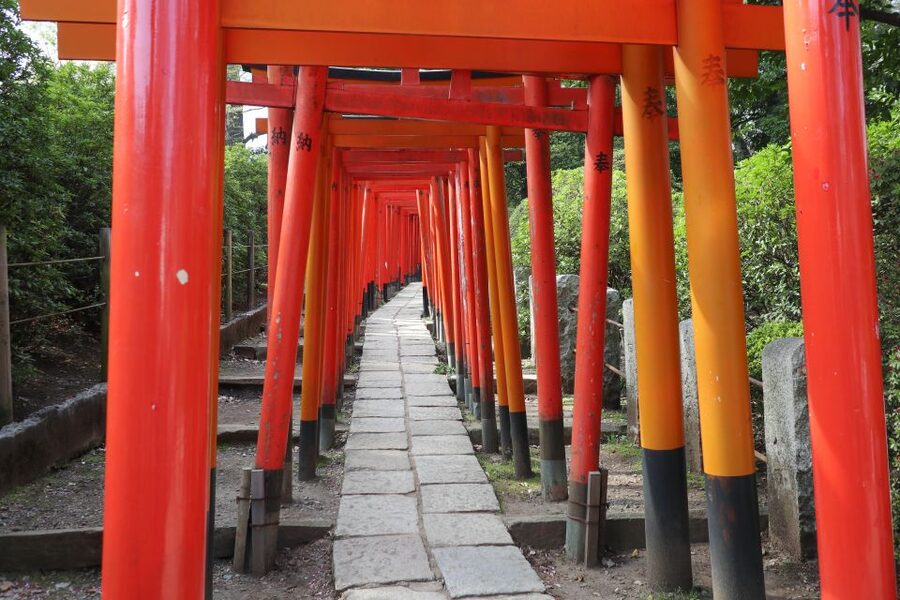
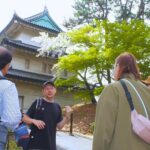
You’ll start at Nezu Shrine, visited for about 20 minutes. The highlight here is the photo-friendly torii-gate approach, plus the chance to understand the shrine through a simple, human lens.
The tour frames Nezu as the oldest shrine in Tokyo and uses that credibility to talk about Shinto views of religion. You’re not asked to memorize theology. Instead, you learn how people think about spirits, ritual, and respectful behavior—things that help you notice details while you’re walking.
If you like architecture and sacred spaces, this stop is worth it on its own. If you’re more casual about shrines, the explanation still helps you feel less like you’re looking at scenery and more like you’re part of a living tradition—quietly, respectfully, and without any pressure to know the rules.
Hebimichi street lanes and the locals-only market vibe
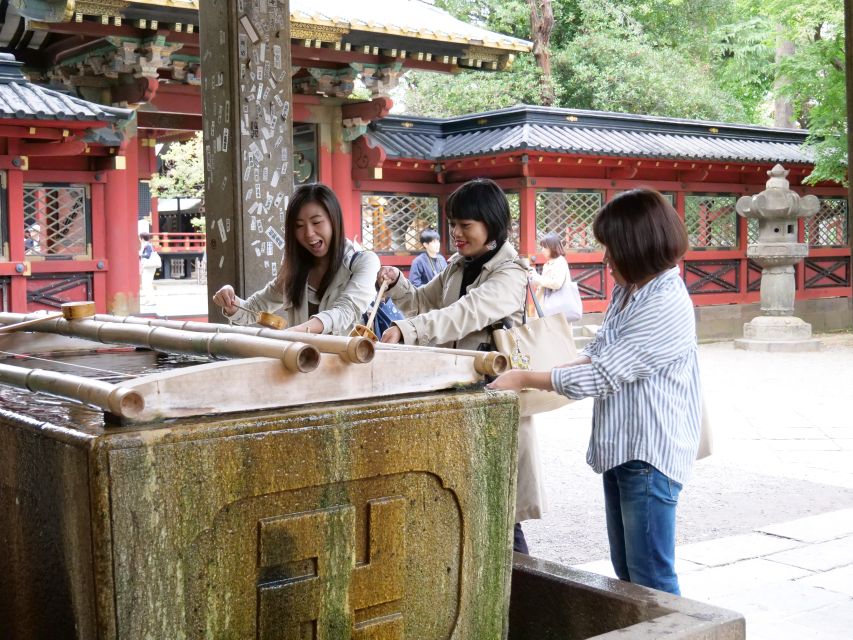
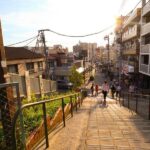
After Nezu, the route heads into the Hebimichi area for roughly 45 minutes. This is where the tour starts to feel like an old neighborhood, not a planned sightseeing checklist.
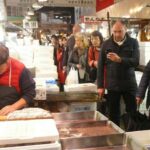
A big reason people book this walk is the market atmosphere. You’ll pass through a locals-only market described as having roots back to the 1940s, and you’ll see everyday foot traffic and daily routines, not just curated souvenir stalls.
You’ll also have chances to snack and pause at backstreet corners. The goal isn’t to force a huge tasting menu every minute. It’s more about walking through the rhythm of the area while you sample what’s offered along the way.
One smart tip: wear shoes you can trust for uneven pavement and long stretches. The neighborhood is historic, so surfaces and angles aren’t designed for comfort-first tourism.
The cafe break where you paint your own lucky cat
Halfway through the afternoon, you get a longer break at a local cafe (about 75 minutes). Included in the price are one drink and a sweet treat, plus the lucky-cat craft experience.
This is where you slow down. You’ll paint a Maneki-neko style lucky cat statue, guided by staff at the cafe. It’s fun even if you’re not artistic, and it gives your body a rest after the walking.
I like that this activity isn’t a quick photo stop. It’s long enough to feel like a mini workshop with a calming pace. One guest even described it as relaxing after several days of Tokyo walking, and that matches the feel of a mid-tour creative break.
Also pay attention during the craft. Guides like Hina and Yoko (both mentioned in feedback) are praised for guiding the story behind the culture you’re seeing—so the cat isn’t just a souvenir. It becomes a small window into how symbolism and everyday objects connect in Japan.
You can also read our reviews of more historical tours in Tokyo


Yanaka Ginza: food tastings on an old shopping street
Later, you’ll walk to Yanaka Ginza for about 100 minutes total in the broader Yanaka District portion, with the shopping street part where tastings happen.
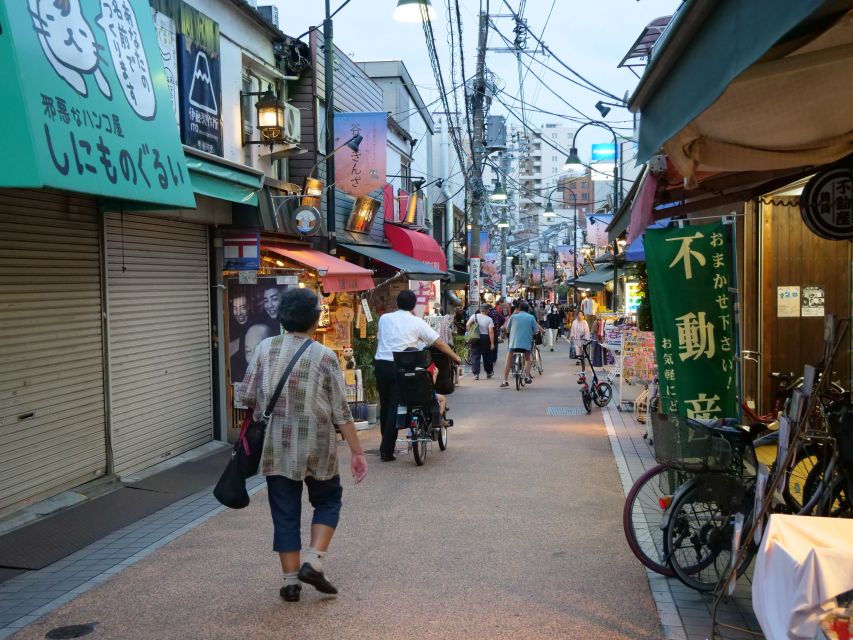
Yanaka Ginza is the kind of shopping street that makes you stop without noticing you’re stopping. It’s full of small shops and snack counters, with the vibe of Old Tokyo more than a theme park version of it.
This is where you’ll do local snack and sweet food sampling included in the tour price. You’ll have items to try that are more like everyday deli snacks than the usual “one bite for photos” approach.
If you like browsing for gifts, this is a good time to look. Multiple guides are described as helping people find meaningful items, and one guest even suggested waiting to do souvenir shopping on this tour because the route includes good handmade options.
A small caution: the included tastings cover a set amount, but extra food and drinks are on you. The tour notes that you can purchase more with cash, so bring some spare yen so you’re not stuck choosing nothing.
Small-group tour style: why it feels personal without being pushy
The tour limits the group to fewer than 7 people, and you can feel that immediately in how it moves.
In feedback, guests praised guides like Kenji and Masae for being able to answer random culture and history questions. That matters because it changes the tour from a lecture into a conversation. You’re not just walking past things—you’re understanding them as you go.
It also helps with photos. Tour photos are included, and guests mentioned that guides took pictures for them. If you’re traveling with a partner and you don’t want to constantly ask strangers to shoot you, this is a practical perk.
One example of guide support: one review mentioned a guide lending an umbrella for shade when it was extremely hot. That’s the kind of “small care” that doesn’t cost you time, but makes the walk more comfortable.
Price and value: what $79 buys you in a real afternoon
At $79 per person for about 210 minutes, the value comes from what’s bundled. You’re not just paying for walking directions.
Inclusions add up in the places that cost money in Japan:
- An English local guide
- Tour photos
- 1 drink + sweet treat at the cafe
- Lucky cat painting craft experience
- Included local snacks and sweets tastings
For a tour that mixes shrine time, backstreet walking, food stops, and a hands-on craft, that package is hard to beat if you’d otherwise pay for a guided experience plus multiple tastings plus an activity.
The only real “extra” cost is optional. If you want more snacks, drinks, or souvenirs beyond the sampling portion, you’ll pay for those separately. Since cash is required in many older shops, bring enough for snacks, water, and any last-minute gifts you fall in love with.
What to bring (and what to skip)
Bring cash. The tour specifically says many old shops don’t accept credit cards, and you’ll likely want to grab a couple of items beyond what’s included.
Wear comfortable shoes and clothes. This is a walking tour through old neighborhood lanes, which means you should assume uneven pavement and plenty of stairs or curbs.
Weather matters in Japan. The tour notes extreme summer heat (up to 40°C) and cold winters (down to -5°C). Dress for the day you book, and plan for shade and hydration in warm months.
Also, if you have allergies or dietary restrictions, plan carefully. The tour states it can’t guarantee allergy-free options or cater to dietary restrictions because the food is prepared in kitchens not under the tour’s control. Substitutions might not always be possible, though the guide aims to compensate at different stops.
Who this tour suits best
This one fits best if you want Tokyo that feels lived-in. You’ll enjoy it if you like:
- Quiet side streets over major-city crowds
- Shrines with context, not just a quick glance
- A structured walk with time to snack
- A break that includes a hands-on craft
It’s also a good pick for solo travelers who want conversation without being in a big group. Small-group size helps you feel seen.
It’s not the right match if you use a wheelchair or stroller. The tour notes some stops aren’t accessible, so it’s best to choose another option if mobility is a concern.
Should you book the Yanaka District walking tour?
Book it if you want an afternoon that feels like Old Tokyo: Nezu Shrine, old lanes, a market-style walk, and Yanaka Ginza tastings—with a lucky-cat painting workshop to keep things fun and varied.
Pass or reconsider if you need step-free access. Also consider your comfort level with walking and weather extremes, since this is a sustained neighborhood stroll.
If you’re on a first trip to Tokyo and feel like Shinjuku and Shibuya are all you’ve planned so far, this tour gives you the contrast. It’s also well-priced for what you get: guided time, craft, and multiple tastings that would otherwise be a scavenger hunt on your own.
FAQ
How long is the Yanaka District historical walking tour?
The tour lasts 210 minutes, which is about 3.5 hours.
Where do I meet the guide?
Meet outside Tokyo Metro Nezu Station, Exit 1. Go up the stairs to ground level, and look for the guide holding a red/orange sign that says MagicalTrip.
Is the tour small group size?
Yes. The tour is a small group limited to 7 participants.
Is the guide available in English?
Yes. The tour includes an English-speaking live guide.
What’s included in the price?
The price includes the walking tour with a local guide, tour photos, 1 drink and sweet treat at a cafe, lucky cat craft experience (painting), and local snacks and sweets food sampling.
Do I need cash for this tour?
Yes. The tour recommends bringing cash because many older shops don’t accept credit cards.
Can I cancel for a full refund?
Yes. Free cancellation is available up to 24 hours in advance for a full refund.
Is this tour suitable for wheelchair users or strollers?
No. The tour is not suitable for people with mobility impairments, and it includes stops that are not accessible by wheelchair or stroller.
Are there any food or allergy limitations?
The tour says it cannot guarantee allergy-free or cater to dietary restrictions, and substitutions may not always be possible. The guide will make every effort to compensate at different stops.
What should I wear and bring?
Wear comfortable shoes and clothes. Bring cash, and dress for the weather, since summer heat and winter cold can be extreme in Japan.