REVIEW · NEW ORLEANS
New Orleans French Quarter, Voodoo and Culture Walking Tour
Book on Viator →Operated by Witches Brew Tours · Bookable on Viator
Voodoo stories come with history and street sense. This 2-hour French Quarter tour pairs licensed City of New Orleans guides with a tight route that keeps you near the landmarks, so you can focus on the meaning of what you’re seeing. I also like that it treats voodoo as a living religion with real context, not a spooky costume act.
One thing to keep in mind: it’s an information-forward walk in a small area. If you’re expecting lots of ritual theatrics or a slow, super-casual stroll, you may find the pace and talk-heavy stops a bit intense.
You’ll start at Witches Brew Gallery & Haunted Sanctuary and end at Jackson Square, sampling the architecture, the myths around Marie Laveau, and the cultural crossroads that helped shape jazz and resistance in New Orleans.
In This Review
- Key Things You’ll Notice on This Walk
- Why Voodoo Fits the French Quarter Story
- The Start Point That Helps You Feel Oriented Fast
- French Quarter Architecture and the Marie Laveau Thread
- Jackson Square to St. Louis Cathedral: Settlements, Fire, and Faith
- Voodoo Authentica Stop: What the Tour Wants You to Understand
- Louis Armstrong Park and Congo Square: Music, Gathering, Resistance
- Storyville District: The Neighborhood Next Door to the Legend
- How Scary Is This, Really?
- Price and Value: Why $27.99 Can Make Sense
- Weather, Comfort, and What to Bring
- Who This Tour Fits Best
- Should You Book This Tour?
- FAQ
- How long is the New Orleans French Quarter, Voodoo and Culture Walking Tour?
- How much walking is involved?
- Where do I meet for the tour?
- Is this tour too scary?
- Does the tour include cemetery visits?
- What’s included in the ticket price?
Key Things You’ll Notice on This Walk
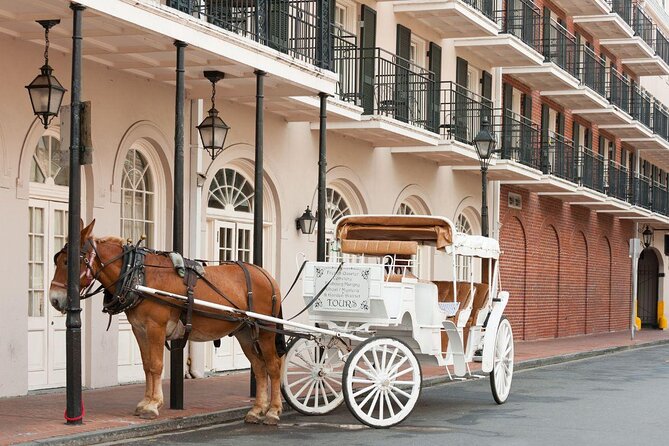
- French Quarter architecture up close: shotgun homes, Creole townhouses, and entresol houses show how the neighborhood actually worked
- Marie Laveau gets real context: you’ll hear why she matters and how voodoo traditions are still practiced
- A voodoo materials shop moment: you’ll peek at items like herbs, oils, and amulets and hear what they’re used for
- Congo Square at Louis Armstrong Park: Sunday gatherings where enslaved and free people met, socialized, played music, danced, and practiced rituals
- Storyville is part of the story: you’ll pass through the former Red Light District just outside the Quarter
- Leisurely pace, about 1 mile: comfortable shoes and water are the real “what to pack” move
Why Voodoo Fits the French Quarter Story
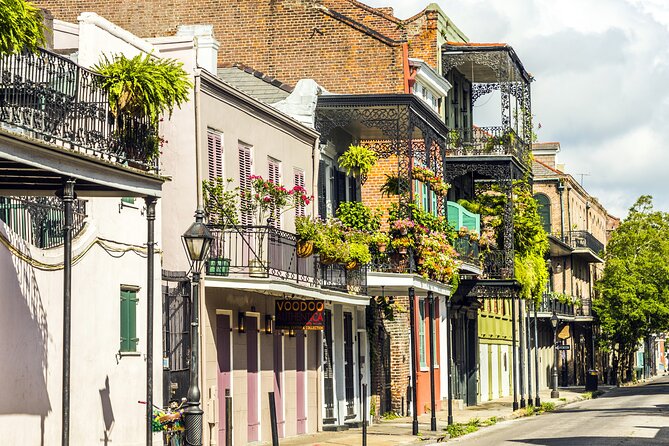
New Orleans doesn’t sort its legends neatly. In the French Quarter, religion, music, family life, and survival history all overlap on the same streets. That’s why this tour feels different from the usual haunted-style walks. You aren’t just collecting spooky facts. You’re getting the social and historical reasons people believed what they believed.
I like the tone here: you’re guided toward understanding voodoo as a tradition with roots in West African religions and with deep local meaning. You’ll also learn how it’s misunderstood, and why it still shows up in the city’s culture. That matters because voodoo in pop culture often flattens everything into a single scary stereotype.
You can also read our reviews of more walking tours in New Orleans

The Start Point That Helps You Feel Oriented Fast
You meet at Witches Brew Gallery & Haunted Sanctuary, 311 Exchange Place, right by the Pelican Club area. Starting in a central, recognizable spot is more than convenience. It cuts down on the time you’d otherwise spend wandering in heat and crowds before the tour even begins.
Check-in starts 30 minutes before departure, and the group leaves on time. Late arrivals aren’t accepted, so I’d plan to arrive early enough to use the bathroom, buy water if you need it, and settle in.
This is also a small-group tour, with a cap of 28 people. Smaller groups usually mean fewer people talking over each other and more chance to ask questions when something clicks for you.
French Quarter Architecture and the Marie Laveau Thread
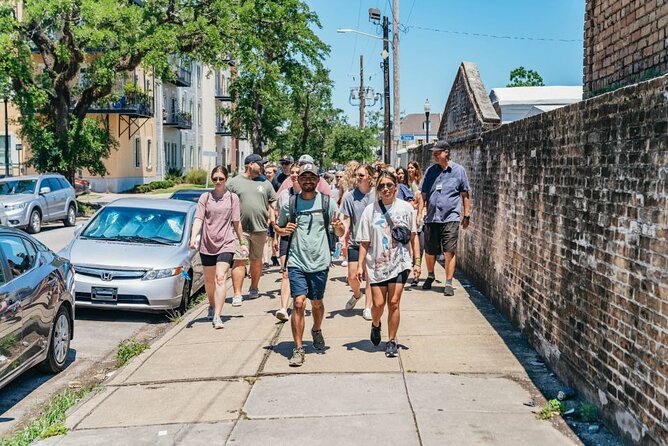
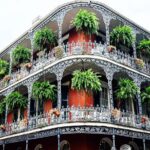
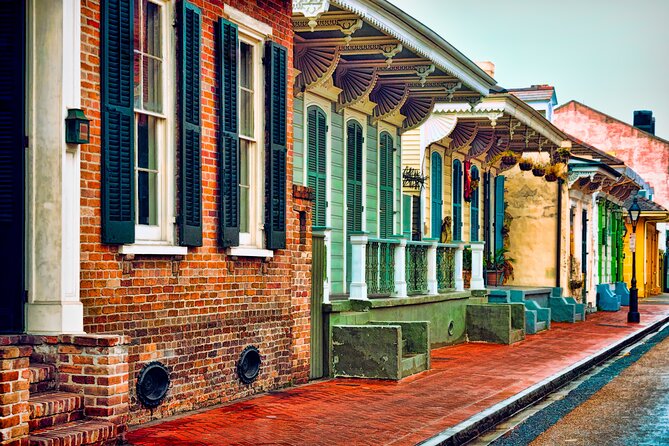
The walk begins in the French Quarter with a focus on how the neighborhood is built—and why that matters to the stories people remember. You pass French and Spanish–inspired buildings, and you’ll see the kinds of homes that shaped daily life: Creole townhouses, shotgun homes, and entresol houses.
Here’s what I think is smart about this approach. Architecture isn’t background wallpaper. It’s part of how communities gathered, lived, and survived—especially in a city where class, race, and cramped housing defined what was possible.
You also get the voodoo narrative strand woven through this section. You’ll hear about legendary practitioners such as Marie Laveau, and you’ll learn why she stays in the city’s imagination. Some of this is legend, but the guide’s framing helps you separate performance from belief, and belief from superstition.
A notable bonus is a peek into a small shop that specializes in voodoo ritual materials. You’ll see things described as herbs, oils, and amulets. Even if you don’t buy anything, the point is perspective: these items aren’t props. They’re part of a belief system with a practical side.
Jackson Square to St. Louis Cathedral: Settlements, Fire, and Faith
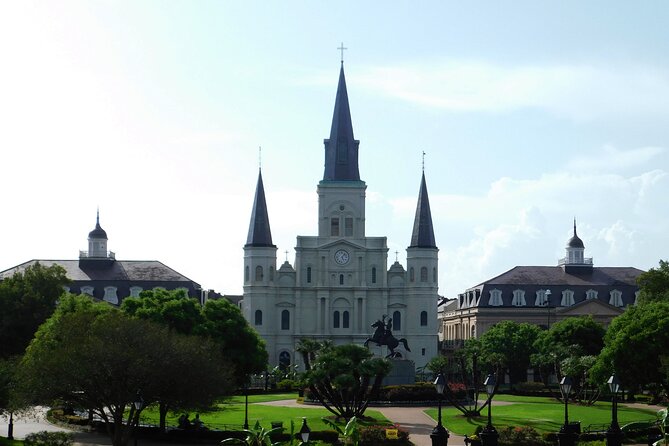
After the Quarter’s street-level storytelling, you move to Jackson Square. This stop gives you the bigger-city anchors: the area’s first settlements, early apartment buildings that came up in the U.S., and the presence of St. Louis Cathedral.
St. Louis Cathedral is a strong stop because it connects three themes that repeat throughout New Orleans: faith, architecture, and disaster history. You’ll learn about the major fire that burned down most of the city. Even if you’ve read something about fires and rebuilding, hearing it spoken in the exact place it affected helps it land.
Time-wise, this section is short, so don’t expect long museum-style explanations. The payoff is that you get a quick orientation to the city’s timeline, then move on before the group drifts into pure sightseeing.
Voodoo Authentica Stop: What the Tour Wants You to Understand
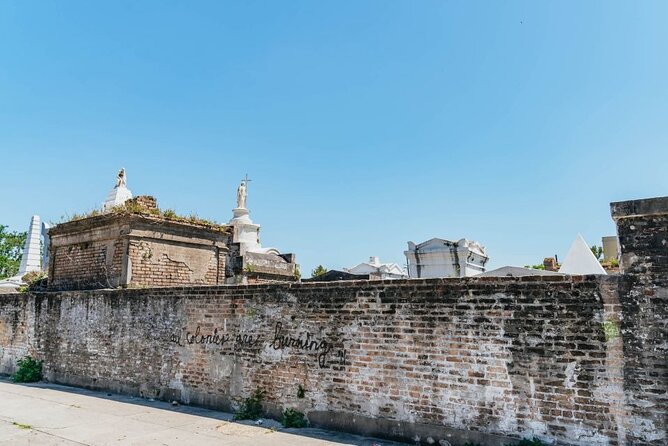
One of the tour’s most practical moments is the visit to Voodoo Authentica. This is where the story stops being only about legends and becomes about tradition. You’ll learn about New Orleans voodoo—its history, its traditions, and the guide’s explanation of Marie Laveau as a key figure.
If you’ve ever wondered why voodoo shows up in shop signs and street conversations instead of being locked away in history books, this stop helps answer that. The tour keeps coming back to the idea that voodoo isn’t just an old story people tell. In New Orleans, it’s also something people still engage with.
You’ll want to be mentally ready for a topic that can feel personal and sensitive. The best way to approach it is with respect. Ask questions like you’re learning from a neighbor, not like you’re testing a myth.



Louis Armstrong Park and Congo Square: Music, Gathering, Resistance
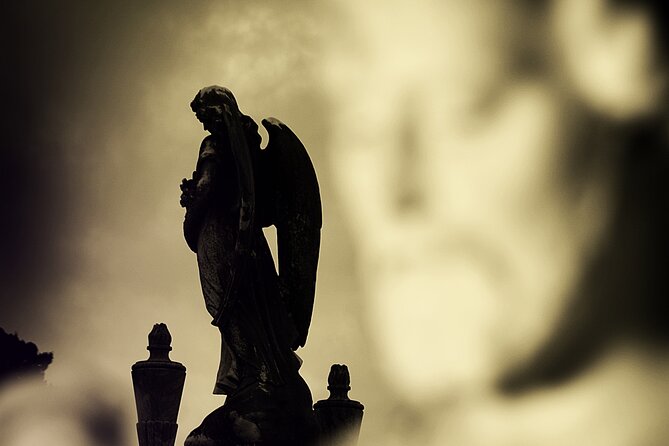
This is the cultural heart of the tour. You walk through Louis Armstrong Park and reach Congo Square, tied to gatherings that happened in the 1800s.
The key detail is that Congo Square wasn’t only entertainment. It was a meeting point. Enslaved people and free people came together on Sundays to socialize, trade, play music, dance, and practice voodoo rituals. That mix of community life and spiritual practice is part of why New Orleans became what it is.
I find this stop especially valuable because it links voodoo to culture in a way that feels grounded. The tour also points toward the development of jazz, which is huge for your understanding of how music history works in New Orleans. Jazz didn’t appear out of nowhere. It came from social spaces like these, where rhythm, language, dance, and belief collided.
Also, this is a walking tour. Expect a leisurely pace, but you still cover around 1 mile (about 1.6 km) total across the full experience. Wear shoes you’d trust for uneven sidewalks and curb cuts.
Storyville District: The Neighborhood Next Door to the Legend
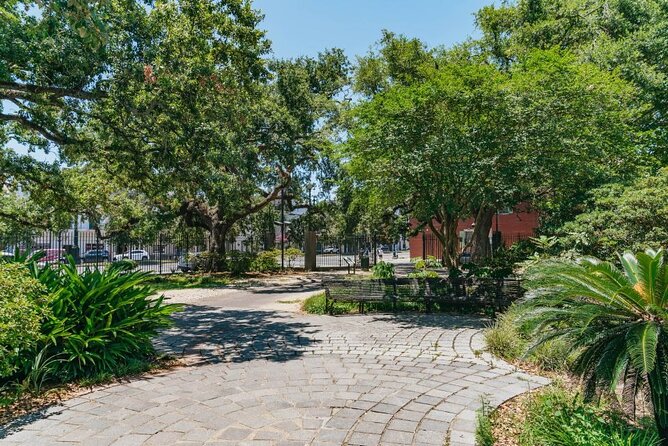
The last section takes you toward the Storyville District, the former Red Light District just outside the French Quarter. This is a short stop, but it adds an important layer: New Orleans culture includes nightlife, commerce, and the complicated social systems that grew around them.
You won’t get a long lecture here. Instead, the guide gives you enough context to understand why this district matters to the Quarter’s overall story. It also helps you read New Orleans with less moral panic and more real-world context.
If you like walking tours that connect culture to geography, you’ll probably enjoy this ending. It feels like stepping out of legend and back into how a city actually organizes itself.
How Scary Is This, Really?
The tour is designed for people who want an exciting experience without going full horror movie. That’s stated clearly in the highlights: it’s meant to be fun and spooky-adjacent, but not too scary.
Tone is a big deal with voodoo topics. You’ll hear about religion, mysticism, and belief, and you’ll also hear how the religion has been misrepresented. A good guide here doesn’t treat the subject as a carnival trick. The aim is understanding, respect, and context.
One more practical note: some guides are very fast-paced story tellers. If you like to process slowly, bring a question you can ask when you pause, and don’t be afraid to request clarity in the moment.
Price and Value: Why $27.99 Can Make Sense
At $27.99 per person for about 2 hours, this tour is priced like a solid, guided walking experience. You’re paying for more than movement. You’re paying for interpretation: why the Quarter looks the way it does, what voodoo means in local culture, and how Marie Laveau stays tied to the city’s identity.
A few value anchors make the math easier:
- You get a licensed City of New Orleans guide (the tour notes all guides are city-licensed).
- The group size is capped at 28.
- The tour covers multiple high-meaning stops in a compact radius: French Quarter streets, Jackson Square and St. Louis Cathedral, a specialty voodoo shop visit, Congo Square, and Storyville.
- You get mobile tickets and a straightforward experience structure, with the walk kept to about 1 mile.
What’s not included is also clear: no food or drinks. So if you want a full afternoon plan, pair this with a meal afterward. The route ends in the heart of the French Quarter, which makes it easy to continue on foot.
If you’re deciding between random street wandering and a guided walk, this is one of the better bets for structure and context.
Weather, Comfort, and What to Bring
The tour operates in all weather conditions, but it does require good weather. If conditions get extreme in the French Quarter—flooding, tropical storms, hurricanes, fires, or cloud-to-ground lightning—the tour can be canceled. Rain alone isn’t the usual deal-breaker.
For what you can control, focus on sweat and footing:
- Bring bottled water, especially in summer heat.
- Wear comfortable walking shoes. Even with a leisurely pace, you’re on uneven sidewalks.
- Dress appropriately for the day since you’ll spend time outdoors.
The tour duration is about 2 hours, so you don’t need “all-day” gear. But you do need the basics so you don’t spend the whole time thinking about your feet and thirst.
Who This Tour Fits Best
This is a good fit if you want:
- A culture and history guided walk that includes voodoo as part of the city’s real story
- A route with major landmarks plus “in-between” neighborhood details
- A not-too-scary approach that still feels meaningful
It’s also a strong choice for first-timers who want to understand why the French Quarter feels the way it does. You get quick orientation without needing a full museum day.
If you’re bringing teens, the guide-led, question-friendly nature tends to work better than a passive lecture. The same is true for solo travelers who want the comfort of walking with a group while still learning.
Should You Book This Tour?
Yes, if you want voodoo explained with context, not treated as a gimmick. I’d book it when you care about understanding the cultural threads that connect architecture, faith, and music history in New Orleans.
Maybe skip or switch tours if you want heavy ritual theatrics, lots of spooky set pieces, or a very slow-paced experience. This walk is more about interpretation and place-based storytelling than big scares.
If you’re short on time in the French Quarter, this is also a practical choice. In about 2 hours, you hit the streets, the squares, the cathedral area, Congo Square, and Storyville, all without long transit breaks.
FAQ
How long is the New Orleans French Quarter, Voodoo and Culture Walking Tour?
It runs for about 2 hours.
How much walking is involved?
The tour covers around 1 mile (about 1.6 kilometers) at a leisurely pace.
Where do I meet for the tour?
You meet at Witches Brew Gallery & Haunted Sanctuary, 311 Exchange Pl, New Orleans, LA 70130. The tour ends at Jackson Square in the French Quarter.
Is this tour too scary?
It’s described as exciting but not-too-scary, with a focus on history and culture rather than jump-scare style fright.
Does the tour include cemetery visits?
No. The tour does not enter any cemeteries.
What’s included in the ticket price?
Your ticket includes a guided walking tour with a licensed, 5-star guide. Food and drinks are not included.
If you want, tell me when you’re visiting (month and day) and what kind of vibe you want (more history vs more legend), and I’ll suggest the best start time and how to pair it with a good meal afterward.