REVIEW · BUKHARA
Bukhara: Walking Tour with a Small Group
Book on GetYourGuide →Operated by UzLocalGuide - Travel Guide in Uzbekistan · Bookable on GetYourGuide
Bukhara rewards slow looking. This small-group walking tour takes you through the city’s UNESCO sights and the everyday lanes in between, with a guide who turns architecture into stories. You’ll start at Nodir Devonbegi Madrasa and work your way toward the iconic Poi-Kalyan area, then continue through trading domes and madrasahs. Expect stops like Lyabi-Hauz and the Kalyan Minaret, plus explanations that help you notice details you’d otherwise miss.
I love the guarantee of a professional English guide (not a trainee), and the pace stays human even when the itinerary is packed with landmark buildings. I also love that the route isn’t just monuments on paper: it includes the Trading Domes where you can understand Bukhara’s role as a crossroads for money, silk, and crafts.
One consideration: this is not a sit-and-watch tour. It’s a walking route through older streets and mosque interiors, and it isn’t suitable for wheelchair users. Also, entry fees and meals aren’t included, so you’ll want a little extra cash ready for personal expenses.
In This Review
- Key highlights worth planning around
- Why this Bukhara walking tour is a smart way to start
- Price and time: what you’re really paying for
- Meeting point and pacing in the old city
- The Poi-Kalyan Ensemble: your orientation to Bukhara’s power
- Lyabi-Hauz and the market squares: where city life shows up
- Caravanserai and the oldest layers: Bukhara before the crowds
- Madrassahs and domes that teach you to read decoration
- Kalyan to Ark to the mausoleums: how the tour finishes with meaning
- Craft workshops: cultural insight without forced shopping
- Who this tour fits best (and who should look elsewhere)
- Should you book this Bukhara walking tour?
- FAQ
- How long is the Bukhara walking tour?
- How much does it cost?
- What’s included, and what isn’t?
- Are the guides professional and is the tour in English?
- How big is the group?
- Where do I meet the guide?
- Do I need to pay for workshop visits or masterclasses?
- Is this tour wheelchair accessible, and what should I wear?
Key highlights worth planning around
- Professional, English-speaking guides instead of trainees or language-course learners
- Poi-Kalyan Ensemble as your anchor, with Kalyan Minaret and Kalyan Mosque
- Trading domes in the old bazaars (money changers, hats, jewelry, and silk routes)
- Old-town squares and mosques like Lyabi-Hauz and Magoki-Attori (Carpet Museum)
- Optional craft moments in local workshops, without forced shopping
- A realistic 4 to 4.5 hour loop that covers major sights without dragging on
Why this Bukhara walking tour is a smart way to start
Bukhara is one of those places where a guide changes everything. The city is built like a puzzle box: madrasahs, minarets, domes, and caravanserais all connect to trade routes and religious life. With a knowledgeable guide, you start seeing patterns fast—how entrances face squares, how domes signal commerce, and how madrassahs advertise prestige through decoration.
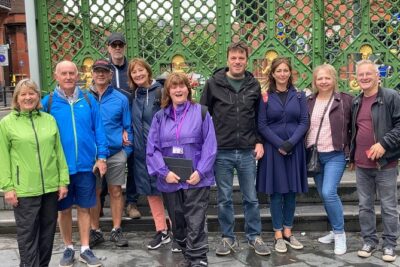
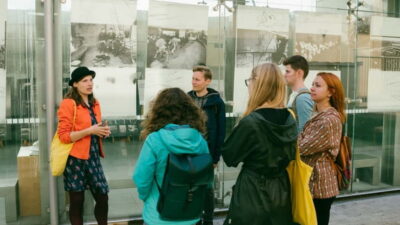
This is also a practical size of tour. Late autumn and winter runs smaller (2 to 8 people), while spring to autumn can be up to 10. Either way, it’s small enough for questions and for the guide to adjust pacing. In past departures, guides like Guli, Sunny, Mary, Mari, and Khurshida have been praised for clear English and for making the day feel interactive, not like a lecture you endure.
If your goal is to get oriented and learn the city’s “why,” this tour hits that target.
Price and time: what you’re really paying for
At $26 per person for 4 to 4.5 hours, the value comes from density plus interpretation. You’re not just ticking off a few famous photos. You’re getting a guided walk through many of Bukhara’s best-known historic clusters in one afternoon.
Two quick money notes so you aren’t surprised:
- Entry fees aren’t included. So you’ll still pay some monument/museum tickets depending on what’s open that day.
- Meals and drinks aren’t included, though the day includes time that can work for a break. Several guides are known for stopping at a local tea house moment in the middle of the tour, which makes a big difference when you’re walking for hours.
So yes, $26 is low for the number of stops. But the real value is how the guide explains what each building was for—religious education, trade, or royal power—and how it connected to daily life.
Meeting point and pacing in the old city
You meet in front of the Nodir Devonbegi Madrasa entrance gate. Some bookings may use a closely related start name (Nadir Divan Begi Madrasa), but the idea is the same: you’ll start right in the historic core. You’ll get exact meeting point details by WhatsApp, and you’re asked to arrive about 5 minutes early.
Communication matters here. You provide a WhatsApp number during booking, then receive details through WhatsApp. If you want a smooth start, do that step right away and keep your phone charged.
Pacing-wise, the tour is designed as a steady walking route with frequent stops for explanations. People mention the experience feels well planned and not rushed, including time to rest. Still, think of it as a walking tour, not a vehicle tour. Comfortable shoes are not a suggestion—they’re the difference between enjoying the details and just surviving the streets.
The Poi-Kalyan Ensemble: your orientation to Bukhara’s power
Most days in Bukhara revolve around Poi-Kalyan, and this tour treats it like the day’s “spine.” You’ll reach the Kalyan Minaret and Kalyan Mosque, which together explain how a city shows religious authority in stone.
Here’s what to look for as you approach:
- Kalyan Minaret (12th century): it’s the landmark you’ll recognize from postcards, but the guide will help you connect it to the city’s status as a major Islamic center.
- Kalyan Mosque: the scale is the point. It was built for mass Friday prayer, and that capacity tells you how the city organized communal life.
- Mir-i-Arab Madrasa (active Islamic school): it sits opposite the mosque, so you can see the close relationship between worship and religious education.
This is also a good moment to slow down. If you’ve been staring at domes all day, the guide’s stories around why these buildings look the way they do will reset your attention. You start to read the city instead of just walking through it.
Lyabi-Hauz and the market squares: where city life shows up
Before you reach Poi-Kalyan, you begin in and around places that feel like the heart of old Bukhara. The first major stop is Lyabi-Hauz Ensemble, the lively square anchored by a historic pool and surrounded by religious buildings.
At Lyabi-Hauz, you’ll learn how this kind of public space functioned:
- It wasn’t just pretty. It was social gravity—where people gathered, discussed news, and stayed close to educational and religious institutions.
- The surrounding madrasahs and khanaka buildings show how “community life” and “spiritual life” were planned side by side.
Then you shift into the city’s commercial architecture with the Trading Domes (covered bazaar spaces). This part is especially valuable because it connects religion and trade in a way that’s easy to understand.
Stops here include:
- Toki Sarrafon: once famous for money changers, so it’s a clue to Bukhara’s role in long-distance commerce.
- Toki Telpak Furushon: the largest covered bazaar, historically a hub for hat and skullcap sellers.
- Abdullakhan Tim: a domed bazaar tied to silk trading.
- Toki Zargaron: associated with jewelers and craftwork.
What I like about this market-domes sequence is that it trains your eye. After a couple of stops, you start noticing domes, entrances, and interior layouts as trade infrastructure—not just architectural style.
Caravanserai and the oldest layers: Bukhara before the crowds
You’ll also pass through a caravanserai stop: Sayfuddin Caravanserai, described as a compact example. Caravanserais are the travel and trade hubs of their time. Even at smaller scale, you can see how Bukhara managed arrivals, commerce, and overnight stays.
From there, the tour leans older again with Magoki-Attori Mosque. This one matters because it’s among Bukhara’s older mosques and it now houses the Carpet Museum. If you care about craft traditions and how they link to daily life, this stop helps you connect architecture to what people used in their homes and places of worship.
A practical tip: these older religious interiors can be visually intense. Dress modestly, keep your expectations flexible, and let the guide point out the details you’d likely miss on your own.
Madrassahs and domes that teach you to read decoration
Two of the best “learning” stops on this route are the madrassahs and the decorative domes:
- Ulugbek Madrassah: tied to the famous astronomer, which makes science and scholarship feel real rather than abstract.
- Abdulazizkhan Madrasah: known for colorful mosaics and carved details, so you can see how political power and religious education were expressed through art.
As you move through these, focus on the way patterns frame space. The guide helps you understand that decoration wasn’t only for beauty—it also signaled status, identity, and the importance of learning.
Another note: some monuments may be under restoration. The tour avoids panic. The guide will suggest alternative stops so you still get the “big picture” of the route without feeling like you missed half the day.
Kalyan to Ark to the mausoleums: how the tour finishes with meaning
Later in the day, the itinerary brings you back to big historic themes: rule, ritual, and remembrance.
You’ll pass by the Ark Fortress, Bukhara’s ancient citadel of rulers. Here’s the trade-off the tour makes for time: it’s shown mainly from the outside. The museum sections would add 1 to 1.5 hours, so they’re skipped to keep the tour within the 4 to 4.5 hour window.
Then you move to the lakeside-mosque vibe at Bolo-Hauz Mosque, famous for wooden pillars reflected in the pool. That reflection makes the architecture feel like it has a second life, depending on where you stand and the angle of light.
Finally, you reach the mausoleum cluster:
- Chashma-Ayyub Mausoleum, linked to the Job’s Spring legend.
- Ismail Samani Mausoleum, a standout 10th-century masterpiece and described as the oldest in Bukhara.
This ending is a good choice. It takes you from trade and teaching into remembrance and myth—so the city’s story lands with emotion, not just facts.
Craft workshops: cultural insight without forced shopping
This tour does not focus on shopping. It includes a few artisan workshop visits to show local life, and optional masterclasses can happen through locals.
From a planning perspective, this matters because Bukhara can be a tricky place for shopping-heavy tours. Here, the expectation is that you’re there to watch, learn how work gets made, and ask questions—not to get herded into purchases.
If you want souvenirs, you’ll still see places where buying is possible. But the structure is built around explanation first, not sales pressure. People also note that guides choose craft moments thoughtfully, with time to learn and a chance to take photos before moving on.
Who this tour fits best (and who should look elsewhere)
This is a great fit if you:
- want an English guide who can connect architecture to culture
- prefer a small group rather than a bus-and-rush style day
- are short on time but want a tour that covers the main UNESCO-level sights and the old bazaar logic
- enjoy story-driven city walks, with legend and practical explanations
It’s less ideal if you:
- need wheelchair access (the tour is not suitable)
- hate walking or tight timelines
- expect meals and entry fees to be fully handled for you
If you’re traveling with kids, it can still work because guides often handle questions and pace. Just plan for modesty inside mosques and bring a bit of patience for crowding at popular stops.
Should you book this Bukhara walking tour?
Yes, if you want a first or second-day orientation in Bukhara that doesn’t stop at photos. The combination of professional English guidance, a smart route through Poi-Kalyan, and market/domestic-adjacent stops gives you a richer understanding than a “see the main sites” checklist.
Book it especially if:
- you’re trying to understand why Bukhara looks the way it does
- you want market-domes context, not just religious buildings
- you’d rather spend your time learning than negotiating shopping stalls
Skip or consider another option if:
- you need wheelchair-friendly routes
- you’re hoping for meals included and a fully vehicle-free, stress-free day
- you want a pure shopping experience (this one is built around cultural insight first)
FAQ
How long is the Bukhara walking tour?
The tour lasts about 4 to 4.5 hours.
How much does it cost?
The price is $26 per person.
What’s included, and what isn’t?
Included: a professional English guide, the walking tour, and online support. Not included: entry fees, meals and drinks, and pickup/drop-off.
Are the guides professional and is the tour in English?
Yes. The tour includes professional, experienced guides and it runs in English.
How big is the group?
Group size varies by season: 2 to 8 in late autumn and winter, and 3 to 10 in spring through autumn.
Where do I meet the guide?
You meet in front of the Nodir Devonbegi Madrasa entrance gate. Exact details may vary depending on the option booked, and they are shared via WhatsApp.
Do I need to pay for workshop visits or masterclasses?
The tour includes artisan workshop visits to showcase local life. Optional masterclasses by locals are included with no payment expected.
Is this tour wheelchair accessible, and what should I wear?
No, it’s not suitable for wheelchair users. For mosque visits, wear modest clothing and be respectful of local customs.