REVIEW · SYDNEY
Sydney Walking Tour including The Rocks (small group)
Book on Viator →Operated by Sydney's Wonders Tours · Bookable on Viator
Sydney’s old streets hit fast. This small-group walk threads together key sights and the people behind them, from Hyde Park to The Rocks. I love the tight pacing for an easy overview, and I especially like how guides such as Lily keep the story clear and fun even when it is hot. One possible drawback: you’ll cover a lot of walking in a couple of hours, so comfy shoes and sun protection matter.
You start in central Hyde Park, then work your way through major landmarks and tighter historic lanes. The payoff comes at the end, when you reach Campbells Cove for that classic Circular Quay area view and an easy jump-off point for lunch, the harbour, or the weekend market.
In This Review
- Quick Hits: What Makes This Tour Worth Your Time
- Why This Sydney Walking Tour Works for First Timers
- Meeting at Hyde Park: The Calm Start Before The Rocks
- Hyde Park to St Mary’s Cathedral: From Park to Power
- Hyde Park Barracks and Queen’s Square: Convicts, Courts, and Why the City Learned Tough
- Sydney Eye Hospital (Rum Hospital): The Story Behind the Rum Deal
- Macquarie Street and Macquarie Place Park: A Walk Through Government and Early Public Space
- The Royal Botanic Garden Sydney: Green Space With an Aboriginal Connection
- Old Government Stables to the Sydney Conservatorium of Music
- The Edge of the Trees: A Powerful Cultural Moment
- Customs House to The Rocks: Trade, Ships, and the Starting Point of the Old City
- The Rocks Lanes Walkthrough: Suez Canal, Nurses Walk, and Argyle Street
- Campbells Cove Finish: Harbour Views and Your Next Easy Move
- Price and Pace: What You’re Paying For (and Why It’s Fair)
- Who Should Book This Tour (and Who Might Skip It)
- Should You Book This Sydney Walking Tour?
- FAQ
- How long is the Sydney Walking Tour including The Rocks (small group)?
- What is the tour price?
- What time does the tour start, and where does it meet?
- Where does the tour end?
- How big is the group?
- Is admission required for the stops?
- Is the tour difficult to walk?
- Is the tour near public transportation?
- What ticket format is used?
- Can I cancel for a full refund?
Quick Hits: What Makes This Tour Worth Your Time
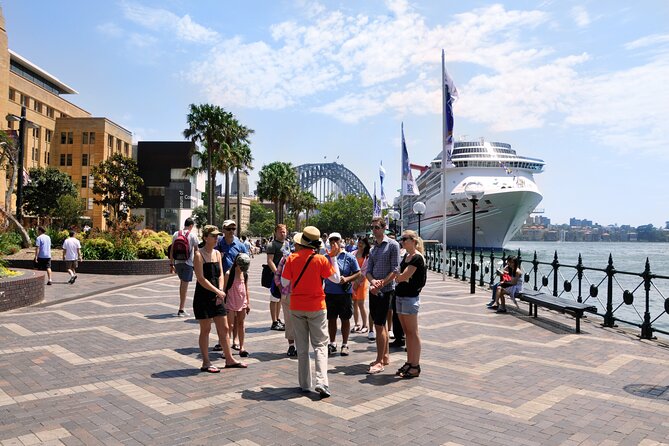
- Max 16 people means you actually hear the guide and can ask questions without shouting.
- Many stops are walk-by or free to enter, so you mostly pay for the storytelling and route.
- Convict and colonial highlights include Hyde Park Barracks and the Rum Hospital site.
- A mix of city and harbour keeps it from feeling like one long street.
- Shade-aware guiding shows up in the small details, like slowing down and choosing cooler spots.
Why This Sydney Walking Tour Works for First Timers
This is the kind of tour I recommend when you want a working map of Sydney, not just photos. You get the major landmarks you keep seeing on postcards, plus the in-between places where the city’s past gets explained in plain language.
The small-group size matters. With a limit of 16 travelers, the guide can control the pace, check that everyone is with the group, and still keep time moving toward The Rocks.
Also, the route is built to reduce decision-fatigue. You start with the big open spaces (Hyde Park), move through landmark streets and buildings, and finish near Circular Quay where you can keep exploring without getting stuck on logistics.
You can also read our reviews of more walking tours in Sydney


Meeting at Hyde Park: The Calm Start Before The Rocks
You meet at the Archibald Memorial Fountain in Hyde Park North (110 Elizabeth St). The start time is 10:30 am, which is a smart window: the streets are active, but you’re not starting so early that you feel like you’re dragging yourself around.
Hyde Park is a good “reset” area. It gives you green space right away, plus it frames the rest of the day—Sydney is a coastal city, but this part reminds you it also grew around authority, institutions, and public life.
Expect a gentle kickoff where the guide sets context. This is where you learn what to watch for as you walk—statues, building shapes, and why certain sites matter before you get to the tougher convict-era stories.
Hyde Park to St Mary’s Cathedral: From Park to Power
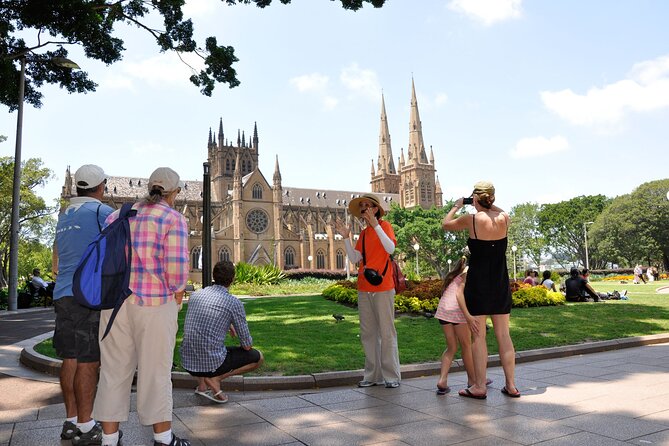
The tour moves from Hyde Park to St. Mary’s Cathedral, which you’ll see as a tall, Gothic-style landmark right in the city core. It is the kind of sight that helps you understand Sydney’s European-influenced architecture without needing a full museum visit.
Then you loop back into civic and institutional history. The stops are close enough that you get a connected storyline, and long enough that each one lands.
If you’re new to Sydney, this “first layer” helps. You start realizing that the city’s layout is part of the story: where people lived, worked, worshipped, and were processed.
Hyde Park Barracks and Queen’s Square: Convicts, Courts, and Why the City Learned Tough
Hyde Park Barracks is one of the big reasons to take this tour. It is a UNESCO World Heritage site, and the guide connects it to convict imprisonment and later use as an immigration depot.
That shift—convicts, then newcomers—turns one building into a timeline you can actually picture. You’ll also get a sense of why Sydney’s early systems were structured hard and fast, not slowly and gently.
Next up is Queen’s Square, surrounded by major legal buildings like the Supreme Court and the Law Courts Building. This is where the tour quietly teaches you how power functioned on the street level—what people did, where they stood, and what the city expected of them.
Sydney Eye Hospital (Rum Hospital): The Story Behind the Rum Deal
One stop you may not know until you’re standing in front of it is the Sydney Eye Hospital, tied to the Rum Hospital story. The tour explains that it was Australia’s first public hospital, and that the building happened through a deal involving rum.
That alone makes the stop memorable. The bigger value is how the guide frames it: early settlements had to make money and make do, and public health came out of compromises.
If you like history that feels practical—not just dates—this is a highlight. You can almost hear how decisions were made when resources were scarce.


Macquarie Street and Macquarie Place Park: A Walk Through Government and Early Public Space
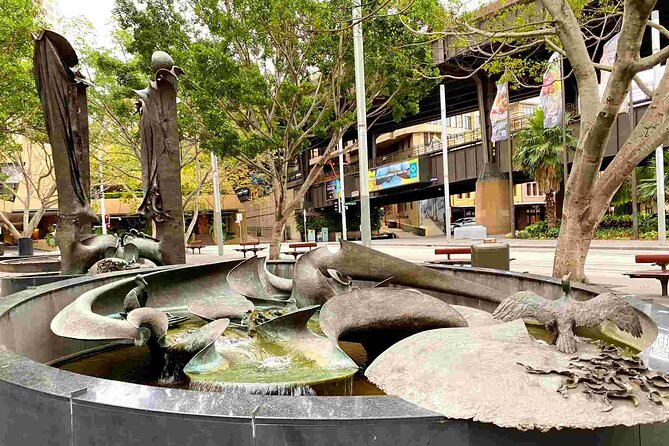
Macquarie Street is a classic Sydney route for people who want the “what runs the city” view. You’ll pass or pause at the kind of architectural mix that signals government, authority, and major institutions.
Then you hit Macquarie Place Park, which is small but historically meaningful as the city’s first public space. When a park is this early, it’s not just a place to rest—it tells you how the city wanted to shape public life.
This section also helps you understand Sydney’s rhythm. You move from grand civic buildings to small public pockets, and the guide keeps the thread: how everyday people experienced the city.
The Royal Botanic Garden Sydney: Green Space With an Aboriginal Connection
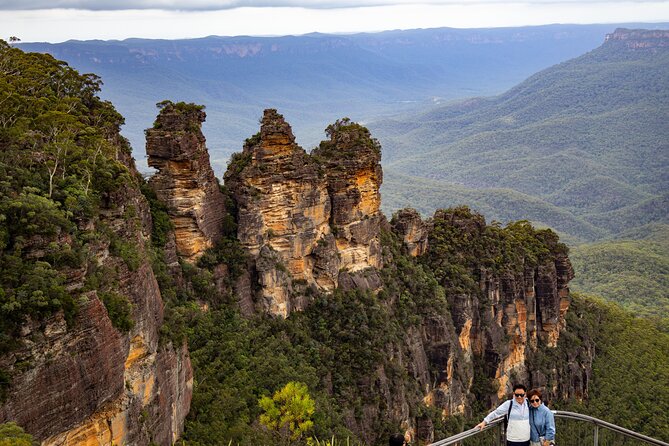
After all the institutions, the Royal Botanic Garden Sydney gives you a different kind of lesson. The tour points out its connection to Aboriginal culture and its wide plant life, including species from Australia and around the world.
This stop is a nice reset for your feet and your mind. It also gives you a broader view of Sydney beyond what happened in courtrooms and prisons.
Practical tip: the garden area can still feel warm on sunny days. If you’re sensitive to heat, keep your water close and plan for a slower pace.
Old Government Stables to the Sydney Conservatorium of Music
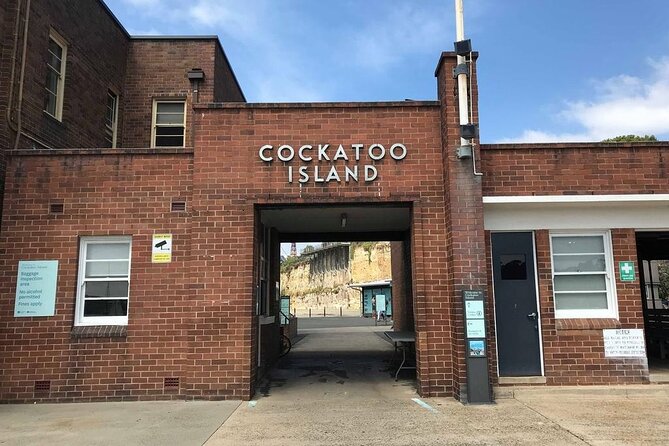
The tour then brings you to the Sydney Conservatorium of Music, connected to the Old Government Stables. This is a great example of “old buildings with a new job,” where the exterior and location carry history even after the use changes.
You’re not just seeing architecture here. You’re learning how the city’s infrastructure evolved—horses and carriages, then music and performance.
It’s also an easy stop to appreciate even if you’re not into formal architecture. The guide keeps it readable, and you get a clear mental picture without needing extra reading.
The Edge of the Trees: A Powerful Cultural Moment
One of the most thought-provoking pauses is The Edge of the Trees artwork. The tour frames it as a reminder of the intersection between Aboriginal and European cultures.
This isn’t a “look and move on” photo spot. It’s the kind of place where the guide slows the group and gives you a few facts that change how you see the site.
If you want a tour that covers more than convict legends and colonial progress stories, this part is a good anchor.
Customs House to The Rocks: Trade, Ships, and the Starting Point of the Old City
You move from culture and reflection into commerce with Customs House. The tour explains it was the heart of the city’s trade, overseeing the arrival of ships and goods.
Standing there, it’s easier to understand how Sydney grew. Ports don’t just bring goods—they bring jobs, conflict, paperwork, and opportunity. It also sets up The Rocks, because that area grew around trade, arrivals, and the people who handled the messy in-between parts.
Then you enter The Rocks, described as a living museum with cobblestone lanes and sandstone buildings tied to the convict past. This is where the walking feels more like exploring a neighborhood than moving between landmarks.
The Rocks Lanes Walkthrough: Suez Canal, Nurses Walk, and Argyle Street
The Rocks is the heart of the tour, and the guide spends about 20 minutes here, including several short pauses along the lanes.
You’ll pass through the Suez Canal laneway, a narrow passage tied to stories of criminals and underworld characters. It’s the kind of spot where the city’s past feels close because you’re literally walking the same narrow way people once slipped through.
Then come Nurses Walk and Playfair Street. Nurses Walk connects to early nurses and the tough reality of life for women doing vital work. Playfair Street is more of a charm stop, where you see how the area’s historic feel is preserved in the streetscape.
Argyle Street and George Street round out the picture. They show how this same part of town has shifted roles over time, from older commercial activity to the mix of modern energy you notice today.
This is where the guide’s storytelling earns its keep. Without the narrative, these lanes are just scenic. With the narrative, they become a map of what happened—and who took the risks.
Campbells Cove Finish: Harbour Views and Your Next Easy Move
You end at Campbells Cove, near Circular Quay. The location is a smart finish because you’ve got public transport nearby and options for food and wandering around the harbour.
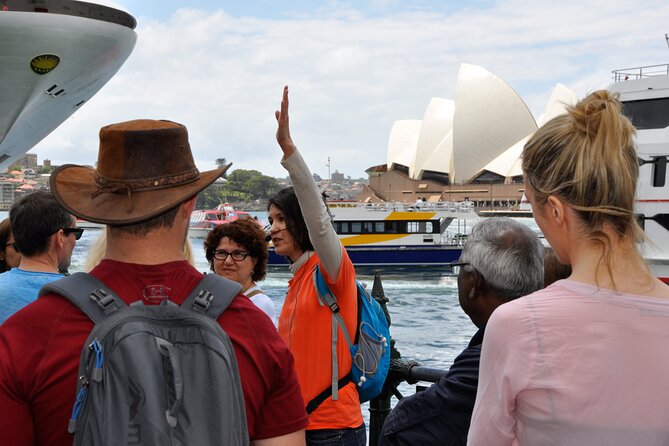
Expect harbour views that include the Opera House and Harbour Bridge. Even if you’ve seen them before, watching them from this angle helps you understand where everything sits.
The Rocks area often has a weekend market nearby, and since you finish here, you can keep the day going without a second transit plan.
Price and Pace: What You’re Paying For (and Why It’s Fair)
At $32.28 per person, this tour is good value if you want structure. You’re not paying for entry tickets—each stop is listed as free to enter—so most of the cost goes to the guide, the route, and the connections between sites.
The pacing works for most people with moderate physical fitness. It is walking, yes, but it is also not a forced march where you’re constantly sprinting to catch up. One review-style note worth listening to: this walk can feel mostly downhill, which helps, but you should still bring comfortable shoes.
Also, this is where the small-group size protects the experience. With up to 16 people, the guide can keep the group together and reduce the awkward moments where someone gets left behind.
Who Should Book This Tour (and Who Might Skip It)
Book it if you’re:
- doing Sydney for the first time and want a clear overview fast
- the type who likes hearing how buildings connect to people and events
- planning to spend time in The Rocks and Circular Quay after the tour
You might skip it if:
- you hate walking for around 2.5 hours
- you’re looking for a museum-heavy day with long indoor stops
- you need fully shaded, wheelchair-accessible pacing (the tour is described as walk-based with moderate fitness expectations)
Should You Book This Sydney Walking Tour?
Yes, if your goal is to get your bearings and understand why Sydney’s landmarks matter. This tour hits Hyde Park Barracks, the Rum Hospital site, Customs House, and The Rocks lanes in one smooth route, ending where sightseeing stays easy.
The biggest reason to book is the guide quality you’ll likely experience—names like Lily show up in standout feedback, and the consistent theme is clear, friendly storytelling with smart attention to comfort. Add the free-to-enter stops and the small group limit, and you get a tour that feels like a bargain for what you learn.
FAQ
How long is the Sydney Walking Tour including The Rocks (small group)?
The tour is listed at about 2 hours 30 minutes.
What is the tour price?
The price is $32.28 per person.
What time does the tour start, and where does it meet?
It starts at 10:30 am. You meet at the Archibald Memorial Fountain in Hyde Park North at 110 Elizabeth St, Sydney NSW 2000.
Where does the tour end?
The tour ends at Campbells Cove, 4 Circular Quay W, The Rocks NSW 2000.
How big is the group?
The tour is limited to a maximum of 16 travelers.
Is admission required for the stops?
The itinerary lists admission as free for the stops included.
Is the tour difficult to walk?
The tour notes a moderate physical fitness level. It is a walking tour, so comfortable shoes help.
Is the tour near public transportation?
Yes, it is noted as near public transportation.
What ticket format is used?
You receive a mobile ticket.
Can I cancel for a full refund?
Yes. Free cancellation is available up to 24 hours in advance for a full refund.