REVIEW · SYDNEY
Sydney Opera House Official Guided Walking Tour
Book on Viator →Operated by Sydney Opera House · Bookable on Viator
A world-famous building, explained up close. This Sydney Opera House Official Guided Walking Tour trades vague sightseeing for a tight, guided look at how the sails, tiles, and interiors work—and why they were so hard to build. You also get access to areas normally kept for ticket holders and show goers, which turns a quick visit into something you’ll remember.
I especially like the way the tour makes the design feel practical, not just pretty. You’ll hear the story behind the shell-tile exterior and the Danish architect’s challenges, and you’ll see major interiors like one of the world’s largest pillar-free chambers. The one-hour format is also a win: it’s long enough to make sense of the building, without dragging you through every corner.
One thing to plan for: the tour involves about 300 stairs in total. It’s listed as low impact, but if stairs are a problem, request the daily mobility access option in advance.
In This Review
- Quick hits: what makes this tour worth your time
- Why this one-hour Opera House tour works for first-timers
- Price and value: what you’re really paying for
- Getting your bearings fast: tour setup you should know
- Inside the sails: what you see on the one-hour route
- 1) The foyers: where the building starts to make sense
- 2) The shell-tile story: getting the exterior in your head
- 3) The pillar-free chamber: big scale without visual clutter
- 4) The white birch chair and the vaulted ceiling moment
- 5) Off-limits areas, explained
- 6) Architecture + performance reality, not just facts
- Which venues you’ll likely see (and why you shouldn’t expect everything)
- The guide experience: why specific names keep showing up
- “Tour & Dine” add-on: when it makes sense
- Stairs, pacing, and who this tour is best for
- Practical tips so you enjoy every minute
- Should you book this Sydney Opera House walking tour?
- FAQ
- How long is the Sydney Opera House Official Guided Walking Tour?
- What is the price per person?
- Is admission included?
- Is food included, or is there an add-on meal option?
- How many stairs are involved?
- What happens if I arrive late?
Quick hits: what makes this tour worth your time
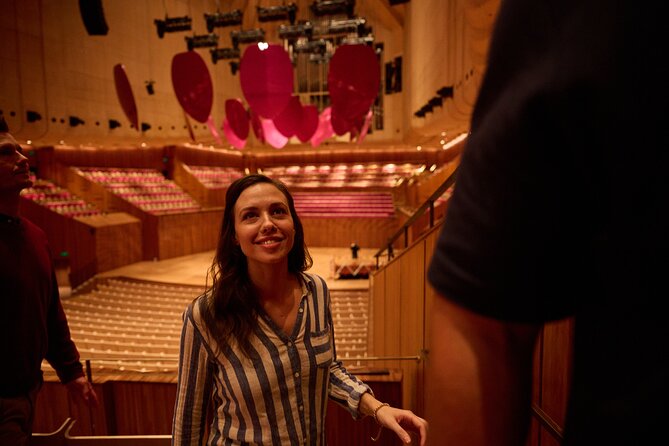
- Off-limits access to spaces usually reserved for ticket holders and show goers
- Shell tiles on the outside, explained in a way you can actually picture
- Pillar-free chamber viewing, including a special moment sitting in a white birch chair
- Architecture + performance context, including what changes in the acoustics for different shows
- Good guide energy, including standout experiences people reported with guides like Peter (a retired architect), Sheila, Laura, Emmi, and Michael
- Small group size (up to 35), which keeps the pace comfortable for photos and questions
Why this one-hour Opera House tour works for first-timers
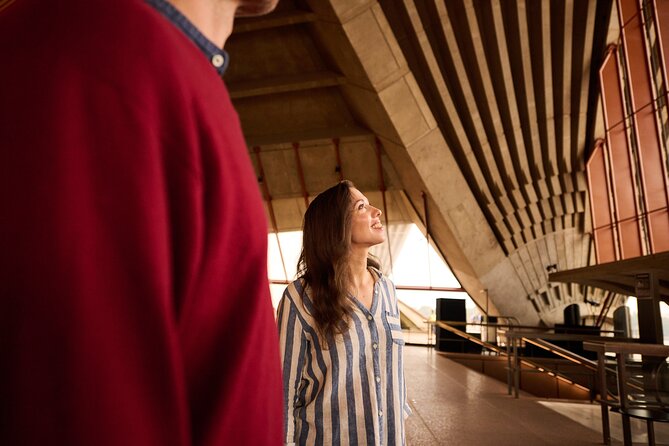
The Sydney Opera House can overwhelm you in photos. Up close, though, it can feel like a sculpture you can’t read. This tour helps you decode it. In about an hour you get a guided path through the elegant foyers, into big performance spaces, and around areas that are not usually open during normal sightseeing.
What makes it click is the focus. Instead of trying to show everything, you learn how the building was imagined, how it was engineered, and how it functions as a working venue. The guide also ties the architecture to the real reason the Opera House exists: the constant parade of concerts, plays, musicals, and ballets that run year-round.
And yes, you’ll hear the “how did they even do that” stories—the kind that make the shells feel less like decoration and more like the end result of serious problem-solving.
You can also read our reviews of more walking tours in Sydney

Price and value: what you’re really paying for
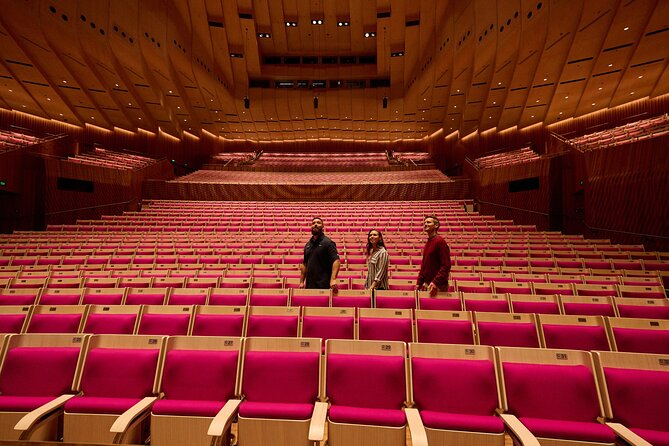
At $34.43 per person for an approximately 1-hour tour, you’re not buying a souvenir. You’re buying time with a guide and access that would be hard to recreate on your own.
Here’s the value logic I use:
- If you’re the type who normally reads the plaque and then moves on, this will feel worth it because the guide connects the dots (design → construction challenges → performance spaces).
- If you want to photograph the outside and then stare at the inside without context, you’ll get less value per dollar.
- If you want to understand why the acoustics and stage shapes matter, the tour’s mix of architecture and venue use makes the price feel fair.
The icing is that the standard tour includes an admission ticket, so you don’t have to hunt down entry separately.
Getting your bearings fast: tour setup you should know
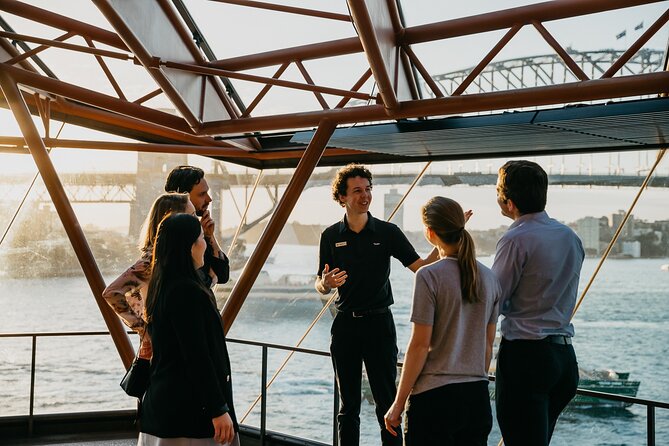
This is a walking tour with a Welcome Centre check-in requirement. Arrive 15 minutes early on the lower concourse level so you can handle cloak/check-in procedures. If you’re more than 5 minutes late from the start time, the tour can be forfeited, so build in buffer time, especially if you’re transferring in by public transport.
You won’t have hotel pickup or drop-off. That means you’re responsible for getting to the Opera House on your own, but it also keeps the tour simple and on schedule.
Also, confirm the language option when you book. It matters because the tour experience is built around narration, and the guide’s flow depends on everyone hearing the same thing.
Inside the sails: what you see on the one-hour route
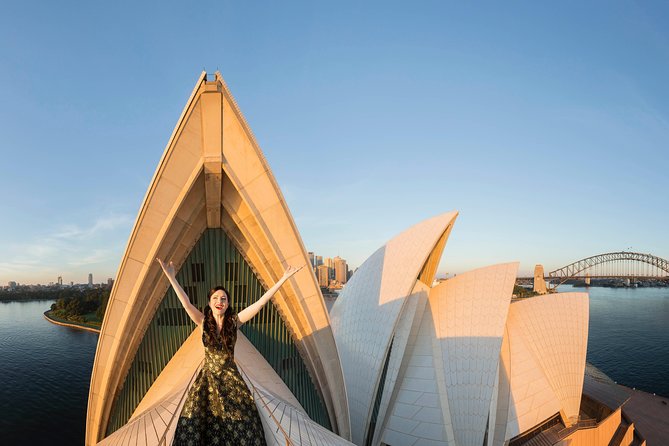
The tour’s main stop is the Sydney Opera House itself, and within that hour you’ll move through several key interior moments. Think of it as a guided story told in rooms.
1) The foyers: where the building starts to make sense
You begin with the elegant foyers. This is a smart start because it gives you orientation. You see how people move through the Opera House, how the spaces open up, and how the architecture supports crowds during shows.
In plain terms: you’re not just looking at walls. You’re getting the “people flow” view first, so later rooms don’t feel like random boxes.
You can also read our reviews of more guided tours in Sydney

2) The shell-tile story: getting the exterior in your head
One of the most memorable parts is learning about the distinctive exterior made up of shell tiles. From street level, you see the sails. On this tour, you understand how that shell idea became a specific building system, and why the final shapes took real engineering work to complete.
This is where the tour’s insider feel shows. It’s easy to admire the outside. It’s harder to understand how it was made. A good guide turns admiration into comprehension.
3) The pillar-free chamber: big scale without visual clutter
Next comes one of the highlights: a visit to one of the largest pillar-free chambers in the world. That detail matters because pillar-free spaces change everything about sightlines and stage framing. You can “read” the room without obstacles blocking your view.
You’ll also get a sense of how the Opera House is designed for performance, not just public viewing. Even if you’re not a theatre person, you can feel that difference when you see how the chamber is shaped.
4) The white birch chair and the vaulted ceiling moment
You’ll get a special photo-and-perspective beat: sitting down in a custom-made white birch chair and looking up at the vaulted ceiling. It’s one of those simple gestures that makes the interior geometry snap into focus.
This stop isn’t about checking a box. It’s about learning to see the room the way performers and audiences experience it. Once you’re looking up from that chair position, the space stops feeling abstract.
5) Off-limits areas, explained
A major selling point is access to spaces reserved for ticket holders and show goers. Exactly which spaces you get can depend on venue availability at the time of your tour, so treat this as a guided peek behind the curtain rather than a guarantee of every room in the building.
That said, the overall experience is consistently framed around understanding the performance areas, plus learning the historical and architectural context that makes the Opera House feel like a living machine.
6) Architecture + performance reality, not just facts
The tour doesn’t stop at construction. It also connects the building to how it’s used—over 1,500 concerts, ballets, musicals, and plays each year (the pace of programming is staggering). You’ll also hear how the concert hall’s acoustic profile can change depending on the type of performance.
For me, this is one of the most useful takeaways. It explains why theatre buildings aren’t just designed once and finished. They’re tuned as systems for sound, movement, and audience experience.
Which venues you’ll likely see (and why you shouldn’t expect everything)
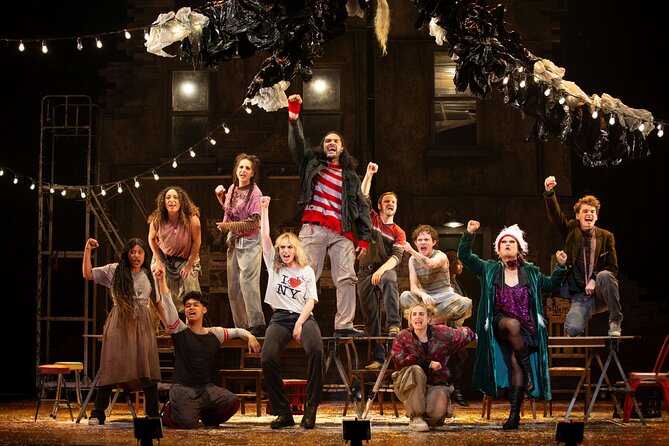
In an hour, you can’t expect the entire Opera House complex. Some tours naturally focus on a couple of the major performance spaces, often including the main concert hall areas plus one smaller studio-style venue.
So here’s my advice: plan your expectations around a guided highlight reel, not a full museum tour. If your goal is breadth—every hall, every backstage corner—this may feel short. But if your goal is understanding and access, it fits the time perfectly.
This is also why the guide’s explanation matters. You’re not just seeing rooms; you’re learning how they relate to each other.
The guide experience: why specific names keep showing up
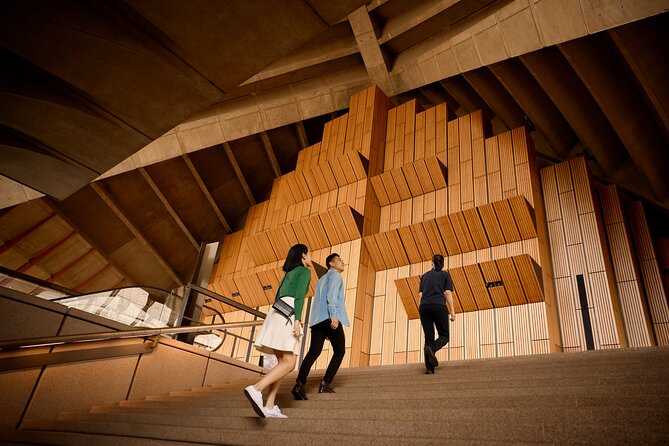
One reason this tour tends to land so well is the delivery. People often call out guides by name, and the pattern is clear: the best guides make architecture feel human.
For example:
- Peter is mentioned as a retired architect who worked on some Opera House projects, which is exactly the kind of connection that makes engineering details feel real.
- Guides like Sheila, Katharina, Emmi, Laura, and Michael come up for being engaging and giving clear stories that connect the dots fast.
Even if your guide isn’t a former project architect, the tour format is built for storytelling. You’ll get explanations of the Danish architect’s inspiration and the building challenges, plus practical context for what each interior space is designed to do.
“Tour & Dine” add-on: when it makes sense
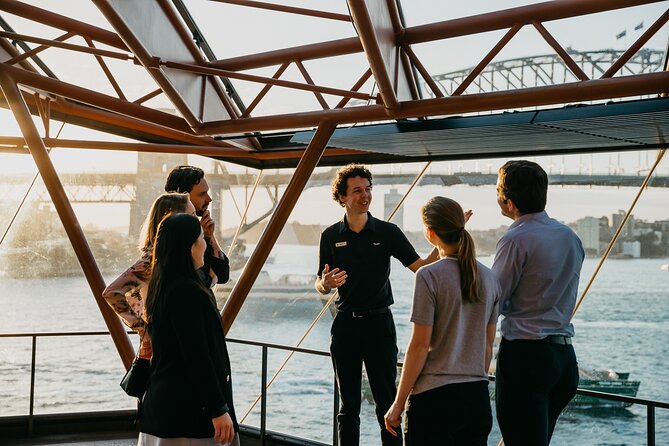
If you want to extend the experience, there’s an add-on meal option called Tour & Dine. Timing is part of the plan:
- You can redeem at House Canteen or Opera Bar between 11:30am and 6:00pm.
- Or redeem at Midden by Mark Olive between 11:30am and 2:30pm, or 5:00pm and 6:00pm.
Is it worth it? If you’re on a schedule and don’t want to think about lunch or an early dinner, the meal slot can be convenient. If you like exploring on your own, you might skip it and build a food plan around the rest of your day.
Either way, the add-on is optional, so you’re not forced into a meal you don’t want.
Stairs, pacing, and who this tour is best for
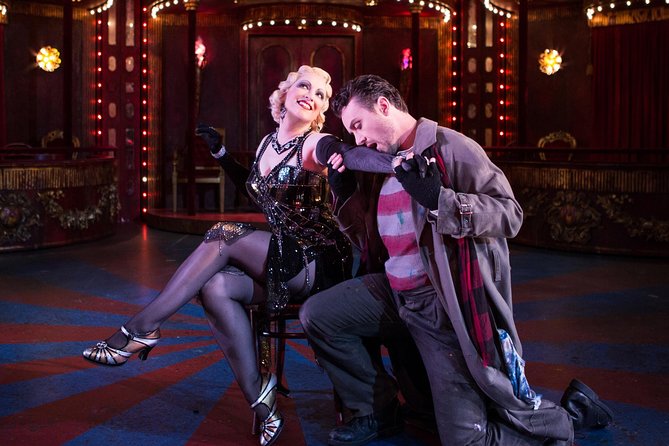
This tour lists approx. 300 stairs in total, and the overall impact is described as low impact. You’ll likely do them in segments, not all at once, but the number is still real.
This is the sweet spot:
- You want a fast, high-value introduction to the Opera House.
- You like architecture and want the construction story, not just the landmark photo.
- You’re comfortable walking and using staircases for about an hour.
This is the caution zone:
- If stairs are difficult, you should look into the daily mobility access tours available on request (pre-book required and you contact the supplier directly).
- If you hate crowds and need a slow crawl pace, the walking route may feel tight, since the tour is designed to move through interior stops efficiently.
Practical tips so you enjoy every minute
- Wear comfortable shoes. The steps add up.
- Plan to arrive early. Check-in timing matters here.
- Bring a camera you’re comfortable using quickly. The chair-and-ceiling moment is a prime target.
- If you care most about architecture, prioritize questions when the guide pauses for them. This is where the explanation gets richer.
And if you’re the type who wants to turn a famous building into a personal story, this tour is built for that. It gives you the design language to make sense of what you’re looking at later, too.
Should you book this Sydney Opera House walking tour?
Yes, if you want an efficient, story-led look at one of the world’s most famous buildings—and you like your sightseeing with context. The strong value comes from insider access, the architecture construction explanation (including the shell tiles and Danish architect stories), and the “designed for performance” perspective, especially the moment sitting in the custom white birch chair.
Skip it or consider alternatives if you want every single venue and every backstage area. This tour is designed to give you the best understanding in about an hour, not to exhaust the whole building.
If your schedule is tight in Sydney, book it early in your trip. You’ll walk out seeing the Opera House differently—less like a postcard, more like a solved engineering puzzle that still performs like a living theatre.
FAQ
How long is the Sydney Opera House Official Guided Walking Tour?
The tour is approximately 1 hour.
What is the price per person?
The price is $34.43 per person.
Is admission included?
Yes. An admission ticket is included.
Is food included, or is there an add-on meal option?
Food isn’t included in the standard tour. You can add a meal option through Tour & Dine at specific venues and times on the day of your tour.
How many stairs are involved?
The standard guided tour includes approximately 300 stairs.
What happens if I arrive late?
If you are more than 5 minutes late from the start time, your tour can be forfeited. Also, late arrivals cannot join after the scheduled departure time.