REVIEW · KRAKOW
Kraków: Old Town & Wawel Castle Walking Tour in English
Book on GetYourGuide →Operated by Walkative Tours · Bookable on GetYourGuide
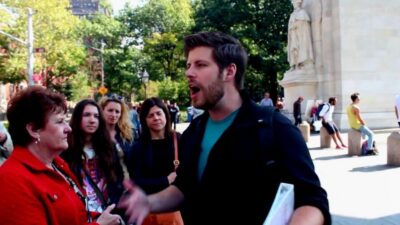
Kraków’s stories start before you even enter. This Old Town + Wawel walk turns UNESCO streets into a readable timeline, with stops that connect kings, architecture, and the Central Europe power shifts that shaped the city. I especially like the courtyard access at Collegium Maius and Wawel’s palace spaces, because they feel intimate instead of rushed. One drawback: it’s still a solid walking tour, so bring good shoes and be ready for uneven medieval sidewalks.
What makes it work is the way the guide uses both facts and entertainment. You’ll hear about the Wawel Dragon, the trumpeter at St. Mary’s Basilica, and the papal window at the Archbishop Palace, with enough context to make each detail click. I’ve also found that humor-heavy guiding helps you remember the complicated bits without getting lost in dates.
If you’re short on time but want the “why” behind Kraków’s big sights, this is a smart use of 2 hours 30 minutes. With wheelchair accessibility listed, it’s also a practical choice to check if your route needs to be planned carefully.
In This Review
- Key highlights that make this tour worth your time
- How this 150-minute walk actually feels on your feet
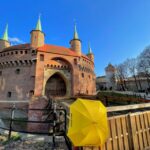
- Meeting at the Barbican and St. Florian’s Gate: instant orientation
- UNESCO Old Town and Kraków’s Royal Route: why the order matters
- Medieval walls and the Barbican: Kraków as a defended city
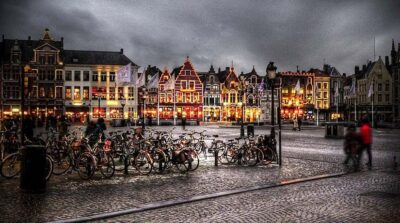
- Main Market Square and the Cloth Hall: power, trade, and everyday drama
- St. Mary’s Basilica and the trumpeter: not just a church, a city sound
- Collegium Maius courtyards: the university that pulls history into focus
- Archbishop Palace and the John Paul II papal window
- Wawel Hill: cathedral and castle courtyard views that feel cinematic
- The Wawel Dragon: legend you can spot and remember
- What you’re paying for: $26 value and the pay-what-you-wish angle
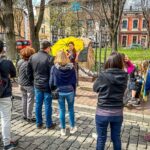
- Guide energy is the real differentiator (and you’ll feel it fast)
- Practical tips so the walk stays enjoyable
- Who this tour suits best
- Should you book this Kraków Old Town & Wawel walking tour?
- FAQ
- Where is the meeting point?
- How long is the tour?
- Is the tour in English?
- What does the tour include?
- What is not included?
- What landmarks will I see?
- Can I cancel for a refund?
- Is the tour wheelchair accessible?
Key highlights that make this tour worth your time
- UNESCO Old Town core: a guided path through the city’s medieval center and the Royal Route
- Courtyard access: you get inside the feel of Collegium Maius and the Wawel Royal Palace courtyards
- Legend stops: the Wawel Dragon and other storytelling moments that make the city memorable
- Signature landmarks, explained: Main Market Square, St. Mary’s trumpeter, and Wawel Hill
- Strong guide energy: standout hosts like Big Tom, Mitchell (Magic), Chris, Maciek, and Victoria show up in reviews
How this 150-minute walk actually feels on your feet
This is a 150-minute, walking-focused tour, so the best way to think about it is as a guided route through Kraków’s “main story,” not a museum-style experience. You’ll cover a lot of ground at an easy-to-moderate pace, and the guide does keep the focus moving site to site.
A couple things to plan for: first, you’re on historic pavement. Second, you’ll want to pause your phone-taking for the moments the guide is talking, because those stories make the architecture stand out more.
You can also read our reviews of more walking tours in Krakow

Meeting at the Barbican and St. Florian’s Gate: instant orientation
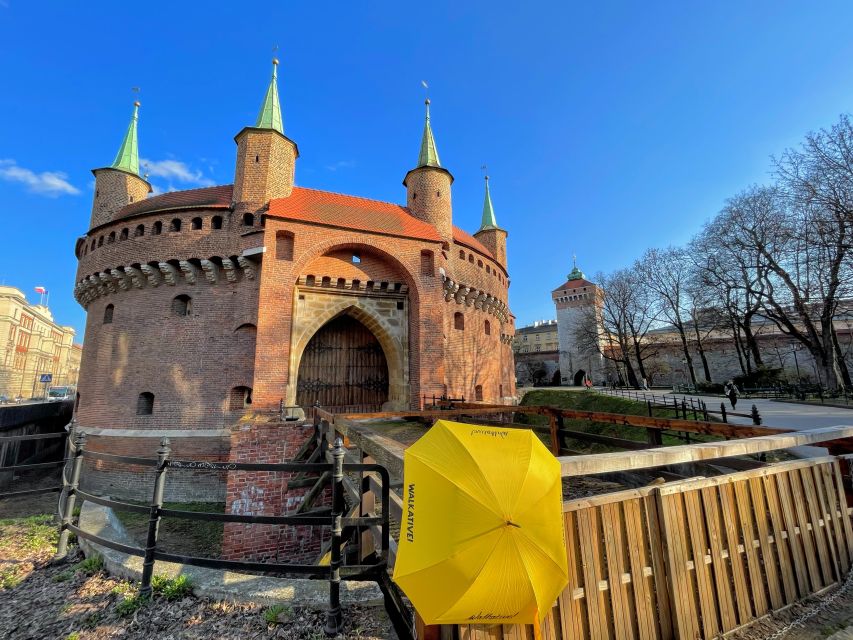
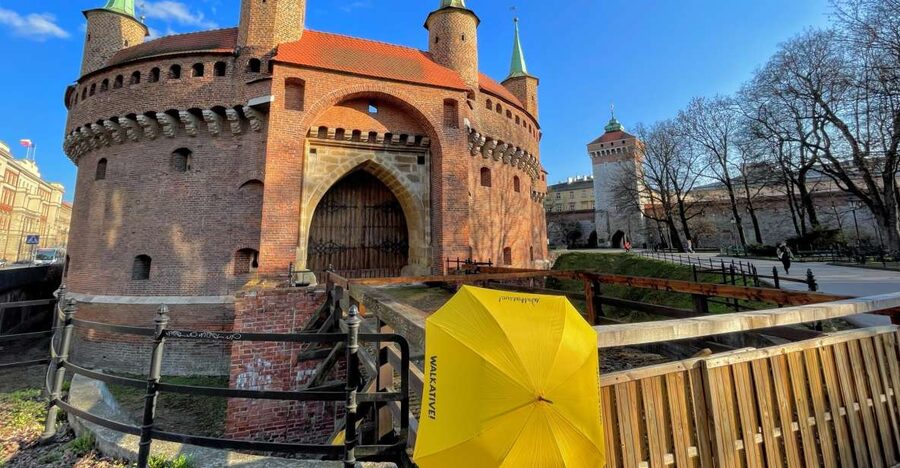
You start in a small space between the Barbican and St. Florian’s Gate, which is a great spot because it frames the city as a fortified place, not just a pretty backdrop. You’ll be close to the medieval entrance feel right away, and that helps you understand why the Old Town layout still reads so clearly today.
This also matters for your timing. Being at the city’s edge means you get an early sense of scale: walls, gates, and the logic of what protected Kraków when Europe was constantly shifting.
UNESCO Old Town and Kraków’s Royal Route: why the order matters
The heart of this tour is the perfectly preserved medieval core that helped earn UNESCO recognition as a heritage site. More than just sightseeing, the Royal Route is used like a storyline: rulers, religious power, and civic identity all show up in the order you pass things.
As you walk, the guide ties together what you’re seeing with why it mattered—so the city doesn’t become a collection of separate monuments. You’ll also pick up references to major figures of the era, including Copernicus, who is connected to these streets and the broader intellectual life of the city.
Two things I like about this approach:
1) You learn to read the buildings instead of just naming them.
2) The history stays tied to what you can actually see around you.
Medieval walls and the Barbican: Kraków as a defended city
Early on, you’ll move through the medieval defensive story—starting with the city walls and the Barbican. This is one of those stops that can feel “technical” if it’s just described. Here, it’s treated like a living design: how Kraków controlled access, how boundaries shaped daily life, and how power showed up in stone.
Even if your heritage knowledge is light, you’ll get the bigger point: these weren’t decorative borders. They were part of how the city worked, and that context makes the rest of the tour land better.
Main Market Square and the Cloth Hall: power, trade, and everyday drama
Then you hit Main Market Square, the center-of-everything space where Kraków’s civic identity shows up in full display. You’ll also see the Cloth Hall, which is key because it points to the city’s economic engine—fabric trade, guild power, and the money that kept the city growing.
This stop works especially well when you’re trying to understand how cities get rich and then start building statements. You’ll learn how the place functioned beyond photos, and how the square’s role shaped who had influence and why.


St. Mary’s Basilica and the trumpeter: not just a church, a city sound
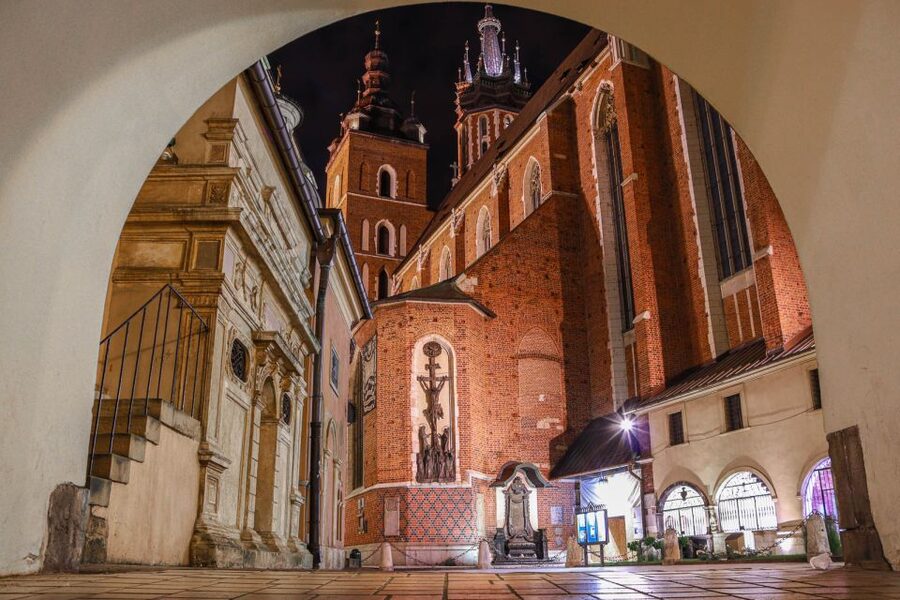
St. Mary’s Basilica is one of Kraków’s most iconic landmarks, and this tour treats it like a centerpiece of public life. You’ll hear about its famous trumpeter, which is the kind of detail that makes a building feel human.
Even if you’ve never cared much about church architecture, the “why” helps. The guide connects the structure to the city’s identity and to the way public rituals made meaning for ordinary people.
Collegium Maius courtyards: the university that pulls history into focus
A standout included moment is the visit to the courtyards of Collegium Maius. This is where the tour slows down in a good way, because you’re not just passing a facade—you’re stepping into a space that feels tied to scholarship and learning.
You’ll also connect the building to Central-Eastern Europe’s older university roots, which gives you a different angle on the city than the usual royal-and-cathedral route. The guide makes it easier to see Kraków as a place where ideas mattered, not only thrones and wars.
If you like “small space, big story,” this is one of the best-value stops on the whole walk.
Archbishop Palace and the John Paul II papal window
Next comes a fascinating mix of architecture and political-religious symbolism at the Archbishop Palace and the John Paul II papal window. This is the kind of site where people tend to just glance and keep going—unless someone explains what it meant and why it drew attention.
Here, the guide gives you the context so you understand the palace as a stage. It’s a reminder that in Kraków, religious authority wasn’t separate from public life. It shaped what people saw from the street and how power was communicated.
Wawel Hill: cathedral and castle courtyard views that feel cinematic
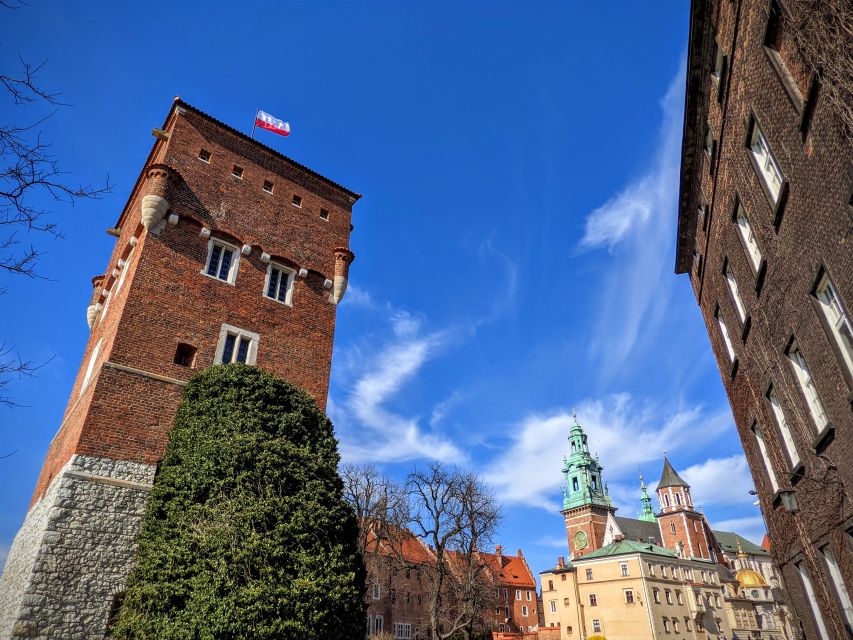
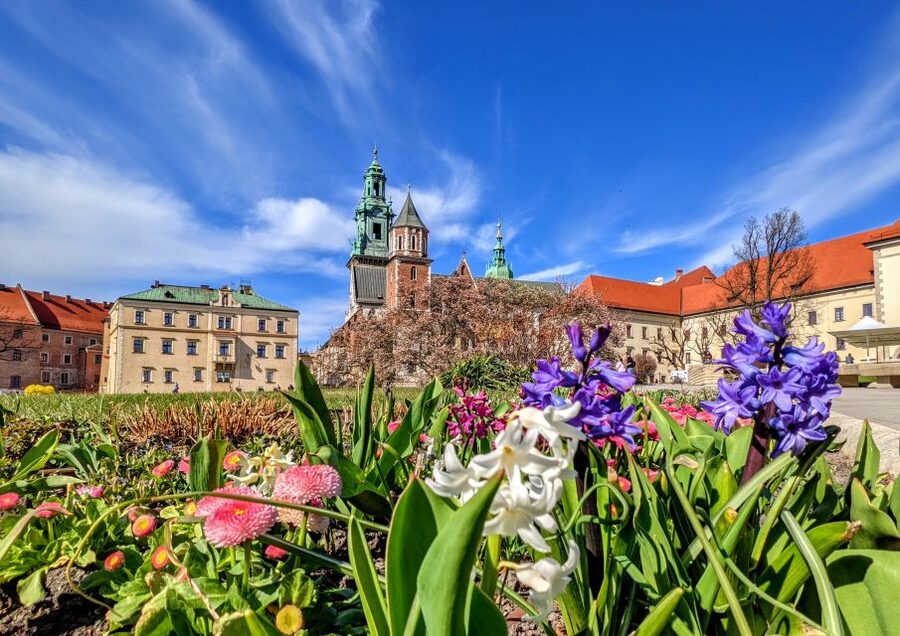
As you head toward Wawel Hill, the tour shifts into its most dramatic setting. You’ll see the Cathedral and the castle’s courtyard area, which is an ideal combo for first-time visitors: you get the royal symbolism without needing a long indoor session.
Wawel is where Kraków looks like the capital it once tried to be—power made visible. The guide ties it to stories of kings and rulers, and you’ll get clearer about how the city’s political identity grew alongside its religious identity.
If your dream is lots of time inside every castle room, note this: the included visits are focused on courtyards and exterior areas. You might want a separate add-on ticket for indoor spaces if that’s your priority.
The Wawel Dragon: legend you can spot and remember
Then comes one of the tour’s most fun moments: the Wawel Dragon. This isn’t just a cute legend stop. The guide uses it to explain how Kraków’s stories turned fear, morality, and identity into something locals could point to in real space.
It’s the kind of final-act memory that makes the whole route stick. After hearing royal and religious context, you get a legend that makes the city feel personal and playable.
What you’re paying for: $26 value and the pay-what-you-wish angle
The price is listed at $26 per person for this 150-minute tour, and that’s the reservation piece of the experience. One important note: this is described as a general pay as you wish model, meaning the amount you pay covers the reservation fee and the guide’s payment, and you can decide how to reward the guide.
From a value perspective, I like this setup because you’re not boxed in. If your guide is strong—funny, clear, and able to answer questions—you can reflect that in your reward. If you’re the type who learns best from storytelling (and most people do on a tour like this), this model can feel fair and flexible.
Guide energy is the real differentiator (and you’ll feel it fast)
This tour’s reviews lean hard on one theme: guides who bring big enthusiasm. Names you’ll hear in the feedback include Big Tom, Mitchell (Magic), Chris, Maciek, Mati, Victoria, Pavol, Lucy, Max, Jacek, and Damian. The recurring idea is that the guide isn’t just reciting facts—they’re shaping how you experience the city.
In practice, that means:
- You’re more likely to ask questions because the tone invites it.
- The stories land, even when the historical timeline gets complicated.
- The pace stays moving while still making room for understanding.
If you’ve ever had a great monument ruined by a flat guide, you’ll appreciate how much effort goes into keeping the group engaged.
Practical tips so the walk stays enjoyable
This tour is built for people who want structure and context, and that requires comfort. Wear shoes you’d be happy walking in for a while. The streets in this part of Kraków are historic and not made for delicate footwear.
Plan to bring a small water bottle if you normally get thirsty. While snacks aren’t included, you’ll appreciate having something simple before you meet and then using any short pause time to reset.
A nice detail: the tour includes a break segment that gives people a chance to use facilities and refresh, and that matters on a longer walking itinerary.
Who this tour suits best
This tour is ideal if you want:
- the main sites of the Old Town and Wawel explained in a single run
- stories that connect architecture to Central European history
- a guide who uses humor to keep complex material clear
It’s also a good choice early in your Kraków stay. Once you understand the Royal Route and where everything sits, it’s easier to plan your own free time and pick better walking loops.
If you already know a lot of Kraków history and want long indoor access to the castle rooms, you may find the courtyard focus a bit limiting. In that case, pair this with another add-on that gives you deeper time inside specific sites.
Should you book this Kraków Old Town & Wawel walking tour?
I’d book it if you’re doing Kraków on a tight schedule and you want one well-paced guided route that makes the UNESCO core and Wawel feel connected. The mix of landmarks (Market Square, St. Mary’s trumpeter, Collegium Maius courtyards, papal window, Wawel Hill, and the Dragon) is a strong first-pass set, and the guide energy is consistently the reason it feels worth it.
Skip it only if you strongly prefer long indoor viewing time over walking and courtyard stops, or if you know you won’t manage the physical side of a 150-minute walk in historic streets.
FAQ
Where is the meeting point?
You meet in a small space between the Barbican and St. Florian’s Gate.
How long is the tour?
The duration is listed as 150 minutes.
Is the tour in English?
Yes, the live tour guide language is English.
What does the tour include?
It includes an expert local tour guide, a constructed narrative, and visits to the courtyards of Collegium Maius and the Wawel Royal Palace.
What is not included?
Hotel pickup and drop-off are not included, and snacks are not included.
What landmarks will I see?
You’ll see the medieval city walls and the Barbican, Main Market Square and the Cloth Hall, St Mary’s Basilica (including the famous trumpeter), Collegium Maius, the Archbishop Palace and the John Paul II papal window, Wawel Hill with the Cathedral and the castle’s courtyard, the Wawel Dragon, and more.
Can I cancel for a refund?
Free cancellation is available up to 24 hours in advance for a full refund.
Is the tour wheelchair accessible?
Wheelchair accessibility is listed as available.