REVIEW · AUGSBURG
Augsburg’s Water Management System – City Walking Tour
Book on GetYourGuide →Operated by Regio Augsburg Tourismus GmbH · Bookable on GetYourGuide
Augsburg’s water story runs under your feet. On this 2-hour walking tour of the city’s UNESCO-listed water management system, you’ll see how fountains and canals shaped daily life, from cobblestones in the Old Town to the Lech quarter’s small, historic waterways. I really like that the route mixes spectacle (fountains) with systems thinking (waterworks and canals), so it feels practical, not just scenic.
One thing to weigh: the tour leans more toward facts and history than personal storytelling, so if you prefer lots of anecdotes, you may find it a bit dry at times—especially in wet weather.
In This Review
- Key highlights
- Why Augsburg’s UNESCO water system is worth a guided walk
- Meeting Point at the Tourist Information Center: how to start smoothly
- Cobblestones and fountains: seeing Augustus, Merkur, and Herkules as a system
- The Lech quarter canals: where the city’s small waterways feel intimate
- Rotes Tor and the oldest existing waterworks in central Europe
- What the guide actually adds: facts, pacing, and small-group energy
- Optional elysium® sound amplification: helpful when it gets noisy
- Price and value: what you’re really paying for
- Getting ready: shoes, weather, and how to pace your day
- Who should book this Augsburg water tour (and who might prefer another format)
- Should you book Augsburg’s Water Management System tour?
- FAQ
- How long is the Augsburg water management system walking tour?
- Where does the tour start?
- What does the tour cost?
- What is included in the ticket price?
- Are entry tickets included?
- What languages are offered?
- Do I need any special equipment for the sound system?
- What should I bring for the tour?
- Is the tour wheelchair accessible?
Key highlights
- UNESCO World Heritage water management system with 22 elements that you’ll connect with each stop
- Lech quarter canal walk through red-roofed streets where water still shapes the neighborhood
- Rotes Tor waterworks featuring the oldest existing waterworks in central Europe
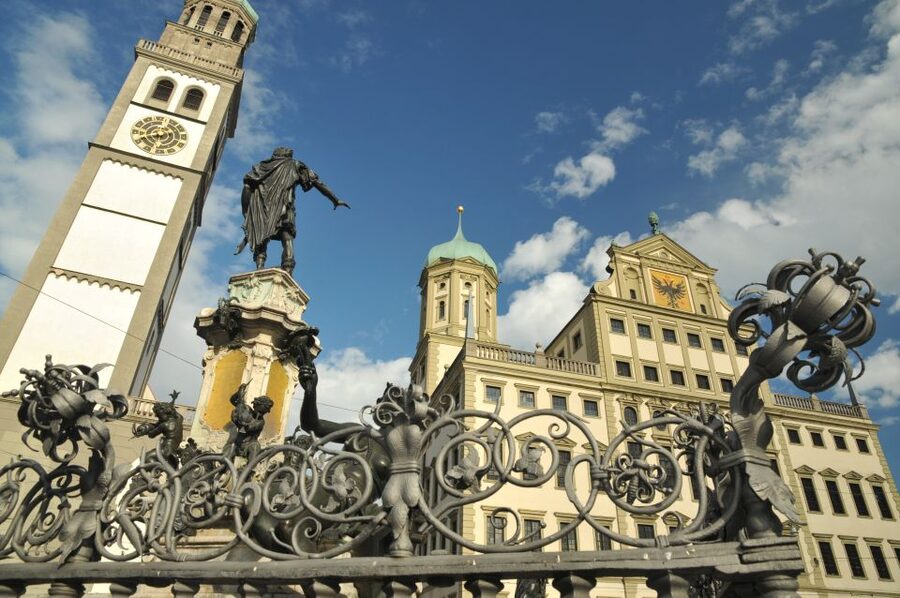
- Augsburg fountain lineup including Augustus, Merkur, and Herkules fountains
- Local guide context that helps you read the city like a water map
- Optional elysium® sound amplification using your smartphone and headphones
Why Augsburg’s UNESCO water system is worth a guided walk
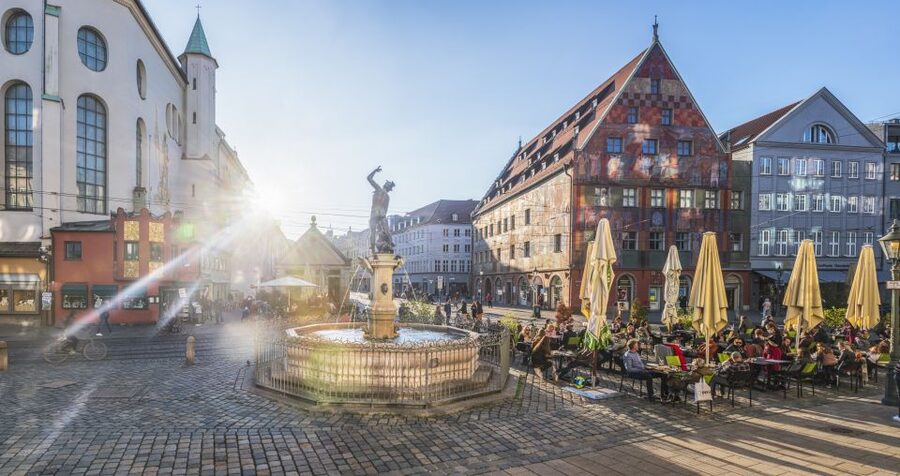
Augsburg is one of those places where you can stare at something beautiful and miss what it’s actually doing. This tour fixes that. You’ll learn how the city’s water management system evolved over a long period and became important enough to be listed as a UNESCO World Heritage Site. The key is that it’s not just one monument—it’s a connected network.
I like the way the tour turns the city into a readable diagram. Fountains make sense when you understand water flow and planning. Canals stop being just pretty waterways when you connect them to the larger system. And the route focuses on real, visible places, so the information sticks.
A practical plus: you’re walking through the Old Town and Lech quarter anyway. This tour simply gives you a guide that helps you notice what most people pass by.
You can also read our reviews of more walking tours in Augsburg

Meeting Point at the Tourist Information Center: how to start smoothly
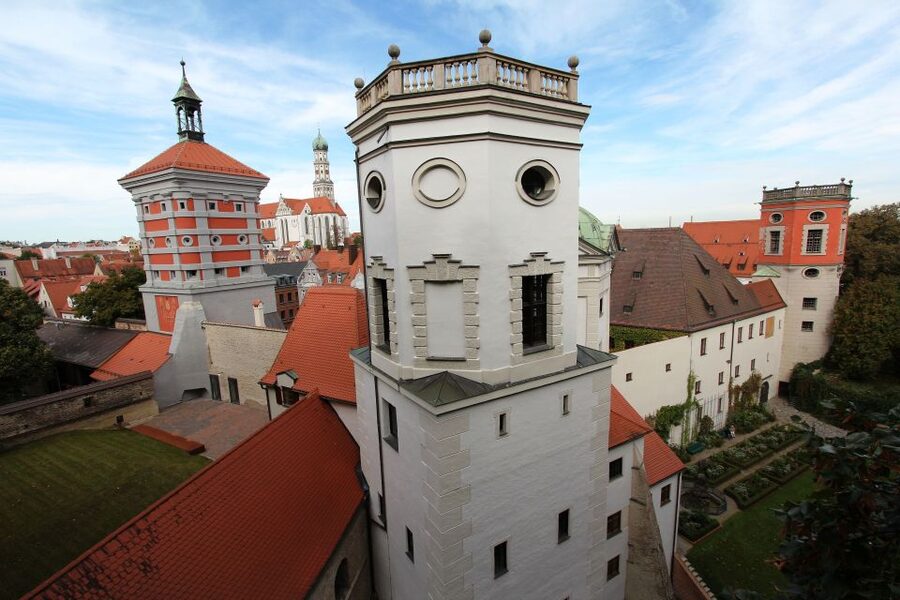
You’ll meet your guide in front of the Tourist Information Center. It’s a smart starting point because you’re already in the city core and ready to walk without fuss.
Before you go, keep your head in the right mode. This is a walking-and-observing experience, not a museum-on-a-timetable experience. Your goal is to build a mental picture of the water system as you move. If you arrive with comfortable shoes and a quick plan for where you’ll duck into shelter if it rains, you’ll enjoy it more.
Also, expect questions and back-and-forth. A local guide will help you connect the fountains and canals to the larger UNESCO system. If you like asking why something is placed where it is, this is a friendly format for that.
Cobblestones and fountains: seeing Augustus, Merkur, and Herkules as a system
The tour begins with Old Town walking where you can feel the cobblestones under your shoes. That matters more than it sounds. Slow walking helps you take in the small details your brain will otherwise skip—especially in places built long before cars.
Then you reach the fountain stops, including the Augustus fountain, plus the Merkur fountain and the Herkules fountain. These are the kind of sights that look impressive even without context. With the guide, you’ll start to understand them as part of water distribution and civic planning.
Here’s what that changes for you: instead of thinking of fountains as decorative extras, you’ll start noticing them as public infrastructure. Water wasn’t just for drinking or washing—it was power, order, and municipal identity.
If it’s rainy, don’t worry too much. One guide-focused review mentioned how weather wasn’t something the guide could control, yet the tour still worked. Still, bring weather-appropriate clothing. Wet cobblestones can make a “two-hour stroll” feel longer.
The Lech quarter canals: where the city’s small waterways feel intimate
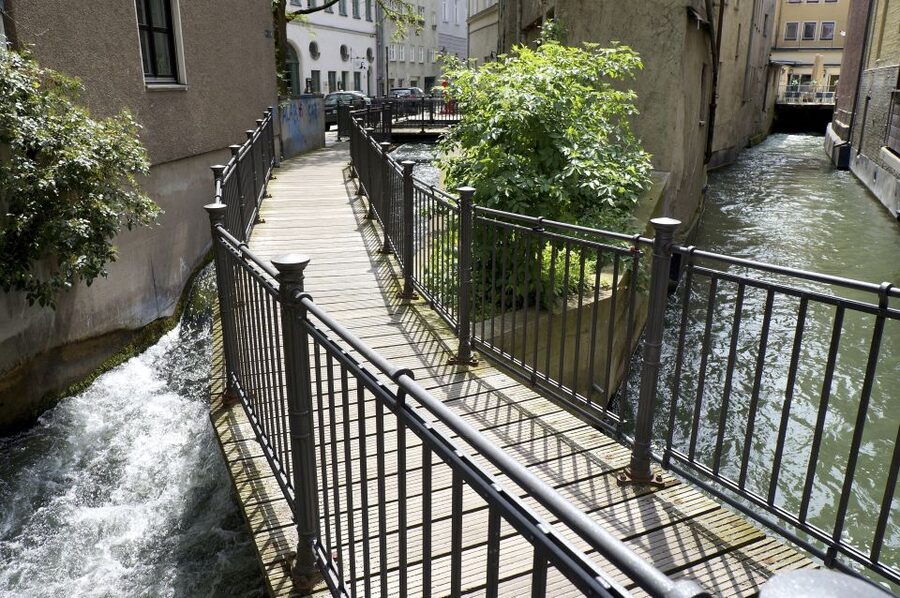
One of the best parts of this tour is the shift into the Lech quarter, where you’ll stroll along small historic Lech canals. This is where Augsburg’s water management feels human-scaled. You’re not just seeing big statements. You’re watching how water can thread through streets and neighborhoods.
You’ll walk on cobblestones again, but the atmosphere changes. Expect red-roofed houses and a more channel-like street feel, where the canal presence is obvious and continuous. The water makes a visual rhythm. It’s easier to imagine flow and upkeep when you’re moving alongside it.
This area is also a good reminder that UNESCO isn’t only about isolated grand buildings. It’s about systems embedded in everyday space. You’ll leave with a better sense of how Augsburg’s planning affected what people saw and used day after day.
One small drawback to consider: since the tour is focused on history and system explanation, you may want a bit of patience if your feet get tired. Comfortable shoes do the heavy lifting here.
Rotes Tor and the oldest existing waterworks in central Europe
The tour culminates at Rotes Tor, where you’ll visit the waterworks area and learn about the oldest existing waterworks in central Europe. This is the part that makes the earlier walking feel earned.
At this stop, the conversation changes from scenery to function. Earlier fountains and canals become pieces of a bigger puzzle. You’ll hear how water infrastructure was created, maintained, and integrated into a city that needed reliable water management over time.
This is also where having a guide matters most. Without context, “historic waterworks” can sound like a broad label. With a guide, it becomes specific: why this location matters, how it fits the UNESCO system, and what the city was trying to solve.
If you love architecture, urban planning, or old infrastructure, this is your payoff. If your interests are purely visual, you might find this stop less instantly exciting than the fountains—but the explanation helps bridge the gap.
What the guide actually adds: facts, pacing, and small-group energy

The tour is led by a live guide in German or English, and that influences the feel of the tour quickly. One standout example from feedback was Brigitte Plonner, noted for making Augsburg water management very vivid and easy to understand. That’s not a small thing—water systems can be hard to visualize if the explanation stays abstract.
Still, there’s also a pattern to keep in mind. Another review described the tour as focusing heavily on historical facts and dates, with fewer personal anecdotes. Translation: you’ll get an information-rich experience. It’s not a chatty walking diary. If you’re happiest when you can connect stories to places, you may want to come with a more teacher-friendly mindset.
Group size can also be small. One account mentioned the tour nearly didn’t run when only two participants showed up, and the guide proceeded enthusiastically for a small group. That suggests you may experience the tour in a more intimate way—questions are more likely to get airtime.
Bottom line: this is a guide-led facts-to-places tour. If that matches your travel style, you’ll have a great time.
Optional elysium® sound amplification: helpful when it gets noisy
If you choose it, the tour offers optional use of the elysium® sound amplification system. The good part is that it’s described as optional and free. The condition is simple: bring your smartphone with internet connection and headphones.
This matters because walking tours often mix outdoor spots, passing traffic, wind, and crowds. Clear audio helps you catch the connections your guide is making—especially when the talk turns technical or detail-heavy.
Practical tip: charge your phone before you go and download nothing extra unless the guide tells you otherwise. Since you’ll need internet for the system, having a reliable signal at least helps. And bring headphones that you actually like wearing—because you’ll likely keep them in your pocket ready for when you need them.
Price and value: what you’re really paying for
The tour is listed at $20 per person for a 2-hour walking experience, and the detailed pricing shows 14,00€ plus an administration fee of 3,00€.
Is that value? For me, the best way to judge it is by what you get: a local guide, a structured walk across multiple UNESCO-related elements, and explanations that connect fountains, canals, and waterworks into one story. You’re not just paying to look at sights—you’re paying for someone to help you interpret them.
You also save effort. You’re not piecing together a water-history route on your own, and the tour notes skip the ticket line. Since entry tickets aren’t included, this isn’t about buying attractions. It’s more about keeping the flow smooth at stops that may require entry procedures.
So if you enjoy walking, like learning how cities function, and don’t want to research each stop separately, this price is reasonable.
Getting ready: shoes, weather, and how to pace your day
This is a walking tour, so prioritize comfort over fashion. Bring comfortable shoes and weather-appropriate clothing. Augsburg can be a place where the weather changes your experience quickly, especially on cobblestones.
Plan your day so you’re not rushing immediately after. Two hours sounds short, but you’ll likely walk at a steady pace, stop often, and listen carefully. If you’re also trying to squeeze in a long museum visit right afterward, you might feel it.
Food and drinks aren’t included. That means you’re free to choose your own snack rhythm—just keep in mind that you’ll want a place to stop if you get hungry or thirsty. The tour itself is the focus, so build flexibility around it.
Who should book this Augsburg water tour (and who might prefer another format)
You’ll likely love this tour if:
- You like learning how cities work, not only how they look
- You enjoy UNESCO experiences that connect history to everyday space
- You want a guided route through Augsburg’s Old Town and the Lech quarter with coherent storytelling
You might look for a different style if:
- You’re chasing lots of personal anecdotes and humor rather than historical explanation
- You prefer a lighter, more free-form walk with minimal structure
If you’re traveling with someone who enjoys architecture, civic planning, or historical infrastructure, this is one of those tours that can satisfy both the “I want to see” and “I want to understand” parts of travel.
Should you book Augsburg’s Water Management System tour?
I’d book it if you want an informed walk through UNESCO Augsburg that connects canals, fountains, and waterworks into a story you can remember. The stops are visual and walkable, and the guide component is strong enough to make a technical topic feel clear.
Skip it—or at least reconsider—if you know you dislike fact-heavy narration and need lots of personal stories to stay engaged. In that case, you might prefer a more relaxed sightseeing route and do water-history reading on your own.
If you do book, go in with one simple mindset: treat the city like a living water map. Then you’ll come away seeing Augsburg differently, even after the tour ends.
FAQ
How long is the Augsburg water management system walking tour?
The tour lasts 2 hours.
Where does the tour start?
Meet your guide in front of the Tourist Information Center.
What does the tour cost?
The price is 14,00€ plus an administration fee of 3,00€ per person.
What is included in the ticket price?
You get a tour guide and a walking tour. If you bring your smartphone and headphones, you can also use the optional elysium® sound amplification system.
Are entry tickets included?
No. Entry tickets to attractions are not included.
What languages are offered?
The live guide is available in German and English.
Do I need any special equipment for the sound system?
If you want to use elysium®, bring your smartphone with an internet connection and headphones.
What should I bring for the tour?
Bring comfortable shoes and weather-appropriate clothing.
Is the tour wheelchair accessible?
Yes, the tour is listed as wheelchair accessible.