REVIEW · PAGE ARIZONA
Page: Upper Antelope Canyon Walking Tour with Local Guide
Book on GetYourGuide →Operated by VIP Tour Corporation · Bookable on GetYourGuide
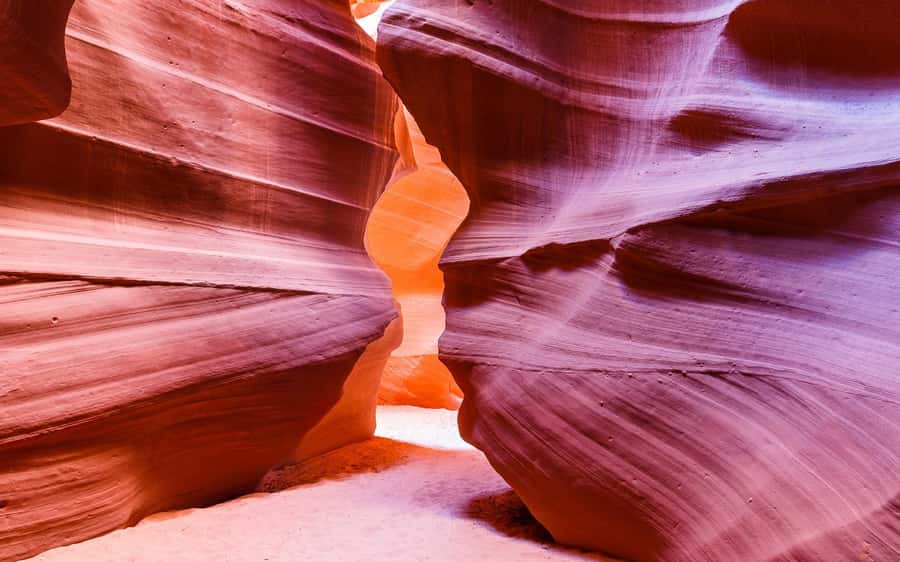
Slot-canyon light turns red rocks into magic. This guided Upper Antelope Canyon walking tour pairs a scenic ride with a Navajo local guide who helps you slow down at the right spots and capture the canyon’s famous color.
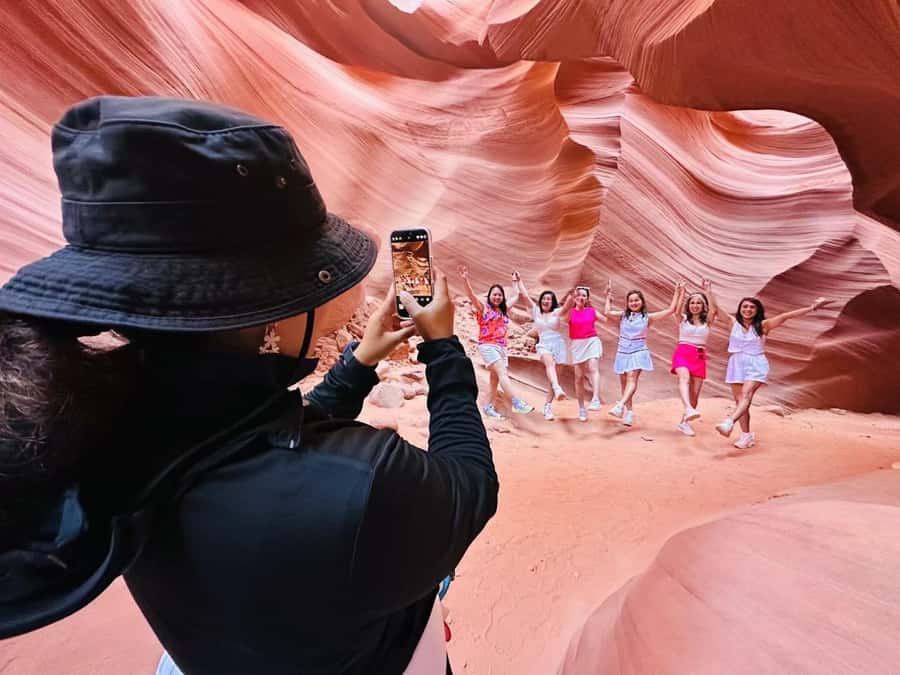
I love the photo coaching. Guides like Tyrone, Jay, Sonny, Wyatt, Kyle, Mariah, and LeMoyne (just a few names you might hear) focus on angles, settings, and quick technique so your pictures look like they belong in a magazine.
One possible drawback: this is a tight, 1.5-hour visit in a place with lots of other groups, so you’ll need to keep moving and follow instructions closely to get the best views.
In This Review
- Key things to know before you go
- Upper Antelope Canyon: what this 90-minute walk is really like
- Getting to the start: TSE Bighanilini Tours and check-in timing that matters
- The shuttle ride down: fast, simple, and rule-based
- Entering the canyon: where the famous shapes and colors show up
- Photo stops that feel purposeful, not random
- The geology and Native culture stories: why this guide-led format matters
- Timing for better light: choosing a departure that helps your photos
- Price and value of $138: what you’re paying for (and what you’re not)
- Rules that shape your experience: comfortable shoes, no tripods, and bag restrictions
- Who should book this tour
- Should you book Upper Antelope Canyon with a local guide?
- FAQ
- How long is the Upper Antelope Canyon Walking Tour?
- Where do I meet for the tour?
- How early should I arrive and when does check-in close?
- Is there an extra fee besides the $138 price?
- What’s included in the tour price?
- What should I bring with me?
- Are tripods allowed?
- Can I use a GoPro or action camera?
- Are bags and backpacks allowed during the tour?
- Does the tour run on Arizona time?
Key things to know before you go
- Navajo-guided walk focused on culture, geology, and practical photo tips inside a slot canyon
- World-famous slot canyon lighting where the red rock turns dramatic as sunlight hits the walls
- Short duration (1.5 hours) that packs a lot in, with time built around photo “pockets”
- Strict gear rules (no tripods, umbrellas, bags, or GoPros/action cameras) that keep the canyon flowing
- Timing matters for color; earlier tours tend to produce better light for many people
- Not for wheelchair users or mobility impairments due to the walking nature of the route
Upper Antelope Canyon: what this 90-minute walk is really like
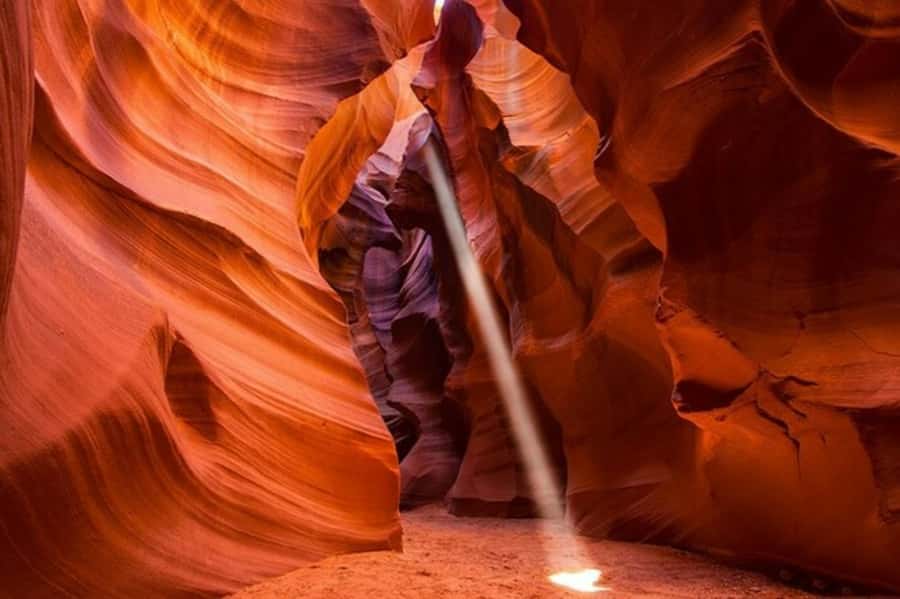
Upper Antelope Canyon is the kind of place where your brain does a double take. You look at the walls and think, how did this form? Then your guide starts explaining how water and time shaped the rock into twisting passageways, and suddenly it clicks.
The tour is designed to help you experience the canyon in two ways at the same time: you’ll learn what you’re seeing, and you’ll also get help capturing it. If you enjoy photography, this is a big reason people get so attached to the experience. If you don’t, you’ll still appreciate how the canyon plays with light, shadow, and color.
And yes, it’s popular. That popularity can mean a faster pace, but it also means the guides are good at managing the flow so you still get time at the most striking spots.
You can also read our reviews of more walking tours in Page Arizona
Getting to the start: TSE Bighanilini Tours and check-in timing that matters
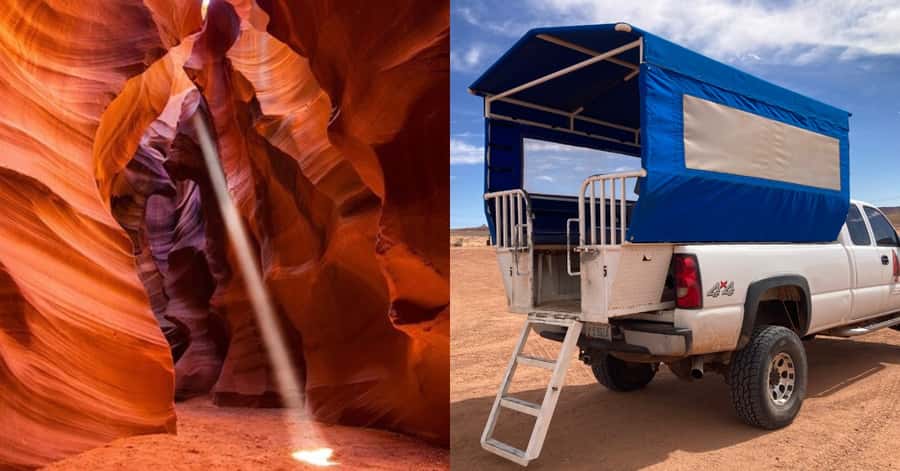
The tour meets at TSE Bighanilini Tours. Plan to arrive about an hour before your departure so you’re not stressed. Check-in closes 45 minutes before the tour time, and you must check in at least 45 minutes before to keep your reservation. If you miss that window, tickets are forfeited with no refund.
There’s also a quick practical note for families: you’ll need to bring your own children’s car seat or booster seat for the shuttle ride down. This matters because it affects what you pack in your vehicle before you arrive.
If you’re trying to coordinate your day in Page, keep in mind this tour operates on Arizona time (Phoenix time zone). In winter, Antelope Canyon time is 1 hour ahead of Pacific time. In summer, it lines up with Pacific time. Before you head out, check what time it is where you’re coming from so you don’t end up staring at your phone five minutes too late.
The shuttle ride down: fast, simple, and rule-based
Once you’re checked in, you’ll head toward the canyon area by shuttle. The ride itself isn’t long, but it sets the tone: this is a guided experience with clear boundaries for safety and timing.
You’ll also notice the focus on what you can’t bring. No bags and backpacks are allowed, including fanny packs, hydration bags, crossbody/messenger bags, and purses. Also, no smoking and no pets.
If you’re thinking about storage, don’t. You’ll need a plan for your phone, ID, and essentials that doesn’t involve carrying a bag.
Entering the canyon: where the famous shapes and colors show up
Inside Upper Antelope Canyon, you’ll start following your Navajo guide through the entrance area and into the slot. This part moves at walking pace, not a slow stroll. You’re guided from one visually important point to the next, and your guide uses those short stops to explain what’s happening in the rock.
The canyon is known as a place where water runs through rocks, and that phrase isn’t just a catchy description. You’ll hear the formation process broken down in plain language—how water and geology work together to carve and shape these tight corridors over a long time.
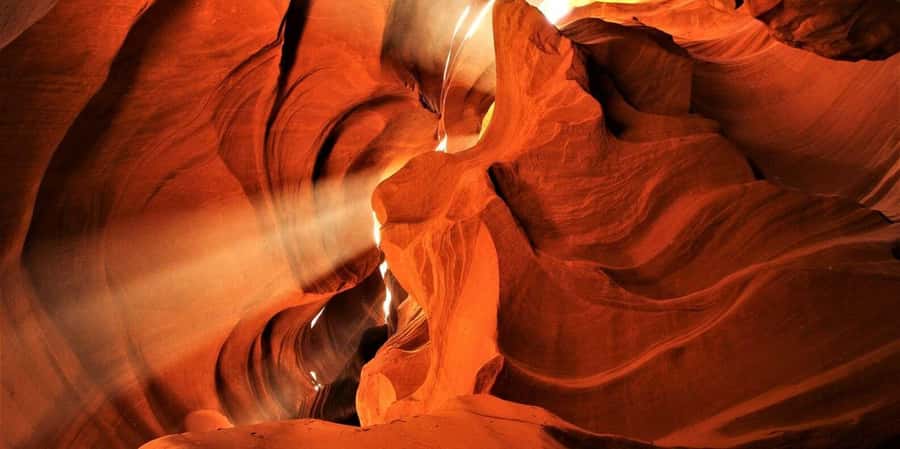
The walls themselves do the rest. The red rock isn’t static. It changes depending on where the sunlight hits and where you’re standing. That’s why your guide matters: they point you toward the spots where the light turns the canyon into those signature textures people travel for.
Photo stops that feel purposeful, not random
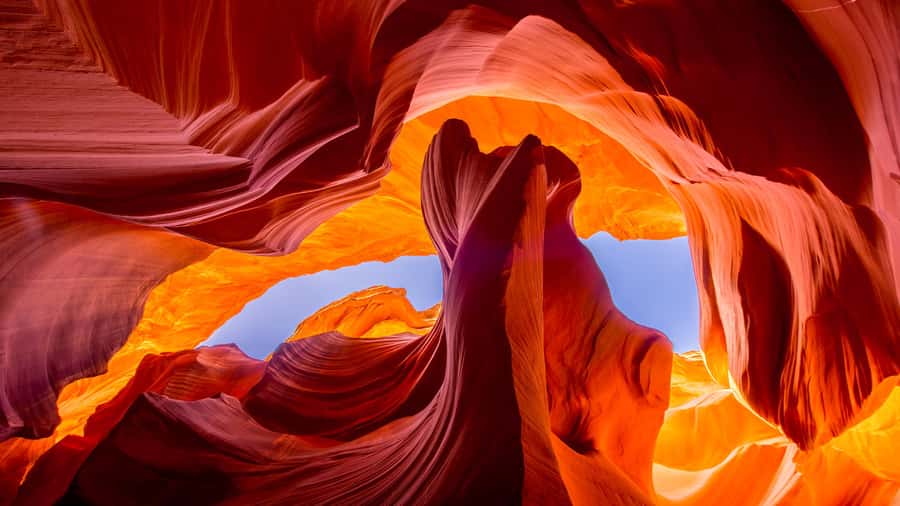
One of the most praised parts of this tour is how guides help with photography. Instead of just telling you to take pictures, they give you a method. You’ll get tips on angles, positioning, and timing within each pocket of the canyon.
You’ll see how guides coach both phone and camera users. Some guides are especially hands-on about phone photography and how to adjust settings to get the best result in the canyon’s lighting. If you’ve ever taken a gorgeous landscape photo outside and watched it fall flat indoors, this is where you learn how to adapt.
A few practical things to keep in mind:
- No tripods are allowed, so you’ll rely on stable standing positions and quick framing.
- No GoPros, action cameras, or camcorders are allowed. That rule keeps the line moving and keeps everyone focused on the same shared path.
- The tour is short, so you’ll want to pay attention at the stops your guide chooses rather than wandering for your own viewpoint.
Also, if you’re hoping for silhouette-style shots, your guide will usually steer you toward the spots where light and shadow line up best. That’s the moment when everyone suddenly gets it, including people who weren’t sure they’d be able to take great photos.
The geology and Native culture stories: why this guide-led format matters
There are two kinds of canyon tours. One just gets you from point A to point B. This one does something extra: it ties the canyon’s look to the land itself and to local knowledge.
As you walk, you’ll hear stories of Native American culture and how geology shaped the area. Even when you don’t know the science terms, the guide translates it into something you can picture. You learn why certain walls curve, why the rock looks layered, and how the canyon’s shape channels light in such a dramatic way.
This is also why a local guide matters. You’re not only listening for facts—you’re learning how to read the canyon like a place, not just a backdrop.
Timing for better light: choosing a departure that helps your photos
If photography matters to you, timing isn’t a small detail here. One common theme is that sunlight changes results, especially in a canyon where the walls and openings control where light lands.
I’d treat morning as your friend. People often find that a 9:00 AM departure gives better photo results than later afternoon tours with harsher angles or less flattering light. Late-day sunshine can also mean you’re getting more glare than color, depending on the day and your exact route positions.
So here’s my practical approach:
- If your goal is photos first, aim for earlier starting times when you can.
- If you’re flexible, compare tour times before you choose. The light trade-off is real.
Price and value of $138: what you’re paying for (and what you’re not)
The price is $138 per person for the Upper Antelope Canyon Walking Tour with a local guide, and it’s not just an empty label. What you get for that cost is meaningful:
Included:
- Upper Antelope Canyon entrance ticket
- Navajo nation permit fee
- Local tour guide
- Parking
Not included:
- A $5 service fee per person, cash only
Here’s the value logic I like: the entrance ticket and permit fee are part of what it costs to access and operate in this area. Then you’re paying for the guide time and the guided structure that helps you see more and get better photos in a tight window. If you’re going to the canyon anyway, having a guide is what helps you turn your visit into something you’ll remember, not just something you walk through.
And while $138 isn’t bargain-bin pricing, it also isn’t inflated for a walk that’s brief and tightly managed. It’s basically paying for access plus a high-touch guide experience.
Rules that shape your experience: comfortable shoes, no tripods, and bag restrictions
This tour has rules, and they affect how it feels on the ground. Read them before you show up so you don’t end up at check-in with a last-minute problem.
What to bring:
- Passport or ID card
- Comfortable shoes
What’s not allowed:
- Pets
- Smoking
- Tripods
- Umbrellas
- Bags and backpacks (including fanny packs, hydration bags, crossbody/messenger bags, purses)
- GoPros, action cameras, or camcorders
Also:
- No open-toed shoes, sandals, or high heels
- No firearms or weapons
- No hiking sticks or canes
For me, the shoe rule is the biggest “comfort” factor. Canyon surfaces can be uneven and the route asks you to focus. Wear shoes that let you walk confidently without thinking about them.
Who should book this tour
This one is a great match if you want:
- A guided slot canyon with stories that connect culture and geology
- Better photos without bringing heavy gear
- A short, efficient outing (about 1.5 hours)
It’s not suitable if you:
- Need wheelchair access
- Have mobility impairments that make walking difficult
If you’re traveling with kids, it can still work well because it’s not a long hike. Just remember the shuttle car seat/booster requirement.
And if your plan is to show up, wander, and ignore instructions, reconsider. This canyon rewards following the guide’s pace and using their chosen photo pockets.
Should you book Upper Antelope Canyon with a local guide?
Yes, I’d book it if Upper Antelope Canyon is on your Page, Arizona must-do list and you care about getting great photos. The short duration means you won’t get tired out or lose the day. The bigger win is the guide’s role in helping you understand what you’re seeing and how to photograph it in the canyon’s controlled light.
I would hesitate only if you’re uncomfortable with a fast-moving group setting or you’re counting on bringing restricted gear like tripods, tripods, or umbrellas. This tour works best when you’re ready to keep your hands free, follow the route, and let the guide set the tempo.
If you want a canyon that feels like more than just scenery, and you want your pictures to look as good as the real thing, this is one of the most practical choices in the area.
FAQ
How long is the Upper Antelope Canyon Walking Tour?
The tour runs for about 1.5 hours. Starting times vary, so check availability for the exact departure schedule.
Where do I meet for the tour?
You meet at TSE Bighanilini Tours. Plan to arrive early and use directions from Google to find the meeting point.
How early should I arrive and when does check-in close?
Plan to arrive an hour before the tour departure. Check-in closes 45 minutes before departure, and you must check in at least 45 minutes before tour time to keep your reservation.
Is there an extra fee besides the $138 price?
Yes. There is a $5 service fee per person, cash only.
What’s included in the tour price?
Your ticket includes the Upper Antelope Canyon entrance, a Navajo nation permit fee, a local tour guide, and parking.
What should I bring with me?
Bring a passport or ID card and wear comfortable shoes. If you’re traveling with children who need a car seat or booster, bring it for the shuttle ride down.
Are tripods allowed?
No. Tripods are not allowed.
Can I use a GoPro or action camera?
No. GoPros, action cameras, and camcorders are not allowed.
Are bags and backpacks allowed during the tour?
No. No bags or backpacks are allowed, including fanny packs, hydration bags, crossbody/messenger bags, purses.
Does the tour run on Arizona time?
Yes. It operates on the Arizona time zone (Phoenix time). Antelope Canyon time shifts by season relative to Pacific time, so verify the time difference for your travel dates.