REVIEW · OSAKA
Osaka Local Foodie Walking Tour in Dotonbori and Shinsekai
Book on Viator →Operated by MagicalTrip Inc. · Bookable on Viator
Tsutenkaku watching over street food is a great start. This 3-hour Osaka walk strings together Shinsekai and Dotonbori tastings with shrine-and-temple scenery and the kind of local context that makes the food feel less like a checklist. I especially like the small-group pace and the fact that you get real set-piece bites, not just a sip here and there. My only caution: the route can feel brisk, and a few stops lean more sightseeing than nonstop food variety.
I also like that the tour is led by certified local guides who know how to translate the area into simple, everyday stories. Guides I’ve seen praised by name—Aika and Yuma in particular—tend to connect what you eat to the culture around it, plus they’ll point you toward smart photo angles (and help you not get lost). If you’re very strict about dietary needs, note that gluten-free and vegan aren’t supported, so plan carefully before you book.
In This Review
- Key highlights at a glance
- Shinsekai meets Dotonbori: why this route feels right
- Meeting point at FamilyMart: don’t overthink it, just plan for it
- Pace and group size: small means easier, but you still move
- Stop 1: Tsutenkaku and Jan-Jan Yokocho kushikatsu
- Stop 2: Shinsaibashi-suji and the “museum-like” alley feel
- Stop 3: Dōgu-ya-suji in Dotombori (plus the knife-shop side quest)
- Stop 4: Hozen-ji Temple and Ukiyo-koji snacks (where the night feels real)
- Stop 5 and 6: the Glico sign photo moment, then Sennichimae Doguyasuji okonomiyaki
- Food you actually eat: what’s included and why it works for a walking tour
- Price and value: $111.42 for Osaka street-food culture, not just food
- Guides: why names matter for choosing a tour
- Comfort tips: weather, walking, and smoking-permitted areas
- Who should book this (and who might be happier elsewhere)
- Should you book Osaka’s Shinsekai and Dotonbori Local Foodie Walk?
- FAQ
- What food is included on the Osaka Local Foodie Walking Tour?
- How long is the tour, and how big is the group?
- Where do I meet the tour and where does it end?
- Can I get a vegetarian or vegan option?
- Are drinks included, and is there alcohol?
- What should I prepare for since it is a walking tour?
Key highlights at a glance
- Tsutenkaku + Jan-Jan Yokocho: a classic Shinsekai setup, with kushikatsu to match the mood
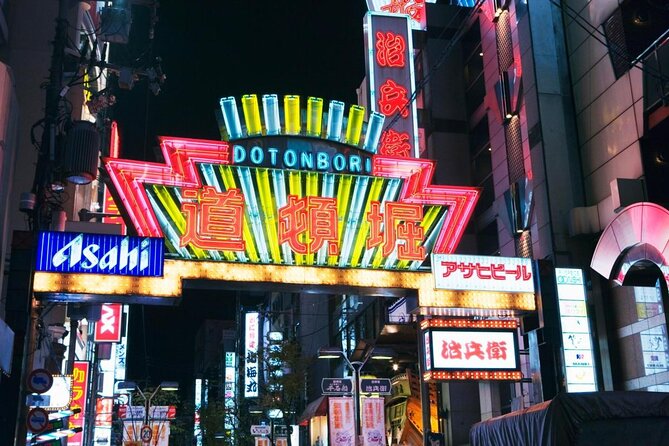
- Dotonbori photo moments: including a proper stop at the famous Glico sign
- Three cooked set tastes: kushikatsu, okonomiyaki, and takoyaki, plus 3 drinks
- Small group size (max 7): easier conversation and quicker decision-making on the street
- Shinto shrine and Hozen-ji area: temple walking that breaks up the food loop
- Street-shopping along Dōgu-ya-suji: useful if you want Osaka knives and food souvenirs
Shinsekai meets Dotonbori: why this route feels right
Osaka’s food culture isn’t spread evenly. Shinsekai gives you the louder, retro, tower-over-the-neighborhood vibe. Dotonbori gives you the neon, the drama, and the food stalls that feel like they’ve been doing the same job for decades.
This tour is built around that logic. You start in Shinsekai with a iconic landmark atmosphere near Tsutenkaku, then you work your way toward the Dotonbori core where street life and food marketing are part of the show. You’re not just walking between restaurants—you’re walking through the stage set that explains why people come to these places.
The best part is that the tour doesn’t pretend Osaka is one-note. You get a temple stop (Hozen-ji), a shrine element along the way, and classic photo stops—so the meal breaks don’t feel random.
You can also read our reviews of more walking tours in Osaka
Meeting point at FamilyMart: don’t overthink it, just plan for it
The tour starts at FamilyMart Japan in Sannō, Nishinari Ward (address provided in the listing details), and it ends right at the Glico Sign in Dotonbori.
Two practical notes. First, you’ll be walking, so wear shoes you can keep on for a few hours. Second, the tour starts on time and you can’t join late—so if you’re coming from another neighborhood, give yourself buffer time. One common frustration with walking tours in this part of Osaka is that “meeting point” can feel unclear if your navigation is a little off. So I’d treat the first arrival as a dry run: get to the area early, check your map pin twice, then meet the group.
Also remember: transportation is not included (listed as a 190 JPY fee). If you’re taking subway or trains to the start area, plan to add that cost.
Pace and group size: small means easier, but you still move
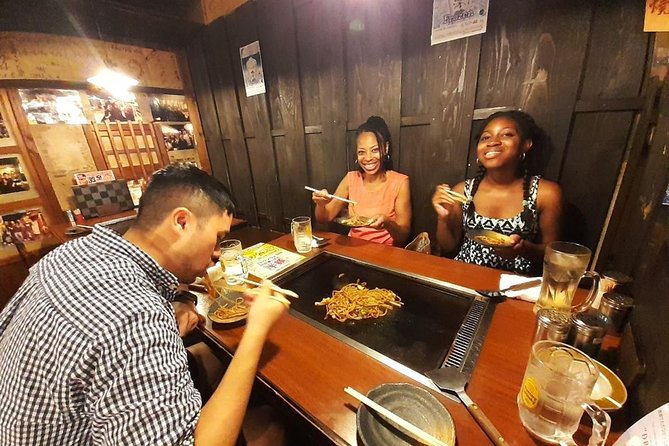
The group size is capped at 7. That’s a real plus because you’re not trapped behind a parade of people. It also makes it easier for the guide to keep you together and answer questions.
That said, some feedback points to a pace that can feel fast at certain stretches—especially between stops. If you’re the type who wants time to browse the side streets, you might feel the schedule tightening up. Your best move is to be ready to snack, then walk—rather than expecting long stand-and-stare breaks.
The trade-off for a 3-hour format is simple: you get several meaningful stops, but the tour can’t behave like an all-day food festival.
Stop 1: Tsutenkaku and Jan-Jan Yokocho kushikatsu
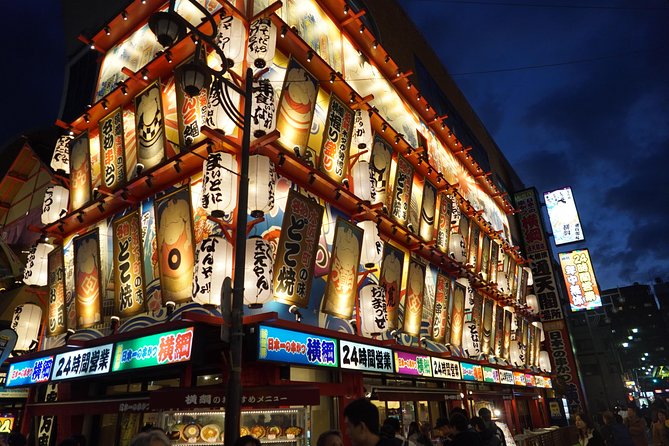
This is where the tour sets the tone. You walk through the Jan-Jan Yokocho alley while Tsutenkaku Tower watches over Shinsekai. It’s a small street setting with that old-school “everyone comes here for one thing” energy.
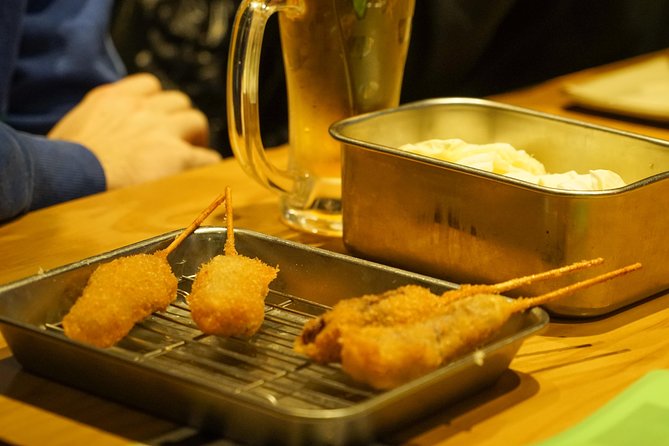
Then you eat kushikatsu—deep-fried skewers of meat and vegetables. The tour includes 6 pieces, which is a good number for a walking tour. It’s enough variety to be satisfying without turning your stomach into a grease sponge.
If you like learning while you eat, this is usually where the guide brings the most useful context: why these skewers are a social food, how the flavors are built, and how the shop style works in Osaka. Guides like Aika and Yuma have been praised for making the area feel understandable, not just impressive.
One food-tech tip worth knowing: kushikatsu is often eaten with dipping sauces, and shops can have rules about how you handle the sauce. Your guide will likely steer you through what to do at the counter, so pay attention right when you sit down or queue up.
Stop 2: Shinsaibashi-suji and the “museum-like” alley feel
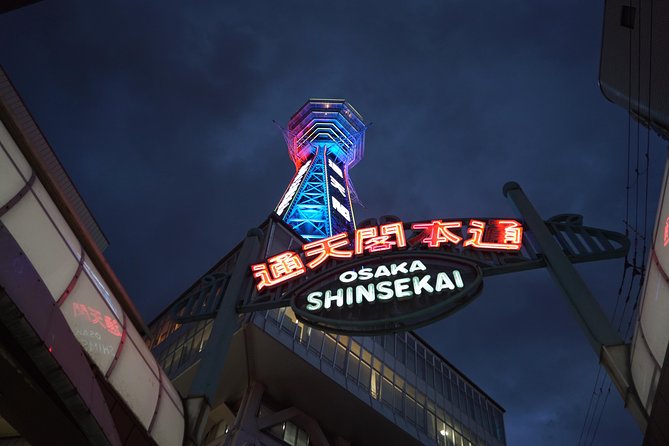
Next comes Shinsaibashi-suji shopping street and the Shinsekai-to-town-center connection. You’ll also visit a Billiken statue area as part of this segment.
This part of the tour is more about atmosphere than appetite. The description talks about an alley that feels like Osaka center life from decades ago. Even if you’ve seen plenty of shopping streets in Japan, this one is meant to feel like a time capsule moment—more practical than philosophical, since it helps you see how these neighborhoods have kept their food identity while the city changed around them.
This stop can be a welcome break if you’re craving movement and quick photos. It’s also why the tour is good for first-timers: it helps you orient yourself, so Dotonbori later doesn’t feel like pure chaos.
A few more Osaka tours and experiences worth a look
Stop 3: Dōgu-ya-suji in Dotombori (plus the knife-shop side quest)
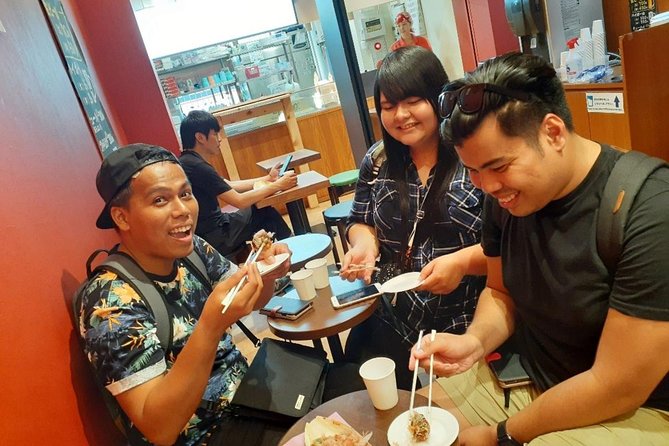
When you reach Dotonbori for the shopping segment, you’re in Dōgu-ya-suji, including a well-known stop at the Hōchō-ya knife shop area.
This is not a random retail pit stop. It’s a useful way to understand Osaka’s personality: food isn’t just what you eat—it’s also what tools you buy, what souvenirs you bring home, and what local craft people want to keep close.
Souvenir shopping here also means you’re less stuck waiting for the next meal. You can grab small items, compare store displays, and take pictures without feeling guilty about “missing” the food part.
If you don’t care about shopping, you can still use this time well by practicing your photo routes around the area. Dotonbori’s signage and reflections are half the appeal.
Stop 4: Hozen-ji Temple and Ukiyo-koji snacks (where the night feels real)
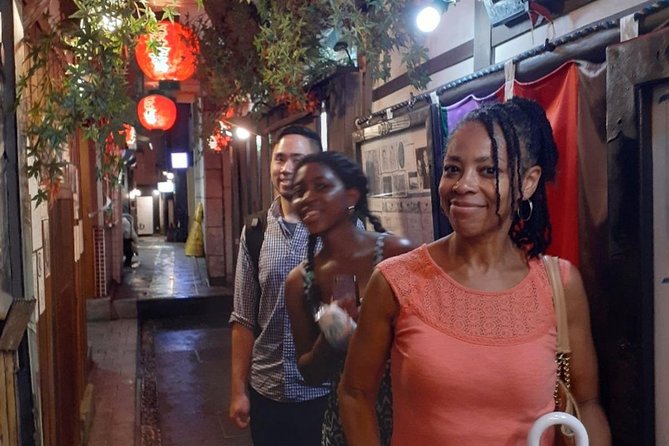
Then the tour shifts to Hozen-ji Temple and the Ukiyo-koji alley walk. This is a strong pairing because the temple stop gives you a break from the loudest street-food marketing, even though the area stays food-centric.
You’ll also snack as part of this portion—takoyaki and sweets are specifically mentioned in the plan, and the itinerary indicates an amount around ¥500 for that snack window. The big win here is contrast. You go from frying and skewers into walking, photos, and softer treats.
This segment is also where lighting and timing matter. One review noted the temple visit didn’t feel great because it was dark. I can’t control the sun setting, but I’d treat this as a practical suggestion: bring your best phone brightness settings, and if you’re arriving during late evening hours, expect the temple photos to be more about mood than crisp detail.
Stop 5 and 6: the Glico sign photo moment, then Sennichimae Doguyasuji okonomiyaki
The famous Glico sign is part of the tour twice in different ways: you’ll take pictures there, then you’ll finish with more eating and shopping near Sennichimae Doguyasuji.
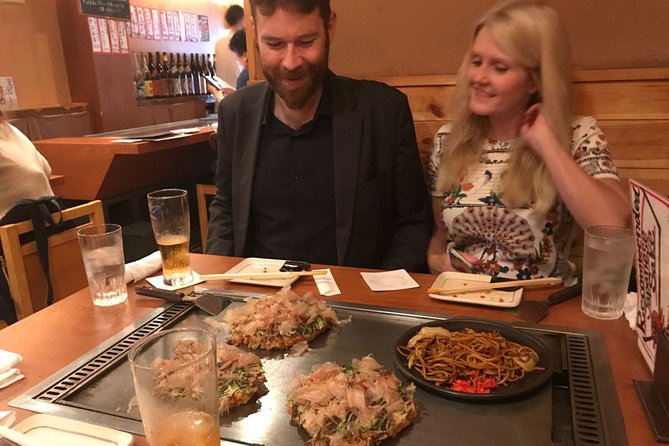
The food highlight here is okonomiyaki. The tour includes 1 piece of okonomiyaki, and this is one of the most fun foods on a walking route because it’s warm, shareable, and deeply Osaka. The name roughly points to cooking style and toppings, and in practice it means you’ll get a savory pancake-like dish that feels hearty after all the walking.
There’s also an added benefit for many people: some groups get a hands-on feeling at okonomiyaki spots (for example, people have mentioned grilling). Even if your specific spot doesn’t do theatrics, okonomiyaki usually comes with enough action and scent to keep the energy high.
Finally, you end in Dotonbori near the Glico sign area, so you can extend the evening on your own if you still have room.
Food you actually eat: what’s included and why it works for a walking tour
Here’s what the tour plan includes, in plain terms:
- Kushikatsu: 6 pieces
- Okonomiyaki: 1 piece
- Takoyaki: 1 box
- Drinks: 3 drinks (alcohol or non-alcohol available)
For a $111.42 price point, this set matters. It’s not just tasting crumbs. It’s three core Osaka street foods, served in amounts that usually keep you comfortably full without turning the whole walk into a food coma.
One practical caution from the dietary notes: gluten-free and vegan can’t be accommodated. Vegetarian is possible if you select the vegetarian option, but dashi (pork broth) may still show up in vegetarian kushikatsu. If you avoid pork broth for religious, medical, or personal reasons, you need to say so at least one day in advance so the team can prepare accordingly.
Also, you may not get strict allergy-free guarantees. Food is prepared in kitchens not run by the tour company, so you should share allergy details early and understand you’re relying on the restaurant’s ability to manage your needs.
Price and value: $111.42 for Osaka street-food culture, not just food
Price is always the real question. At $111.42 per person for about 3 hours, you’re paying for four things at once:
- Guided route across two neighborhoods (Shinsekai + Dotonbori)
- A tight food plan with three major Osaka dishes
- 3 drinks included (helpful if you’d otherwise buy alcohol or soft drinks)
- Local context that helps you understand what you’re seeing and eating
This is a good value if you want a structured first night (or second night) in Osaka. It saves you time hunting down what to eat, and it saves you from choosing wrong shops in the tourist swirl.
It’s less satisfying if you’re a hardcore foodie who wants lots of micro-stops and a long list of tiny samples. Some feedback has complained about value when the tour felt more like an Osaka city walk with snacks than a pure foodie crawl. So if your dream is 10+ food stalls and constant variety, you might feel the 3-hour format is too short.
But if you’re happy with three signature Osaka bites, a couple shopping/photo breaks, and a temple intermission, the price usually pencils out.
Guides: why names matter for choosing a tour
The guide quality is a huge part of this experience. You’ll often see the same names praised:
- Aika: praised for local insight and lively conversation during the Shinsekai and Dotonbori walk
- Yuma: praised for clear English and help navigating the busy streets
- Kent: praised for friendly pacing and explaining food and local spots
- Mich/Michiko: praised for connecting food locations to everyday life
- Justin: praised for guiding night streets and even helping with subway navigation
- Emi: praised for tying restaurants and common practices to daily Osaka life
- Naru: praised for sharing cultural and historical context
- Hiro/Hide: praised for friendliness, with mixed notes depending on how much food-focused detail landed
If you care about food history and restaurant logic, look at guide write-ups and descriptions carefully when booking. A tour with the same food list can feel totally different depending on how much the guide talks through why each stop is the way it is.
Comfort tips: weather, walking, and smoking-permitted areas
Osaka weather can be intense: summers can reach up to 40°C (110°F), and winters can dip to -5°C (20°F). Bring what matches the season and don’t rely on a light jacket or light shoes just because the forecast looks mild.
You’ll also be walking through areas where smoking may be allowed. The tour notes suggest venues might not be changed if smoking is present, so keep that in mind if you’re sensitive to smoke.
Finally, keep your hands free. You’ll be doing photos, handling drink cups, and moving between alleyways and shopping streets. A small crossbody bag works better than a backpack you need to take off at every stop.
Who should book this (and who might be happier elsewhere)
This tour is a strong fit if:
- You want three classic Osaka foods without planning each stop yourself
- You like your travel with a mix of food + street scenes + one temple moment
- You prefer a small group so conversations are possible
- You’re visiting for the first time and want to get oriented fast
You might want to skip or choose something else if:
- You expect a long list of tiny tastings at lots of stalls
- You need strict dietary accommodations like gluten-free or vegan (not supported)
- You hate fast-moving walking tours and want slower browsing time
Should you book Osaka’s Shinsekai and Dotonbori Local Foodie Walk?
If you’re doing Osaka in a short window and you want your first night to feel organized, this is a solid booking. You get the big three—kushikatsu, okonomiyaki, and takoyaki—plus drinks, in a route that pairs old Osaka textures (Tsutenkaku/Shinsekai) with the Dotonbori neon energy.
I’d book it if you’re comfortable with some walking pace and you’re not trying to meet strict dietary needs. I’d think twice if you want nonstop food sampling at many different spots.
For most people, it’s a good way to eat like Osaka without gambling on where to go.
FAQ
What food is included on the Osaka Local Foodie Walking Tour?
The tour includes 6 pieces of kushikatsu, 1 piece of okonomiyaki, 1 box of takoyaki, and 3 drinks (alcohol and non-alcohol are both available).
How long is the tour, and how big is the group?
The tour runs about 3 hours. The group size is limited to a maximum of 7 travelers.
Where do I meet the tour and where does it end?
It starts at FamilyMartJapan in Nishinari Ward (Sannō, 1-chōme), and it ends at the Glico Sign in Dotonbori (Chuo Ward, Dōtonbori).
Can I get a vegetarian or vegan option?
Gluten-free and vegan cannot be accommodated. A vegetarian option is available if you choose it when booking (or request in advance by the day before). Note that vegetarian kushikatsu may still use dashi (pork broth), so you should tell them ahead of time if you cannot consume it.
Are drinks included, and is there alcohol?
Yes. Three drinks are included, and both alcohol and non-alcohol options are available.
What should I prepare for since it is a walking tour?
Wear comfortable walking shoes and dress for Osaka’s extremes (hot summer can reach up to 40°C / 110°F and winter lows can drop to -5°C / 20°F). The tour starts on time, so arrive early to avoid missing the group.