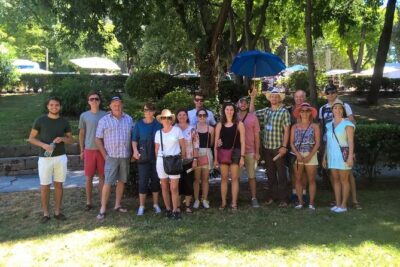
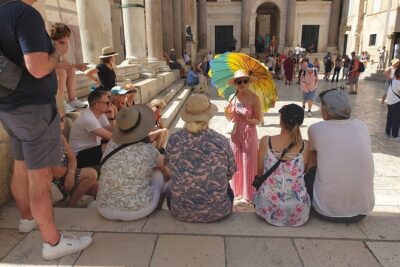
Portland has layers. This 2-hour walking tour connects you to the city’s people and power, not just its postcard scenes. You’ll meet guide Dugan in the center of it all and move through Downtown, Old Port, and the Commercial Street waterfront while he shares stories that don’t show up on the usual plaques.
I really like the small-group size (max 15), because it keeps the pace human and makes it easier to ask questions. I also like that the tour is built around hidden histories, including Indigenous survival through colonialism, overlooked makers in Victorian spaces, and women who shaped port life but were left out of the big monuments.
One thing to plan for: Portland is hilly and the route includes cobblestones plus stairs (6 steps up, plus two staircases totaling 24 steps). If you’re sensitive to uneven ground or stairs, it’s worth thinking twice.
In This Review
- Quick hits before you go
- Hidden Histories in Portland: why this walk feels different
- Price and value: what $54 buys you (and what it doesn’t)
- The route starts at Post Office Park and ends by the ferry
- Stop 1: Downtown for unsung heroes, architecture myths, and Portland’s oldest building
- Stop 2: Old Port for Victorian makers and the labor web behind shipping
- Stop 3: Commercial Street waterfront for women in the working port and federal policy effects
- The guide matters: why Dugan’s style makes the difference
- Walking practicalities in Portland: hills, cobblestones, and stairs
- Donation included: Abyssinian Meeting House and the value of built-in impact
- How to pair this with the rest of your Portland day
- Who should book this Hidden Histories Portland walk
- Should you book this Portland Hidden Histories walking tour
- FAQ
- How long is the Portland Hidden Histories Guided Walking Tour?
- How much does the tour cost?
- Where do I meet my guide?
- Where does the tour end?
- Is the tour offered in English?
- How big is the group?
- Is admission included for the tour stops?
- Are pets allowed?
- Is cancellation free?
- Is the tour accessible for people who need to use public transportation?
Quick hits before you go
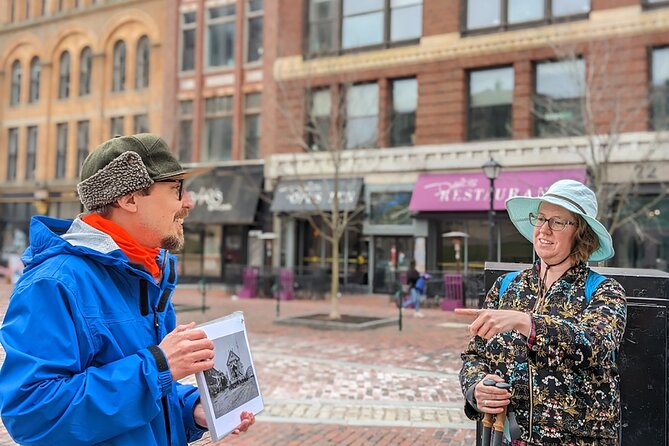
- Meet at Post Office Park and end at Bell Buoy Park on Commercial Street, right by the ferry terminal
- Dugan’s storytelling style mixes humor with context, and the tour is designed for interaction
- 3 focused zones: Downtown (45 min), Old Port (45 min), Commercial Street (30 min)
- A contribution included: your ticket includes a donation toward restoring the Abyssinian Meeting House
- Built for a small group with a max of 15 people and a walkable downtown route
- Mobile ticket in English, plus a free meetup point that’s easy to find
Hidden Histories in Portland: why this walk feels different
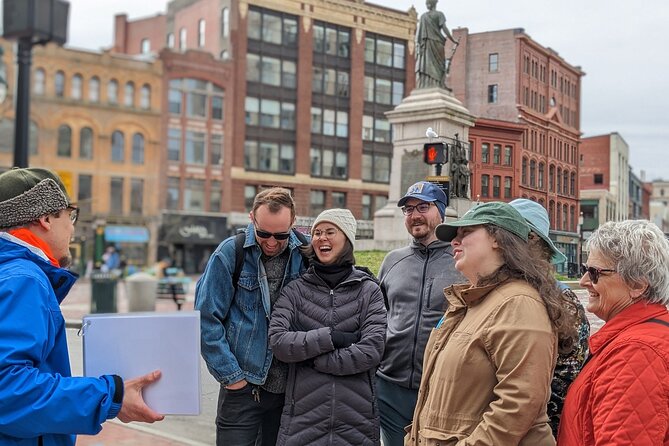
If you’ve ever done a big, scripted walking tour, you know the problem: you hear facts, but you don’t understand the people behind them. This one is more like a guided conversation through the city’s turning points. You’re not just moving street to street. You’re tracking how real lives—political, economic, and cultural—shaped Portland.
What makes it especially appealing is the tour’s angle. It’s not only about famous buildings and famous names. You’ll hear about unsung individuals, forgotten history-makers in Victorian neighborhoods, and the complicated relationships behind port work and shipping. Even the way the tour is organized supports that feeling. Downtown starts the story, Old Port adds the maritime and economic muscle, and Commercial Street closes with labor and policy impacts you can still trace today.
And yes, it’s Portland, so you’ll get that mix of historic architecture and working waterfront energy. The difference is you’ll know who held the ropes—literal and political—and why it matters now.
You can also read our reviews of more walking tours in Portland

Price and value: what $54 buys you (and what it doesn’t)
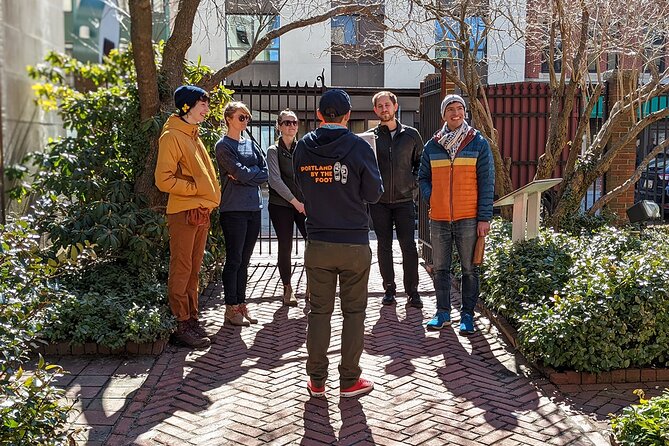
At $54 per person for about 2 hours, this is in the practical middle range for Portland tours. You’re paying for a live, narrated guide (not a self-guided app), plus a thoughtful added value: a donation toward restoring the Abyssinian Meeting House, described as America’s third-oldest standing Black church.
That donation matters because it shifts the experience from entertainment to something with a real-world outcome. You’re not just learning; you’re also helping preserve a site tied to community history.
A few things you should keep in mind so the math stays clear:
- There’s no paid admission for the stops (the tour notes free admission tickets).
- You’ll likely want to budget for your own food and coffee between stops if you plan to keep exploring afterward.
- The tour ends near the harbor, so if you’re trying to get back to a hotel far inland, you’ll want a plan.
Also, you should tip your guide. A tip is not included, and it’s the right move for any guided experience that’s doing real storytelling work for you.
The route starts at Post Office Park and ends by the ferry
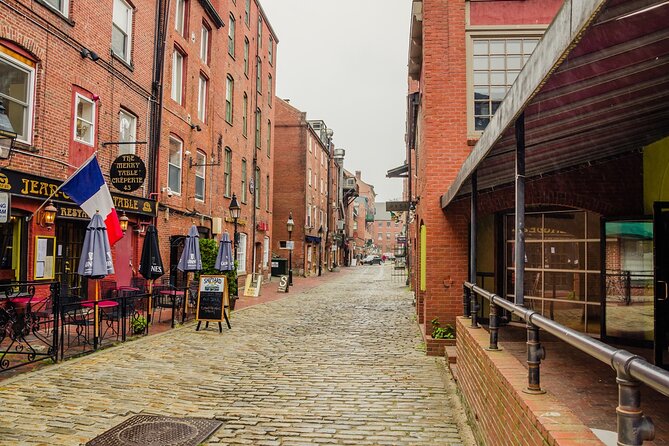
The meetup point is Post Office Park (167 Middle St, Portland, ME 04101). It’s a central start that works well for a first taste of the city. The end point is Bell Buoy Park (54 Commercial St), located on Commercial Street at the Casco Bay Lines ferry terminal. If you’re continuing to a harbor cruise or just want easy ocean views before dinner, the ending spot is a convenient one.
The tour is offered in English, with a mobile ticket, so you’re not hunting for printed vouchers. Service animals are allowed, and the tour notes that pets aren’t allowed unless medically required.
Stop 1: Downtown for unsung heroes, architecture myths, and Portland’s oldest building
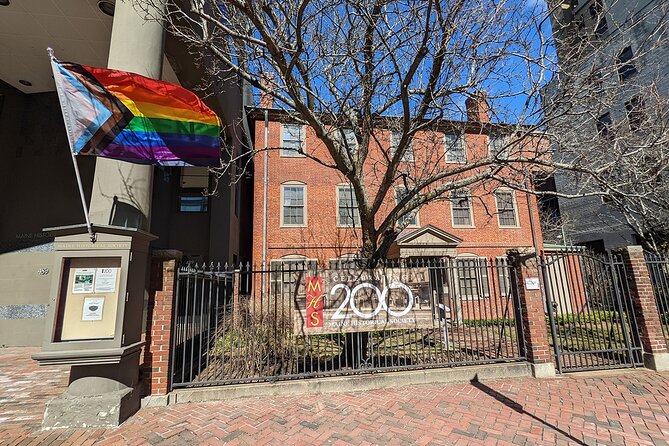
The Downtown portion runs about 45 minutes, and it sets the tone. You’ll walk through the downtown district with Dugan, hitting major landmarks while also threading in the stories Portland usually keeps off the main tour route.
Here’s what makes the Downtown start hit:
- You’ll hear about a woman described as living as her true self a century ago and improving the lives of Mainers against steep odds. That’s a strong opening because it frames Portland’s history as lived struggle, not just civic pride.
- You’ll get a lesson in how to read the city’s architecture. The tour calls out stories not captured by plaques and statues, which is exactly the kind of thing that turns a street walk into a real “wait, what?” moment.
- You’ll also hear about the resilience of Indigenous nations—surviving colonialism and navigating diplomatic relationships today. This isn’t treated as distant past. It’s presented as something ongoing.
- There’s a specific mention of hidden stories connected to people not recognized by Portland’s largest monument. That kind of contrast helps you understand how public memory gets formed—and who gets left out.
The last Downtown beat is a classic Portland twist: you’ll see the oldest building in downtown Portland and hear a surprising story about a world-famous inhabitant associated with it. That blend—early survival, big stories, and overlooked figures—makes Downtown feel like the origin point for everything that follows.
A practical note: Downtown is where you’ll notice the uneven ground and elevation more. If you’re comfortable with short stretches of uphill walking, you’ll be fine.
Stop 2: Old Port for Victorian makers and the labor web behind shipping
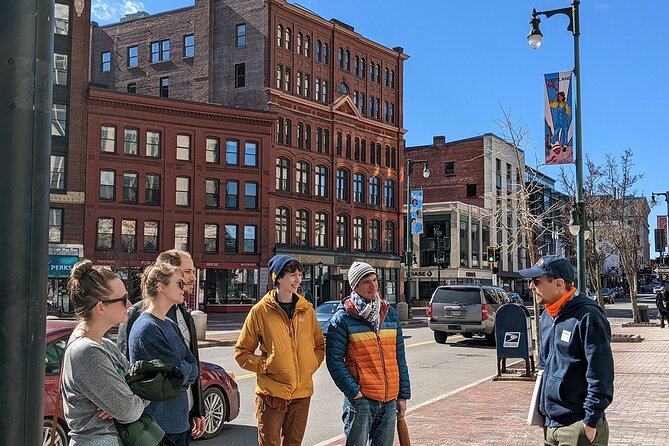
Old Port is another 45 minutes, and it shifts the focus from people who shaped the city socially to people who shaped it economically and logistically. This is where Portland’s identity as a working port starts to feel real.
You can expect three main themes during the walk:
- A complicated history of one of Portland’s most famous sons. Instead of a simple hero narrative, the tour frames it as complicated—meaning the story likely includes more than one side of the picture.
- Victorian buildings plus forgotten history-makers. The tour points you toward the people who once inhabited these spaces but aren’t typically highlighted in the same breath as the landmark itself.
- How port power worked in the 19th century, including the relationship between stevedores, captains, shipowners, and common sailors.
That last theme is the one that really changes how you see the waterfront. When you understand that a port is a network—not a single machine—you start spotting how wealth, labor, and decision-making connect. You stop viewing the waterfront as scenery and start seeing it as a system.
If you like context—why things happened, not just what happened—Old Port is the section where the tour earns its time.
Stop 3: Commercial Street waterfront for women in the working port and federal policy effects
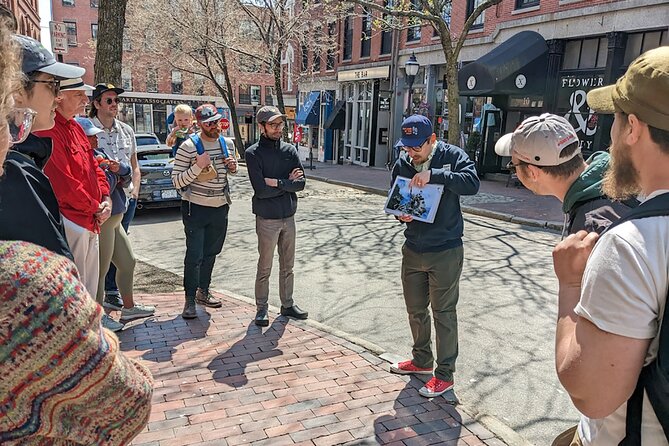
Commercial Street lasts about 30 minutes, which means the focus is tight and the payoff is strong. This part is built around the idea that Portland’s industrial and maritime past isn’t just local—it has global implications tied to shipping and economic change.
Here’s what stands out in the Commercial Street segment:
- You’ll learn what other tours may not emphasize about Portland’s industrial and maritime histories in a wider-world sense.
- You’ll see the working waterfront and hear about female figures who were left out of the history books. This is especially useful because port history is often treated as male-only labor and male-only leadership—until someone brings the women back into the picture.
- You’ll also hear about how changing federal policies impacted life in a port city over the centuries. That turns the waterfront from a historical set piece into an example of how national decisions show up in daily work.
Commercial Street is a good way to end, because it leaves you in the right mood for one more hour in Portland—whether that’s a ferry ride, a walk along the harbor, or dinner nearby.
The guide matters: why Dugan’s style makes the difference
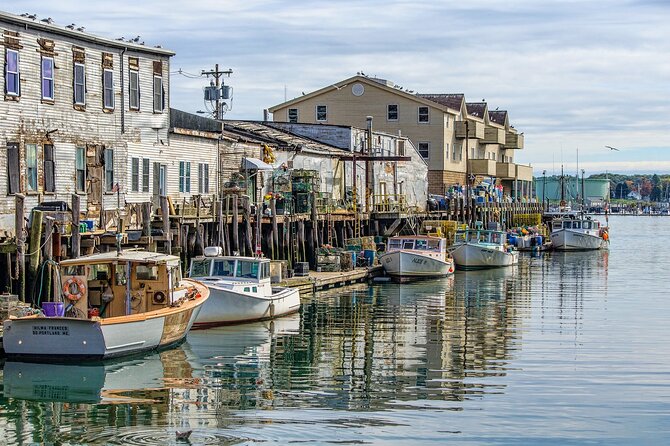
This tour’s best asset is the guide, and the name that comes up again and again is Dugan. He’s described as engaging, funny, and deeply invested in Portland. More importantly, his approach seems built for questions: the tour is structured around frequent moments to stop, look closer, and ask what you’re wondering.
A few practical strengths to look for in any guide, and that’s where Dugan seems to shine:
- Clear communication, so you’re not guessing what you missed at the back of the group
- A pace that works for real people—walk, stop, talk, walk again—rather than a sprint with facts
- Adaptability to what the group finds interesting, instead of forcing everyone through the same script
The result is that you’re not just collecting trivia. You’re learning Portland in a way that sticks because it comes with explanation and attitude.
Walking practicalities in Portland: hills, cobblestones, and stairs
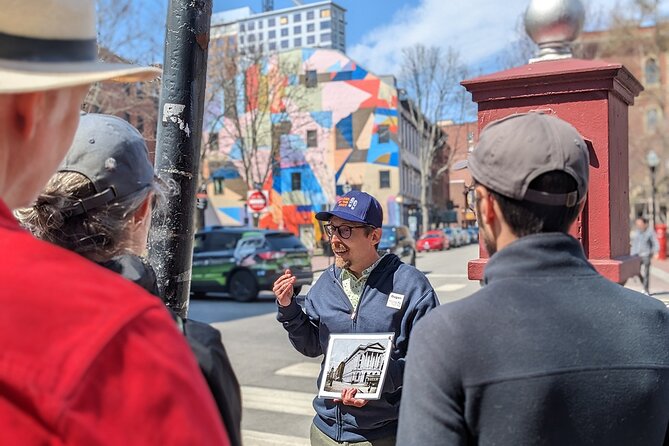
Portland is a walking city, but this route has its own physical reality. The tour notes:
- Some uphill walking
- Cobblestones
- A staircase of 6 steps plus two staircases totaling 24 steps (for 24 steps total going down across the route)
- Plenty of stops along the way
The good news: the pacing is designed to include frequent stops, which helps you reset without losing the thread. The “consideration” is simply this: if you have mobility limits, sore knees, or you hate uneven pavement, you should weigh the route carefully.
Wear shoes you trust. If you’re bringing your most comfortable walking pair, this is the place to use it.
Donation included: Abyssinian Meeting House and the value of built-in impact
One of the quieter, more meaningful parts of the tour is the built-in donation toward restoring the Abyssinian Meeting House, called America’s third-oldest standing Black church in the tour details.
That inclusion changes the whole feel of the experience. It’s easy to think of historical tours as entertainment. Here, you’re supporting preservation connected to living community history. It also gives the tour a moral center: the stories you’re hearing aren’t just old—they’re part of an ongoing effort to keep important places standing.
If you like tours that leave you with more than photos, this one fits that mindset.
How to pair this with the rest of your Portland day
This is the kind of tour that helps you plan the rest of your time in Portland because it gives you a “map in your head.” After Downtown, Old Port, and Commercial Street, you’ll know what to look for on your own:
- In architecture: look for the stories not shown on plaques
- Along the waterfront: think in terms of labor networks and policy impacts
- In neighborhoods: notice who gets honored publicly and who doesn’t
Because the tour ends by the ferry terminal, it’s also a natural lead-in to harbor time. Even if you’re not doing another booked activity, you’ll be in the right place to enjoy ocean views.
Who should book this Hidden Histories Portland walk
Book it if you want:
- A small-group, question-friendly guide experience
- A Portland tour focused on people who are often left out
- A practical mix of landmarks and working-city history
- The guide energy of Dugan, described as funny and engaging while still answering hard questions
You might skip it if:
- Stairs and cobblestones are a deal-breaker for you
- You need a fully level, low-impact route
- Your schedule is extremely tight and you can’t afford to linger at stops
Should you book this Portland Hidden Histories walking tour
I’d book it if your goal is to understand Portland beyond the obvious. The $54 price feels fair for a live, narrated, 2-hour small-group experience that also includes a donation to preserve an important historic site. And the guide-driven style seems built for real interaction, not a one-way lecture.
If you’re game for a hilly walk with some stairs, you’ll get a lot out of the way this tour connects Downtown, Old Port, and Commercial Street into one coherent human story. It’s the kind of experience that makes your next walk around town feel smarter.
FAQ
How long is the Portland Hidden Histories Guided Walking Tour?
It runs for about 2 hours.
How much does the tour cost?
The price is $54.00 per person.
Where do I meet my guide?
Meet at Post Office Park, 167 Middle St, Portland, ME 04101.
Where does the tour end?
The tour ends at Bell Buoy Park, 54 Commercial St, Portland, ME 04101, near the Casco Bay Lines ferry terminal.
Is the tour offered in English?
Yes, it is offered in English.
How big is the group?
The tour has a maximum of 15 travelers.
Is admission included for the tour stops?
The stops are listed with free admission.
Are pets allowed?
Pets are not allowed on tours unless medically required.
Is cancellation free?
Cancellation is free up to 24 hours in advance for a full refund. If you cancel less than 24 hours before the experience starts, the amount you paid won’t be refunded.
Is the tour accessible for people who need to use public transportation?
It’s listed as near public transportation, and it also allows service animals. However, Portland is hilly and the route includes cobblestones and staircases.