REVIEW · WARSAW
Warsaw: Warsaw Ghetto Private Walking Tour with Hotel Pickup
Book on GetYourGuide →Operated by PolinTours · Bookable on GetYourGuide
The past is right on the street. This Warsaw Ghetto private walking tour uses actual locations to explain how the Nazis created and then tried to erase Europe’s largest ghetto. You’ll connect the dots between policy, daily suffering, and the 1943 uprising that erupted when survival ran out.
What I like most is the way you see the ghetto in place, not just in theory—fragments of wall, the last street of the ghetto, and key sites tied to the final liquidation plan. I also love that the guide’s teaching style stays focused and human, with clear storytelling and help for your questions (including old photos and maps used to compare then-and-now).
One consideration: this is emotionally heavy and not suitable for kids under 14, plus there’s extra synagogue payment on site. If you’re counting on hotel pickup, double-check, since pickup is listed as optional and some wording can confuse people who prefer to meet at the landmark instead.
In This Review
- Key takeaways before you go
- Stepping into Warsaw’s ghetto story, one street at a time
- 1940 to liquidation: how a ghetto became a machine
- Finding the ghetto’s edges: wall fragments and the last street
- Umschlagplatz and the Monument to the Ghetto Heroes
- The synagogue that survived: what it means today
- The 1943 Uprising: why people fought back
- “Private” doesn’t just mean fewer people
- Price and value: is $84 for 3 hours worth it?
- Practical details that make or break your comfort
- Who should book this tour, and who should reconsider?
- Should you book Warsaw’s ghetto private walking tour?
- FAQ
- How long is the Warsaw Ghetto Private Walking Tour?
- Where do I meet the guide?
- Is hotel pickup included?
- What languages are available?
- Do I have to pay extra for the synagogue?
- Is this tour suitable for children or for mobility needs?
Key takeaways before you go
- 3-hour, private format means you can ask questions without feeling rushed.
- Real ghetto traces: wall fragments and streets that still let you picture the wartime layout.
- Umschlagplatz explained: you’ll learn the symbolism behind the collection point and what happened there.
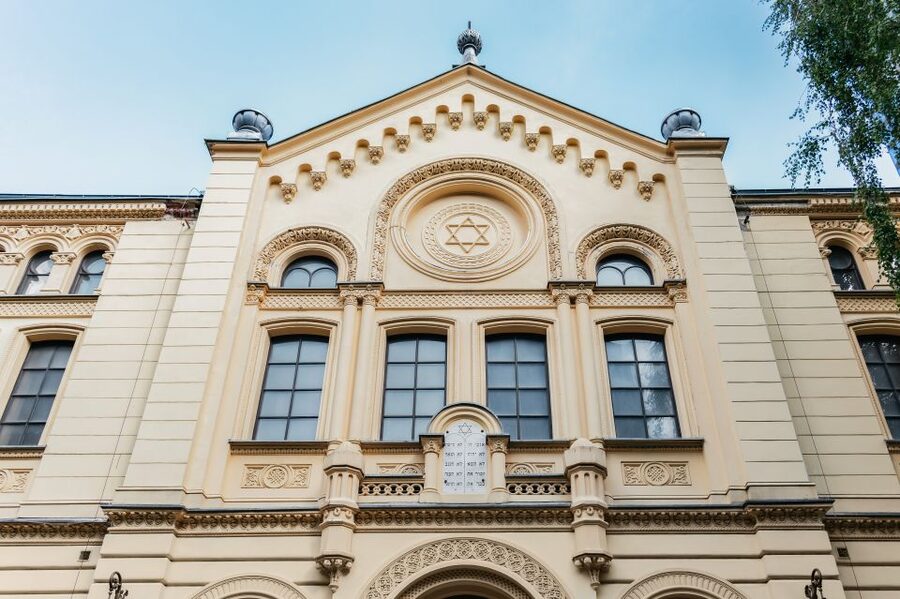
- Stop at the surviving synagogue—the only one in Warsaw that made it through the Second World War and still functions.
- Uprising context: you’ll hear why people took up arms and how the fight lasted nearly a month in 1943.
- Guide quality matters: many visitors highlight standout guides by name (like Marzena), especially for pacing and clarity.
Stepping into Warsaw’s ghetto story, one street at a time
Meet the guide at Prozna st. 9, between Bistro Charlotte Menora and Strefa Restaurant, and look for a sign reading PolinTours. If you picked hotel pickup, you’ll still want to know where the main meeting point is, just in case plans shift or you want the certainty of starting at the stated landmark.
This is a city-walk tour, but it doesn’t feel like wandering. You move along the former ghetto area with a guided narrative that keeps snapping history onto the ground beneath your feet. You’ll cover a lot in 3 hours, and the pace is usually paced to keep the facts clear rather than a blur.
The tour’s core idea is simple: you’re not only learning dates. You’re learning locations, because the ghetto was built inside a living city—and then the Nazis tried to destroy both the people and the physical memory of where they lived.
You can also read our reviews of more walking tours in Warsaw


1940 to liquidation: how a ghetto became a machine
The story begins in 1940, when the Nazis established the ghetto in the heart of Warsaw. The numbers are staggering: more than 400,000 Jews were crammed into an area of about 4 square kilometers. In that tight space, around 100,000 people died from exhaustion, hunger, and disease.
As you walk, your guide connects that crowding to what came next. You’ll hear how the attempted “final solution” was put into action through mass deportation to extermination camps, including Treblinka, where more than 300,000 people were killed. This isn’t just a lecture of terms—it’s structured to help you understand the logic the perpetrators used to justify the plan.
One thing I’d watch for in tours like this: the temptation to treat the ghetto like a sealed chapter in the past. A good guide keeps it grounded in cause-and-effect—how policies shaped daily life, why boundaries became deadly, and why resistance started to look like the only remaining form of agency.
Finding the ghetto’s edges: wall fragments and the last street
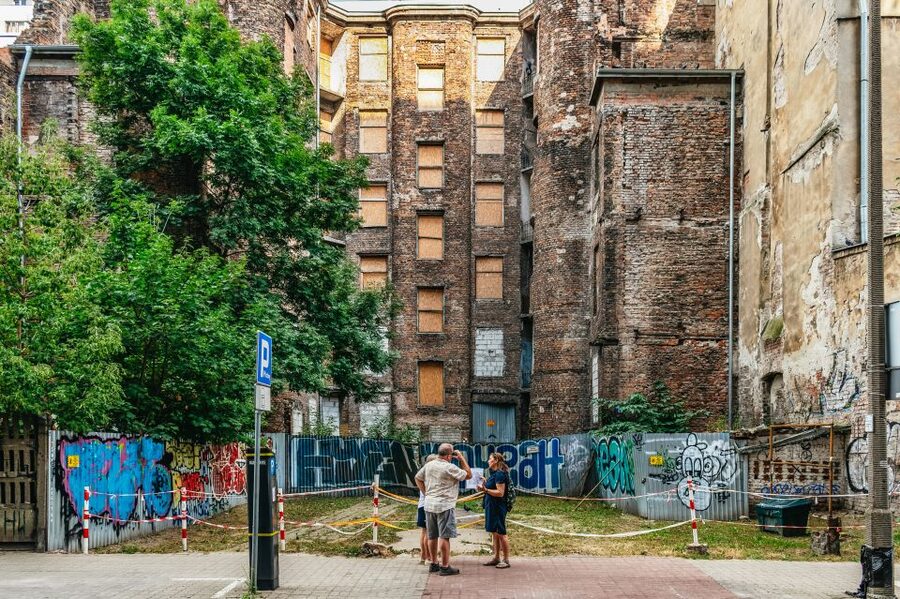
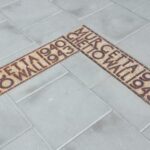
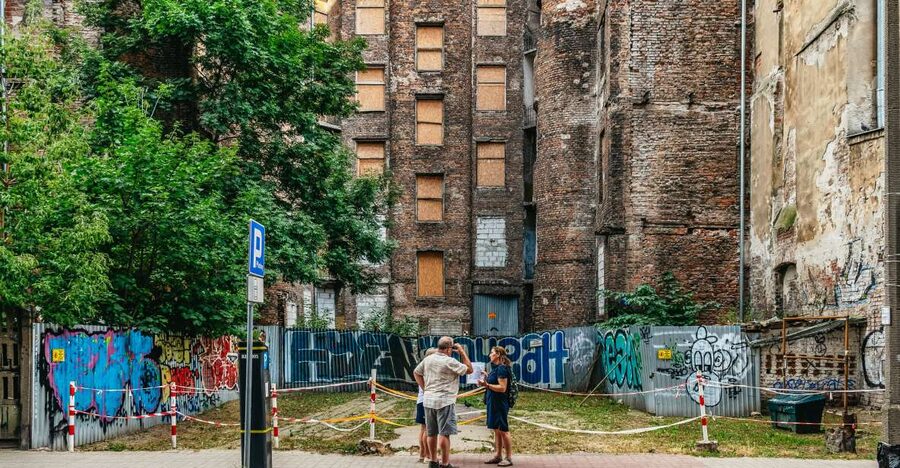
You’ll spend time on places that let you reconstruct the ghetto’s borders in your mind. That includes fragments of the ghetto walls, which matter because they make the confinement feel real. Today, Warsaw is open and mobile; then, movement was restricted by design.
You’ll also walk the last street of the ghetto, a stop that helps you picture the final days and the way the area was treated once liquidation plans accelerated. Even when you can’t see everything clearly today, you’ll learn how to “read” what remains—street shapes, nearby landmarks, and what the guide overlays with maps and old photos.
If you’re coming from a quick museum visit, this is where the tour often hits hardest. Museums give you structure; walking gives you scale. Seeing the area from street level helps your brain understand how “a small zone” could swallow an entire community.
Umschlagplatz and the Monument to the Ghetto Heroes
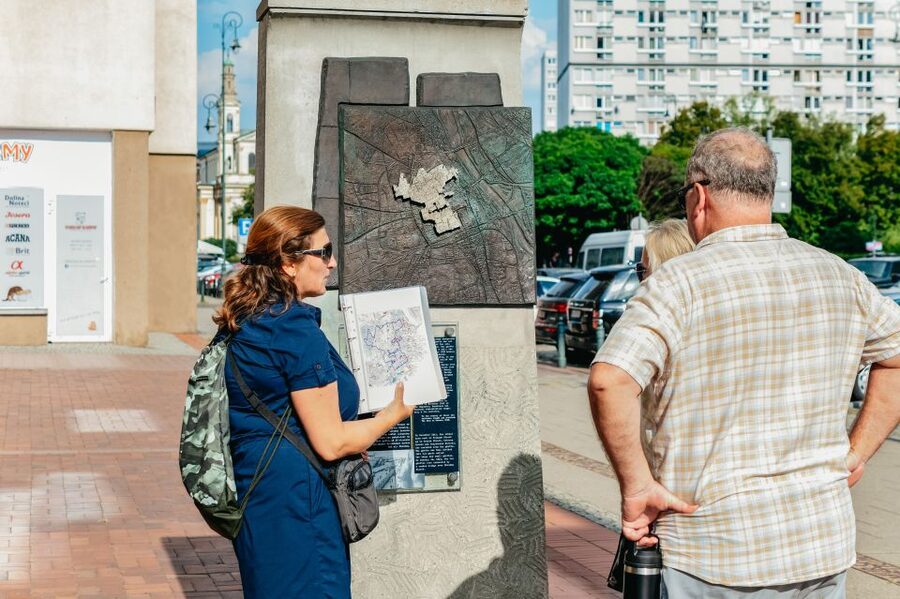
One of the tour’s strongest segments focuses on Umschlagplatz, the collection point. Your guide explains the symbolism behind the place name and how it fit into the deportation process. Even if you’ve heard the term before, having it tied to a specific ground-level location gives it sharper meaning.
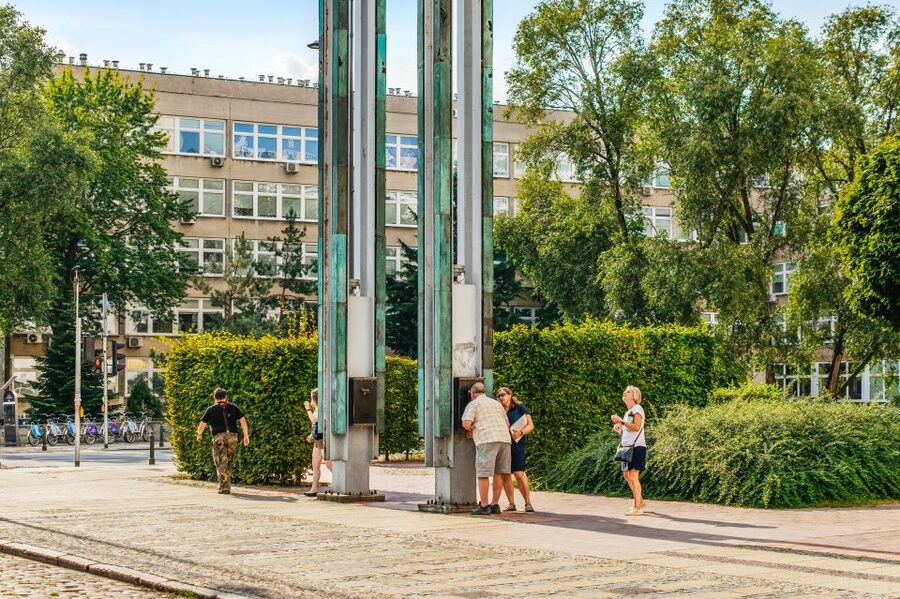
Near this part of the route, you’ll also encounter the Monument to the Ghetto Heroes. This isn’t just a photo stop. It’s a reminder that the story isn’t only about victims and execution—it also includes resistance and choices made under impossible conditions.
I like that this section doesn’t rush past the emotional weight. You’ll get context for the symbolism, then the tour keeps moving so you don’t feel stranded in one moment. It’s a careful rhythm: explain, show, then carry you forward to what happened next.
The synagogue that survived: what it means today
The tour includes a visit to the only synagogue in Warsaw that survived the Second World War and still operates. That fact changes how the visit feels. You’re not stepping into a purely “dead” memorial; you’re stepping into a religious space that continued after the catastrophe.
There’s a practical cost here: you’ll need to pay an entrance fee for the synagogue of 20 PLN (or 5 EUR / 5 USD). The tour doesn’t include this fee, so plan to bring cash or be ready with the right currency.
Your guide will likely encourage respectful handling of religious rules. Bring a head covering or kippah if you have one, and pack it as a priority rather than an afterthought. You’re also told to bring cash and basic sun protection like a hat and sunscreen, since you’ll be walking through exposed parts of the route.

The 1943 Uprising: why people fought back
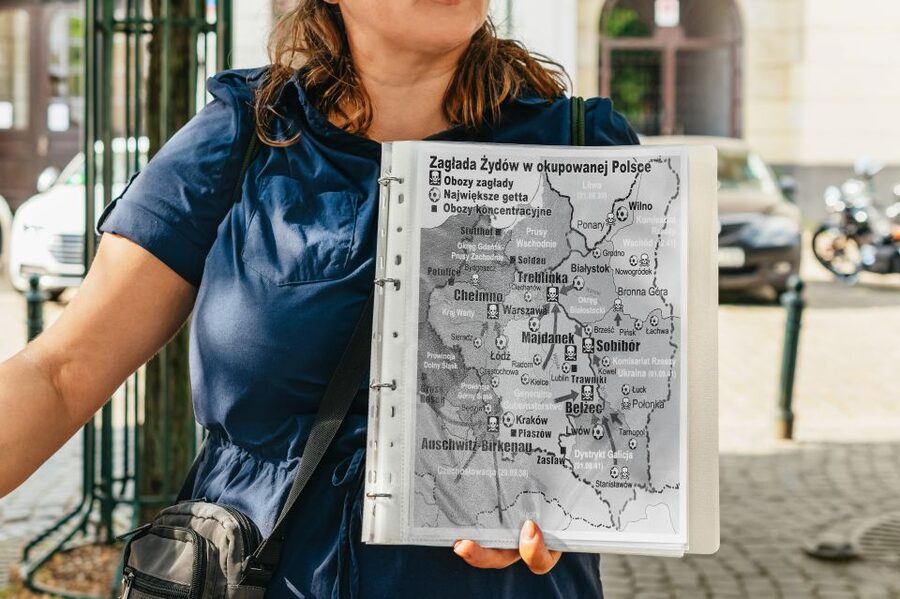
The heart of the tour’s story arrives with the Warsaw Ghetto Uprising in 1943. After the Nazis began the attempt to completely liquidate the ghetto, an uprising broke out, and the fight lasted nearly one month—longer than many people expect.
Your guide explains why the armed resistance was attempted despite overwhelming odds. You’ll hear about the unequal struggle: rebels against armed German troops. The point isn’t to glamorize violence. It’s to show what desperation and moral courage can look like when people decide they won’t accept annihilation passively.
You’ll also learn what happened after the uprising. In revenge, the Nazis destroyed the ghetto. This is where the tour may feel like a gut punch, especially if you came hoping for an “overview.” The tour’s value is that it won’t water this down.
You’ll also hear about survival stories, including Władysław Szpilman, who was later connected to The Pianist by Roman Polanski. Even if you know the film, hearing the real context tied to the ghetto’s geography makes the connection more grounded.
“Private” doesn’t just mean fewer people
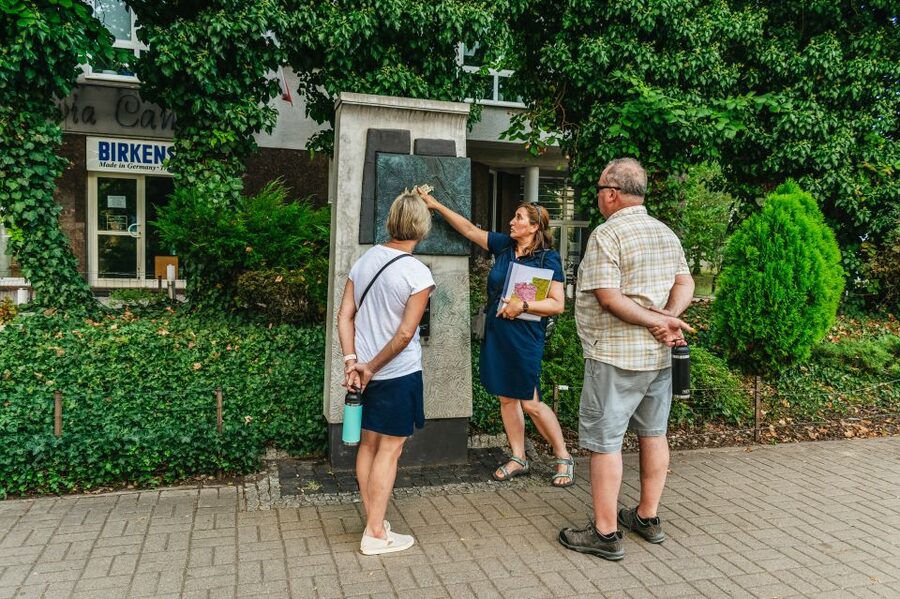
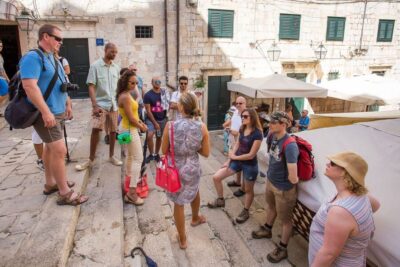
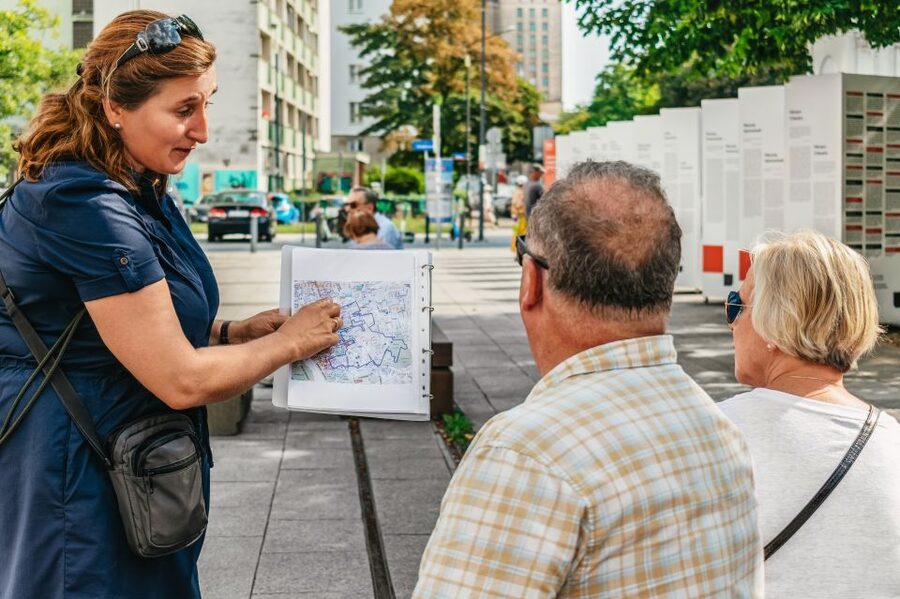
This is a private group tour with a licensed guide, and that changes the feel. You can stop for questions, and the guide can adjust the pacing when you want a slower explanation—something repeatedly praised in guide reviews for people who needed occasional pauses.
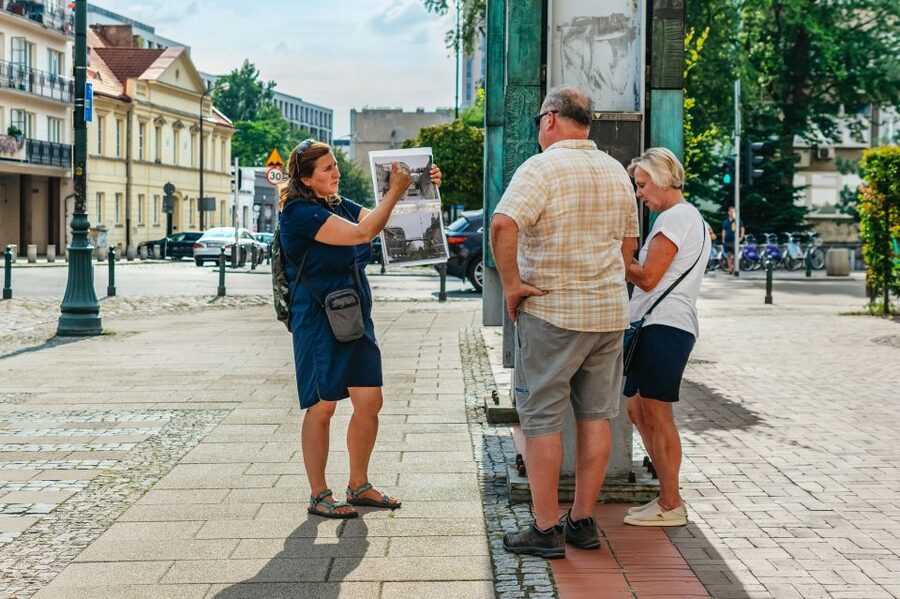
Guides also bring tools that help you grasp what you’re seeing. One of the most praised elements is the use of photos and maps that compare wartime views to current landmarks. If you struggle to imagine what’s gone, these visuals help you build that mental picture fast.
English and German are offered. That matters if you want nuance and smooth follow-ups, especially in a topic where one wrong assumption can distort understanding.
Many visitors highlight guides like Marzena for staying engaging for the full 3 hours, and for being patient with questions. When the guide is strong, the tour feels less like “sit and listen” and more like you’re getting a guided conversation with the city itself.
Price and value: is $84 for 3 hours worth it?
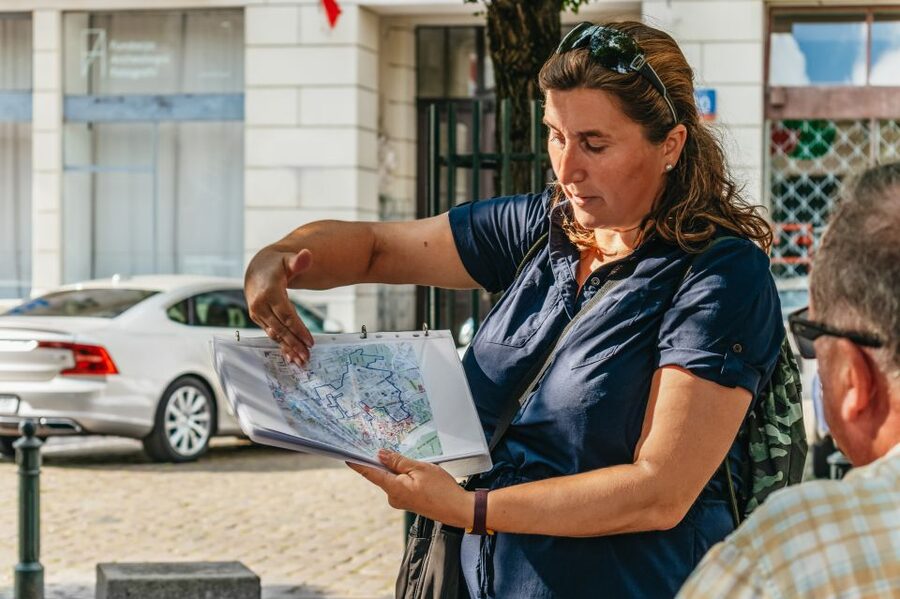
At $84 per person for a 3-hour private walking tour, you should treat this as a premium experience—not budget sightseeing. The “why” is straightforward: you’re paying for a licensed guide, plus transportation by car for pickup/drop-off, plus city plan materials and the time required to connect scattered locations into one coherent story.
The best value comes when you’re trying to learn the “how” and “why,” not only the “what.” This tour’s strength is linking daily life in the ghetto to the broader mechanics of destruction. If that’s what you care about, paying for a guide will usually beat piecing it together alone, because you’re not guessing what a specific fragment or street used to mean.
If your goal is quick, light, and easy, you might feel this is priced high for the mood you’re buying into. But if you want a focused, respectful, location-based education that saves your time and makes the city legible, the price often feels fair.
Practical details that make or break your comfort
Wear comfortable shoes. You’re walking through a city route and you don’t want your feet to turn the experience into a test. Bring a hat and sunscreen, and consider a head covering or kippah for the synagogue stop.
Also follow the rules on baggage. Oversize luggage and large bags aren’t allowed, so travel light. If you’re coming straight from the airport or from a hotel pack-down, double-check what you’re carrying so you don’t end up stressed at the start.
Food and drinks aren’t included, so plan for a stop elsewhere either before or after. This is also one of those tours where you might feel mentally tired afterward—having a simple plan for lunch can keep the end of the day smooth.
If you plan to pair it with museum time, that’s smart. Many visitors use this tour as a foundation, then go straight to POLIN Museum afterward, which helps you read the exhibits with new context. Give yourself enough time so you’re not rushing through the museum while your brain is still processing the walk.
Who should book this tour, and who should reconsider?
This is not for everyone. It’s listed as not suitable for children under 14, and it’s also not suitable for people with mobility impairments. The reason is partly practical (walking route) and partly about the subject matter, which is intense.
If you’re a history-minded traveler, a Holocaust/WWII site visitor, or someone who wants a clear story anchored in Warsaw’s geography, you’ll likely love the format. The tour is also a good fit if you want to ask questions and get direct answers rather than rely on book reading alone.
If you’re sensitive to heavy topics, take care of yourself. Bring water when it’s appropriate, pace your day, and decide whether you want this tour early or later. Some people do better scheduling something gentle afterward.
Should you book Warsaw’s ghetto private walking tour?
I think you should book this tour if you want more than a checklist of sites. It’s built to help you understand the real places tied to the establishment, liquidation, and uprising—especially through stops like Umschlagplatz, the Monument to the Ghetto Heroes, and the synagogue that still operates.
If you’re worried about emotional intensity or you’re traveling with kids who may not be ready for this topic, look for a different option. And if your priority is strict budget travel, treat this as a paid learning experience rather than bargain sightseeing.
For the right traveler, this tour earns its spot near the top of a Warsaw plan.
FAQ
How long is the Warsaw Ghetto Private Walking Tour?
The tour duration is 3 hours.
Where do I meet the guide?
The meeting point is Prozna st. 9, between Bistro Charlotte Menora and Strefa Restaurant. You should look for the guide holding a PolinTours sign.
Is hotel pickup included?
Hotel pickup and drop-off are offered, but pickup is described as optional. Make sure you also know the meeting point in case you decide to meet there.
What languages are available?
The live tour guide is available in English and German.
Do I have to pay extra for the synagogue?
Yes. There is an entrance payment for the synagogue of 20 PLN or 5 EUR or 5 USD, and it is not included.
Is this tour suitable for children or for mobility needs?
It is not suitable for children under 14, and it’s also not suitable for people with mobility impairments.