REVIEW · RIGA
Riga: Old Town Walking Tour in a Small Group or Private
Book on GetYourGuide →Operated by Guide agency Smile Line · Bookable on GetYourGuide
Old Town Riga is compact, but it tells a long story. This 90-minute walk gives you a clear sense of direction and a local take on how centuries of rule shaped the city. I love how the guide connects medieval landmarks to the people who built them, and I really like the photo-friendly pacing through winding streets. One watch-out: the route is on old cobbles, so comfortable shoes matter.
I also like that you get real “where am I?” help. In a city where streets can twist without warning, I found it easier to explore afterward. And I appreciate the focus on specific sights you can recognize fast—then later use to navigate on your own.
The only possible drawback is time. Ninety minutes goes quickly, so if you want to linger inside churches, you’ll need a separate stop later.
In This Review
- Key highlights worth your attention
- Why Riga Old Town walks feel different
- Meeting at the House of the Blackheads, then finding the route fast
- House of the Blackheads and the square that sets the tone
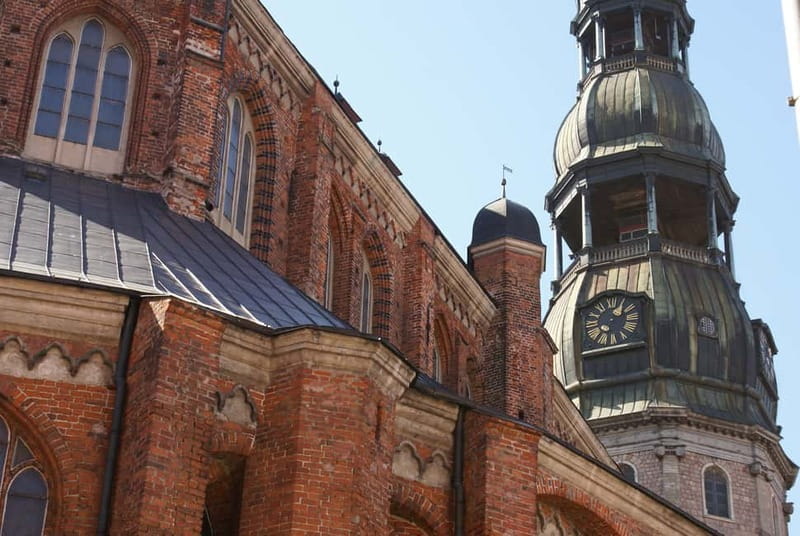
- St. Peter’s Church: the kind of landmark you can read
- Town Musicians of Bremen and Līvu laukums 4: small stops, strong context
- Guild Houses and medieval Hanseatic Riga: where money shows on the street
- Dome Cathedral area: the “why it matters” stop
- Riga Castle, Swedish Gate, and Powder Tower: the photo circuit worth your time
- The guide factor: who you might get and why it changes the tone
- Pace, group size, and the audio system (12+)
- Price and value: why $24 can be a smart move
- What to bring so you’re comfortable the whole way
- Who this tour suits best
- Should you book this Riga Old Town walking tour?
- FAQ
- How long is the Riga Old Town walking tour?
- How much does the tour cost?
- Where do I meet the guide?
- Where does the tour finish?
- What languages are available?
- Is this tour small-group or private?
- Is there an audio system?
- What should I bring?
- What is the cancellation policy?
- What happens if the tour doesn’t have enough bookings?
Key highlights worth your attention
- A tight 90-minute orientation to UNESCO Old Riga that helps you understand what you’re looking at
- Architecture stops built for photos, from church exteriors to guild-house details
- A story-driven route covering medieval Hanseatic power and later foreign influence
- A local guide who makes history practical, not just dates on a timeline
- Small-group energy, with room to ask questions (and an audio system for bigger groups)
- Multiple landmark photo points, including the Dome Cathedral area and Riga Castle viewpoints
Why Riga Old Town walks feel different
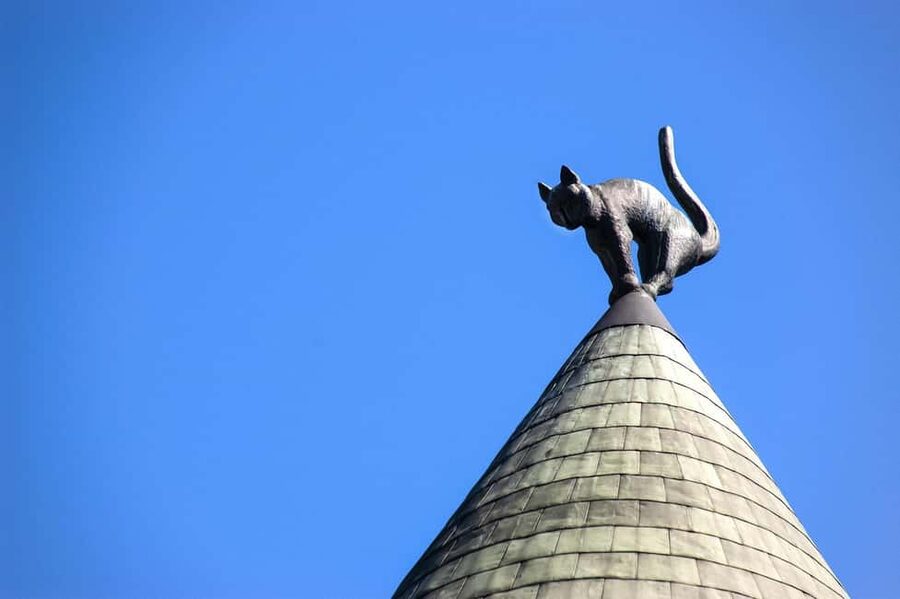
Riga’s Old Town is medieval in a way you can actually feel under your feet. The streets aren’t designed to impress you at first glance—they’re designed for people who lived and worked here centuries ago. That’s why this kind of guided walk hits: it turns a jumble of buildings into a place with logic.
In this tour, you start with the big facts—Riga’s founding 8 centuries ago along the Daugava River—and then you connect them to what still stands. Bishop Albert of Livonia, who founded the Latvian capital in 1201, becomes a useful anchor for the rest of the story. Once the guide frames that origin, the architecture stops don’t feel random.
You can also read our reviews of more walking tours in Riga


Meeting at the House of the Blackheads, then finding the route fast
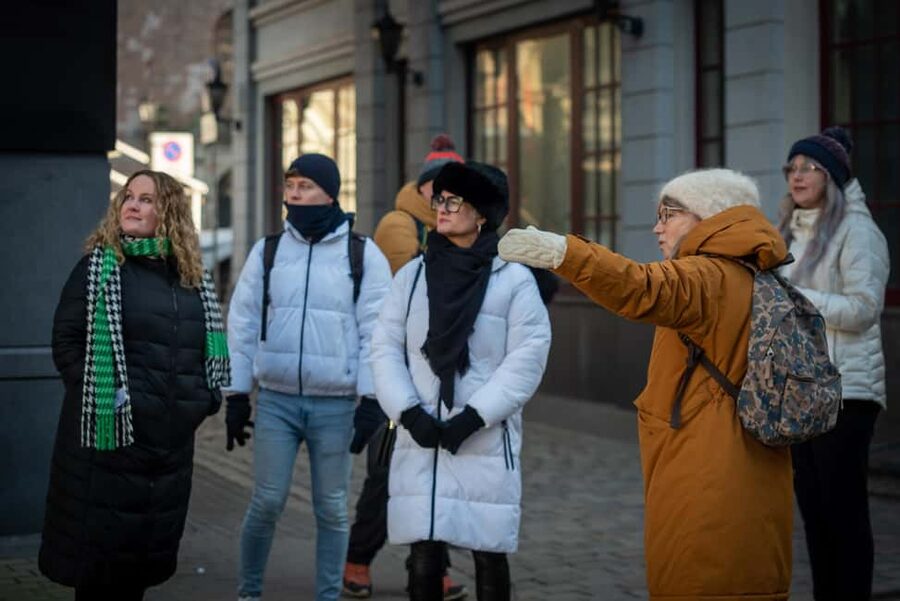
You meet the guide at the Smile Line office at the House of the Blackheads, Townhall Square 7. If you’re arriving in Riga and want your bearings quickly, this is a smart start point—central, recognizable, and easy to re-use later when you plan your own wandering.
The walk is set up to keep moving. You’ll go from gathering to landmark to explanation without long breaks. That matters because Old Riga can be tricky: it’s easy to spend your first morning circling the same few streets without realizing it.
One practical upside: a guide-led flow makes it easier to remember what you saw. You’re not just collecting photos; you’re building a mental map.
House of the Blackheads and the square that sets the tone
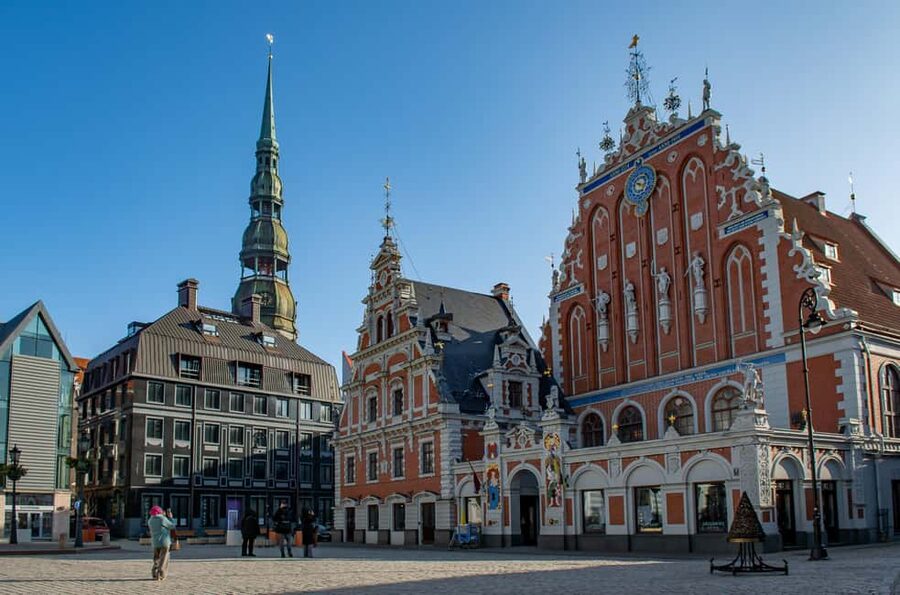
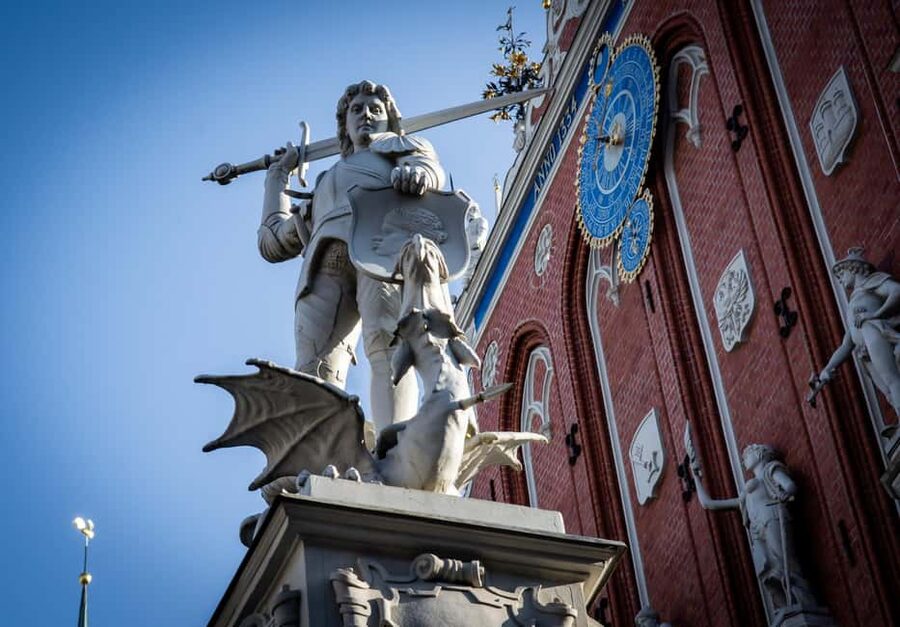
The first stop is the House of the Blackheads, right by Townhall Square. This is one of those places where the building and the location work together. The square vibe gives you a sense of how public life mixed with trade and city power.
From here, you move into the older street web. The guide uses these early minutes to set expectations: the tour isn’t only about one style or one era. It’s about change—who held influence and how it left marks on walls, façades, and street layouts.
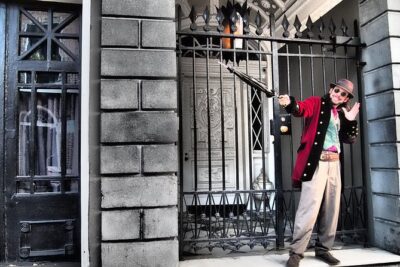
If you get a guide like Gunta, you may notice how much energy they bring to the small details. One thing I like about the best guides is how they make you look twice at ordinary corners.
St. Peter’s Church: the kind of landmark you can read
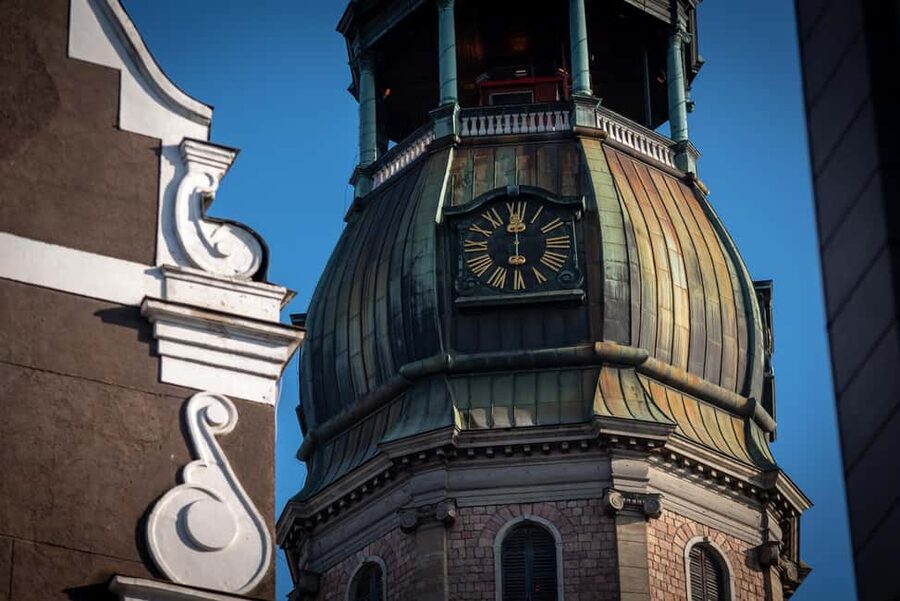
St. Peter’s Church is next, with a guided segment focused on what the building represents in the city’s story. Churches in this part of Europe weren’t just for worship; they were also symbols of civic life, wealth, and identity.
As you walk, you’ll also get the practical rhythm of the tour: listen for the key idea, then look for it in the architecture. That’s how you get more out of the exterior view even if you don’t go inside.
This is also a great stretch for photography. The church exterior gives you angles that are easy to capture while the guide explains what to pay attention to. If you bring your camera, you’ll likely use it here.
Town Musicians of Bremen and Līvu laukums 4: small stops, strong context
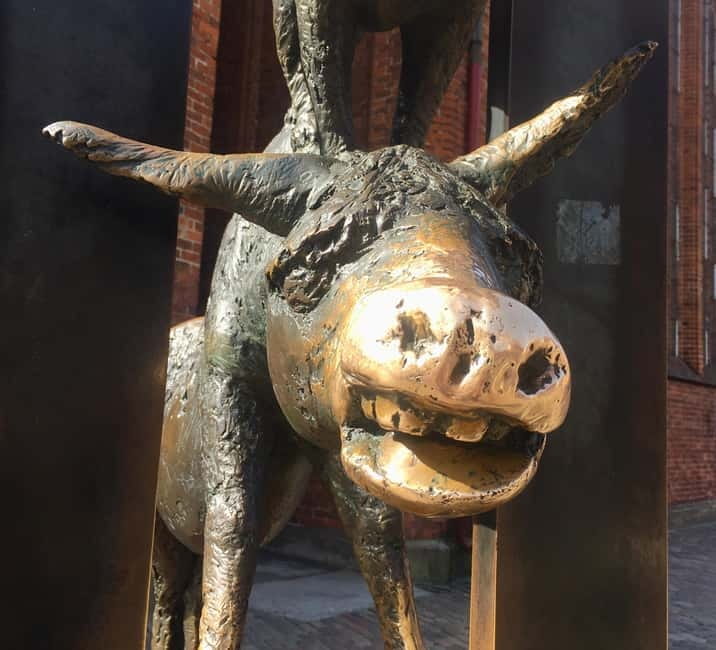
The Town Musicians of Bremen stop is one of those playful moments that breaks up the more solemn landmarks. It’s short, but it helps keep the walk human-scale and memorable.
Then comes Līvu laukums 4. This is where the tour starts to feel like a real walk through Old Riga rather than a checklist. The guide ties the setting back to the bigger picture—who was here, what they valued, and how the city’s medieval character developed.
These mid-tour stops are valuable because they keep the “history” from turning into a lecture. Instead, the guide keeps reminding you: the city is a patchwork.
Guild Houses and medieval Hanseatic Riga: where money shows on the street
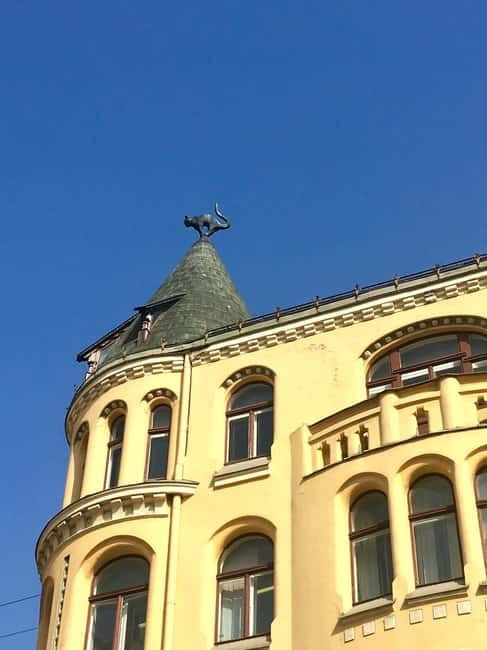
The heart of the tour’s Old Riga story is the medieval Hanseatic center. You’ll hear how Riga’s importance grew as trade and civic power expanded. That matters because you’ll start noticing why buildings look the way they do.
The tour includes stops tied to the Big and Small Guild Houses, famous for their Gothic and Neo-Gothic styles. Even if you don’t consider yourself an architecture person, Gothic details become easier to spot when you know what they’re signaling. Think: status, identity, and local pride—advertised on façades for the whole street to see.
When a guide like Tatyana runs the show, the best part is how the explanations stay engaging without turning fluffy. I like tours where humor and clear facts share the same sidewalk space.
Dome Cathedral area: the “why it matters” stop
You’ll also enjoy the Dome Cathedral area—described as a centerpiece of Old Riga. This is the kind of landmark that rewards patience. The guide’s job here is to give it meaning, not just location.
What I like about this portion is how it balances awe with understanding. You’re looking at splendor, yes, but the guide also helps you connect the cathedral to the city’s role through time.
If you’re arriving for the day and want to understand what you’re looking at before you wander farther, this is a solid moment to anchor your first impressions.
Riga Castle, Swedish Gate, and Powder Tower: the photo circuit worth your time
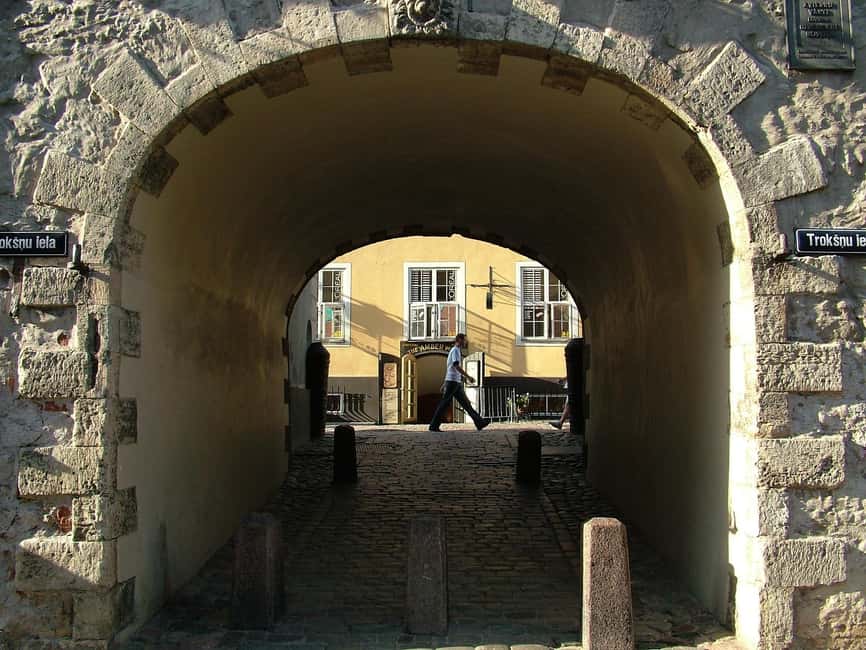
One of the best reasons to do this walking tour early in your trip is that it sets up your later self-guided exploration. As you go, you’ll hit major exterior photo points, including the Riga Castle (the current residence of the President of Latvia) and other recognizable structures such as the Swedish Gate and Powder Tower.
These stops are useful even if you’ve seen pictures online. Seeing them from street level gives you the scale. And when the guide explains what each landmark represents, you’re not just snapping photos—you’re learning a visual vocabulary for the city.
For many people, the photo circuit is the payoff. If that’s you, plan to have your camera ready and expect a few moments where the guide will point out exact angles to try.
The guide factor: who you might get and why it changes the tone
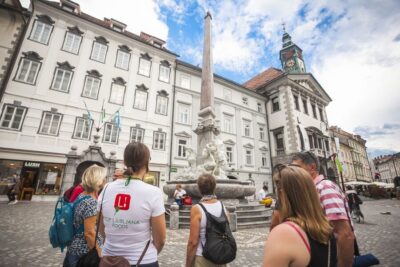
The tour is led by a live guide, and the language options are German and English. The guide also matters because the story is what you carry away.
In the experiences I’ve seen associated with this tour, guides such as Inara, Gunta, and Tatyana stand out for engaging delivery—clear English, humor, and the ability to connect details to the bigger forces shaping Riga. You won’t be stuck with only dates. Instead, you’ll get a guided way to interpret what you’re seeing.
Also, the small-group format helps. When you’re not in a big crowd, you can ask questions that pop up as you walk—like why certain styles show up where they do, or how foreign influence changed the city over time.
Pace, group size, and the audio system (12+)
This is a group tour with a minimum of 3 participants. If bookings are too low, the tour can be cancelled with a full refund, or you can upgrade to a private tour.
If your group is larger—12 people or more—there’s an audio system. In smaller groups, you often won’t need it because the guide can keep the conversation close to the moment.
The pace works well for most first-time visitors because it doesn’t try to cram everything into one day. Ninety minutes is focused. It’s long enough to make you feel oriented, but short enough that you still have energy afterward for independent wandering.
Price and value: why $24 can be a smart move
At $24 per person for 90 minutes, this is priced like a practical orientation tour, not a high-end private history lecture. What you’re paying for is a guide who helps you interpret landmarks you’d otherwise just glance at.
Is it worth it? In my view, yes—if you’re the type who wants to understand what you’re photographing and where you’re standing. The value comes from being able to walk away with a framework: who founded the city, what medieval trade power looked like, and how different rulers left marks on architecture you’ll keep seeing after the tour ends.
If you already know Riga’s history inside out and hate guided groups, you might feel it’s less useful. But for most visitors, the guided context saves time and improves your self-guided sightseeing later.
What to bring so you’re comfortable the whole way
This is a straightforward walking tour, so the basics matter:
- comfortable shoes for Old Riga’s streets
- a camera if you want the main photo points
- weather-appropriate clothing, since the walk is outdoors for most of the time
Also, I recommend wearing something you can move in easily. Cobblestones look charming, but your feet will make the final call.
Who this tour suits best
This tour is ideal if:
- you’re visiting Riga for the first time and want fast orientation
- you want to connect medieval landmarks to the forces that shaped the city
- you like small-group pacing and the chance to ask questions
- you’re planning other independent stops and want a mental map first
It can also be a good choice if you’re short on time. Ninety minutes is a clean “morning after arrival” block that helps you explore confidently later.
If you want a more tailored experience, the private group option is available.
Should you book this Riga Old Town walking tour?
I’d book it if you want your first Riga day to feel organized and meaningful. For the money, you get exactly what you need: a guided route through UNESCO medieval streets, focused landmark stops, and a local-style story that helps you read the city instead of just viewing it.
I’d skip or reconsider if you dislike guided walks, hate sharing attention with a group, or plan to spend your whole trip inside museums and churches. This tour shines on street-level architecture and the way history is visible right in front of you.
FAQ
How long is the Riga Old Town walking tour?
The tour lasts 90 minutes.
How much does the tour cost?
It costs $24 per person.
Where do I meet the guide?
Meet the guide at the Smile Line office at the House of the Black Heads, Townhall Square, 7.
Where does the tour finish?
The tour finishes at Doma laukums 8, Centra rajons, Rīga, LV-1050, Latvia.
What languages are available?
The live guide speaks German and English.
Is this tour small-group or private?
It’s a group tour with a minimum of 3 participants, and a private group option is available.
Is there an audio system?
An audio system is provided for larger groups (12 people and more).
What should I bring?
Bring comfortable shoes, a camera, and weather-appropriate clothing.
What is the cancellation policy?
You can cancel up to 24 hours in advance for a full refund.
What happens if the tour doesn’t have enough bookings?
If there aren’t enough participants, the tour may be cancelled with a full refund, or you can upgrade to a private tour.