REVIEW · BOSTON
Cambridge, Massachusetts: MIT and Harvard Walking Tour
Book on GetYourGuide →Operated by Boston Hidden Gems Inc · Bookable on GetYourGuide
MIT and Harvard feel different on foot. This tour stitches together MIT’s invention culture and Harvard Yard’s myth-making into one easy 3.5-hour loop. You’ll walk iconic grounds, learn why certain buildings look the way they do, and catch the stories behind markings, statues, and campus traditions.
I especially like how the guide turns big-name campuses into human places. Two standouts for me are the MIT pranks and inventions woven into the campus streetscape and the quick, story-driven stops that make landmarks like the MIT Dome and Widener Library feel personal rather than postcard-flat.
One drawback: this is an outside-campuses tour. You won’t go inside MIT or Harvard buildings, so if you want rooms, lectures, or interior architecture details, you’ll need a different kind of visit.
In This Review
- Key Things That Make This Tour Worth Your Time
- Start at Ripple Cafe and Get Oriented Fast
- MIT on Foot: From Media Lab Science to the Dome Photo
- The Architecture Nerd Stops (Gehry, Pei, and the Good-Bad Mix)
- Stata Center Energy and the View Across the River
- Quick Break, Then the Subway to Harvard
- Johnston Gate and the First Look at Harvard’s Story
- Harvard Yard: The Statue of the Three Lies and Real Campus Legends
- Memorial Hall, Memorial Church, and the Widener Library Photo Moment
- Harvard Square Finish: You’ll Leave With a Better Sense of Place
- Price and What $49 Really Buys You
- Who Should Book This Tour (And Who Might Be Happier Elsewhere)
- What Makes the Guides Shine
- Should You Book the MIT and Harvard Walking Tour?
- FAQ
- How long is the Cambridge MIT and Harvard walking tour?
- Where do I meet the guide?
- Is the subway fare included?
- Does the tour go inside MIT or Harvard buildings?
- What are some of the big landmarks I’ll see?
- What should I bring for the tour?
- Is this tour wheelchair accessible?
Key Things That Make This Tour Worth Your Time
- MIT Media Lab to Stata Center: science architecture side by side, with explanations you can actually picture
- Harvard Bridge Smoot markings: a fun piece of measurement trivia with real campus payoff
- Housing Day stories: you’ll hear what happens after freshman year and where students land next
- Harvard Yard’s Statue of the Three Lies: a classic prank-cum-tradition you’ll understand in minutes
- Widener Library photo moment: one of the best camera stops on the Harvard side
- Subway included (two stops): you save time and keep the day’s flow tight
Start at Ripple Cafe and Get Oriented Fast
The tour begins at Ripple Cafe, right by the MIT/Kendall station area. Meeting there matters: you’re already positioned to start on MIT’s side with less “how do we get there?” stress. Your guide is easy to spot, wearing a Boston Hidden Gems shirt.
Once you’re grouped up, the tone is practical and story-forward. You’ll learn early on what MIT and Harvard are really like as communities, not just as brands, and you’ll get a mental map of where the tour is heading.
This is a walking-and-brief-transit day, so comfy shoes are your best friend. MIT sidewalks can be a lot of up, down, and crossing, and Harvard Square finishes with more foot traffic.
You can also read our reviews of more walking tours in Boston



MIT on Foot: From Media Lab Science to the Dome Photo

You’ll start with a sequence of MIT stops that feel like chapters. The tour’s MIT portion mixes architecture, inventions, and student culture, so you’re not just looking at buildings—you’re learning how people use them and what they’ve turned them into.
The first big attention-grabber is the MIT Media Lab. Expect a guide to connect what the lab stands for with the surrounding MIT design language, and then pivot into the fun side of campus culture. This is where the tour tends to pick up momentum: the stories sound like they belong on campus, not in a textbook.
Next come short, targeted stops like Gray House, Green Building, and Killian Court. These aren’t “wander and hope” stops. You’ll get what each place is known for and why it matters in the MIT story, including the way MIT buildings often communicate function and personality at the same time.
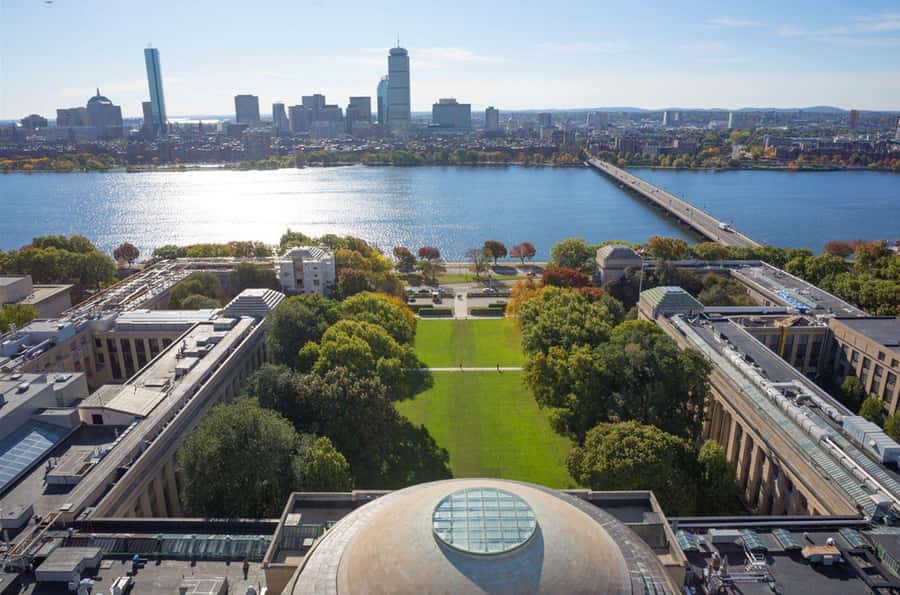
If you like iconic silhouettes, Killian Court and the surrounding court space set you up for the main photo hit. Then you move toward the Great Dome, which is one of those spots where your camera roll suddenly makes sense.
The Architecture Nerd Stops (Gehry, Pei, and the Good-Bad Mix)
MIT’s reputation for modern design makes it a great place to notice contrasts. On this tour, you’ll see buildings associated with big architectural names, including Frank Gehry and I.M. Pei. The guide also points out how some designs are loved, some are debated, and all of them are part of what makes MIT feel like a living lab for ideas.
A highlight for me is the run of MIT landmarks that balance famous and quirky. You’ll hear about “hacks” and student life—specifically where students live after Housing Day at the end of freshman year—which helps the architecture feel grounded. MIT can look futuristic from far away, but these stories remind you it’s a real student ecosystem with real routines.
You’ll also get a sense of MIT’s playful intelligence. Stops like MIT.nano and MIT Banana Lounge aren’t just interesting names. They signal the same thing: at MIT, even oddball spaces are treated seriously, just with a sense of humor.
Stata Center Energy and the View Across the River
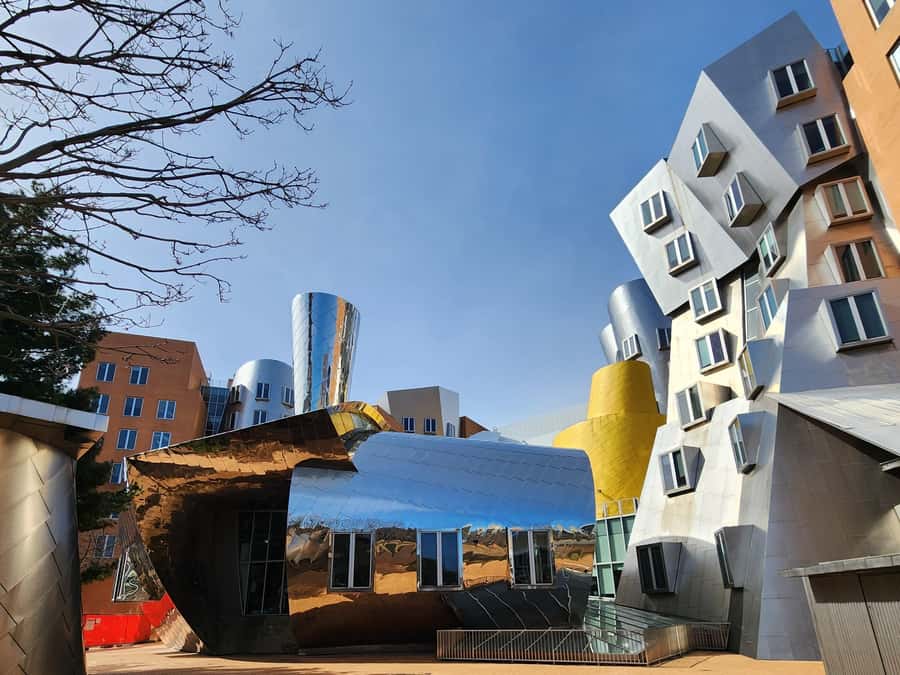
The Stata Center is one of those buildings people remember, even if they can’t describe it at first. On this tour, the guide’s job is to translate that first impression into context: what it was meant to do, how it fits MIT’s broader planning, and why the building’s look matches MIT’s personality.
Timing-wise, there’s also a built-in sense of pacing. The MIT portion includes brief “look-up” moments and short explanations rather than long lectures. That keeps you moving without feeling rushed.
From there, you’ll get stunning views of Boston from across the river. This matters because it turns the tour from campus-only sightseeing into a wider “place” experience. You’re seeing how Cambridge and Boston sit together, and you’re learning the geography that makes the campuses feel connected.
Quick Break, Then the Subway to Harvard
Midway through, you’ll have a break time. That’s smart on a tour that runs about 210 minutes overall. Even if you’re excited, you’ll likely appreciate a breather before you hit Harvard.
Then comes the transit segment: the guide takes you via the subway from MIT toward Harvard, using two stops. The subway fare is included, so you’re not doing math on the fly or digging for a card.
You’ll also learn a bit while waiting—this route is tied to the history of America’s oldest subway. It’s a short moment, but it turns “standing on a platform” into a small, memorable lesson that keeps the momentum going.




Johnston Gate and the First Look at Harvard’s Story
Once you step into Harvard territory, the atmosphere shifts. Harvard feels older, more formal, and more tradition-forward, but it still has plenty of humor in its campus lore.
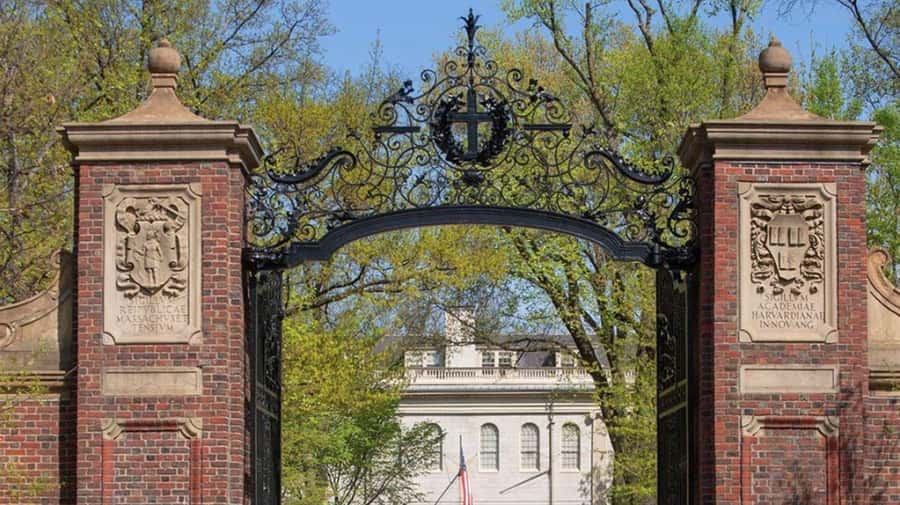
You’ll start with Johnston Gate in Cambridge. From there, the tour uses a sequence of landmarks to build a clear path through Harvard’s identity: founding-era roots, campus myths, and the academic legacy.
Then you’ll head to the John Harvard Statue and into the campus core. The guide usually does a good job here, linking the symbolism of the statue with what Harvard’s traditions are trying to protect—or prank.
Harvard Yard: The Statue of the Three Lies and Real Campus Legends
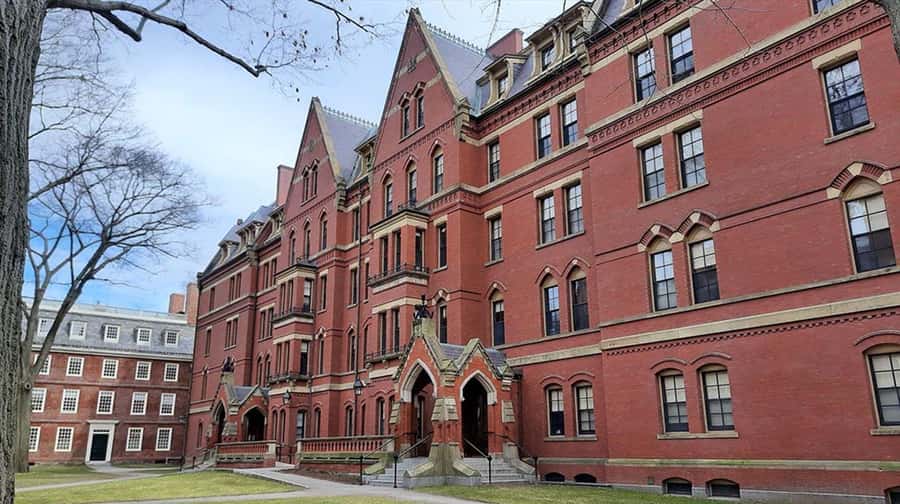
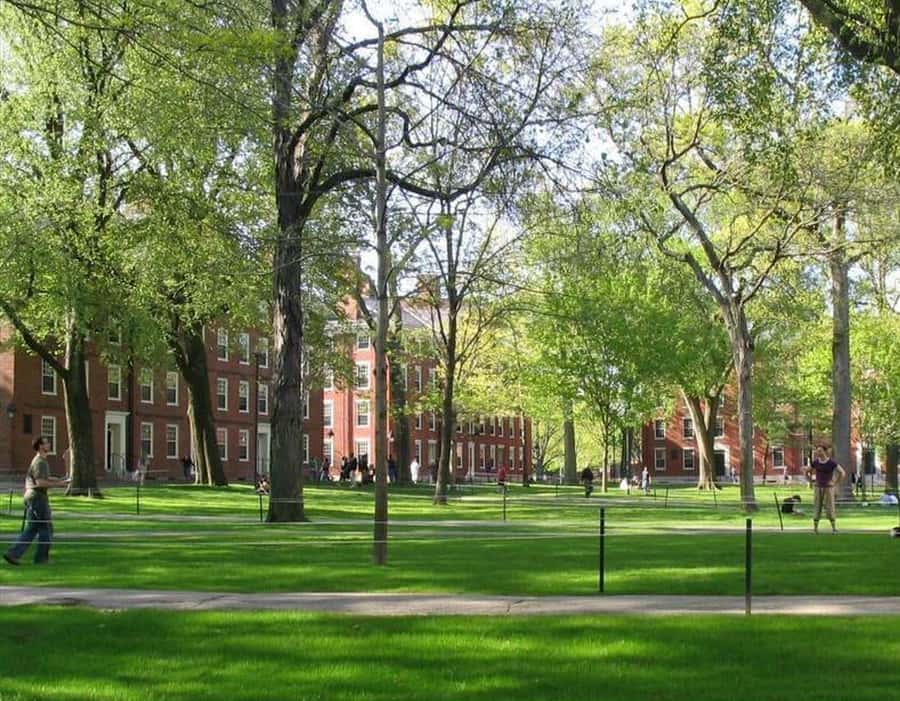
Harvard Yard is the heart of the experience. You’ll explore the campus area with stop-and-explain pacing, and you’ll get the founding context for America’s oldest college, established in 1636.
One stop you’ll remember quickly is the Statue of the Three Lies. It’s not just a quirky point on a map. The guide explains the joke and why it lasted—so you understand why people treat it as a campus rite of passage.
You’ll also learn about Harvard traditions that students practice, plus historic ties to major American events. That includes the house where George Washington stayed during his visit to Boston in the American Revolution. Even though you’re not going inside, the guide connects the spot to the bigger narrative so it doesn’t feel like “we saw a building and moved on.”
Memorial Hall, Memorial Church, and the Widener Library Photo Moment
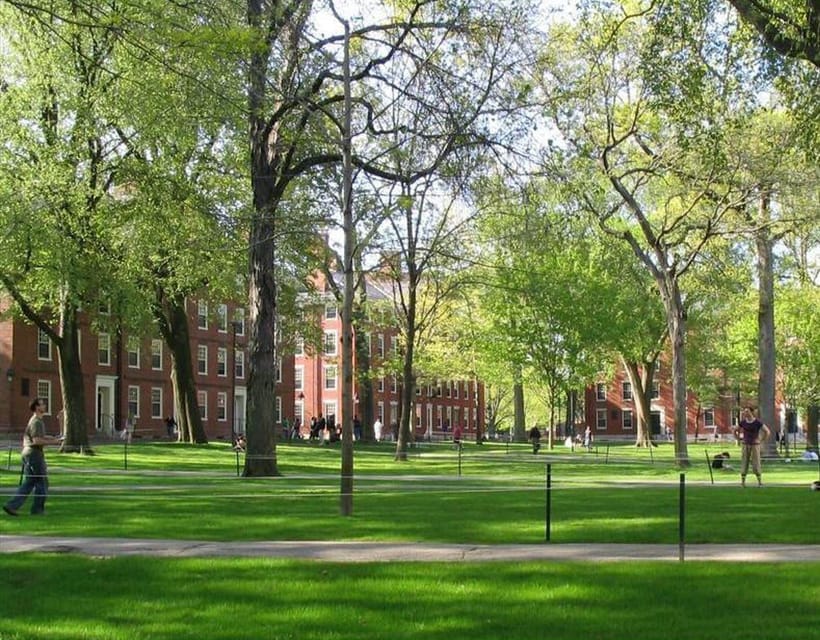
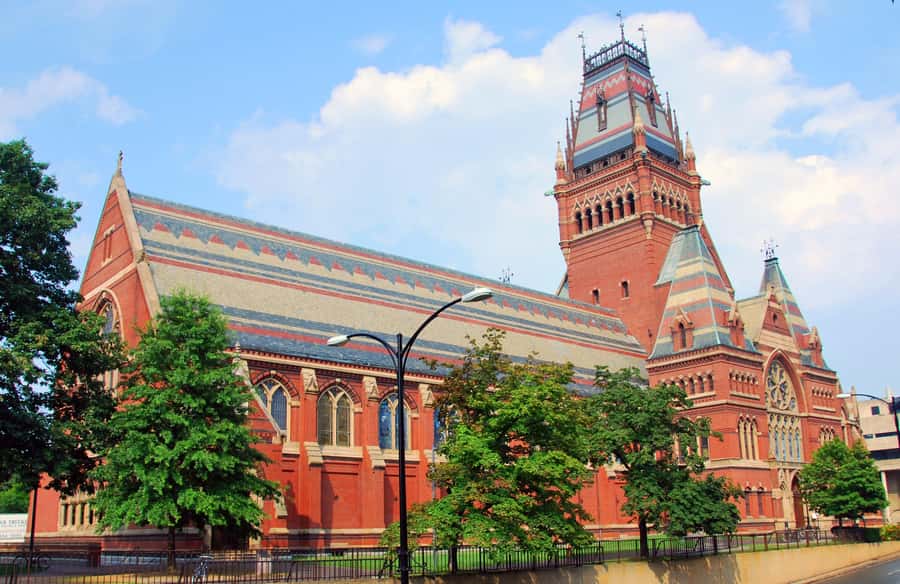
After Harvard Yard, you’ll see Memorial Hall and Memorial Church. These stops are where the tour often feels most “Harvard” in tone: solemn, symbolic, and built for long memory. The guide uses these points to help you understand the role Harvard has played in American institutions.
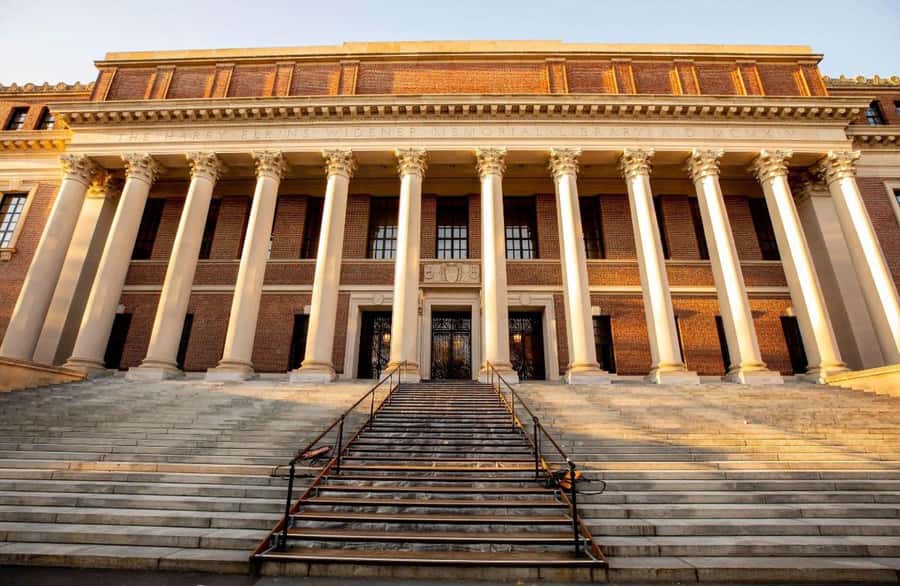
Then comes one of the best photo targets on the whole day: Widener Library. The library is a standout visual moment, and it’s the kind of place where you’ll want to pause, frame, and grab your shot before the group starts rolling again.
You’ll also see Wadsworth House, Lowell House, and Kirkland House. This part gives you a better picture of how Harvard’s residential system connects to campus identity. Even without stepping inside, the guide’s explanations make the buildings feel more like homes than just facades.
Harvard Square Finish: You’ll Leave With a Better Sense of Place
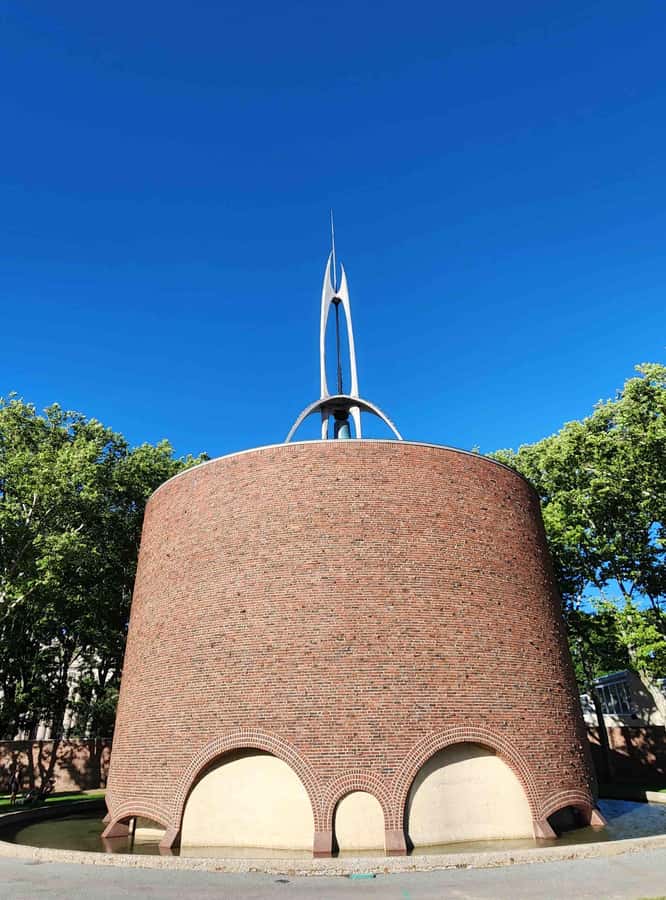
The tour ends in Harvard Square, which is a smart finish zone. It’s where you naturally drift next—coffee, snacks, bookstores, and people-watching.
What I like about finishing there is that the tour has already taught you what to look for. You’ll notice architecture changes, you’ll recognize campus-to-city transitions, and you’ll understand how Harvard and Cambridge blend rather than fence themselves off.
If you want to keep the day going, plan for food nearby. You’ll have walked enough that a real sit-down or at least a long coffee stop will feel earned.
Price and What $49 Really Buys You
At $49 per person for about 210 minutes, you’re paying for a few things at once: a licensed guide, a tight route that hits high-impact landmarks, and subway coverage between the campuses.
The value is strongest if you’re the type who learns fast from stories. This isn’t a “read every plaque” style tour. It’s more about walking landmark-to-landmark while a guide explains why each place earned its reputation—Smoot markings, housing traditions, the Three Lies statue, and the architecture that makes MIT and Harvard look so different.
If you’re expecting entry into buildings, you should adjust your expectations. This tour is about the outside campus experience—history, architecture, and legends—so you’ll get a lot of context without needing tickets or special access.
Who Should Book This Tour (And Who Might Be Happier Elsewhere)
This tour is a great fit for:
- People who like architecture, campus legends, and practical history
- First-time visitors who want MIT and Harvard covered in one time-efficient outing
- Families and teens, since the pacing is designed to keep questions and laughs in the mix
It’s less ideal if:
- You need wheelchair access or mobility support. The tour is not suitable for mobility impairments, wheelchair users, or people using walking aids like walking sticks or walking-related equipment.
- You want to go inside buildings. The tour does not enter MIT or Harvard buildings.
Also note that Harvard does not allow non-students into campus buildings. You can sometimes enter MIT buildings on select visitor-open days, but this specific tour stays outside.
What Makes the Guides Shine
Across the run of this tour, the guide quality is a major part of the experience. Names that show up in past departures include Jenny, Alexandria, Alex, Maria, and Holly. These guides are consistently praised for keeping the pace smooth and the content focused, with humor and lots of room for questions.
I also like how photo-friendly the setup can be. Some guides are noted for helping with photos during landmark stops, which matters at places like the MIT Dome and Widener Library where the best angle is usually one try away.
Should You Book the MIT and Harvard Walking Tour?
Yes—if you want an outside-campus tour that feels like a guided story. You’ll get a smart blend of MIT invention culture and Harvard tradition, plus recognizable photo moments and fun campus legends like Smoot and the Three Lies.
Book it if you like learning without getting trapped inside, and if you want the subway segment handled for you. Skip it if you’re craving interior access or full “admissions-style” walkthroughs, because this focuses on architecture, history, and campus lore rather than prospective-student tours.
FAQ
How long is the Cambridge MIT and Harvard walking tour?
The tour lasts about 210 minutes.
Where do I meet the guide?
Meet in front of Ripple Cafe next to the MIT/Kendall subway station. The guide wears a Boston Hidden Gems shirt.
Is the subway fare included?
Yes. Your subway ticket from MIT to Harvard is included.
Does the tour go inside MIT or Harvard buildings?
No. The tour stays on the outside portions of both campuses. Harvard does not allow non-students to enter campus buildings.
What are some of the big landmarks I’ll see?
You’ll see highlights like the MIT Dome and Widener Library, plus Harvard Bridge Smoot markings and Harvard Yard, including the Statue of the Three Lies.
What should I bring for the tour?
Wear comfortable shoes, since it’s a walking-focused experience.
Is this tour wheelchair accessible?
No. It’s not suitable for mobility impairments or wheelchair users, and walking aids like walking sticks are not allowed.
If you tell me when you’re visiting and what you like most (architecture, quirky stories, or campus history), I can suggest how to time your day around this tour so you leave with the best photos and the least stress.