REVIEW · TOLEDO CATHEDRAL
Toledo: Guided Monument Walking Tour with Wristband Pass
Book on GetYourGuide →Operated by DE PASEO · Bookable on GetYourGuide
Toledo has a way of putting history on your feet. This guided monument walking tour takes you through Santo Tomé, the Santa María la Blanca synagogue, and San Juan de los Reyes, then hands you a wristband to keep exploring. I especially love how the tour ties together the Three Cultures idea in plain, human terms, and how the guide helps you notice details you’d miss on your own.
One thing to plan around: the tour may run in English and Spanish at the same time, so if you’re sensitive to simultaneous languages or accents, you might find it harder to focus on every word.
In This Review
- Key things to know before you go
- Zocodover Square Start and How the Wristband Works
- The Three-Cultures Walk: What You’re Really Learning
- Church of Santo Tomé: El Greco’s The Burial of the Lord of Orgaz
- Synagogue of Santa María la Blanca: The Old Synagogue in the Jewish Quarter
- Monastery of San Juan de los Reyes: Isabella and Ferdinand’s Gothic Connection
- Your Toledo Tourist Bracelet: 7 Monuments for the Rest of Your Stay
- Price and Value: Is $125 Worth It?
- What the Tour Feels Like in Real Life (Walking, Pace, and Comfort)
- Who Should Book This Toledo Monument Tour
- Should You Book This Toledo Monument Tour with Wristband Pass?
- FAQ
- How long is the Toledo guided monument walking tour?
- Where do I meet the guide?
- Is the tour bilingual?
- What monuments are included in the wristband?
- Is the tour wheelchair accessible?
- Can I bring food inside the monuments?
Key things to know before you go
- UNESCO Toledo on foot: Walk a UNESCO World Heritage Site declared in 1986 and learn why it earned that status.
- Skip the ticket lines: You’re not standing around waiting to get into the monuments you came for.
- El Greco in Santo Tomé: See The Burial of the Lord of Orgaz and get context for what you’re looking at.
- Santa María la Blanca inside: Explore the 12th-century synagogue that later became a Catholic church.
- San Juan de los Reyes Gothic detail: Get the story behind Spanish-Flemish Gothic architecture tied to Isabella and Ferdinand.
- Wristband keeps the day going: You get access to 7 key sites in Toledo for use anytime during your stay.
Zocodover Square Start and How the Wristband Works
You’ll meet at Zocodover Square, next to the yellow mailbox. It’s a central Toledo landmark, which matters because Toledo is a city where “easy to get lost” is basically a weather condition. The tour lasts 3 hours, but the wristband is what can stretch that into a full day (or more).
Here’s the practical advantage: your guided portion covers 3 monuments, and then the wristband gives you freedom to pick up the thread later. The wristband stays valid throughout your stay in Toledo, so you’re not forced into a frantic schedule. That’s a big deal when your plans depend on things like weather, meal timing, and how long you actually want to linger in a chapel or prayer hall.
Also, this is a private group tour. That usually means fewer bottlenecks and a better flow when your guide is explaining small details or answering questions.
The Three-Cultures Walk: What You’re Really Learning
Toledo’s “three faiths” story isn’t just a headline—it shapes the city’s streets, buildings, and artwork. On this tour, you’ll walk narrow lanes and pass historic squares while your guide frames the big picture: Christians, Jews, and Muslims lived side by side, and their influence left fingerprints all over the architecture.
What I like about this approach is how it makes the city feel less like a museum grid. Instead of memorizing dates, you start noticing patterns. For example, a building’s purpose may have changed over time, but its design still carries older layers. The tour keeps pointing you to those layers—especially in the synagogue stop, where the building’s history is the main story.
Toledo also has a reputation as a UNESCO-heavy sightseeing stop, but this tour tries to make that UNESCO label feel earned. You’re not just told it’s important. You’re shown why the city is a standout cultural crossroads.
Church of Santo Tomé: El Greco’s The Burial of the Lord of Orgaz
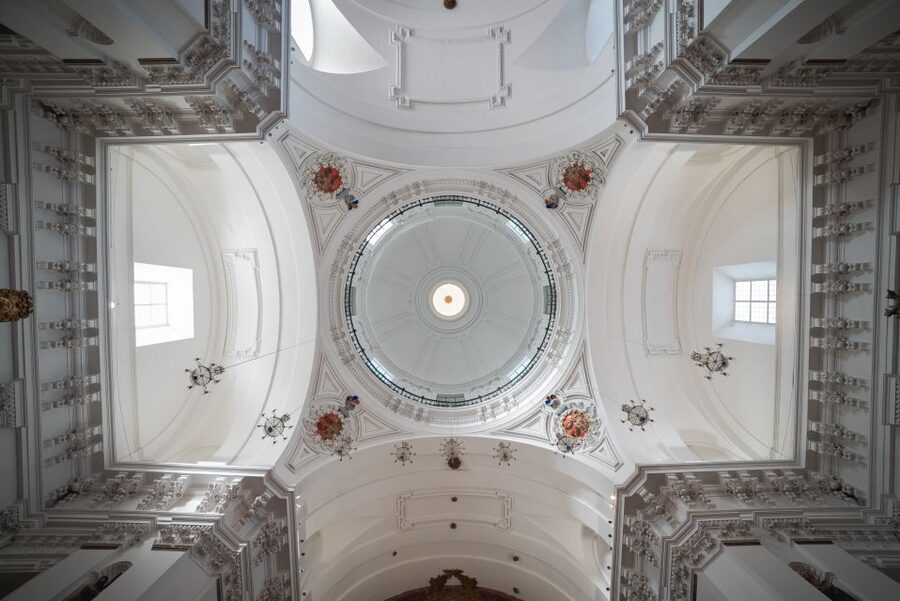
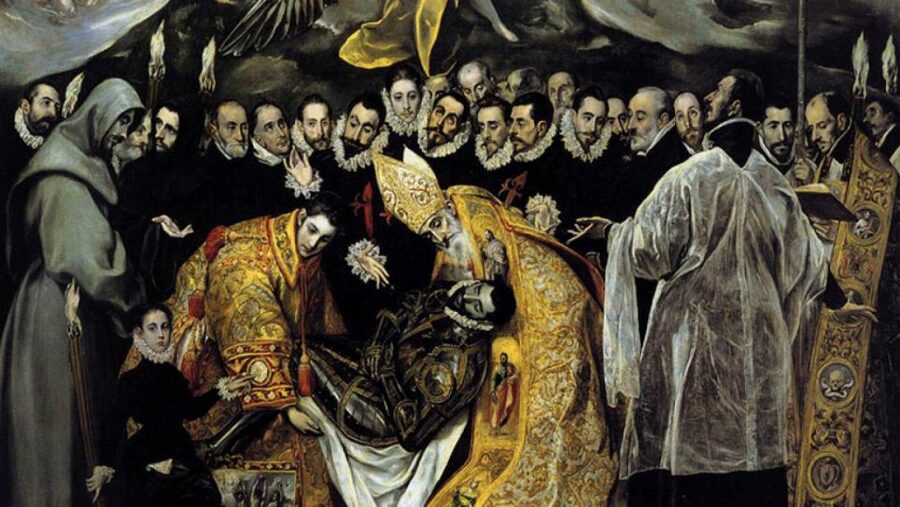
This is the stop that pulls most people in, and for good reason. At the Church of Santo Tomé, you’ll see El Greco’s The Burial of the Lord of Orgaz, a painting that’s widely considered one of the most important works in Spanish painting.
What makes this worthwhile is the way a good guide positions your eyes. Without context, you can end up looking at a masterpiece like it’s a single image. With context, you start reading it: you notice how the painting’s world is constructed, how the scene guides you, and why it became such a signature work for El Greco.
Practical note: the monuments are the main event, so don’t plan on eating inside. Food isn’t allowed inside the monuments, so bring snacks only for outside breaks.
The takeaway: if you care about Spanish art, this stop alone can justify the tour. If you’re more of a “buildings first” person, it still pays off because the painting is the clearest example of how Toledo’s cultural identity gets translated into visual power.
Synagogue of Santa María la Blanca: The Old Synagogue in the Jewish Quarter
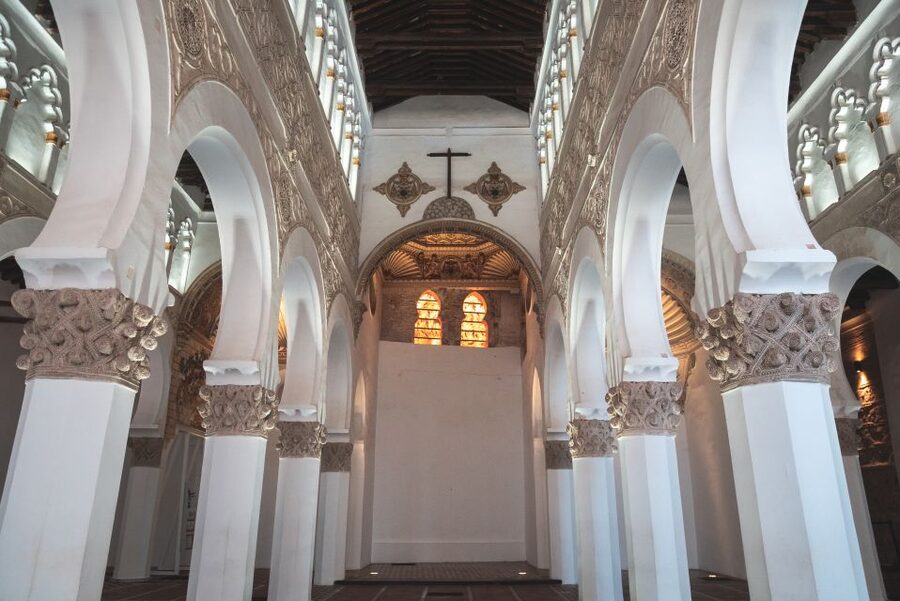
Next up is the Synagogue of Santa María la Blanca, and this is where Toledo’s layered story really becomes physical. The building dates to the 12th century and is widely described as the oldest standing synagogue in Europe. In the 15th century, it was converted into a Catholic church.
On the tour, you explore the synagogue inside, not just from the curb. That matters because the architecture is the lesson. The space was designed for worship, then adapted for a new faith, and now it operates as a cultural and historical site. Your guide ties those changes back to a period when interfaith coexistence wasn’t just a theory—it was part of daily life.
I also love how this stop reframes “tolerance.” It’s not presented as a feel-good slogan. You see the real evidence: the building’s form survives even when the function shifts. That’s what makes the architecture feel like a message that lasted longer than the era that created it.
If you’re the type who likes to ask questions, this is a good place to do it. The story is complex, but the guide’s job is to make it understandable without watering it down.
Monastery of San Juan de los Reyes: Isabella and Ferdinand’s Gothic Connection
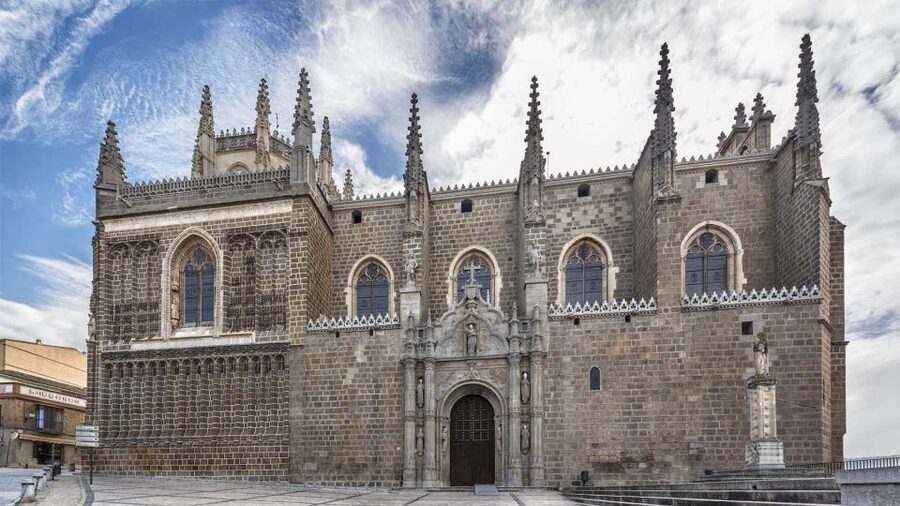
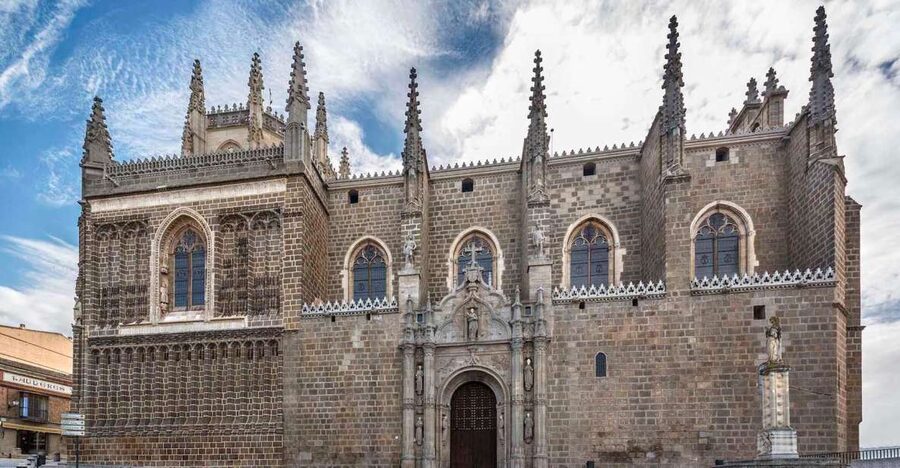
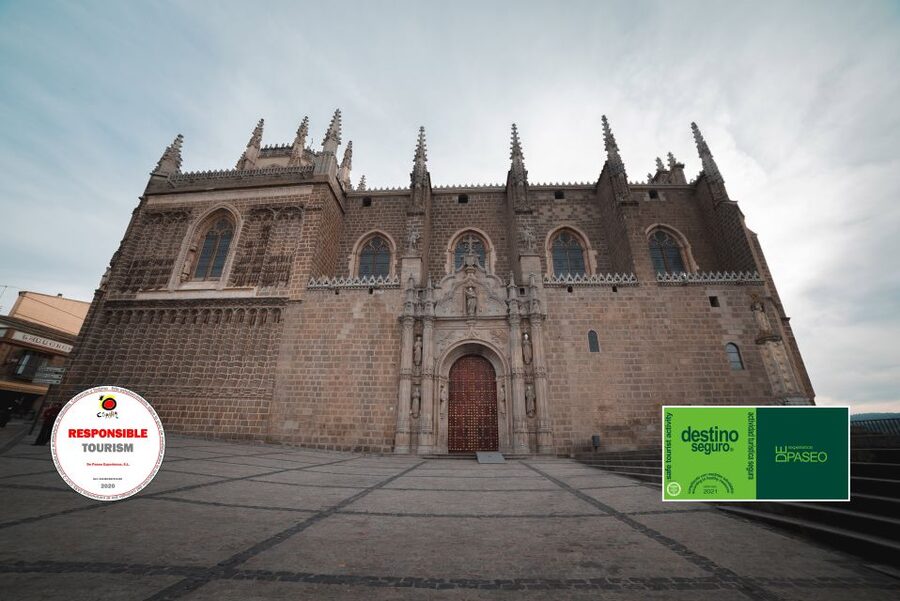
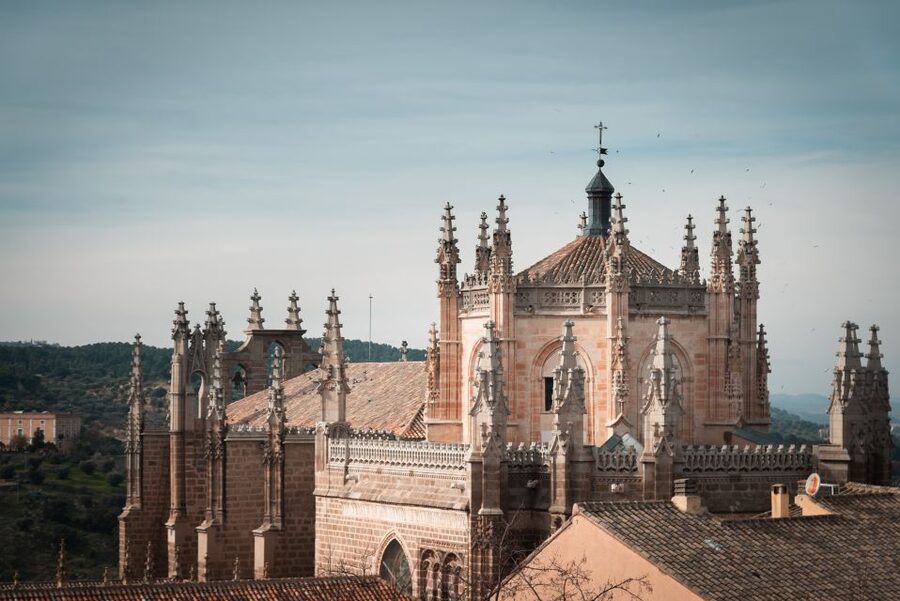
The third guided monument is the Monastery of San Juan de los Reyes. This is where Toledo’s religious architecture meets political and personal story.
The monastery is described as a masterpiece of Spanish-Flemish Gothic architecture, and your guide connects it to the Catholic Monarchs, Queen Isabella and King Ferdinand. That connection is important because it helps you see the monastery as more than “pretty stone.” It becomes a symbol—something built to represent power, legitimacy, and devotion.
Expect to spend time looking at the architecture and hearing how these rulers tied monuments to their worldview. The stop is especially strong if you like learning how art and architecture get used to say something official and lasting.
And yes, it’s still a monastery, so it has that quieter, more contemplative feel than a high-traffic museum. Bring your “slow down” mindset for this one.
Your Toledo Tourist Bracelet: 7 Monuments for the Rest of Your Stay
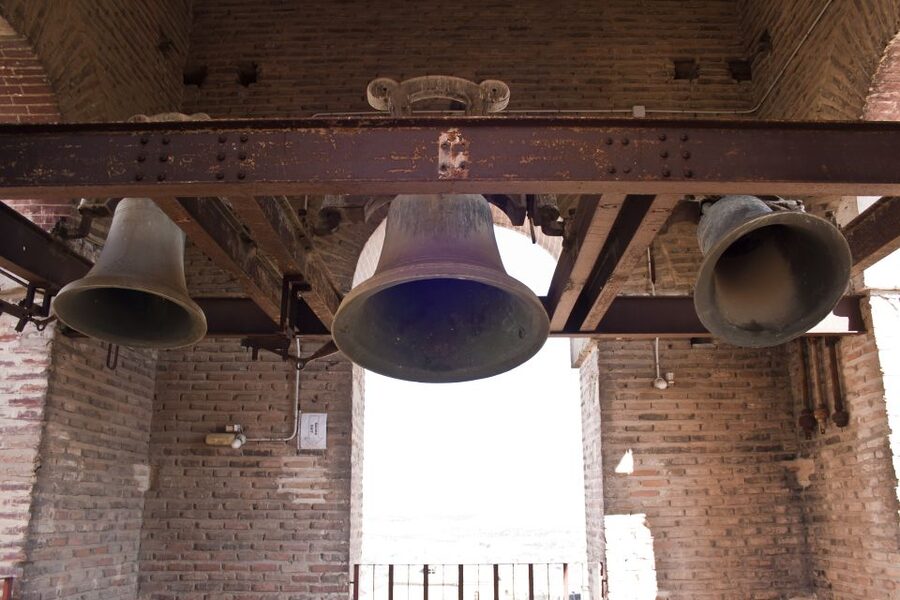
The wristband isn’t just a bonus. It’s a strategy. After your 3-hour guide-led circuit, you can keep using the bracelet to visit 7 key monuments at your own pace during your whole stay.
The listed sites are:
- Monastery of San Juan de los Reyes
- Synagogue of Santa María la Blanca
- Church of Santo Tomé
- Jesuit Church
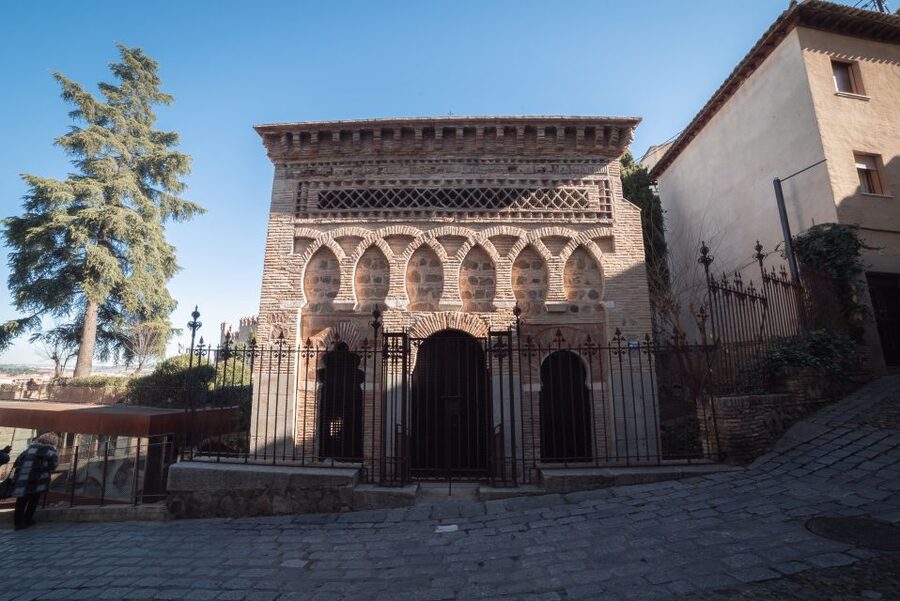
- Mosque of Cristo de la Luz
- Church of El Salvador
- Royal College of Noble Maidens (Real Colegio de Doncellas Nobles)
Two practical tips for getting good value out of it:
- Plan one “free-choice” block later the same day or the next morning. Your guided tour gives you a framework; your solo time is when you follow what you actually liked most.
- Don’t try to do everything in one day. Toledo rewards lingering. If you treat it like a checklist, you’ll miss the connections you just learned.
If you only have one full day in Toledo, this wristband model can be a smart way to make sure your time isn’t wasted on ticket lines or last-minute decisions.
Price and Value: Is $125 Worth It?
At $125 per person for a 3-hour guided tour plus a wristband access pass, the price only feels fair if you understand what you’re getting.
Here’s the value math that matters:
- You pay for a guide, and the guide’s job is to turn three monuments into a coherent story (not just three separate visits).
- You get access to 7 monuments over your stay, which can easily multiply the usefulness of the wristband if you visit more than just the three stops on the tour.
- You also get skip-the-ticket-line entry, which saves time and stress—especially in popular sites.
The reviews consistently point to guides who make history feel specific to Toledo, with bilingual delivery that keeps the group included. Guides such as Raquel, Jesus, and Elias are repeatedly praised for strong storytelling, humor, and responsiveness to questions. That matters because you’re paying for interpretation, not just access.
One thing to keep in mind: some people wanted the wristband available earlier. If your tour starts later in the day, you might feel time pressure to squeeze in additional monuments afterward. It’s not a dealbreaker, but it’s a scheduling reality you should expect.
What the Tour Feels Like in Real Life (Walking, Pace, and Comfort)
This is a walking tour with moderate walking, and the monuments are spread around historic areas where you’ll naturally climb and turn corners. The good news is that comfortable shoes help a lot, and the tour is set up as a wheelchair-accessible experience.
The other real-life factor is pace and attention. In the feedback, guides are praised for creating smooth transitions between sites and taking time to answer questions. That’s the kind of tour where you don’t feel herded through.
Also note: the order of visits can vary. That’s normal for a living city. The key is that the three guided highlights remain: Santo Tomé, Santa María la Blanca, and San Juan de los Reyes.
Who Should Book This Toledo Monument Tour
This tour fits best if you:
- Want a fast orientation to Toledo’s main monuments in about 3 hours
- Like art and architecture, especially El Greco and Gothic church design
- Enjoy learning how the city’s different faiths influenced each other over time
- Have at least another half day or day in Toledo to use the wristband
You might consider a different option if you prefer:
- A slow, single-monument day with lots of free time and minimal structure
- Tours in only one language, since this tour can be bilingual at once
Should You Book This Toledo Monument Tour with Wristband Pass?
Yes—if you want value and you want Toledo to make sense quickly. This is a strong pick for first-timers because the guided portion builds context at the three core sites, then the wristband lets you turn that context into repeat visits at your own pace.
Book it if $125 feels like a “buy yourself time” decision. Between skip-the-line entry, a guided explanation at major landmarks, and access to seven monuments across your stay, you’re set up to see more than the headline stops.
Skip it only if you know you won’t use the wristband much after the tour. If your plans are too tight for additional monuments, you’d get less return.
FAQ
How long is the Toledo guided monument walking tour?
The tour is 3 hours long.
Where do I meet the guide?
You meet in Zocodover Square, next to the yellow mailbox.
Is the tour bilingual?
Yes. The tour can be conducted in Spanish and English, and it may be done in bilingual mode at the same time.
What monuments are included in the wristband?
Your wristband includes access to 7 key monuments: Monastery of San Juan de los Reyes, Synagogue of Santa María la Blanca, Church of Santo Tomé, Jesuit Church, Mosque of Cristo de la Luz, Church of El Salvador, and Royal College of Noble Maidens (Real Colegio de Doncellas Nobles).
Is the tour wheelchair accessible?
Yes, the activity is listed as wheelchair accessible.
Can I bring food inside the monuments?
No. Food is not allowed inside the monuments.