REVIEW · BOSTON
Boston’s Freedom Trail: A Revolutionary Walking Tour
Book on Viator →Operated by Boston History Company · Bookable on Viator
History sounds better on a sidewalk. This Freedom Trail walk strings together the revolution, the abolition movement, and Boston’s changing ideas, while checking off all 16 official sites in about 2.5 hours. I especially love how the guide turns names like Paul Revere and John Hancock into real people, and how you get a sense of Boston’s bigger moral arc, not just battles. One thing to consider: the tour can feel fast-paced, and a couple longer moments in cemeteries may be tough if you walk more slowly.
You start at The Embrace by the Boston Common Visitor Information Center and end at Copp’s Hill Terrace with a view toward Bunker Hill and USS Constitution. The guides I saw mentioned in recent tours—like Noah, Kenny, Sam, Alfred, Jim, and Julia—are the kind who answer questions and keep energy up, even for kids and mixed groups, with a maximum of 25 people.
In This Review
- Key highlights to look forward to
- Why this Freedom Trail tour is worth your time
- Start at The Embrace, then straight to state power
- Massachusetts politics and abolition in one tight storyline
- Tea Party beginnings, the Old State House, and the Bloody Massacre
- Faneuil Hall: speeches you can feel in your bones
- Paul Revere’s house, the lantern signal, and midnight nerves
- Bunker Hill perspective from Copp’s Hill Terrace
- What it’s like in real life: pacing, group size, and hearing the guide
- Who should book this Freedom Trail walk?
- Should you book this Freedom Trail tour?
- FAQ
- How long is the Freedom Trail walking tour?
- Where does the tour start and end?
- How much does the tour cost?
- Does the tour include all 16 official Freedom Trail sites?
- What language is the tour offered in?
- Is a mobile ticket included?
- What kind of walking fitness level do you need?
- How big are the groups?
- What happens if weather is bad?
- Is free cancellation available?
- Are service animals allowed?
Key highlights to look forward to
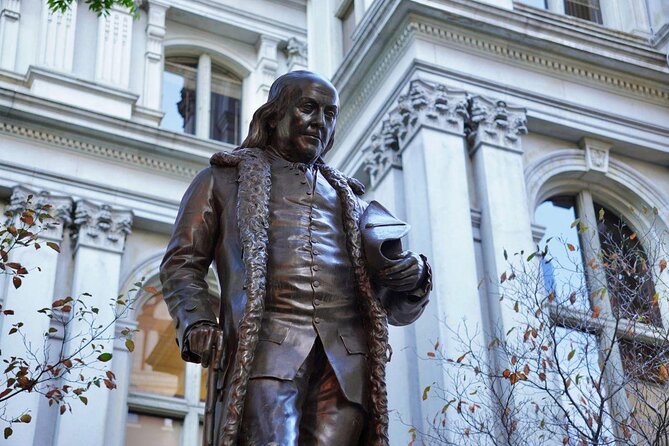
- 16 Freedom Trail sites, covered in one continuous walk so you don’t play catch-up later
- Start at The Embrace (MLK and Coretta) then jump straight into Massachusetts political power
- Tea Party sparks to midnight lanterns with the story threaded through key streets
- Hands-on Boston context: abolition, women’s rights, education, and immigration across 400 years
- End with big waterfront views from Copp’s Hill Terrace toward Bunker Hill and USS Constitution
Why this Freedom Trail tour is worth your time
If you’ve ever walked the Freedom Trail on your own, you know the problem. You can check sites off, but the story stays in pieces. This tour fixes that with a guide who keeps time, connects dots, and talks through what mattered and why it mattered.
What you get for the money is pretty straightforward. At $31 per person for about 2.5 hours, you’re buying someone’s years of local storytelling plus the convenience of one route that hits the official stops in a single outing. With history tours, the best value usually comes from flow: you spend less time figuring out where to go next and more time understanding what you’re seeing.
And there’s another practical win. You’re covering downtown Boston and the North End/Charlestown edge in a way that helps you orient. Even if you come for the Revolution, you’ll leave with a clearer sense of where political power sat, where public debate happened, and why certain corners became famous.
You can also read our reviews of more walking tours in Boston



Start at The Embrace, then straight to state power
The tour begins at The Embrace at 139 Tremont Street, right by the Boston Common Visitor Information Center. This is a smart opening move. You get a visible, modern marker first (Martin Luther King Jr. and Coretta Scott King), and then the guide shifts back into the long timeline of how Boston shaped rights, leadership, and civic debate.
From there, you head to the Massachusetts State House area, including the golden dome of the “new” State House. The key point here isn’t just architecture. The guide connects the idea of Massachusetts government to the revolution era, with Samuel Adams laying the cornerstone in 1795. You’ll hear how leadership and political structure were not separate from the fighting and organizing that came before.
Two quick tips that make this kind of walk better:
- Wear shoes that are ready for uneven sidewalks and curb ramps.
- If you want the clearest audio, try to stay where the guide can see you and where sound isn’t bouncing off crowds.
Massachusetts politics and abolition in one tight storyline
Next you hit a sequence that can feel like a straight line: power, then conscience, then consequences.
One stop is a red brick church built in 1809 that hosted an abolitionist congregation. This is where Boston’s moral arguments stop being abstract. The guide highlights anti-slavery speeches delivered there—early American activism with real fire and real stakes. If you only think of the Freedom Trail as protests and gunfire, this stop broadens the lens fast.
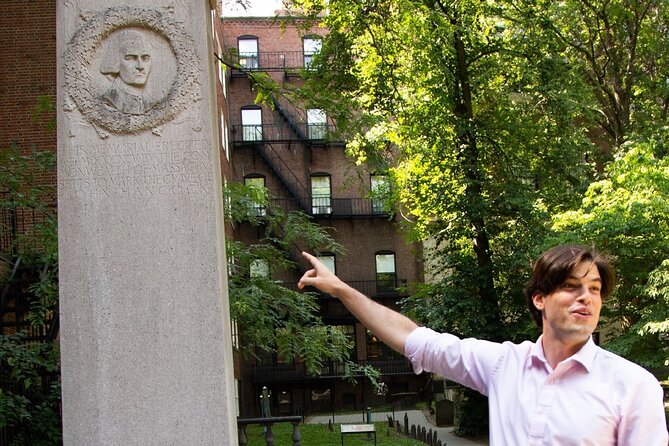
Then comes a graveyard dating to 1660—a graveyard stop that matters because it anchors big names you’ve heard since school. You’ll be guided to the graves of John Hancock, Paul Revere, and Samuel Adams, and the guide ties their personal stories into the political drama around them. This is also where the tour’s pace can tighten. Walking through cemetery paths takes time, and if you move slower, it’s smart to speak up with your pace needs early.
After that, you’ll visit a stone church built in 1754, described as the first Anglican Church in Boston. The guide talks about how it was built, the burying ground nearby, and the crypts beneath. Even if churches aren’t your usual interest, this stop helps you understand that religious institutions were woven into community life—socially, politically, and physically.
Tea Party beginnings, the Old State House, and the Bloody Massacre
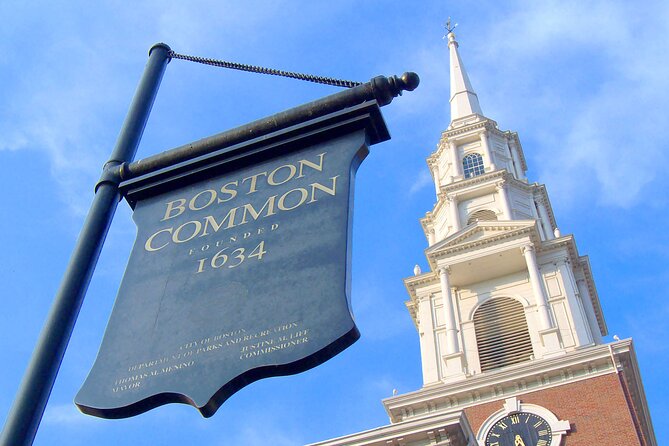
Now you get the revolutionary pressure cooker: public gatherings, leadership arguments, and the violence that follows.
A Puritan meeting house built in 1729 is a highlight because it’s tied to the start of the Boston Tea Party. The guide helps you picture how disobedience can start small and then spread into something historic. You’ll get the logic behind the move—why it was staged, who it was aimed at, and how it fit into the broader fight over control.
Then you come to the Old State House, built in 1713, with symbols of Great Britain on it (including a Lion and Unicorn). This stop is a master class in how buildings hold drama. Since the Old State House was once the center of British government in Massachusetts, it becomes the place where you can understand speeches, confrontations, and the tension that citizens felt when power showed up in plain sight.
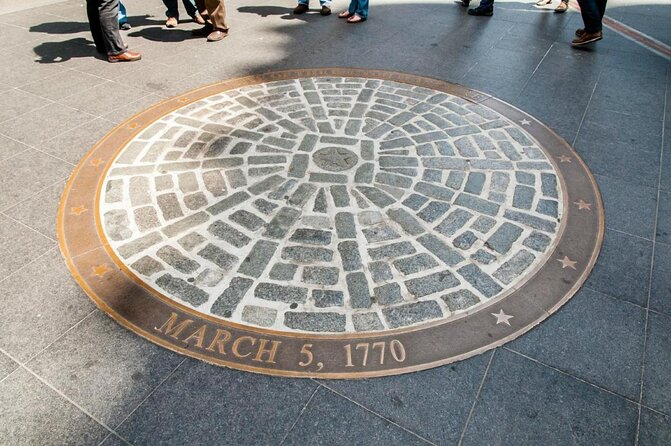
Right after, you’ll see a circle of stones marking the official site of the Bloody Massacre of 1770. The guide gives a moment-by-moment account of that night, including the fact that redcoat musket fire left five colonists dead. This isn’t just a tragedy drop. The explanation helps you see why incidents like this harden public opinion and turn arguments into action.
One practical note: this part of the route is busy. If the group is large and the guide isn’t positioned well for sound, it can be harder to hear from the back. For the best experience, stand where the guide can face you and don’t be afraid to shift a step or two when the group pauses.
Faneuil Hall: speeches you can feel in your bones
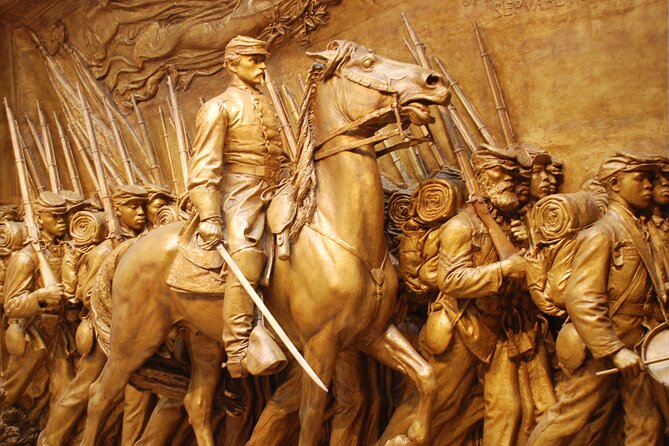
Few places in Boston are more “argument-friendly” than Faneuil Hall. Here you’ll hear how the meeting hall started as a marketplace, then became far more important. The guide focuses on the incendiary speeches delivered from within—what people said, why they said it there, and how the crowd and the building became part of the message.
It’s called the Cradle of Liberty for a reason, and the tour makes that title make sense. You’re not just seeing a historic structure; you’re getting a feel for how Boston used public speech as a tool. When you leave this stop, you’ll understand why the city was so good at turning frustration into organization.

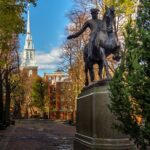

Paul Revere’s house, the lantern signal, and midnight nerves
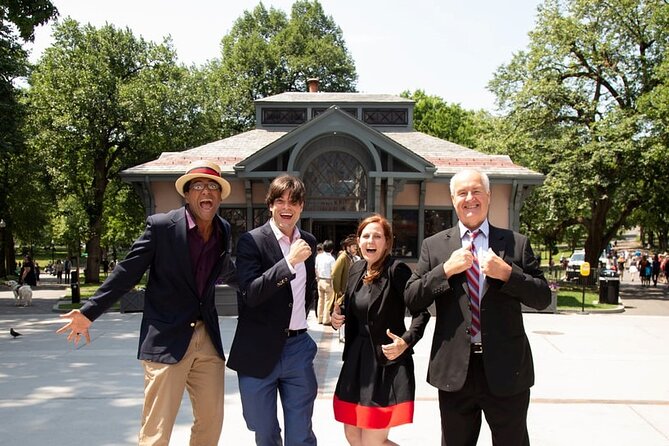
After all the big civic spaces, you get something personal: home and family.
You visit the Revere family home, a wooden house dating to 1680 and noted as Boston’s oldest building. The guide connects Paul Revere’s life there to his later role in important events. It’s a good counterweight to the military and political stops—because you see how the revolution had everyday roots, not just battlefield scenes.
Then you get the famous signal story at Old North Church (built in 1723). The guide explains the lantern message on the eve of the Revolution—one lantern for the land route and two for the sea route—and how that plan helped Revere and others act quickly. This stop is usually where the “movie moment” energy kicks in, because the details help you imagine the panic, the timing, and the risk.
If you like history that feels like decision-making instead of memorizing, this section delivers. It’s about communication under pressure.
Bunker Hill perspective from Copp’s Hill Terrace
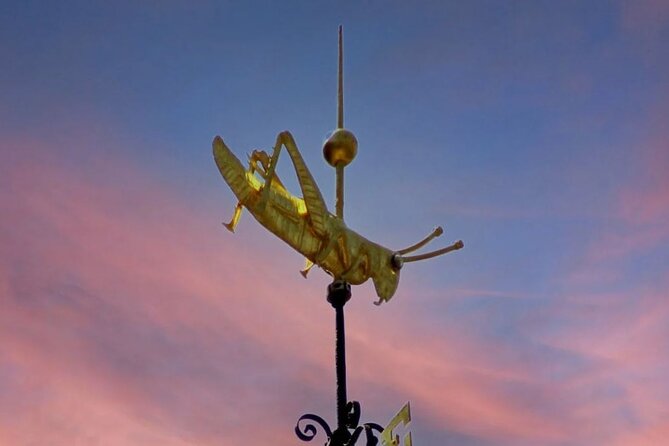
The final stretch shifts from people and speeches to terrain and aftermath.
You’ll visit a burying ground dating to 1660 tied to British cannon emplacements during the Battle of Bunker Hill. The guide helps you understand why that spot mattered and connects it to the battle itself, plus notable Bostonians interred there. Again, this can be a longer stop area, so if you’re sensitive to walking time in cemeteries, wear supportive footwear and take short pauses before your energy drops.
Then you reach the 221-foot obelisk visible from Copp’s Hill Terrace. This monument marks where colonial militia defended hastily made earthworks and repelled two redcoat charges before retreating. It’s a strong ending because it turns the idea of Bunker Hill from a single name into a physical moment you can point to.
The tour ends at Copp’s Hill Terrace with views toward USS Constitution (Old Ironsides) and Bunker Hill Monument. Even if you don’t plan to tour the ship, this look helps you understand why Charlestown’s harbor mattered and why Boston’s naval story runs alongside its revolutionary one.
What it’s like in real life: pacing, group size, and hearing the guide
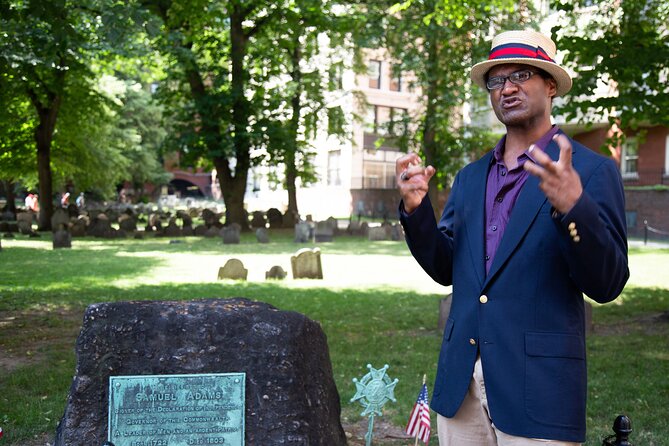
This tour is built for one thing: moving. It lasts about 2 hours 30 minutes and covers a lot of ground across downtown Boston and the North End/Charlestown edge.
The group size is capped at 25, which is small enough to feel personal, but big enough that you might be packed at times when you stop for photos or stories. That’s why pacing matters. Several reviews mention guides who kept attention up for kids and adults, with names like Kenny and Alfred getting praise for story delivery and Q&A. At the same time, there are notes about feeling rushed in cemetery segments and one comment about needing a louder setup when the guide wasn’t facing everyone directly.
Here’s how you can stack the odds in your favor:
- Try to stay closer to the front during key explanations.
- Plan for a moderate walk. The tour specifically lists moderate physical fitness as the expectation.
- If you use a walking stick or you tend to slow down outdoors, tell the group early so the guide can adapt the moment-to-moment pacing.
The guide quality is the make-or-break factor here, and the reviews strongly suggest this company hires storytellers who know how to keep the human side of history moving.
Who should book this Freedom Trail walk?
This is a great pick if:
- you’re a first-time visitor and want all the official Freedom Trail sites without doing hours of route planning
- you like your history with characters, not just facts
- you want context on why Boston mattered beyond the Revolution, including leadership in abolition and other social movements
It’s also a solid option for families and mixed groups because guides (like Noah, Sam, and Jim) have been noted for keeping teenage attention and answering questions clearly.
You might think twice if:
- you’re expecting a slow stroll with lots of quiet reflection time
- you have trouble with longer walks or you need consistent slow pacing in cemetery areas
Should you book this Freedom Trail tour?
If your goal is to leave Boston feeling like you truly understand the story—especially the links between politics, protest, and the people involved—this tour is an efficient, high-value way to do it. For $31 you’re buying a guided route through all 16 official sites, plus the kind of narrative stitching that turns a pile of monuments into one connected timeline.
My bottom-line advice: book it if you want guided clarity and you’re okay with a steady walking pace. If you know you’ll struggle with speed, aim for a spot near the front and wear shoes built for real sidewalk time. Either way, the ending view from Copp’s Hill Terrace and the way the guide frames the lantern and Bunker Hill moments are exactly the kind of payoff that makes the Freedom Trail worth doing with a storyteller.
FAQ
How long is the Freedom Trail walking tour?
The tour lasts about 2 hours 30 minutes.
Where does the tour start and end?
It starts at The Embrace, 139 Tremont St, Boston, MA 02108, and it ends at Copp’s Hill Terrace, 520 Commercial St, Boston, MA 02109 (area address noted as 7 Jackson Ave, Boston, MA 02113).
How much does the tour cost?
The price is $31.00 per person.
Does the tour include all 16 official Freedom Trail sites?
Yes, the tour is designed to check off all 16 official sites in one walking tour.
What language is the tour offered in?
The tour is offered in English.
Is a mobile ticket included?
Yes, the tour uses a mobile ticket.
What kind of walking fitness level do you need?
The tour lists a moderate physical fitness level.
How big are the groups?
The tour has a maximum of 25 travelers.
What happens if weather is bad?
This experience requires good weather. If it’s canceled due to poor weather, you’ll be offered a different date or a full refund.
Is free cancellation available?
Yes. You can cancel up to 24 hours in advance for a full refund.
Are service animals allowed?
Service animals are allowed.