REVIEW · BOSTON
Beacon Hill Boston History + Photo Walking Tour (SMALL Group)
Book on Viator →Operated by PhotoWalks · Bookable on Viator
Beacon Hill can look like a postcard. This tour adds photo guidance and local storytelling as you walk. I like that it stays small, with plenty of time to ask questions, and that the focus is on getting better pictures with whatever you’re shooting on—phone or camera.
Two things I’d highlight: the tour is designed to help you spot composition opportunities you’d normally miss (doors, window boxes, angles on brick and ironwork), and the guide’s history inside details bring the neighborhood to life without turning it into a lecture.
One thing to consider: there are no restroom stops, and the “photo coaching” is casual and practical, not a technical workshop for advanced camera settings.
In This Review
- Key things you’ll notice on this PhotoWalk
- Why a Beacon Hill photo walk works better in a small group
- Price and timing: what $45 buys you (and what it doesn’t)
- Getting ready: meeting point, pace, and what to pack
- Stop 1: Beacon Hill on purpose—gas lamps, doors, and “slow down” photography
- Potential drawback for this section
- Acorn Street: the most photographed street, but you’ll shoot it better
- Louisburg Square: ironwork townhouses and a composition workout
- Boston Common (founded 1630): why your photos need a change of pace
- Massachusetts State House: built 1795, tied to John Hancock
- Boston Public Garden (founded 1837): the first public botanical garden
- How Saba Alhadi turns stories into better photos
- What kind of photos you’ll come away with
- Weather, footing, and practical realities
- Who should book this Beacon Hill PhotoWalk
- Should you book this Beacon Hill photo walking tour?
- FAQ
- How long is the Beacon Hill History + Photo Walking Tour?
- How much does the tour cost?
- Is this a small-group tour?
- Are there restroom stops during the tour?
- What should I do before the tour starts?
- Can I cancel and still get a refund?
Key things you’ll notice on this PhotoWalk
- Small group (max 15) so you can actually ask questions and get feedback
- Phone-friendly photo tips plus framing ideas you can reuse anywhere
- Saba Alhadi’s detail focus, including practical guidance like positioning and angles
- Iconic stops in quick hits: Acorn Street and Louisburg Square, plus Boston Common, State House, and the Public Garden
- Time split that makes sense: most of your walking time is spent in Beacon Hill, not rushed between far-away sights
- Real neighborhood texture, not just famous façades and quick poses
Why a Beacon Hill photo walk works better in a small group
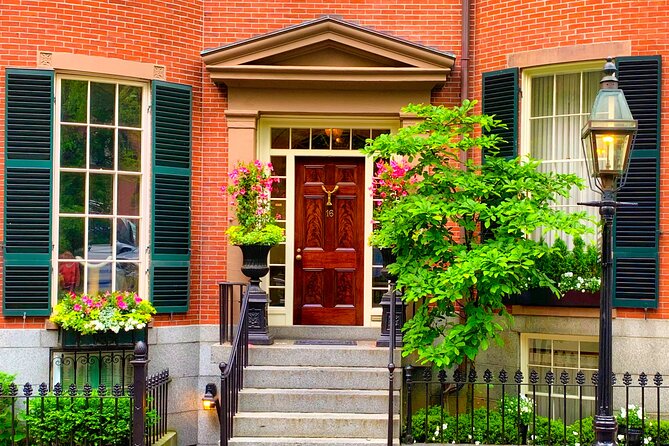
Beacon Hill is famous for its narrow lanes, brick sidewalks, and old-fashioned street vibe. The trick is that the best photos don’t come from staring at the obvious landmarks. They come from small choices: the right turn for a cleaner line of sight, the angle that hides a distraction, and the timing when a street detail lines up.
That’s why I like this setup. With a maximum of 15 people, the guide can manage the pace and still spend time on photo questions. It also helps that the tone stays friendly and conversational—people can ask what lens to use, how to frame, or what to do with a phone camera without feeling like they’re in a class.
And yes, you’ll still hit the headline sights. But the experience is really about seeing Beacon Hill with a camera brain turned on.
You can also read our reviews of more walking tours in Boston
Price and timing: what $45 buys you (and what it doesn’t)
The price is $45 per person for about 1 hour 30 minutes. For Boston, that’s a reasonable value when you compare it to the cost of guided sightseeing that doesn’t also coach your photography.
Here’s what you’re paying for:
- A local guide who points out specific photo angles and details as you walk
- A structured route that includes Beacon Hill and several major landmarks nearby
- A small-group pace that keeps you from getting swallowed by crowds
What you’re not buying is an all-day photography bootcamp. The emphasis is on getting better results in a relaxed way. Some people want super-technical camera settings; if that’s your goal, you might find this more helpful for creativity and composition than for advanced gear work.
Getting ready: meeting point, pace, and what to pack
The tour starts at 34 Beacon St, Boston, MA 02108 and ends on/near Charles Street. Plan to arrive 10 minutes early so you don’t feel rushed at the start.
The walk is designed for moderate physical fitness, and it’s a neighborhood route on streets where you’ll be moving continuously for the full stretch. One important heads-up: there are no restroom stops, so go before you meet up.
For what to bring, keep it simple:
- Your phone or camera (the photo tips work for both)
- Comfortable walking shoes for brick streets and sidewalks
- Water, especially in hot weather—shade is limited on some stretches
If your group is flexible on weather timing, you’ll probably enjoy it more. The tour requires good weather, and when conditions aren’t ideal, you’ll be offered a different date or a refund.
Stop 1: Beacon Hill on purpose—gas lamps, doors, and “slow down” photography
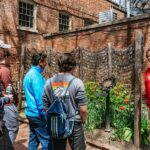
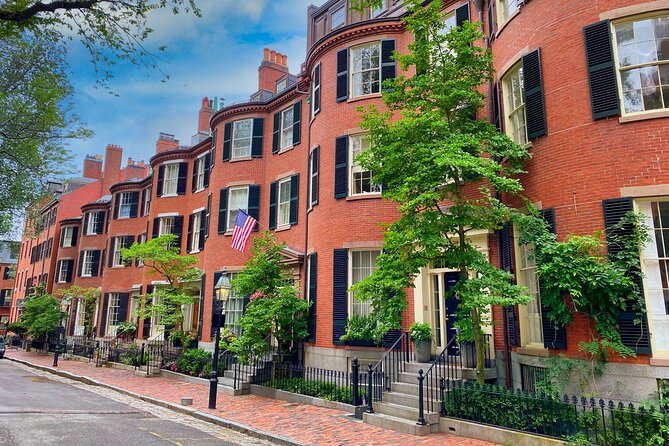
Most of your time happens in Beacon Hill. You get roughly 1 hour 15 minutes to explore the neighborhood’s narrow streets with commentary and photo instruction.
This is the part I think is the heart of the tour. Beacon Hill is pretty, but it can also be repetitive if you’re just sightseeing. The guide pushes you to look at the small stuff that makes your photos feel specific to this neighborhood:
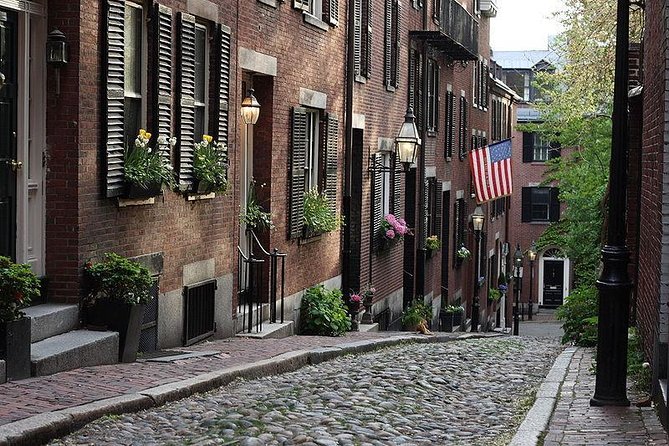
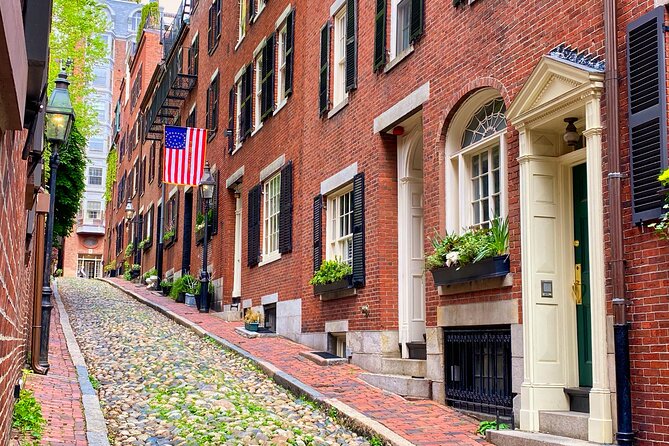
- Antique-style gas lamps and classic brick streets
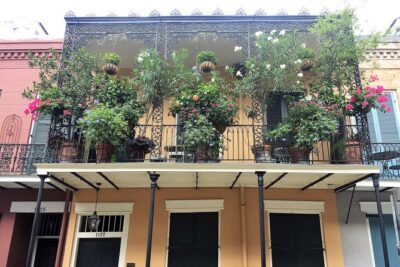
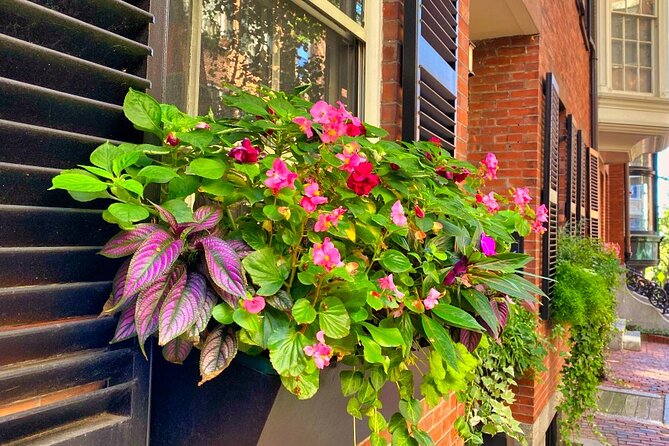
- Colorful flower boxes spilling from window ledges
- Townhouses with interesting façades and small decorative elements
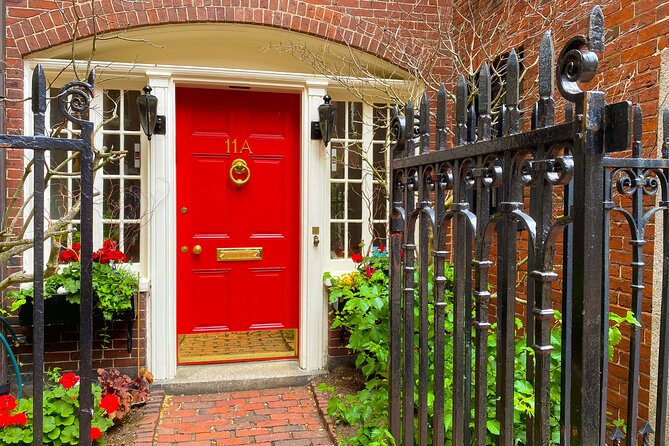
- Unique doors and door knockers that are often ignored in quick walks
Photo tip style is casual but effective: you’ll work on positioning and angles so your photos don’t look like tourist snapshots. Instead, you learn how to create framing using the architecture—lines from the street, the rhythm of windows, and the way row houses stack up.
This is also where the guide’s storytelling matters. You get more than “this is old.” The neighborhood stories can include big names and social history—John Hancock is part of the background, and the tour also references a range of people who shaped Beacon Hill over time, including connections to Louisa May Alcott and Nathaniel Hawthorne.
One detail I found especially compelling from the tour’s way of sharing history: the guide sometimes shows historical photos—like what Acorn Street looked like in the past, and images tied to events that shaped Beacon Hill’s look and preservation.
Potential drawback for this section
Beacon Hill has lots of private façades, and at times the tour’s photo opportunities may involve looking toward windows and door details. If you’re hoping for a strictly “public buildings only” vibe or a heavy emphasis on famous resident stories, you might feel like the tour is aiming its attention at architecture first. In practice, though, the guide is there to answer questions when you want more context.
You can also read our reviews of more historical tours in Boston



Acorn Street: the most photographed street, but you’ll shoot it better
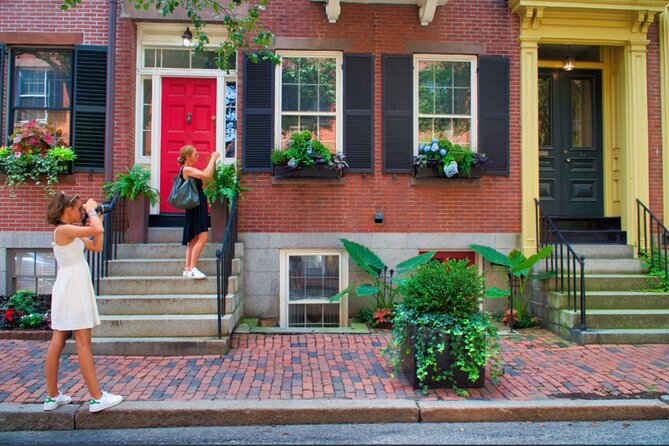
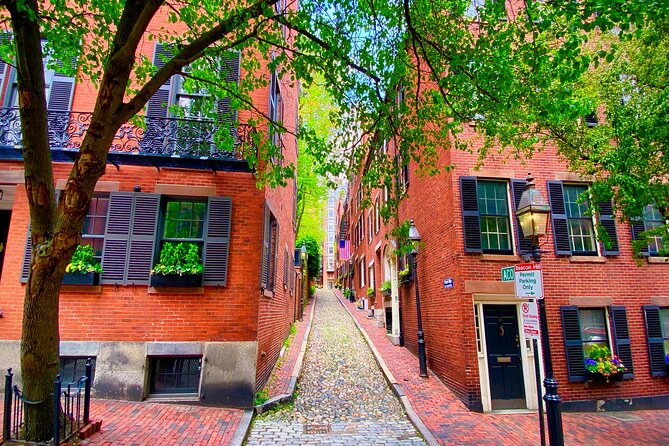
Acorn Street is famous for a reason: the narrow, cobblestone-style look and the 19th-century row houses create that instantly recognizable Beacon Hill image. It’s also widely known as the most photographed street in Boston, and you’ll likely want at least a couple of photos here.
The tour doesn’t just point at it and move on. You’ll get quick coaching on making the shot work:
- How to find an angle where the street curves look good
- How to frame rows of façades so they don’t turn into a messy wall of repetition
- How to use the gas-lit character of the street without overexposing highlights
Stop time here is short—around 5 minutes—so the mindset matters. Think of this as your chance to “get it right” fast: pick one composition you love, then take a few variations instead of waiting for the perfect lighting that may not show up.
Louisburg Square: ironwork townhouses and a composition workout
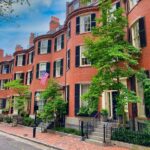
Then you’re moving to Louisburg Square, a residential square known for its 19th-century townhouses with brick façades, decorative ironwork, and formal entrances. It’s a tight photo setting that’s perfect for learning composition in a small space.
This stop is also brief—about 5 minutes—so you’ll want to treat it like a mini exercise:
- Look for the cleanest view of the townhouse fronts
- Frame through iron elements and doorway shapes
- Use the square layout to line up symmetry or strong leading lines
Architecturally, Louisburg Square is known for Greek Revival and Federal-style features. You don’t need to be an architecture nerd to enjoy it. It’s one of those places where the photos improve quickly when you pause and aim.
Boston Common (founded 1630): why your photos need a change of pace
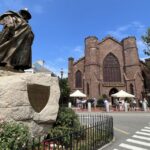
After the Beacon Hill focus, the tour shifts toward Boston’s bigger landmarks. Boston Common is next in the route, and it’s worth appreciating for its scale: it’s Boston’s oldest public park, founded in 1630.
This is a useful reset after the tight streets. Your photo style can change here:
- You can step back and widen the frame
- You get open-sky views that feel different from narrow lanes
- The contrast helps your final photo set feel balanced, not all “brick wall, brick wall”
Also, the Commonwealth-story vibe of the Common pairs well with what the guide has been doing throughout: turning place into context. You’ll feel the neighborhood stories connect to a larger Boston timeline.
Massachusetts State House: built 1795, tied to John Hancock
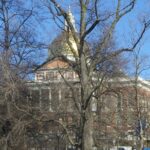
The tour then heads to the Massachusetts State House, built in 1795 on land that was once owned by John Hancock.
This stop is short (around 5 minutes). The value here is less about lingering and more about giving your photos a “why.” When you understand the timing and ownership story, the building feels less random in your pictures and more like a key piece of Boston’s history.
Photo-wise, aim for one strong exterior frame and one angle that shows context—like using the setting to give the building a sense of place. Don’t overthink it. The time is limited, and the guide’s coaching helps you avoid the common mistake of photographing too closely without a plan.
Boston Public Garden (founded 1837): the first public botanical garden
Finally, the route includes the Boston Public Garden, founded in 1837 as the first public botanical garden in America.
This is another contrast moment—less about row houses and more about structure, pathways, and the way greenery shapes a frame. Even if you’re not photographing flowers specifically, parks create softer light and calmer visual order, which helps phone photos look better without extra effort.
You’ll end up back toward Charles Street, so it feels like a loop from Beacon Hill into major Boston landmarks and back to a central exit point.
How Saba Alhadi turns stories into better photos
A big reason this tour gets such strong ratings is the guide. Saba Alhadi isn’t just reciting facts. She leads you to look.
From the experience style, you can expect:
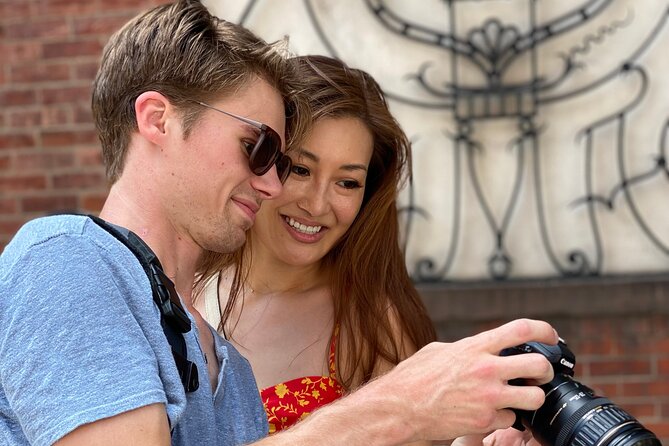
- Photo tips on angles and positioning, working for both phone and camera
- Practical guidance that doesn’t require knowing camera settings
- A relaxed pace that leaves room for questions
- A focus on details you’d normally walk past
Saba also shares backstories that connect today’s neighborhood to earlier layers—housing changes, who lived where, and why the neighborhood looks the way it does. Some of the more emotional history points shared on the walk (like stories connected to escape and diversity in Beacon Hill’s past) help the place feel human rather than just ornamental.
And one nice touch: the guide may take photos of your group using your phones, which is helpful if you don’t want to constantly hand your phone around or miss shots because you’re busy posing.
What kind of photos you’ll come away with
If you like architecture, you’ll probably leave with:
- Doorway close-ups and decorative detail shots
- Street and façade photos with cleaner composition
- A couple of classic Acorn Street frames done in a more intentional way
- Park or landmark photos that break up the brick-and-iron pattern
If you’re a phone shooter, you’ll likely appreciate that the coaching is practical. People often freeze up in famous places and just point-and-shoot. Here, you’re taught to try a few framing ideas so the images look more like you planned them.
Weather, footing, and practical realities
This is a walking tour, and Boston weather can change fast. Since the experience requires good weather, plan to dress for what you’ll actually face that day.
Hot, humid conditions can slow people down—some stretches offer limited relief. If you tend to get uncomfortable quickly in heat, consider picking a cooler day.
As for footing, the route is on brick sidewalks and classic street surfaces. The charm is real, but you still need to watch your steps. Bring shoes with grip. Take your time at photo stops; the best shot usually happens when you stop fully, not while rushing through.
Who should book this Beacon Hill PhotoWalk
You’ll likely love this tour if:
- You want a small-group way to see Beacon Hill and nearby landmarks
- You’re interested in improving photos with a phone or basic camera
- You like neighborhood history tied to real streets, doors, and everyday architecture
- You want insider storytelling you won’t get from a quick guidebook skim
You might want to skip it (or adjust expectations) if:
- You want a full technical photography workshop focused on advanced settings
- You’re extremely sensitive to walking time with no restroom stops
- You expect every stop to be 100% famous-resident biography rather than architecture-and-place context
Should you book this Beacon Hill photo walking tour?
Yes, if you want a smarter, more creative Beacon Hill walk for a fair price. The best value is that you get (1) a small group, (2) practical photo coaching, and (3) history that explains why the streets and buildings feel the way they do.
If your goal is to come home with photos that look composed—door details, street frames, and landmark variety—this is a strong bet. Just pick a day with decent weather, wear good shoes, and go in ready to walk, stop, and take a few deliberate shots.
FAQ
How long is the Beacon Hill History + Photo Walking Tour?
It runs for about 1 hour 30 minutes.
How much does the tour cost?
The price is $45.00 per person.
Is this a small-group tour?
Yes. The tour has a maximum of 15 travelers.
Are there restroom stops during the tour?
No, there are no restroom stops on this experience.
What should I do before the tour starts?
You should arrive at the meeting point 10 minutes early. Also, you’re asked to reconfirm your reservation at least 48 hours prior by email to [email protected] or by text to 617-851-2273.
Can I cancel and still get a refund?
Yes. You can cancel up to 24 hours in advance for a full refund.