REVIEW · MARSEILLE
Marseille: No-Diet Club Local Food Tasting and Walking Tour
Book on GetYourGuide →Operated by NO DIET CLUB · Bookable on GetYourGuide
Skip your diet. Follow your nose. This Marseille food walk leans hard into the city’s mixed-up tastes, with guides like Paul, Nathalie, and Joris steering you through street corners you’d miss on your own. I like the small group size, and I really like the sheer amount of tastings you’re given as you walk.
I love how the tour actually teaches you what you’re eating. You’ll get context for Marseille classics like panisses and navettes, plus the North African flavors that show up across the city’s food culture. I also like the variety: savory stops (like Provençal burgers and Tunisian delicacies) and sweet ones (almond macaroons, ice cream, and other desserts).
One drawback to plan for: this is a full-on food day. Even with portions designed for sharing, you’ll be tempted to over-order and over-think it, and the schedule can run longer depending on how the guide paces the talking and tastings.
In This Review
- Key things I’d bet you’ll care about
- Marseille’s No-Diet Club: A practical way to taste the city’s mix
- Meeting at Calissons du Roy René and starting with the right mood
- How the walk builds your taste map of Marseille
- Panisses, navettes, and the Marseille classics you should actually seek out
- Tunisian flavors and why they belong in a Marseille meal
- Sweet stops: almond macaroons, ice cream, and the dessert finish
- Portion reality: plan on being full, not just tasting
- Guide personality: the difference between a tour and a good one
- Price and value: why $77 can make sense in Marseille
- Who this tour suits best (and who might want to adjust expectations)
- Should you book the No-Diet Club food walk?
- FAQ
- How long is the Marseille No-Diet Club local food tasting and walking tour?
- How big is the group?
- Where do we meet the guide?
- What languages are available for the live guide?
- What kinds of foods will I try?
- Are vegetarians welcome?
- What if the tour is full?
Key things I’d bet you’ll care about
- Small group, big attention: limited to 6 participants, so it’s easier to ask questions and actually talk.
- Marseille flavor mix on purpose: Provençal staples alongside Tunisian treats, not an all-French museum snack run.
- Sweet ends strong: the flow is set up so dessert comes last, not as a random afterthought.
- You’ll walk city neighborhoods, not just plate-hop: the route is part of the experience.
- Vegetarian-friendly: you’re not locked out if you skip meat or seafood.
- Guides bring the city stories: history and neighborhood context are built into the stops, plus plenty of jokes.
Marseille’s No-Diet Club: A practical way to taste the city’s mix
Marseille has always been a port city—busy, mixed, and shaped by people who moved in and out over centuries. This tour leans into that reality with food that doesn’t behave like a single-country script. One stop might feel Provençal and street-style; the next leans Tunisian; and somehow it all makes sense when you connect the flavors to the neighborhoods.
What I like most is that the tour isn’t trying to be fancy. It’s trying to be useful. You’re not just sampling; you’re learning what to look for when you’re back on your own later. That matters in Marseille because the best eating tends to be tucked into everyday lanes and places locals treat as routine.
The experience is built for appetite, not restraint. Yes, it’s called a no-diet club for a reason. But it’s also built for curiosity—so even if you think you know what French food should be, Marseille will politely rearrange your expectations.
You can also read our reviews of more walking tours in Marseille
Meeting at Calissons du Roy René and starting with the right mood
Your meet-up is easy to find: stand in front of the purple shop called Calissons du Roy René. It’s a good anchor point for a walking tour, especially if you’re arriving from a train station or from a cruise stop and you don’t want to play guesswork games.
Right away, you’ll feel the “small group” difference. Limited to 6 people means you’re less likely to be stuck behind a parade of strangers, and more likely to hear the guide’s explanations without straining. Guides also switch easily between French and English, so communication is usually smooth.
Also, the tour doesn’t hide the vibe: expect lame jokes. It sounds minor, but it sets the tone. You’re going to walk a fair amount, and you want something that keeps it light while you’re waiting between tastings.
How the walk builds your taste map of Marseille
This is a guided food walk through the soul of Marseille’s food culture. The idea is simple: follow a route designed to hit several neighborhoods and specialty shops so you can taste without having to plan like a food detective.
The tour’s structure tends to go like this: you start with a series of savory bites and snacks, then you move through market and shop stops, and you finish with something sweet. People who’ve done it before often describe the pacing as comfortable—there are moments that are more like tastings (quick, focused samples), and other moments where you get enough to actually feel full.
Because the walk is doing double duty—food plus city context—you get a better sense of where you are. Marseille’s neighborhoods can feel like different small cities. Once you’re walking through them with a guide’s explanations, it’s easier to understand why certain foods show up where they do.
Panisses, navettes, and the Marseille classics you should actually seek out
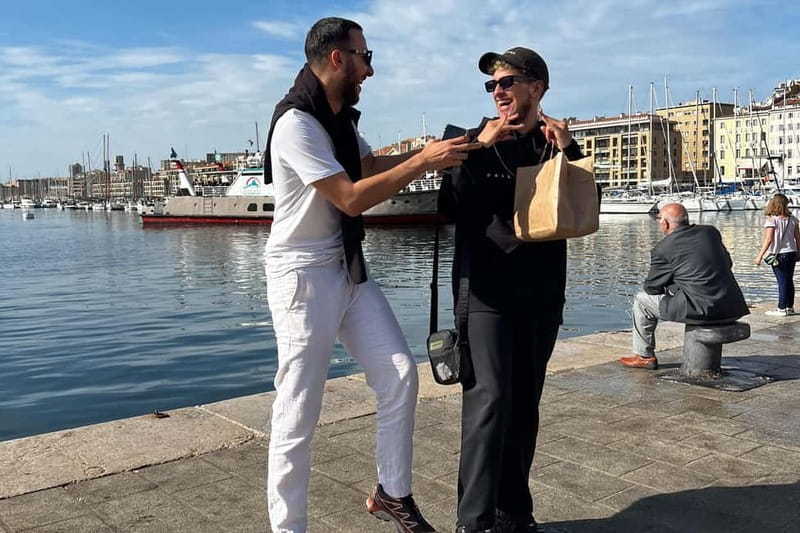
If you only eat one kind of food in Marseille, you’ll miss the point. This tour gives you the kind of classics that define the local pantry.
You might try panisses—handmade and typically made from chickpea flour. They’re often served as a snack, and they’re exactly the sort of food that tastes better when you understand its local role: simple ingredients, deep local comfort, and built for eating while you walk.
You’ll also likely encounter navettes de Marseille, another local specialty you can’t truly replicate by looking up a generic French dessert list. These are tied to the city’s identity and are the kind of bite that makes you feel like you’re eating something that only works in Marseille.
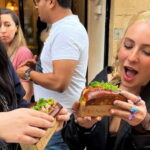
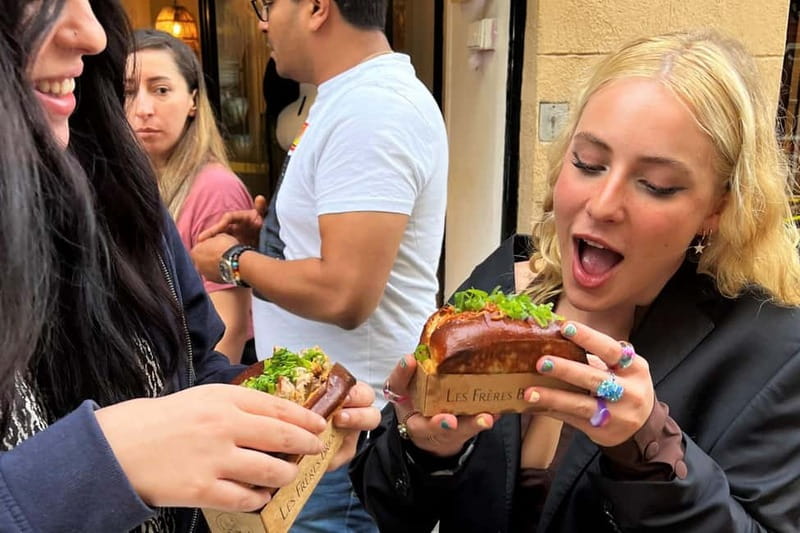
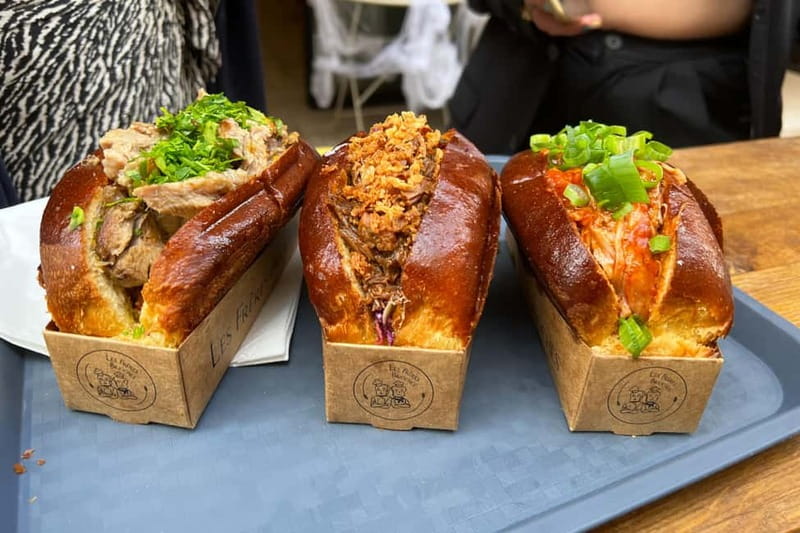
And then there are street-food-style Provençal dishes—like homemade-style Provençal burgers—where the flavor comes from straightforward choices done well, not from heavy theatrics. That’s great for you because it trains your instincts for what to order later, even when you don’t speak the menu language perfectly.
Tunisian flavors and why they belong in a Marseille meal
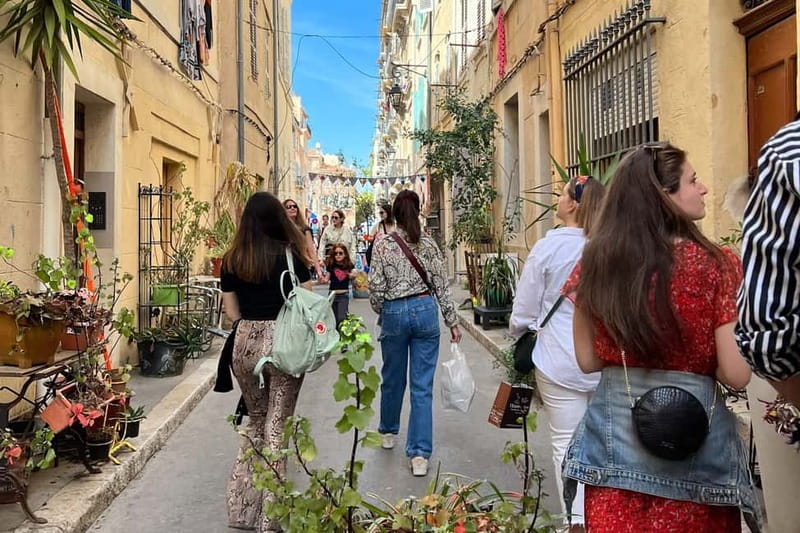
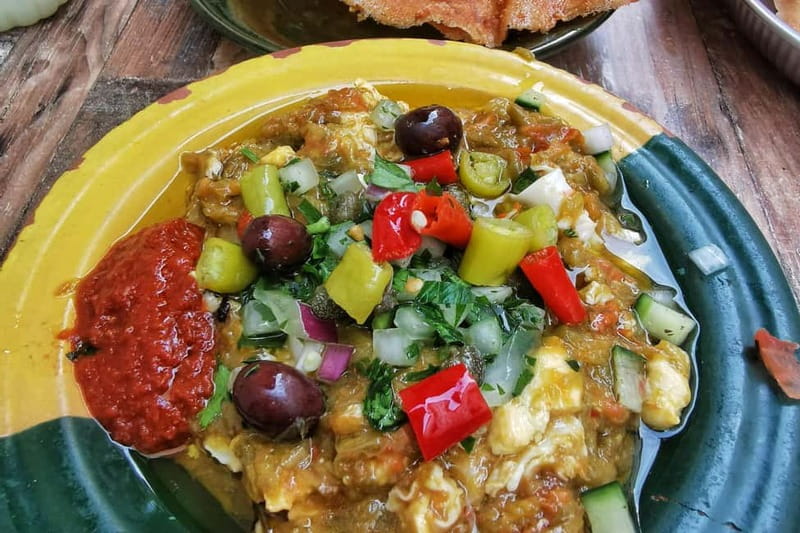
Marseille is one of France’s most cosmopolitan cities, and the food reflects that in a very real way. A standout part of this tour is the Tunisian side of the menu—things that feel different from standard French expectations, but not random.
You may taste Tunisian delicacies (one of the big themes of the tour), and that’s where the city’s history becomes edible. When you try these foods in Marseille, you’re not just eating a snack. You’re sampling the food of communities that helped shape the city’s everyday eating habits.
Even if you don’t eat seafood, you’re not stuck with bland substitutes. Reviews highlight that options can be adjusted for different tastes, including people who avoid seafood. That doesn’t mean every stop becomes identical for every dietary preference, but it does mean the tour tries to keep you included.
Sweet stops: almond macaroons, ice cream, and the dessert finish
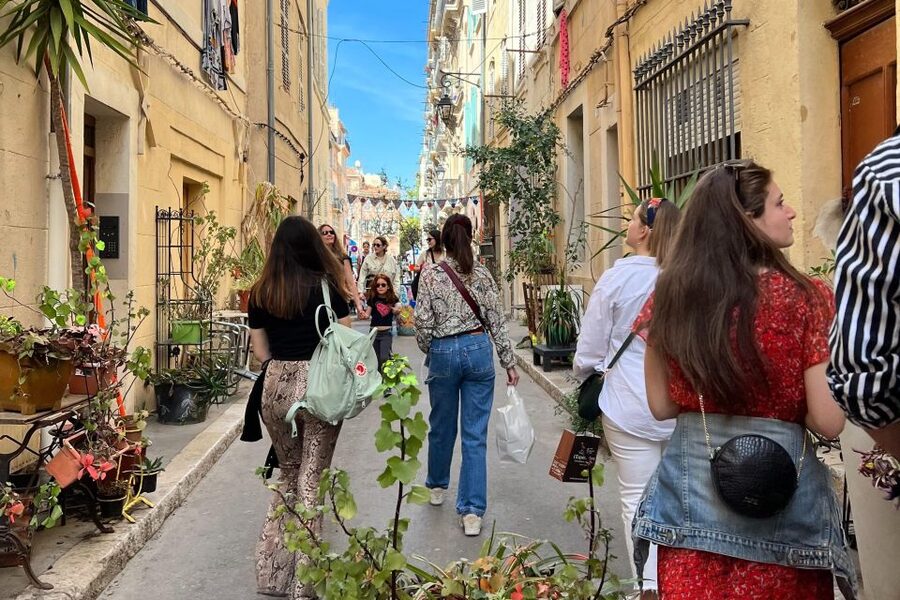
The tour doesn’t just sprinkle sugar here and there. Dessert is part of the route, and it usually arrives near the end when you’re already in full flavor mode.
You might try almond macaroons, which are a good reminder that French pastry doesn’t always mean delicate, small-bite-only experiences. Here, sweets are tied to the local atmosphere—shop stops, quick explanations, and bites that feel like they belong on the street you’re standing in.
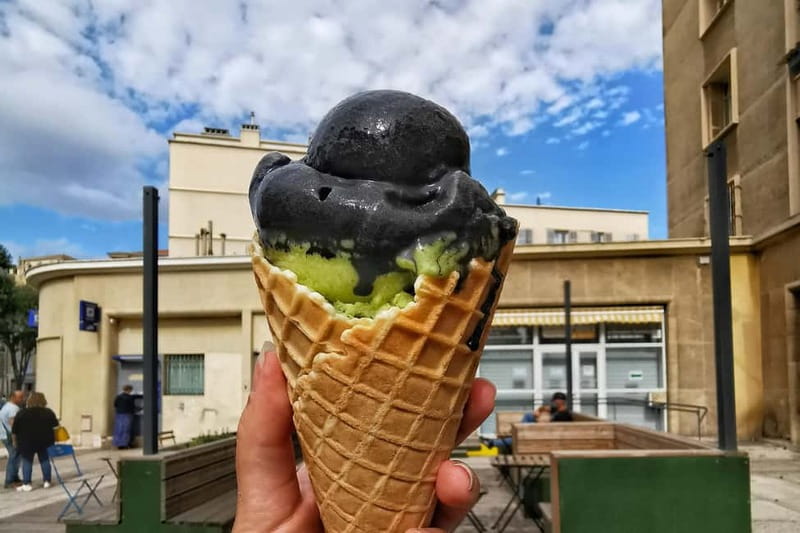
Ice cream shows up too. That might sound like a random treat, but in a city like Marseille it works: it’s a break from walking heat, and it gives you another flavor lane to compare with savory bites.
One specific sweet stop that comes up in guides’ routes is Mon Gâté, where people mention choux desserts. If you’re the kind of eater who wants variety after multiple savory tastings, this ending sequence is a big part of why the tour gets strong marks.
Portion reality: plan on being full, not just tasting
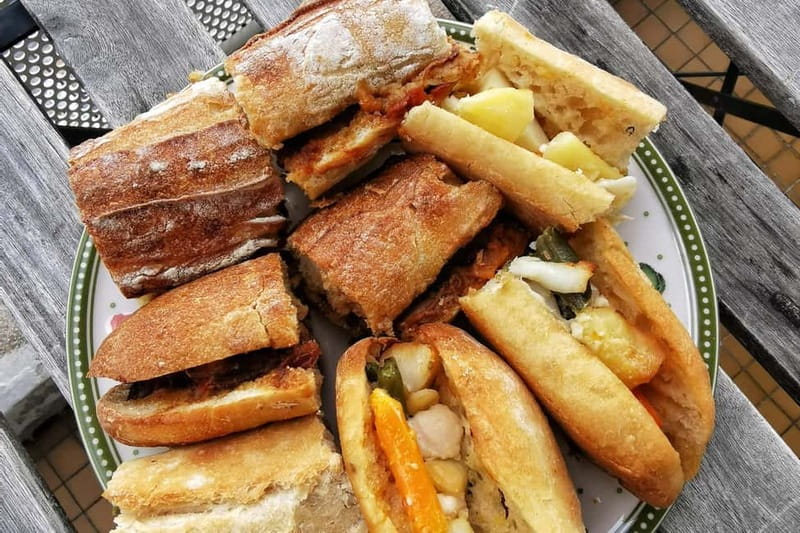
The biggest practical advice I can give you: come with an appetite. This is not a skim-the-samples-and-leave kind of experience.
Some stops are truly tastings—small enough that you can keep moving. But other stops can leave you unable (or unwilling) to finish everything. That’s why you’ll feel that “food coma” effect people talk about: you’re learning and snacking and then suddenly you’re done for the day.
Also, expect some waiting. Not every moment is instant. That’s often because shops get busy, or because the group is moving through spots that aren’t designed for a fast-moving line of tourists. The upside: those waits give you time to sit with the neighborhood vibe instead of rushing.
One more timing consideration: even though the stated duration is 210 minutes, some schedules run closer to 5 hours depending on pacing, bilingual explanations, and how the guide balances conversation with stops. If you have a tight connection, plan a little buffer.
Guide personality: the difference between a tour and a good one
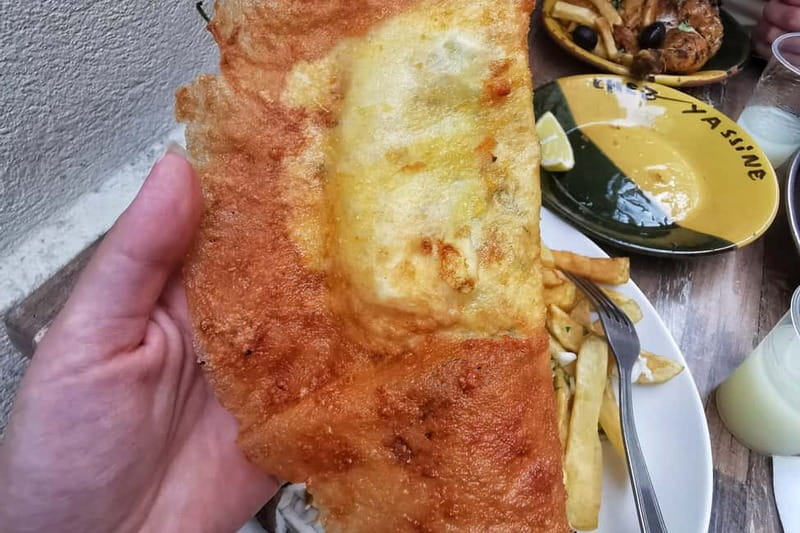
The guide matters a lot here. The tour is built around route knowledge and the ability to explain the food without turning it into a lecture.
You’ll see names like Paul, Nathalie, Joris, Olivier, and Myriam show up again and again in accounts of what makes the experience work. People consistently describe guides as friendly ambassadors for Marseille—warm, funny in a low-key way, and willing to answer questions on the fly.
Another detail that can surprise you in a good way: some guides take photos during the tour and share them with the group later. That’s handy if you want food-and-street memories but don’t want to spend the whole walk behind your phone camera.
The best part is how the guide ties stops to context. Even when you’re just eating a small bite, you’re learning why it exists and what it represents in Marseille’s mix of cultures.
Price and value: why $77 can make sense in Marseille
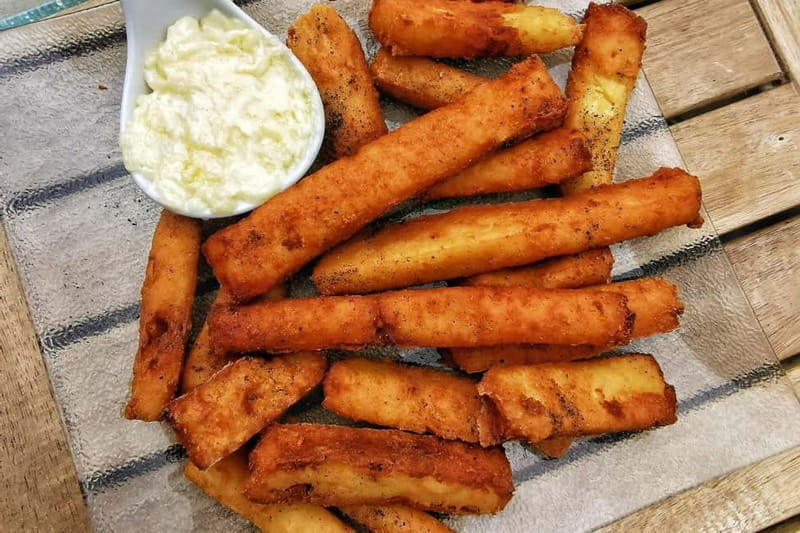
At $77 per person for a 210-minute guided experience, you’re paying for three things: guidance, access, and the food itself. In Marseille, eating well isn’t hard—but eating well without local help can be hit-or-miss, especially if you don’t know which spots are best for a first visit.
This tour gives you multiple tastings across different types of food. When you add up what you’d normally pay for a similar set of snacks and desserts on your own, the price starts looking less like a luxury and more like a shortcut.
You’re also getting something more valuable than you might expect: a route you can follow later. After the tour, you’ll know what to search for (panisses, navettes, specific sweet types) and you’ll have a stronger sense of which neighborhoods match your style of eating.
So, yes, you’re paying for convenience. But you’re also buying a city orientation tool—food-first, which is the best kind.
Who this tour suits best (and who might want to adjust expectations)
This works especially well for:
- First-timers who want a quick way to understand Marseille food culture across neighborhoods.
- People who like guided context, not just a “walk and eat” checklist.
- Groups that want conversation: small size makes it easier to bond with the other participants.
- Visitors on limited time, including cruise day schedules—this type of structure can fit well when you want an organized plan.
It might be less ideal if:
- You want a strict traditional French-only menu. Marseille’s food here leans into North African influences, and that’s the point.
- You’re expecting a coastal seafood focus as the main theme. Seafood might appear, but it’s not guaranteed as your biggest taste moment.
- You want light eating. Even with tastings and the option to adjust for diets, you will leave full.
Should you book the No-Diet Club food walk?
I’d book it if you want a guided way to eat like Marseille locals eat—practical snacks, local specialties, and a real explanation for why the city’s food tastes the way it does. The small group size, the variety (savory plus sweet), and the mix of Provençal and Tunisian flavors make it feel like a true introduction, not a tourist-food sampler.
I’d think twice if you’re trying to eat very lightly, or if you’re set on one specific French dish as your goal. This tour’s strength is the broader Marseille picture. Go in hungry, bring comfortable shoes, and give yourself space for dessert at the end.
FAQ
How long is the Marseille No-Diet Club local food tasting and walking tour?
The tour lasts 210 minutes (about 3.5 hours), though the pace can vary depending on the group and how the guide structures tastings and explanations.
How big is the group?
It is a small group limited to 6 participants.
Where do we meet the guide?
Meet your guide in front of the purple shop called Calissons du Roy René.
What languages are available for the live guide?
The tour guide offers live commentary in French and English.
What kinds of foods will I try?
Expect a range of Marseille specialties and related flavors, including panisses, navettes de Marseille, almond macaroons, ice cream, Provençal burgers, and Tunisian delicacies.
Are vegetarians welcome?
Yes. Vegetarians are welcome, and the tour can adjust tastings based on dietary needs and tastes.
What if the tour is full?
If this specific tour is full, you can join the operator’s new food tour in Marseille (the information provided includes a link to another option).