REVIEW · HAMBURG
Hamburg: Speicherstadt Walking Tour with Coffee Tasting
Book on GetYourGuide →Operated by Kiezjungs Hamburg Touren · Bookable on GetYourGuide
Spices and coffee in one tight walk. I like how this guided route through UNESCO Speicherstadt turns old warehouse streets into a story you can follow on foot, and I especially like the added 30-minute coffee tasting led by a master roaster.
One catch: the tour runs in German, so if you don’t follow spoken German well, you’ll get less out of the explanations.
In This Review
- Key Takeaways Before You Go
- First Glimpse of Speicherstadt: Warehouses That Explain Hamburg
- Getting Oriented: Where You Meet and How You Start
- The Warehouse District Walk: Seeing the Trading City at Street Level
- Spice Shops: Smell, Color, and the Way Trade Becomes Local
- Carpets, Craft Stores, and Chocolate Stops: How Commerce Looks on the Outside
- The Coffee Workshop: 30 Minutes With a Master Roaster
- How Long It Really Takes: 150 Minutes, Two Different Modes
- Price and Value: Is $50 Worth Two and a Half Hours Plus Tasting?
- Language and Group Style: What It Means for Your Experience
- Who Should Book This Speicherstadt Walking Tour
- Should You Book? My Practical Take
- FAQ
- How long is the Hamburg Speicherstadt walking tour with coffee tasting?
- What is included in the $50 price?
- Where do I meet the guide?
- What’s the nearest public transport stop?
- What language is the tour in?
- Is this tour suitable for people with mobility impairments?
Key Takeaways Before You Go
- 150 minutes is long enough to see the main Speicherstadt sights without feeling like a day-long commitment
- Spice-store stop lets you experience the trade through scent, color, and retail details
- Carpet and craft/shopping moments show how global commerce shaped local storefronts
- Coffee roasting shop workshop gives you a guided tasting after the walk
- A good-guide effect matters: the humor and historical storytelling level up the whole experience
First Glimpse of Speicherstadt: Warehouses That Explain Hamburg
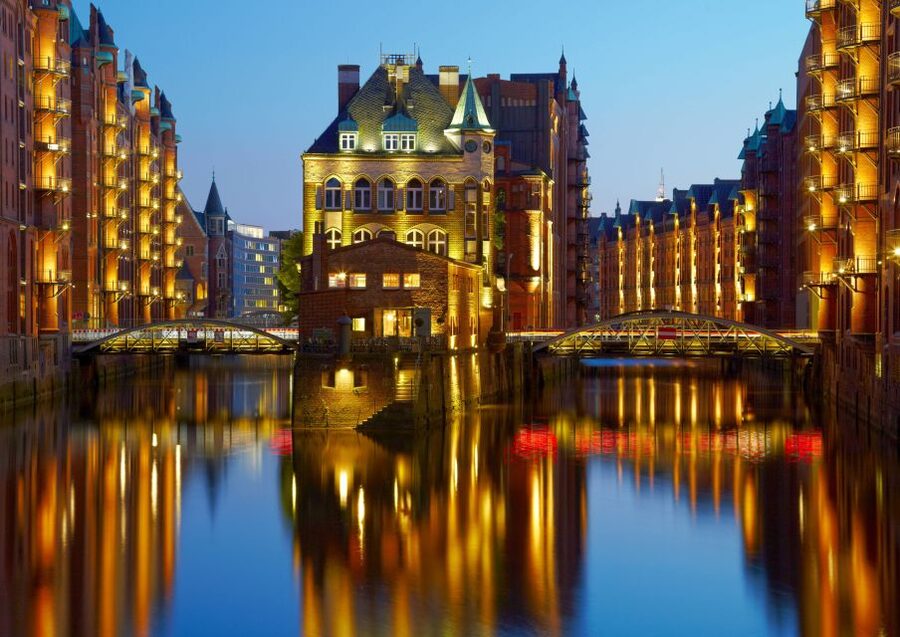
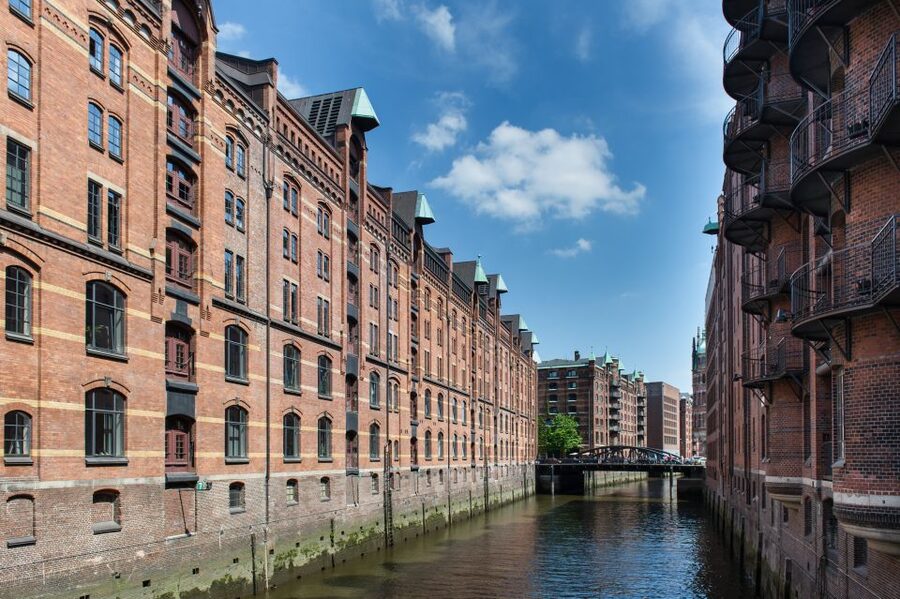
Hamburg’s Speicherstadt isn’t just pretty brickwork by the water. It’s a functioning snapshot of how trade worked when ships needed storage and cities needed global goods. On this walking tour, you get that “why this place looks like this” feeling fast.
I like that the tour keeps things practical. You’re not stuck staring at plaques. You walk the warehouse lanes, see spice shops and specialty stores up close, then connect those storefronts to the trading world that built them. And because the day ends with a coffee tasting, the tour doesn’t fade out after the architecture—it finishes with something you can actually taste.
If you care about design and trade history, this is a strong pairing. The area is a UNESCO World Heritage Site, and the tour is timed so you’ll notice details like building scale, street layouts, and the way shops sit in the warehouse district flow.
You can also read our reviews of more walking tours in Hamburg

Getting Oriented: Where You Meet and How You Start
You meet your guide at Cafe Bar Barrossa on Brook Street, across from the Hamburg Dungeon. If you’re using public transport, the nearest underground station is Baumwall, and you can also take Metrobus 6 to the Auf dem Sande stop.
From there, the walk gets going at/around Wandrahmsteg Bridge (that’s where the tour route begins). Don’t worry about being early for the sake of sightseeing—arriving on time helps you start as a group and keeps the pace smooth. This is a walking tour with a workshop at the end, so you want your energy for the day’s second half.
One practical note: the tour is not listed as a food tour. The coffee tasting is included, but there’s no included meal. If you get hungry easily, I’d treat this as a morning or early afternoon plan and then eat afterward nearby.
The Warehouse District Walk: Seeing the Trading City at Street Level
The route focuses on Speicherstadt’s warehouse district in Hamburg’s port area. That matters, because Speicherstadt was built to store goods close to shipping—and the architecture was part of the system.
As you move through the area, you’ll get the kind of explanations that help you read what’s around you:
- why the warehouses exist where they do
- how trading goods shaped the neighborhood’s shopfront culture
- how the district connected everyday retail to global supply chains
The guide is live and German-speaking. If your German is solid, you’ll probably enjoy how the stories link the street you’re on to the goods you’re seeing (spices, carpets, and coffee are the big themes). If your German is not great, try to focus on the visuals: the way shops are arranged and the materials and colors the guide points out.
And yes—if you’re lucky enough to be with a guide like Jan, you’ll get humor on top of the explanations. In the feedback for this tour, Jan gets singled out for making the 2.5 hours feel lively while still staying grounded in solid history.
Spice Shops: Smell, Color, and the Way Trade Becomes Local
One of the most fun parts of this tour is the spice stop. You’re not just looking at shelves—you’re being guided to notice scents and colors that hint at the origin-and-demand side of the trading world.
A good spice shop stop works for a walking tour because it gives you an immediate connection. You walk in knowing this district traded in spices, and then you see how those goods show up as retail choices. It also makes the tour memorable, because smell is hard to forget later.
What to do during this stop:
- slow down and look at how spices are displayed
- pay attention when the guide talks about how spices were traded and why that shaped Speicherstadt’s role
- don’t rush the tasting-free moment—this is the “sensory prep” for the coffee later
If you’re the type who loves markets and ingredients, this is a main reason to pick this tour over a standard architecture walk. You get a warehouse district plus a shopping-world reality check.
Carpets, Craft Stores, and Chocolate Stops: How Commerce Looks on the Outside
After the spice shop, the tour shifts into a shopping street feel: Oriental carpet stores and other specialty shops along with craft and chocolate options. This part is less about one single “historic fact” and more about how global trade shows up in the storefronts you can touch, browse, and photograph.
Carpets are the key theme here. The district traded in these goods, and the stores you pass through reflect that legacy. Even if you don’t plan to buy anything, it’s interesting to watch how people browse—because browsing tells you something about local comfort with the goods.
Chocolate and craft shops add variety. They also keep the tour from becoming too academic. You’ll likely get small moments where you can actually mingle with the flow of the shops, instead of only standing under an archway while a guide talks.
A quick reality check: this is still a guided walk. There will be time to look, but you won’t have a long shopping spree. If you want to shop seriously, use the tour to find what catches your eye, then return later with a plan.

The Coffee Workshop: 30 Minutes With a Master Roaster
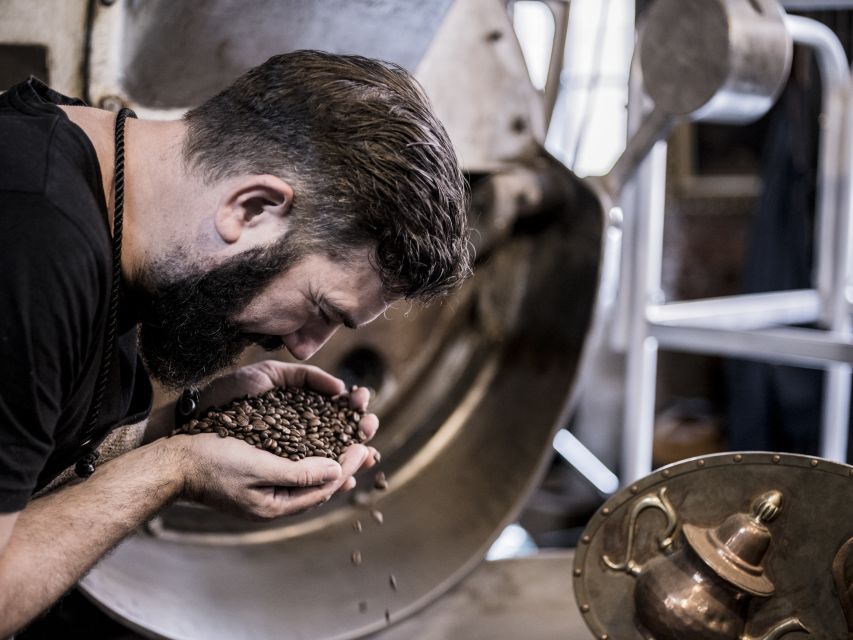
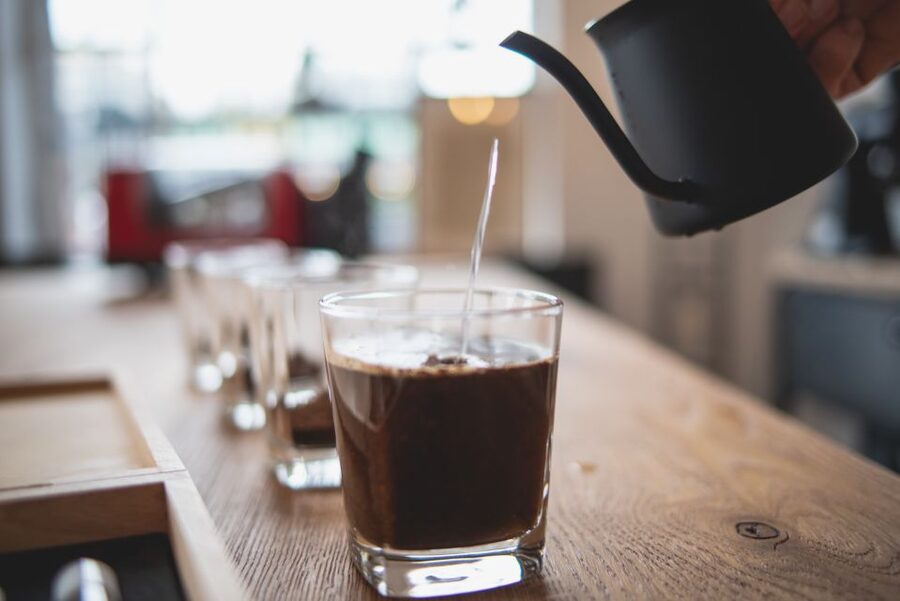
The tour’s payoff is the coffee tasting workshop at a local coffee roasting shop. This is where the experience shifts from walking-and-learning to hands-on sensory focus.
You meet a roaster described as a 2-time European Roasting Master. The tasting workshop is included for 30 minutes, and it includes an explanation of coffee production and roasting—then you taste.
What makes this portion valuable is timing. You’ve just spent the morning (or early day) moving through a district shaped by trade. Then you finish with coffee, one of Speicherstadt’s signature goods. So it doesn’t feel like an added extra. It feels like a closing chapter.
One small consideration: some people want even more depth on coffee production details from bean to final roast. The workshop is only 30 minutes, so it’s designed for an enjoyable overview and tasting rather than an all-day technical course. If you love coffee science, go in expecting a guided taste plus enough background to understand what you’re smelling and drinking, not a full roasting curriculum.
How Long It Really Takes: 150 Minutes, Two Different Modes
This tour runs for 150 minutes (2.5 hours). That’s a sweet spot: enough time to cover the key warehouse district sights and still have a real workshop segment.
You’re basically doing two modes:
1) Walking and interpreting: seeing streets, buildings, and storefront themes
2) Tasting and listening: focusing on coffee flavors and roast process basics
So plan your day like that. Wear comfortable shoes. Also, if you’re someone who needs frequent breaks, this might feel brisk—because after the walk, you’re still in the workshop environment and you’ll be listening and tasting.
Price and Value: Is $50 Worth Two and a Half Hours Plus Tasting?
At $50 per person, you’re paying for three things:
- a guided walking experience through Speicherstadt
- included coffee workshop time (30 minutes)
- the guide’s storytelling throughout
It’s not a cheap add-on, but it’s also not an all-day expensive excursion. The value equation improves if you like both parts: the architecture-and-trade walking and the coffee tasting.
It’s also a good deal if you’d otherwise pay separately for a guided walking tour plus a coffee experience. Here, they’re bundled into one flow, and the two themes tie together: trade goods (spices, carpets, coffee) and the district built to handle them.
Main thing to know: food isn’t included. The coffee tasting covers coffee, not lunch. Budget for a meal afterward if you’re doing this during normal meal hours.
Language and Group Style: What It Means for Your Experience
The tour guide is German-speaking. Live language matters on tours like this, because a lot of the value is in connecting visuals to the trade story behind the buildings and shops.
If your German is limited, you can still enjoy the visuals and the coffee tasting. Just don’t expect to catch every nuance of the explanations. And if you’re confident with German, you’ll likely appreciate the humor mentioned in feedback (especially when the guide is Jan).
Also, there’s a minimum number of participants required for the tour to run. That’s common with small-group tours, and it’s the main reason to check availability before you lock in other plans for the day.
Who Should Book This Speicherstadt Walking Tour
This works best for you if:
- you want to see Speicherstadt beyond photos and want street-level context
- you like ingredient-focused stops (spices) plus an ending that uses taste (coffee)
- you enjoy guided stories that connect architecture to what people actually bought and sold
It may not be ideal if:
- you need an English-language guide
- you have mobility limitations (this tour is not suitable for people with mobility impairments)
- you’re expecting a long, technical coffee course (the tasting workshop is 30 minutes)
Should You Book? My Practical Take
Yes—if German isn’t a dealbreaker and you’re interested in both the trade-theme walk and a coffee tasting with a master roaster, this is a smart use of time. The 150 minutes hits a good pace, the spice and shop stops give texture, and the included coffee tasting is the kind of ending that makes the whole tour feel complete.
If you mainly want a quiet architecture stroll with minimal explanations, you might prefer another option. But if you want Speicherstadt to feel like a working trade district—spices in the shops and coffee at the roasting table—this one makes a lot of sense.
FAQ
How long is the Hamburg Speicherstadt walking tour with coffee tasting?
It lasts 150 minutes total.
What is included in the $50 price?
You get the Speicherstadt walking tour, a guide, and a 30-minute coffee-tasting workshop. Food is not included.
Where do I meet the guide?
Meet at Cafe Bar Barrossa on Brook Street, opposite the Hamburg Dungeon.
What’s the nearest public transport stop?
The nearest underground station is Baumwall. You can also take Metrobus 6 to the Auf dem Sande stop.
What language is the tour in?
The tour has a live guide in German.
Is this tour suitable for people with mobility impairments?
No, it is not suitable for people with mobility impairments.