REVIEW · CHARLESTON
Highlights of Charleston Guided Walking Tour
Book on Viator →Operated by Oyster Point Historic Tours · Bookable on Viator
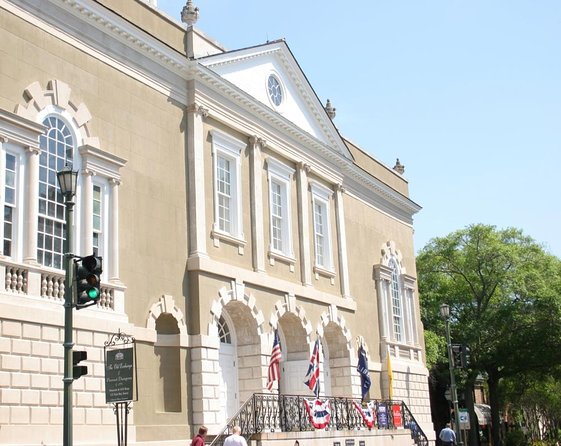
Charleston history lives on every corner. This 2-hour walking tour threads the French Quarter into South of Broad with story-filled stops like Rainbow Row, the Old Slave Mart Museum, and the Old Exchange. You’ll get the kind of orientation that helps the city make sense fast.
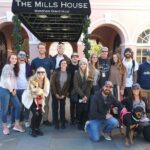
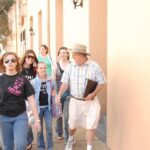
I love how the pacing stays practical: short walks, frequent photo moments, and explanations you can absorb while you’re standing right there. I also like that the tour keeps you moving through both famous landmarks and quieter details, and the guide style matters a lot—folks have praised guides like Bill Harris for being funny, direct, and fact-focused, with history tied to everyday Charleston.
One consideration: the route is almost entirely outdoors, so plan for sun, heat, and sudden rain. You’ll also do some standing at points where you’re mainly viewing from the sidewalk or church gates—bring comfy shoes and water.
In This Review
- Key things I’d plan around
- Setting Out From Bay Street: A Tight Route That Helps You Find Your Bearings
- Stop 1: St. Philip’s Church and the Longest-Meeting Congregation
- Stop 2: French Huguenot Church, the North America Denomination One-Off
- Stop 3: Pink House Gallery, the Old Private Residence You Can See From the Street
- Stop 4: Old Slave Mart Museum, the One Museum Focused on Enslaved People
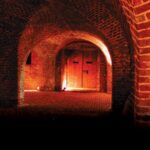
- Stop 5: Old Exchange & Provost Dungeon, Where Economics and Punishment Intersect
- Stop 6: Rainbow Row, the Most Photographed Street in Charleston
- What You’ll Get From the Guide (and Why Bill Harris Pops Up So Often)
- Logistics That Actually Matter: Shoes, Water, Sun, and Timing
- Who This Tour Fits Best (and Who Might Want Something Else)
- Value Check: What’s Included, What’s Not, and Why It Adds Up
- Should You Book This Charleston Guided Walking Tour?
- FAQ
- Are restrooms available along the route?
- What should I bring with me?
- Where do I meet for the tour?
- Where does the tour end?
- Is there parking near the meeting point?
- Are pets allowed?
- Are service animals allowed?
- Will the tour run in rain?
- How long is the tour and how fit do I need to be?
Key things I’d plan around
- Two-hour, six-stop route that works well on a busy day
- Small group size (up to 20) for easier questions and less crowding
- Some free sights + two ticketed museums (so you can budget ahead)
- Focused storytelling that connects churches, trade, and slavery to what you see
- Rainbow Row at street level for the famous photo angle
- Guide quality is a big deal, with strong praise for Bill Harris and also Vanna
Setting Out From Bay Street: A Tight Route That Helps You Find Your Bearings
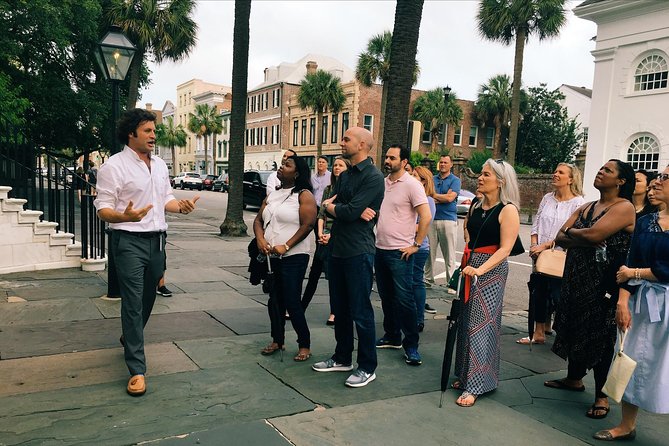
The tour starts at 200 E Bay St and ends around 71 Broad St, near the Meeting Street/Broad Street intersection. That end point is useful: it drops you in the middle of where most people want to keep exploring afterward.
Check in 5–10 minutes early. The tour can’t hold for late arrivals, so I’d treat the meeting time like a train departure. You’ll want to be ready to walk—this isn’t a slow sit-and-listen museum day.
The big practical win here is the schedule. You’re looking at about 2 hours, with stops designed around short, manageable visits. In Charleston, that matters because the streets can feel endless if you’re wandering on your own. This route keeps you from spending half your day trying to figure out what’s worth a detour.
And yes, it’s mostly outdoors. Expect sun exposure and keep your plan flexible if the weather turns.
You can also read our reviews of more walking tours in Charleston

Stop 1: St. Philip’s Church and the Longest-Meeting Congregation
Your first stop is St. Philip’s Church, where you’ll view a historic church tied to the longest-meeting congregation in Charleston. You’re there briefly—about 10 minutes—so use it like a reset button: get your photos, then listen for what the guide explains about how religious communities shaped the city.
Why this stop works: it sets context early. Charleston’s story isn’t only about buildings; it’s about the institutions that guided people’s lives—what they believed, how communities organized, and how those patterns echoed forward.
Practical note: churches are often quiet and formal spaces. Keep your movement smooth and respectful, and if you’re aiming for a specific photo, do it quickly—then step back so others can view too.
Stop 2: French Huguenot Church, the North America Denomination One-Off
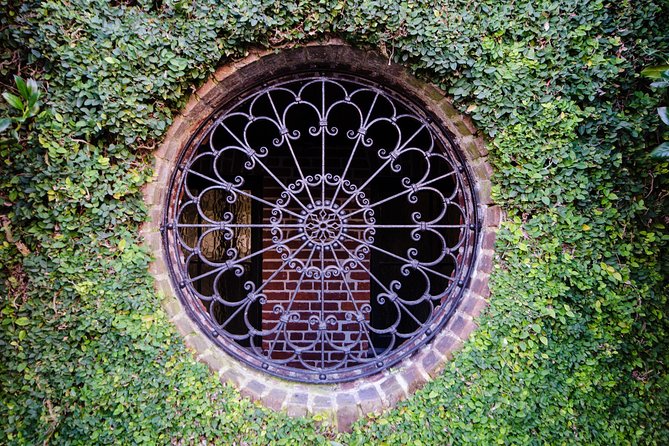
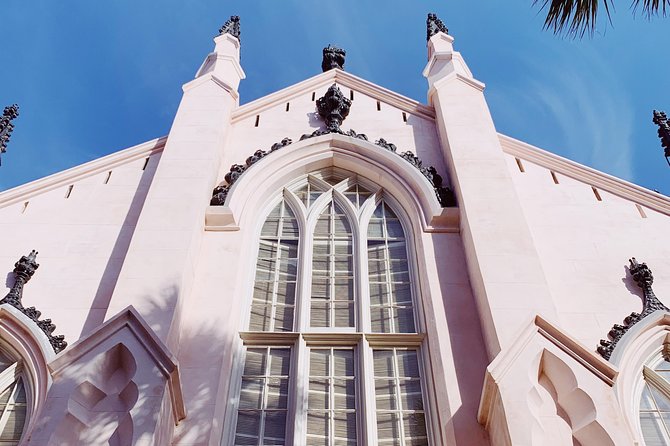
Next up is French Huguenot Church, described as the only church of its denomination in North America. Again, you’re there around 10 minutes, focused on viewing and hearing how this community history fits into Charleston’s broader immigrant and religious footprint.
What I like about this part of the route is how it broadens the story beyond the most obvious American Revolutionary-era narratives. When you hear the why behind the church, it’s easier to connect other sites you’ll see later—because Charleston’s identity is a patchwork of cultures and loyalties that formed over time.
Photo tip: keep an eye on angles. Church entrances and façades often look very different depending on where the light hits. Even with limited time, you’ll get better results if you stand, look, then shoot rather than constantly walking around while taking photos.
Stop 3: Pink House Gallery, the Old Private Residence You Can See From the Street
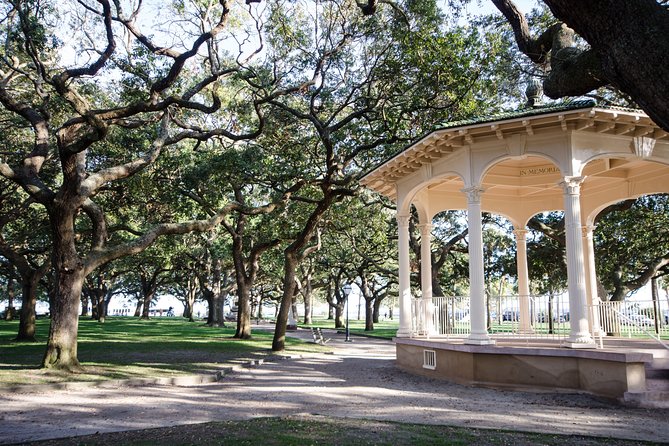
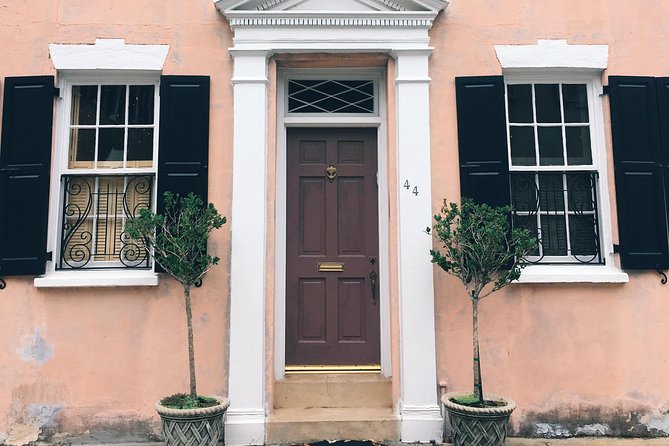
Then you’ll view the Pink House Gallery, noted as the oldest private residence in Charleston. Even though this stop is short and focused on what you can see from the outside, it’s a great moment to slow your brain down and switch from “events” to “people.”
Why it matters: walking tours can sometimes become a list of dates. This one balances that with a building-type you can picture as home—how residents lived, what endurance looks like in architecture, and how Charleston preserves the outward shell while the meanings inside shift over generations.
Quick realism: it’s easy to miss architectural details while you’re rushing. Give yourself a few seconds to look at the façade, not just the color. The guide will typically point out what to notice, and you’ll get more out of the 10 minutes if you pause instead of snapping and moving on.
Stop 4: Old Slave Mart Museum, the One Museum Focused on Enslaved People
This is the emotional center of the walk: the Old Slave Mart Museum. It’s described as the only museum dedicated to the history of the enslaved in Charleston, and admission here is not included in the tour price.
Expect a different tone at this stop. You’re stepping into a place that forces the conversation from architecture and trade into human suffering and power. If you’re the type of person who wants the whole story—not just the pretty parts—this stop is the reason many people book.
How to handle it: go in ready to learn, but don’t feel you have to absorb everything in one pass. If something hits hard, that’s normal. Use the guide’s framing to understand where this fits into Charleston’s economy and how the city’s public memory developed.
Also plan your time. Since the tour is only about two hours, add the museum stop thoughtfully so you don’t feel rushed at the end.
You can also read our reviews of more guided tours in Charleston


Stop 5: Old Exchange & Provost Dungeon, Where Economics and Punishment Intersect
Right after, you’ll see the Old Exchange & Provost Dungeon, described as the pre-Revolutionary heart of economic Charleston. Admission is also not included.
This stop is important because it ties together two ideas people often keep separate: money and enforcement. The Old Exchange is the economic engine; the Provost Dungeon is where control and punishment showed up in real life. Seeing both in the same day helps you understand that the system wasn’t abstract. It had places, routines, and consequences.
If you’re trying to make sense of why certain Charleston buildings still feel so charged, this is the explanation. You’re looking at the city’s wealth-making machinery and the way authority maintained order—sometimes through horrifying means.
Practical expectation: because admission isn’t included, you’ll want to budget for the museum portion separately. Think of it as the part of the tour where your money buys you context you can’t get from outside viewing alone.
Stop 6: Rainbow Row, the Most Photographed Street in Charleston
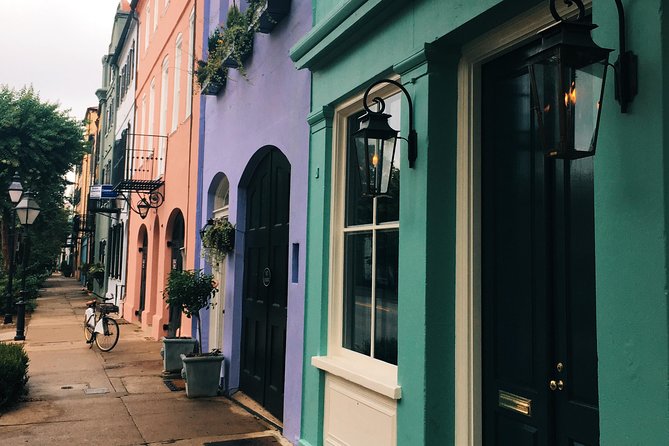
The final major sightseeing hit is Rainbow Row, described as the most photographed sight in Charleston. Admission is free and you’ll spend about 10 minutes here.
This is the stop people think they know—rows of pastel houses—but you’ll get more out of it with a guide than without one. The explanation can make those façades feel less like a postcard and more like evidence of how Charleston developed, protected property, and marketed its image over time.
Photo tip: don’t just aim for the classic angle. If the street is busy, try a slightly different position and shoot a second variation. With limited time, this is how you end up with a photo that feels personal rather than identical to everyone else’s.
Also: keep your eyes up. It’s easy to get tunnel vision on the houses, but details like doorways, street-level textures, and window spacing can be just as interesting.
What You’ll Get From the Guide (and Why Bill Harris Pops Up So Often)
This tour is only as good as the guide, and the praise you’ll hear tends to cluster around three things: humor, clarity, and a storyteller’s sense of timing.
Guides like Bill Harris have been praised for packing in a high volume of facts without making the walk feel like a lecture. People also mention his down-to-earth style and the way he can connect religion, politics, and everyday life to the physical landmarks. Another named guide in the mix is Vanna, described as extremely knowledgeable and personable.
Here’s how to use that to your advantage: if you want a more history-forward experience, ask for it early. If your group likes a lighter tone, you can steer the guide toward a faster orientation. A good guide will read the room and adjust.
And one more thing: guides who speak with confidence tend to point out what most visitors overlook. That’s where the real value lives—between the headline sight and the small detail you wouldn’t know to look for.
Logistics That Actually Matter: Shoes, Water, Sun, and Timing
This is a moderate physical fitness tour. It’s not described as strenuous, but you are walking outdoors with multiple stops, standing for short viewing windows, and moving between neighborhoods.
What I’d bring (seriously):
- Comfortable walking shoes
- Sun protection (sunscreen, hat, sunglasses, parasol if you like)
- Bottled water (it’s not always available to buy on the route)
- Rain gear, if the forecast looks sketchy
Restrooms are not always easy to access during the walk. Plan to use facilities before you start, especially if you’re traveling with kids or anyone who needs more frequent breaks.
If you’re driving, the tour provider suggests parking at city garages on 1 Cumberland Street or 89 Cumberland Street, each about a 5-minute walk from the meeting point. Parking fees may apply, so don’t assume it’s free.
Who This Tour Fits Best (and Who Might Want Something Else)
This walk is ideal if you want a smart mix of the famous and the explanatory. Couples often enjoy it because it creates shared context quickly—Charleston feels more coherent after.
It’s also a good fit for history-minded families, especially if your group likes learning in short, outdoor segments instead of sitting inside for hours. Just note: children must be accompanied by an adult, and if you bring a stroller, you should let the operator know ahead of time.
If you hate walking outdoors for any length of time, or you’re only interested in seeing architecture without discussing the darker parts of the city’s past, you might find the museum stops uncomfortable. But if you want the full picture, those stops are the point.
Value Check: What’s Included, What’s Not, and Why It Adds Up
You’re paying for one main thing: a tour guide who helps you interpret what you’re seeing on the street. Most stops are free to view from the outside, including St. Philip’s Church, French Huguenot Church, Pink House Gallery, and Rainbow Row.
The two places where admission is not included are exactly where context goes beyond what you can see from a sidewalk:
- Old Slave Mart Museum
- Old Exchange & Provost Dungeon
So the value is built-in. If you only do street photos, you’ll miss the part where the guide’s storytelling meets interior exhibits and real-world documentation. If that’s the kind of learning you want, this format is a good match.
Also, with a maximum group size of 20, the guide’s attention is more likely to reach everyone, and you can ask follow-ups instead of shouting into a crowd.
And if you’re wondering whether people recommend it: the tour shows a 4.9 rating from 2,206 reviews with 98% recommending it. That’s not a guarantee, but it’s a strong signal that the guide experience is usually landing well.
Should You Book This Charleston Guided Walking Tour?
I’d book it if you want the fastest path to understanding Charleston—especially if you care about what happened here, not just what looks pretty. The route is efficient, the guide role is front-and-center, and the stops are selected for meaning as much as for photo potential.
Skip it—or pair it with something lighter—if you strongly prefer indoor time, hate walking in heat, or don’t want to confront the history addressed at the Old Slave Mart Museum and Provost Dungeon. Otherwise, this is the kind of tour that helps you walk around Charleston afterward with your eyes open.
If you can only spare one guided experience in town, this is a smart one to choose.
FAQ
Are restrooms available along the route?
Restrooms are not always accessible along the route, so it’s best to use the restroom before you start the tour.
What should I bring with me?
Because the tour is almost entirely outdoors, bring sun protection (like sunscreen and a hat) and bottled water. Wear comfortable walking shoes. If it rains, bring your own rain gear.
Where do I meet for the tour?
You’ll meet at 200 E Bay St, Charleston, SC 29401.
Where does the tour end?
The tour ends near 71 Broad St, Charleston, SC 29401, generally around the Meeting Street and Broad Street intersection.
Is there parking near the meeting point?
Parking is recommended at city garages at 1 Cumberland Street or 89 Cumberland Street, both about a 5-minute walk from the meeting location. Parking fees may apply.
Are pets allowed?
Pets are not allowed unless the dog is a registered service animal.
Are service animals allowed?
Yes, service animals are allowed.
Will the tour run in rain?
The tour typically runs as scheduled in rain, but the operator may cancel due to dangerous or disruptive weather like lightning, flooding, or high winds. If canceled, you can reschedule or receive a full refund.
How long is the tour and how fit do I need to be?
The tour lasts about 2 hours and is designed for travelers with moderate physical fitness. It’s outdoors and involves walking.