REVIEW · GRANADA
Granada: Albaicín and Sacromonte Walking Tour
Book on GetYourGuide →Operated by Special Plans · Bookable on GetYourGuide
Granada’s old streets climb fast, but pay off. This Albaicín and Sacromonte walking tour is a concentrated 2–2.5 hours where you move from Moorish-era alleyways into the cave homes tied to the city’s Gypsy (Roma) culture, with expert storytelling about the last Muslim city in Iberia.
I love the best viewpoints of the Alhambra you can reach on foot, and I love that the guide connects the streets to the bigger picture of Islamic and Gypsy culture in Spain. I’m also a fan of how often the group pace leaves room for questions—several guides are praised for making it feel small and personal.
One drawback to plan for: this is steep and stair-heavy walking on uneven lanes, so if you have mobility limits, this tour won’t be a good match. You’ll want comfortable shoes and enough water, because it runs rain or shine.
In This Review
- Key things you’ll notice on this Granada walking tour
- Why Albaicín and Sacromonte are worth your time
- Starting at Plaza Isabel la Católica: a smart launch point
- Plaza Nueva and the first hints of the old-quarter maze
- Albaicín’s narrow alleys: what you came for
- Plaza de San Nicolás: your Alhambra view moment
- Puerta de las Pesas and Plaza Larga: gates and public space
- The jump from Albaicín into Sacromonte’s cave quarter
- Cuesta del Chapiz and Paseo de los Tristes: scenic walking with meaning
- Carrera del Darro back toward the finish: the payoff of staying with it
- Price and value: why $18 can be a smart buy
- What to pack (and what will make the route easier)
- Pacing and fit: who this tour suits best
- Guides, questions, and what makes the experience feel human
- Should you book this Granada Albaicín and Sacromonte walking tour?
- FAQ
- How long is the Granada Albaicín and Sacromonte walking tour?
- Where does the tour start?
- Is an official tour guide included?
- What languages are available?
- What should I bring?
- Does the tour run in rain?
- Is the tour suitable for wheelchair users or people with mobility impairments?
- What is not included in the price?
Key things you’ll notice on this Granada walking tour
- Small-group feel that makes questions and conversation easier as you walk
- Alhambra photo stops with views you’ll understand better thanks to the guide
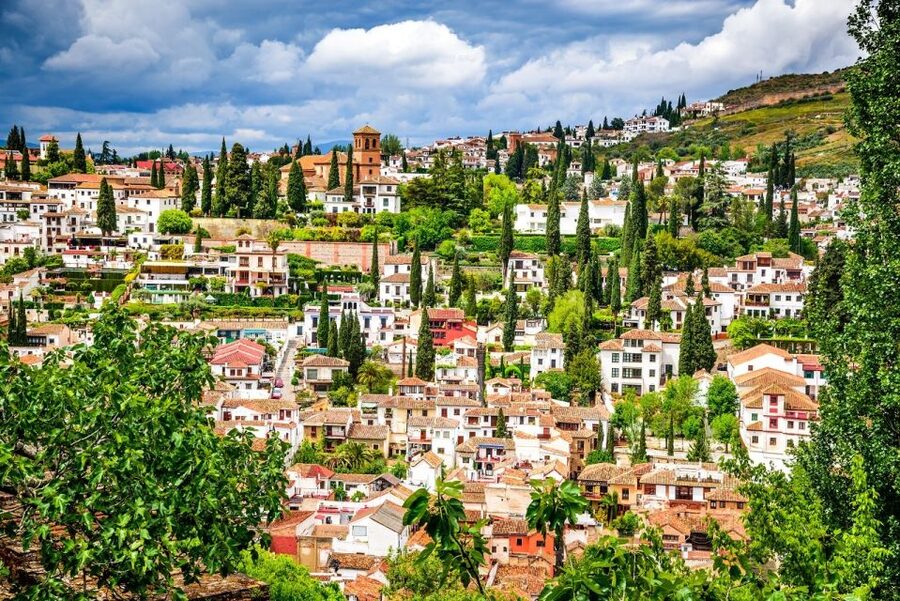
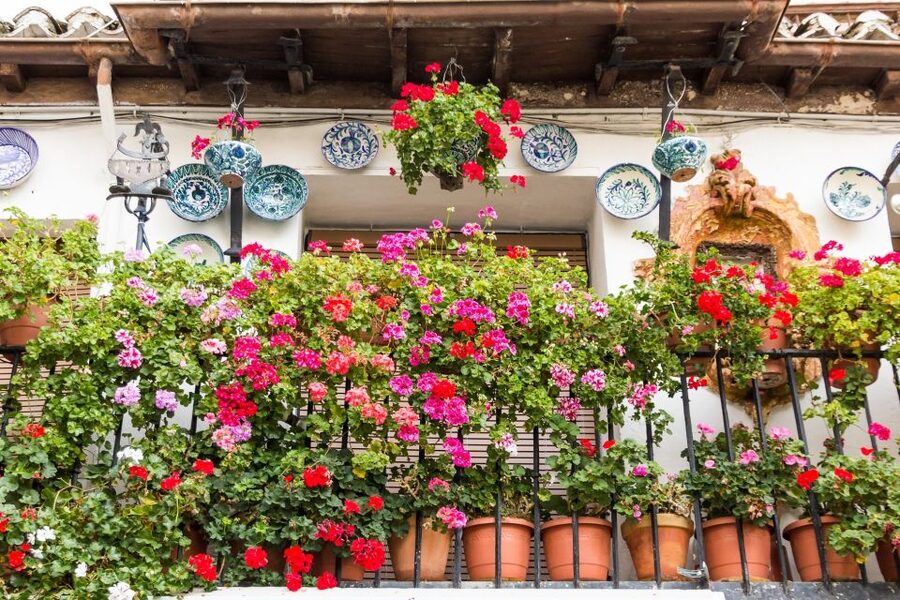
- Albaicín’s maze of narrow lanes with white houses and flowered balconies in the mix
- Sacromonte cave-quarter visits where cave living is part of the story, not just a photo backdrop
- Rain-or-shine uphill route that rewards good footwear and a steady pace
Why Albaicín and Sacromonte are worth your time
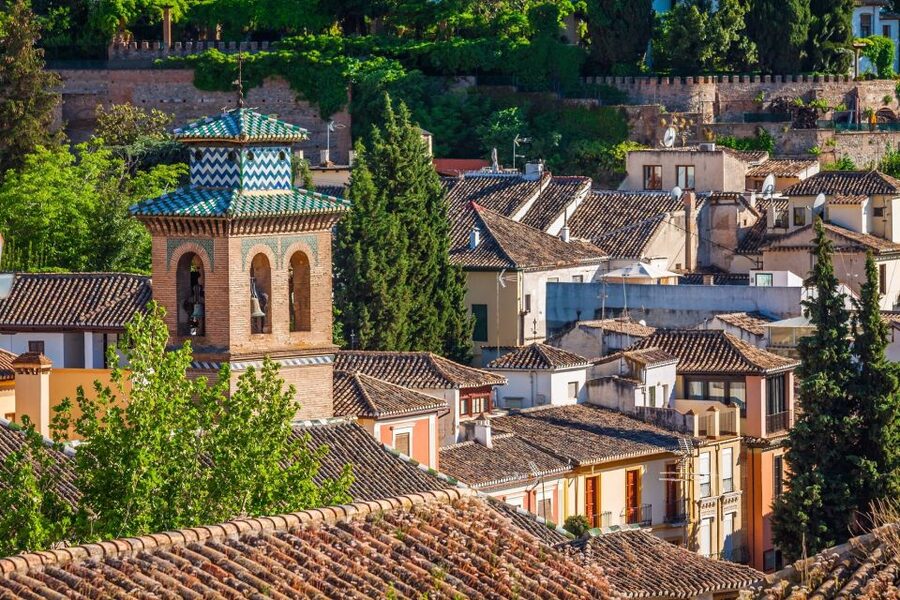
Granada is one of those cities where the history isn’t behind glass. It’s in the geometry of the streets, in the way neighborhoods sit on hills, and in how people have kept living here through major cultural shifts.
This walk is built for that kind of understanding. You’re not just seeing sights—you’re getting the storyline of Granada as the last Muslim stronghold in Spain, then watching how cultures layered over time, including the Gypsy (Roma) community and the Islamic heritage that shaped the city’s layout. That’s why the tour feels more meaningful than a standard stroll: the guide helps you read the place.
It also gives you orientation fast. If this is your first day in Granada (or your first time climbing into the old quarters), you’ll leave knowing where the views come from and how the neighborhoods relate to the Alhambra.
You can also read our reviews of more walking tours in Granada


Starting at Plaza Isabel la Católica: a smart launch point
You meet at Plaza Isabel la Católica, behind the Monument of the Capitulations (the Queen Isabella I and Christopher Columbus statue). It’s a central, easy-to-find start—useful because you’re about to trade flat sidewalks for old-city steps and uneven stone.
From the start, the tour is designed to build confidence. The early walking links you to the route so you can stop thinking in straight lines and start thinking like a local: short turns, tight lanes, small plazas, and frequent pauses. You’ll get the rhythm before the hill really ramps up.
If you’re the type who likes to know what you’re doing next, this start is helpful. You don’t wander blind. The guide sets the context, then you move.
Plaza Nueva and the first hints of the old-quarter maze
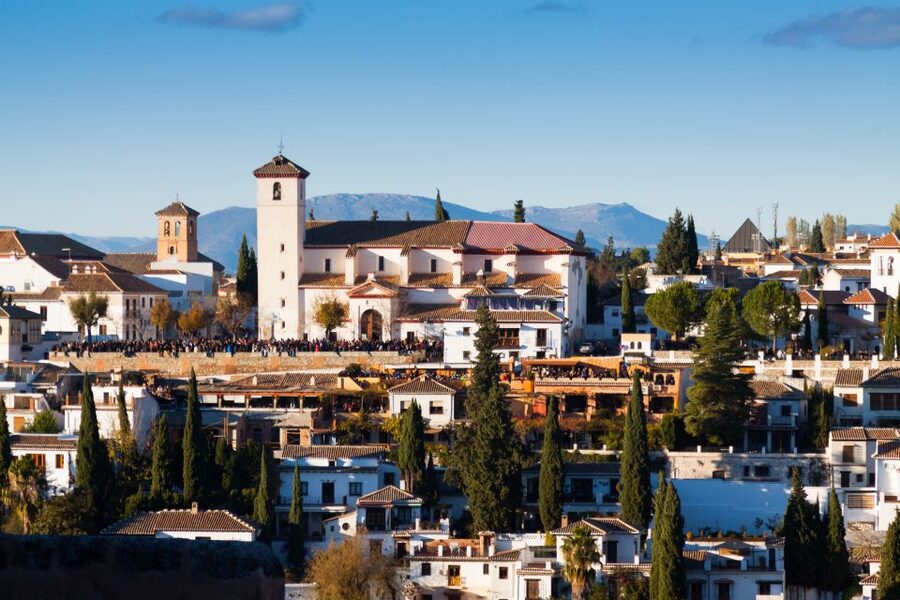
Right away, you hit Plaza Nueva and then begin threading toward the smaller lanes. Even without major stops, this part matters because it teaches you how the Albaicín works: you’re walking through a neighborhood where every turn changes the feel—light, angles, and the feeling of distance to the Alhambra.
After that, you pass through narrow stretches like Callejón del Aljibe de Trillo and Placeta Comino. These are the kinds of places that can be hard to notice on your own. On a guided route, they become markers in the story—tiny checkpoints that help you learn the layout without getting lost for hours.
This also helps with timing. The tour moves in manageable segments (a few minutes here, a photo stop there). That matters because the route isn’t long in distance, but it’s demanding in slope and stairs.
Albaicín’s narrow alleys: what you came for
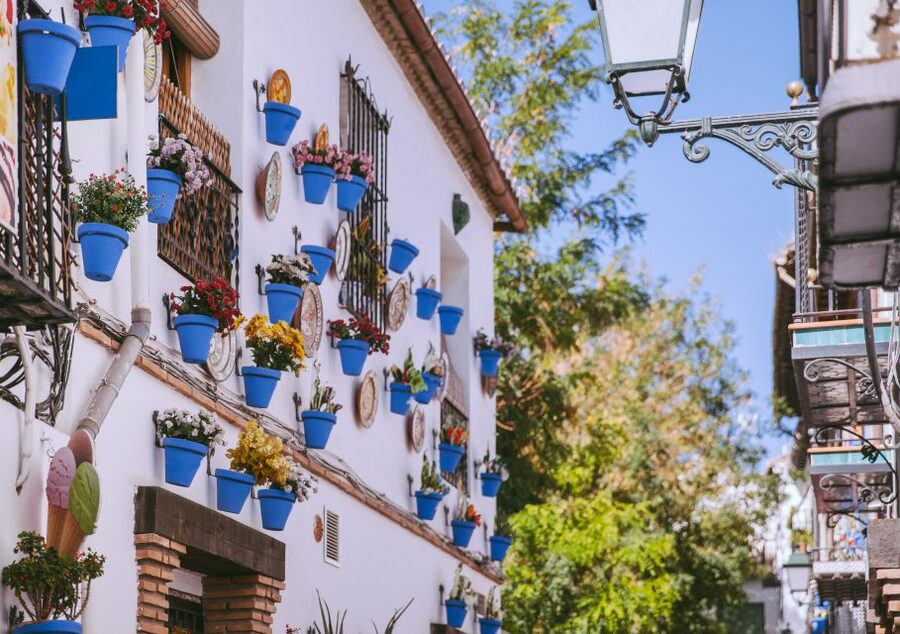
Albaicín is the Moorish quarter people imagine when they think of Granada. You’ll see the white houses and flowered balconies, but the real win is learning how that look connects to the way the neighborhood was shaped.
As you walk, you’ll keep encountering walls, gates, and old street patterns—exactly the type of architecture the tour is pointing you toward. The guide’s job is to make those shapes feel specific: not just pretty buildings, but evidence of how power, religion, and community life were organized in Granada’s last Muslim era.
A recurring theme in feedback is that guides keep the pace thoughtful. Many people highlight a “small and intimate” feel, which is what you want here. Albaicín can be confusing if you’re trying to interpret it while also navigating steps, corners, and tourist crowds. A guide makes it readable.
Plaza de San Nicolás: your Alhambra view moment
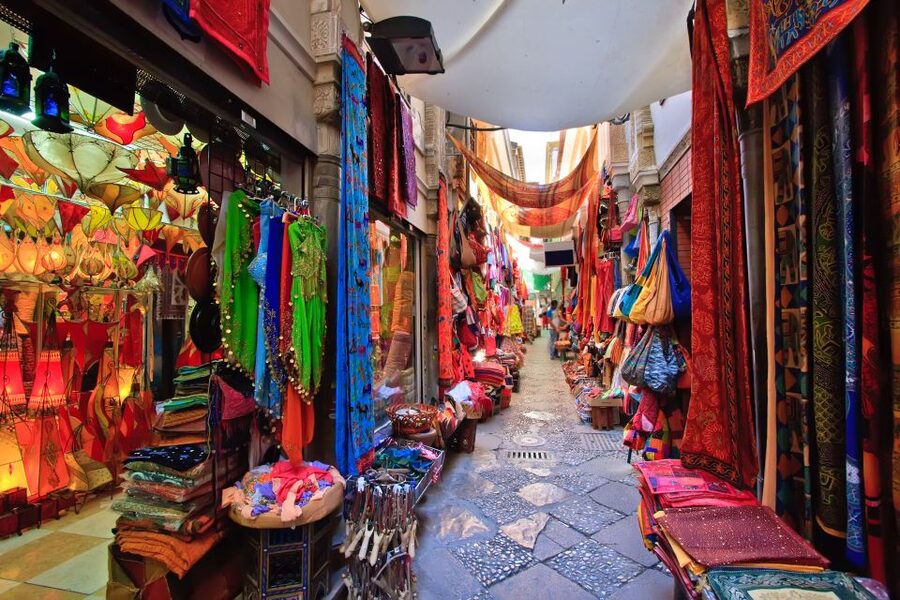
At Plaza de San Nicolás, you get a photo stop and guided explanation. This is where Granada stops being a collection of streets and becomes a framed panorama: the Alhambra is the star, and you can finally connect the view to the route you just walked.
The practical value here is huge. Without context, you can photograph something impressive and still not understand where you’re standing relative to the palace complex. With the tour, the guide gives you a mental map. Then your photos come out better because you know what you’re capturing.
If you’re planning to shoot photos, treat this like your checkpoint. Take your time. Let your eyes adjust to the angles. And yes, your feet will likely want a break after the walking that comes before it.



Puerta de las Pesas and Plaza Larga: gates and public space
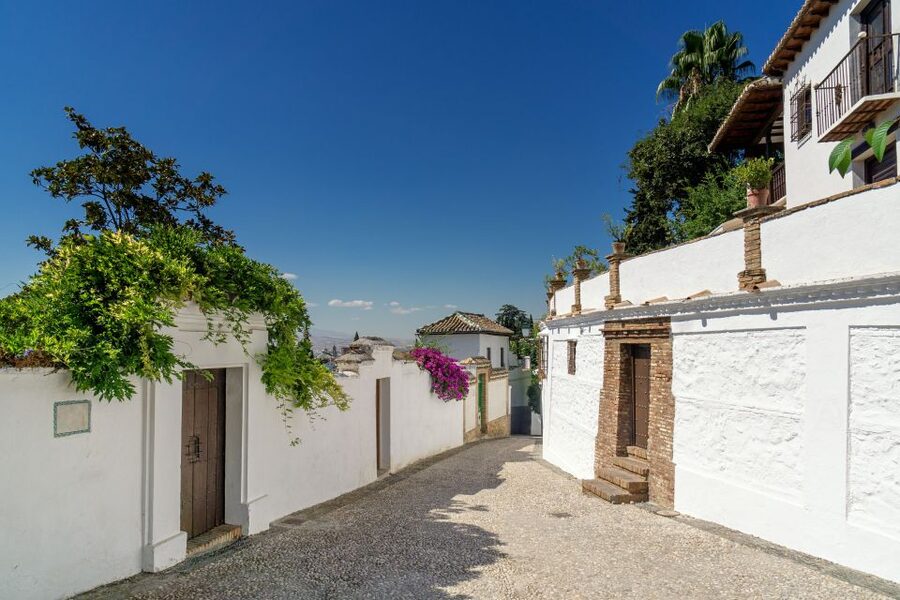
After San Nicolás, you continue through the old-quarter fabric—stopping at places like Puerta de las Pesas and Plaza Larga. These aren’t just “places we pass.” They’re pauses where the guide can point out how the neighborhood’s entrances and public areas shaped daily movement.
Even if you don’t memorize every historical detail, these stops help you stop treating the Albaicín like a random maze. You start to notice how it channels foot traffic and how people likely gathered in open squares.
This section is also a good reality check for your body. By now you’ll feel the uphill work. Reviews often flag the climb and stairs, and this is where that shows up most. The good news: the tour includes breaks and short listening moments, which lets you keep going without burning out.
The jump from Albaicín into Sacromonte’s cave quarter
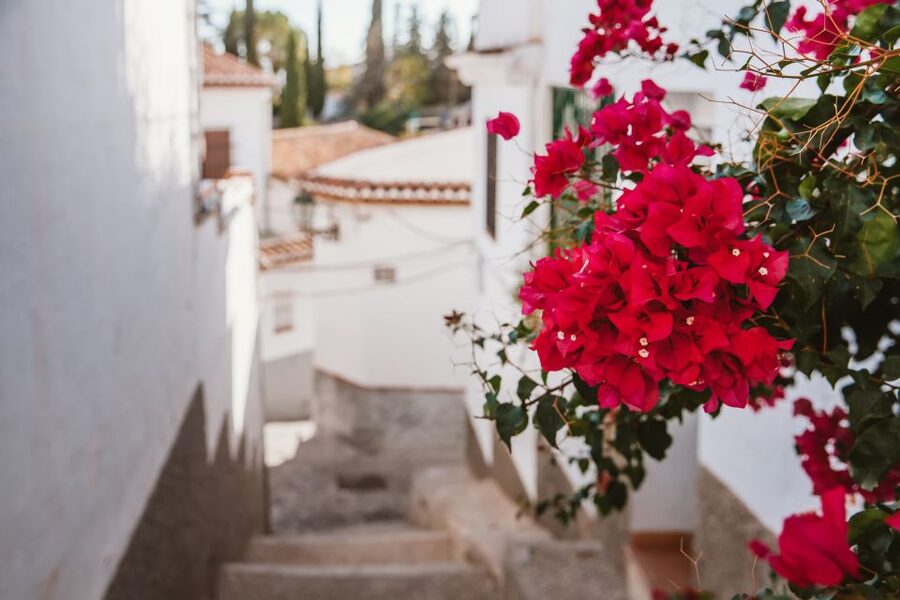
Next comes Sacromonte, and that shift is part of what makes this tour special. The guide leads you from the whitewashed Moorish quarter energy into the flamenco quarter associated with Sacromonte’s cave living.
You’ll learn why people live in caves dug into the mountains here—and why the Gypsy community chose this place as a settlement centuries ago. This isn’t just a “look at the caves” moment. It’s cultural context tied to geography. The hillside becomes the reason for the housing style, and the housing style becomes part of how traditions stayed alive.
In other words: the caves aren’t just a backdrop. They’re part of the story about community, adaptation, and identity.
Cuesta del Chapiz and Paseo de los Tristes: scenic walking with meaning
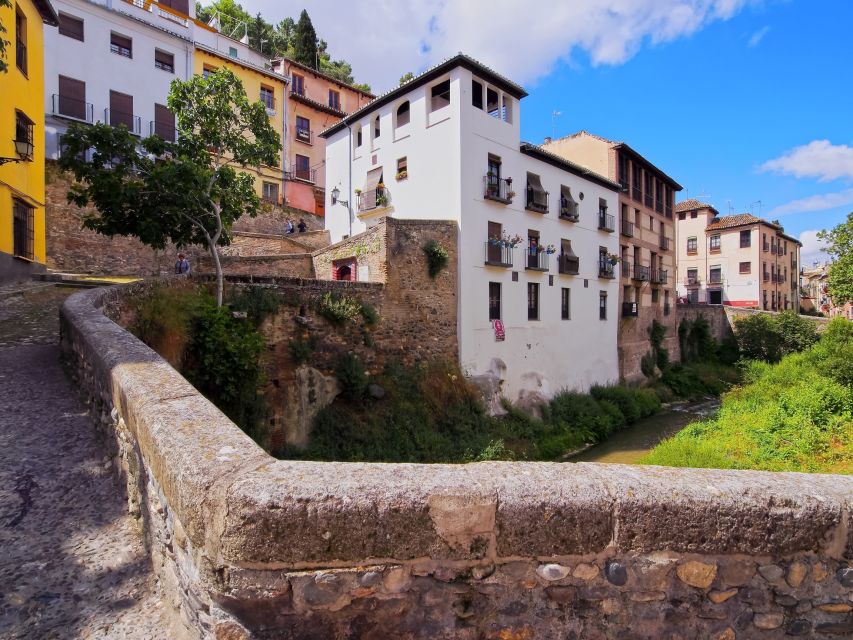
From Sacromonte, the route continues up and onward with stops and explanation, including Cuesta del Chapiz and Paseo de los Tristes. Even the names hint at what you’ll feel: slopes, walking segments, and the kind of views you earn by moving slowly uphill.
This isn’t the time to rush. If you move fast, you miss the reason the guide is there. People often get the best value when they let the pace slow down naturally—listening during pauses, then walking again as the route opens.
Also, you’ll be on streets with real texture: uneven surfaces and steps. Several people explicitly warn that it isn’t ideal for mobility limitations, and that lines up with what this part of the tour demands.
Carrera del Darro back toward the finish: the payoff of staying with it
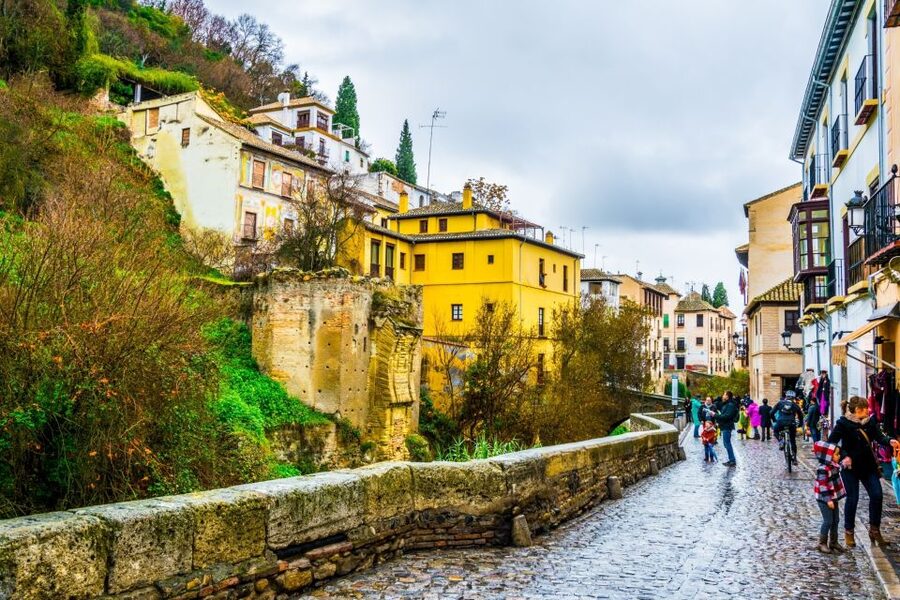
As you approach Carrera del Darro, you’re heading back toward the central finish at Plaza Isabel la Católica. This segment is a nice contrast after Sacromonte and the steeper lanes—you’re moving through a more “walkable” feeling area while still staying in the old-city energy.
If you’ve done enough stair climbing, this can feel like relief. More importantly, it’s a good closing act because your brain finally gets to stitch the neighborhoods together. You start the walk oriented around viewpoints and plazas; you end it feeling like you understand how the city’s parts connect.
By the time you return, you’re not just tired. You’re oriented.
Price and value: why $18 can be a smart buy
At $18 per person for about 2–2.5 hours with an official tour guide, this is strong value—especially if you care about understanding what you’re seeing rather than just collecting snapshots.
What you’re paying for is not just walking time. You’re paying for:
- cultural context (Islamic and Gypsy/Roma stories, presented through the neighborhoods),
- route intelligence (so you don’t lose hours in a maze),
- and viewpoint guidance (so the Alhambra photos match the perspective you learn).
The guide is included, and that changes everything in old towns like Granada. Without a guide, you can still explore—but you’ll spend more time figuring out what matters and why.
What to pack (and what will make the route easier)
This is a practical tour. You’ll be out walking and you’ll be dealing with changes in elevation.
Bring:
- Comfortable shoes (flat, grippy soles help)
- sunglasses
- sun hat
- sunscreen
- water
- comfortable clothes
Know that it runs rain or shine. That means wet stone and slick surfaces are a real possibility. If you’re traveling in warmer months, heat is another factor—water isn’t optional on a hillside walk.
Also note the small rules: no pets, no baby strollers, no luggage or large bags, and no flash photography. It’s all about keeping movement smooth in tight lanes.
Pacing and fit: who this tour suits best
This tour fits best if you:
- want history tied to where you stand,
- enjoy viewpoints and photo stops,
- and are comfortable walking on uneven streets.
It’s not suitable for people with mobility impairments or wheelchair users. Even when the group pauses often, the route includes lots of stairs and uphill walking.
If you’re traveling with kids, it can work for some families (some past groups included children), but you should judge it based on your child’s stamina and comfort on stairs.
If you hate hills or your feet are already sore from other walking days, consider taking an easier morning or pairing this with a lighter afternoon.
Guides, questions, and what makes the experience feel human
One of the clearest strengths in feedback is the way guides handle the group. Many people mention small, intimate groups where you can ask questions. That matters in Granada because streets can look similar while still connecting to totally different stories.
You’ll also notice that different guides bring different flavors, but the common thread is passion for explaining Granada’s mix of cultures and the city’s last Muslim identity. Names that have led this walk include Alejandra, Lorene, Chema, Paula, Francesco, Carmen, Maria, and Edu. Seeing that list tells you the experience tends to be led by people who care about getting the story across.
When the guide is good, you don’t feel like you’re being marched through attractions. You feel like you’re being taught how to read the neighborhood in real time.
Should you book this Granada Albaicín and Sacromonte walking tour?
Book it if you want your Granada time to feel organized and meaningful without feeling like a museum tour. At $18, you get a guided route through two of the city’s most distinctive quarters, plus Alhambra views that become more rewarding when you understand what you’re looking at.
Skip it if you can’t handle steep climbs and stairs, or if you want a mostly flat walking experience. Also skip it if you’re sensitive to walking in rain, since it runs in bad weather.
If you’re flexible, bring sturdy shoes and water, and plan to take your time at the viewpoints, you’ll come away with much better bearings—and a clearer sense of how Granada’s cultural layers shaped the streets you walked.
FAQ
How long is the Granada Albaicín and Sacromonte walking tour?
The tour lasts 2 to 2.5 hours.
Where does the tour start?
You meet at Plaza Isabel la Católica (18009 Granada), behind the Monument of the Capitulations, by the statue of Queen Isabella I and Christopher Columbus.
Is an official tour guide included?
Yes, an official tour guide is included.
What languages are available?
The live tour guide is available in English, French, and Spanish. The language is the one selected when you reserve.
What should I bring?
Bring comfortable shoes, sunglasses, a sun hat, sunscreen, water, and comfortable clothes.
Does the tour run in rain?
Yes, the tour runs rain or shine.
Is the tour suitable for wheelchair users or people with mobility impairments?
No. It is not suitable for people with mobility impairments or wheelchair users.
What is not included in the price?
Transport and food and drinks are not included.