REVIEW · VIENNA
Vienna: World War II Historical Walking Tour
Book on GetYourGuide →Operated by Good Vienna Tours · Bookable on GetYourGuide
Vienna in WWII is heavy, but this walk makes it usable. It follows the city’s real streets and surviving landmarks while explaining how Vienna’s social tensions helped shape a young Adolf Hitler. I especially like the tour’s clear story arc—from ideology to the aftermath you can still see in the urban scars.
The tour also has two standout stops: the only synagogue that survived the Nazi regime and Vienna’s Holocaust memorial. The downside to plan for is that it’s a focused history route. You’ll be walking the full 150 minutes and covering painful material, so it’s best if you’re ready for an emotionally serious route, not a casual sightseeing stroll.
In This Review
- Key highlights you should plan around
- Finding the green umbrella by the Albertina Museum
- Hitler’s early years: how Vienna’s atmosphere gets tied to ideology
- Bombs over Vienna: the scale that changes the way you see the streets
- The synagogue stop: why one surviving building carries weight
- The Holocaust memorial: where the pace shifts from facts to meaning
- Seeing Vienna’s division after WWII in a way you can map
- Walking pace, breaks, and hearing every word
- Price and value: $31 for 2.5 hours of city-as-history
- Who this tour is best for
- Should you book this Vienna WWII historical walking tour
- FAQ
- How long is the Vienna WWII historical walking tour?
- Where do I meet the guide?
- What does the tour cost?
- Is the tour in English?
- Are attraction entrances included?
- Is this a walking tour?
- Is there free cancellation?
- Does the tour use headsets or ear pieces?
- Will the tour end back at the starting point?
Key highlights you should plan around
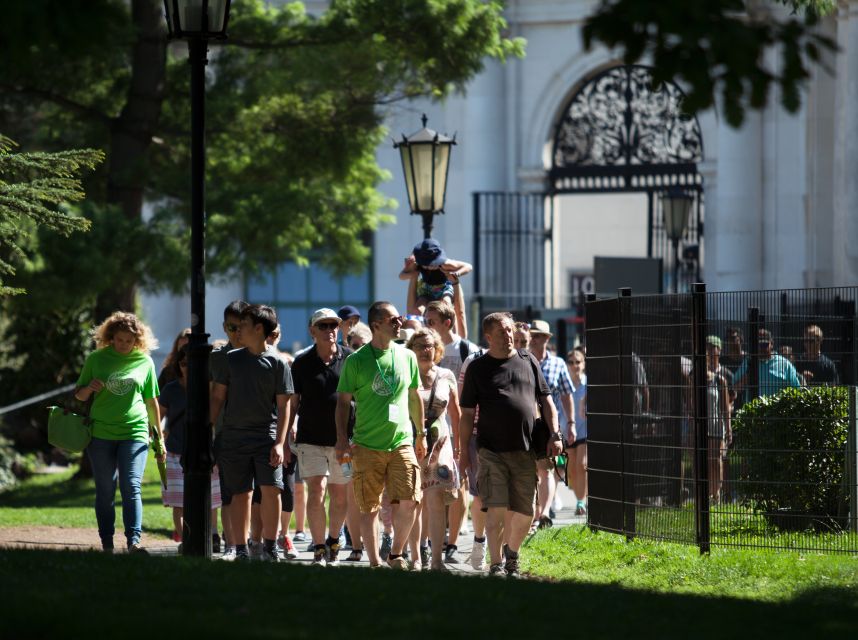
- Green umbrella meetup at Albertina: easy starting point by the Opera area, with a specific fountain location to find the guide fast.
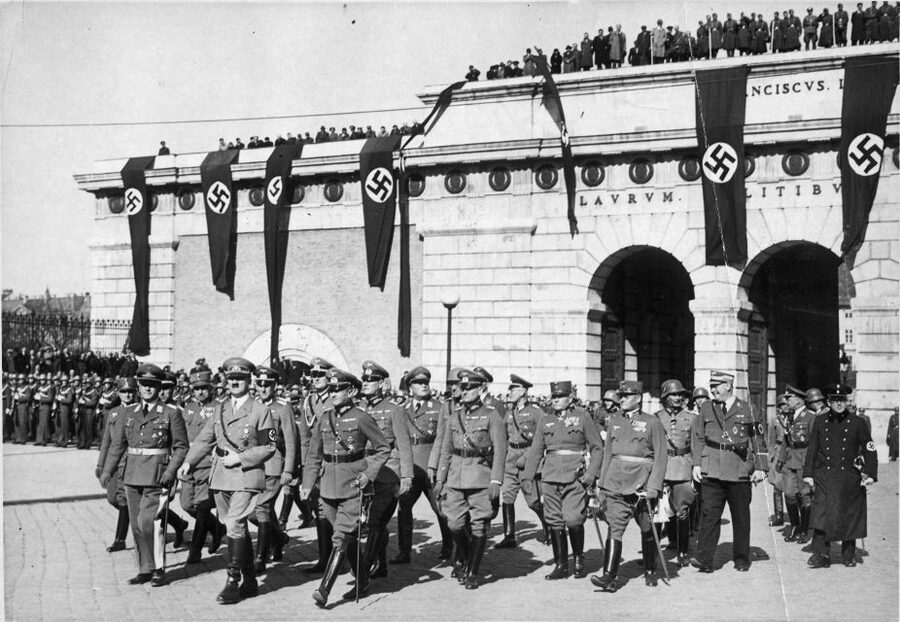
- Hitler’s Vienna, explained on the streets: you’ll connect politics, fear, and everyday life to his path from art student to dictator.
- Bomb damage and city trauma: the guide talks through the scale of over 100,000 bombs and what that did to Vienna.
- The synagogue that survived: a rare surviving witness to the pre-war Jewish community and what was targeted.
- A somber Holocaust memorial visit: the tour slows down at key moments so the history lands.
- Postwar division you can picture: Vienna’s unusual Allied-controlled zoning is explained in a way you can see on foot.
Finding the green umbrella by the Albertina Museum
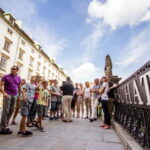
This tour starts where Vienna’s grand theater world meets the calmer streets nearby: in front of the Albertina Museum, right by the Opera House. The official meet-up point is practical and specific—look for the green umbrella in front of Albrechtsbrunnen, the fountain downstairs at the Albertina Museum, next to the Opera.
If you use the metro, aim for Karlsplatz/Oper. That matters because this is a walking route that doesn’t feel like one of those “circle back to the same spot” walks. You’ll finish somewhere along the way, with a metro stop nearby, so you don’t need to plan a long end-of-tour scramble.
One more small but smart point: since you’re covering a 150-minute route, wear shoes you trust. The walk isn’t described as a hard hike, and people note it’s manageable, but it is still city walking for 2.5 hours.
You can also read our reviews of more walking tours in Vienna
Hitler’s early years: how Vienna’s atmosphere gets tied to ideology
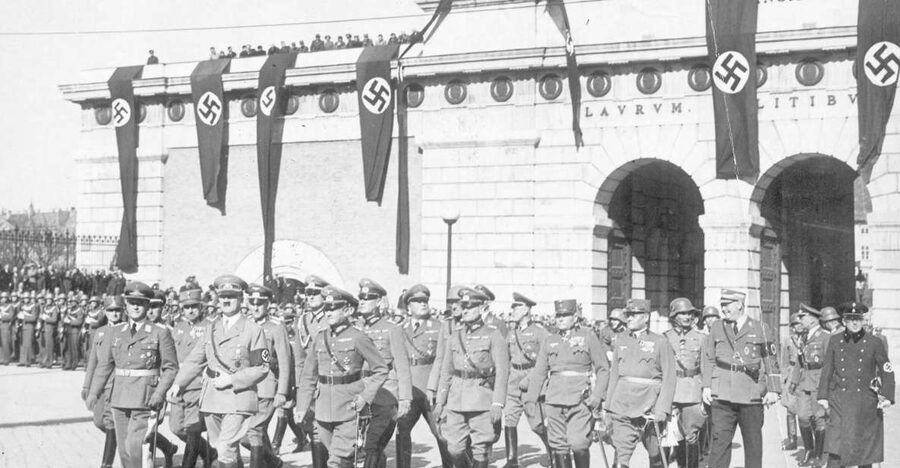
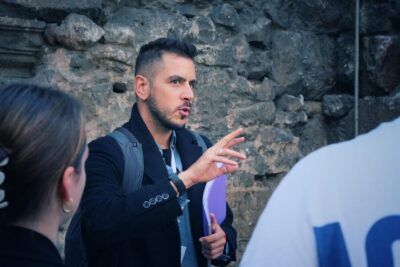
The core of the experience is how the guide explains the social and political climate of Vienna and how that influenced the thinking of a young Adolf Hitler. Instead of treating Hitler’s story as something that happened “over there,” the tour keeps pulling you back to the city’s realities—how rivalries formed, how fear and suspicion spread, and how political momentum could grow from everyday attitudes.
You’ll hear about Hitler’s early years and his ideology, including the transformation from art student to a dictator people learned to fear. The guide’s job here is to connect causes and consequences. You’ll want to pay attention to how the narrative links things like public anger, scapegoating, and power politics to the kind of thinking that later turned into mass violence.
A good sign of quality is how the guide handles context. The tour isn’t just a list of dates. It’s about understanding Vienna’s mind-set during the years when extremism gained traction. Even if you already know the major facts of WWII, the value is seeing how the city’s environment is used to explain the “how did this happen” part.
Bombs over Vienna: the scale that changes the way you see the streets
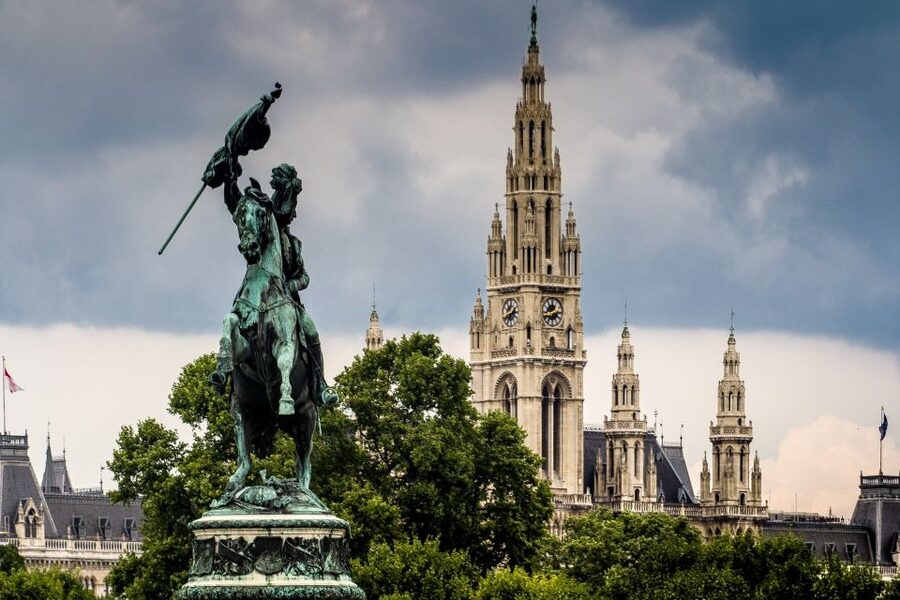
WWII in Vienna is not just a background theme. The tour frames it with a specific statistic: the effect of over 100,000 bombs on the city. That number is useful because it forces you to stop thinking in vague terms. You start noticing how devastation leaves patterns—damage isn’t random, and rebuilding leaves scars that shape what you see later.
On this kind of historical walk, the guide’s interpretations matter. The best tours are the ones that translate numbers into street-level meaning—what bombing did to neighborhoods, how it disrupted daily life, and how it intensified fear and uncertainty. This tour aims to do that, then moves you into what came next.
You’ll also hear about what happened to Vienna’s large Jewish community once ethnic rivalry and fear took hold. That part of the story is heavy, but it’s essential. It’s also one of the reasons this tour feels different from a standard “WWII highlights” walk. The focus is on the people targeted and the social conditions that made persecution possible.
The synagogue stop: why one surviving building carries weight
One of the most powerful highlights is the visit to the only synagogue that survived the Nazi regime. That’s not a trivia fact. It changes how you understand the period. Many of the sites tied to pre-war Jewish life were destroyed. When something survives, it becomes a physical thread that connects before, during, and after.
From a visitor’s point of view, this stop gives you something rare: you’re not only looking at “what was lost.” You’re looking at what endured enough to still stand. The guide uses that presence to talk about the broader story—what the synagogue represents and what it signals about what was systematically targeted.
Practical note: the tour includes a live guide and the walking route, but it doesn’t list entrance fees as included. At some stops, you might see the site from outside or visit where allowed without paying additional attraction tickets. If you’re the type who likes to go fully in—check ahead so you’re not surprised by extra costs.
The Holocaust memorial: where the pace shifts from facts to meaning
The tour doesn’t rush the Holocaust memorial. It’s presented as a somber visit—one designed to make you slow down and actually absorb the weight of what happened, not just memorize it. The best part of this structure is that it keeps the emotional pacing balanced. You’re learning about ideology, violence, and destruction throughout the walk, and then the memorial acts like a reset button for understanding.
This is also where the tour’s sensitivity shows. Multiple guides connected the subject matter with a careful, serious tone, and there are people on the tour experience who highlight how the guide handled difficult history with sensitivity and intelligence. That matters because you’re standing at a place where being respectful isn’t optional.
If you’re coming to Vienna for architecture and classical music, this stop is your counterweight. Vienna can look polished and timeless from a distance. The memorial helps you see the city as it truly was—capable of brilliance, and also capable of participating in tragedy through fear, exclusion, and violence.
You can also read our reviews of more historical tours in Vienna

Seeing Vienna’s division after WWII in a way you can map
The tour also aims to show you the scars of WWII and the remains of the divided city after the war. Vienna’s postwar situation is explained as unusual in one specific way: it’s described as the only city in the world where the Allied powers managed a zone together.
That’s an important concept because it changes how you think about “liberation” and “after.” Instead of assuming one clean handover, the tour frames Vienna as a city living with division and shared control. You’ll walk through parts of the city’s story where those lines mattered, and the guide connects what you see now to what was happening then.
This section can feel surprisingly practical. Once you understand the zoning logic, you start noticing how power shapes space—where borders sit, where rebuilding happens, and how the city’s later identity forms around earlier damage.
Walking pace, breaks, and hearing every word
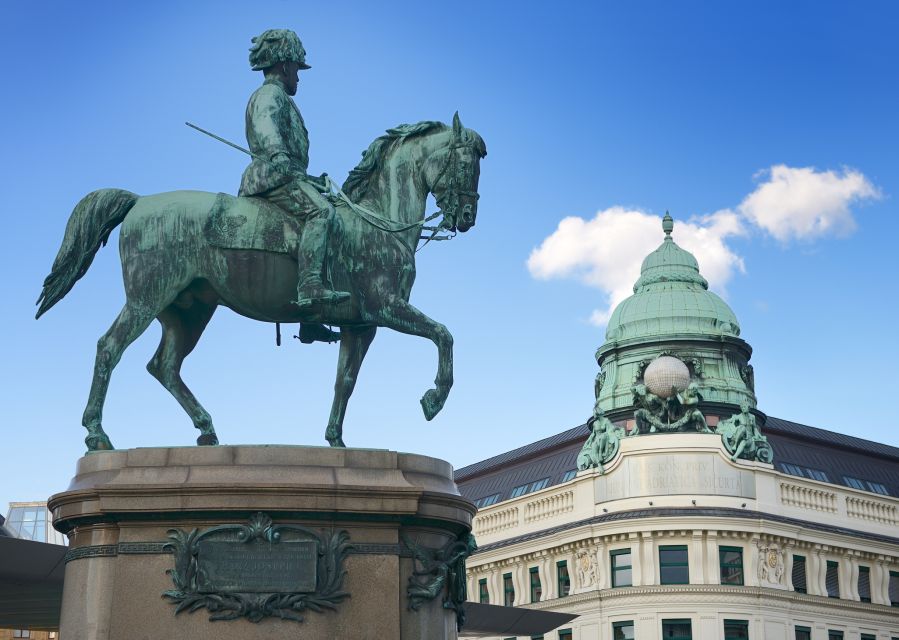
The tour runs 150 minutes. That’s long enough to build a real narrative, but short enough that you’re not stuck for a whole day of walking. Still, plan for weather. People note the guide pays attention to conditions and looks for warm places to pause when it’s cold, and shelter when rain hits.
Comfort details are worth taking seriously. Guides are reported to include breaks at places of interest, and some accounts mention toilets available along the trail. That’s helpful because the tour isn’t structured like constant motion with no recovery.
Another detail that can make a big difference for the experience: headsets or ear pieces. People mention the use of headsets for bigger groups, and also note it can be a game changer because you don’t need to stay right next to the guide to hear clearly. So if you hate craning your neck in crowds, this is a real quality-of-life upgrade.
Finally, shoes. Even though the walking is described as doable, it covers distance over 2.5 hours, so bring comfortable footwear. The tour is about 4 kilometers for many groups, which is manageable for most people who are used to city walking.
Price and value: $31 for 2.5 hours of city-as-history
At $31 per person, this is one of those deals that feels almost too reasonable for what it covers. You get a live guide and a structured walking experience that hits multiple major themes: Hitler’s formative years, Vienna’s bombing experience, the Jewish community’s persecution, a rare surviving synagogue, a Holocaust memorial, and the postwar divided city.
The value is in the guide’s interpretation, not just the sight list. The tour is clearly built around connecting events, explaining motives, and placing you at meaningful locations. At this price, it’s hard to replicate that kind of coherent narrative on your own unless you’re willing to do lots of pre-reading and then stitch the story together while walking.
One caution on value: entrances to attractions are not included. If you plan to treat each stop as an “inside-and-out” checklist, you might end up paying extra at places where entry is required. But if you’re happy seeing the sights in context—plus a memorial visit and exterior stops—this price can feel like a strong bargain.
Who this tour is best for
This tour is ideal if you want WWII history that stays grounded in place. It works especially well for:
- First-timers to Vienna who want an honest look beyond the classical postcard side of the city.
- People who already know the broad WWII timeline but want a Vienna-specific explanation for how extremist ideas took root.
- Visitors who prefer narrative history delivered on foot, using real surviving landmarks and city scars.
It’s less ideal for you if you’re looking for light entertainment. The topics are serious: persecution, Holocaust history, and the rise of dictatorship. If you want a low-emotion sightseeing day, this won’t match the mood.
Should you book this Vienna WWII historical walking tour
I think you should book it if you want to understand Vienna as a participant in the era—not just a backdrop to it. The tour’s strongest points are the rare surviving synagogue stop, the Holocaust memorial visit, and the way the guide explains how fear and rivalry helped shape ideology. Add in the practical logistics (clear meetup by the Opera area, use of headsets for hearing the guide, breaks that account for weather), and you get a format that feels worth your time.
Book it with a clear mindset: come ready to learn, and also ready to feel. If you’re okay with that, the tour gives you something valuable—historical context you can actually picture when you look at the streets later.
FAQ
How long is the Vienna WWII historical walking tour?
The tour duration is 150 minutes, or about 2.5 hours.
Where do I meet the guide?
Meet in front of Albrechtsbrunnen, the fountain downstairs at the Albertina Museum next to the Opera House. Look for the green umbrella. The nearby subway stop is Karlsplatz/Oper.
What does the tour cost?
The price is $31 per person.
Is the tour in English?
Yes, the live guide offers the tour in English.
Are attraction entrances included?
No. Entrances to attractions are not included.
Is this a walking tour?
Yes. It’s a guided walking tour.
Is there free cancellation?
Yes. You can cancel up to 24 hours in advance for a full refund.
Does the tour use headsets or ear pieces?
The experience includes listening support, and headsets/ear pieces are mentioned as helpful for hearing the guide while walking.
Will the tour end back at the starting point?
It does not return to the starting point. There is a metro stop nearby for getting onward.