REVIEW · MUNICH
Munich: Old Town Walking Tour
Book on GetYourGuide →Operated by Munich Walk Tours · Bookable on GetYourGuide
Munich feels personal on a guided walk. Starting at Marienplatz, you get royal scandal stories, city legends, and the kind of context that makes landmarks click fast, and you’ll finish with the long green breather of the English Garden (including surfers way inland). I love how the tour pairs big sights with human stories, and I also like that it stays lively even when the weather turns nasty. One possible drawback: when you’re dealing with rain or snowy cold, you’ll want proper layers and non-slip shoes so the walk feels comfortable.
I also like that the guide work is a real focus—clear explanations, good pacing, and lots of room for questions. Some guides I’ve seen highlighted by name, like Emanuela, Noel, Michael, and Martina Helfer, tend to bring history to life with humor and practical tips (the kind that help you plan your next hours in Munich, not just hear facts).
This is a short walking tour at about 2 hours, so it’s a smart first-day move. The walk is generally manageable, and it’s wheelchair accessible, which makes it easier to choose even if your day needs to stay flexible.
In This Review
- Key highlights worth your time
- Marienplatz: where your Munich orientation clicks
- Old Town stops: Frauenkirche and Munich’s 850-year timeline
- The Munich Residenz area: royal palaces and scandal stories
- Munich beer-hall culture: where timing matters
- English Garden: a huge park walk with surfers
- Price and pacing: what $23 gets you in real value
- Guides and group vibe: what to expect from the storytelling
- Practical advice before you go
- Should you book the Munich Old Town walking tour?
Key highlights worth your time
- Marienplatz as the launch point: Old and New Town Hall plus the square that anchors Munich’s center
- Royal + scandal stories: legends that connect local life to events with wider reach
- Frauenkirche and the city timeline: key landmarks tied into an easy-to-follow 850-year arc
- Beer-hall culture with a timing twist: when to go for beer so it fits the day (yes, breakfast is part of the joke)
- English Garden scale and surfers: an enormous park walk with the surprise of surf culture far from the sea
Marienplatz: where your Munich orientation clicks
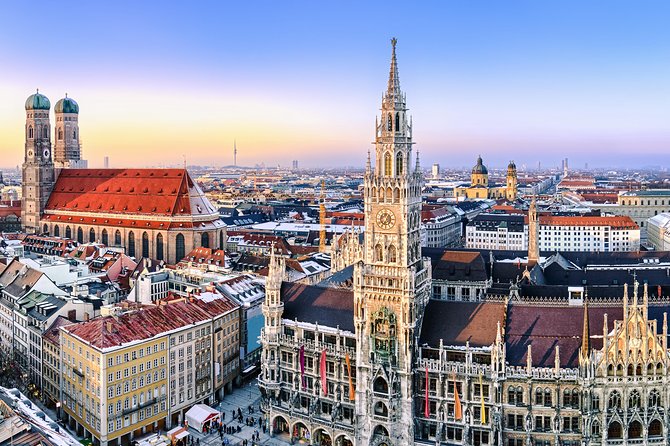
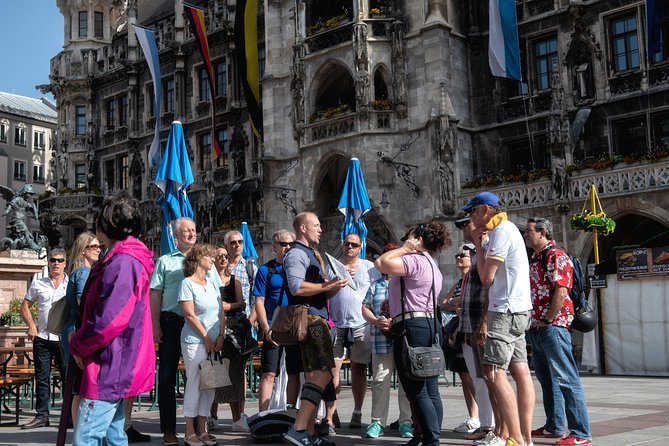
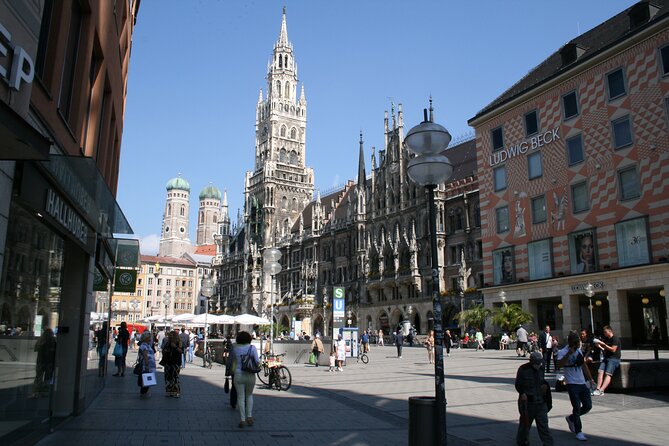
You begin in the heart of Munich at Marienplatz, in front of the Tourist Information Centre. This matters more than it sounds. Munich’s center can feel like a maze if you’re bouncing between squares and churches on your own. Starting here gives you a mental map right away, with a landmark that everyone can point to and a square that instantly tells you you’re in the old core.
From Marienplatz, you’ll see the Old Town Hall and New Town Hall setting the visual tone of the city. Your guide then uses the square as a storytelling anchor—how Munich’s identity has changed across centuries, and how that history shows up in the architecture around you. It’s the difference between spotting pretty buildings and actually understanding why these buildings look the way they do.
If you like travel days that feel efficient, this opening works. You’re not just ticking off stops; you’re building a story line. And because the tour is only about two hours, the pacing is designed to give you context without draining the rest of your day.
Good to know for comfort: the opening is in the busiest central area, so arrive a touch early and plan for crowds around the square.
You can also read our reviews of more walking tours in Munich



Old Town stops: Frauenkirche and Munich’s 850-year timeline
After Marienplatz, the tour moves through the inner city toward Frauenkirche, one of Munich’s most recognizable church silhouettes. The way you experience it on this walk is the key. Instead of treating the building like a photo stop, you’ll learn how it sits inside a longer city timeline—this is where the tour’s “about 850 years” history framing starts to feel real.
You also get context about Munich’s evolution: how the city stayed rooted in its old character while still becoming a place defined by commerce, culture, and status. That’s a big part of why this tour is so useful for first-timers. You get the city’s backbone early, so later neighborhoods don’t feel like disconnected dots.
One practical advantage: in this part of the walk, the route stays focused on major sights, so you’re not constantly trying to figure out which street you’re on. That alone can make a two-hour tour feel longer—in a good way—because your attention stays where it should: on what you’re seeing.
The Munich Residenz area: royal palaces and scandal stories
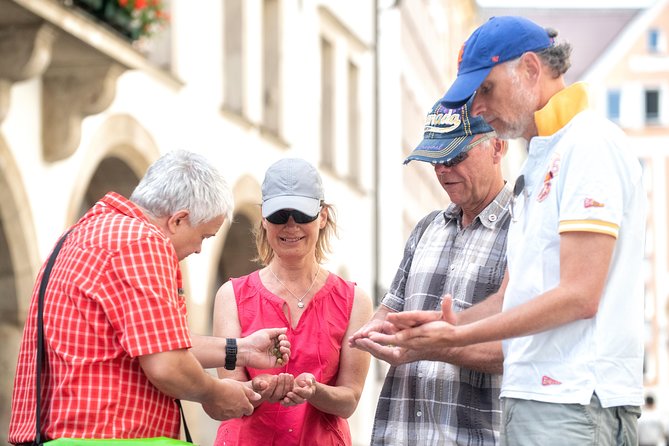
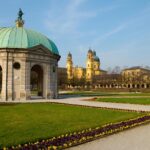
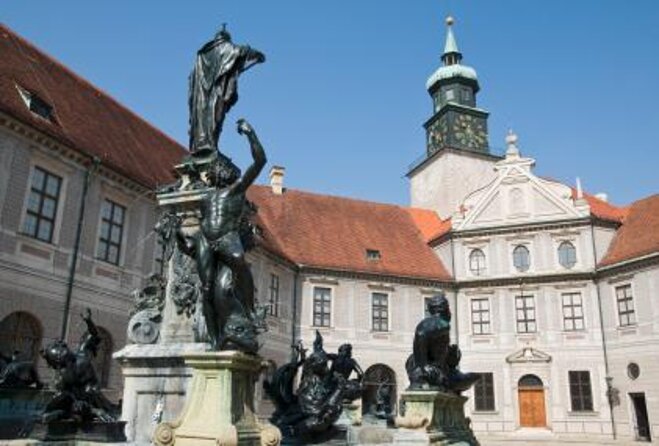
A standout segment comes as you head toward the Munich Residenz area and the former royal palaces. This is where the tour’s story tone shifts. Munich isn’t only about beer and parks; it’s also about power, court life, and the kind of intrigue that turns political history into something you can actually picture.
Your guide weaves in tales of royal scandals and city legends, and those stories do more than entertain. They help you understand why certain parts of town were designed for rulers, servants, ceremony, and display. You start noticing details that you would normally miss if you were only looking up from your phone.
I like tours that treat history like cause-and-effect. Here, the message is simple: the buildings around you aren’t random. They reflect how leadership and social life worked in different eras, and why Munich’s center became what it is today.
If you enjoy human stories—whispers, rivalry, reputation—this part will hold your attention.
Munich beer-hall culture: where timing matters
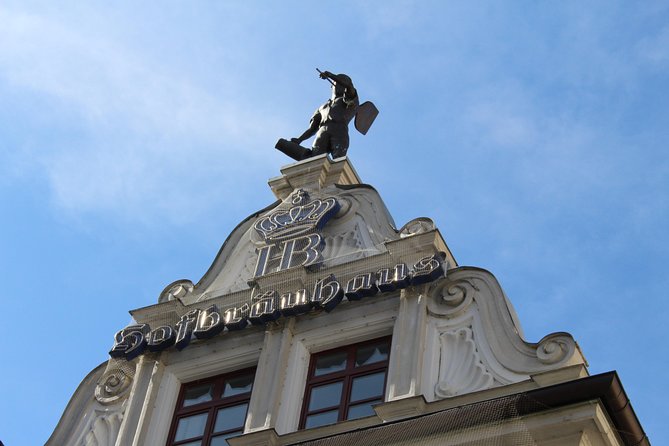
Then comes the Munich side of the day that many visitors rush through: beer halls and the city’s drinking culture. The tour doesn’t turn it into a party pitch. Instead, it gives you a practical sense of how beer fits into daily life here—and yes, you’ll hear the guide’s twist on when you should drink beer for breakfast. It’s said with a wink, but the point is real: Munich’s beer culture isn’t trapped in one single time slot.
For you, this helps with planning. When you know how locals think about beer timing and social rhythm, you can avoid the classic mistake of showing up to the wrong place at the wrong time. The tour also makes it easier to spot what kind of hall you’re looking at—more tourist-friendly vs. more traditional, more dinner-focused vs. more lunch-and-people-watching.
Even if you don’t plan to drink much, the stories give you the cultural context behind what you’re seeing. You’ll walk past beer places with a better understanding of why they matter.
Quick comfort note: if you’re in cold weather, this segment is a reminder to pace yourself. Keep your layers on, and drink water too. (Beer is fun; so is staying steady.)
English Garden: a huge park walk with surfers
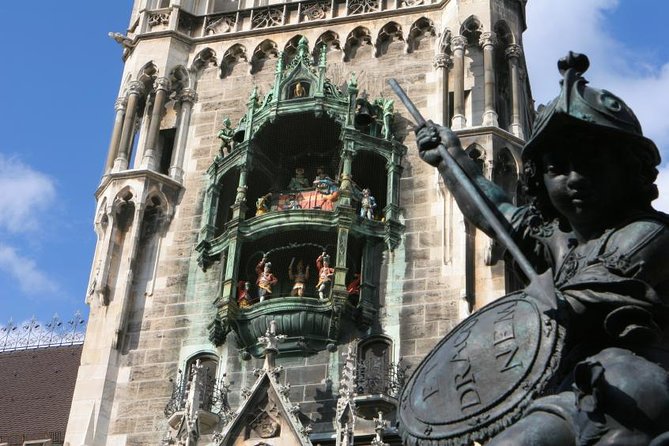
The final big shift is from the city center to the English Garden, described as larger than New York’s Central Park. That’s a crazy scale claim, and on the tour it feels believable because you’re walking among trees—oak and maple—instead of city walls and stone alleys.
This part is special because it’s not only scenic. It’s a change of pace that resets your brain after the density of Old Town. And the tour ties that calm to something surprising: you’ll learn about where people can surf, even though the park is six hours from the nearest sea.
That surf detail is one of those Munich facts that instantly sells the city’s personality. It’s not trapped by geography in the way you might expect. Here, people adapt their playground, and the city creates space for culture to show up in unexpected ways.
For you, the takeaway is simple: the English Garden is where Munich’s outdoorsy identity shows up. Even if you only experience part of it during the tour, you’ll leave wanting to return on your own, because you now know it’s not a small “park break.” It’s a whole world.




Price and pacing: what $23 gets you in real value
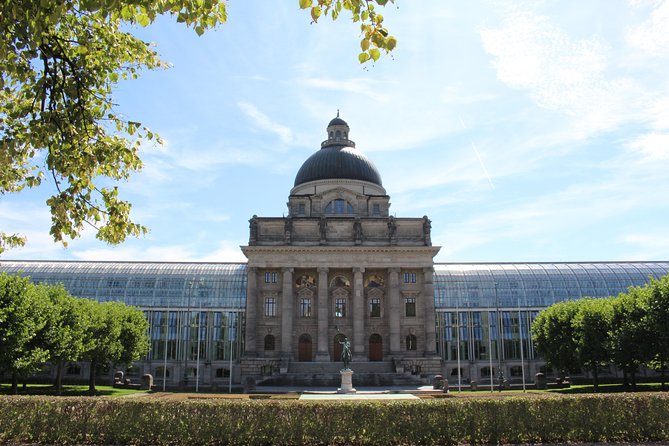
At $23 per person for about 2 hours, this tour is priced for first-time orientation. That’s the best way to judge value: it doesn’t pretend to replace museums or neighborhoods exploration. Instead, it gives you a tight bundle of the biggest landmarks—Marienplatz, Frauenkirche, the Residenz area, beer hall culture, and a run through the English Garden—plus story context that helps you connect the dots.
Here’s why I think it’s good value: it compresses “what to see” and “how to understand it” into one manageable block of time. When you’re in Munich with limited hours, that combo can save you from wandering in circles or relying on random online advice.
Pacing is also part of the value. This tour is short and built around walking between major points. The experience stays easy to follow, and the structure makes it practical to ask questions without derailing the day.
One more note: private group options exist, so if you’re traveling with friends or want a quieter vibe, you can likely get a more tailored feel. In general, the guides seem comfortable with Q&A, and that’s exactly what you want in a short tour.
Guides and group vibe: what to expect from the storytelling
The tour quality hinges on the guide, and names like Emanuela, Noel, Michael, Martina Helfer, Sam, Willfried, and Danielle have shown up as standout leaders. The consistent theme across those guides is how they handle three things:
- Clarity: explanations land in a way you can actually remember later
- Pacing: the walk doesn’t turn into nonstop lecturing
- Engagement: humor and anecdotes show up alongside historical detail
Even if you’re not a super-history person, that combination helps. You get enough background to understand what you’re looking at, without feeling trapped in dates and names.
And if you’re the type who likes to ask, this tour format supports it. Small-group energy tends to make it easier to get answers and keep going without feeling rushed.
Practical advice before you go
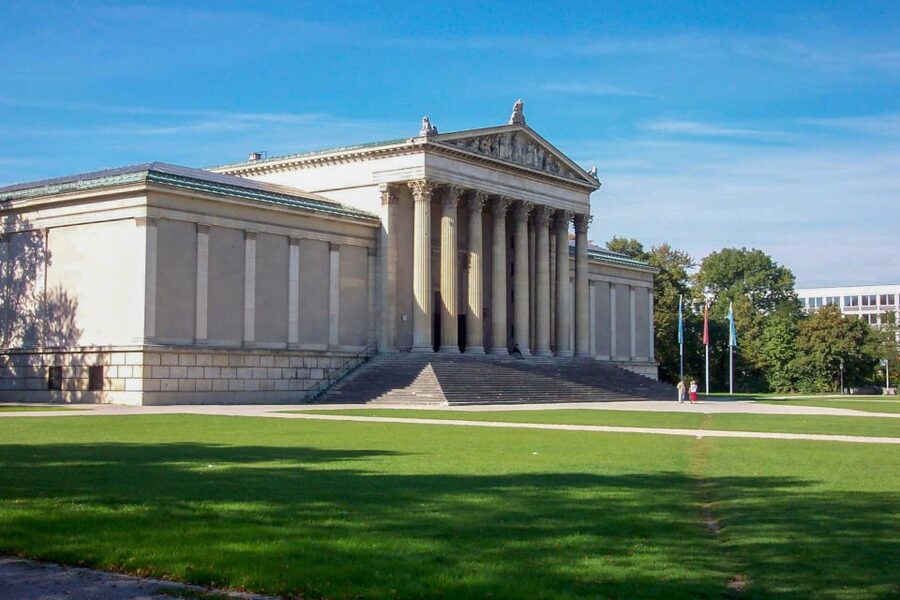
Munich’s center is a walking city, and this tour is built for that. I’d plan for a few basics so you enjoy it instead of just surviving it.
Wear non-slip shoes. You’ll be on sidewalks and around old-stone areas where rain and snow can make surfaces slick.
Dress in layers. If you catch rainy snowy weather, you’ll feel it more without the right clothing.
Bring a small patience buffer. Historic areas can be crowded. You’ll still cover the core sights well in the two-hour window, but crowd flow can affect how quickly you move.
Come with curiosity. This is a story-and-landmark mix. If you’re open to legends, scandals, and why certain buildings matter, you’ll get more out of every stop.
Also, since it’s conducted in English only, you won’t have to worry about language switching on the day.
Should you book the Munich Old Town walking tour?
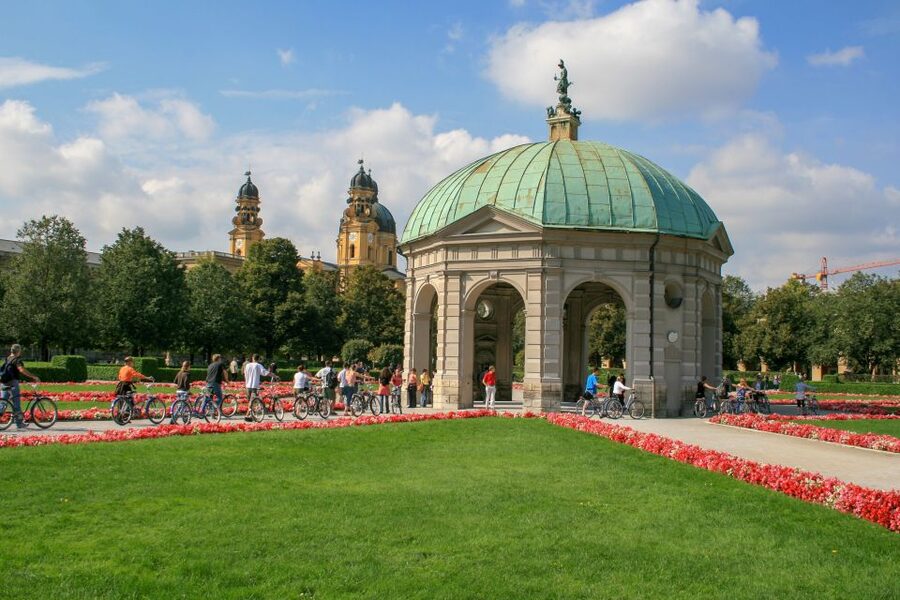
If you want a smart first look at Munich—Marienplatz, the big church landmark, the Residenz area, beer-hall culture, and a major nature reset at the English Garden—this tour is a strong choice. It’s short enough to fit almost any schedule and structured enough that you’ll feel oriented afterward, not just tired.
I’d especially book it if you:
- have only a day or a tight window in Munich
- like history explained through stories, not just facts
- want practical “how to plan your day” advice alongside the sightseeing
I’d think twice if you’re coming mainly for deep museum time or long park wandering. This is a walk that introduces you and connects the dots, not an all-day marathon. But as an efficient, story-driven city opener, it earns its place.