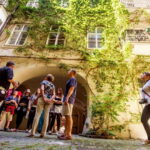
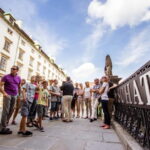
Vienna hides stories in plain sight. This walking tour threads together famous landmarks and the city’s courtyard legends, with amusing fictional takes mixed right alongside real details. I like how the guides bring lively humor and keep you switched on as you move through narrow streets. I also like that you’re not just pointed at monuments—you’re guided through lesser-known corners you’d probably miss on your own.
One thing to consider: this tour isn’t set up for everyone. No large bags are allowed, and it’s not suitable for wheelchair users or people with mobility impairments, so choose it only if you can comfortably walk the full route.
In This Review
- Highlights You’ll Actually Feel Walking Through
- Why This Vienna Walking Tour Works (and Who It’s For)
- Meeting Point Reality: Start Easy, Then Follow the Guide
- Stop 1: St. Stephen’s Cathedral and Stephansplatz as Your Launchpad
- The Historic Center Walk: Courtyards, Legends, and Narrow Streets
- Mozart’s Final Residence: Myth Control, Not Just Name Dropping
- Palais Neupauer-Breuner and the Deutsches Haus: Architecture With Story Weight
- The Street Names Moment: Blutgasse and Domgasse
- Ballgasse and the Franciscan Church and Monastery: Calmer Beauty
- The House Where the Cow Plays on the Board: A Quirky Vienna Check-in
- University of Vienna, Old University District, Jesuit Church, and the Old City Wall Area
- Palaces, Passages, and the Final Walk: How You End Up Feeling Oriented
- Price and Value: Is $33 Worth It?
- Small-Group Size and Weather: The Practical Stuff That Changes Your Day
- The Part 1 Connection: Helpful, Not Required
- Should You Book This Vienna Tour?
- FAQ
- How long is the Vienna Hidden Secrets and Local Stories Walking Tour?
- What does the tour cost?
- Where does the tour start?
- What highlights will I see during the walk?
- Is the tour guided in English?
- Does the tour run in bad weather?
- Is it suitable for kids or people with mobility issues?
Highlights You’ll Actually Feel Walking Through
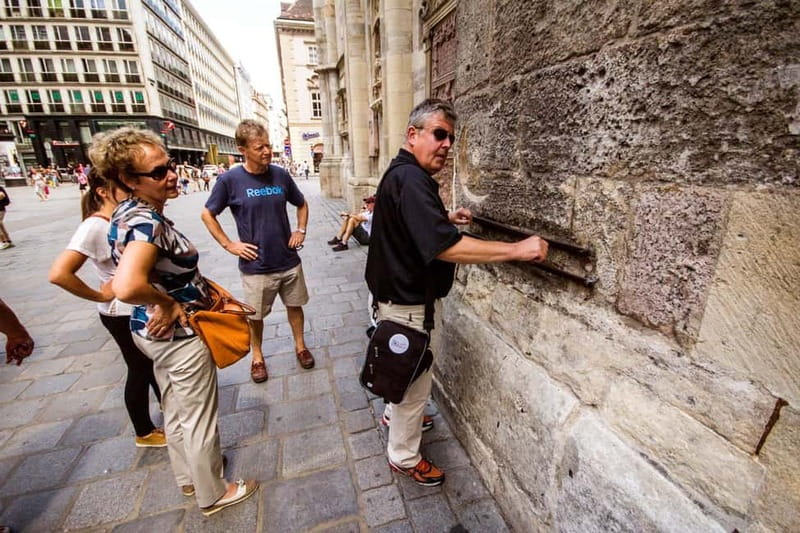
- St. Stephen’s Cathedral and Stephansplatz as your big anchor, then quickly into quieter streets
- Mozart’s final residence stop, where the guide separates story from what you can realistically know
- Ballgasse, Blutgasse, and Domgasse for that Vienna feeling of street names that carry character
- Franciscan Church and Monastery for a calmer, more reflective break from the main square energy
- Palais Neupauer-Breuner and the Deutsches Haus for architecture lovers who want more than postcards
- University of Vienna and the old city wall area, plus church views that fit the old-student-and-cleric vibe
Why This Vienna Walking Tour Works (and Who It’s For)
If Vienna is already on your list, this tour gives you something practical: it helps you read the city. You’ll walk the center at a human pace, learn why certain streets got their names, and hear legends tied to the courtyards and passageways behind everyday facades. That matters because Vienna can feel like two different cities at once—the grand, obvious one and the small, talk-to-a-local one.
The best part is the tone. With guides such as Herbert (Viennatour Herbert Stojaspal) and Wolfgang, the walk stays entertaining. You’ll hear lots of facts and anecdotes, but they’re delivered like stories, not lectures. One of the standout traits from the experience is the way the guide actively corrects wrong ideas and keeps the details straight—helpful if you’ve already read some Mozart-related myths before arriving.
This tour suits you if you:
- want a 2-hour orientation to the old center
- enjoy street-level storytelling more than museum time
- like small-group walking (it’s conducted as a small group)
It’s less ideal if you:
- need wheelchair access
- travel with bulky luggage
- want a tour with audio recording (it’s not allowed)
You can also read our reviews of more walking tours in Vienna


Meeting Point Reality: Start Easy, Then Follow the Guide
The start point can vary depending on what option you book. One common meeting point listed is a Bankomat location, and the exact spot is tied to your chosen option. The tour ends back at the meeting point area, but you’ll also see an ending/drop-off reference at Dr.-Karl-Lueger-Platz 3.
My advice: plan to arrive a few minutes early and keep your phone ready for quick confirmation (you’ll thank yourself later when you’re in a busy square). And since luggage or large bags aren’t allowed, travel light—small daypack is the way to go.
Stop 1: St. Stephen’s Cathedral and Stephansplatz as Your Launchpad
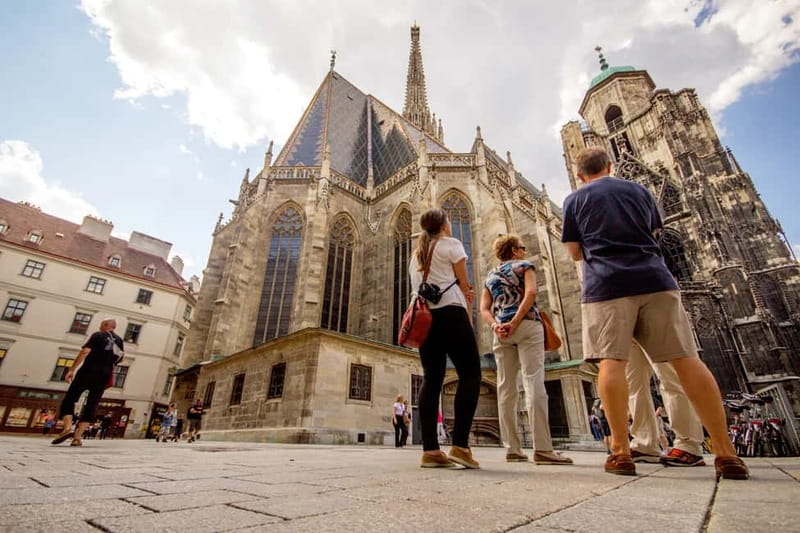
You’ll begin with St. Stephen’s Cathedral and the Stephansplatz area. This is the smart move for a walking tour, because the cathedral anchors the whole experience. Even if you’ve seen it in photos, being there on foot helps you understand sightlines—how the streets feed toward the center and why certain buildings feel like natural meeting points.
What I like about starting here is that the guide can set the tone for the stories to come. You’re not just looking at a big landmark; you’re hearing how Vienna’s power and daily life have overlapped for centuries. Then the tour shifts quickly from main-sight energy to narrower streets and quieter corners.
A possible drawback: if you’re only interested in the most famous sites, you may feel the pace quickens after the cathedral. But if you want the hidden Vienna feeling, that rapid change is the point.
The Historic Center Walk: Courtyards, Legends, and Narrow Streets
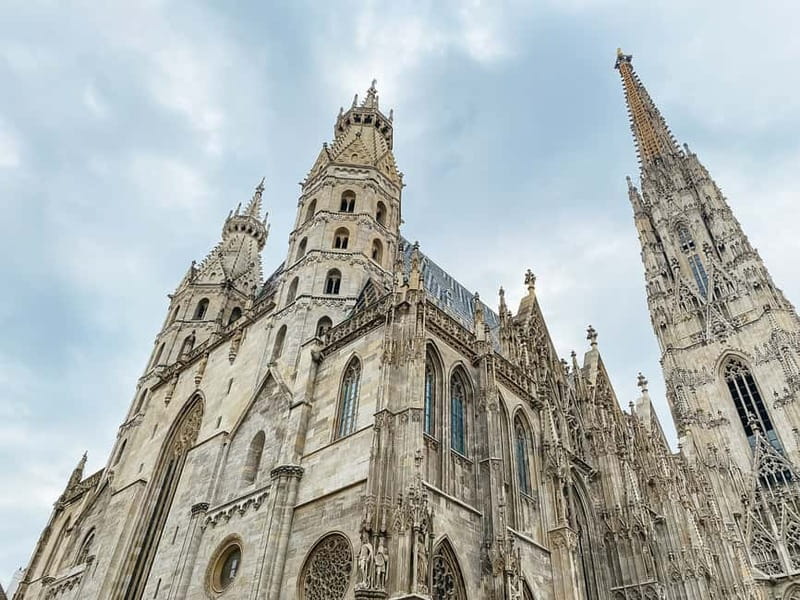
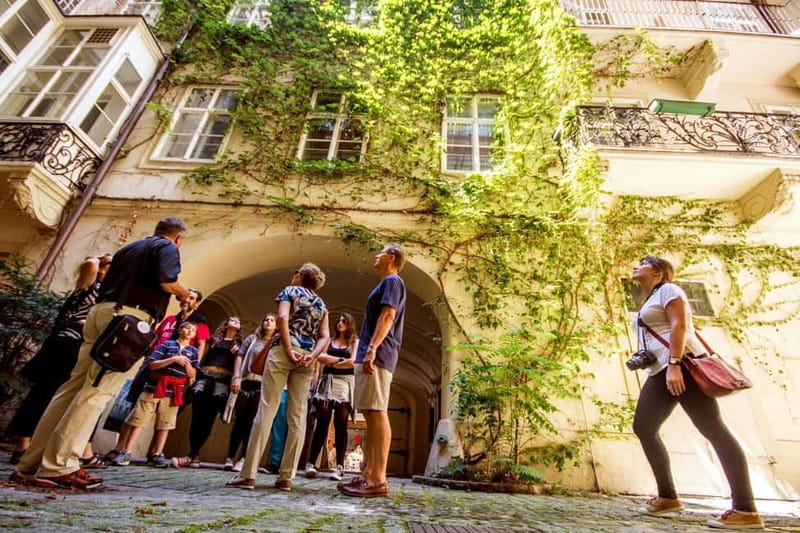
After Stephansplatz, you’ll move through the historic center with guided storytelling that focuses on lesser-known parts of the area. The theme here is courtyards and the legends tied to what’s behind the street-facing buildings.
This is where the tour becomes more than sightseeing. Vienna’s beauty often shows up in details you’d overlook if you’re only scanning for grand facades. As you walk, you’ll hear amusing stories—some fictional and some rooted in real context—about how people lived, worked, and gossiped through the city’s smaller spaces.
You’ll also hear the kind of street-level context that makes later discoveries easier. When you recognize why a street name matters, or why a building has a certain role in the neighborhood’s story, you start understanding Vienna as a connected place instead of a checklist.
Mozart’s Final Residence: Myth Control, Not Just Name Dropping
One of the highlights is Mozart’s final residence. The guide is clear about one thing: you’ll learn the truth of his life, not just the usual simplifications you hear at home.
You won’t need to be a Mozart superfan for this stop to land. It’s more about how Vienna builds meaning around famous names. Even if you already know basic biography, you’ll likely appreciate how the guide frames what happened in the context of his final chapter, and how the story gets told (and sometimes distorted).
Practical tip: look up briefly, then look again. In this area, the charm is in how smaller details sit next to famous references. It’s easy to walk past the exact spot if you’re only staring straight at the big sights.


Palais Neupauer-Breuner and the Deutsches Haus: Architecture With Story Weight
Next up, you’ll see Palais Neupauer-Breuner and the Deutsches Haus. This is a good section for anyone who likes architecture but gets bored when tours only throw dates at you.
The value here is the way the guide connects building form to city life. You learn why these places matter in the street-scene, not just in an academic sense. And since the tour is paced as a walk, you’ll get a feel for how these buildings sit within their block, with storefronts and side streets affecting the view.
If you’re sensitive to lots of standing time, pace yourself. You’ll likely pause for explanations, but it’s still a walking tour—so bring comfortable shoes and keep your energy for the tighter alley sections later.
The Street Names Moment: Blutgasse and Domgasse
You’ll visit Blutgasse and stroll along or near Domgasse as part of the historic-center story. Street names like these sound like trivia, but on a walk they become something more: they show how Vienna carries memory through language.
This part is also good for a little comedy. Vienna likes to tell stories with a wink, and the guide’s humor helps you stick with the details. You’ll understand what’s behind the naming and why locals still refer to these streets as part of the city’s personality.
Ballgasse and the Franciscan Church and Monastery: Calmer Beauty
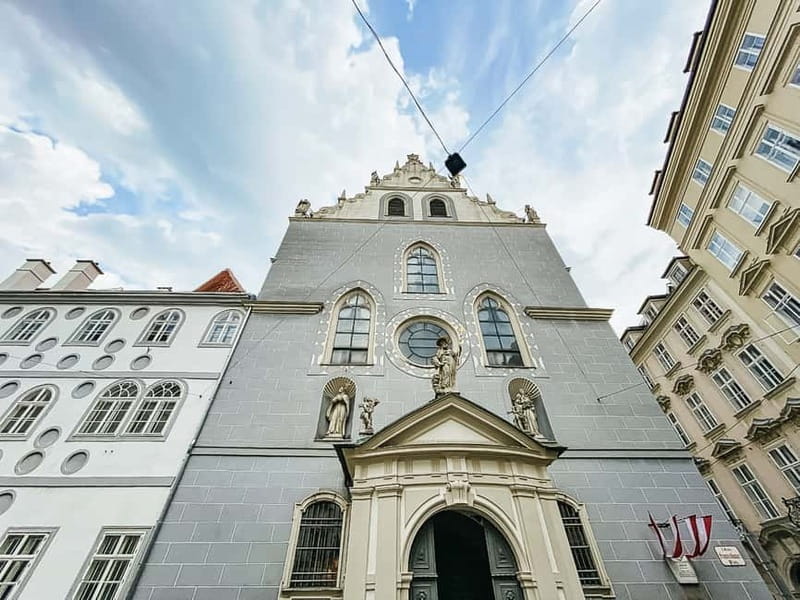
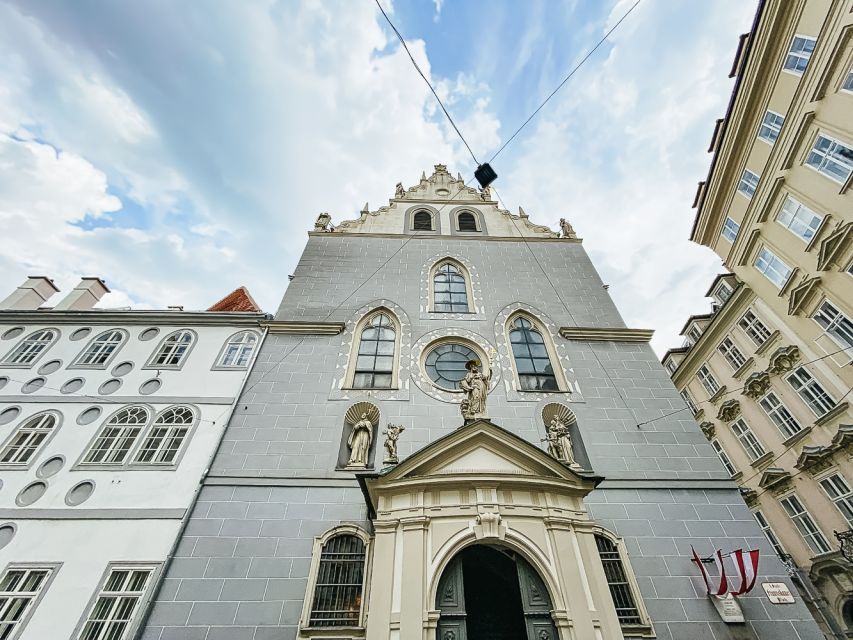
The tour includes Ballgasse and also stops for the Franciscan Church and Monastery. I like this segment because it breaks the pace from the more energetic main areas.
Ballgasse gives you another street-character contrast—another narrow, story-heavy lane. Then the Franciscan Church and Monastery shift the mood. Even if you’re not a regular church visitor, this is a chance to notice design choices and the way these spaces feel separate from the surrounding street noise.
If you’re traveling with people who only want highlights, this stop often works as a satisfying middle ground: it’s a real landmark, but also part of the tour’s hidden-stories theme.
The House Where the Cow Plays on the Board: A Quirky Vienna Check-in
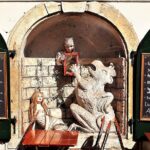
You’ll get a stop for the house known as the Where the cow plays on the board location. This type of detail is exactly why I like good city walking tours. It’s not a museum. It’s a normal building with an instantly memorable story.
The guide explains the background so it doesn’t feel like a random photo spot. And once you understand the story behind it, you’ll be more alert to other small symbols around the center.
Bring your photo instinct here, but don’t turn your brain off. The point is learning the why, not only catching the shot.
University of Vienna, Old University District, Jesuit Church, and the Old City Wall Area
Later, the tour moves into the old university district with the University of Vienna as an anchor. You’ll also see connections to the Jesuit Church and the area associated with the old city wall.
This section has a different vibe. The city’s center isn’t just about royalty and grand squares—it’s also about students, institutions, and power structures that don’t always look impressive from the street. When the guide ties these buildings to the story of the neighborhood, the whole area feels more coherent.
If you enjoy understanding how Vienna functioned day-to-day—who lived where, where ideas formed, where people gathered—this part is a payoff.
One small caution: since this is still outdoors and walking, weather matters. The tour runs in all weather, so bring something you’ll actually wear in light rain or cold wind.
Palaces, Passages, and the Final Walk: How You End Up Feeling Oriented
As you move toward the end of the tour, you’ll keep picking up the city’s “logic.” Streets, churches, institutional buildings, and courtyards all connect into a mental map that you can use later. That’s the real value after two hours: you walk away with orientation and context.
The experience ends back at the meeting point area, with Dr.-Karl-Lueger-Platz 3 listed as a drop-off reference. Translation: you’ll likely finish near a part of the center that’s easy to re-enter with transit or continue on foot.
Price and Value: Is $33 Worth It?
At $33 per person for about two hours, this tour sits in the affordable end for a guided walking experience in Vienna—especially since it includes:
- a certified tourist guide
- a native speaker
- insider recommendations from a local Viennese
- a small-group format
You’re paying for more than narration. You’re paying for someone local who knows which side streets actually matter, and who can keep the details consistent. When a guide corrects misinformation and still makes the walk fun, that’s value you feel immediately—because you’ll stop second-guessing what you read online and start trusting what you’re seeing on the ground.
If you’re the type who likes to do one good guided orientation early in a trip, this is a strong choice. If you’ve already spent multiple days in Vienna and only want one museum visit, the value might feel less obvious. But for most first-timers, it’s a solid deal.
Small-Group Size and Weather: The Practical Stuff That Changes Your Day
The tour is conducted in a small group. That usually means you can ask quick questions and hear the guide without straining. It also tends to make the storytelling feel more personal, which matches the tour’s tone.
It runs in all weather conditions, so plan accordingly. Wear shoes you trust on uneven old-stone sidewalks and bring a light rain layer if needed. Also note no audio recording—so if you rely on recordings for memory, take quick notes instead.
The Part 1 Connection: Helpful, Not Required
This tour continues from Part 1 by the same operator, but it’s not a problem if you haven’t taken Part 1 first. That’s a relief if you’re trying to fit a tour into a shorter itinerary. You still get the full experience of famous stops plus lesser-known streets and legends.
If you happen to have done Part 1, you’ll likely enjoy catching extra references as the tour adds more layers to the city’s stories.
Should You Book This Vienna Tour?
Book it if you want:
- a fun Vienna walking tour that mixes famous and lesser-known sights
- strong storytelling from guides like Herbert and Wolfgang
- a quick way to understand the center without getting lost in planning
Skip it (or consider another option) if:
- you need wheelchair access or have mobility limits that would make steady walking hard
- you’re carrying large bags
- you want a purely museum-style itinerary with lots of indoor time
If you’re arriving in Vienna and want your first impressions to come with actual context, this tour is a smart, friendly way to start.
FAQ
How long is the Vienna Hidden Secrets and Local Stories Walking Tour?
It lasts about 2 hours.
What does the tour cost?
The price is $33 per person.
Where does the tour start?
The meeting point can vary depending on the option booked. One listed starting location is a Bankomat. The end also relates back to the meeting point area.
What highlights will I see during the walk?
You’ll see St. Stephen’s Cathedral, Mozart’s final residence, Ballgasse, Blutgasse, the Franciscan Church and Monastery, plus sights such as Palais Neupauer-Breuner and the Deutsches Haus.
Is the tour guided in English?
Yes. The live guide offers German and English.
Does the tour run in bad weather?
Yes. The tour takes place in all weather conditions.
Is it suitable for kids or people with mobility issues?
It’s not suitable for children under 12, and it isn’t suitable for wheelchair users or people with mobility impairments. Also, luggage or large bags are not allowed, and audio recording is not allowed.