REVIEW · VIENNA
Historical Hitler Walking Tour of Vienna
Book on Viator →Operated by Good Vienna Tour GMBH · Bookable on Viator
Vienna changes shape when you learn its 20th-century story. This walk links Adolf Hitler’s rise to real places in the city, from grand culture to targeted persecution.
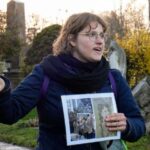
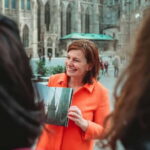
I especially liked the mix of major landmarks and pointed memorials—Vienna State Opera, Heldenplatz, and the Holocaust memorials feel connected, not random. I also like that the guide keeps the pace relaxed and threads the past into what you see right now, with some indoor stops on colder days reported by guides like Dieter and Stephan.
One thing to consider: the name can make you expect a straight WWII tour. In practice, it’s more about Hitler’s relationship with Vienna and how the city’s social and cultural life shifted after 1938, plus the Jewish sites that still carry the memory—so it’s heavy, and it’s still a walking tour for 2.5 hours.
In This Review
- Key highlights worth planning around
- Hitting the sidewalk from Albertinaplatz to Schwedenplatz
- A quick reality check on expectations
- Vienna State Opera: where 1938 changed the cultural rules
- Albertinaplatz: the Memorial Against War and Fascism
- Akademie der bildenden Kunste: the rejection stop
- Heldenplatz: the 1938 speech as a turning point in public space
- Judenplatz Holocaust Memorial: confronting the Shoah in the center of the city
- Morzinplatz: the Metropole turned into Gestapo headquarters
- Infopoint Jewish Vienna and the hidden synagogue behind tenements
- Ending at Schwedenplatz: plan dinner while it’s fresh
- How the guide style makes a difference (Dieter, Wolfgang, Stephan, Siggy)
- Price and value: $32.65 for a focused 2.5-hour education
- Who should book this one
- Should you book the Historical Hitler Walking Tour of Vienna?
- FAQ
- How long is the Historical Hitler Walking Tour of Vienna?
- What does the tour cost?
- Where does the tour start and end?
- Is the tour offered in English?
- What should I bring for Vienna weather?
- What’s included in the price?
- What’s the maximum group size?
- How does cancellation work?
Key highlights worth planning around
- Vienna State Opera under National Socialism: how the cultural machine changed after the Anschluss, including artist persecution and performance bans.
- Memorial Against War and Fascism at Albertinaplatz: a powerful stop dedicated to victims of war and fascism.
- Akademie der bildenden Kunste: the art school that rejected Hitler, tied to his early trajectory.
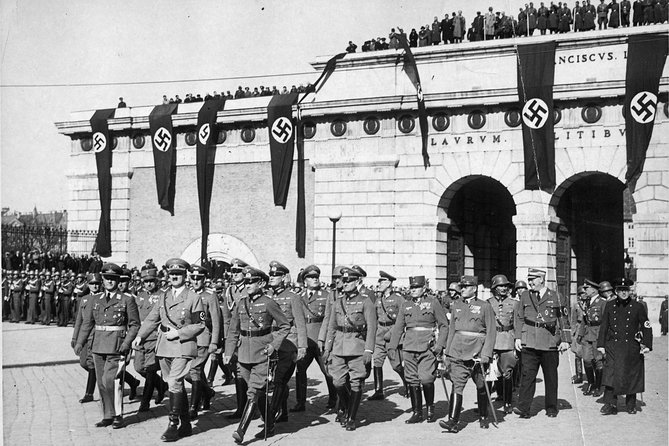
- Heldenplatz and the 1938 speech site: a specific moment that became emblematic of the Nazi takeover.
- Judenplatz Holocaust Memorial: a visit to the memory of more than 65,000 Austrian Jewish victims of the Shoah.
- Hidden synagogue context at Seitenstettengasse: why the Stadttempel Synagogue is tucked behind tenements.
Hitting the sidewalk from Albertinaplatz to Schwedenplatz
Your day starts at Albertinaplatz (outside the Albertina Museum area), with the walk running about 2 hours 30 minutes. The meeting time listed is 2:30 pm, and the tour ends near Schwedenplatz—a convenient spot with U line 1 and line 4, plus plenty of places to eat afterward.
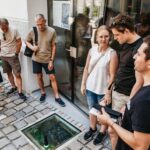
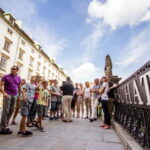
This is a small group experience with a maximum of 25 travelers, which matters. You get a better chance to keep up with the guide, ask questions, and actually hear the explanations over the street noise. You’ll also get a mobile ticket, which is one less thing to manage in your pocket.
Bring what you’d bring for Vienna’s mood swings: comfortable shoes first, then a raincoat or umbrella, plus water and sunscreen if it’s sunny. Guides report that cold weather can be intense, and the tour may include brief indoor stops to warm up, but you still want to dress like you plan to be outside for a while.
You can also read our reviews of more walking tours in Vienna
A quick reality check on expectations
The “Hitler walking tour” framing can be misleading if you want only WWII battle history. This route is about the Vienna setting: the arts scene, political change after 1938, and Jewish landmarks and memorials that survived—or were intentionally protected by location and architecture. It’s educational, but it’s also respectful and focused on what happened to people, not just dates.
Vienna State Opera: where 1938 changed the cultural rules
The walk begins with a scene you can’t ignore: the Vienna State Opera. It opened in 1869 with Emperor Franz Joseph and Empress Elisabeth present for Mozart’s Don Giovanni. That grandeur matters, because the story quickly turns from celebrated culture to cultural control.
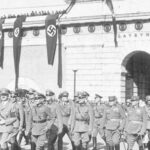
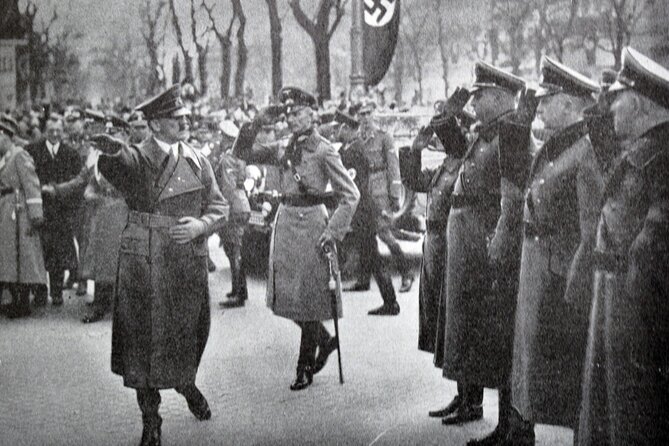
After the Anschluss, Adolf Hitler visited the opera on June 19 and October 27, 1938. The guide explains what National Socialism did to the arts world: departures, persecution, and murder of artists and employees. For some works, performances were banned.
For you, this stop is useful in a practical way. It helps you read the city like a system—how politics didn’t sit off to the side. It reached into institutions, performances, staff, and what people were allowed to hear.
Note: the stop duration is short, about 10 minutes, and admission is free, so you’ll want to listen fast and ask questions early if you have them.
Albertinaplatz: the Memorial Against War and Fascism
Next comes Albertinaplatz and the Memorial Against War and Fascism, created by Austrian sculptor Alfred Hrdlicka. It’s been standing since 1988, and the square is associated with Helmut Zilk (named in 2009). The point is simple: a reminder of Austria’s darkest era and a dedication to victims of war and fascism.
What I like here is that it doesn’t try to decorate the topic. It’s direct. And because this memorial sits in the same area where people flow in daily life, it hits harder—you feel how public memory competes with ordinary schedules.
This stop is also free, about 10 minutes, which makes it easy to stay present without rushing.
Akademie der bildenden Kunste: the rejection stop
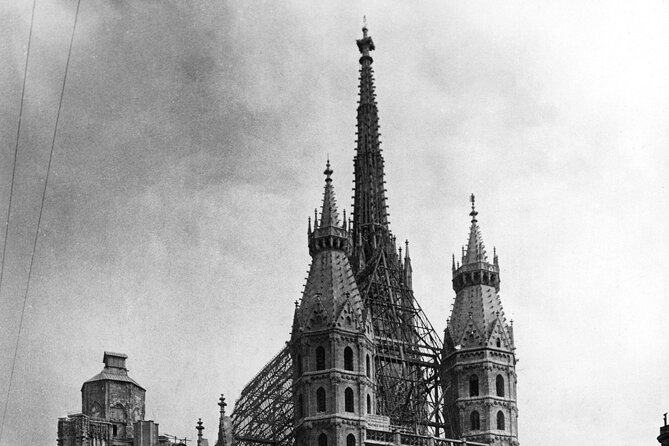
Then you reach the Akademie der bildenden Kunste, the art school often linked to the story of the rejection: the school that didn’t accept Hitler as a student.
It’s a quick stop, again about 10 minutes with free admission, but the value is in what your guide connects it to. You’re not just hearing a dramatic anecdote. You’re getting a sense of how early choices and institutions helped shape the path that later brought catastrophe to Vienna and beyond.
This is one of those moments where the city’s architecture becomes an anchor for a life story. Even if you already know the headline facts, the guide’s job is to place them in a Vienna context—what the city offered, what it refused, and how that links back to 1938.
You can also read our reviews of more historical tours in Vienna
Heldenplatz: the 1938 speech as a turning point in public space
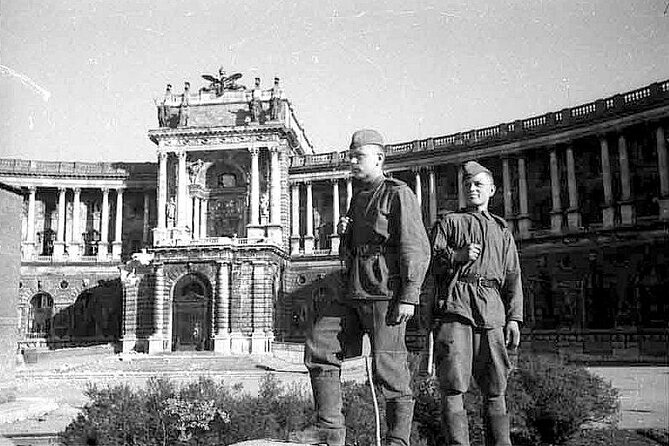
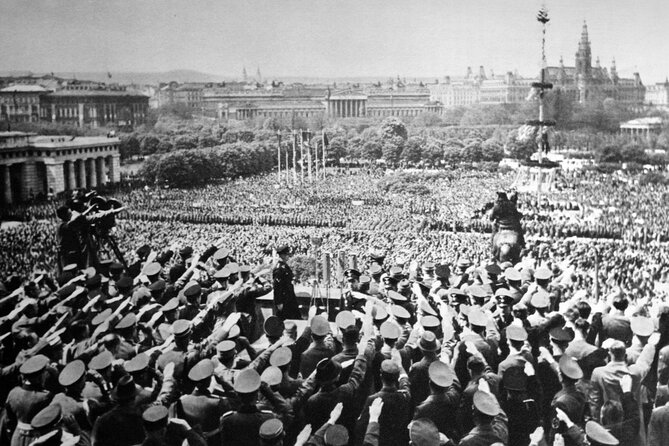
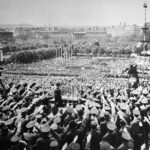
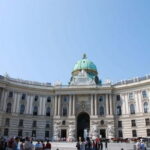
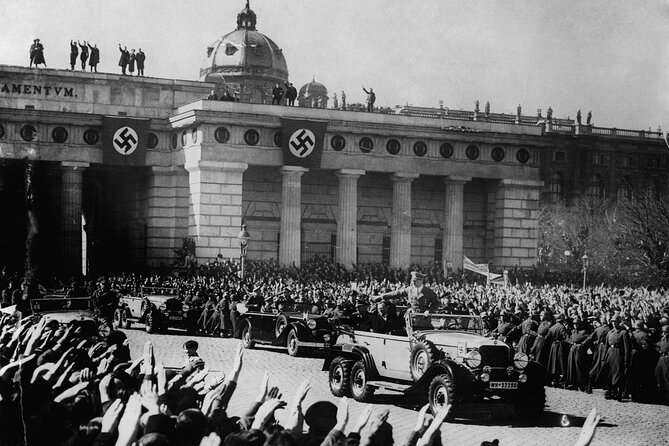
At Heldenplatz, you’re looking at a space that became symbolic for the Nazi seizure of power. The guide focuses on March 15, 1938, and the idea that Hitler’s speech from the balcony of the Neue Hofburg became an emblem of broad approval—and the trauma that followed in the Second Republic.
This stop does two important things:
- It turns your attention to where history was performed.
- It helps you see how public squares and official buildings helped sell a political transformation as something inevitable.
It’s another 10-minute stop, free. But don’t treat it like a photo break. This is the stop where a careful guide makes you slow down and understand why a crowd scene mattered so much.
Judenplatz Holocaust Memorial: confronting the Shoah in the center of the city
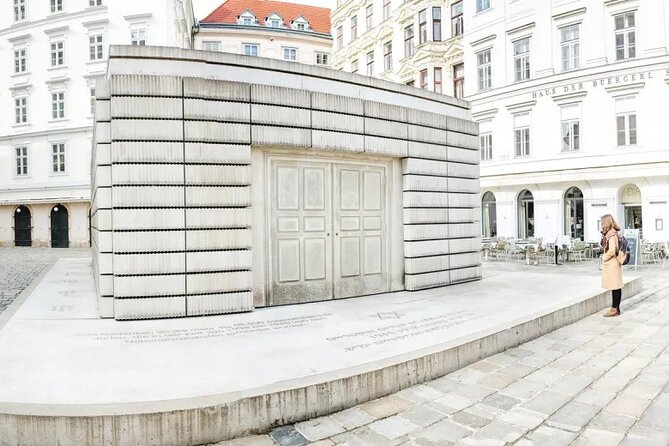
Across the historical center, you reach the Judenplatz Holocaust Memorial (Mahnmal für die österreichischen jüdischen Opfer der Schoah). This is a high-impact site because it anchors the loss in a specific number: more than 65,000 Austrian Jews murdered by National Socialists between 1938 and 1945.
The memorial is about Austrian Jewish victims, not only a general WWII backdrop. That focus matters. It prevents the tragedy from becoming a vague European story. It stays local.
For me, the value here is also the contrast with the rest of the walk. You’ve spent time on cultural power (the opera), political performance (Heldenplatz), and civic memory (Albertinaplatz). At Judenplatz, the narrative shifts to the people targeted and erased.
Again, admission is free, and the time is about 10 minutes, so bring your attention with you.
Morzinplatz: the Metropole turned into Gestapo headquarters
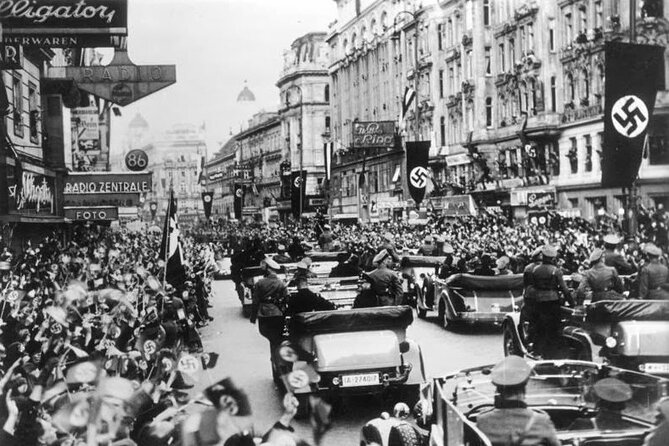
Next is Morzinplatz, tied to another reminder of how ordinary space became machinery of repression. Your guide explains that the former luxury hotel, the Metropole, was turned into one of the most brutal Gestapo headquarters in the Third Reich.
This stop gives you a sharp lesson: the Nazi system didn’t only live in ghettos and camps. It also ran through offices, hotels, and back rooms that once catered to comfort.
It’s another free, 10-minute stop. But it can linger in your mind because you can imagine the speed with which a place can be repurposed when a regime decides its rules are absolute.
Infopoint Jewish Vienna and the hidden synagogue behind tenements
The last part of the walk moves toward Schwedenplatz, and one of the most interesting explanations happens at Infopoint Jewish Vienna. The focus here is the Stadttempel Synagogue (Seitenstettengasse area), often described as hidden behind a tenement building.
Your guide explains why: at the time, non-Catholic places of worship had to be hidden from public view and not visible from the street. The synagogue stands behind a five-story apartment building. Above the entrance gate, there’s an inscription: Come to his gates with thanksgiving, to his courts with praise.
This stop works well if you care about how rules shape city form. It’s not just a synagogue story. It’s an architecture story—how a city can encode restrictions in plain sight.
If you’re expecting big exterior views, manage that. The point is the contrast between what’s spiritually important and what’s physically permitted.
Ending at Schwedenplatz: plan dinner while it’s fresh
The tour finishes near Schwedenplatz. It’s a practical ending point with easy transit options, and it’s also a good area to grab dinner without needing a second plan.
Since the subject matter is intense, I like ending where there’s regular city life around you. You can sit down, process, and then choose how you want to keep exploring—whether that’s another museum or just an evening walk.
How the guide style makes a difference (Dieter, Wolfgang, Stephan, Siggy)
A big part of why this tour gets such strong marks is the way guides teach it. I’ve seen the same pattern across names like Dieter, Wolfgang, and Stephan: they’re not just reciting facts. They connect the dots between institutions, streets, and how Austria changed after 1938.
From the guidance style, you’ll likely experience:
- a relaxed pace with enough stops that you don’t feel dragged
- explanations that keep returning to Vienna-specific meaning, not generic WWII talking points
- room for questions, including ones that get personal or philosophical in tone
That balance is important. This isn’t a “gotcha” lecture, and the best guides treat the topic with care. They also keep the group together, which matters in a busy meeting area.
One drawback to keep in mind: since it’s a walking tour with time on streets, cold weather can make hearing harder. If you’re sensitive to that, bring a warm hat and pay attention to the guide early on.
Price and value: $32.65 for a focused 2.5-hour education
At $32.65 per person, you’re paying for a licensed guide plus a route that hits major meaning points across the center. That’s the key to the value: most stops you’ll visit are free to enter, so you’re not paying for museums on top.
For me, the best value moments are the ones you can’t easily replicate on your own without context—like linking Hitler’s opera visits to broader cultural persecution, or understanding why the synagogue’s visibility was regulated by law and geography.
This tour also tends to sell ahead. It’s noted as being booked about 25 days in advance, so if your Vienna dates are fixed, grab a spot sooner rather than later.
Who should book this one
This tour is a good fit if you want:
- a Vienna-centered approach to Hitler’s rise
- respectful attention to Jewish architecture and Holocaust memorials
- a walk that connects politics, arts, and public space
It’s less ideal if you want a fast, surface-level “big WWII facts” tour with no emphasis on Vienna’s social and cultural shifts. And if you’re not comfortable with 2.5 hours of walking in variable weather, you’ll need to plan carefully.
Should you book the Historical Hitler Walking Tour of Vienna?
I think you should book it if you’re the kind of traveler who likes understanding how a city got to where it is today. Vienna is stunning in the usual ways, but this route makes the stones and squares feel accountable to the people who lived through what came next.
Skip it if your goal is only WWII chronology with minimal context. This is more targeted. It’s about Vienna’s transformation after 1938, and about remembering the Jewish lives affected by that system.
If you do book, show up ready to listen. Wear warm layers, take breaks when offered, and ask questions at the stops that bother you most. That’s usually where the tour becomes most useful—not just memorable, but clarifying.
FAQ
How long is the Historical Hitler Walking Tour of Vienna?
It’s about 2 hours 30 minutes.
What does the tour cost?
The price is $32.65 per person.
Where does the tour start and end?
The tour starts at Albertinaplatz (Albertinaplatz, 1010 Wien) and ends near Schwedenplatz (Schwedenpl., 1010 Wien).
Is the tour offered in English?
Yes, it’s offered in English.
What should I bring for Vienna weather?
Wear comfortable shoes and clothes, and bring water. Since Vienna weather is unpredictable, also bring sunblock and a raincoat or umbrella.
What’s included in the price?
The licensed guide is included. Admission to the listed stops is free, but food and drinks are not included.
What’s the maximum group size?
The tour has a maximum of 25 travelers.
How does cancellation work?
You can cancel for a full refund up to 24 hours in advance. If you cancel less than 24 hours before the start time, the amount paid is not refunded.