REVIEW · VIENNA
Vienna: History Highlight Walking Tour
Book on GetYourGuide →Operated by Viennatour Herbert Stojaspal · Bookable on GetYourGuide
Imperial Vienna starts before you even turn a corner. This Vienna history walking tour strings Roman leftovers to World War II reminders, so you see why the city looks so dramatic, then learn what happened behind those stone facades. I like the way the guide turns imperial buildings into real people stories, with jokes that keep the whole thing moving.
My second favorite part is the specific details you’d miss on your own: the Austrian National Library’s state room, the roof symbol tied to Emperor Joseph II, and later the Albertina’s focus on graphic art. One drawback to plan for: entrance fees are not included, so some interior stops will cost extra if you want to go all the way in.
In This Review
- Key highlights you’ll care about
- Meeting Loos Haus: the walk starts smart
- Roman Vienna to Hofburg Palace: getting the big story fast
- Heldenplatz and the Imperial Treasury: where power turns into objects
- Austrian National Library: roof symbols, Joseph II, and meaning
- Albertina and the Monument Against War and Fascism: art, then reality
- Imperial Crypt, Habsburg burial ritual, and the wedding-church details
- State Opera area and St. Stephen’s Cathedral finish: what WWII changed
- Practical value: is $33 for two hours a good deal?
- Who this tour is best for
- Should you book this walking tour?
- FAQ
- How long is the tour?
- How much does it cost?
- Where does the tour start?
- Where does the tour end?
- Is this tour suitable for children?
- Is it wheelchair accessible?
- Are entrance fees included?
Key highlights you’ll care about
- Loos Haus start near Herrengasse (U3): you begin right in central Vienna, easy to reach and great for a quick orientation walk.
- Michaelerplatz Excavations: you get the Roman Vienna setup, including why a castle even made sense here.
- Hofburg and Heldenplatz scale: Hofburg’s enormous grounds (555,000 m²) and the sheer size of Heroes’ Square put power into perspective fast.
- Austrian National Library state room story: you’ll understand what the roof symbol means and why Joseph II is part of the naming.
- Albertina plus a WWII reality check: the art stop is paired with the Monument Against War and Fascism, so the tour doesn’t skip the hard parts.
- Imperial Crypt and St. Stephen’s Cathedral finale: you’ll learn Habsburg burial ritual basics, then end at Vienna’s landmark that was partially destroyed in WWII.
Meeting Loos Haus: the walk starts smart
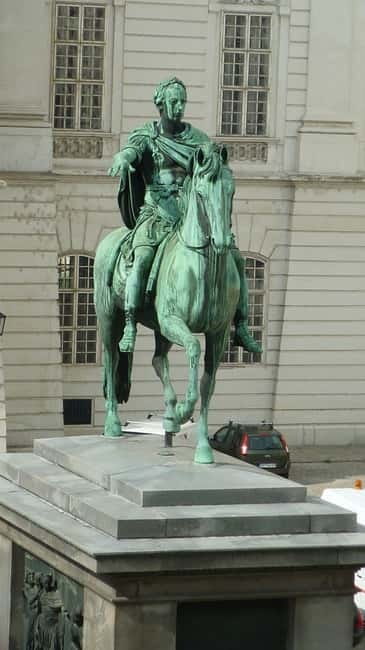
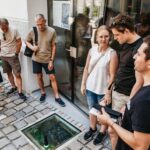
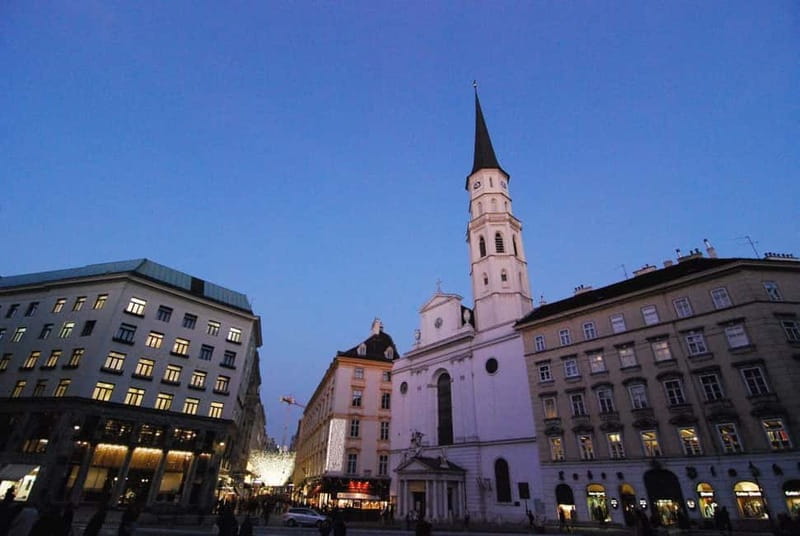
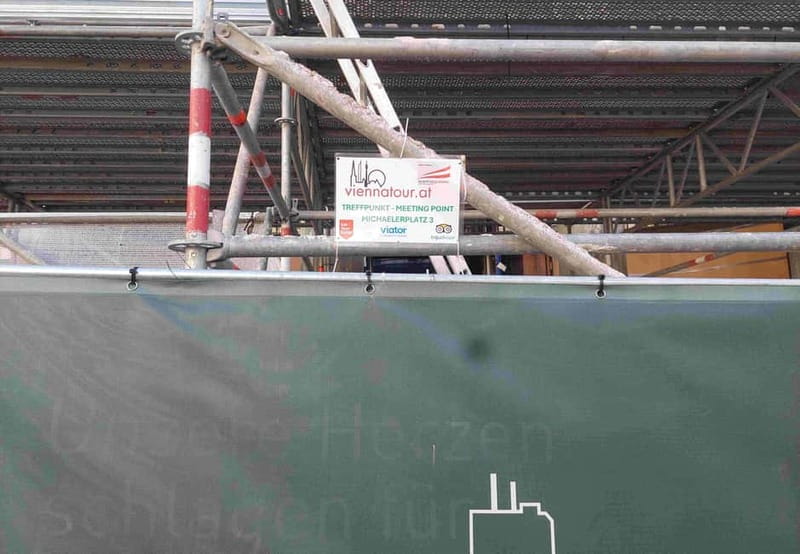
You begin in front of Loos Haus at Michaelerplatz 3 (right by Herrengasse metro station line U3). It’s an easy mental anchor: central, recognizable, and close enough that you’re not spending your “tour time” just finding the starting line.
What I like most about this kind of start is the momentum. Within minutes, you’re already in the middle of the historical center, where Vienna’s story is visible in layers—Roman clues, imperial decisions, and later scars from the 20th century. If you’re only in Vienna for a few days, this is the sort of first-half-of-your-trip tour that helps everything else make more sense later.
You can also read our reviews of more walking tours in Vienna

Roman Vienna to Hofburg Palace: getting the big story fast
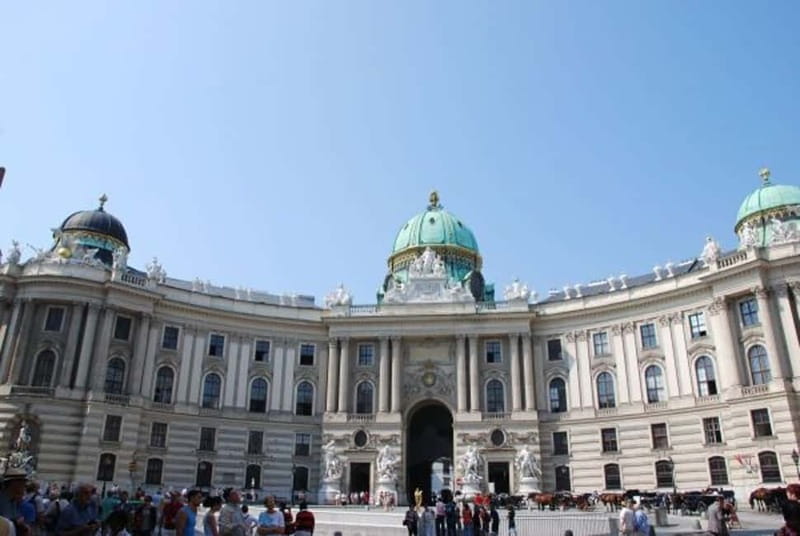
The early stops focus on how Vienna went from a strategic spot to an imperial machine. At Michaelerplatz Excavations, the guide leads you through Roman Vienna and adds the question of why a castle was built here. That question matters because it turns “old ruins” into “why this place won.”
Then you move into the Hofburg orbit. Hofburg Palace is not just a palace you pass; it’s the seat of power, with huge grounds—555,000 m². Hearing that number while you’re standing in the area helps you understand why rulers needed so much space: administration, ceremonies, and presence all lived in this one massive complex.
You also get Heroes’ Square (Heldenplatz) in the same sweep. The point isn’t only that it’s impressive. It’s the contrast—Vienna’s grandeur isn’t random. The square’s scale is tied to what the empire wanted to project, and the guide explains what lies behind the facades, not just what the facades look like.
Heldenplatz and the Imperial Treasury: where power turns into objects
Next up is the Imperial Treasury. This stop is valuable because it bridges architecture and tangible artifacts—how a state shows itself isn’t only in buildings, it’s also in what it preserves. You’ll get the significance of the treasury and what there is to see, so you’re not left guessing when you reach displays.
A good walking tour does two things at once: it orients you and it helps you decide. This is where you start thinking in practical terms. After you hear the story here, you’ll be able to visit nearby sites with a clearer sense of what matters and what’s just background.
And along the route, you also pick up a few sharp “wait, what’s that?” moments—like why the Hotel Sacher now stands where the Carinthian Gate Theatre used to be, plus what you might miss at street-level landmarks. The tour keeps mixing big-picture imperial themes with street details, so it stays interesting rather than turning into a lecture.
Austrian National Library: roof symbols, Joseph II, and meaning
At the Austrian National Library, the tour pivots from palaces and squares into something that feels calmer—but it’s still power. You’ll hear what the symbol on the roof means and why the square is named after Emperor Joseph II. It’s one of those small pieces of information that makes the building feel less mysterious and more intentional.
The guide also points out the state room connection, helping you understand why a library could feel like an emblem of authority. In Vienna, learning and rule-making often sit side by side. This stop helps you see that idea in a real place, not just in a guidebook paragraph.
If you like architecture that looks elegant from the street but hides extra layers inside, this is the moment. Even if you don’t plan to buy every ticket for every interior, you’ll still leave with a better map of why the building looks the way it does.
Albertina and the Monument Against War and Fascism: art, then reality
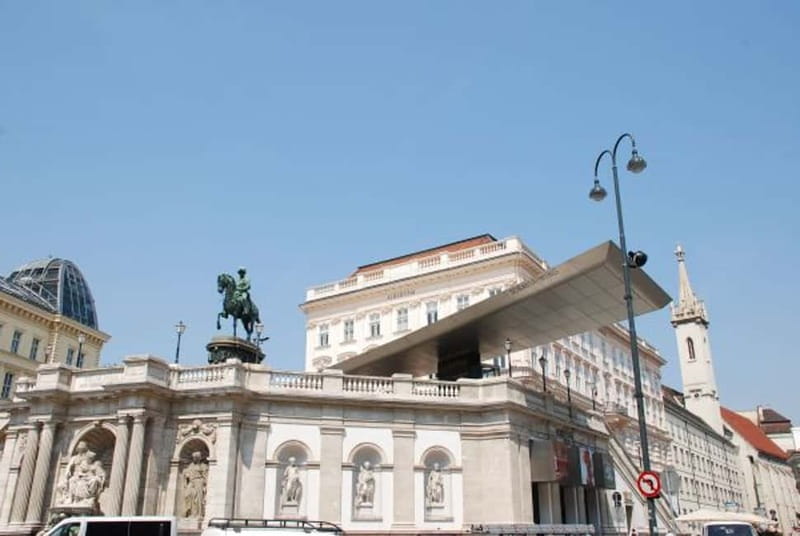
After the library comes the Albertina Museum area. You’ll learn it houses the largest graphical collection in the world. That’s the kind of fact you usually see on posters—but here it lands differently because the guide frames what graphic collections represent: craft, documentation, and how images can shape memory and identity.
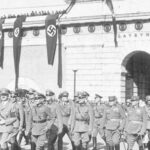
Then you hit the Monument Against War and Fascism. This pairing is important. The tour doesn’t let you keep Vienna in a postcard bubble. You’re confronted with the horrors of World War II, and the transition from museum-facing art talk to monument-facing moral weight is handled on foot, which keeps you from separating “pretty Vienna” from “historical Vienna.”
If you care about how Europe remembers its past, this section is a real payoff. It also helps you understand why some Viennese places feel both grand and tense, sometimes within blocks of each other.
You can also read our reviews of more historical tours in Vienna

Imperial Crypt, Habsburg burial ritual, and the wedding-church details
The Imperial Crypt is where the tour leans into the personal side of empire. You’ll learn about the Habsburg burial ritual, and that matters because it shows how rulers managed continuity—even in death. Once you understand that, you’ll probably look at dynastic sites differently for the rest of your trip.
One of the most memorable parts of this tour style is the mix of “high politics” and specific human customs. You’ll hear about a church where Habsburg weddings took place, including that it can be closed on Sundays and public holidays. The guide also shares an odd detail about weddings: why the groom was not even present at some ceremonies. Those kinds of facts don’t come from sweeping plaques. They come from someone who’s studied the stories behind the places.
You’ll also hear anecdotes tied to street fixtures, like the Providentia Fountain at Neuer Markt. These are quick stops in terms of walking time, but they’re exactly the kind of thing that makes Vienna feel lived-in rather than staged.
State Opera area and St. Stephen’s Cathedral finish: what WWII changed
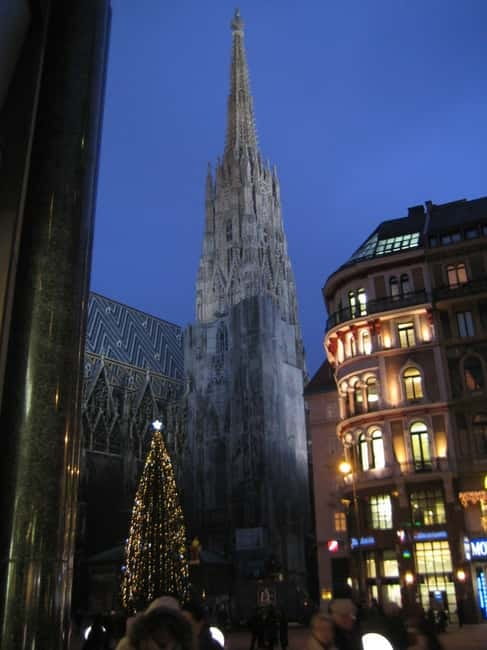
The tour passes the State Opera area and explains why the Hotel Sacher now stands in place of the Carinthian Gate Theatre. This kind of street history is gold because it shows how Vienna keeps rebuilding, reusing, and rebranding what came before. You’re not just learning about a single empire—you’re learning how Vienna survives.
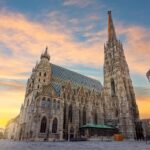
Then you end at St. Stephen’s Cathedral, the landmark that closes the loop. The guide explains its partial destruction during World War II and points out why not everything taught in school matches what you see in person. That last bit is more than trivia. It’s a reminder to keep an open mind when you’re comparing what you learned earlier to what the city still shows you.
Ending at the cathedral also makes sense geographically. If you want to keep exploring afterward, you’re dropping out near the area where you’ll likely want your next meal, your next museum stop, or simply a slow evening walk.
Practical value: is $33 for two hours a good deal?
At $33 per person for a 2-hour Vienna history walking tour, the value depends on what you want out of your day. If you’re arriving fresh and want a fast, structured way to understand the center, it’s a solid spend. You cover major anchors like Hofburg, Heldenplatz, the Imperial Treasury area, the Austrian National Library, and the Albertina, then finish at St. Stephen’s Cathedral.
Where you need to be smart: entrance fees are not included. So if you’re the type who always wants interiors, plan a little extra budget and energy. Also note the tour runs in all weather conditions, so wear shoes that can handle wet cobblestones and bring layers.
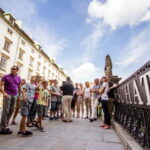
One more “practical” point: this is a small-group walk, and the guide keeps the pacing brisk. That’s a plus if you like momentum. It’s less ideal if you want a super slow, sit-and-stare style tour.
Who this tour is best for
This works really well for you if:
- you want an efficient Vienna history walking tour with recognizable stops tied to real stories
- you care about how emperors, war, and art connect in the same city
- you like a guide who uses humor to keep facts memorable
It’s not a great fit if:
- you need mobility accommodations
- you’re traveling with luggage or large bags
- you’re expecting every interior to be included without extra ticket costs
- you’re traveling with kids under 12
Should you book this walking tour?
I think it’s an easy yes for a first-time Vienna day if you want orientation plus story. The tour’s strength is the way it links big imperial sites to specific details—roof symbols, funeral customs, art collections, and WWII reminders—so the city feels less like a blur of buildings.
Skip it only if you already know the city deeply and you mostly want time alone, or if your plan doesn’t allow for separate entrance tickets. Otherwise, $33 for two hours is a fair way to start seeing Vienna with better context.
FAQ
How long is the tour?
The tour lasts 2 hours.
How much does it cost?
It costs $33 per person.
Where does the tour start?
It starts in front of Loos Haus, Michaelerplatz 3, Vienna, near the Herrengasse metro station (U3).
Where does the tour end?
The tour ends at St. Stephen’s Cathedral (Stephansplatz 8A, 1010 Wien).
Is this tour suitable for children?
No. It is not suitable for children under 12.
Is it wheelchair accessible?
No. It is not suitable for people with mobility impairments.
Are entrance fees included?
No. Entrance fees are not included.