REVIEW · VIENNA
Vienna: Viennese Underworld Guided Walking Tour
Book on GetYourGuide →Operated by mal anders gmbh · Bookable on GetYourGuide
Vienna has a second, darker level. I like that this tour mixes real underground rooms with a human, story-driven live guide. Just know the big trade-off: you’ll descend stairs and move through partly uneven terrain with no elevators.
If you pick the right option, you’ll see different themes below street level: WWII relics, an old pharmacy and medicine cellar, air-raid shelters, or refuge spaces tied to outcasts. It runs 1 to 2 hours, in a small group, with a German-speaking guide plus an optional English audio guide on your phone.
In This Review
- Key Things You’ll Appreciate Underground
- Why Vienna’s Underworld Feels Like a Real City, Not a Costume Set
- Choosing the 1, 1.5, or 2-Hour Option (What Actually Changes)
- Entering the Hidden Network: Stairs, Tight Spaces, and Your Pace
- WWII Relics and Air-Raid Shelter Rooms: The City Under Pressure
- Pharmacy Lab and Medicine Cellar: Survival Through Care and Supplies
- Refuge for Outcasts: The Social Side of Vienna’s Underground
- The Guide Factor: German Live Explanations Plus English Audio Support
- What to Bring (So You Don’t Waste Time in the Dark)
- Price and Time: Is $37 a Good Value?
- Who This Vienna Underworld Tour Is For (and Who Should Skip It)
- Should You Book This Underworld Walking Tour?
- FAQ
- How long is the Viennese Underworld Guided Walking Tour?
- What languages do the tour and audio offer?
- Do I need to bring a flashlight?
- What should I wear for the tour?
- Is this tour suitable for children?
- Is it accessible for people with mobility impairments?
- What is included in the ticket price?
Key Things You’ll Appreciate Underground
- Small-group pacing so you’re not rushed through the dark spaces
- Different basement themes depending on whether you choose the 1, 1.5, or 2-hour option
- A lively German guide (Bella is mentioned often for clear, entertaining explanations and lots of question time)
- Phone-based English audio if you want extra support while the guide speaks German
- Stairs and uneven floors that make good shoes non-negotiable
- Private basements and hidden corridors that turn Vienna from postcards into a living, factual mystery
Why Vienna’s Underworld Feels Like a Real City, Not a Costume Set
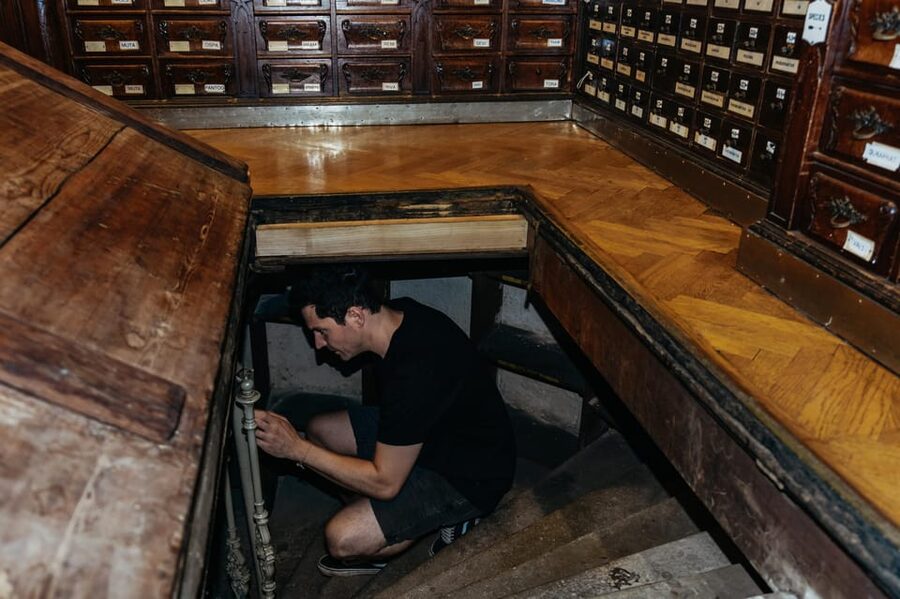
This tour works because it’s not just about spooky vibes. Vienna’s underground spaces were built for practical reasons—storage, medicine, shelter, and survival—then later layered with forgotten uses and uncomfortable history. Walking through these basements with a guide turns “what happened in the past” into something you can picture with your body: the stairwell, the low ceilings, the tighter corners.
I also like the way the experience is framed as hidden networks and unusual uses, not random “haunted house” stops. You’re walking through the kinds of places that supported everyday life and crisis life, often far from public view. When you hear the stories while you’re standing there, it sticks.
The other strong point is the guide style. In particular, the name Bella shows up with repeated praise for making the time feel fast, keeping things entertaining, and answering questions without brushing people off. If you’re the type who asks why a room mattered, this format suits you.
You can also read our reviews of more walking tours in Vienna



Choosing the 1, 1.5, or 2-Hour Option (What Actually Changes)
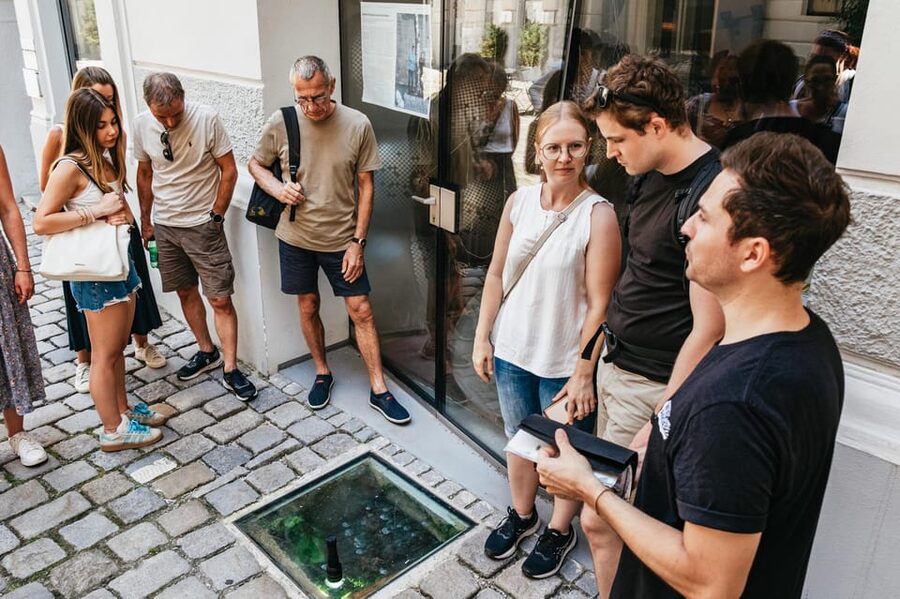
The tour comes in 1, 1.5, or 2-hour versions, and the theme shifts by option. The core structure stays similar—guided movement into private basements in Vienna and access to hidden corridors—but the “what you’ll see” changes.
Here’s what you should expect depending on your chosen focus:
- WWII relics: You’ll spend time on World War II-related items tied to Vienna’s underground world.
- Historical pharmacy laboratory and medicine cellar: You’ll look at a more clinical, survival-related side of underground Vienna.
- Former air raid shelters: You’ll get a shelter-focused view of how the city prepared for attacks.
- Places of refuge for outcasts: You’ll hear about groups who weren’t protected by the normal rules of society.
Practically, that means your choice shapes the emotional tone of the tour. If you want conflict and crisis, go WWII or air-raid shelter. If you want human systems like care, supplies, and medicine, pick the pharmacy/medicine cellar option. If you’re drawn to the social “who had access and who didn’t” angle, choose the refuge option.
If you’re deciding between lengths, think like this: the longer option typically gives you more stops and more story time under the city. When you’re dealing with stairs and darker rooms, that extra time often feels worthwhile rather than padded.
Entering the Hidden Network: Stairs, Tight Spaces, and Your Pace
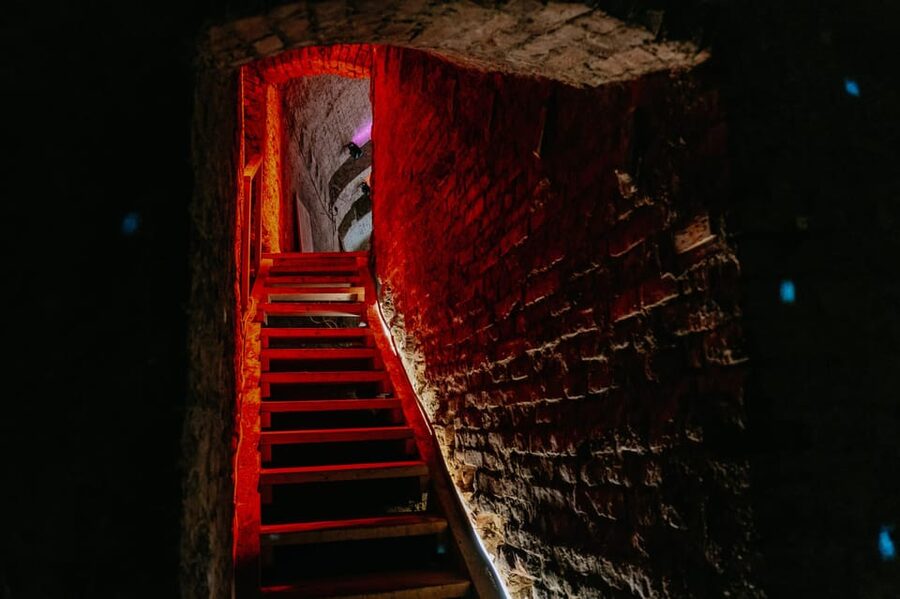
The tour leads you underneath Vienna into private basement spaces and connected corridor areas. You’re not looking at everything from one viewpoint. You’ll move—up, down, around corners—so your body gets involved in the storytelling.
A few practical points matter a lot here:
- There are several stairs required to access the hidden cellars.
- There are no elevators, so you’re relying on your own footing.
- The terrain can be partly uneven, which raises the “slow down and watch your step” factor.
- You’ll want closed-toe shoes and comfortable clothes you don’t mind getting dusty or scuffed.
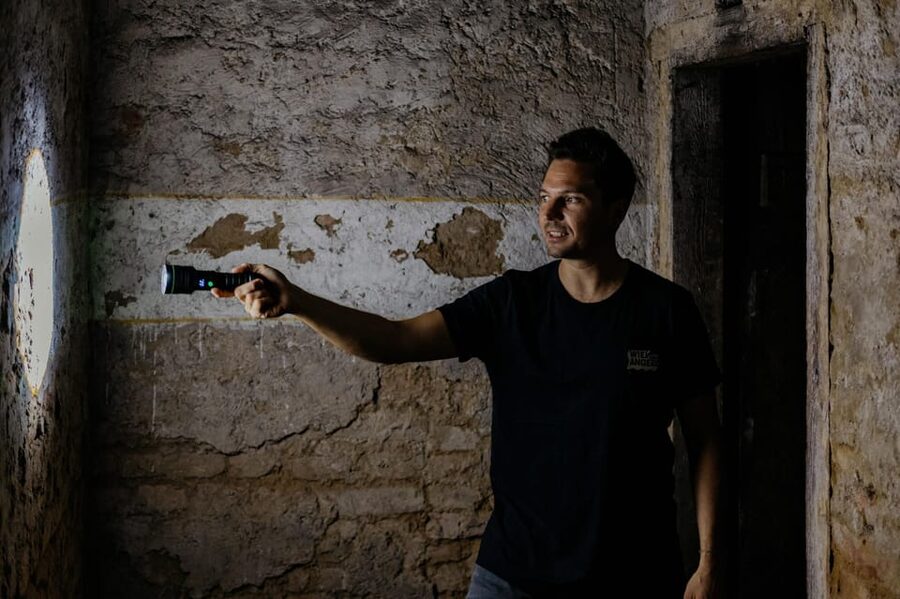
The flashlight part is another real-world detail. The tour asks you to bring your own flashlight, or use your phone light. Flashlights are not included, so if you show up without one, you’ll likely spend part of the time managing your light instead of fully following the guide.
Also, the guide language is German. If you prefer English, plan to use the optional English audio guide downloaded to your phone (and bring headphones if you can). You’re still listening to a live German guide, but the phone audio helps you keep up and catch details you might miss the first time.
WWII Relics and Air-Raid Shelter Rooms: The City Under Pressure
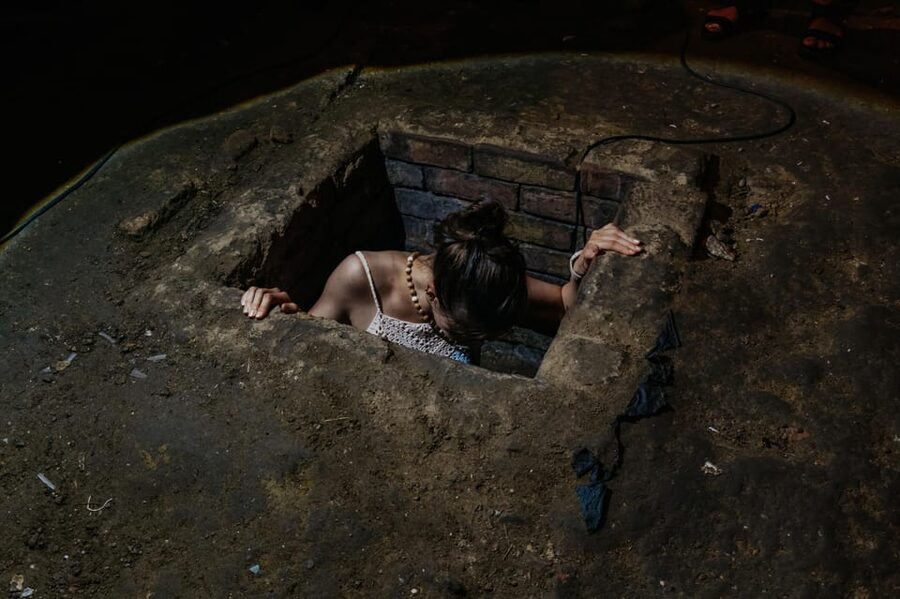
If you choose the option focused on World War II, expect an underground tour that highlights survival logic: where people could store, hide, and endure. Seeing WWII-related relics in basements changes the scale of the story. You’re not reading about it—you’re walking through the kinds of spaces where plans had to work when things went wrong.
The air-raid shelter angle adds an especially grounded feel. Shelters are built for function: protection, limited space, and quick access. Under city streets, those needs become physical. Low areas and connected corridors stop being abstract and start looking like a system.
This section tends to suit you if:
- you want history with a strong “how did people cope” thread,
- you don’t mind that the atmosphere is gloomy by design,
- you’re okay with moving at the pace of staircases and basement rooms.
One drawback to watch for: the topic can feel heavy, and the conditions are darker than a typical walking tour. If you’re sensitive to claustrophobic spaces or tight corridors, keep reading the suitability notes below before you book.
Pharmacy Lab and Medicine Cellar: Survival Through Care and Supplies
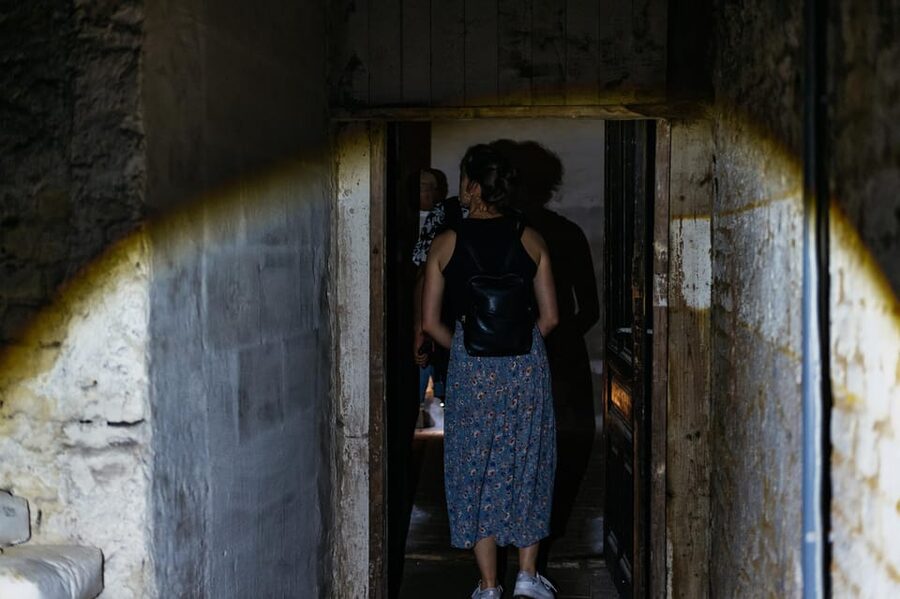
Not all underground history is about bombs and shelters. If your option includes the historical pharmacy laboratory and medicine cellar, you’ll get a different kind of underground story: the work of maintaining health and handling supplies when public life is under stress.
This part can be surprisingly absorbing because it’s less about spectacle and more about process. Medicine and pharmacy spaces rely on organization: storage, preparation, and access. Underground rooms make you think about what it means to keep care available when the city above is disrupted.
If you like history that’s practical, this option can feel like a shift from fear to logistics—how people managed needs that don’t wait for “better times.” You’ll likely come out with a clearer sense that underground spaces weren’t only for hiding; they were also part of keeping people alive.
And yes, it’s still underground—so bring the same basics: shoes that grip, a phone setup for audio, and your flashlight or phone light.
You can also read our reviews of more guided tours in Vienna




Refuge for Outcasts: The Social Side of Vienna’s Underground
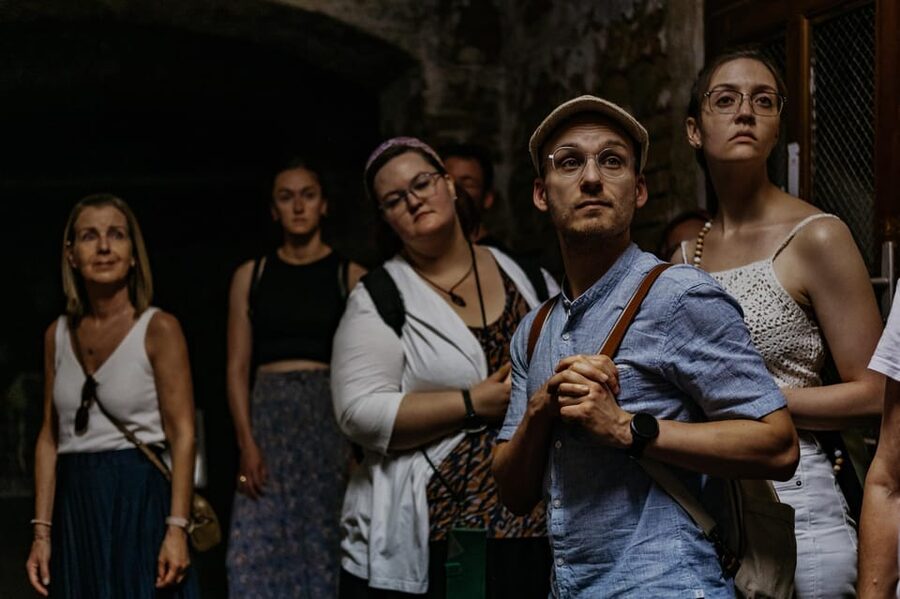
Some of the most memorable underground tours are the ones that explain who was protected and who wasn’t. If your option includes places of refuge for outcasts, you’ll likely focus on stories that show the city’s darker social edges.
This theme can hit differently because it moves beyond “event history” into human decisions. Refuge spaces imply conflict, exclusion, and the tension between public rules and private survival. It also reframes the underground network as something shaped by society—who had access, who needed help, and who could disappear from official records.
I like this option for a simple reason: it makes the underground feel less like an isolated “Vienna weirdness” and more like a map of real lives. You’ll leave thinking about the city’s social geography, not just its architecture.
The Guide Factor: German Live Explanations Plus English Audio Support
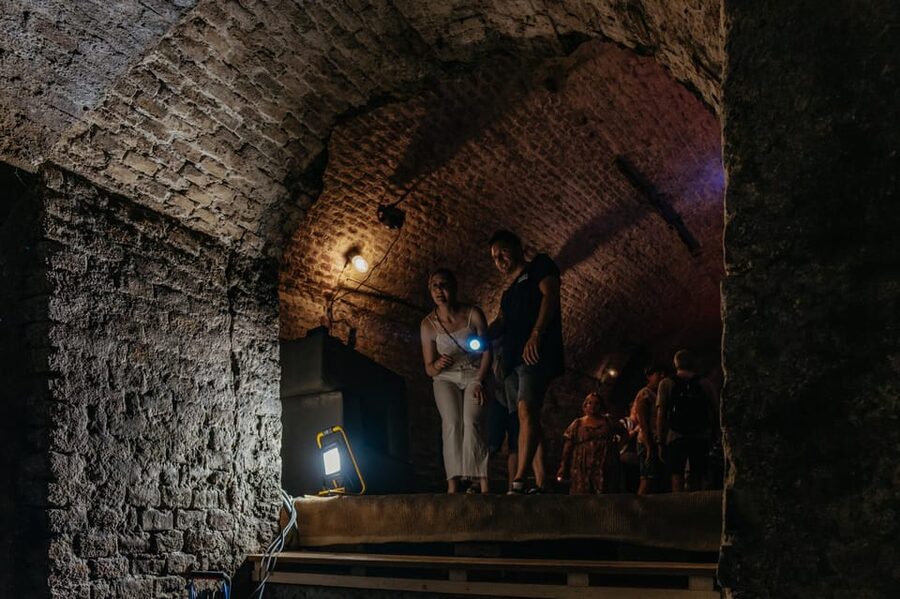
The tour runs with a live German-speaking guide, and that’s part of the experience’s character. A live guide can adjust on the spot—answering questions, clarifying confusing moments, and pointing out details you’d never notice alone.
From the vibe in feedback, Bella in particular is associated with tours that feel lively and understandable, with a real willingness to talk and answer questions. If your German is limited, that doesn’t automatically block you. The tour includes an audioguide download to your phone, and there’s an optional English audio guide as well.
Here’s how to make that work smoothly:
- Bring your smartphone for the audio guide.
- Use headphones if you can; they’re recommended for better listening.
- Plan to check your audio before you head underground so you’re not fumbling with settings in the stairwell.
If you prefer to rely on the phone only, you might lose some nuance from the live German narration. But if you’re open to a “guided + supported by audio” approach, this format is a solid compromise.
What to Bring (So You Don’t Waste Time in the Dark)
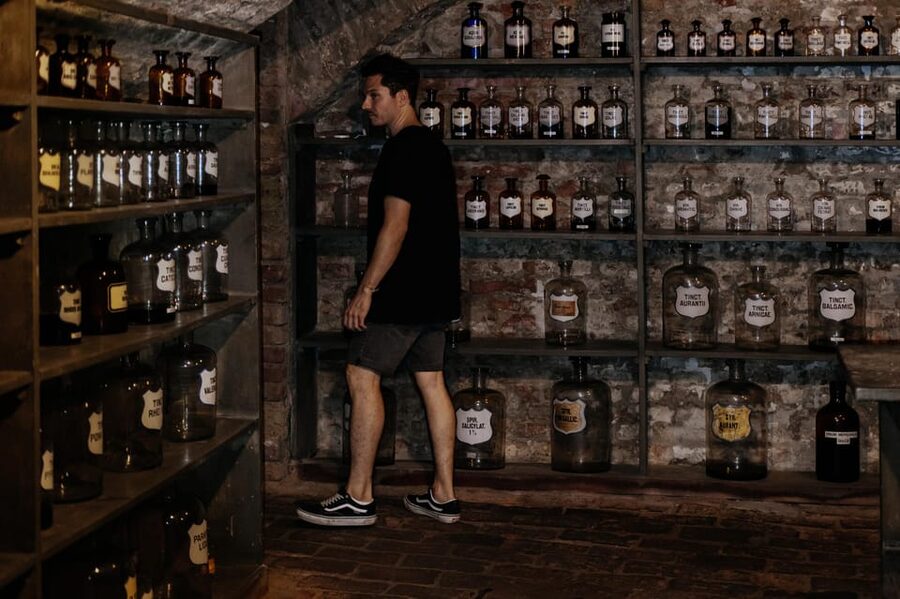
This is one of those tours where your prep affects your enjoyment fast. The essentials are straightforward, but don’t skip them.
Bring:
- Comfortable clothes (you might get dust or dirt on them)
- Sports shoes / closed-toe shoes with good grip
- Your own flashlight
- Your smartphone for the audio guide
If you don’t bring a flashlight, the tour indicates you can use your phone light. Still, your phone battery becomes part of your “tour experience.” If you forget the charger plan and you’re on a low battery day, you’ll feel it.
Also consider:
- Clothes that can get dirty
- Headphones if you have them, since the tour recommends them for the best audio experience
Price and Time: Is $37 a Good Value?
At about $37 per person, this tour can be strong value if you’re looking for something you won’t recreate yourself easily. You’re paying for guided access, entry fees tied to the specific basement option, and a live guide—plus the English audio option support.
For time, you’re looking at 1 to 2 hours. That matters because underground tours need time for safe movement and explanation. This isn’t a quick “see it in five minutes” stop. It’s long enough to connect the dots between multiple spaces, especially if you choose the longer option.
My value rule of thumb:
- If you’re only in Vienna briefly, choose the option that matches your interests most (WWII, air-raid shelters, pharmacy/medicine, or outcasts).
- If you’re history-hungry and don’t mind stairs, the 1.5 or 2-hour version usually feels like the best payoff because you’ll likely see more of the underground theme.
Who This Vienna Underworld Tour Is For (and Who Should Skip It)
This is not a casual stroll. It’s a guided walk into underground cellars with real physical demands.
It’s a good fit if you:
- enjoy history that’s place-based,
- want small-group pacing,
- can handle dark, closed spaces and staircases,
- want a guided story rather than a self-guided “look around.”
It’s not a good fit if you:
- have limited mobility (the tour is not recommended, and there are no elevators),
- use a wheelchair,
- have claustrophobia,
- are traveling with children under 10.
Also, you should expect some risk of tripping and injury because of partly uneven terrain. That doesn’t mean you can’t do it. It means you should take it seriously with footwear and slow steps.
Should You Book This Underworld Walking Tour?
Book it if you want Vienna from a different angle—where history isn’t behind glass, it’s under your feet. The combination of private basements, hidden corridor access, and a live German guide (with optional English audio on your phone) gives you a structured way to understand Vienna’s underground uses: WWII relics, shelter life, pharmacy medicine spaces, or refuge stories for outcasts.
Skip it if stairs and tight spaces are a concern. Also skip it if you’re expecting a bright, easy walk. This tour is about atmosphere and authenticity, and that comes with practical constraints.
If you’re ready for that trade-off, it’s a memorable way to add depth to a Vienna visit without needing a museum day.
FAQ
How long is the Viennese Underworld Guided Walking Tour?
The tour options run from 1 to 2 hours. You can choose the duration that matches your schedule and the focus you want.
What languages do the tour and audio offer?
The live tour guide speaks German. There is an optional English audio guide via a phone download.
Do I need to bring a flashlight?
Yes. Flashlights are not included. You should bring your own flashlight, or you can use your phone light.
What should I wear for the tour?
Wear comfortable clothes and closed-toe shoes with good traction. The terrain can be uneven, and you’ll be descending stairs.
Is this tour suitable for children?
No. It’s not suitable for children under 10 years old.
Is it accessible for people with mobility impairments?
No. It’s not recommended for people with limited mobility, there are no elevators, and the tour is not suitable for wheelchair users.
What is included in the ticket price?
The ticket includes the tour and guide, an audioguide (phone download), and entry fees to the attractions included in your chosen option.