Vienna can feel big on day one. This walking tour keeps it simple: you see the city’s key buildings from the outside, then move on before you waste precious time. I especially like the stop at Minoriten Church to spot the Last Supper mosaic, and the way the route threads through imperial Vienna landmarks like the Hofburg and the Spanish Riding School.
You also get a real-world benefit: you’ll finish near St. Stephen’s Cathedral, which is one of the best bases for food, wandering, and planning your next day. One possible drawback is that it’s an outdoor, walk-only experience—so if you want lots of indoor museum time, you’ll need to add those separately.
In This Review
- Key Points You’ll Care About
- Why This Vienna Walking Tour Works So Well (Even If It’s Your First Day)
- Meeting Point Near Stephansplatz: Easy to Find, Quick to Start
- Minoriten Church and the Last Supper Mosaic: The Start That Gets Your Attention
- Michaelerplatz and the Hofburg Palace Entrance: Seeing Power Without Going Inside
- Heldenplatz and the Spanish Riding School: Imperial Stories in the Open Air
- Albertina Museum Exterior Stop: A Shortcut to a Famous Name
- Vienna State Opera: The Symbol You’ll Want to Recognize Later
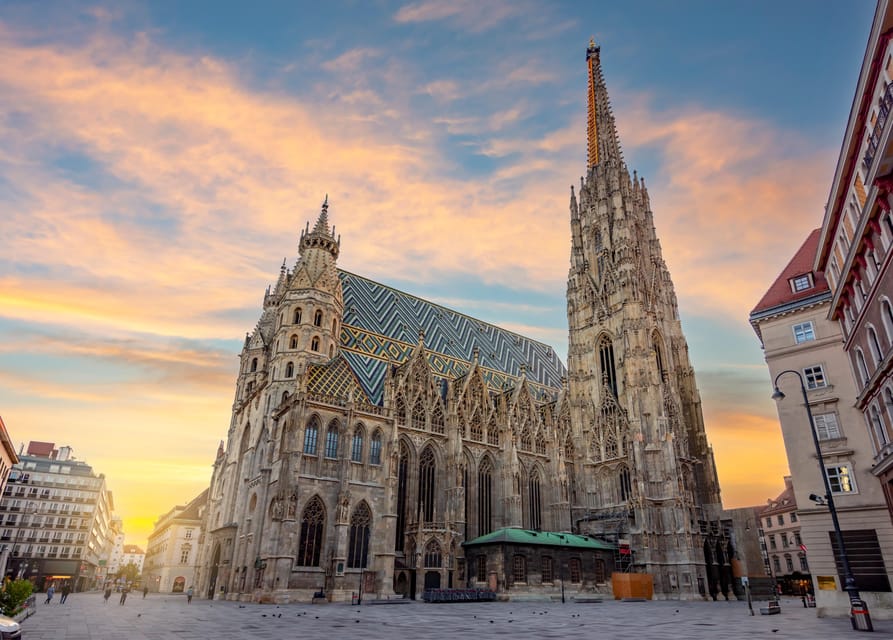
- St. Stephen’s Cathedral Finish: A Perfect Ending Point for Real Life
- What You’ll Learn from the Guide: Storytelling That Makes Buildings Click
- Practical Tips to Get the Most Out of a 2-Hour Walk
- Who This Tour Suits Best (And Who Should Skip It)
- Should You Book This Vienna Guided Walking Tour?
- FAQ
- How long is the Vienna guided walking tour?
- What does the tour cost?
- Is this tour inside museums or only outside landmarks?
- Where do I meet the tour guide?
- Can I always see the Last Supper mosaic at Minoriten Church?
- What languages are offered for the live guide?
- Do I need to bring my own equipment?
- Is the tour suitable for wheelchair users or mobility impairments?
- Are there any rules about smoking?
- Where does the tour end?
Key Points You’ll Care About
- Exterior-only route that covers major sights fast, without museum lines
- Last Supper mosaic at Minoriten Church as a standout detail (when you can enter)
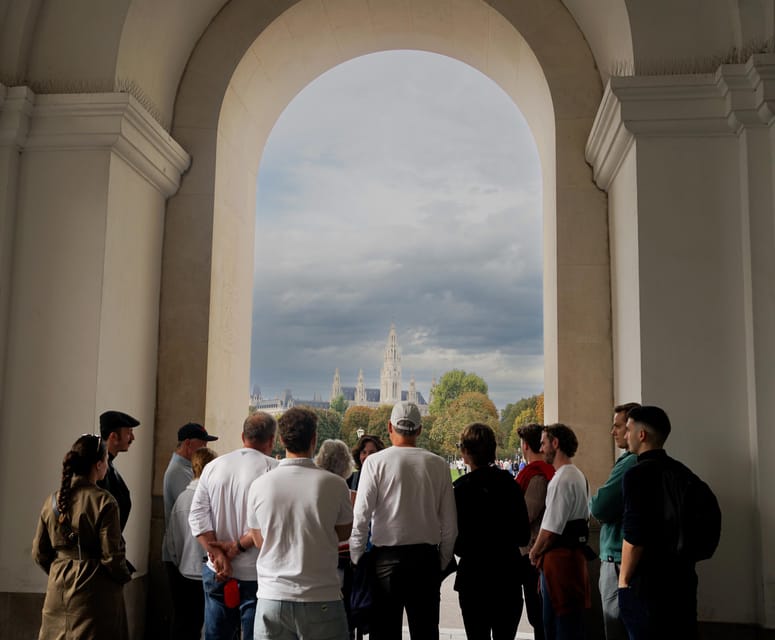
- Hofburg area on Michaelerplatz gives you the big-picture view of Vienna’s power
- Spanish Riding School and Heldenplatz connect buildings to stories you’ll remember
- Headsets/earpieces are often used, which helps in larger groups on busy streets
- Finish at St. Stephen’s Cathedral, so you can keep exploring right after
Why This Vienna Walking Tour Works So Well (Even If It’s Your First Day)
This is the kind of tour that helps you stop guessing. Vienna has plenty of grand sights, but the city center is also a maze of streets that can eat up your energy. Here, you get a guided walk that stays focused on what you can see and recognize outside—so you leave with orientation, not just photos.
The pacing is built for first-timers and time-limited visitors: you cover a tight loop through Vienna’s 1st district, and you get enough context to understand what you’re looking at. You’ll hear the kind of explanations that make a façade feel meaningful—why a palace entrance matters, what the courtyard buildings were used for, and how Vienna’s performing-arts identity shows up in the State Opera area.
Cost-wise, it’s also easier to feel good about. At around $27 per person for 2 hours, you’re paying for a guided route plus professional storytelling—while skipping museum entry fees you might not even want on your first day. If you’re planning to do museums later, this tour becomes the “map in human form” that makes those later visits easier.
You can also read our reviews of more walking tours in Vienna
Meeting Point Near Stephansplatz: Easy to Find, Quick to Start
You meet at Leopold-Figl-Denkmal, with the guide waiting in front of the Leopold Figl statue. It’s set up so you can arrive on foot from Stephansplatz—about a 10-minute walk—or use the U3 subway to Herrengasse station and follow signs to Minoritenplatz.
This matters more than it sounds. Vienna center streets are compact, and small directions errors can turn a 10-minute walk into a 30-minute detour. Starting at a landmark statue is a smart way to reduce stress, especially in bad weather.
Bring your “real-life walking” kit: comfortable shoes and a camera. If it’s cold or rainy, dress like you expect to stay outside the whole time, because the tour runs in all weather conditions.
Minoriten Church and the Last Supper Mosaic: The Start That Gets Your Attention
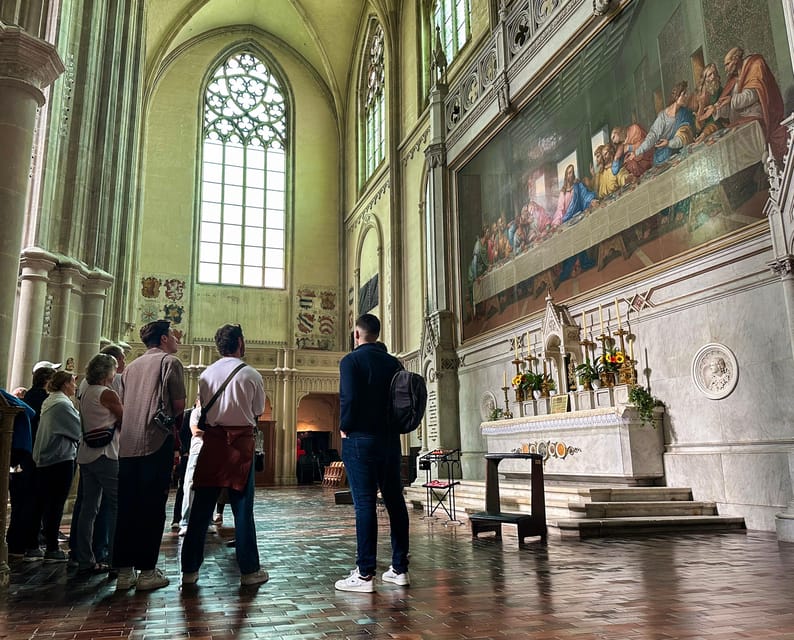
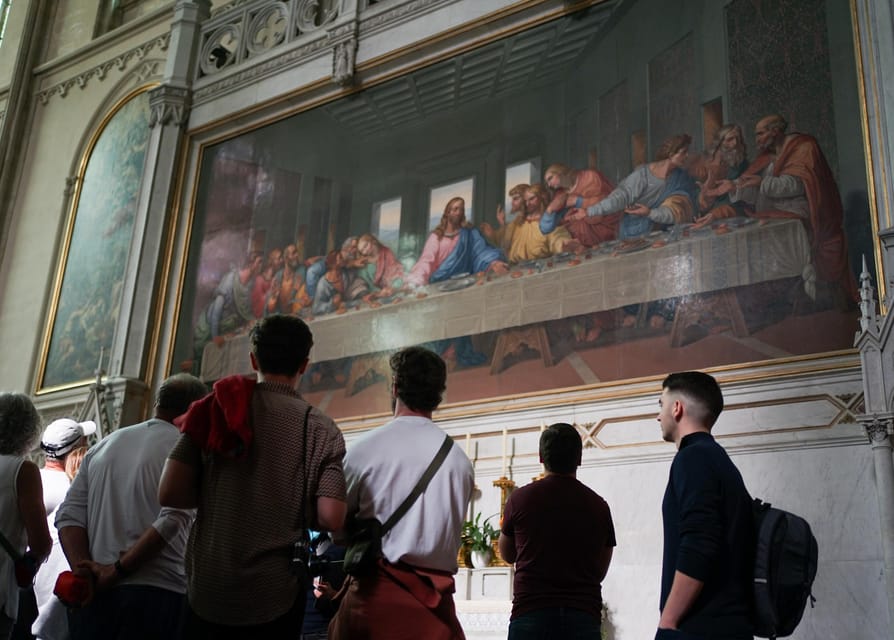
The tour begins at the church area and moves to the Church of the Minorities (Minoritenkirche), where you’ll see the Last Supper mosaic. This is the sort of detail you might miss if you’re just strolling. It’s not the most famous thing in Vienna, but it’s exactly the kind of artifact that makes you feel like you’re seeing more than the obvious postcard stops.
There’s one important caveat. During a mass at the Minoritenkirche, visiting the church is not possible. That doesn’t mean the day is ruined—it just means your access to the interior and the mosaic stop can depend on timing.
If you’re the type who likes your sightseeing to start with something specific and unusual (not just another big square), this is a great opening. It sets a tone for the rest of the walk: you’re learning to notice.
Michaelerplatz and the Hofburg Palace Entrance: Seeing Power Without Going Inside
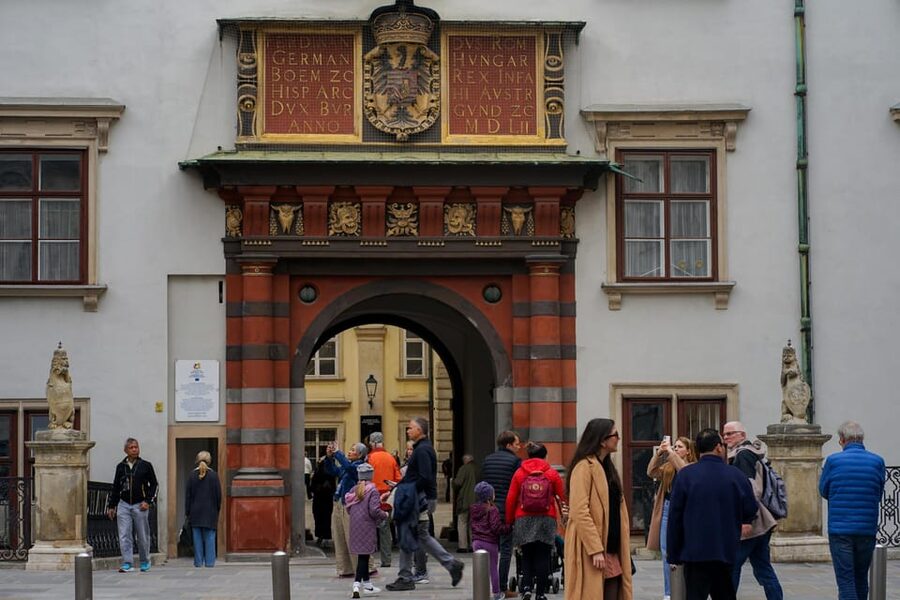
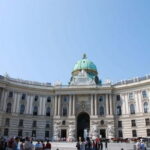
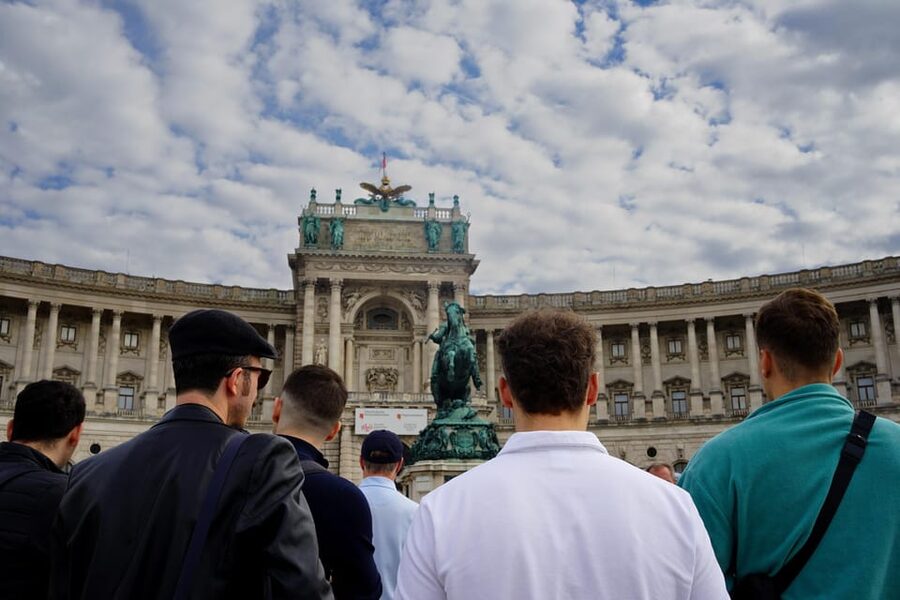
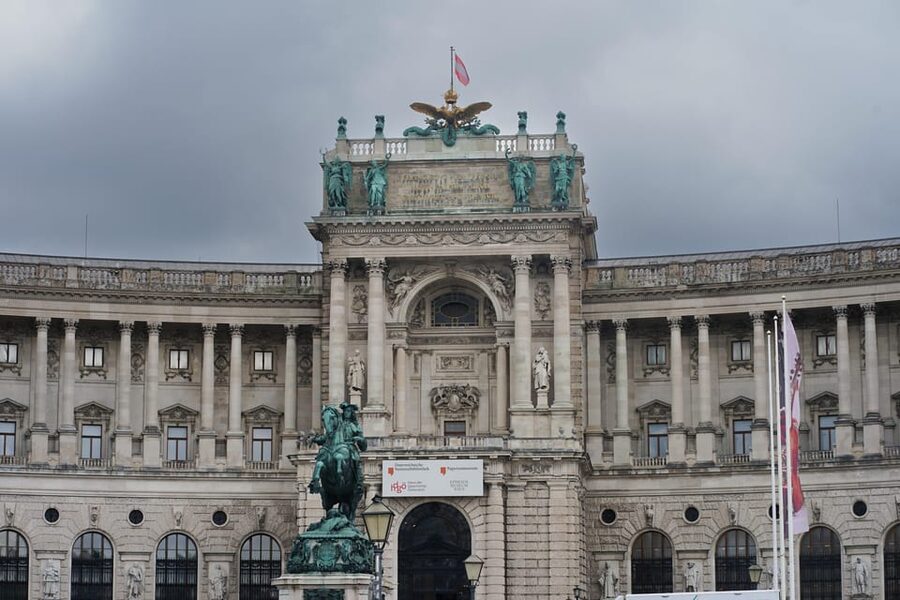
Next you move through the Michaelerplatz area, where you get the grand entrance to Hofburg Palace. Hofburg isn’t just a building; it’s a reminder that Vienna was an imperial capital with serious staying power. Watching how the architecture frames movement—approaches, entrances, viewpoints—helps you understand why this area has always been about ceremony.
The exterior focus is key here. You won’t be doing palace interior tours as part of this experience. Instead, you’ll learn to read the façade, the spatial layout, and the connection between the palace grounds and nearby historic spaces.
A nice practical benefit: this stop is a chance to slow down without committing to long museum time. You can take photos, look for details in the façade, and then keep moving while your guide ties it all together.
Heldenplatz and the Spanish Riding School: Imperial Stories in the Open Air
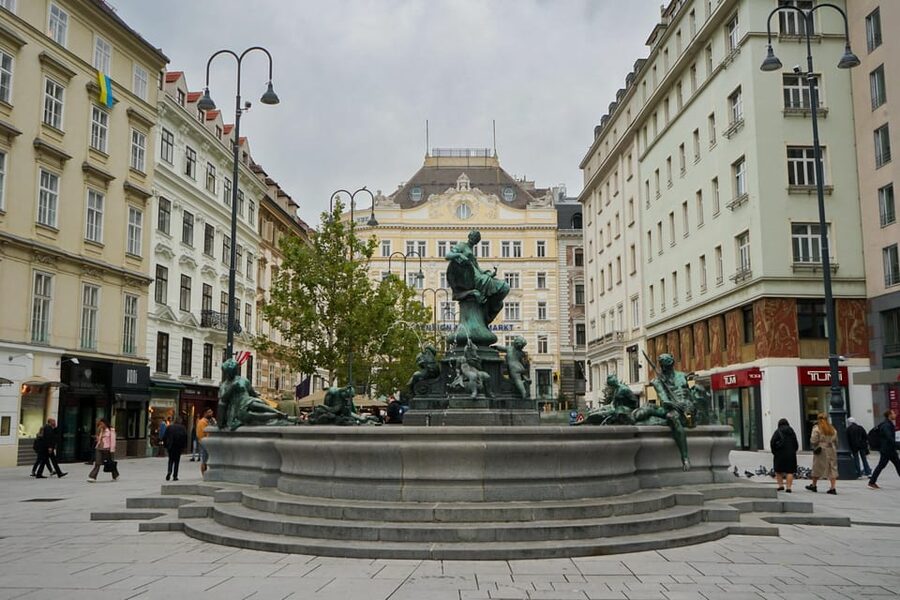
From there, you head toward Heldenplatz and the Spanish Riding School. This section is where the tour’s storytelling really pays off. The Spanish Riding School isn’t just a place for performances—it’s tied to Vienna’s identity around tradition, status, and discipline.
You’ll learn about the history of the Spanish Riding School and get a sense of how it fits into Vienna’s imperial past. Even if you already know a bit about classical riding, hearing how it connects to the larger palace-and-courtyard world makes the whole area feel more coherent.
Heldenplatz also helps you understand scale. Courtyards and plazas can look similar at a distance, but on this walk you’re given enough context to notice the difference between spaces meant for spectacle versus spaces meant for everyday imperial life (and the role buildings played in both).
You can also read our reviews of more guided tours in Vienna
Albertina Museum Exterior Stop: A Shortcut to a Famous Name
At some point you stop by Albertina Museum. Since this is an exterior-only tour, you’re not going inside. But seeing the building from the outside is still useful if you’re curious about what you might want to do later.
Think of this stop as a “future planning” moment. If Albertina is on your must-see list, this gives you a location anchor. And because the tour keeps moving, you don’t end up spending your limited time sitting in line or stuck in one venue.
If you’re not museum-focused, you can treat this as a transition stop—your guide’s history thread moves you forward rather than lingering.
Vienna State Opera: The Symbol You’ll Want to Recognize Later
One of the most satisfying parts of this walk is the Vienna State Opera stop. The Opera is instantly recognizable, and your guide explains why it’s such a symbol of the city’s musical heritage.
You’ll learn about the history of the State Opera area, which helps you look at the building with more than just admiration. Instead of it being only architecture, you start to see it as part of a whole system: performance culture, public identity, and the way Vienna built global reputation through music.
Even if you never plan to buy an opera ticket (and plenty of people don’t on a tight itinerary), knowing what you’re looking at makes the exterior feel more alive. It also gives you a solid starting point for later planning—like whether you want to attend a show or at least do a self-guided look around nearby streets.
St. Stephen’s Cathedral Finish: A Perfect Ending Point for Real Life
The tour ends at St. Stephen’s Cathedral and, practically speaking, that’s a smart finish. It’s a high-energy area with plenty of places to eat and wander next.
Also, this ending timing works. Two hours is enough to see the big highlights without turning your day into a full-day slog. After the tour, you’re already in the right spot to keep going on your own terms—whether that means finding a meal, taking a longer look at the cathedral area, or just doing slow sightseeing while you’re still in “I know what this is” mode.
What You’ll Learn from the Guide: Storytelling That Makes Buildings Click
The guides here are often the difference between a route and an experience. Based on what I’ve seen emphasized again and again in customer feedback, the standout element is how guides turn the walk into a story: not just facts, but connections.
A few names show up frequently in that context, including Michael, Celine, Petra, Karl, and Ivo. The point isn’t celebrity—it’s that the guides are active narrators, not passive walkers. You’ll notice it in how they keep the group moving, how they explain why places matter, and how they give recommendations that help you use the rest of your time well.
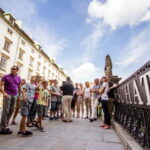
One practical plus: many groups get listening equipment (earpieces/headsets), which helps when the group is larger. That’s not just comfort—it keeps the tour focused, because you’re actually hearing the details instead of guessing.
Practical Tips to Get the Most Out of a 2-Hour Walk
This is a tight schedule, so your best move is to come prepared for real walking.
- Wear comfortable shoes. This is not a sit-and-sip sightseeing style.
- Bring a camera, but also keep time to look with your eyes first. The “wow” moments here often come from noticing details you’d skip alone.
- Dress for weather. The tour operates in all conditions, so layers are smart.
- Plan for the church timing at Minoritenkirche. If there’s a mass, you may not be able to go inside.
If you’re traveling solo, you’ll also be fine. This is set up for both individuals and groups, and there’s private group availability if you want something quieter or more tailored.
Who This Tour Suits Best (And Who Should Skip It)
This tour is a great match if you want:
- A first-day orientation through central Vienna
- A guided route that focuses on exterior landmarks
- Context for the Hofburg/Spanish Riding School/Opera cluster
- A low-stress, time-efficient way to connect sights to stories
It’s less of a match if you:
- Need wheel-chair accessibility or have mobility limits (it’s not suitable for wheelchair users)
- Want a lot of indoor museum time during this specific window
- Are looking for a long, slow tour where you linger at each stop
If you’re doing Vienna in a hurry, this tour acts like a strong backbone. Then you can choose which buildings to revisit for interiors on your own schedule.
Should You Book This Vienna Guided Walking Tour?
I’d book it if your priority is efficient, guided sightseeing of the most recognizable Vienna landmarks—without spending your morning in lines. For $27 for 2 hours, you’re getting a professional guide, a clean route through major exteriors, and a memorable start at the Last Supper mosaic stop.
Skip or reconsider if you want heavy museum time on this day, or if walking is hard for you. Also, if the Minoritenkirche interior access matters most for you, keep in mind that mass schedules can affect entry.
If you want an easy first step into Vienna that leaves you ready to explore on your own, this is one of the better-value ways to do it.
FAQ
How long is the Vienna guided walking tour?
The tour lasts 2 hours.
What does the tour cost?
The price is $27 per person.
Is this tour inside museums or only outside landmarks?
It is exterior-only. No museum entrances are included.
Where do I meet the tour guide?
You meet at Leopold-Figl-Denkmal (in front of the Leopold Figl statue). The alternative directions mention Minoritenplatz, about a 10-minute walk from Stephansplatz, or U3 to Herrengasse station.
Can I always see the Last Supper mosaic at Minoriten Church?
You’ll visit the Last Supper mosaic at Minoritenkirche, but during a mass at the Minoritenkirche, visiting the church is not possible.
What languages are offered for the live guide?
The tour guide is available in German, Italian, and English.
Do I need to bring my own equipment?
You should bring comfortable shoes and a camera. Dress for the weather.
Is the tour suitable for wheelchair users or mobility impairments?
No. It is not suitable for people with mobility impairments or wheelchair users.
Are there any rules about smoking?
Smoking is not allowed.
Where does the tour end?
The tour ends at St. Stephen’s Cathedral.