REVIEW · VIENNA
Vienna: Essential History Walking Tour
Book on GetYourGuide →Operated by Viennatour Herbert Stojaspal · Bookable on GetYourGuide
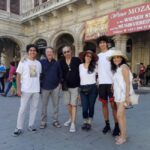
Vienna can feel like one big postcard. This walking tour is the antidote: you walk the center and learn how the city got its shape. I love the small-group pace and the way you connect buildings to real people and decisions.
Two stops in particular made me lock in: the Austrian National Library with its state room and the Albertina, home to the largest graphical collection in the world. The guide also threads in the harder parts of the twentieth century, so the story doesn’t stay decorative.
One consideration: this isn’t a slow stroll for everyone. The tour runs in all weather, and luggage or large bags are not allowed, plus it’s not suitable for people with mobility impairments or kids under 12.
In This Review
- Key things you will notice on this tour
- Where the tour starts: Michaelerplatz and the Loos Haus setup
- Roman Vienna clues at the Michaelerplatz excavations
- Hofburg Palace and Heroes’ Square: power in real size
- The Imperial Treasury: why this visit fits Vienna’s big picture
- Austrian National Library: the state room and the roof symbol
- St. Michael’s Church: Habsburg weddings and the surprising detail
- Albertina area and wartime truth: the city’s second story
- State Opera and the Hotel Sacher vs. Carinthian Gate Theatre
- Neuer Markt and the Providentia Fountain: anecdotes you can carry
- Imperial Crypt: Habsburg burial rituals in context
- St. Stephen’s Cathedral: finish at the city’s landmark
- The guide factor: Herbert, dry humor, and useful photos
- How much walking, and who this works best for
- Price and value: why $34 can make sense
- Practical rules that can affect your day
- Should you book this Vienna Essential History Walking Tour?
- FAQ
- How long is the Vienna Essential History Walking Tour?
- How much does it cost?
- Where do I meet, and how close is it to public transit?
- Where does the tour end?
- Are entrance fees included?
- Is the tour in all weather?
- Can I bring luggage or record video/audio?
- Is it suitable for kids or for mobility needs?
- What if I need to cancel?
Key things you will notice on this tour
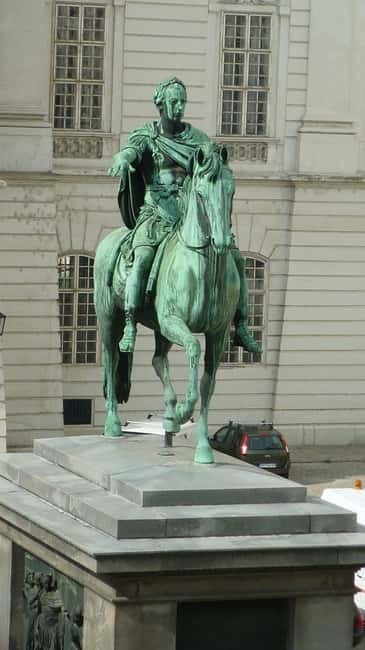
- Imperial Vienna, told in plain language: Hofburg, Heroes’ Square, and the ceremonial core explained without museum-babble
- Library symbolism and Joseph II clues: you’ll learn what the roof symbol means and why the square is named after him
- Habsburg wedding traditions at St. Michael’s: why the groom wasn’t always present at ceremonies
- Wartime memory made visible: the Albertina area and the Monument Against War and Fascism put WWII into focus
- A smart end-point at St. Stephen’s: you finish at Vienna’s landmark, ready to go explore on your own
Where the tour starts: Michaelerplatz and the Loos Haus setup
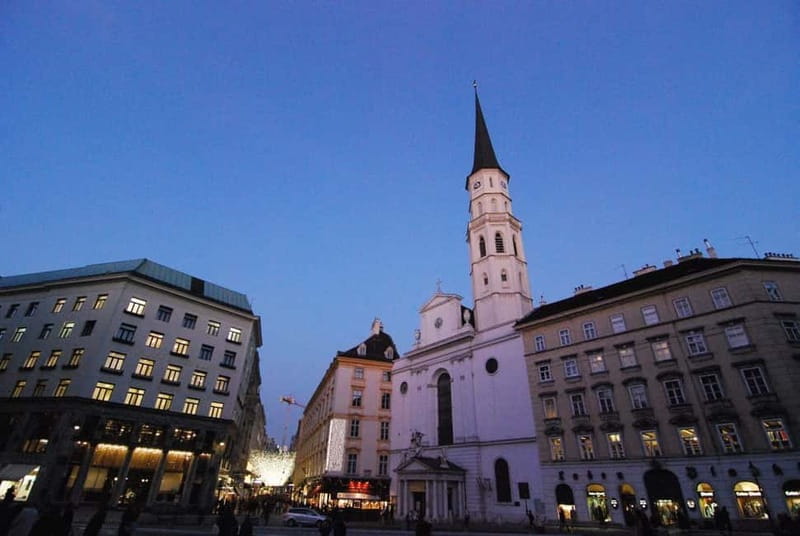
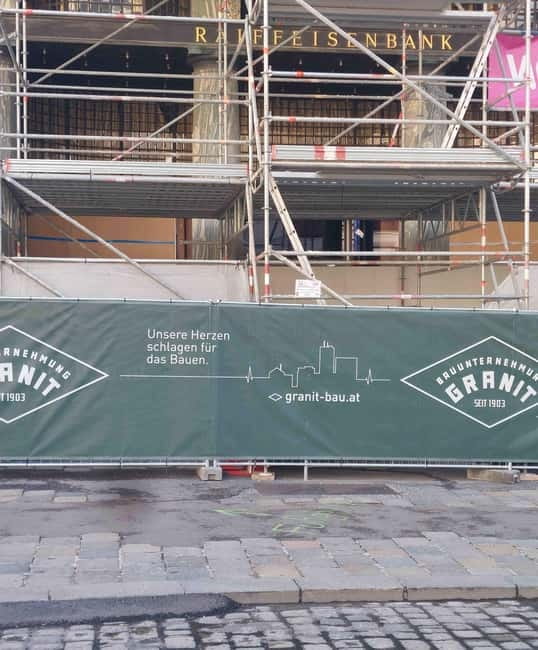
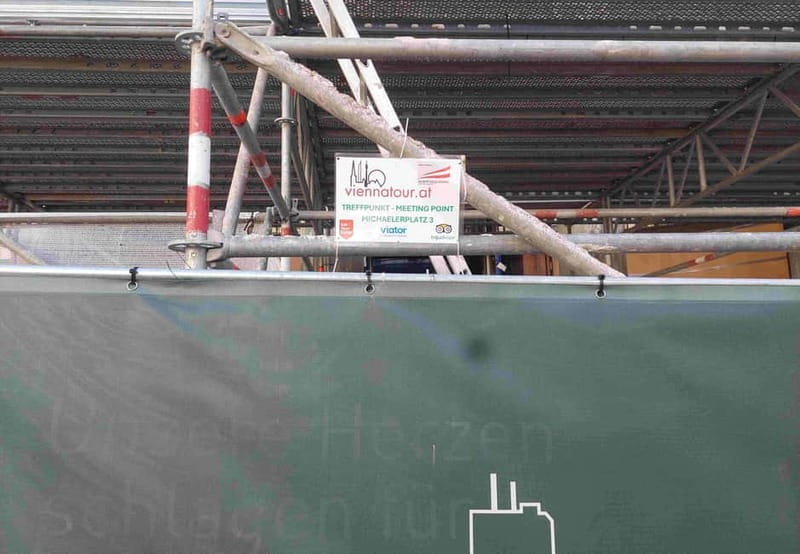
You meet at Loos Haus, Michaelerplatz 3, just a three-minute walk from the Herrengasse metro station on line U3. The meeting spot sits between Kohlmarkt and Herrengasse, and the facade shows the Raiffeisenbank name.
This kind of start matters. If you’re only in Vienna a short time, being dropped right in the historical core means you can build the rest of your day around the same area. Also, the tour is designed for a small group, which usually keeps the pace thoughtful rather than rushed.
You can also read our reviews of more walking tours in Vienna

Roman Vienna clues at the Michaelerplatz excavations
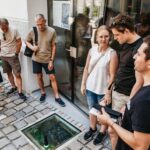
The first guided stop is at the Michaelerplatz excavations, where the tour asks a great question: why would a castle be built here in the first place? That framing is useful because it trains your eye. Instead of seeing “old stones,” you start looking for why power and protection were placed in specific spots.
Roman Vienna can be easy to forget once you’re staring at baroque facades. Here, the guide gives you that missing layer so later stops make more sense. You end up understanding Vienna as a city that keeps rebuilding on top of itself, not just a frozen museum.
Hofburg Palace and Heroes’ Square: power in real size
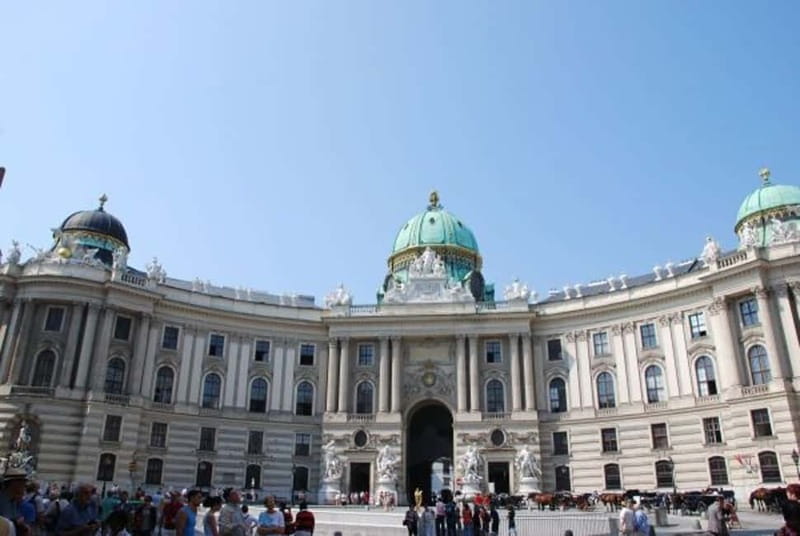
Next comes the Hofburg Palace, then a walk into the scale of Heldenplatz (Heroes’ Square). The Hofburg is not just one building—it’s huge grounds, about 555,000 m², and the tour helps you grasp why that mattered to the rulers who controlled it.
Heldenplatz is where architecture becomes politics. The tour focuses on what’s behind the facades and why certain spaces were designed to impress. You’ll also hear details about important rulers tied to this area, which makes the palace feel less like a backdrop and more like a machine for governing.
If you’re the type who enjoys details—architecture styles, court customs, who had influence where—this part is where the tour gives you that “why does this matter?” feeling. If you prefer totally chronological history, the guide’s approach may bounce between themes, but it stays grounded in what you can see.
The Imperial Treasury: why this visit fits Vienna’s big picture
You’ll also stop at the Imperial Treasury, Vienna. The value here is context. Vienna’s imperial sites can look similar at first glance, so it helps to understand what the treasury represents as a concept: legitimacy, ceremony, and the objects rulers used to project authority.
Entrance fees are not included, so plan for a paid entry if you want the full inside experience at this stop. Even if you don’t go deep into every gallery, the tour guide’s framing helps you know what you’re looking for when you do pay to enter.
Austrian National Library: the state room and the roof symbol
One of the tour’s best practical beats is how it turns a “pretty building” into a story. As you walk past the Austrian National Library and its state room, you learn what the symbol on the roof means and why that signage is tied to the institution’s identity.
This is the moment where I felt the guide’s storytelling skill most clearly. The guide doesn’t just point and name. You get explanations that make the architecture and the naming feel connected to the people who ran the city and culture.
There’s also a stop tied to naming: you’ll find out why the nearby square is named after Emperor Joseph II. That’s useful for independent wandering after the tour—suddenly you can connect street names and squares to rulers, reforms, and the political mindset of the era.
You can also read our reviews of more historical tours in Vienna

St. Michael’s Church: Habsburg weddings and the surprising detail
The tour includes the church where Habsburg weddings were held, identified as St. Michael’s Church in the tour description. It’s significant because this wasn’t casual ceremony; it was dynastic theater tied to alliances and continuity.
A detail I’d treat as a memory hook: the guide explains why the groom was not even present at some weddings. Even if you’ve heard bits about royal marriages before, this kind of human, process-based fact makes it feel real rather than textbook.
Important timing note: this church is closed on Sundays and public holidays. If your trip lands on one of those days, the tour may handle the stop differently, so it’s smart to check your dates before assuming every exterior/interior moment will happen exactly as described.
Albertina area and wartime truth: the city’s second story
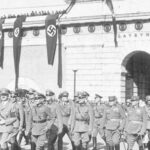
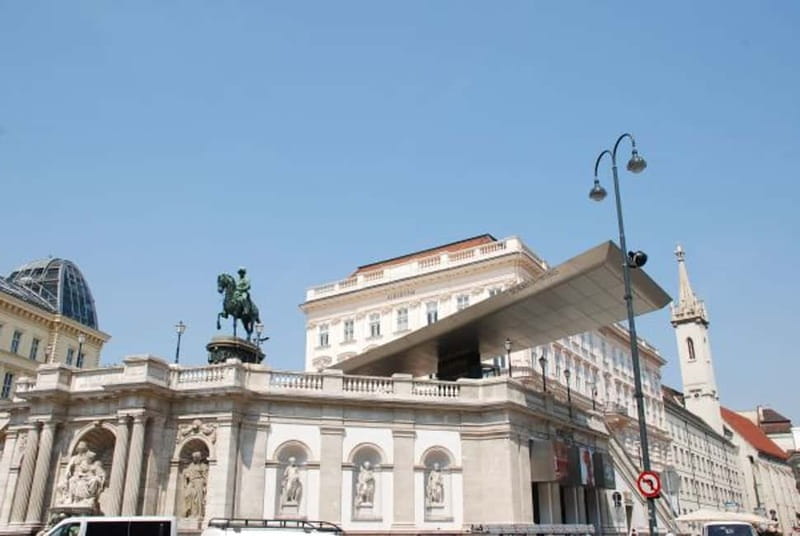
Then the tour pivots into darker territory. You pass the Albertina and the Monument Against War and Fascism, and the guide makes sure you don’t skim over twentieth-century history.
The Albertina stop is not only about art-world prestige. The tour description highlights that the Albertina holds the largest graphical collection in the world, and the guide links the institution and surrounding story to the larger history of Vienna. You’ll also be confronted with what the Second World War did—physically and psychologically—to the city.
This isn’t delivered as doom for doom’s sake. It’s placed alongside monuments and buildings you can actually see, so you understand why remembering matters here. If you want a Vienna that’s honest and not just ornate, this section is a big reason the tour is worth it.
State Opera and the Hotel Sacher vs. Carinthian Gate Theatre
You’ll stop by the State Opera and hear why the Hotel Sacher now stands in place of the Carinthian Gate Theatre. This is a great example of how Vienna changes meaning over time. A site can shift from one cultural function to another, yet the urban footprint stays.
That kind of explanation helps you read the city like a map, not like a collection of famous names. When you walk past places later, you’ll catch the layers: what used to be there, why it mattered, and how modern Vienna inherited older routes and power centers.
Neuer Markt and the Providentia Fountain: anecdotes you can carry
At Neuer Markt, the tour points out the Providentia Fountain and shares anecdotes connected to it. These are the moments that make a walking tour feel alive—small public art, big public meaning.
I like this kind of stop because it rewards attention. You don’t have to hunt for a museum label. The guide turns a visible detail into a story you can remember while you’re still in the neighborhood.
Imperial Crypt: Habsburg burial rituals in context
Next is the Imperial Crypt, where the tour discusses Habsburg burial rituals. Even if you’re not a royalty superfan, this is more than spooky tomb lore. It’s about how dynasties maintained continuity after death, and how ritual helped keep power legible.
This section is also where the guide’s theme-hopping (Roman to imperial to wartime) pays off. You start to see Vienna as a city obsessed with continuity—sometimes noble, sometimes brutal, sometimes both.
St. Stephen’s Cathedral: finish at the city’s landmark
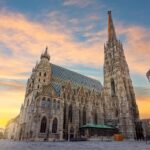
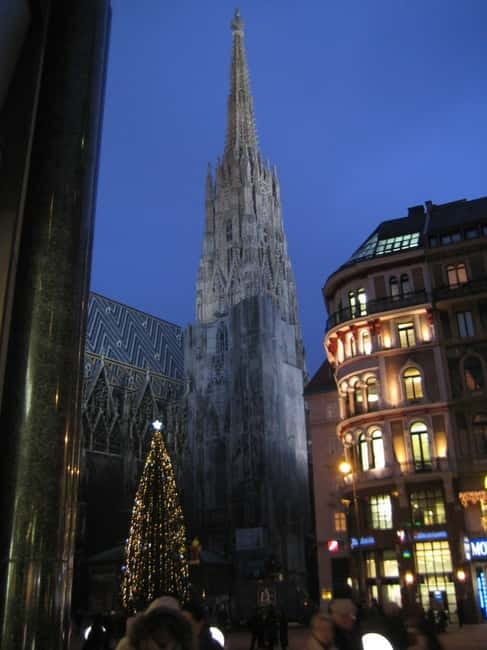
The tour ends at St. Stephen’s Cathedral, the clear landmark of central Vienna. You’ll hear about its partial destruction during the Second World War and—this is the kind of detail I always appreciate—you’ll find out why not everything people learn in school about the cathedral is fully correct.
That finish is ideal for logistics. You’re dropped close to a famous hub and can keep going without needing a long transfer. The tour’s stated drop-off point is Stephansplatz 8A, so you finish in an area that makes it easy to head to lunch, a coffee break, or your next museum stop.
The guide factor: Herbert, dry humor, and useful photos
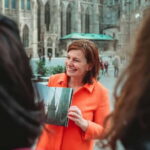
The experience description centers on a local guide, and the guide quality is a major part of why this tour keeps its strength. The tour provider is Viennatour Herbert Stojaspal, and multiple guides have shown a similar style: lots of facts tied to people, with humor that keeps it from turning into lecture mode.
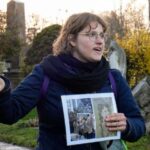
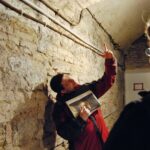
One practical perk that matters: some guides use an iPad with images to show how key places looked in different periods. Even if you don’t catch every visual detail, it helps your brain lock in what the guide is describing while you’re standing in the square.
How much walking, and who this works best for
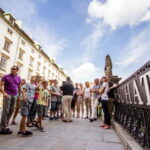
This tour runs 2 hours and focuses on an area you can understand by foot once you’ve learned the city’s “why.” You cover major sites close together, which is useful if you want orientation fast.
It’s designed for adults and older teens—not suitable for children under 12—and it’s not built for people with mobility impairments. If you’re comfortable walking city sidewalks and making short stops for explanations, this is a strong match.
If you’re visiting Vienna for the first time and want a foundation before you pick museums, this tour helps you decide what to see next. You’ll also get recommendations on food and what to try locally; one tip mentioned in guidance included ordering Gemischter Satz, a Vienna wine style that’s worth knowing about early.
Price and value: why $34 can make sense
The price is $34 per person for a 2-hour small-group walking tour, and it includes the local guide. Entrance fees are not included, which is common for tours that mix viewpoints with inside visits.
So here’s how I’d judge the value: for $34, you’re paying for a guided map through a dense pocket of imperial power—Hofburg, Heldenplatz, the library, the Albertina area, and St. Stephen’s—plus context that helps you understand what you’d otherwise skip. If you were trying to self-guide these spots, you’d likely spend time reading and still miss the “why this matters” connections.
If you already plan to pay for inside entries like treasury or library-related spaces, the total trip cost will rise. Still, the guide’s explanations can make that extra spending feel smarter, because you’ll know what to look for when you walk through the door.
Practical rules that can affect your day
A few constraints can shape your experience:
- No luggage or large bags: travel light. This matters most if you’re moving between hotels.
- No video recording or audio recording: plan to take notes or rely on the guide’s explanations.
- The tour runs in all weather: bring a rain layer and something warm if needed.
- Drop-off differs from meeting point: you end at Stephansplatz 8A, which can be convenient if you’re planning to explore nearby afterward.
Should you book this Vienna Essential History Walking Tour?
Book it if you want a fast, high-impact introduction to central Vienna with real context: imperial power, dynastic rituals, and the twentieth century’s shadow all tied to places you can actually see. The small-group feel and the guide’s use of humor and practical explanations are the kind of combo that makes history stick.
Skip it if you need a fully accessible route, are traveling with bulky luggage, or you’re looking for an art-focused experience with lots of time inside galleries. This is history-on-foot: tight, structured, and best for people who want the city’s meaning as much as its sights.
FAQ
How long is the Vienna Essential History Walking Tour?
The tour lasts 2 hours.
How much does it cost?
It costs $34 per person.
Where do I meet, and how close is it to public transit?
You meet in front of Loos Haus, Michaelerplatz 3. It’s about a 3-minute walk from Herrengasse metro station line U3.
Where does the tour end?
The tour finishes with drop-off at Stephansplatz 8A, 1010 Vienna.
Are entrance fees included?
No. Entrance fees are not included.
Is the tour in all weather?
Yes. This tour takes place in all weather conditions.
Can I bring luggage or record video/audio?
No. You can’t bring luggage or large bags, and video recording and audio recording are not allowed.
Is it suitable for kids or for mobility needs?
It’s not suitable for children under 12. It’s also not suitable for people with mobility impairments.
What if I need to cancel?
You can cancel up to 24 hours in advance for a full refund.