REVIEW · CHICAGO
Chicago: Treasures of the Golden Age Walking Tour
Book on GetYourGuide →Operated by Chicago Architecture Center · Bookable on GetYourGuide
Chicago’s skyline turns into a storybook. This walking tour of Chicago’s Loop focuses on the Golden Age of architecture, pairing big landmark views with clear explanations from a Chicago Architecture Center guide. You’ll walk Michigan Avenue and State Street while learning how the city reinvented itself through revival styles and bold design.
I particularly like two things. First, you get a close look at the Chicago Cultural Center and its world-famous Tiffany dome, plus the kind of story that makes civic buildings feel personal. Second, the tour works hard to connect style to purpose, from Beaux Arts and neo-Georgian to neo-Gothic, so you start seeing patterns instead of random pretty facades. Guides such as Doug, Ron, Dan, and Jackeline have strong marks for turning details into easy, fun-to-follow explanations.
One consideration: this is a walking tour with no luggage or stroller storage, and it runs rain or shine. So if you’re traveling with bags or you need frequent mobility support, plan carefully and keep expectations realistic.
In This Review
- Key takeaways before you go
- Start at 111 East Wacker Drive: the CAC exhibits warm-up
- Walking Michigan Avenue and State Street: the Golden Age story in motion
- Chicago Cultural Center and the Tiffany dome: where civic pride shines
- Marshall Field’s to Macy’s on State: architecture for shoppers and status
- Palmer House: a restored 1920s hotel with old-school polish
- Architects you’ll recognize: Burnham, Sullivan, Holabird and Roche
- The guide experience that turns facts into a walkable story
- Price and value: what $35 buys in a nonprofit-powered Loop walk
- Practical tips: ID, no bags, and why comfy shoes are non-negotiable
- Should you book this Golden Age architecture walk?
- FAQ
- How long is the Chicago Treasures of the Golden Age walking tour?
- Where do I check in?
- What does the tour include?
- What are the main buildings featured on the tour?
- Is luggage storage or a coat check available?
- Is the tour wheelchair accessible?
- What should I bring?
Key takeaways before you go
- Chicago Architecture Center start: admission to the CAC exhibits before you head out on the Loop walk.
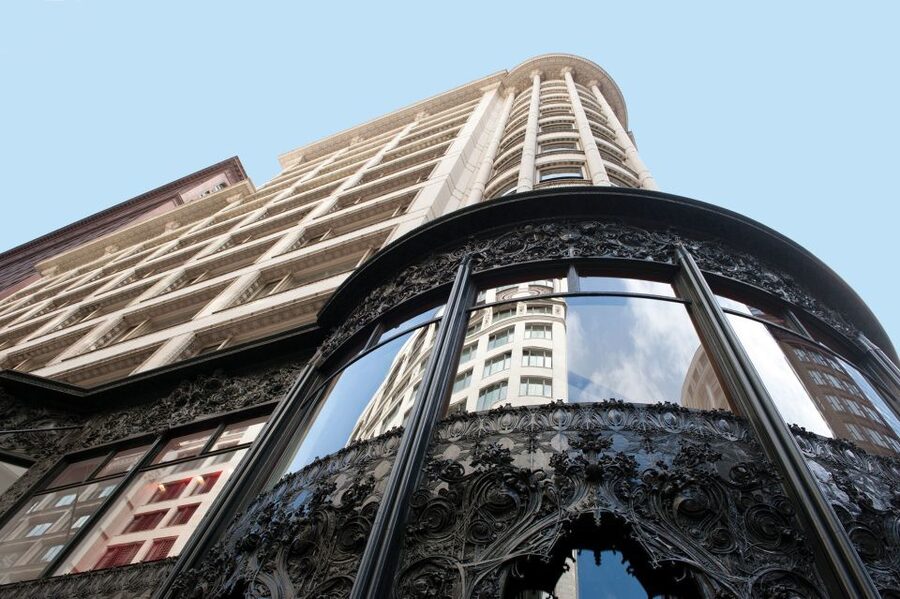
- Golden Age focus: late 1800s through early 1900s, with revival styles like Beaux Arts, neo-Georgian, and neo-Gothic.
- Major stops included: the Cultural Center with the Tiffany dome, Marshall Field’s (now Macy’s) on State, and the Palmer House.
- Architects you’ll recognize: Daniel Burnham, Louis Sullivan, and Holabird and Roche come up as you sight buildings tied to their work.
- Guide quality varies by person, but the bar is high: many guides named in feedback are praised for pacing, humor, and getting people inside when possible.
- Bring an ID and plan for walking: no pets, and no secure storage for luggage or strollers.
Start at 111 East Wacker Drive: the CAC exhibits warm-up
You begin inside the Chicago Architecture Center at 111 East Wacker Drive. Before the walk even starts, the ticket includes admission to CAC exhibits. Think of this as a quick primer so the outdoor buildings don’t feel like a random gallery of stone and steel. It helps you frame what you’re seeing: why these buildings look the way they do, and what Chicago wanted to prove to the world during the Golden Age.
This is also a good place to get your bearings. The Loop can feel like a canyon of towers if you arrive cold. A few minutes with the exhibits makes your next two hours more rewarding because you’re matching visuals to ideas—styles, design goals, and the city’s turning points.
You can also read our reviews of more walking tours in Chicago



Walking Michigan Avenue and State Street: the Golden Age story in motion
The heart of the tour is a guided walk through the Loop, centered on Michigan Avenue and State Street. The timeframe matters here: the late 19th and early 20th centuries are when Chicago was aggressively building an identity as a major cultural metropolis.
Here’s what I like about this approach: the guide doesn’t treat architecture like a museum label. You get a narrative thread—how the city’s ambition after the 1893 World’s Columbian Exposition pushed Chicago toward world-class culture and major public attention. Once that idea lands, the buildings start making more sense. Ornate facades aren’t just decorations; they’re communication.
You’ll also hear about the kinds of cultural buildings Chicago rallied around: museums, department stores, skyscrapers, and concert halls. Even when you’re staring at a bank of windows or a grand entry, you’ll understand the “why” behind it—who the building served and what Chicago was trying to project.
Expect a steady walk with lots of exterior viewing. The tour is built for people who want to learn while moving, not for anyone hoping for a sit-down lecture.
Chicago Cultural Center and the Tiffany dome: where civic pride shines
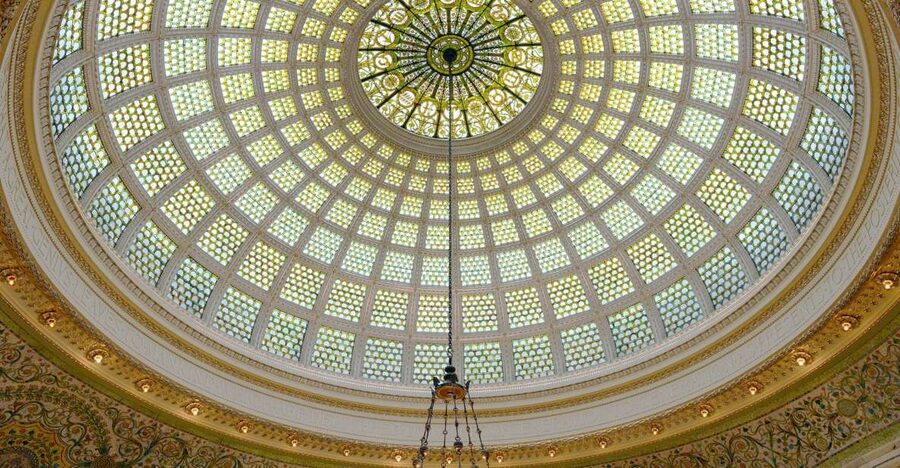
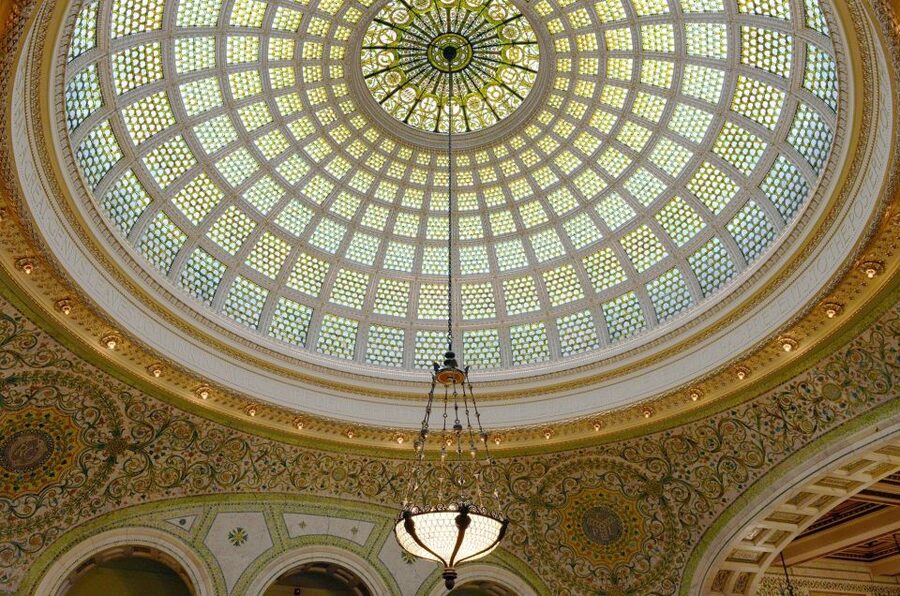
One stop anchors the whole experience: the Chicago Cultural Center. The highlight is the world’s largest Tiffany dome. Even if you’re not a glass-and-metal detail person, this kind of feature changes how you feel about the building. It’s not subtle. It’s meant to impress.
What makes this stop valuable is the balance of awe and explanation. You’ll hear about the Cultural Center as more than a pretty shell. It represents Chicago’s push to put culture on display, and the tour ties that back to the city’s Golden Age ambitions.
Another plus: the tour describes exteriors and interiors of dazzling beauty and startling originality, and feedback repeatedly points out that guides sometimes find ways to get participants into buildings when possible. So the Cultural Center stop is often where that “wow” moment clicks.
Practical note: plan for time inside if the schedule allows, and keep an eye on how long you’ll spend looking up versus moving on—there’s no point rushing past the details that make this dome special.
Marshall Field’s to Macy’s on State: architecture for shoppers and status
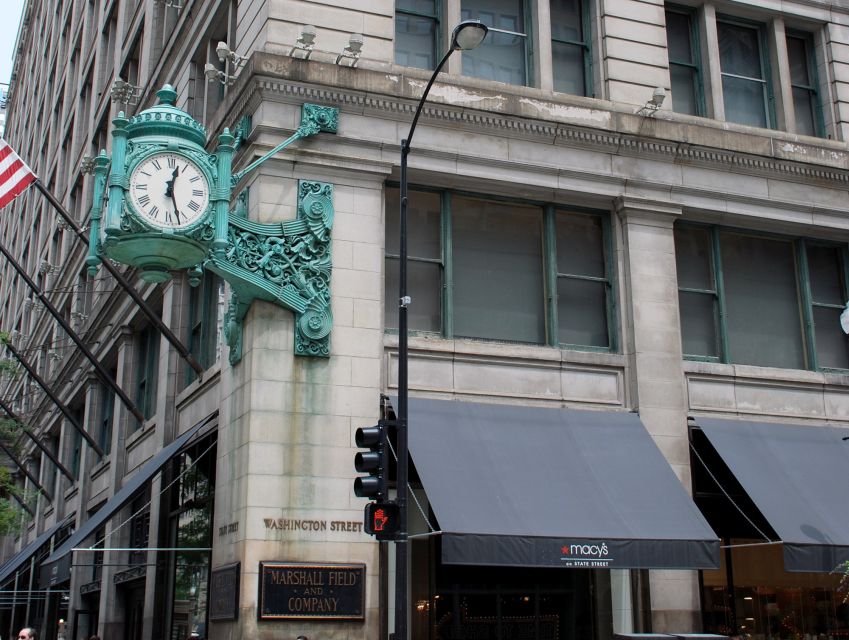
Next up, you’ll visit Marshall Field’s, now Macy’s on State. This is the kind of building that can fool you from a distance. From street level, a department store looks like a storefront with grand columns or a decorative entrance. Up close, it reads like a statement of who Chicago expected itself to become—an important city with money, taste, and foot traffic worth designing for.
The tour frames department-store architecture as part of the same cultural push as libraries, museums, and performance spaces. That connection matters. You start noticing how the design supports movement, visibility, and prestige. Even if you’re not buying anything, the building is doing work: guiding people and signaling importance.
Also, this stop is one reason the tour is more than an exterior photo walk. The experience is set up to include glimpses inside some beloved buildings, so you can see how the architecture changes once you’re within the space.
Palmer House: a restored 1920s hotel with old-school polish
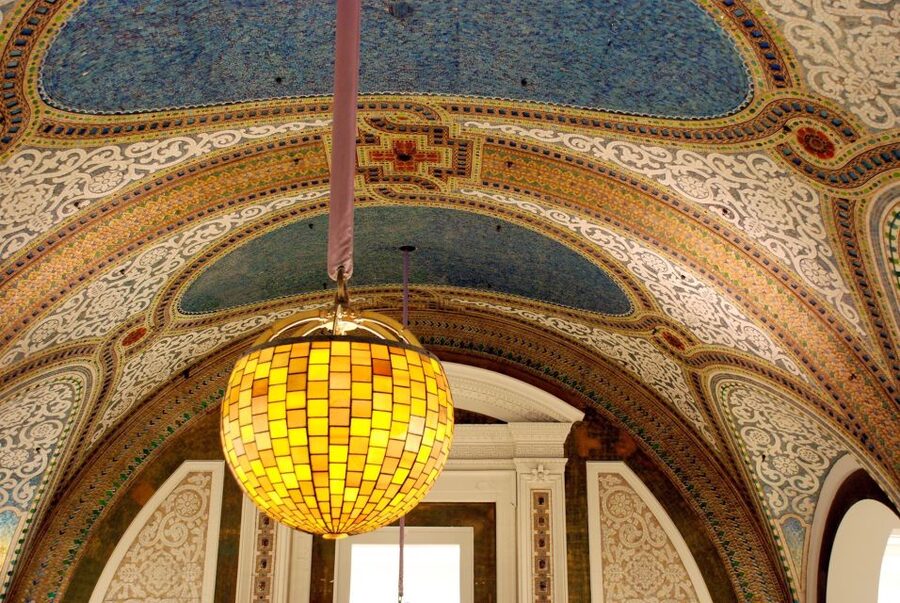
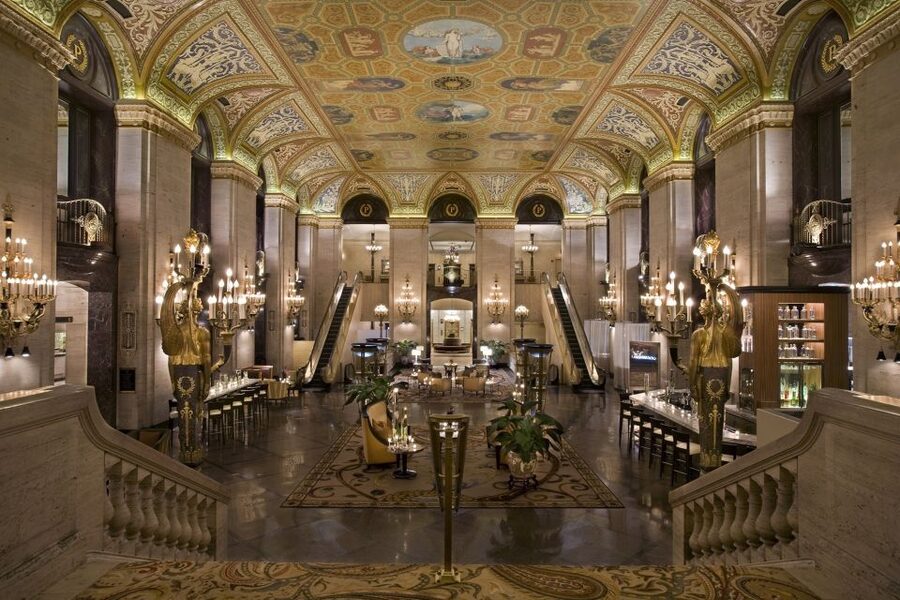
The tour includes the Palmer House, highlighted as a beautifully restored hotel from the 1920s. Hotels are underrated architecture subjects because they blend practicality with image. They’re not just built for rooms; they’re built for arrivals, business meetings, celebrations, and status.
What I like about including Palmer House is how it expands your view of the Golden Age. Yes, you’re seeing public culture and shopping grandeur. But you’re also seeing Chicago’s hospitality architecture—how the city hosted visitors and shaped first impressions.
Restoration is part of the story here, too. A restored building isn’t a dead relic; it’s a working reminder that these designs still influence how spaces feel today. If you’re the type who watches for the difference between preserved original details and newer updates, this stop gives you a natural opportunity to notice that.





Architects you’ll recognize: Burnham, Sullivan, Holabird and Roche
As you walk, the guide points out connections to major architects tied to this era—Daniel Burnham, Louis Sullivan, and Holabird and Roche. You don’t need to know names before you go, but you do need the “how to look” that the guide provides.
Here’s the mental trick I recommend you use: don’t chase every ornament. Instead, look for the building’s design logic.
- Is it organized like a classical composition (symmetry, grand base, and a framed crown)?
- Does it emphasize vertical lift (taller lines that make the building feel like it reaches upward)?
- Does it blend structural expression with decorative flair?
The tour ties these cues to the era’s revival styles—Beaux Arts, neo-Georgian, neo-Gothic—and to Chicago’s own drive to compete on the world stage. Once you learn that vocabulary, you’ll spot it again later as you wander on your own.
The guide experience that turns facts into a walkable story
A huge share of the success comes down to the guide. The feedback you have here is very consistent: guides are praised for being engaging, approachable, and effective at explaining complex ideas in plain language.
Names show up again and again: Doug is repeatedly singled out for teaching without making it feel dry. Ron earns compliments for being both knowledgeable and approachable. Paul S and Dan are praised for mixing historical tales with personal anecdotes. Jackeline and Maureen are praised for passion and clarity, with Maureen described as giving information in a natural way rather than a rehearsed script. Ingrid is noted for using a microphone system so people could wander and still hear the guide.
Also pay attention to pacing. A couple comments mention the pace staying appropriate, with time to process questions. That matters on a walking tour. Too fast feels like sightseeing-by-speedrun. Just right feels like you’re learning without rushing your own thoughts.
If you’re doing architecture after a busy day of museums or shopping, this tour’s guide-led rhythm is what keeps it fun instead of exhausting.
Price and value: what $35 buys in a nonprofit-powered Loop walk
This tour is listed at $35 per group (up to 1). For a two-hour, guide-led architecture walk with included admission to CAC exhibits, that price is fairly straightforward: you’re paying for expert interpretation plus access to the start-up material that prepares you to understand what you’re seeing.
But there’s another value layer that’s easy to miss: Chicago Architecture Center runs as a certified nonprofit, and ticket purchases directly support local education initiatives. The tour description calls out programs like Girls Build!, Teen Fellows, and the Newhouse Architecture + Design Competition. It also notes that support helps keep Open House Chicago free for participants over time.
So even if you’re just in town for a weekend, you’re not only buying a nice walk. You’re funding architecture education that targets real students, not just abstract goodwill.
Bottom line: if architecture is even a little bit your thing, or you want a smarter way to appreciate Chicago beyond skyline photos, this tends to be good value.
Practical tips: ID, no bags, and why comfy shoes are non-negotiable
A few practical points can make or break the experience.
- Bring your passport or ID card.
- Plan for walking. Multiple comments mention it’s a lot of walking, so wear comfortable shoes.
- Don’t bring pets.
- Skip luggage. There’s no secure storage for luggage or strollers, and there’s no coat check.
Weather is another reality check. The tour runs rain or shine and doesn’t offer refunds due to weather. That doesn’t mean you should show up unprepared. Bring a rain layer you’ll actually wear, and keep your day flexible.
One more thoughtful note: some feedback points out that guides sometimes help create warmth by getting inside when conditions are rough. That’s reassuring, but it also reinforces that you should dress for the street, not the office lobby.
Should you book this Golden Age architecture walk?
Book this tour if:
- You want a guided way to understand Chicago’s Golden Age building boom, not just look at famous facades.
- You’re excited by revival styles like Beaux Arts, neo-Georgian, and neo-Gothic.
- You like tours where the guide helps you recognize architects and design patterns as you walk.
- You’d enjoy pairing the Loop stroll with a quick start at CAC exhibits.
Consider skipping if:
- You need luggage or stroller storage (the tour can’t provide it).
- You have mobility constraints that make a walking schedule hard to manage.
- You’re expecting a short, low-footprint stop-and-go experience rather than an active walk.
If you’re on the fence, I’d choose this when you want structure: a clear route, meaningful stops, and guide-led storytelling that makes Chicago’s architecture feel like a living conversation.
FAQ
How long is the Chicago Treasures of the Golden Age walking tour?
The tour lasts 2 hours.
Where do I check in?
Check in inside the Chicago Architecture Center at 111 East Wacker Drive, Chicago, IL 60601.
What does the tour include?
It includes 2-hour walking tour, admission to the Chicago Architecture Center exhibits, and a Chicago Architecture Center certified guide.
What are the main buildings featured on the tour?
The highlights include the Chicago Cultural Center (with the Tiffany dome), Marshall Field’s (now Macy’s on State), and the Palmer House, plus other major Golden Age landmarks in the Loop.
Is luggage storage or a coat check available?
No. The tour does not provide secure storage for luggage or strollers, and there is no coat check.
Is the tour wheelchair accessible?
The activity is marked wheelchair accessible, but it also notes that it is not suitable for people with mobility impairments, so it’s worth checking the fit for your needs.
What should I bring?
Bring a passport or ID card.