REVIEW · CAIRO
Old Cairo Guided Walk Tour: History, Culture & Street Bites
Book on GetYourGuide →Operated by OceanAir Egypt · Bookable on GetYourGuide
Bab al-Futuh is where Cairo’s story starts. This Old Cairo guided walk stitches together Fatimid, Ottoman, and Mamluk landmarks with real street-level life, plus snack stops. I love how the route mixes big “I’ve heard of that” names with places that explain everyday Cairo, not just monuments. I also like that the day ends with street bites instead of ending on an empty stomach. One consideration: it’s a walking tour, with stairs and uneven streets, so you’ll want comfortable shoes.
The flow is simple: you start at Bab al-Futuh, get guided mosque and architecture time, then you move onto El Moez Street and finish in Khan el-Khalili’s market chaos. In the reviews, guides like Nahed and Randa stand out for keeping things funny, organized, and calm—especially in the souk—so you don’t feel lost. A possible drawback: if you’re expecting a long sit-down meal or a very relaxed pace, this is more “walk, look, learn, eat,” not a day of lingering.
In This Review
- Key highlights I’d circle first
- Why This Old Cairo Walk Feels Like Time Travel
- Meeting at Bab al-Futuh: The Right Starting Line
- Al-Hakim Mosque: Big Fatimid Energy, Quiet Courtyard Time
- Bayt al-Suhaymi: Ottoman Cairo Through a House, Not a Monument
- El Moez Street: The Medieval Street You Walk for the Details
- Sultan Barquq Mosque and the Qalawun Complex: Mamluk Craft Up Close
- Sultan Barquq Mosque
- Qalawun Complex
- Al-Nasir Faraj Ibn Barquq Mosque Complex (Mosque & Khanqah): A Moment of Stopping
- Al-Hussein Mosque: The Calm Pause Before the Souk
- Khan el-Khalili Bazaar: Shopping With a Plan and Street Food Included
- Street food stop: what’s on the plate
- Value for $31: What You’re Actually Getting
- Tour Logistics That Affect Your Comfort
- Who This Tour Fits Best (and Who Might Want Another Option)
- Should You Book This Old Cairo Guided Walk?
- FAQ
- Where is the meeting point for the tour?
- How long does the tour take?
- What’s included in the price?
- Is hotel pickup available?
- What street food might be included?
- What languages are the guides?
- What should I wear?
- Is the tour suitable for wheelchair users?
- FAQ
- Where is the meeting point for the tour?
- How long does the tour take?
- What’s included in the price?
- Is hotel pickup available?
- What street food might be included?
- What languages are the guides?
- What should I wear?
- Is the tour suitable for wheelchair users?
Key highlights I’d circle first
- Bab al-Futuh at the start, setting the tone for Islamic Cairo’s old city walls
- Al-Hakim Mosque with massive minarets and a peaceful courtyard break
- Bayt al-Suhaymi showing traditional Ottoman domestic life, not just exterior views
- El Moez Street for the street-level architecture that shaped medieval Cairo
- Sultan Barquq Mosque and the Qalawun Complex for Mamluk-era design details
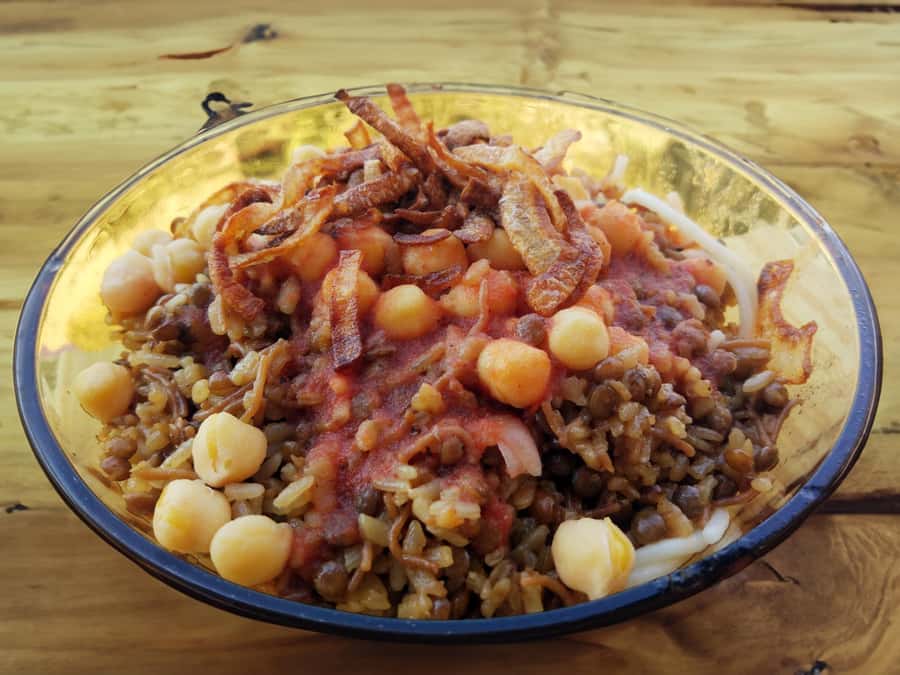
- Khan el-Khalili plus street food like koshary or Egyptian pie
Why This Old Cairo Walk Feels Like Time Travel
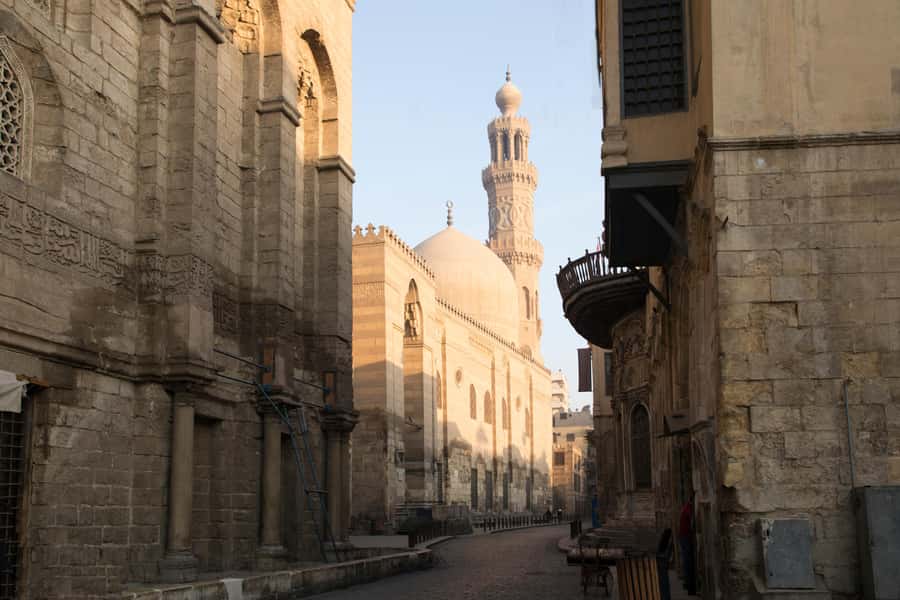
Old Cairo can feel like information overload when you go alone. Streets are narrow, signs are inconsistent, and the buildings all look similar until someone explains what’s what. This guided walk helps you get your bearings fast, because you’re moving in a clear sequence from major gates to signature religious complexes and then into the markets.
What makes it work is the mix. You’re not only ticking off famous mosques—you’re also learning how different periods shaped Cairo’s look and how that history still affects how people live, trade, and pray today. If you like architecture and street culture, you’ll enjoy how the tour slows down just enough at each stop for you to notice details you’d otherwise miss.
Another reason I like it: you build momentum and then reward it. The day starts with the city walls and big sacred spaces, then transitions into a real stroll down one of Cairo’s most important medieval streets, and finally ends with market browsing and snacks.
Meeting at Bab al-Futuh: The Right Starting Line
The tour starts at Bab al-Futuh, one of the main gates of Cairo’s ancient walls. Starting here matters. Instead of jumping straight into a mosque, you first understand the old city’s boundaries—how movement entered Cairo and how the city organized itself long ago.
This also shapes the walk. From the gate, you’re gradually pulled deeper into Islamic Cairo, so each next stop feels connected rather than random. If your group is picked up from a hotel in Cairo or Giza (optional), you’ll still end up meeting at Bab al-Futuh, which keeps the experience consistent for everyone.
Al-Hakim Mosque: Big Fatimid Energy, Quiet Courtyard Time
Your next major stop is Al-Hakim Mosque, one of Cairo’s oldest and largest Fatimid mosques. The highlight here is the scale—massive minarets and historic stone walls—and the way the courtyard offers a calmer pocket inside a busy city.
What you should look for is how the architecture communicates power and purpose. Fatimid-era building style shows up in the mosque’s monumental feel, but it’s also meant for real religious life. So even if you’re not focused on religious studies, you’ll still get something useful: a sense of how sacred space was designed to hold both ceremony and daily use.
The practical takeaway: plan for a few minutes of “switching modes.” Outside can be noisy and chaotic; inside, you’ll want to slow your pace and observe.
Bayt al-Suhaymi: Ottoman Cairo Through a House, Not a Monument
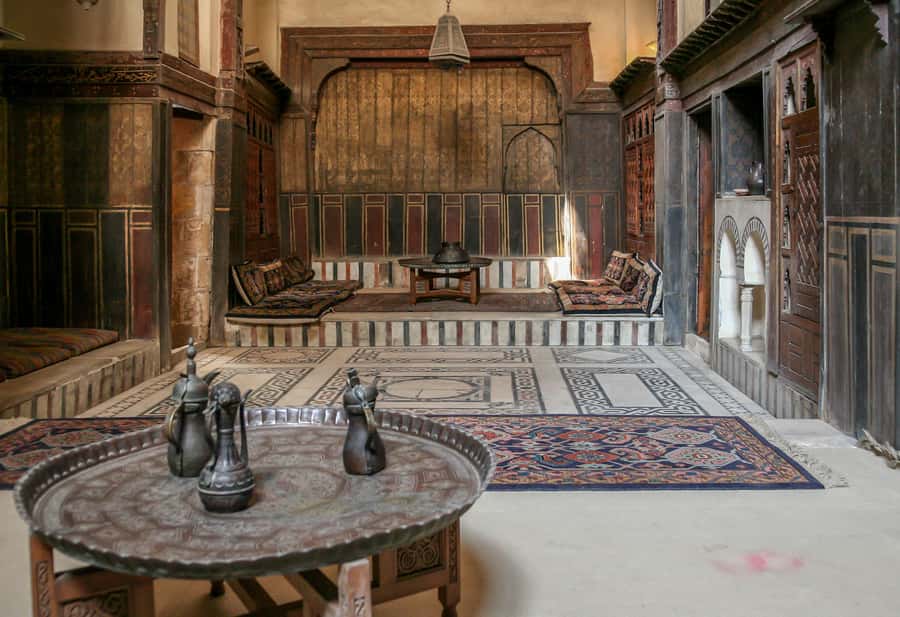
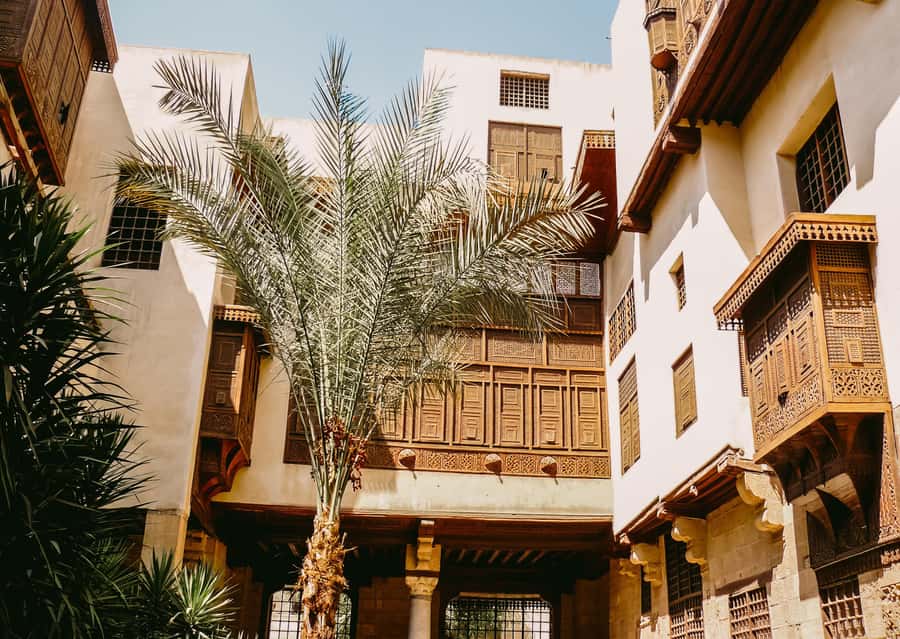
Next comes Bayt al-Suhaymi, a stunning 17th-century Ottoman residence. This is a smart change of pace after mosques. You’re no longer looking only at religious architecture—you’re seeing how a well-to-do family’s home was planned and how space worked for daily living.
The value here is perspective. Mosques tell you what was public. A traditional home tells you what was private: how rooms relate to each other, how courtyard life works, and how Ottoman design expressed taste and function. If you enjoy cultural context, this stop is the one that tends to make Old Cairo feel human rather than just impressive.
Also, this is a good moment for questions. Guides often connect the building style to how people lived—so you’ll get more than photo ops.
El Moez Street: The Medieval Street You Walk for the Details
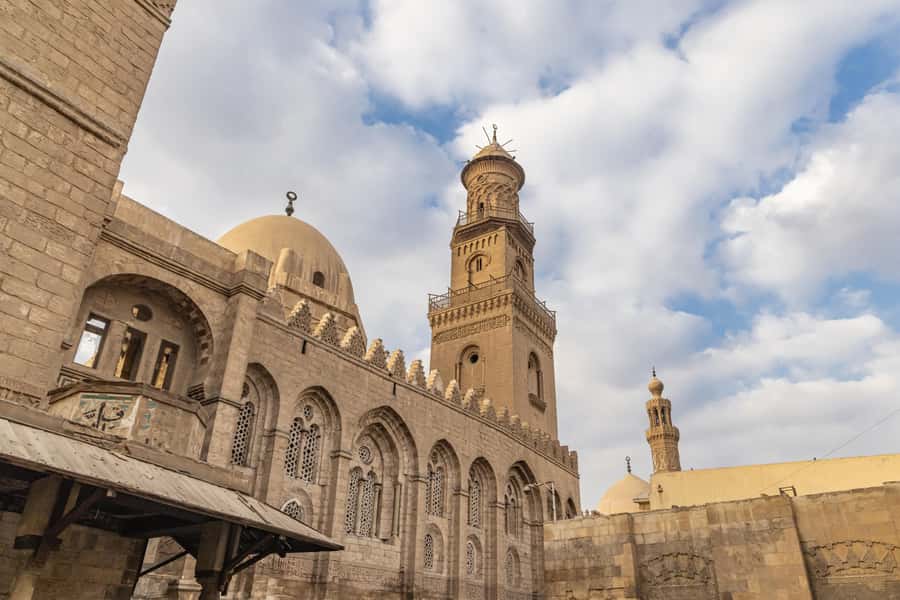
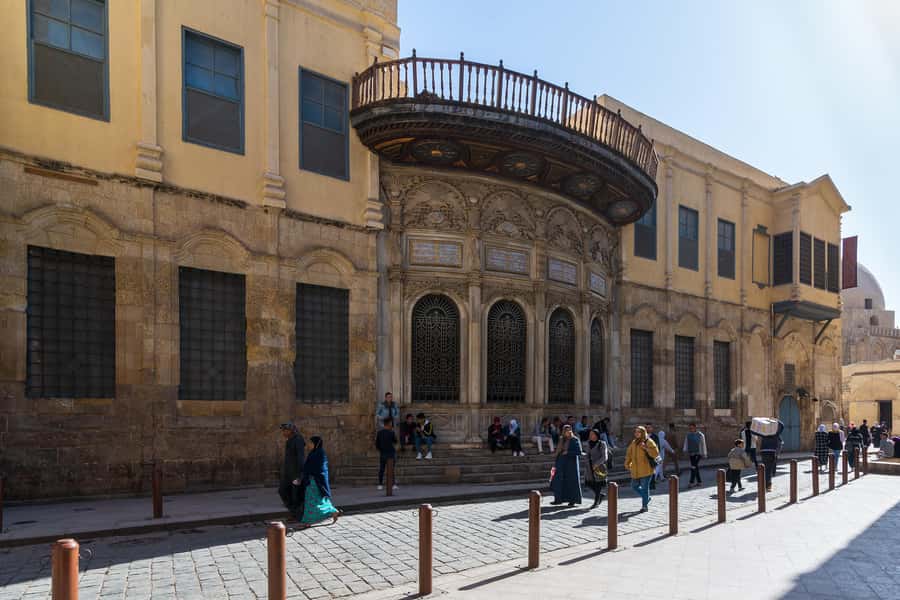
Then you stroll El Moez Street, a historic corridor lined with preserved Islamic architecture. This is where the tour starts to feel like a walk through a timeline. Buildings aren’t just “there”—they represent how Cairo grew and how architectural styles overlapped.
Expect the street to be busy. You’ll pass local vendors and cafés while the stonework and façades keep pulling your eyes upward and sideways. The guided part helps you understand why the street matters beyond being scenic. You’re seeing how a major artery became a stage for faith, scholarship, and commerce.
One consideration: you’ll want to move at the guide’s pace. If you fall behind, you’ll miss the explanations that tie the architecture together.
Sultan Barquq Mosque and the Qalawun Complex: Mamluk Craft Up Close
After El Moez Street, the tour leans into grand design with two linked stops: Sultan Barquq Mosque and the Qalawun Complex.
Sultan Barquq Mosque
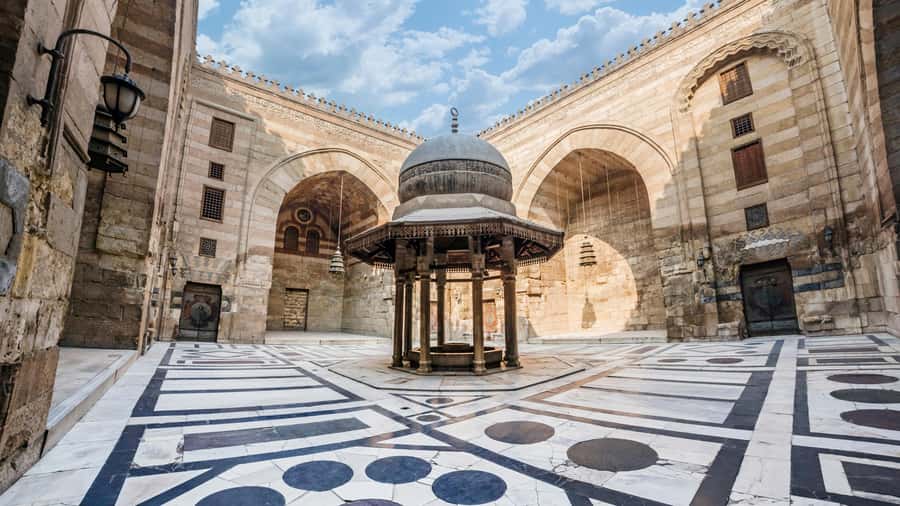
Sultan Barquq Mosque is known for elaborate Mamluk design. It’s also more than a single-purpose building. It served as a mosque, madrasa, and Sufi lodge—so you’re looking at a site designed to support worship, learning, and spiritual life under one roof (or complex).
If you’re the type who likes “how do they build that” details, this is one of your best photo-and-observation windows. Look for the intricate patterns and the way the complex communicates its status.
Qalawun Complex
Right beside it is the Qalawun Complex, which houses a mosque, a madrasa, and a mausoleum. This stop is useful because it shows how medieval Cairo treated education and memory as part of the same landscape.
The quick mental model I’d use: mosques anchor faith, madrasas anchor learning, and mausoleums anchor legacy. Seeing them together makes the city’s design logic easier to read.
Al-Nasir Faraj Ibn Barquq Mosque Complex (Mosque & Khanqah): A Moment of Stopping
The route includes the Mosque & Khanqah of Al-Nasir Faraj Ibn Barquq before you head to Qalawun Complex and then the final spiritual stop at Al Hussein. This is another site that supports that “more than one function” theme common in Cairo’s medieval building tradition.
It’s also a good “breather” stop in the middle. By the time you’ve walked El Moez Street and taken in multiple complexes, your legs will notice it. A short guided visit helps you rest while you still get something meaningful.
Al-Hussein Mosque: The Calm Pause Before the Souk
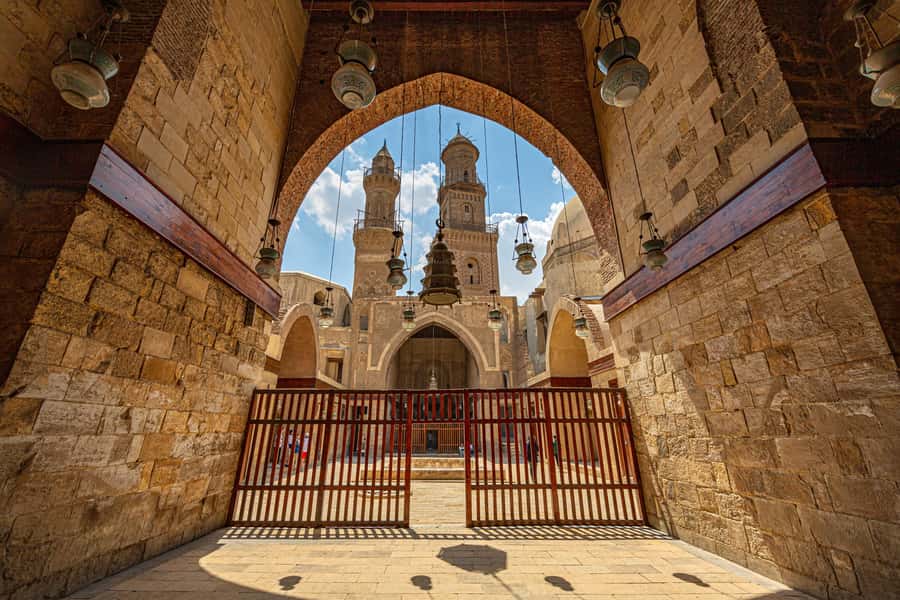
At the heart of Islamic Cairo is Al-Hussein Mosque. The tour ends the main spiritual segment here. You get a moment of quiet and reflection before the market energy ramps up again.
This stop works for two reasons:
- It changes the vibe from “architecture sprint” to a slower, more contemplative space.
- It puts the rest of the day into context—because the market that follows isn’t just shopping. It’s part of the same city rhythm where faith and daily life overlap.
If you’re sensitive to crowds, this is also where your guide’s timing matters.
Khan el-Khalili Bazaar: Shopping With a Plan and Street Food Included
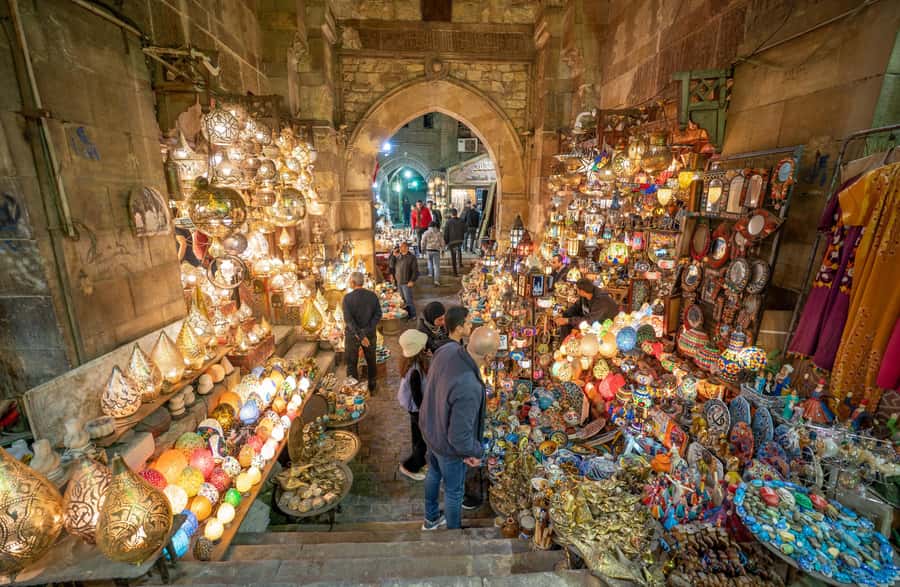
Then comes Khan el-Khalili Bazaar—spices, jewelry, textiles, souvenirs, and the kind of street energy you either love or find exhausting.
This is where a good guide really pays off. In the reviews, guides like Nahed and Randa are praised for helping people avoid getting hassled and for giving practical advice on how to handle market interactions. You’ll likely get tips on how to browse without losing your patience or your place in the group.
Here’s what you should do before you arrive with your wallet: decide what you actually want. The market offers a lot, but you’ll enjoy it more if you pick one or two categories—spices for a fun souvenir, or a small textile item—rather than trying to shop everything.
Street food stop: what’s on the plate
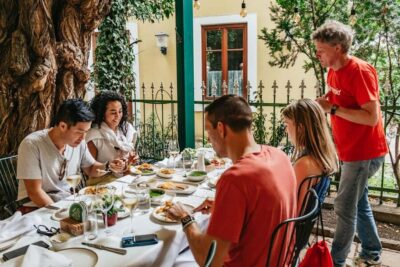
The tour includes local snacks and a street-food finish. Options you might get include:
- Zalabya or Halabessa (or similar street snacks)
- Authentic koshary or Egyptian pie
In the reviews, the pizza-style Egyptian option (and the koshary) comes up as a highlight—so this isn’t just a token bite. It’s the right end to a long walk.
Value for $31: What You’re Actually Getting
At $31 per person for 3–4 hours, this tour is priced like a budget day that still includes a lot. The value isn’t only the attractions. It’s the package.
Included features that matter:
- Entrance fees to the sites
- A professional Egyptologist guide
- Bottled water
- Snacks plus street food at the end
- Service tax included
- Optional hotel pickup and drop-off within Cairo or Giza city limits
When you add it up, you’re paying less than you’d typically spend if you hired a guide for just one or two sites and then paid entrances on your own. And because you’re guided through multiple connected areas—gate, mosques, a historic street, a major bazaar—you’re buying time and clarity.
One more value point: the reviews consistently mention guides who help people feel safe and move smoothly through the market. That’s not a “nice extra.” It’s part of what makes the day work.
Tour Logistics That Affect Your Comfort
This walk is designed for people who can handle city streets. A few practical notes from the tour rules and what people experience:
- No baby strollers, luggage, or large bags. Keep it light.
- Wear loose clothes that cover shoulders, arms, legs, and knees.
- Bring or wear a scarf for religious sites as needed (recommended).
- You’ll want comfortable shoes. Streets can be rough, and you may encounter stairs.
- Bring sunscreen and a hat, plus water even though bottled water is included.
- The route sequence can change if a site is closed.
Also, note the language list: French, Spanish, English, Arabic, German. If you’re choosing between languages, prioritize whoever you can follow with ease. The explanations are a big part of the payoff.
Who This Tour Fits Best (and Who Might Want Another Option)
This tour is a great match if you:
- want an Old Cairo introduction without studying on your phone all day
- enjoy mosques and architecture but want context tied to everyday life
- like street culture and markets, and can enjoy them with a guide at your side
- want a guided plan that includes street bites at the end
It’s less ideal if you:
- need wheelchair-friendly access (the tour is not suitable for wheelchair users)
- prefer minimal walking or very relaxed pacing
- want large, long meals instead of snack-sized stops
Should You Book This Old Cairo Guided Walk?
Yes—if your goal is to see Old Cairo in a way that makes sense. Starting at Bab al-Futuh, then moving through Al-Hakim Mosque, Bayt al-Suhaymi, the El Moez Street stretch, Sultan Barquq and Qalawun, and ending at Al-Hussein Mosque and Khan el-Khalili is a strong route for first-timers.
I’d especially recommend it if you value a guide who can handle the human side of the markets—keeping you oriented, explaining what you’re seeing, and helping you enjoy the bazaar without getting overwhelmed. If you’re comfortable walking for a few hours, you’ll likely find this one of the best-value ways to turn Old Cairo from a blur into something you can actually remember.
FAQ
Where is the meeting point for the tour?
Meet your guide in front of Bab al-Futuh.
How long does the tour take?
The duration is 3 to 4 hours.
What’s included in the price?
Entrance fees, a professional Egyptologist guide, bottled water, local snacks, street food (koshary or Egyptian pie), and all service tax are included.
Is hotel pickup available?
Pickup and drop-off from your hotel in Cairo or Giza are available if you book the pickup option.
What street food might be included?
You may get authentic koshary or Egyptian pie, plus local snacks such as zalabya or halabessa (or similar).
What languages are the guides?
Guides are available in French, Spanish, English, Arabic, and German.
What should I wear?
Wear loose clothes covering shoulders, arms, legs, and knees. A scarf is recommended/needed for religious sites.
Is the tour suitable for wheelchair users?
No, the tour is not suitable for wheelchair users.
FAQ
Where is the meeting point for the tour?
Meet your guide in front of Bab al-Futuh.
How long does the tour take?
The duration is 3 to 4 hours.
What’s included in the price?
Entrance fees, a professional Egyptologist guide, bottled water, local snacks, street food (koshary or Egyptian pie), and all service tax are included.
Is hotel pickup available?
Pickup and drop-off from your hotel in Cairo or Giza are available if you book the pickup option.
What street food might be included?
You may get authentic koshary or Egyptian pie, plus local snacks such as zalabya or halabessa (or similar).
What languages are the guides?
Guides are available in French, Spanish, English, Arabic, and German.
What should I wear?
Wear loose clothes covering shoulders, arms, legs, and knees. A scarf is recommended/needed for religious sites.
Is the tour suitable for wheelchair users?
No, the tour is not suitable for wheelchair users.