REVIEW · TOKYO
Tokyo: Dark Side of Tokyo Shinjuku Red Light Walking Tour
Book on GetYourGuide →Operated by Localized Walking & Food Tours · Bookable on GetYourGuide
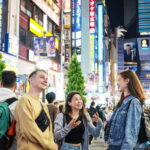
Neon Tokyo has a darker side. This Shinjuku night walk takes you past the lights and stories of Kabukicho, including stops like Omoide Yokocho and Golden Gai, with practical food and nightlife recommendations along the way. What I like most is how the guide helps you read the district instead of just watching it, and how the route mixes iconic Tokyo views with smaller alley atmospheres. One thing to consider: the meeting point can be tricky in Shinjuku, and you’ll want to arrive on time.
You’ll spend about 2 hours walking through major entertainment areas in Shinjuku, guided in English or Spanish. Expect a mix of modern neon streets and quieter cultural moments, including a shrine stop that gives your brain a quick reset before you head back into the after-dark noise.
In This Review
- Key highlights you’ll feel fast
- Shinjuku at night: why this walk works as your Tokyo bearings
- Where the 2-hour route actually takes you
- Omoide Yokocho: the alley stop that teaches you how Tokyo eats at night
- Kabukicho: neon, history, and the real reason people come here
- Golden Gai: micro-bars, big personality, and an easy plan for your next hour
- Hanazono Shrine: the calm contrast you didn’t know you needed
- 2 Chome at night: where the guide’s recommendations really pay off
- Guides in the spotlight: how Dani, Gray, Loc, Polina, Huy, and Daichi shape the night
- Price and value: why $29 is really about time saved
- Meeting point reality check in Shinjuku (don’t get stuck outside)
- Who should book this Shinjuku night tour
- Should you book the Dark Side of Tokyo Shinjuku walking tour?
- FAQ
- What is the duration of the Tokyo Dark Side of Tokyo Shinjuku Red Light Walking Tour?
- Where does the tour start and how are meeting points handled?
- What stops are included during the walk?
- What languages is the guide available in?
- Can I bring alcohol or drugs on the tour?
- Is there an age limit?
Key highlights you’ll feel fast
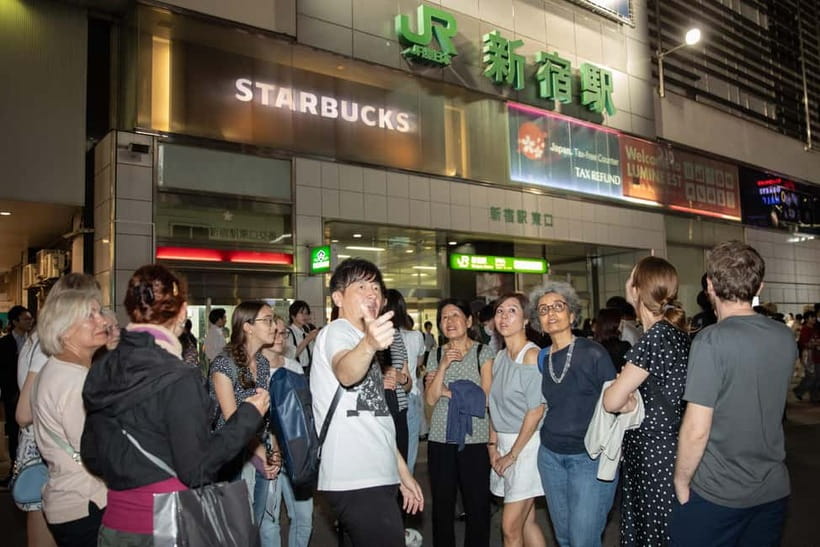
- Kabukicho after dark: big entertainment district energy, plus context for what you’re seeing
- Omoide Yokocho alley feel: time-tested, narrow-street Tokyo night dining vibes
- Golden Gai micro-bars: small spaces with big personality
- Hanazono Shrine pause: a calm contrast to the neon streets
- Food and drink recommendations: so you know where to go after the tour
- Guides with personality: guides like Dani, Gray, Loc, Polina, Huy, and Daichi are praised for humor and clear answers
Shinjuku at night: why this walk works as your Tokyo bearings
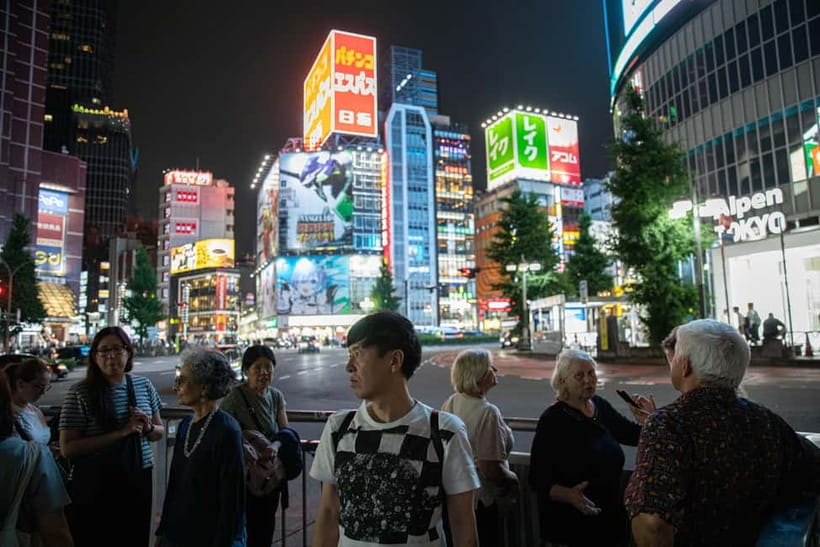
Shinjuku’s nightlife is the kind of place where you can look around for hours and still miss what matters. This tour helps you “get your bearings fast” by pointing out what’s going on in each pocket of the district and why it looks the way it does. You’re not just chasing neon—you’re learning how Japanese nightlife culture flows across different streets and venues.
I especially like the “start here” structure. You begin in a major transit area, then move into the densest entertainment zones, with short guided stops that keep the energy high and the pace manageable. If it’s your first night in Tokyo, that can be a big deal: Shinjuku is famous, but it’s also confusing if you’re wandering alone.
You can also read our reviews of more walking tours in Tokyo

Where the 2-hour route actually takes you
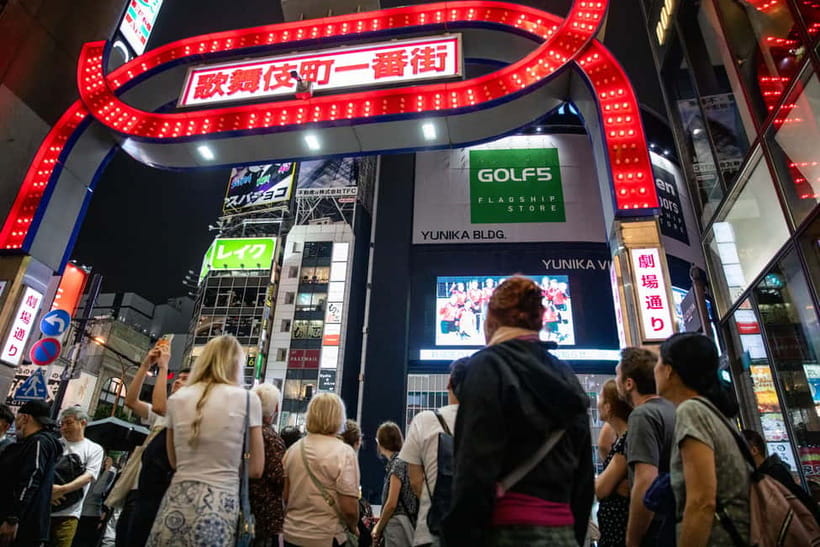
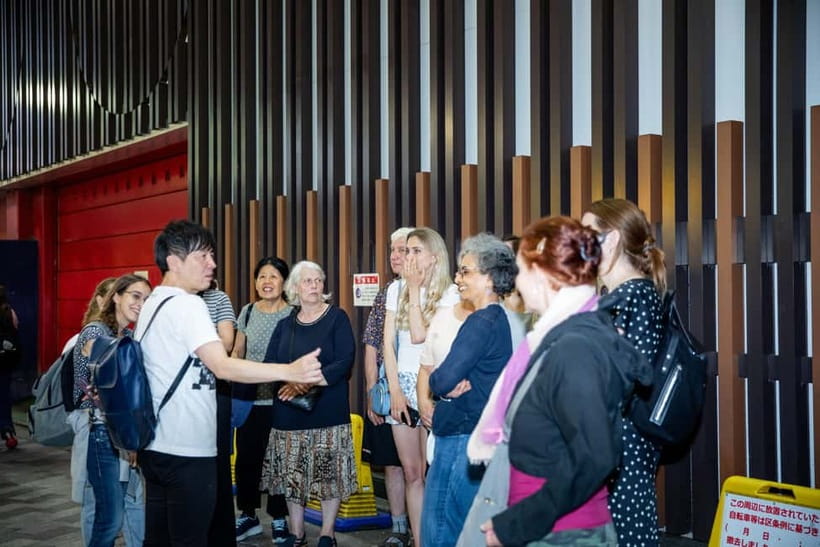
This is a 2-hour guided walking tour with a set flow through Shinjuku’s nightlife zones. You’ll get a brief orientation at the start, then a sequence of stops that cover different “moods” of the area.
Here’s the practical outline of what you’ll do:
- A short guided start (about 10 minutes) around the meeting point area
- Omoide Yokocho (about 20 minutes): famous alley energy and night-dining atmosphere
- Kabukicho (about 40 minutes): the main entertainment hub, with neon streets and entertainment complexes
- Golden Gai (about 20 minutes): a more compact, character-heavy nightlife area
- Hanazono Shrine (about 20 minutes): a cultural pause in the middle of the night scene
- 2 Chome (about 20 minutes): another slice of Shinjuku nightlife to help you plan what comes next
Drop-off happens at either Shinjuku Golden-Gai or 3 Chome, depending on the option booked. That’s helpful because you can continue exploring where you feel most interested, instead of backtracking.
Omoide Yokocho: the alley stop that teaches you how Tokyo eats at night
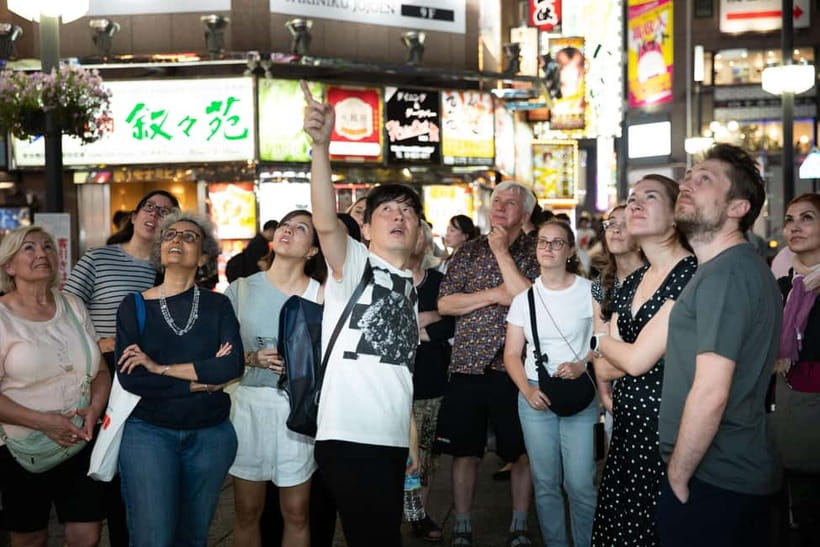
Omoide Yokocho is one of those places where the setting does half the job. Narrow alley streets, packed night energy, and food culture that feels local rather than staged. You’re there long enough (about 20 minutes) to understand the vibe and notice the types of spots people line up for.
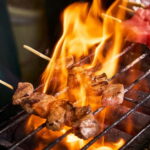
What this stop gives you is direction. Guides tend to share which kinds of places to look for—simple, quick options, classic comfort foods, and where you might want to return after you finish the walk. In the reviews, people mention getting immediate leads on places to eat right after the tour, including okonomiyaki and ramen suggestions. Even if you don’t eat during the walk, you’ll leave knowing what to search for once you’ve got your appetite.
Practical note: this isn’t a sit-down included-meal tour based on what’s provided. Plan to eat either before or after, and let the guide’s recommendations narrow your choices.
Kabukicho: neon, history, and the real reason people come here
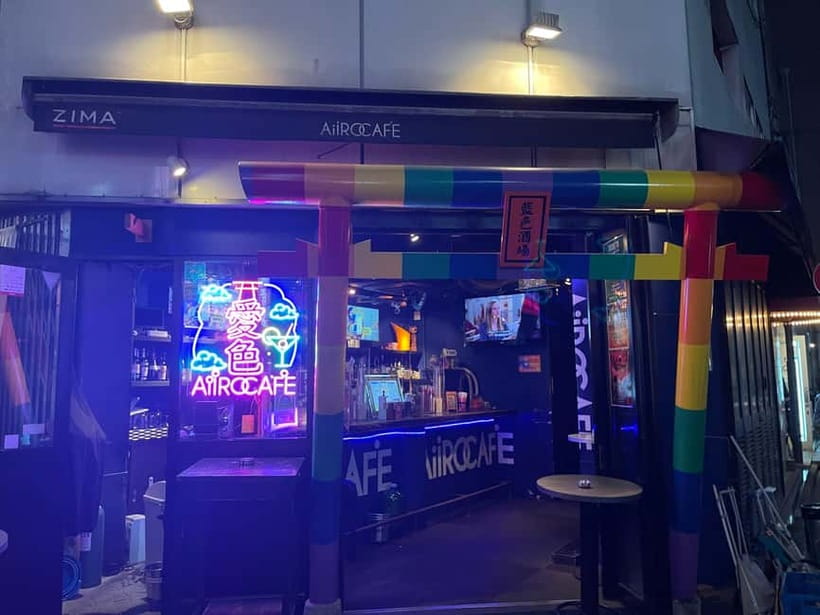
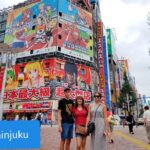
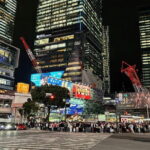
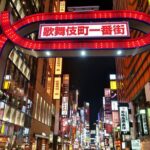
Kabukicho is Shinjuku’s big entertainment district, and this tour gives it the time it deserves (about 40 minutes). You’ll walk through major streets and see how the area blends modern high-rises with nightlife venues packed into smaller pockets.
What I like is the framing. The tour doesn’t treat Kabukicho like a random neon theme park. You get context for how it evolved from its red-light district roots into today’s mixed-use nightlife destination. That matters because if you only look at the signs, you can miss the shift in what the area represents now.
You’ll also see a fascinating mix of traditional and contemporary Tokyo, and the guide shares cultural significance and stories that help the place feel legible. People specifically praise the guides for explaining Japan’s nightlife culture, not just walking you past it.
One consideration: Kabukicho is intense. If you’re the type who hates crowds or prefers quiet sightseeing, you may find the energy a lot. The good news is that the tour keeps moving, and the other stops (like the shrine) offer contrast.
Golden Gai: micro-bars, big personality, and an easy plan for your next hour
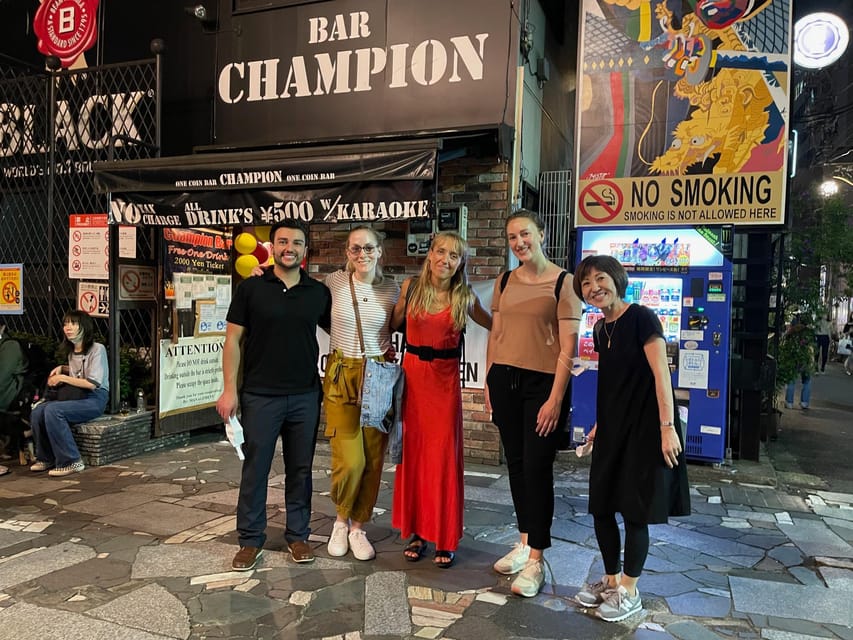
Golden Gai is where Shinjuku gets smaller and stranger—in a good way. Think clusters of tiny venues, close together, where the street feels like a maze of doors and conversations. You’re there for about 20 minutes, which is long enough to notice the patterns and understand why people love this area for bar-hopping.
The value of this stop isn’t just the photos. It’s what the guide helps you do next. You’ll get drink and food recommendations, plus guidance on what to look for so you’re not wandering blindly once the tour ends. Several reviews mention guides pointing people toward excellent ramen or helping them find specific spots afterward.
Also, it’s a good moment to reset your expectations. Kabukicho feels large-scale; Golden Gai feels intimate. That mix is part of what makes Shinjuku work as a nightlife choice.


Hanazono Shrine: the calm contrast you didn’t know you needed
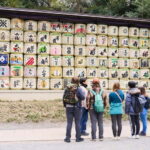
Right in the middle of the night districts, you’ll stop at Hanazono Shrine for about 20 minutes. This is one of my favorite types of travel stops because it changes the pace without taking you away from what you came for.
Even if you don’t go deep into rituals, the shrine stop gives you a breather from neon and crowds. It also reinforces a key idea the tour is working toward: Shinjuku is not only entertainment; it’s a place where cultural landmarks and everyday Japan exist side by side.
If you’re taking photos, this is also a good time to step back and compose shots without the strongest signage glare. Use the time to slow down, look around, and then head back into the energy with clearer focus.
2 Chome at night: where the guide’s recommendations really pay off
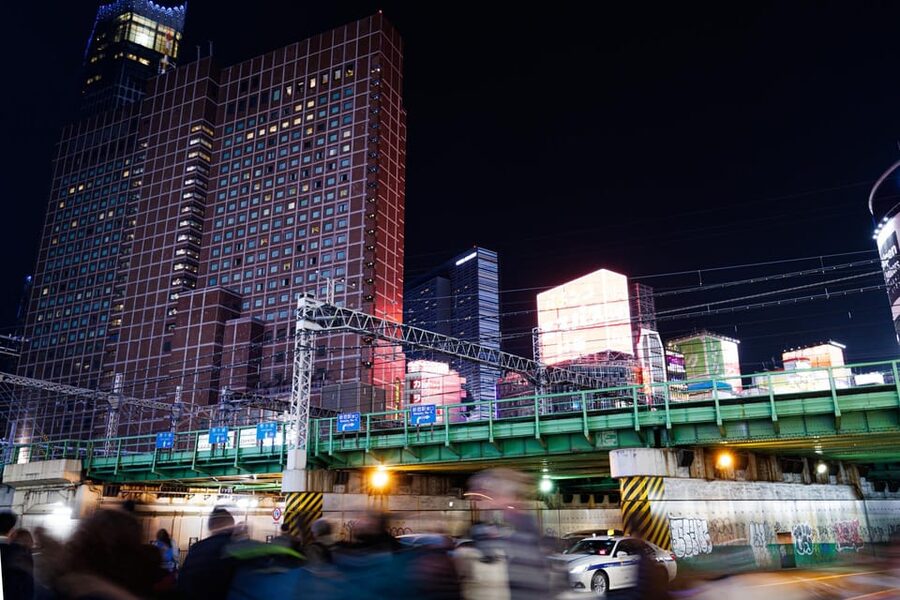
The final entertainment area is 2 Chome (about 20 minutes). This stop rounds out the tour by showing you another set of streets and nightlife options, so you can make a smarter decision about where to go once you’re done with the guide.
This is also where the guide’s personality and storytelling start to matter most. In multiple reviews, people highlight guides being funny, friendly, and quick to answer questions. You’ll get help figuring out where your interests fit—food first, a casual drink, a more unique bar vibe, or just learning how people move through the district.
Important boundary to know: alcohol and drugs are not allowed during the tour. That doesn’t mean you can’t enjoy the night scene; it just means you’re there to learn, walk, and plan your own next steps, not to drink along the route.
Guides in the spotlight: how Dani, Gray, Loc, Polina, Huy, and Daichi shape the night
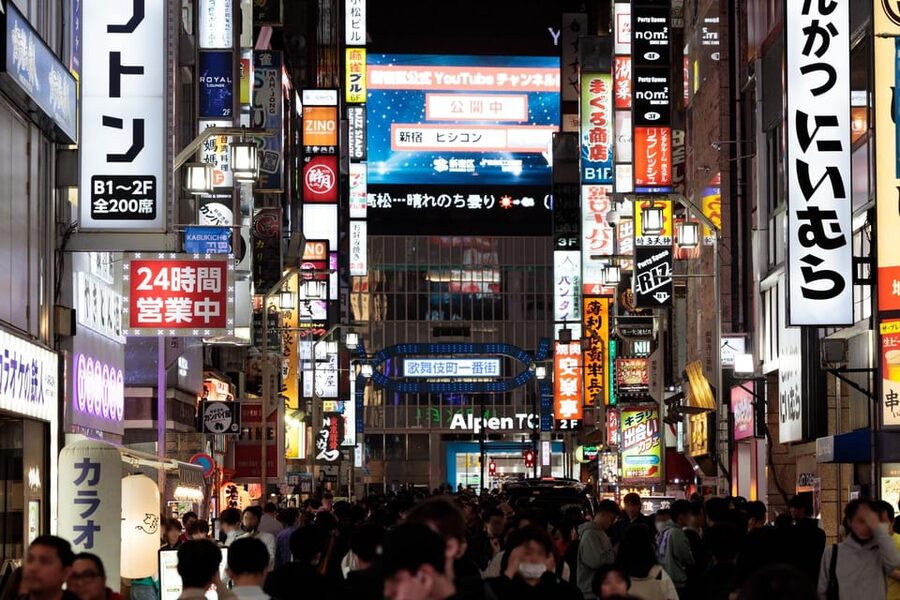
A walking tour can either be a route—or a story you can actually use. The biggest pattern in the praise is how the guides connect details to real decisions: where to eat, how to understand what you’re seeing, and what’s worth your time.
Here are a few examples of what stands out from guide styles mentioned:
- Dani/Danny/Dany: praised for jokes and for food recommendations that people act on immediately
- Gray: praised for clear communication, deep understanding of Japan, and engaging conversation
- Loc: praised for strong storytelling and practical local insight
- Polina: praised for organization and answering lots of questions
- Huy: praised for humor and relevant facts
- Daichi: praised for passion and cultural context, including the “big picture” of Shinjuku nightlife
You’ll also be with live guides in Spanish or English, depending on the booking. That matters if you want more than surface-level facts—these guides are described as responsive and happy to talk.
Price and value: why $29 is really about time saved
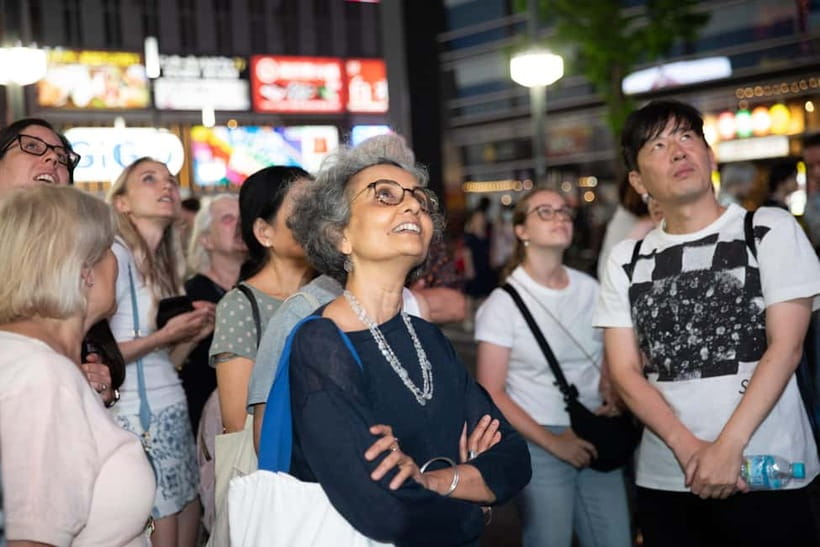
At $29 per person for about 2 hours, you’re paying for two things: a guided route through multiple districts, and someone who can explain what you’re looking at while pointing you toward good food and drink options.
If you were doing Shinjuku nightlife on your own, you’d likely spend extra time just figuring out where each area begins and what each place is best for. This tour compresses that learning into a short walk, with stops that each represent a different side of the district. The guide’s recommendations also add value because they help you avoid the trial-and-error stage—especially for food.
Also, price feels fair because the tour is focused. It’s not a long day plan with lots of “maybe see this” moments. You get a set route: Omoide Yokocho, Kabukicho, Golden Gai, Hanazono Shrine, and 2 Chome, plus a helpful hand for what to do after.
Meeting point reality check in Shinjuku (don’t get stuck outside)
Shinjuku Station is one of the biggest stations in the world. That means the meeting point matters a lot.
You’ll meet at one of two options:
- Shinjuku Tourist Information Center
- Shinjuku Station East Exit Police Box
If you’re on your first day in Tokyo, don’t treat that like a casual “I’ll arrive when I arrive” situation. The info provided is clear: meeting point can be difficult to find, and they do not wait for late customers.
My advice: give yourself extra walking time inside the station area, and aim to arrive early enough that you’re not scanning for signs while stressed. Once you’re with the group, the rest of the night tends to feel smooth.
Who should book this Shinjuku night tour
This tour is best if you want:
- a clear overview of Shinjuku’s nightlife areas in a short amount of time
- food and drink direction for after the walk
- a guide-led way to understand red-light district history and modern nightlife culture
- a mix of neon streets plus a cultural stop at Hanazono Shrine
It’s not suitable for children under 18, based on the tour info. And if you’re the type who dislikes red-light themed areas at any level, you might feel uncomfortable with the subject matter and the district setting.
Should you book the Dark Side of Tokyo Shinjuku walking tour?
If you want Shinjuku to make sense on day one, I think you should book this. For $29, you get a guided route through several major nightlife areas plus stories you can actually use to decide where to eat and drink after.
Book it especially if you like conversation—multiple guides named in reviews are praised for humor, patience with questions, and practical recommendations. Just be sure you can handle the meeting point complexity and that you’re comfortable walking through an adult nightlife district.
If that sounds like your kind of Tokyo night, this tour is a smart start. If you prefer quiet sightseeing, you may want a different neighborhood and a less intense setting.
FAQ
What is the duration of the Tokyo Dark Side of Tokyo Shinjuku Red Light Walking Tour?
It lasts about 2 hours.
Where does the tour start and how are meeting points handled?
You may meet at either the Shinjuku Tourist Information Center or the Shinjuku Station East Exit Police Box. The meeting point may vary depending on the option booked.
What stops are included during the walk?
The tour includes Omoide Yokocho, Kabukicho, Golden Gai, Hanazono Shrine, and 2 Chome.
What languages is the guide available in?
Live guides are available in Spanish and English.
Can I bring alcohol or drugs on the tour?
No. Alcohol and drugs are not allowed.
Is there an age limit?
Yes. The tour is not suitable for children under 18.