REVIEW · TOKYO
Tokyo: Meiji Shrine Walking Tour — Shinto & Imperial System
Book on GetYourGuide →Operated by Local Guide Stars · Bookable on GetYourGuide
Tokyo sounds vanish fast at Meiji Shrine. This small-group walk through a 100,000-tree forest is the kind of Tokyo reset that feels surprisingly real.
I love that the tour connects what you see on the shrine grounds to the bigger story of Japan’s 2,600-year-old imperial system. One heads-up: the tour is English only, so if you want Japanese support, you’ll need to plan for that.
You’ll also get practical how-to knowledge, like where to walk at the torii and how to handle common shrine rituals, plus time for tea and browsing the souvenir shop afterward.
In This Review
- Key things to know before you go
- Meiji Shrine’s real magic: quiet forest + clear context
- Entering the grounds the right way at the torii gates
- Consecrated wine and sake barrels: why they matter in Shinto
- The Emperor Meiji poetry stop you can actually connect to
- Main shrine time: prayer, amulets, and Omigokoro fortunes with English
- Forest Terrace and Café Mori no Terrace: a calm break that makes sense
- Small group (up to 10): why the guide quality really changes the experience
- Pacing: 90 to 135 minutes that don’t feel rushed
- Price and value: getting a lot of guided meaning for $23
- Who should book this Meiji Shrine tour
- Should you book this Meiji Shrine walking tour?
- FAQ
- How long is the Tokyo Meiji Shrine Walking Tour?
- How big is the group?
- Is the tour available in English?
- Where do you meet?
- What stops are included during the walk?
- Can I buy omamori or fortune items during the tour?
- Is there time for tea or snacks?
Key things to know before you go
- Forest silence you can feel as you walk under the trees, where the city noise fades
- A massive wooden torii made from a 1,500-year-old Taiwanese cypress, about 12 meters tall
- Barrel offerings (consecrated wine and sake barrels) that make Shinto look less mysterious and more meaningful
- Imperial connections through poetry stops tied to Emperor Meiji and Empress Shoken
- Shinto etiquette that helps you avoid awkward mistakes, like staying off the sacred center path
- Short, focused pacing with guided time plus room to pray, shop, and take photos
Meiji Shrine’s real magic: quiet forest + clear context
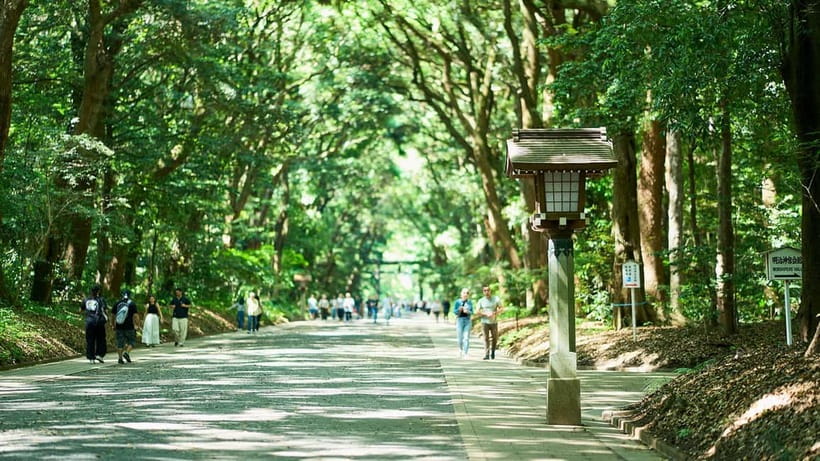
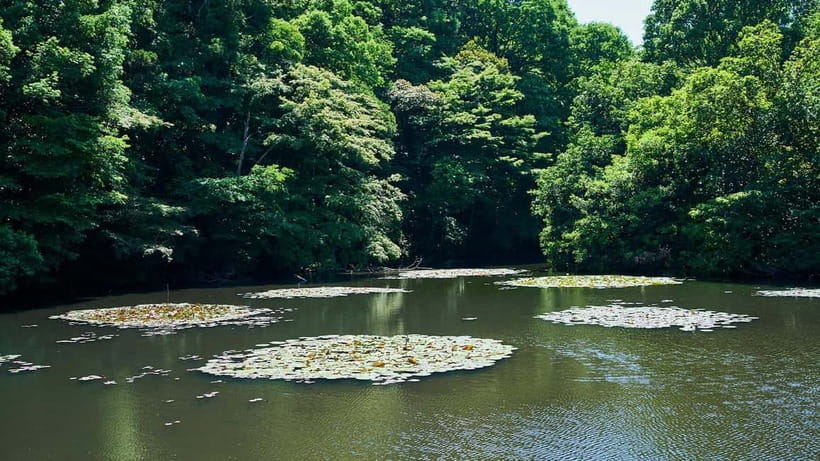
Meiji Shrine is famous for a reason, but what makes this walking tour special is the pairing of atmosphere with explanation. You start moving along a shaded path surrounded by about 100,000 trees, and you can feel the sound of Tokyo getting softer as you go deeper into the grounds. It’s the kind of setting where your brain stops scanning for the next photo and starts paying attention.
The second thing I like is that you’re not just dropped at a landmark. You’re guided through the route in a way that explains what you’re looking at and why it matters, from Shinto practice to imperial history. This is especially useful if you’ve only read a little about Japan before arriving. Here, the symbolism becomes something you can actually follow with your eyes and your feet.
You can also read our reviews of more walking tours in Tokyo



Entering the grounds the right way at the torii gates
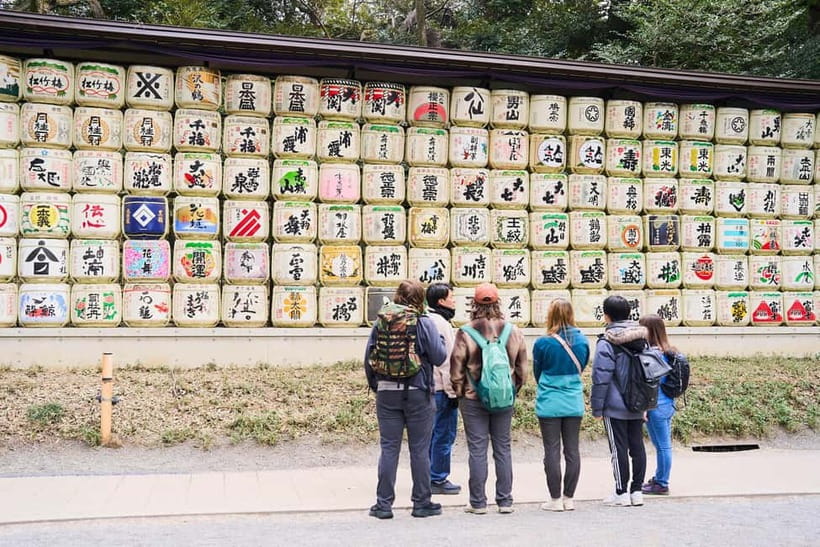
The tour’s start is built around the main entrance experience, including the first torii gate and the later big torii. You’ll have time for photos, then your guide brings you into the customs that help you act respectfully without turning it into a stressful quiz.
Here’s one detail that’s worth knowing before you show up: when you pass through the torii, it’s customary to walk along the edges of the path rather than the center route, because the center is associated with the sacred path reserved for deities (often referred to as seichu). You don’t need to be perfect, but you do want to follow the basic etiquette. Your guide makes this easy, and you’ll feel less like you’re guessing.
And yes, the big torii is the moment. This is Japan’s largest wooden torii, roughly 12 meters tall, carved from a 1,500-year-old Taiwanese cypress. Even if you normally ignore big structures, it has that effect where you slow down without trying.
Consecrated wine and sake barrels: why they matter in Shinto
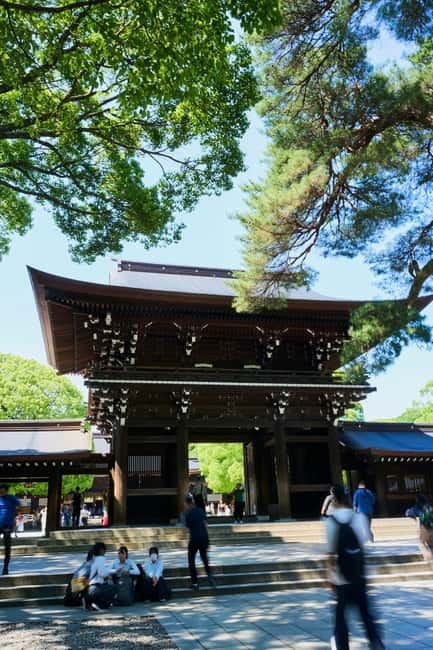
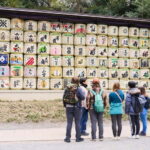
Between torii gates, you’ll stop at the consecrated wine barrels and the consecrated sake barrels. These aren’t just decorative. In Shinto, offerings are a way of acknowledging the presence and importance of the spiritual world, and the barrels help put that idea in physical form.
I like that the guide doesn’t treat this like trivia. You’ll learn the meaning behind these offerings and how they fit into the shrine’s larger rhythm. It turns a thing you might have walked past on your own into something you can understand as part of living tradition.
This is also where the tour tends to feel interactive. Guides have been praised for answering questions patiently, and you’ll often get practical guidance on how to participate without turning it into a tourist performance.
The Emperor Meiji poetry stop you can actually connect to
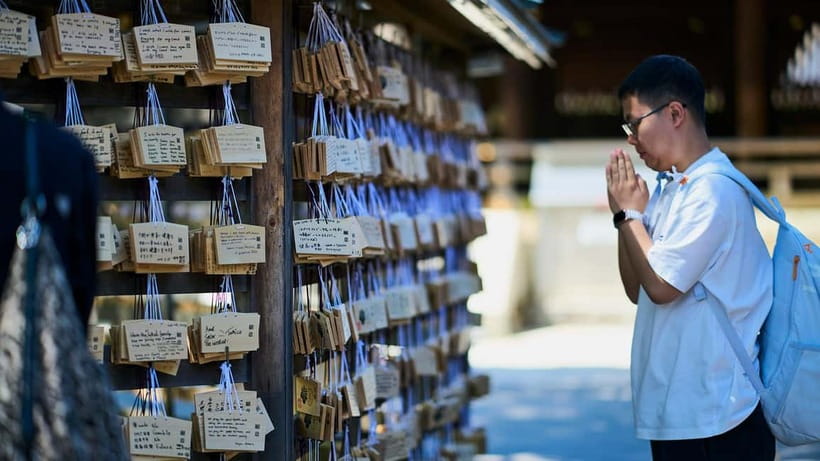
One of the tour’s more memorable moments is the stop for imperial poetry linked to Emperor Meiji. If you’ve ever found Japanese history a bit abstract, poetry helps the story land in a human way.
At this point, the tour is also doing something smart: it connects Japan’s spiritual practice to the country’s political and cultural framework. The highlights mention the imperial system spanning about 2,600 years, and the walking route gives you that context without drowning you in dates.
Expect a guided explanation that ties symbols on the grounds to the imperial legacy behind them. It’s the kind of interpretation that makes you look at the shrine and think, Ah, this is not random. It’s a system—just not the kind you typically learn in a classroom.
Main shrine time: prayer, amulets, and Omigokoro fortunes with English

Once you reach Meiji Jingu itself, you get the part most people came for: the chance to experience Shinto in a direct way. There’s guided time first, then a longer window for free time, shopping, and reflection.
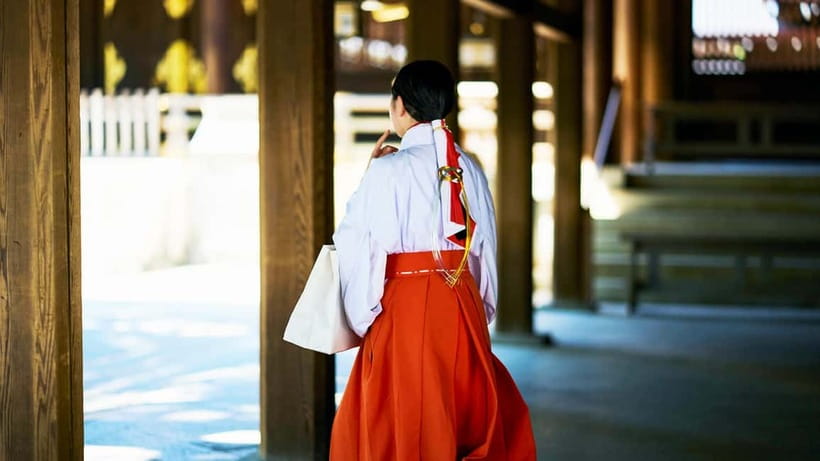
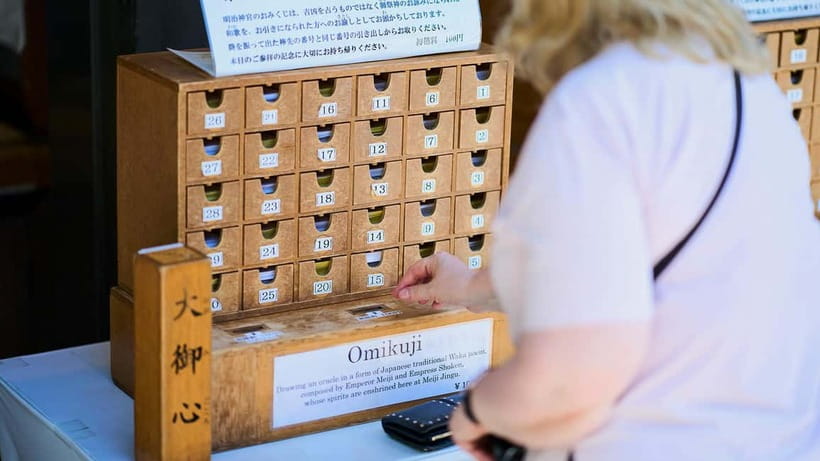
At the shrine, you can purchase omamori (protective charms) and also try a special fortune option called Omigokoro. What makes Omigokoro stand out is that it features poems written by Emperor Meiji and Empress Shoken, with English translations included. That means the ritual doesn’t require you to be fluent to understand what you’re reading.
If you’re the type who worries you’ll do something wrong, this is another place where a good guide pays off. Multiple guides have been praised for walking people through customs clearly and helping with the small practical problems that pop up in real life. For example, one guide was noted for providing coins for offering when someone didn’t have any, which is exactly the sort of detail that saves your moment from turning into a scramble.



Forest Terrace and Café Mori no Terrace: a calm break that makes sense
After the shrine, the tour shifts gears to Forest Terrace Meiji Jingu, and you’ll spend time at Café Mori no Terrace. This break matters more than it sounds. When your day in Tokyo includes a lot of sensory overload, having a planned pause helps you actually absorb what you just learned.
You can enjoy Japanese tea and light snacks while staying surrounded by greenery. It’s also the easiest time to regroup if your group split during photo stops or if someone wants a few minutes of quiet.
The tour also includes time to shop. You’ll find souvenirs like eco-blocks made from fragrant Japanese camphor and miniature barrels of sacred sake. Those are great for practical gift-buyers because they feel themed, not generic.
Small group (up to 10): why the guide quality really changes the experience
This tour is limited to 10 participants, and that size makes a difference on a shrine visit. You can ask questions and actually get answers, and your guide can adjust the pace if the group needs more time at a specific stop.
What I’d pay attention to here is the consistent praise for guide performance. Names that come up include Tomo, Keiko, Yuuka, Yuuki, Ayaka, Kaido, and Nonoka, and the themes are similar across them: clear English, friendly guidance, and a knack for explaining Shinto and the imperial context in a way that feels understandable.
You’ll also often get help with participating respectfully, from prayer and wishes to knowing how to handle common shrine activities. If you’re coming to Japan for the first time, this is a great way to get your bearings. Once you learn the etiquette here, other shrines start feeling less like a maze.
Pacing: 90 to 135 minutes that don’t feel rushed
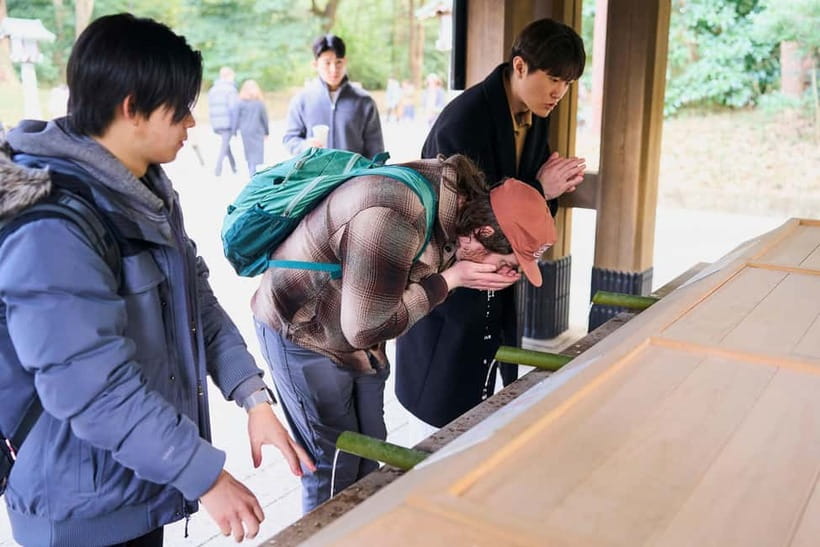
The tour runs about 90–135 minutes, which is a sweet spot for people who want meaning without committing half a day. Most stops are short photo-and-walk moments, with the main shrine giving you the longer stretch of time—around 45 minutes—to do the parts you’ll care about most.
The schedule also includes time for the café break (about 15 minutes), plus short guided segments at each key photo stop. If you’re traveling with a tight plan, this pacing is useful. If you love lingering at places, you might wish the shrine free time were longer, but you’ll still have enough room to buy a charm or fortune and take a breath.
Price and value: getting a lot of guided meaning for $23
At $23 per person, this is priced like a “smart add-on” rather than a big-ticket sightseeing production. The reason the value feels strong is that you’re not paying just for walking between sights. You’re paying for guided interpretation at each emotional beat: torii etiquette, the offering barrels, imperial poetry context, and Shinto practice.
Also, with the small group limit, the guide isn’t just repeating the same script for everyone. You get more chance to ask questions, and that’s where tours either feel worth it—or feel like audio guides with better shoes.
If you’re trying to balance budget with cultural depth, this is the kind of experience that can anchor the rest of your Tokyo days. You leave with practical knowledge, not just photos.
Who should book this Meiji Shrine tour
This tour is a strong fit if:
- You want Shinto etiquette explained so you don’t feel awkward
- You’re curious about the imperial system and how it shows up in cultural spaces
- You enjoy forests, walking paths, and the calmer side of Tokyo
- You want a guide who can answer questions and keep you oriented
It’s less ideal if:
- You need the tour in Japanese, since Japanese support isn’t available
- You prefer fully self-guided shrine visits with no scheduled structure
Should you book this Meiji Shrine walking tour?
If you’re even slightly interested in understanding what you’re seeing—torii rules, offerings, and the imperial-poetry links—book it. For the time window (about 1.5–2.5 hours) and the price, you’re getting a guided framework that helps the shrine feel understandable, not just impressive.
I’d especially recommend it as an early Tokyo activity. Learning how to move respectfully through a shrine first will make your later visits feel easier. And because the group stays small, your guide’s personality and question-answering style should matter more than it would on a bigger bus tour.
If you’re ready for a quiet walk, a few meaningful rituals, and a tea break that doesn’t feel like an afterthought, this is a great call.
FAQ
How long is the Tokyo Meiji Shrine Walking Tour?
The tour lasts about 90 to 135 minutes.
How big is the group?
It’s a small group capped at up to 10 participants.
Is the tour available in English?
Yes. The tour is conducted in English only.
Where do you meet?
The meeting point may vary depending on which option you book, with Harajuku Station (原宿駅) listed as one starting point option.
What stops are included during the walk?
You’ll visit key areas including the Meiji Jingu Ichino Torii, consecrated wine barrels, consecrated sake barrels, the big torii, an imperial poetry stop, the main Meiji Jingu shrine, and the café at Forest Terrace Meiji Jingu.
Can I buy omamori or fortune items during the tour?
Yes. At the main shrine, you can purchase omamori and try an omikuji called Omigokoro.
Is there time for tea or snacks?
Yes. There’s a break time at Café Mori no Terrace with Japanese tea and light snacks, plus time for photos and shopping.