REVIEW · PORTO
Porto: Jewish Heritage Walking Tour
Book on GetYourGuide →Operated by EFun Tours · Bookable on GetYourGuide
Porto hides Jewish clues in plain sight. This 3-hour walking tour takes you into Porto’s old streets to learn how Jewish life coexisted with local Christians since the 12th century, and I love the way the guide points out street-level synagogue clues you’d miss on your own. You’ll also hear about key figures like Captain Arthur Carlos de Barros Basto, known as Abraham Israel Ben-Rosh, and how his legacy connects to the Kadoorie Mekor Haim synagogue.
The walk also feels “real” because it’s tied to places you can see and climb, including the Esnoga stairs and the viewpoints above the city. One consideration: Porto is hilly, so expect steep streets and stair climbing even though it’s only about 3 hours.
In This Review
- Key highlights you should know before you go
- What you’re really buying with this 3-hour Porto tour
- Getting to the meeting point: Pelourinho do Porto vs. Rua de Sant’ Ana
- Sant’ana Street and the 12th-century origin story
- Miradouro da Vitória: a photo stop with historical weight
- S. Bento da Vitória Church and Comércio do Porto Street
- Esnoga stairs: when Porto’s stone steps become a story marker
- Parque das Virtudes, Virtudes garden, and the finish near Jewish Mountain
- The named stories that keep the walk from turning into a lecture
- Guide style: what you can expect from the people leading the walk
- Price and value: is $35 reasonable for a Porto walking history tour?
- Comfort, pace, and who this walking route suits
- What’s not included (and why that can actually be a good thing)
- Should you book the Porto Jewish Heritage Walking Tour?
- FAQ
- How long is the Porto Jewish Heritage Walking Tour?
- What does the tour cost?
- Where do I meet the guide?
- Is the tour offered in English?
- What’s included in the ticket price?
- Is there a synagogue visit included?
- Is the Jewish Heritage Museum included?
- Does it include transportation?
- How much walking is involved, and is it suitable for wheelchair users?
- What’s the cancellation and booking flexibility?
- Is private group available?
Key highlights you should know before you go
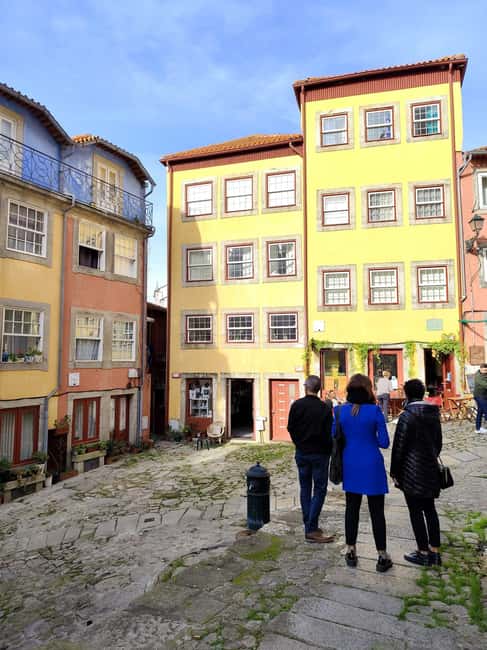
- Hidden synagogue references in plain sight, explained with real context so the city makes sense
- A 12th-century story arc that connects everyday neighborhoods to big historical pressure
- Viewpoints built into the route, including Miradouro da Vitória for photos
- Local place names that act like a map, from Sant’ana Street to Comércio do Porto Street
- Named characters and legacies, including Abraham Israel Ben-Rosh and the Kadoorie Mekor Haim synagogue
- A guide-led walking pace where questions are part of the experience (and the route gives lots to ask about)
What you’re really buying with this 3-hour Porto tour
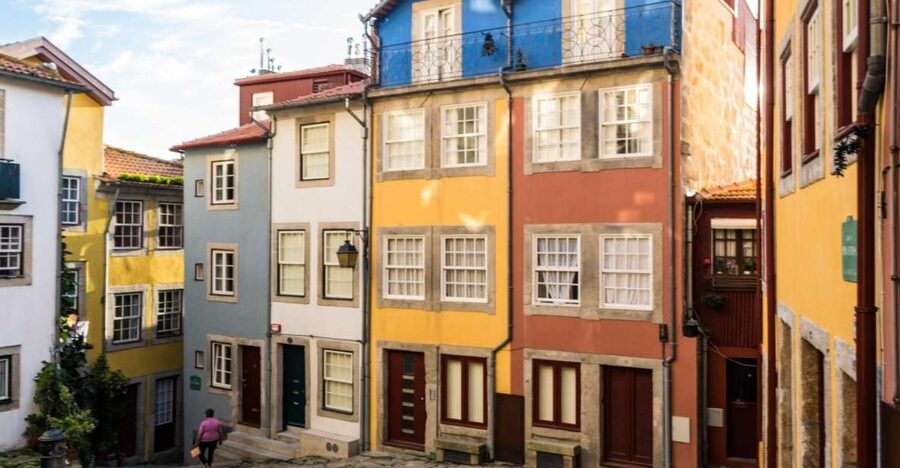
This tour is built around one idea: Jewish history in Porto isn’t only in museums or one building. It’s written into streets, stairways, church-adjacent corners, and small details on façades. With a local guide, you connect those dots—how neighborhoods shifted, how trade and community life worked, and how pressure over centuries changed what could be seen publicly.
You’ll walk through an older Jewish quarter feel—narrow streets, stairs, and viewpoints—so the “timeline” isn’t abstract. And since it runs about 3 hours, it’s a good fit if you want something deeper than a quick city highlight route, but you still want to keep your day flexible.
Two practical things to plan around:
- It’s a walking tour with moderate uphill effort.
- It focuses on the story and the streets; it does not include a synagogue visit or the Jewish Heritage Museum.
You can also read our reviews of more walking tours in Porto



Getting to the meeting point: Pelourinho do Porto vs. Rua de Sant’ Ana
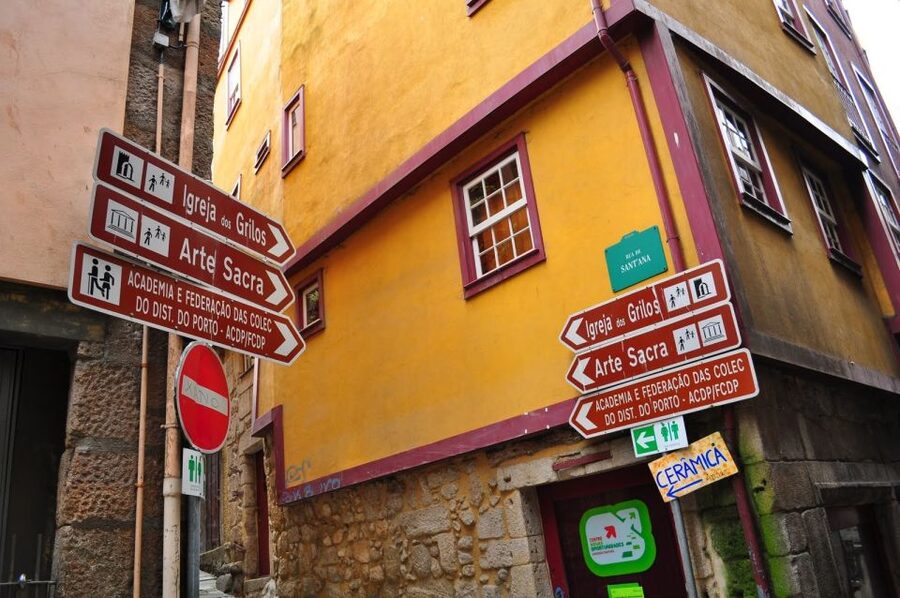
Your start point can vary by option, with two stated possibilities: Pelourinho do Porto or Rua de Sant’ Ana. Either way, you’re starting in a central Porto area, which is helpful because you won’t need a complicated transit plan just to begin the tour.
My advice is to arrive a bit early and give yourself time to orient—Porto’s streets can be confusing at first, especially on hills. Also, if you’re pairing this tour with other sightseeing, don’t schedule it right after something else that already runs long. You want your legs fresh for the stairs.
If you’re the type who likes to build a day around views, you’ll also like that the route brings you toward lookouts and gardens later.
Sant’ana Street and the 12th-century origin story
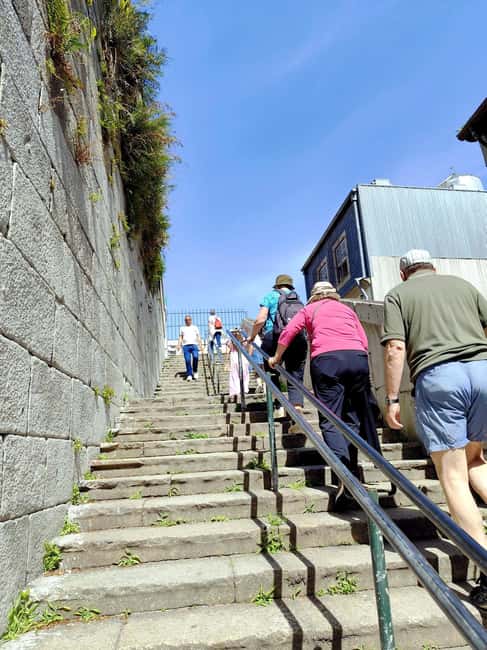
One guided portion is centered on Rua de Sant’ Ana / Sant’ana Street (about 30 minutes of walking as part of the route). This is where the tour starts framing the big picture: Jewish presence in Porto reaching back to the 12th century, alongside a Christian majority.
What makes this part valuable is that the guide doesn’t treat history like a list of dates. You’ll hear about coexistence, trade connections, and where the community’s influence took root in the city’s layout. That matters because Porto’s current streets don’t label every former neighborhood for you. By the time you reach later stops, you’ll recognize the “why” behind the route.
A small heads-up: in the early stretch, you’ll be learning while moving. If you prefer to pause frequently, keep asking questions. Many of the tour experiences you’ll hear about include lots of back-and-forth.
Miradouro da Vitória: a photo stop with historical weight
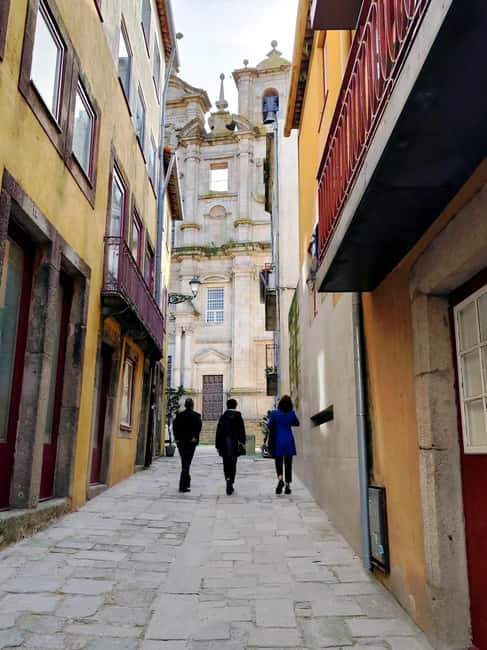
Next comes Miradouro da Vitória, with a photo stop and scenic views on the way (about 30 minutes). On the map, this looks like a standard Porto viewpoint. On the ground, it becomes part of the storytelling—because steep streets and elevation change how neighborhoods connect and how people moved.
This is the moment when you’ll likely appreciate why the guide keeps referencing local place names. From a higher spot, it’s easier to imagine how older Jewish quarters sat in relation to churches, markets, and main streets below.
If the day is clear, you’ll want to take photos here. If it’s rainy, you’re still in a good position because the route is built around walking segments and stops—you’re not stuck waiting in one exposure point.
S. Bento da Vitória Church and Comércio do Porto Street
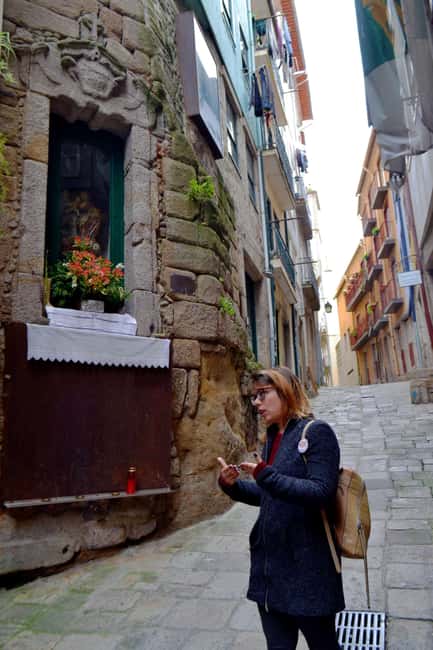
As you continue, the route includes S. Bento da Vitória Church and walking along Comércio do Porto Street. These aren’t random stops. They help connect the story of Jewish life to the Christian religious and civic spaces that shaped daily rules and public visibility.
From a traveler’s point of view, this is where the tour feels most different from a generic “Jewish history in one building” experience. You’re learning how Jewish life intersected with the power centers of the city—what was possible, what was permitted, and how that shifted as pressure increased.
You’ll also hear about how the city’s Jewish population moved, changed, and sometimes was forced out or altered. That theme shows up again later when you reach stairs and gardens.
You can also read our reviews of more historical tours in Porto


Esnoga stairs: when Porto’s stone steps become a story marker
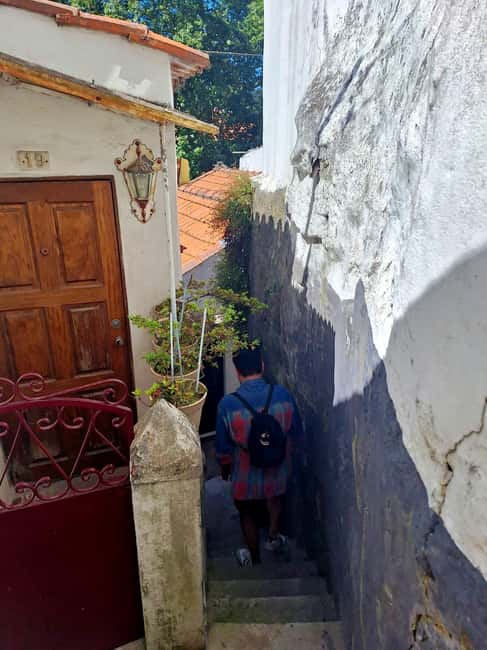
One of the most specific and memorable elements is the route up the Esnoga stairs. You’re not just climbing steps for exercise. The guide uses the physical route to anchor the history, including references connected to synagogue life and community geography.
This part is often what people remember after the tour because it’s dramatic: narrow stone steps, steep Porto energy, and a strong sense that you’re walking through layers of time. If you’ve visited Porto before and thought it was only pretty—this is where it turns into “connected understanding.”
Tip: wear shoes with grip. Even if you don’t hate stairs, Porto’s uneven steps can be a surprise if you’re used to flatter cities.
Parque das Virtudes, Virtudes garden, and the finish near Jewish Mountain
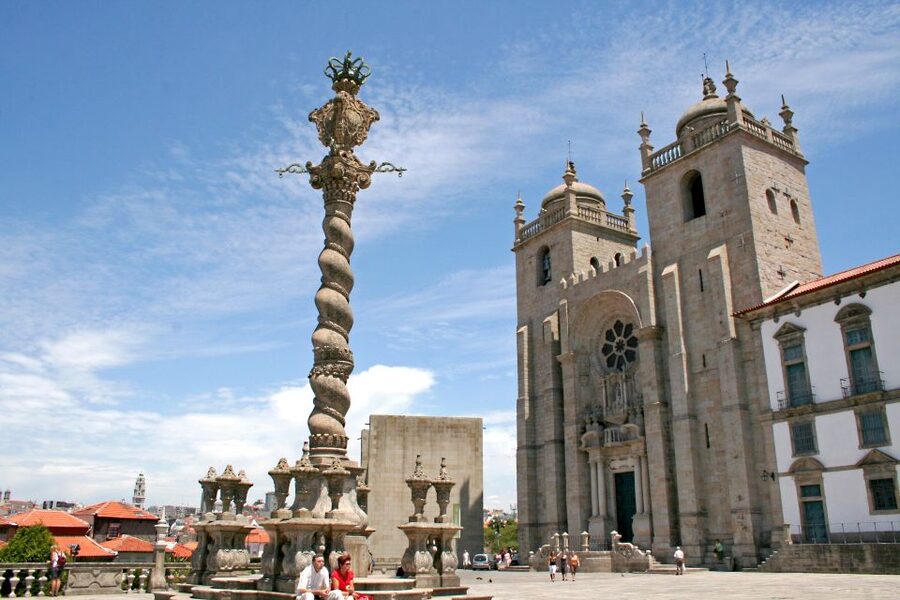
The tour includes Parque das Virtudes with scenic views on the way (about 30 minutes), and it ties in Virtudes garden and the area referred to as Jewish Mountain. The tour finishes at Parque das Virtudes.
This ending makes sense. You’ve spent the earlier portion moving through streets and explaining centuries of coexistence and pressure. Finishing at a green, scenic area gives your brain a place to breathe and your legs a chance to slow down.
It also encourages you to look back at Porto with a new filter. When you’re under the city’s perspective later—on a return walk, at a viewpoint, or while grabbing dinner—you’ll likely spot the same street geometry the guide used, and it’ll click.
The named stories that keep the walk from turning into a lecture
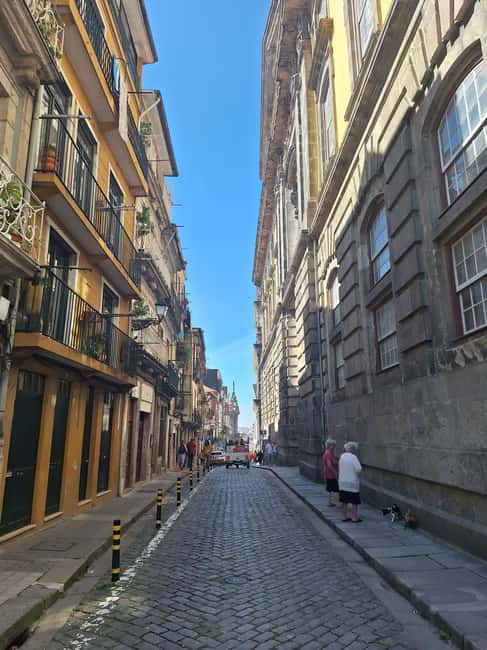
A lot of what makes this tour land well is the human layer. The guide isn’t only describing “Jewish history happened here.” You’ll hear about specific figures and legacies, including:
- Captain Arthur Carlos de Barros Basto (Abraham Israel Ben-Rosh), described as a founder figure for the Jewish community in Porto
- His major contribution tied to the construction of the Kadoorie Mekor Haim synagogue
- The way the guide explains historical pressure, including the consequences linked to the Inquisition and the effects of force conversion
- How Jewish symbols and traces can show up on buildings, even after public life changes
This matters for you because it turns random architecture into evidence. You start noticing small marks—inscriptions and clues on buildings—that you’d never look for unless someone trained your eye.
Guide style: what you can expect from the people leading the walk
You’ll be with a live local guide speaking English or Portuguese. Different guides lead this tour (for example, names like Ricardo Silva, Pedro, Jorge, Daniel, Vanessa, Maria show up), but the consistent pattern is that the best sessions keep things friendly and question-driven.
From the descriptions you have here, I’d expect guides to:
- answer questions patiently
- connect the story to visible street details
- use humor at appropriate moments (helpful on a hilly walk)
- sometimes reference visual materials like photos while explaining less-visible details
One practical note: in rain, the guide may adjust by using covered stops when possible. Porto weather can be moody, so don’t stress if skies change mid-walk.
Price and value: is $35 reasonable for a Porto walking history tour?
At $35 per person for about 3 hours with a local guide, this is priced like a serious walking tour rather than a short “check the boxes” stroll. The value comes from two things:
1) You’re paying for interpretation. Porto’s Jewish heritage isn’t always obvious from the sidewalk. The guide’s job is to translate small cues into a coherent story.
2) You’re getting a route with built-in payoff—viewpoints and recognizable landmarks—so the walk doesn’t feel like only history facts delivered while you shuffle in place.
Also, it’s not limited to one stop. The tour moves across multiple areas (Sant’ana Street, Comércio do Porto Street, and more), so your time isn’t stuck in one neighborhood corner.
If you’re the kind of traveler who likes understanding why places are where they are, this price is a good fit. If you mainly want pretty streets with minimal interpretation, you might find it more satisfying to pair it with a lighter sightseeing day.
Comfort, pace, and who this walking route suits
This tour involves moderate walking plus Porto stairs. It’s explicitly noted as not suitable for people with mobility impairments or wheelchair users, and it’s best for folks with a reasonable fitness baseline.
For you, the smart move is to prepare your body as if you’re doing a “real Porto walk,” not a casual downtown stroll. Comfortable shoes are the only item listed as required, but I strongly recommend bringing water and wearing layers if the temperature swings during the day.
If you tend to get tired quickly on hills, plan to pace yourself. You can also check your energy level before booking and consider whether a 2-hour cut-off would be better for you (some sessions run shorter if people get tired, though the standard duration is 3 hours).
What’s not included (and why that can actually be a good thing)
The tour does not include:
- Visit to Porto’s Synagogue
- Visit to the Jewish Heritage Museum
- Transportation
This might disappoint some people expecting interiors. But there’s also a silver lining: skipping the museum and interior visits keeps the tour focused on the thing Porto does well—street geography. You learn where the community lived and how it interacted with the city around it, not just what’s behind a ticketed doorway.
Just be honest with yourself: if your top priority is seeing synagogue interiors specifically, you’ll want to pair this with other options on your own time.
Should you book the Porto Jewish Heritage Walking Tour?
Book it if you want history you can see—not only read. You’ll like this if you enjoy walking tours where the guide teaches you how to notice details: small traces on buildings, the meaning behind street names, and the link between churches, city streets, and Jewish community life over centuries.
Skip it (or plan carefully) if you can’t handle steep hills and stairs. Also, if a synagogue interior visit is your must-have, you should know this walk is designed around outside, street-based storytelling rather than museum or synagogue entries.
If your idea of a great Porto day includes both viewpoints and meaning, this one is a strong choice. You’ll leave with a different way of looking at the city—one where Porto’s stone steps and alleys feel like evidence, not just scenery.
FAQ
How long is the Porto Jewish Heritage Walking Tour?
The tour duration is 3 hours.
What does the tour cost?
The price is $35 per person.
Where do I meet the guide?
Meeting point may vary depending on the option booked, with stated options including Pelourinho do Porto and Rua de Sant’ Ana.
Is the tour offered in English?
Yes. The guide speaks English (and also Portuguese).
What’s included in the ticket price?
It includes a walking tour and a local guide.
Is there a synagogue visit included?
No. A visit to Porto’s synagogue is not included.
Is the Jewish Heritage Museum included?
No. A visit to the Jewish Heritage Museum is not included.
Does it include transportation?
No. Transportation is not included.
How much walking is involved, and is it suitable for wheelchair users?
There is a moderate amount of walking, and Porto is hilly with some steep streets. It is not suitable for people with mobility impairments or wheelchair users.
What’s the cancellation and booking flexibility?
You can cancel up to 24 hours in advance for a full refund, and there is a reserve now & pay later option.
Is private group available?
Yes. A private group option is available.